



In March, I featured the first of three postings I want to make from my recent trips to the Pantanal wetlands in central Brazil. This month I will focus on the birds, hopefully illustrating some of the fascinating biodiversity of this remarkable ecosystem.
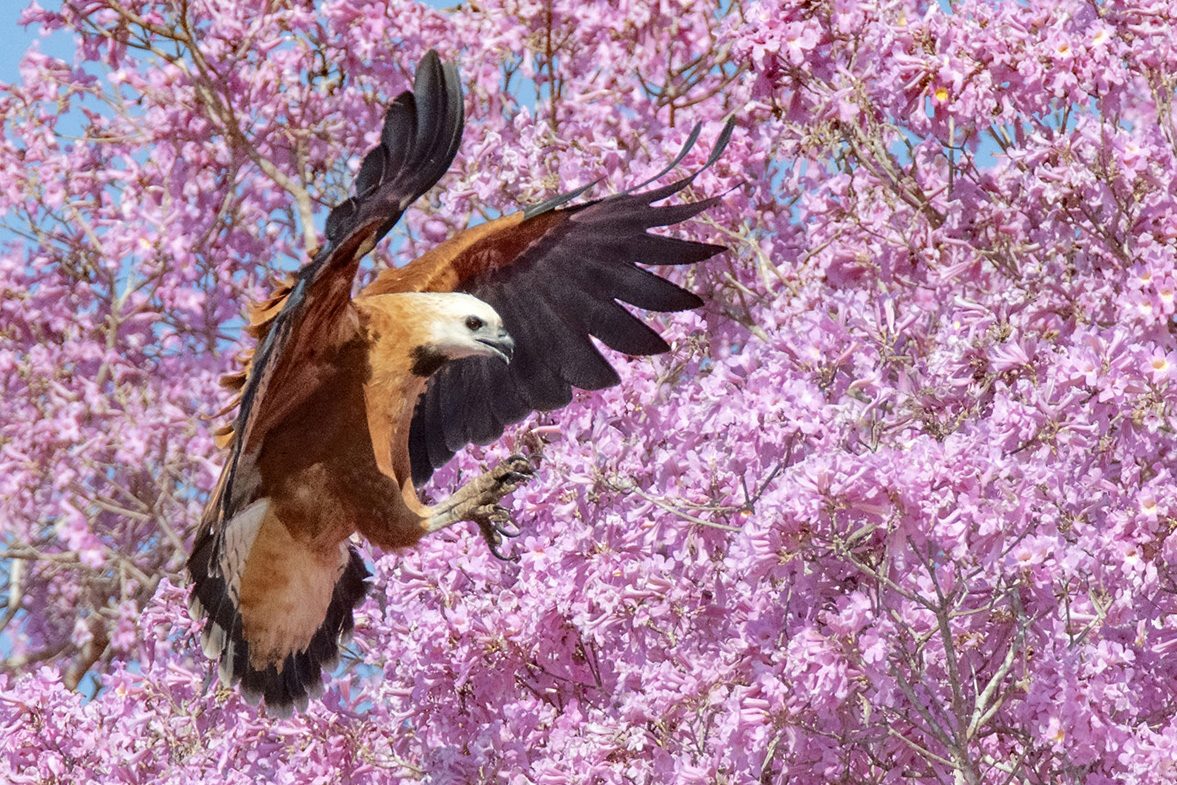
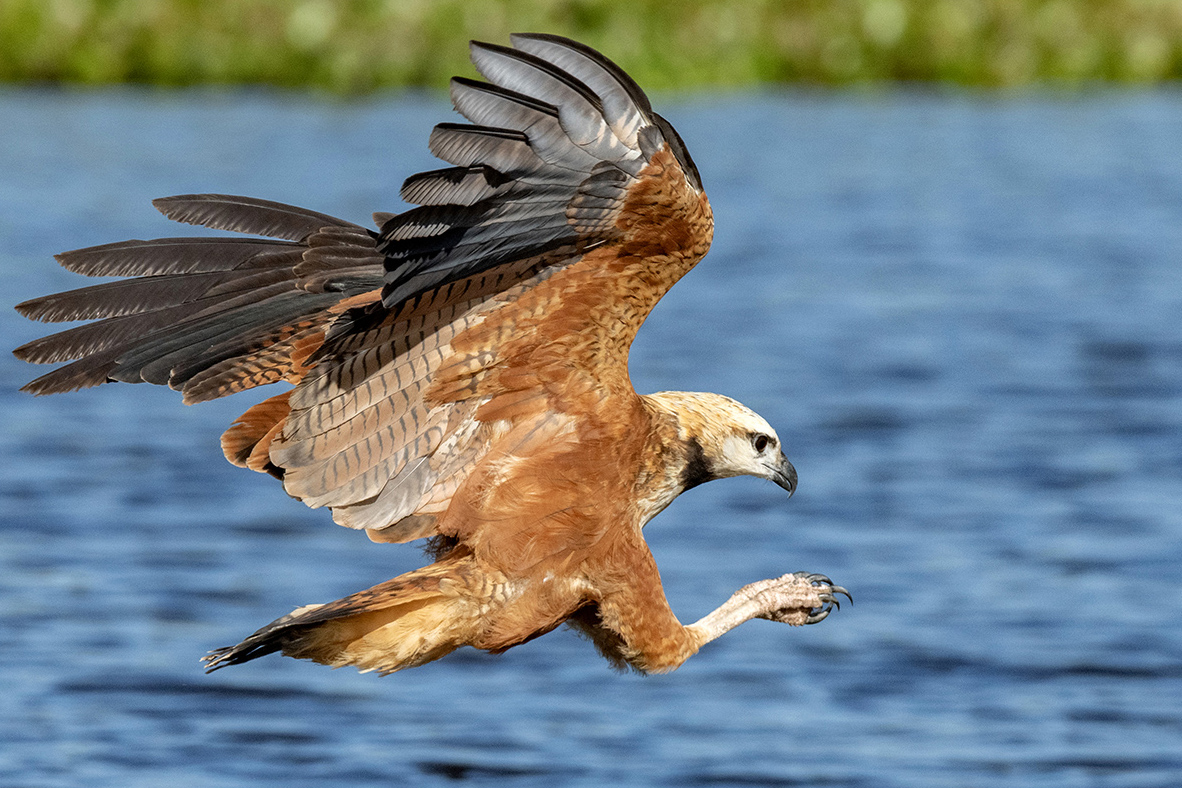
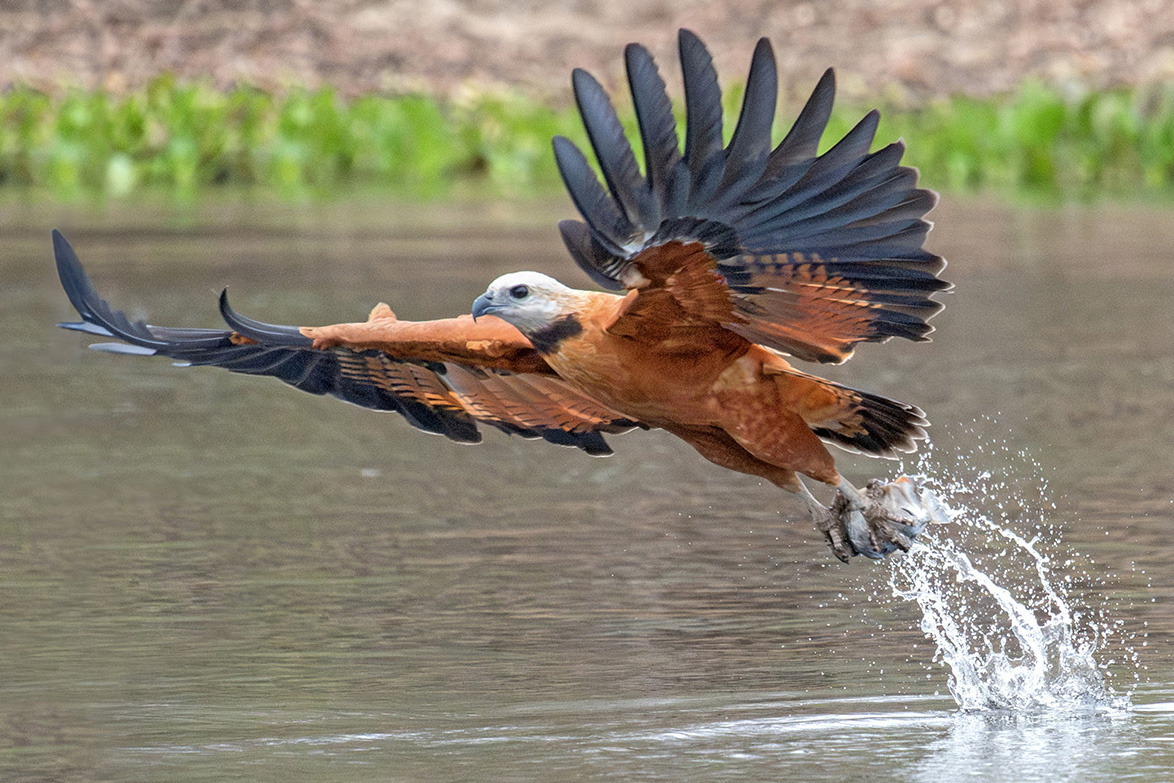
The pink blossoms are a colourful backdrop for a black-collared hawk fishing along the Rio Claro.
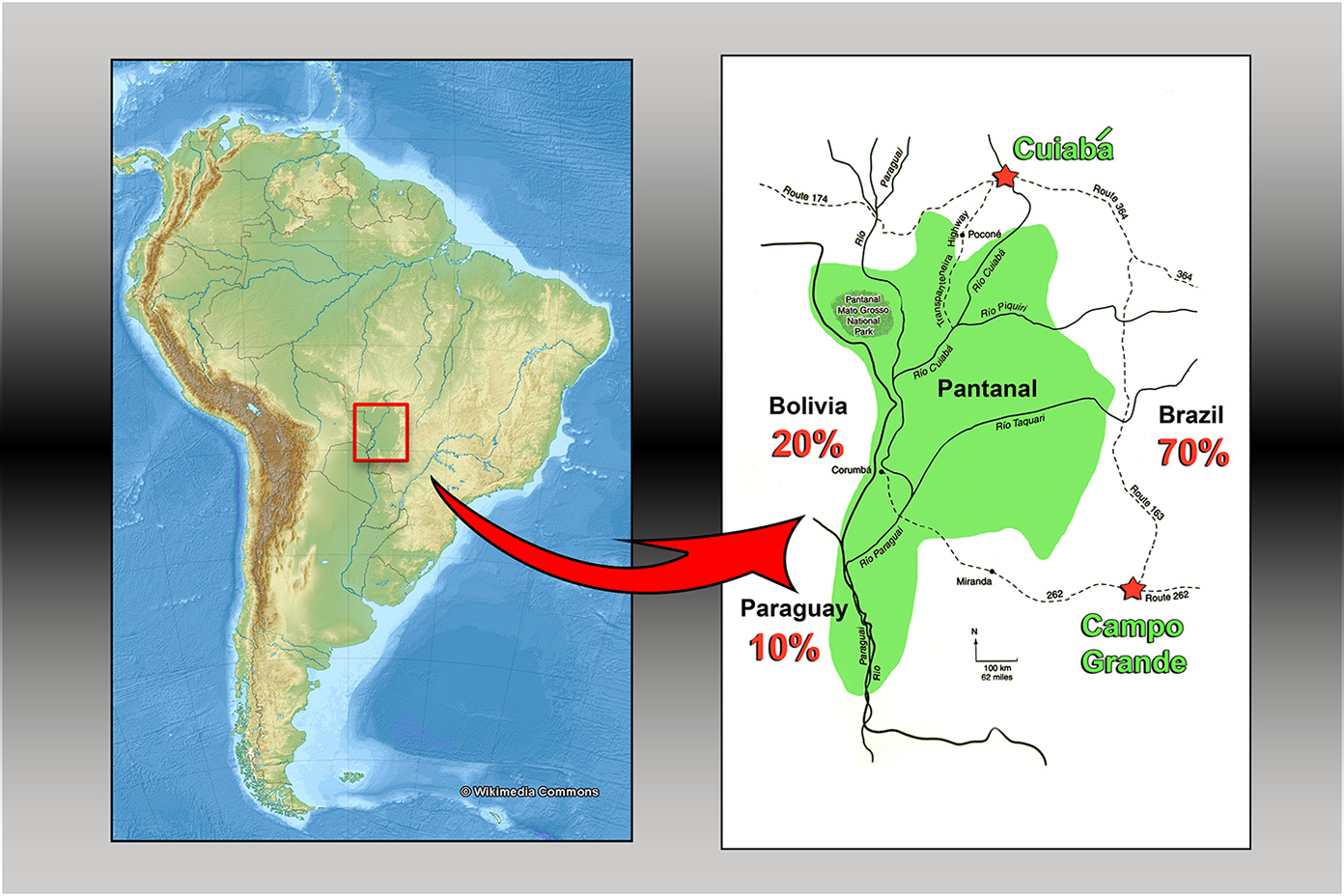
Recall that the Pantanal lies in the geographical heart of South America and is the largest seasonal floodplain on Earth, four times larger than the legendary Okavango Delta in Botswana and eight times the size of the Florida Everglades. The Pantanal spans three countries with 70% of it found in Brazil, 20% in Bolivia, and 10% in Paraguay.
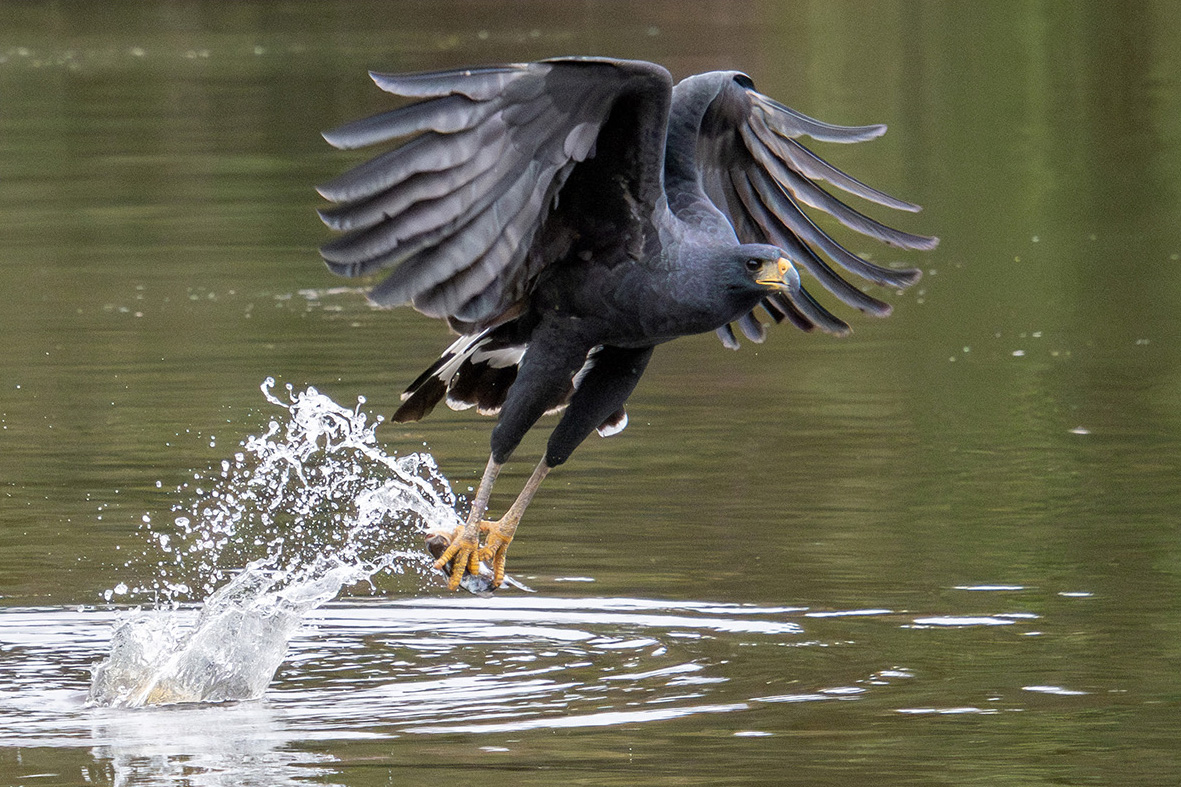
The great black hawk is larger than the black-collared hawk and feeds on fish although it has a more flexible diet that includes frogs, snakes, crabs and bats.
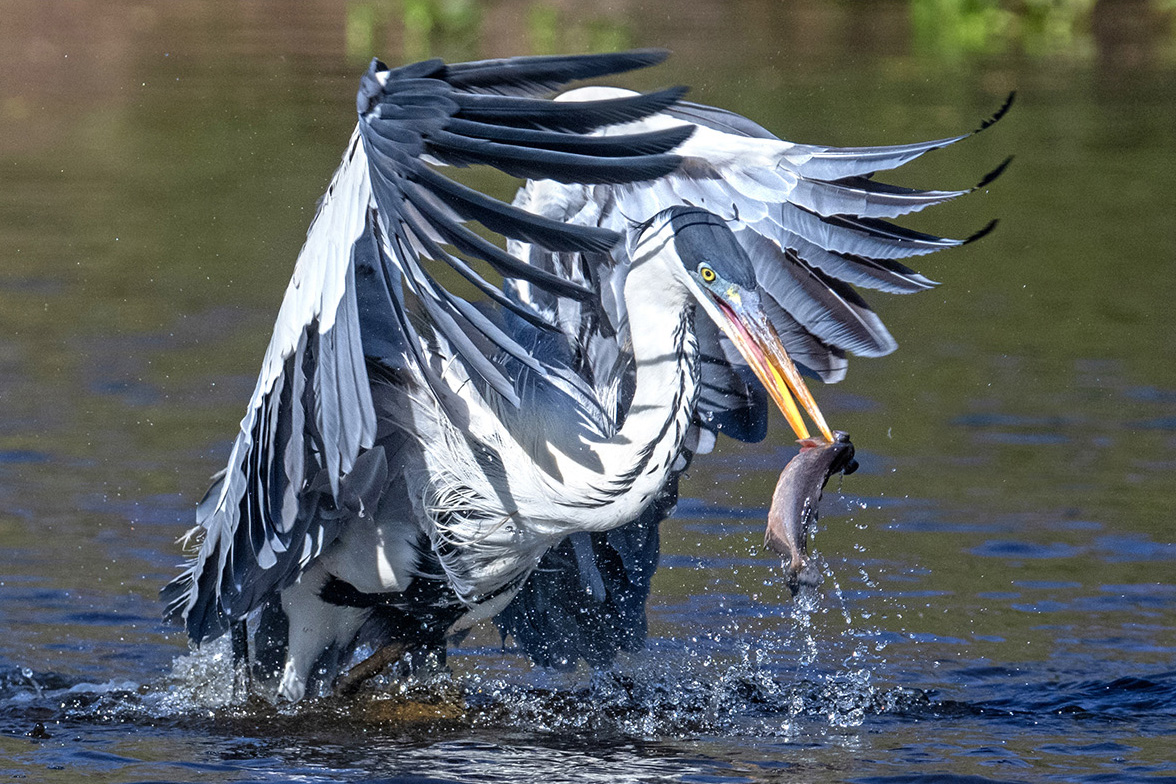
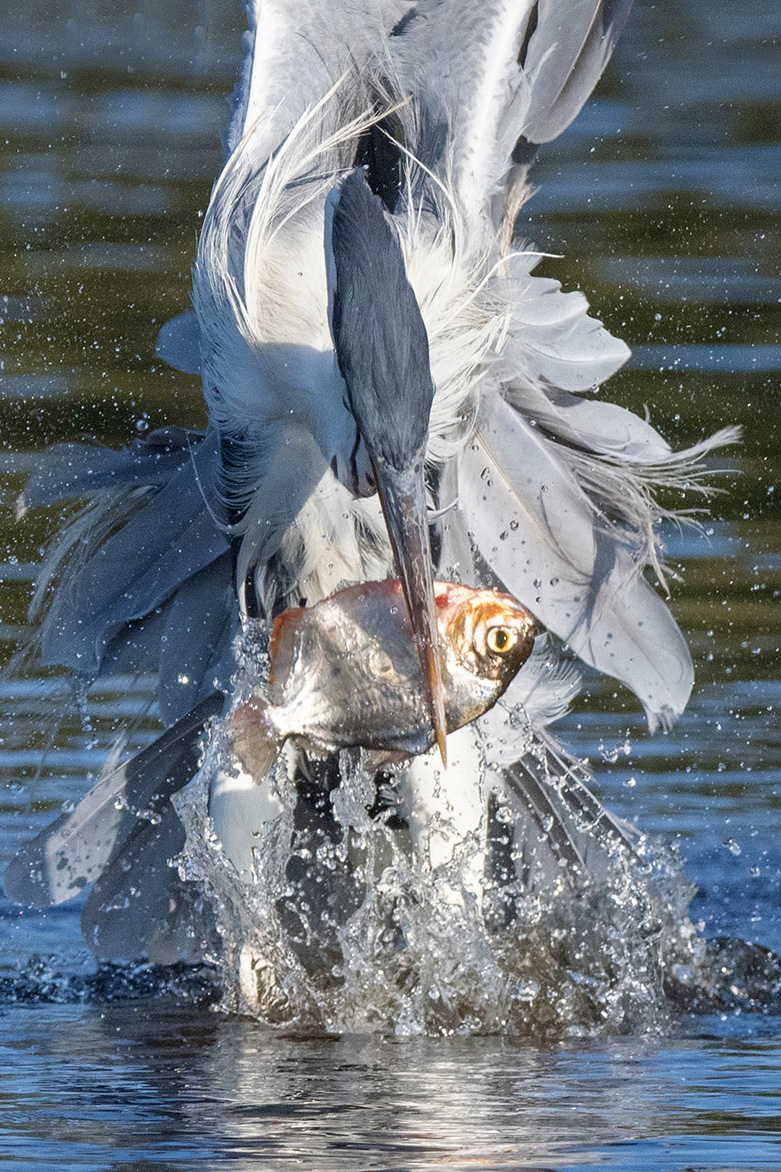
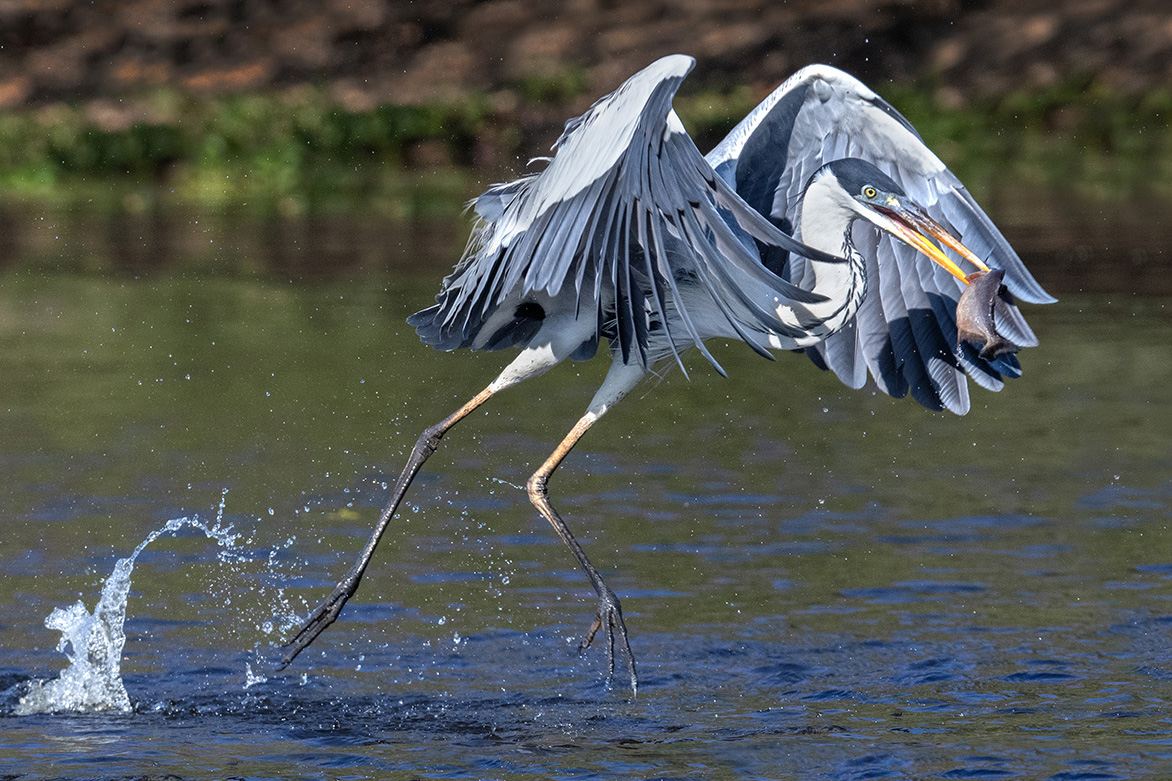
The most common long-legged wading bird I see in the Pantanal is the cocoi heron. It is closely related to the great blue heron of North America and looks and behaves very much like it.
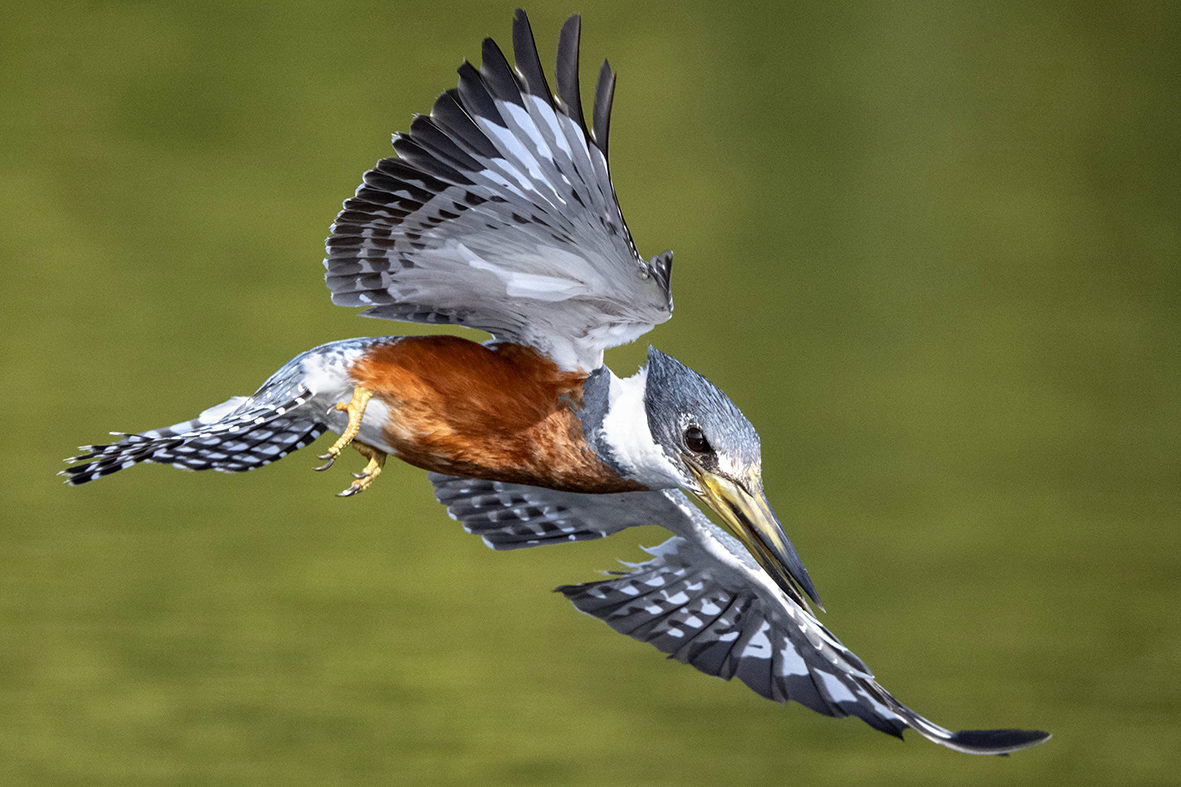
Every river and wetland has noisy kingfishers defending their fishing grounds. The ringed kingfisher, with its massive dagger-like beak, is the largest of the five kingfisher species found in the Pantanal.
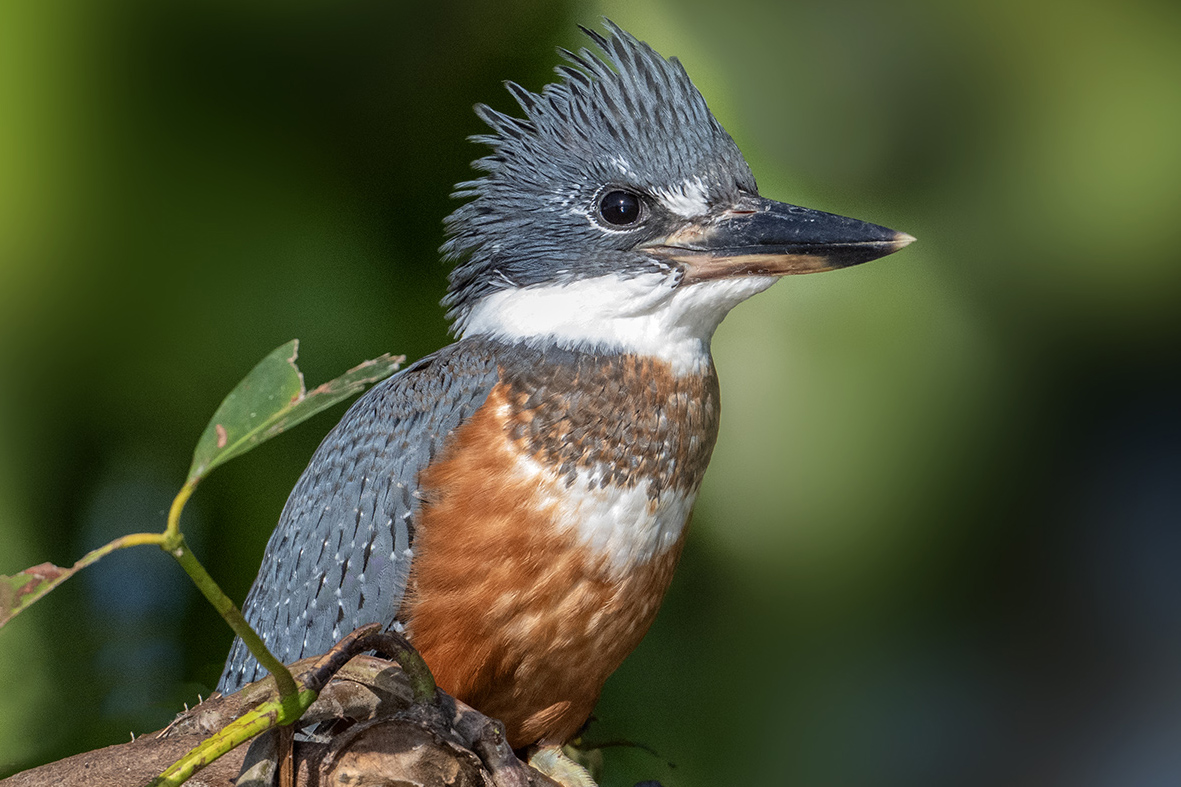
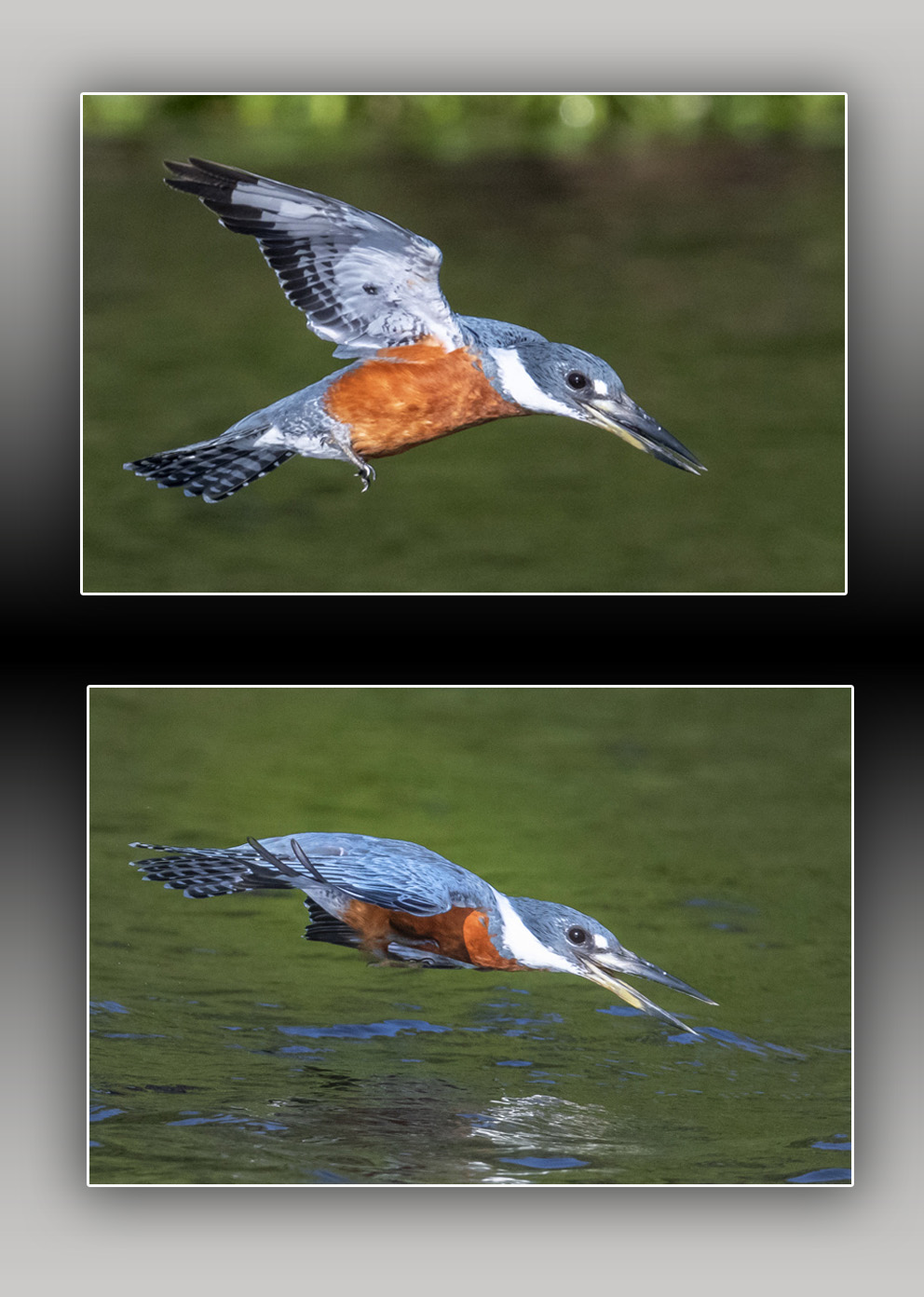
A ringed kingfisher may perch for several hours waiting for a vulnerable fish to swim close to the surface. During a dive it may disappear completely underwater.
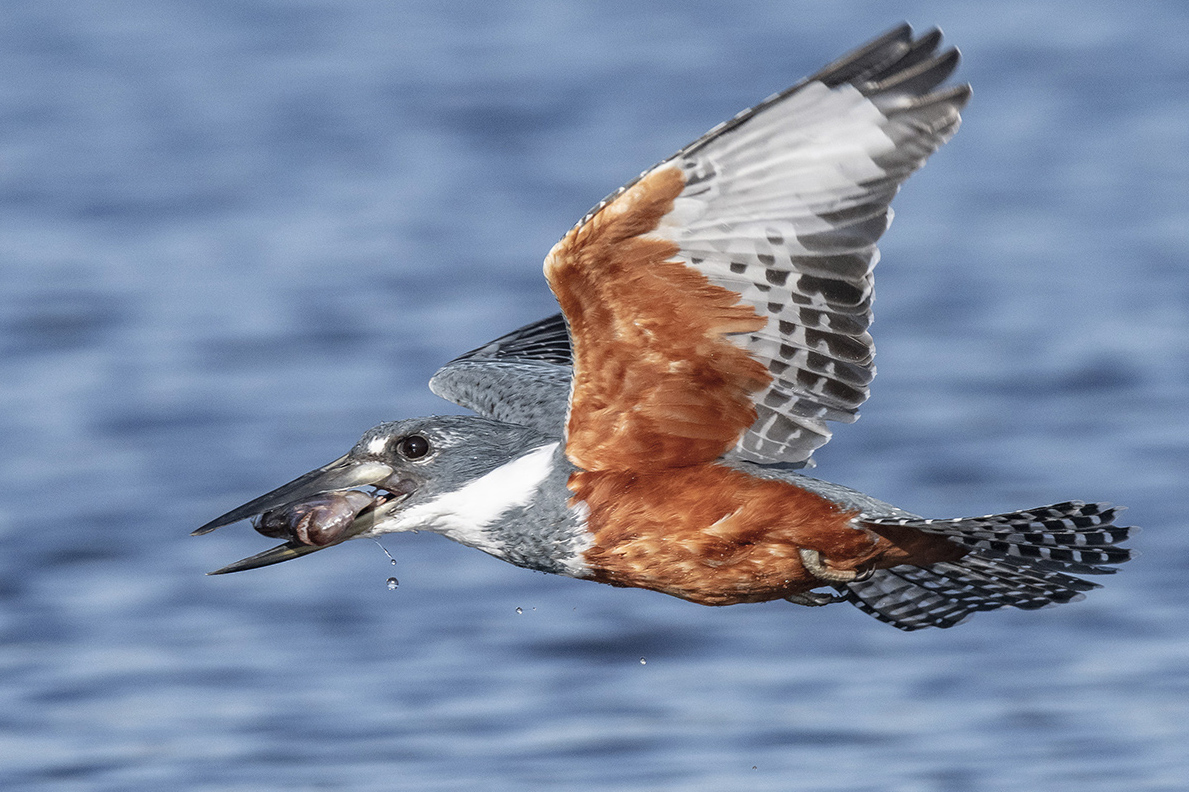
After a successful catch, this kingfisher carried the fish to an overhanging branch on which it beat it repeatedly to stun and kill it, before swallowing it in a single, convulsive gulp.
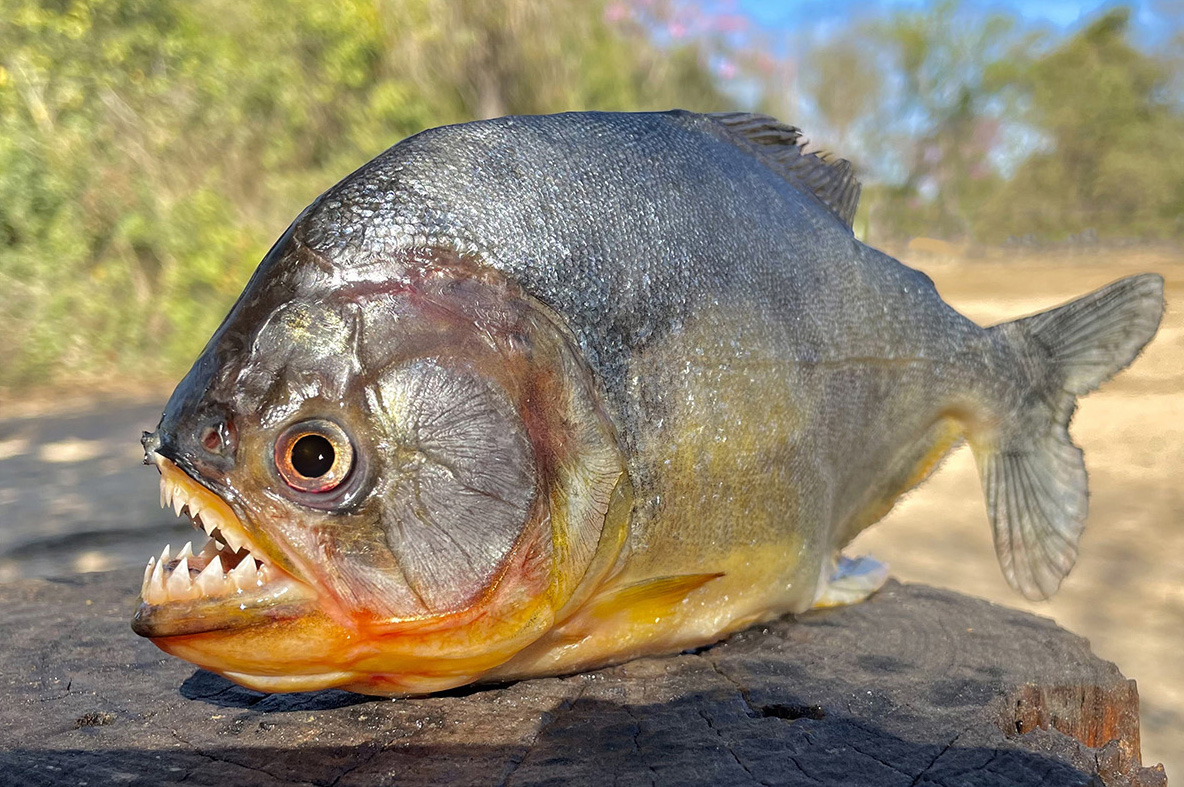
Six to eight different species of piranha occur in the Pantanal, and they are a common target for hungry hawks, herons, egrets and kingfishers. The piranha pictured here is a red-bellied piranha which may occur in predatory packs containing hundreds of fish that are known to attack animals as large as 50-kilogram (110-lb) capybaras.
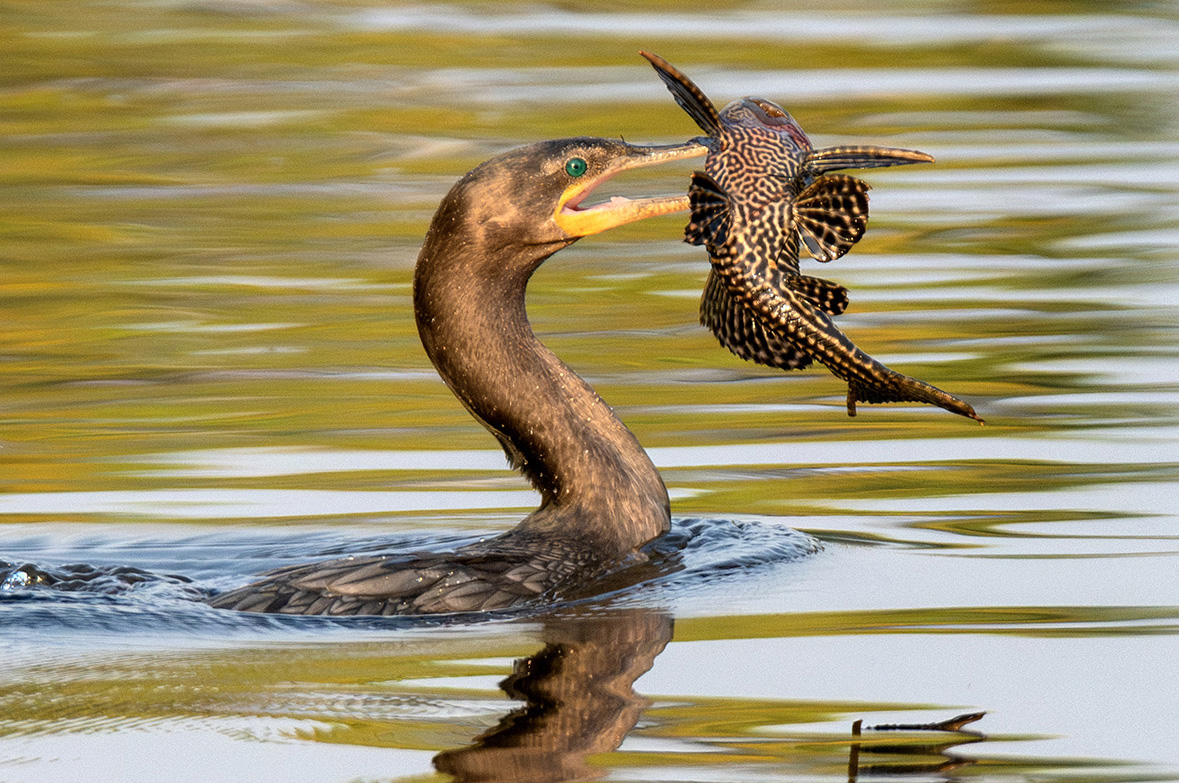
This neotropical cormorant had caught a bottom-feeding armored catfish called a pleco. The fish must be killed to relax its defensive spines before the cormorant can risk swallowing the fish whole.
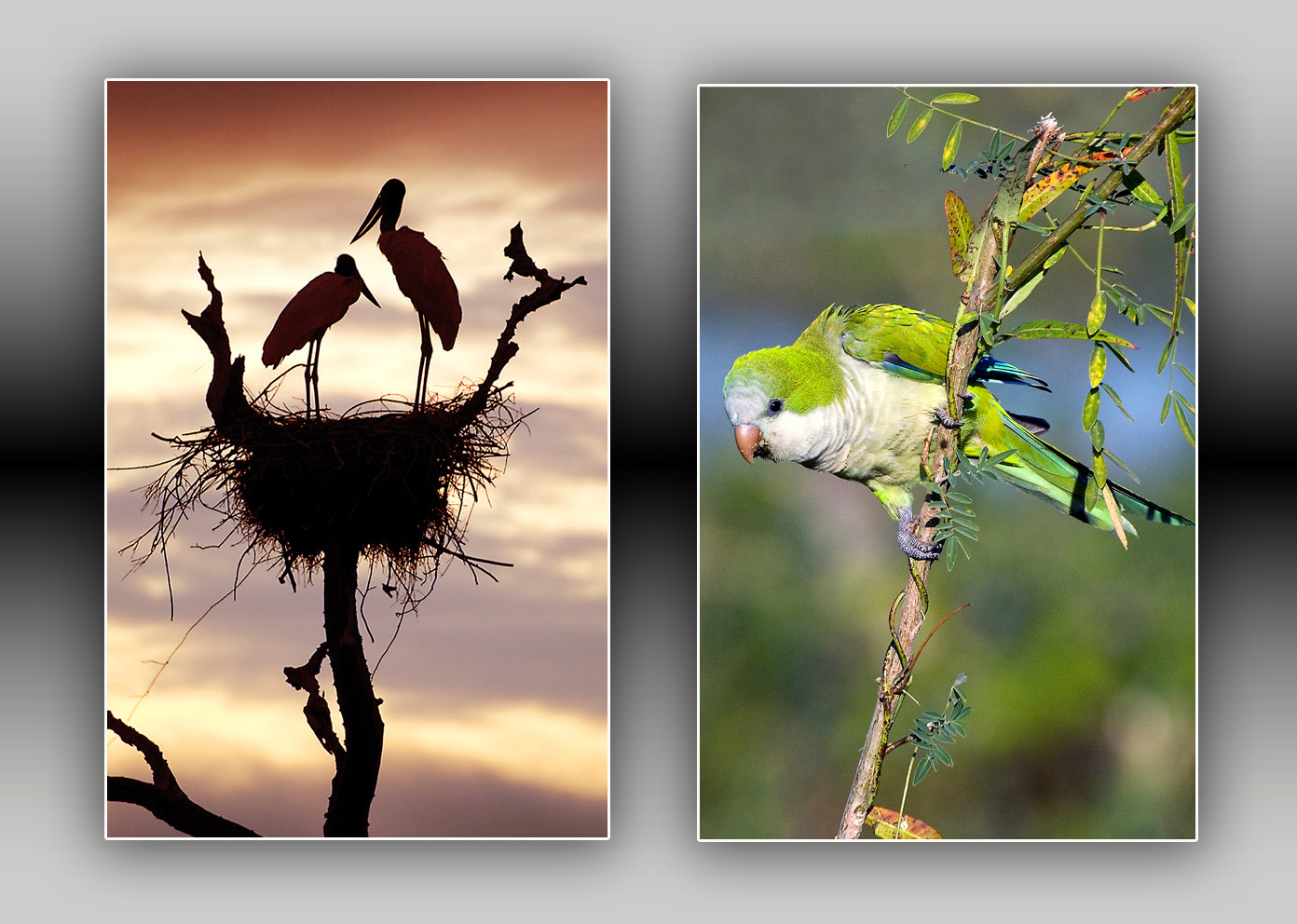
The jabiru stork builds the largest nest in the Pantanal. A pair will reuse the same nest from year to year. It may start out relatively small, but as new branches are added each year the structure can eventually end up being 2 meters (6.5 feet) in diameter and 1.5 meters (5 feet) in height. The big bulky nests are a lure for other nesting species such as monk parakeets which may build their own nests within the jumble of branches.
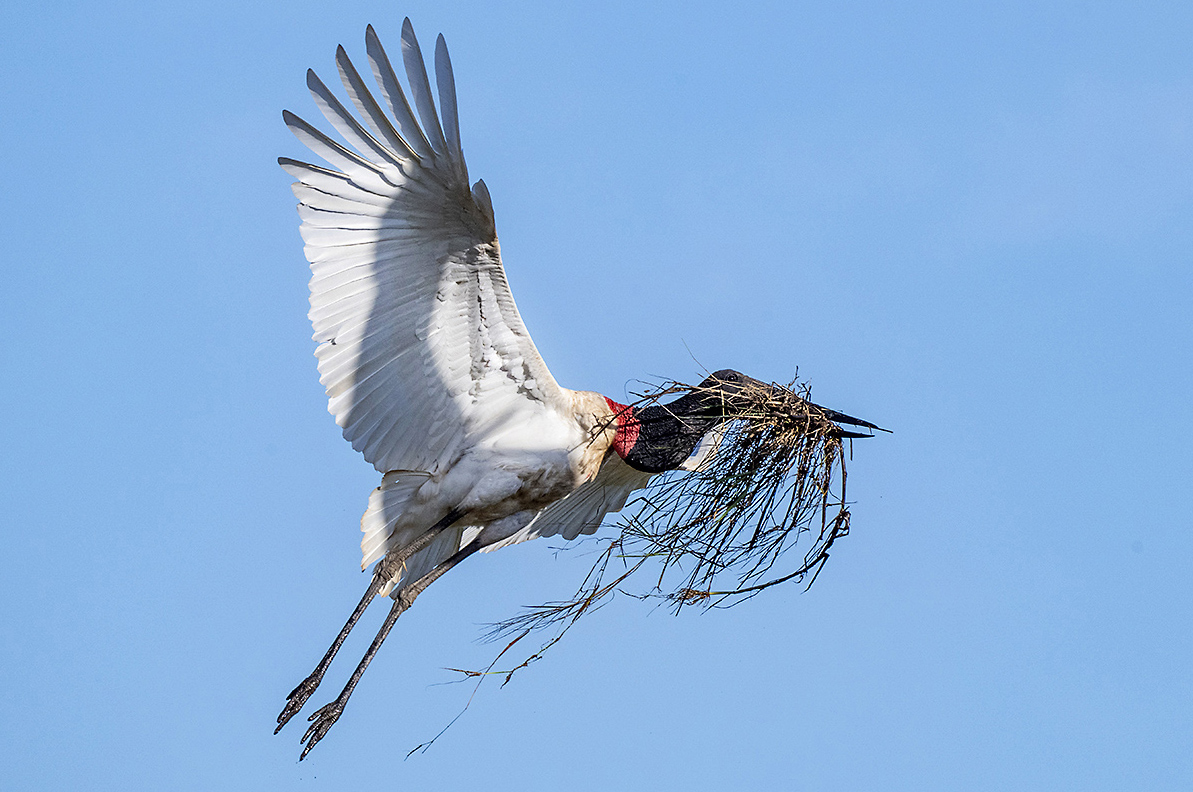
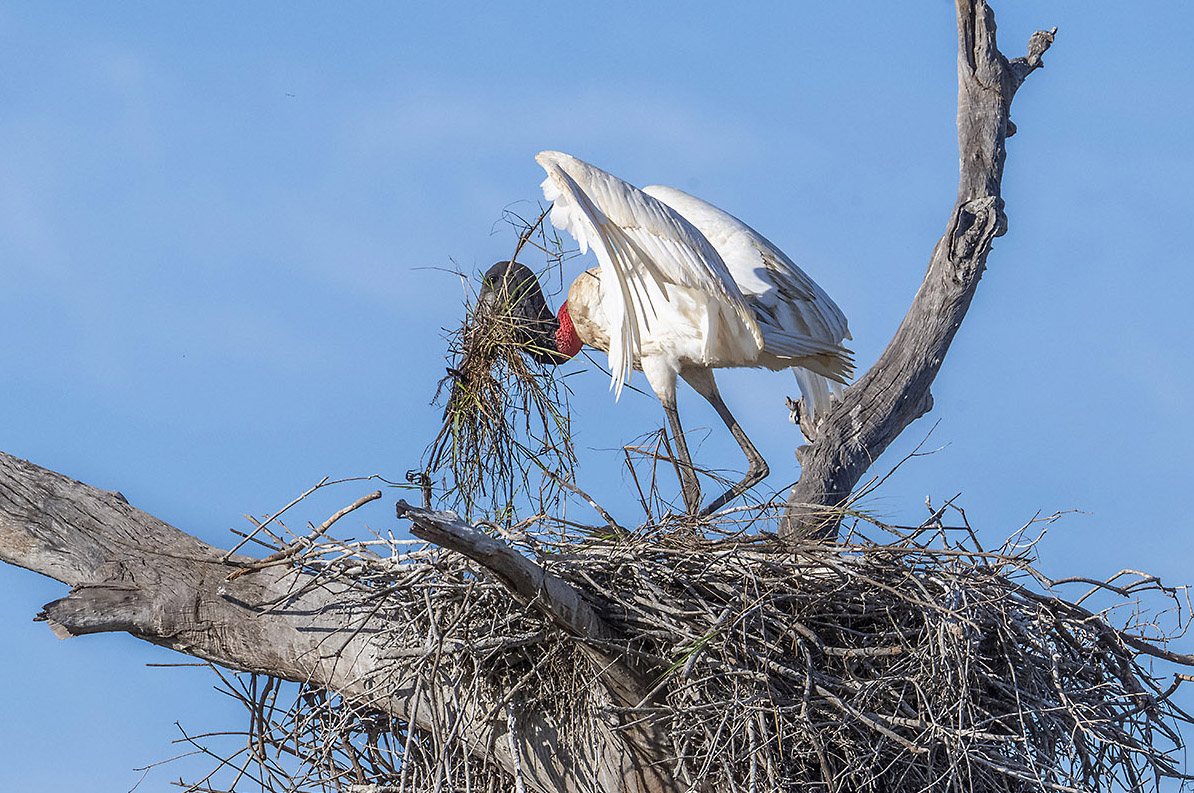
Jabiru storks are thought to mate for life and build the family nest together. The jabiru pictured here seemed to be working alone, and I wondered why its partner was not helping.
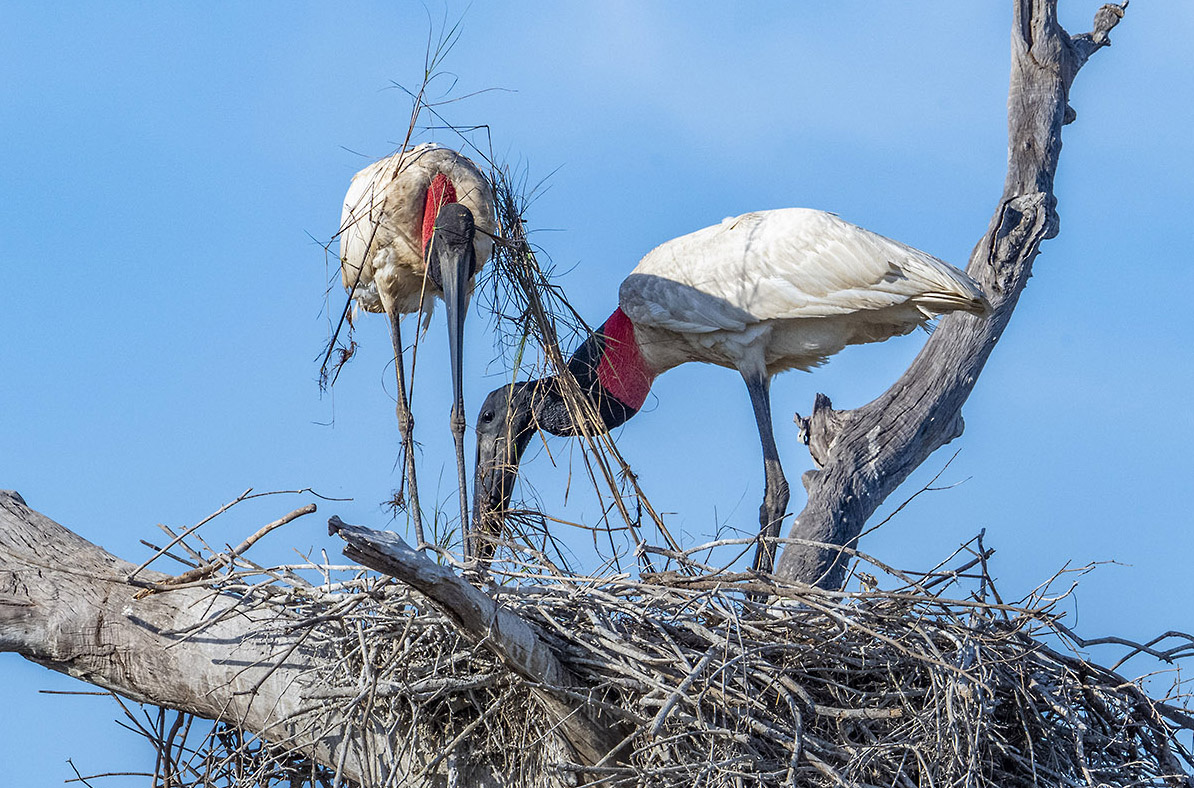
I laughed aloud when a stork suddenly stood up from the nest after its partner dumped a load of sticks on its back. Male and female jabirus look alike, so I don’t know who the dumper was and who was the dumped upon.
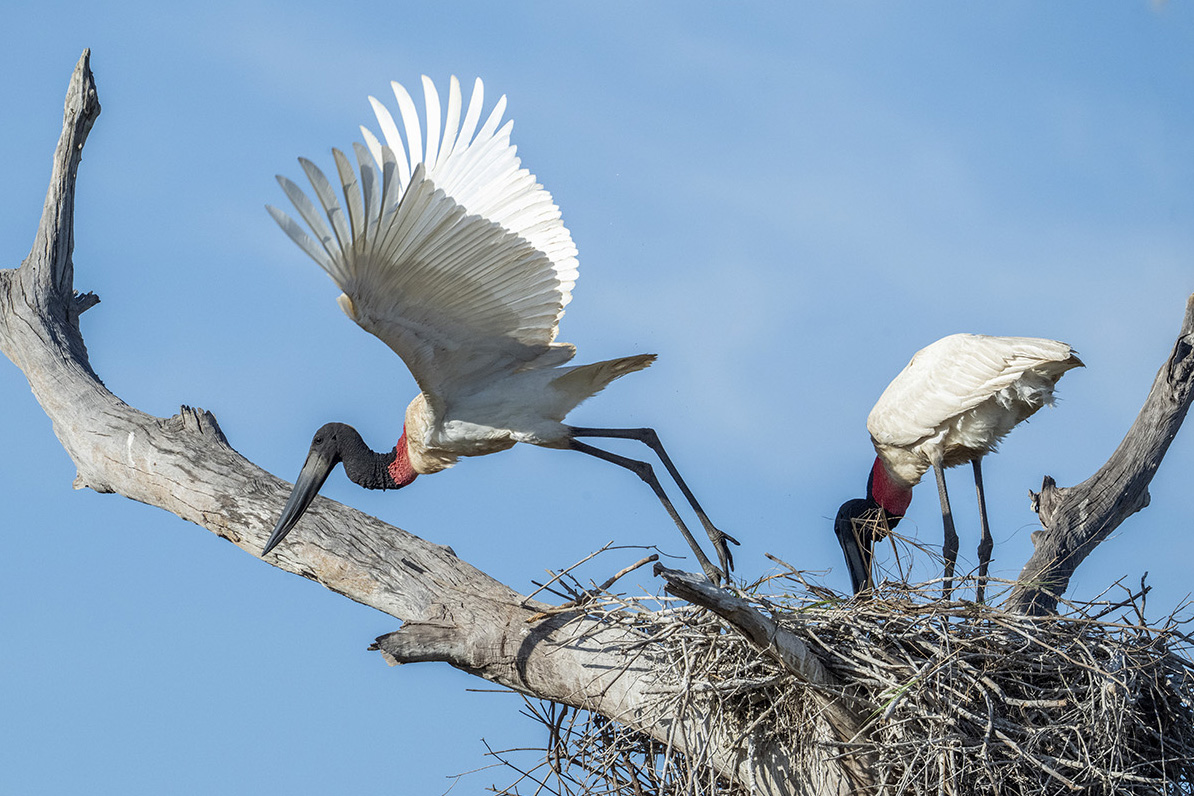
Although both partners build the nest, the male jabiru often does more of the gathering of sticks and grasses while the female rearranges them.
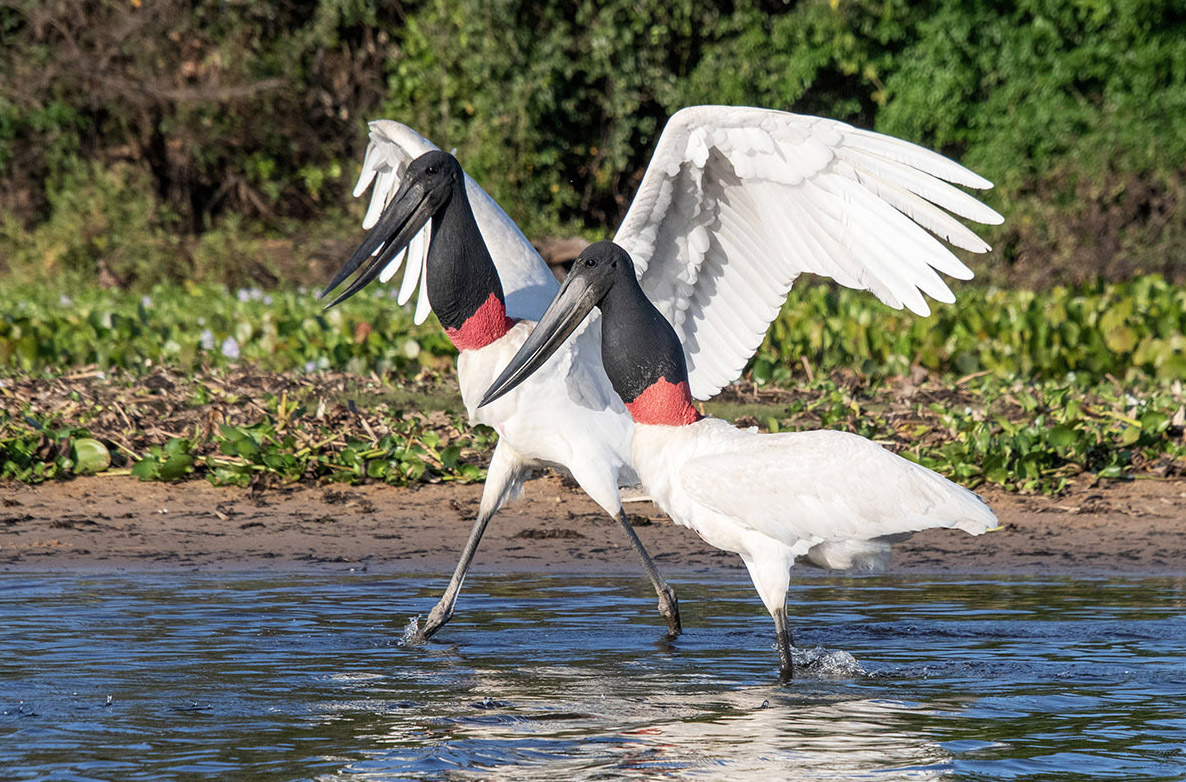
The jabiru’s common name is derived from the indigenous Tupi-Guarani language, meaning “swollen throat”. When the stork gets excited its inflatable throat sac fills with blood and reddens. This pair of jabirus were cautious of a medium-size caiman basking on the shoreline in front of them, but they had little to fear from the sluggish reptile.
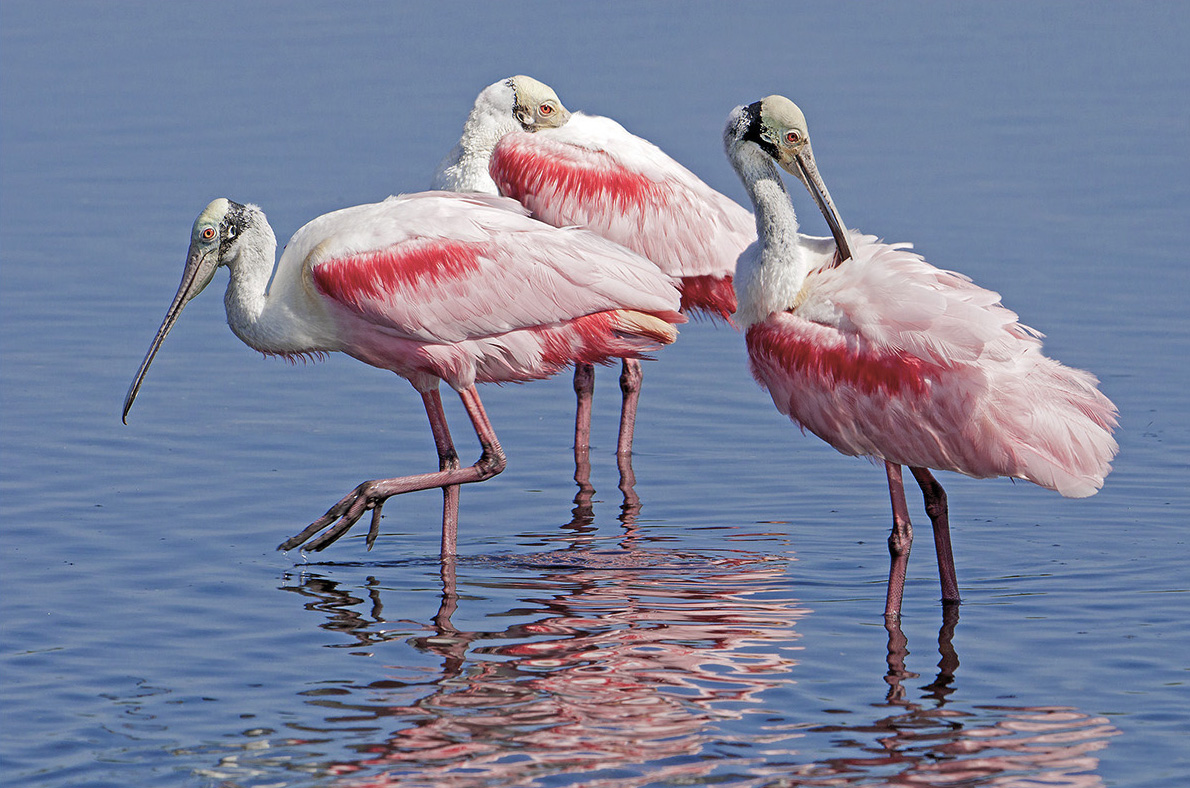
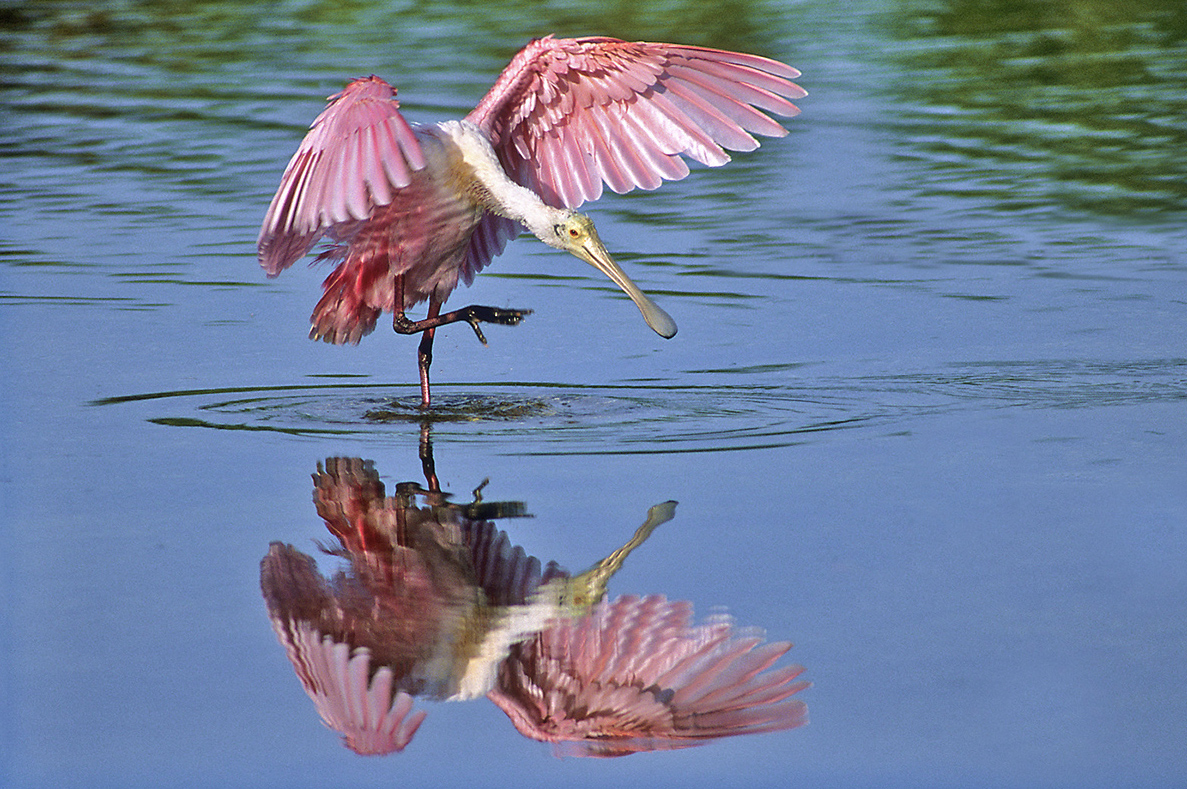
The roseate spoonbill is arguably the most colourful wading bird in the Pantanal. The bird’s intense pink colour is derived from a diet rich in carotenoid pigments found in the invertebrates the spoonbill eats.
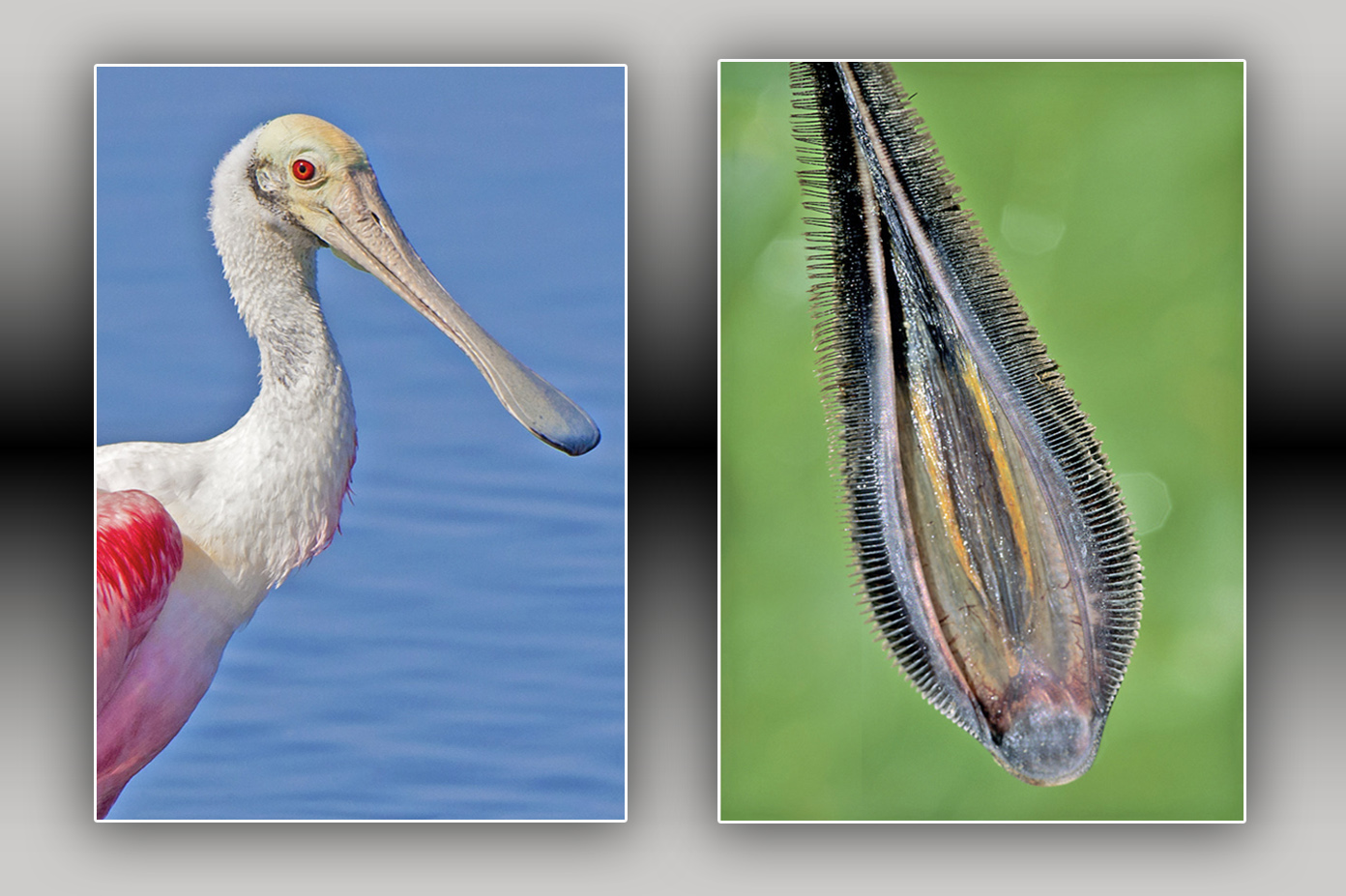
The spoonbill feeds by sweeping its spoon-shaped bill from side to side, straining the water. The filter mechanism on the edges of a spoonbill’s beak resembles the filtering apparatus in a baleen whale, and the bird uses this to strain out small aquatic animals such as tiny fish, insects, snails, amphipods, and copepods.
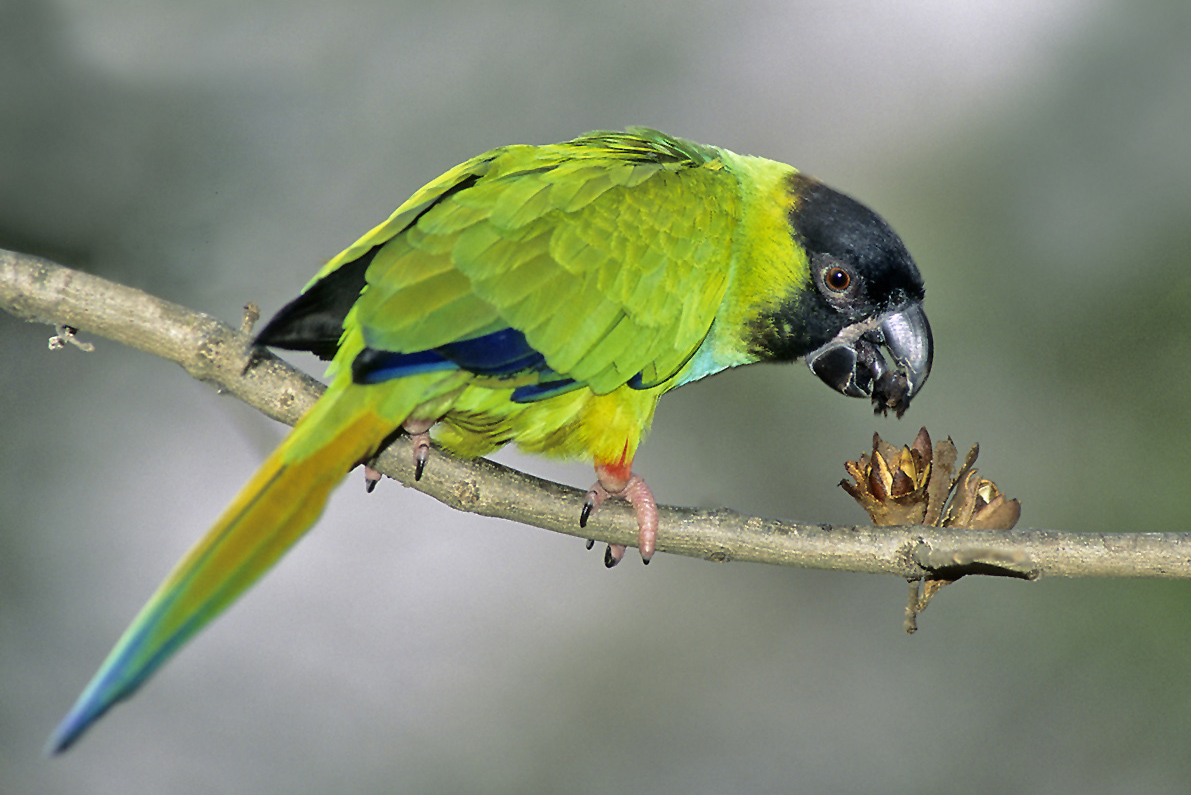
Over 400 species of birds occur in the Pantanal. Visitor favorites include the large colourful parrots and toucans. The black-hooded parakeet, pictured here, like most parrots, forms pairs that may stay together for life.
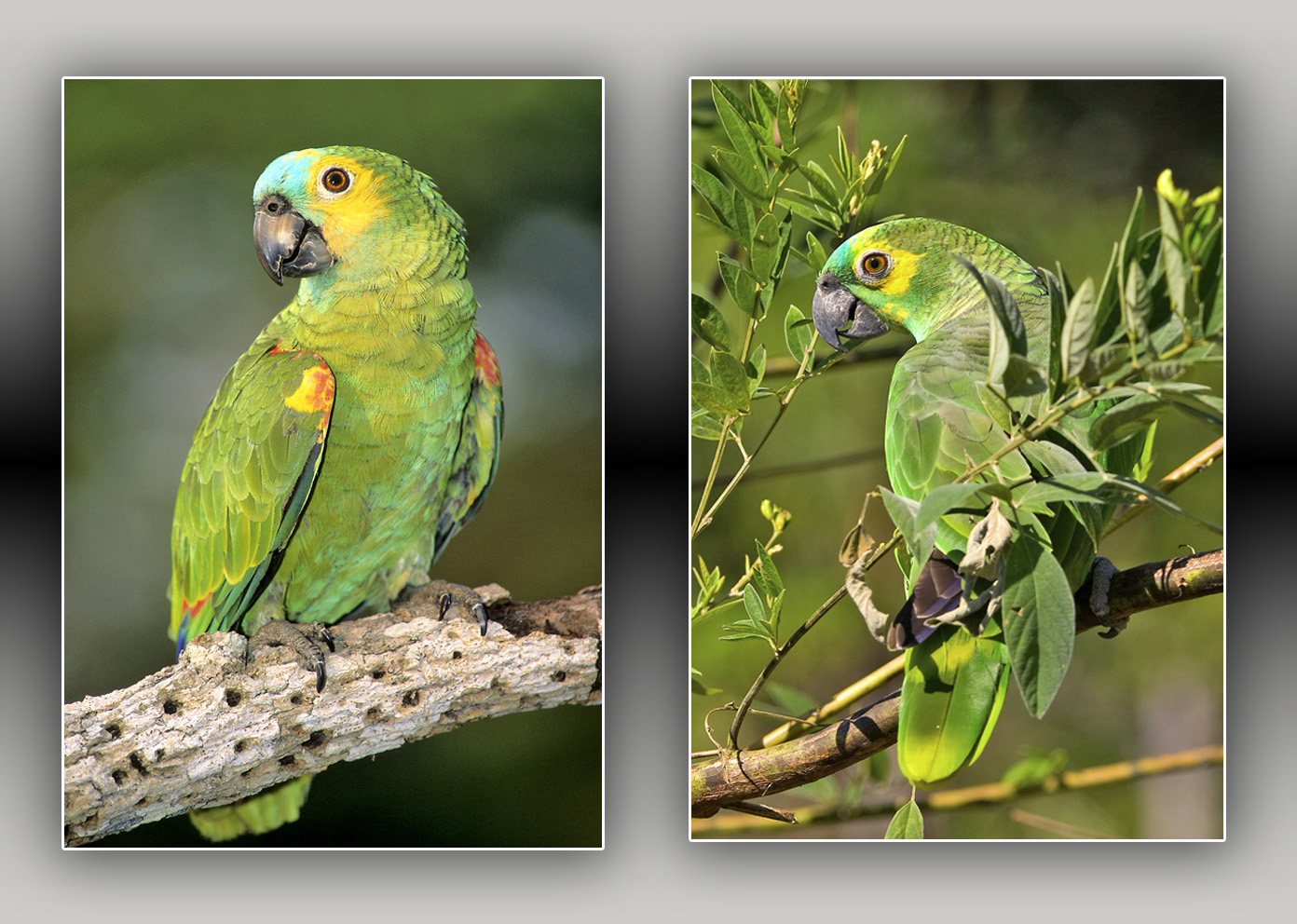
Green colouration predominates among the parrots in Brazil, often accented by red or yellow patches on the wings, tail, shoulders, and head, as in these turquoise-fronted parrots. You might think that these large, noisy birds should be easy to see as they move about in the trees. In fact, they are remarkably cryptic and seem to melt into the foliage. One time I heard a group of these parrots feeding in a tree and I couldn’t see even one of them, even when I was using binoculars. I was even more surprised when a flock of a dozen birds flew off.
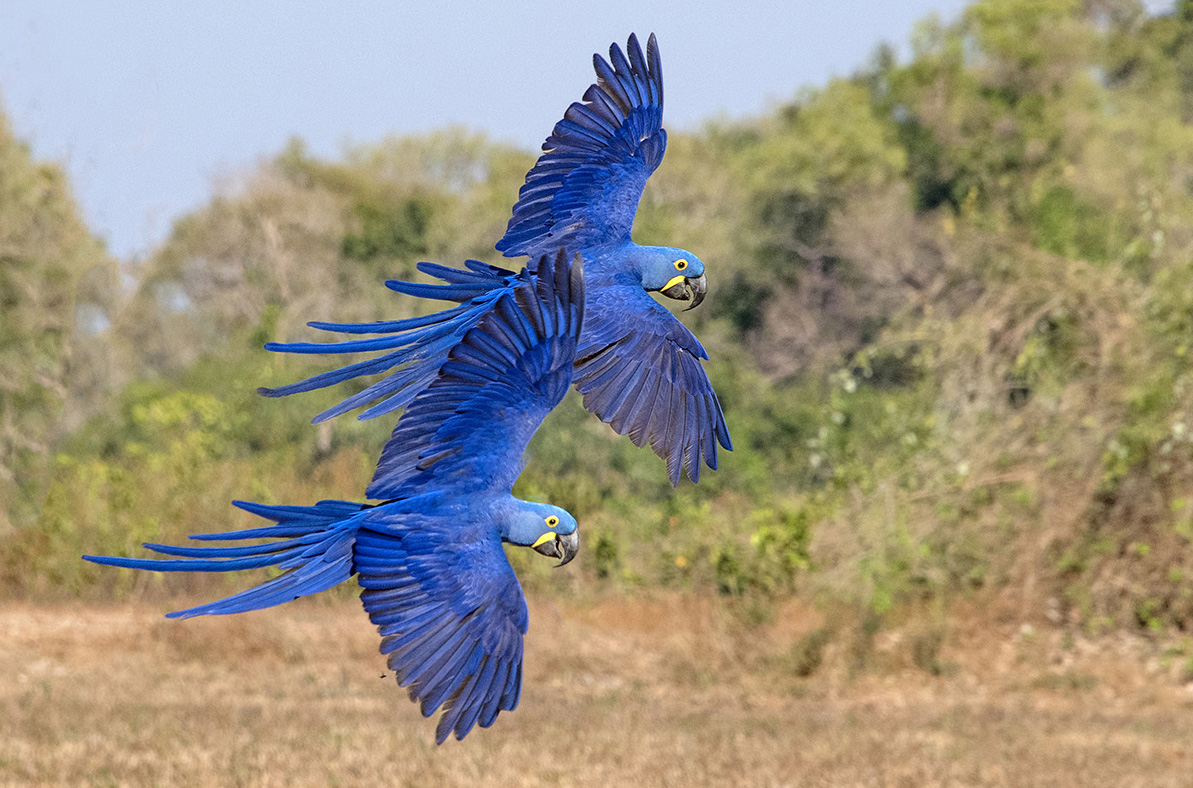
The hyacinth macaw is the largest flying parrot in the world, growing up to 101 centimeters (40”) in length, and weighing as much as 1.7 kilograms (3.7 lbs).
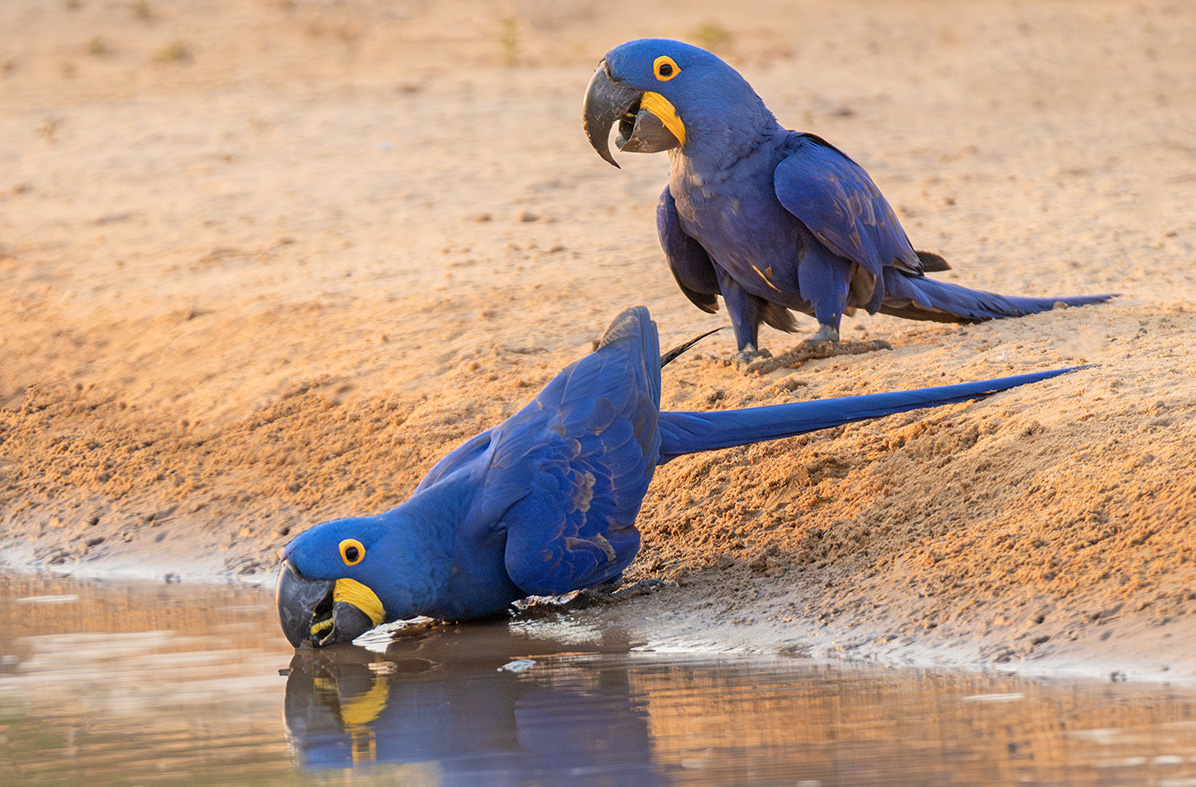
On this day, the temperature was above 41°C (105°F) and this mated pair were drinking from an isolated puddle to avoid the river’s edge where a hungry caiman could possibly attack
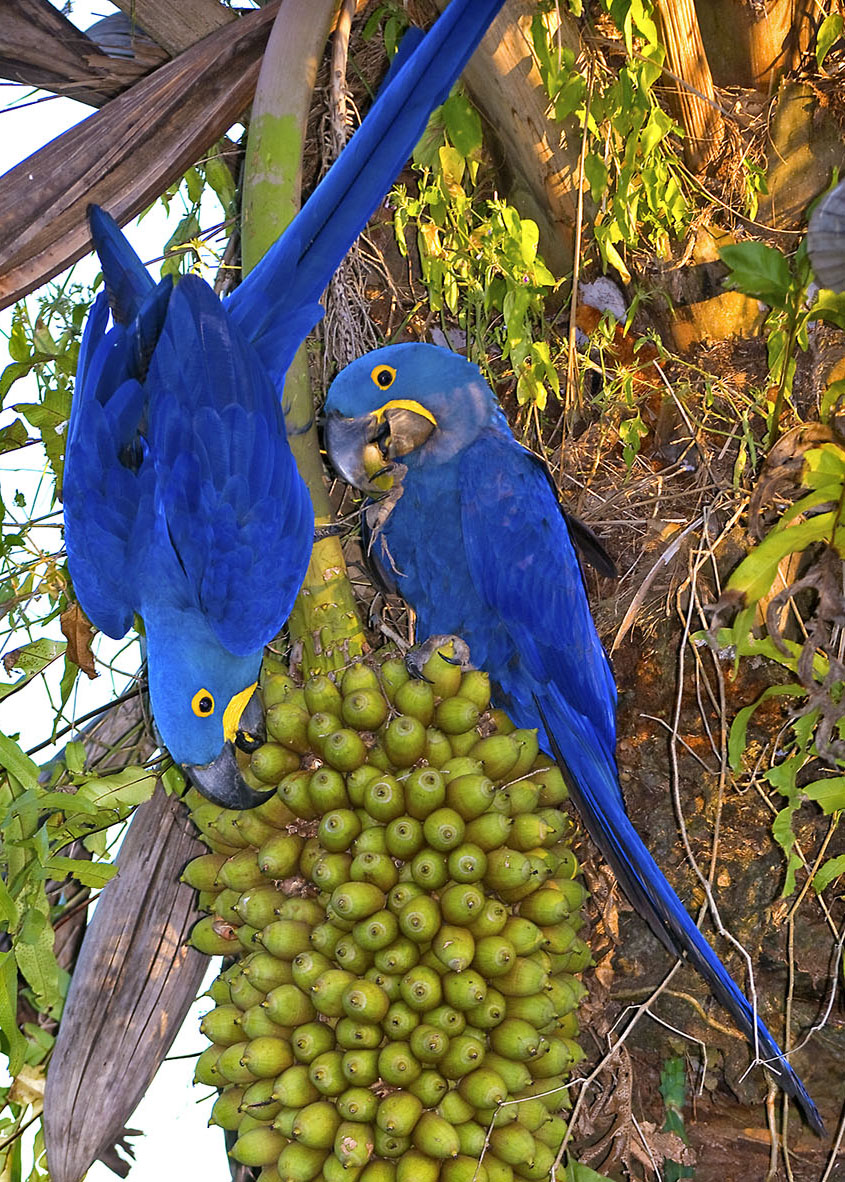
In the Pantanal, hyacinth macaws eat mostly the fruits of palm trees. This large macaw has a bite force of up to 28 kilograms per sq. cm (350-400 psi), which is twice the bite force of a human, or that of a 50-kg (110-lbs) Rottweiler police dog.
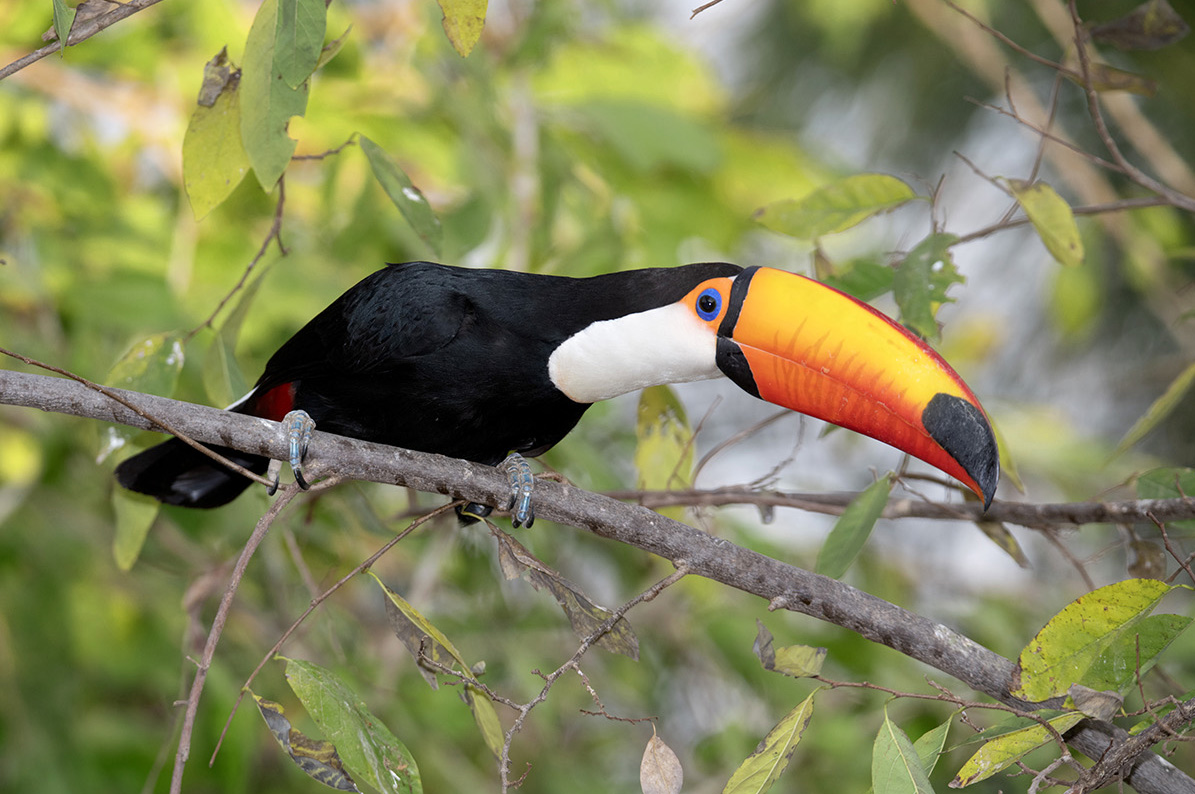
The toco toucan is the largest of the world’s 50 species of toucans. It eats many types of tropical fruit but also feeds on the eggs and young of cavity-nesting birds, including those of hyacinth macaws.
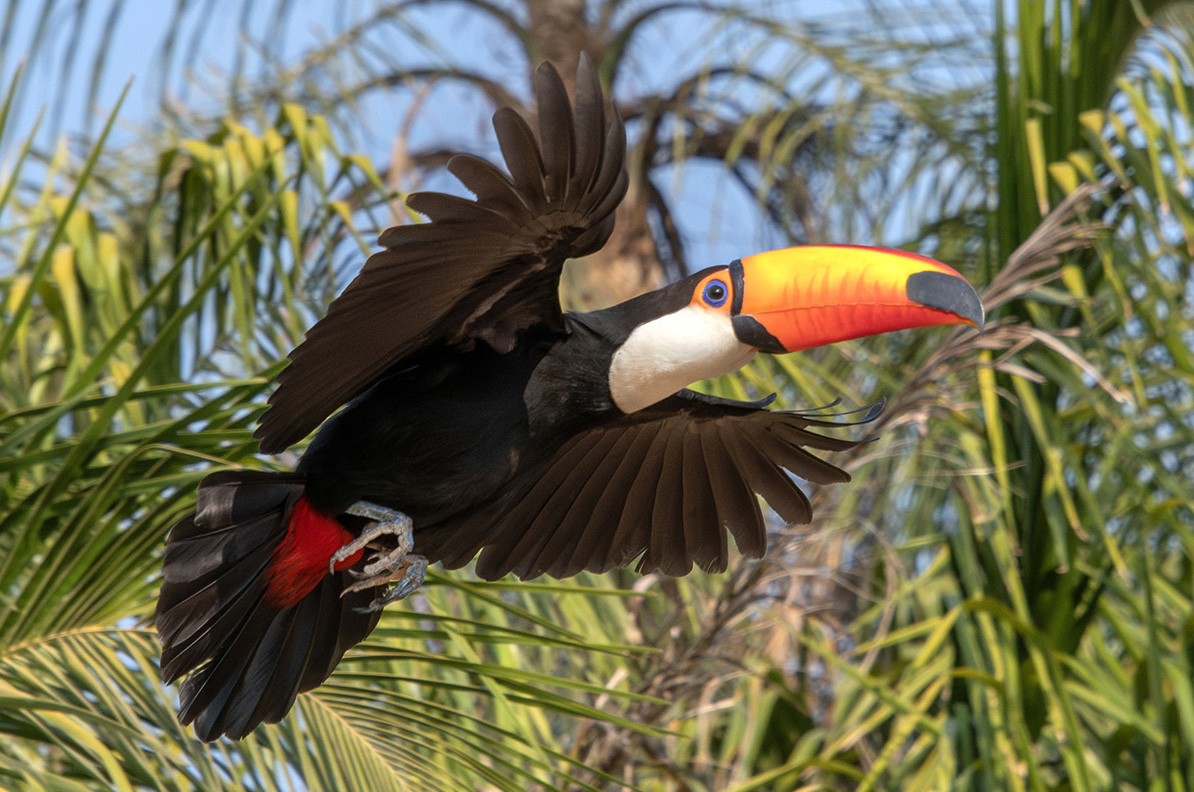
The toco toucan has the largest beak compared to its body size of any bird. One author jokingly described a flying toucan like a crow pushing a banana.
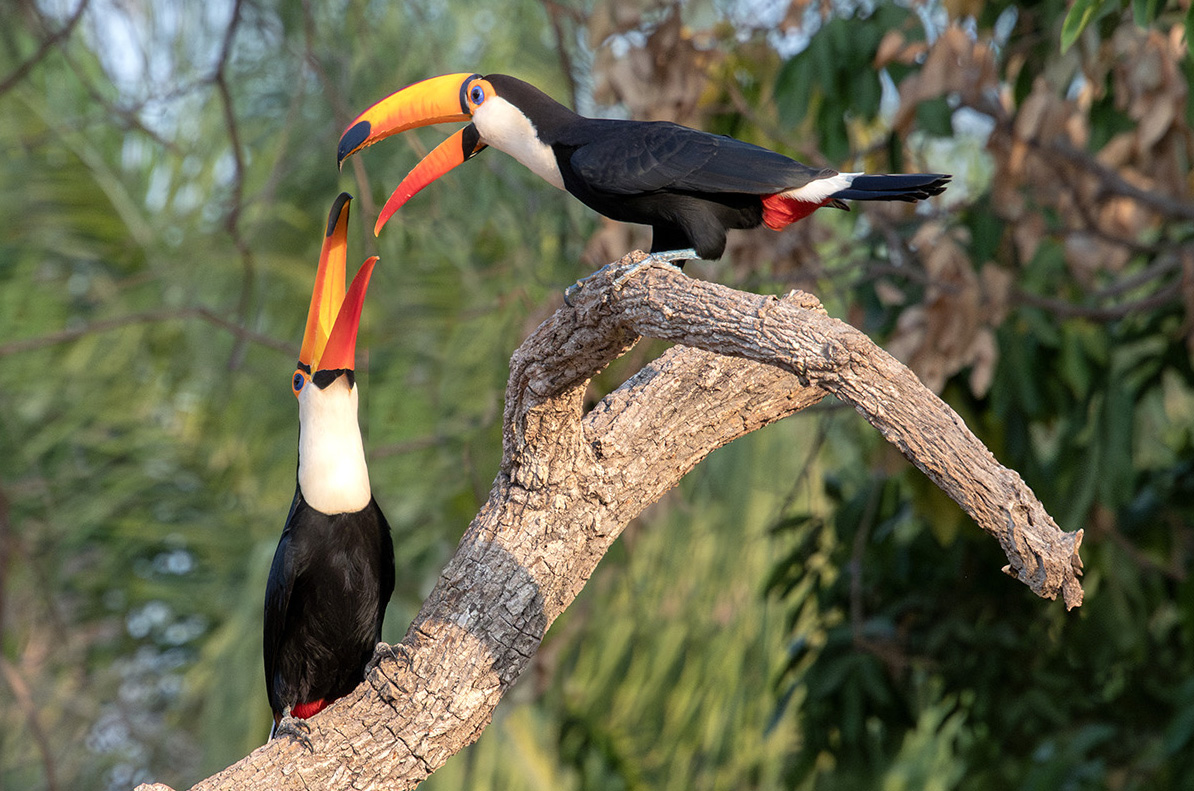
A toucan’s bill is light and maneuverable. A strong keratin shell covers a rigid foam interior reinforced with bony struts. Both sexes have a similar bill, although in females it is usually shorter, deeper, and sometimes straighter.
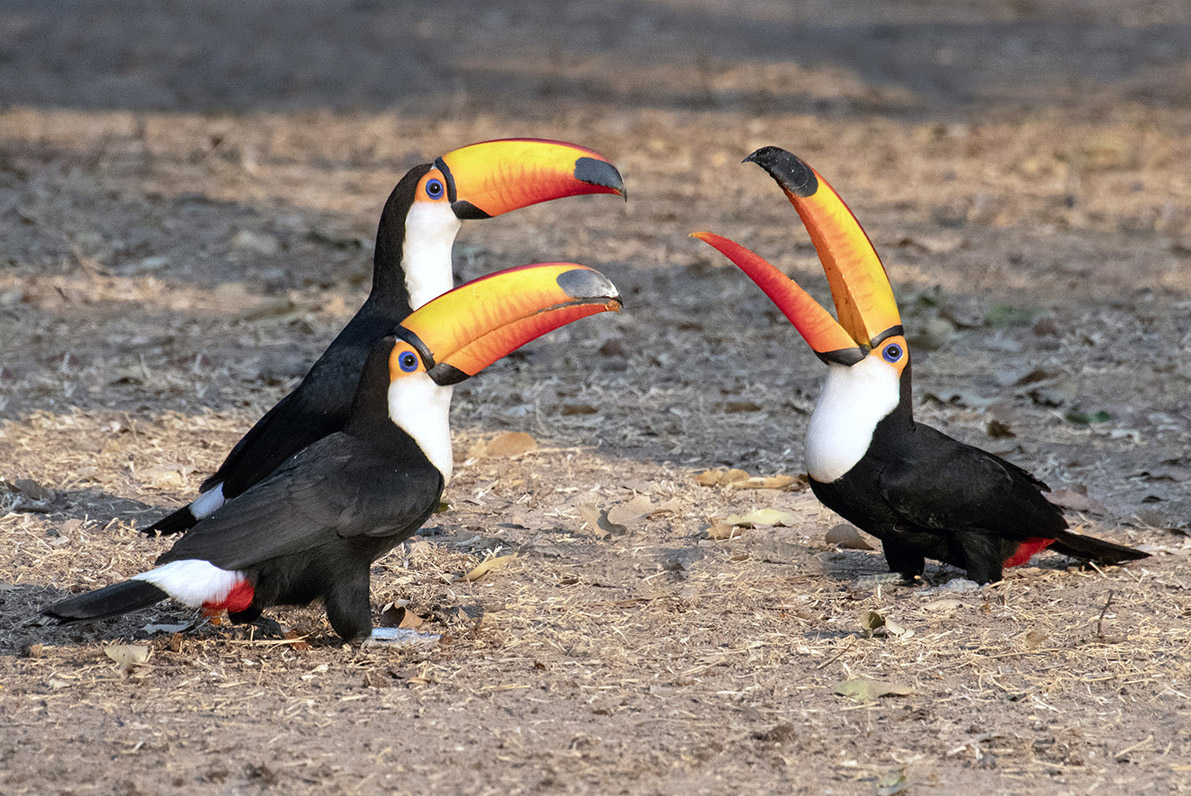
Such a conspicuous, colourful beak must serve an important function. Mate evaluation is one possibility. The colour of a bird’s plumage, bare skin and beak are honest signals of health and vitality – a measure of foraging ability, predator avoidance, and freedom from parasites. A toucan’s beak may also serve as a heat distributor. By varying the internal blood flow, a toucan can regulate heat loss so that the beak functions like a thermal radiator.
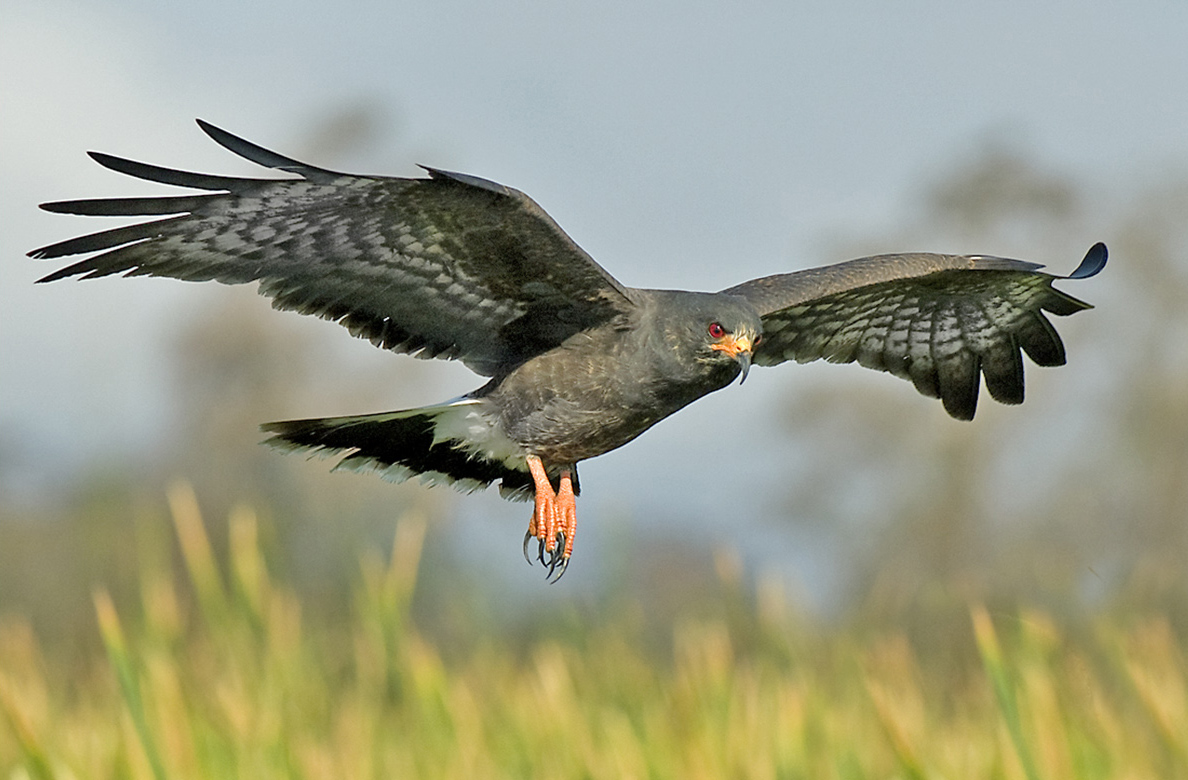
One of my favorite birds to photograph in the Pantanal is the snail kite, a highly specialized bird of prey that feeds almost exclusively on large freshwater snails.
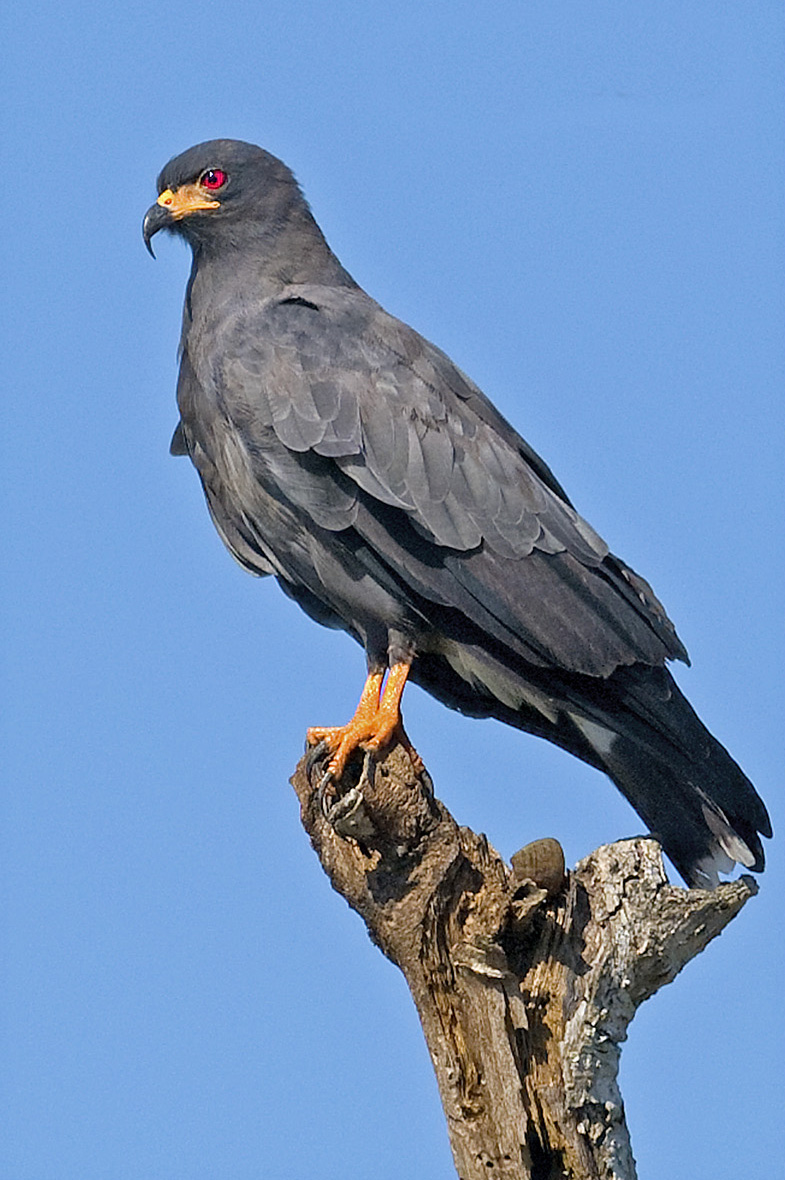
The long, pointed beak of the snail kite is more deeply curved than in most birds of prey and functions as a hook to extract the soft bodies of snails from their protective shells.
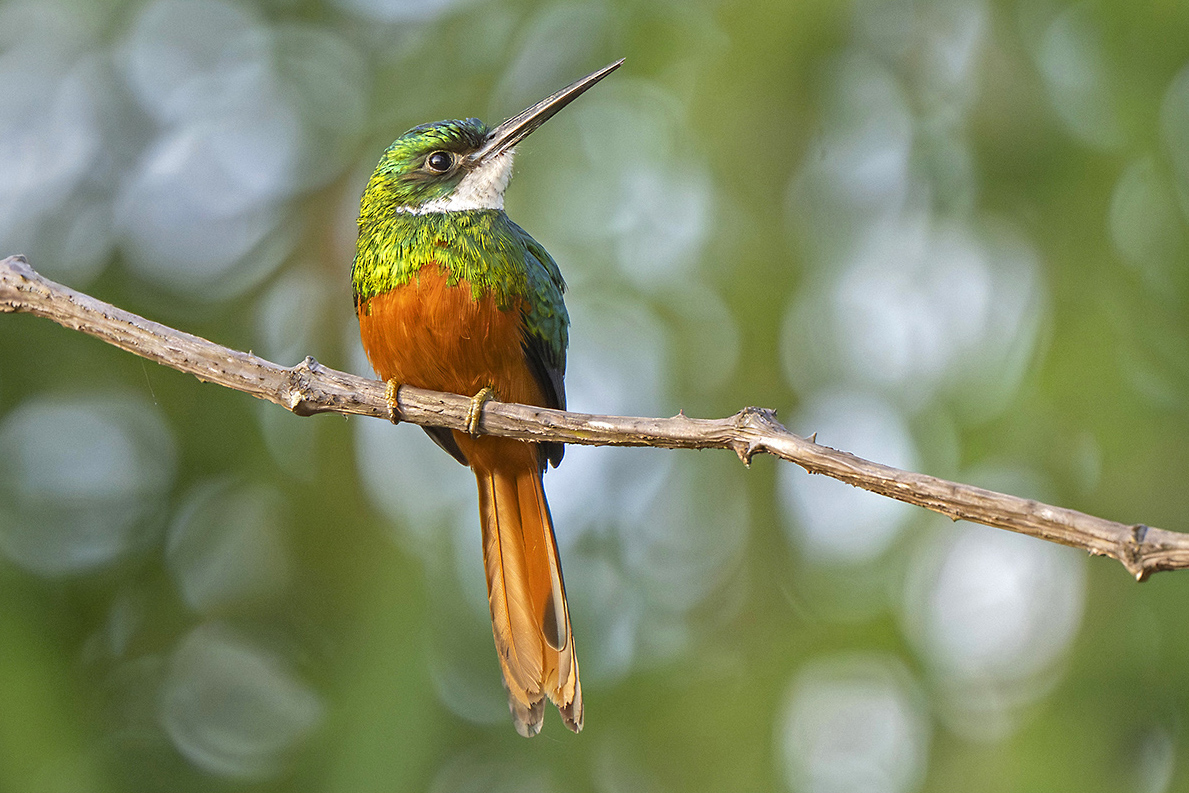
The rufous-tailed jacamar is a sharp-eyed aerial predator that swoops out from its perch to adroitly capture dragonflies, butterflies, and beetles in flight. The jacamar is well known for targeting bees and wasps that are avoided by most other birds. It disarms its victims by beating them on a branch to remove the stings.
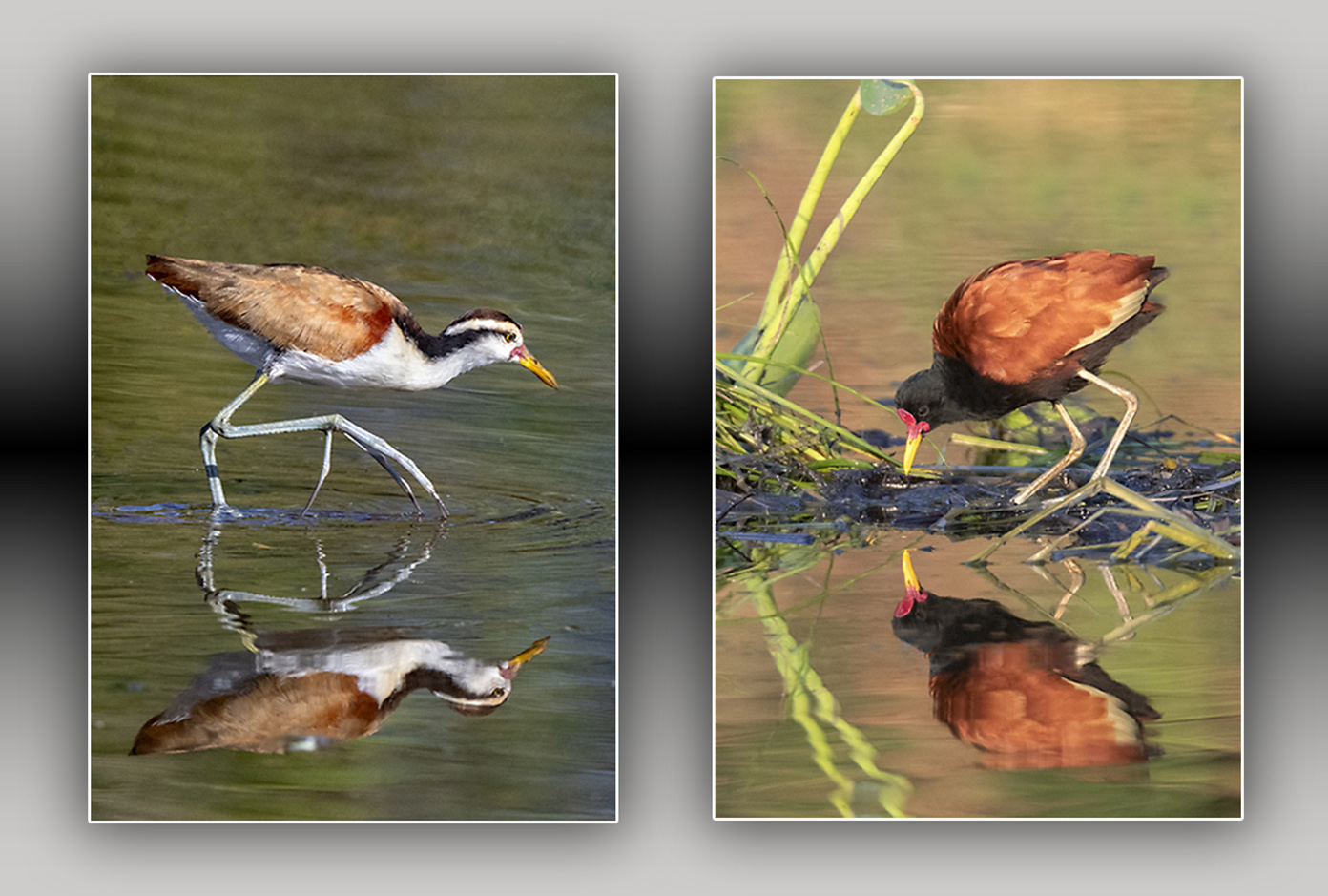
The long toes of the wattled jacana evolved to disperse the bird’s weight, enabling it to walk easily on floating vegetation, which explains its alternate name, the “lily-trotter”. Even though the bird pictured on the left is just a few months old, its toes reached adult size before it could even fly. The adult-feathered bird on the right was searching the vegetation for insects and other invertebrates.
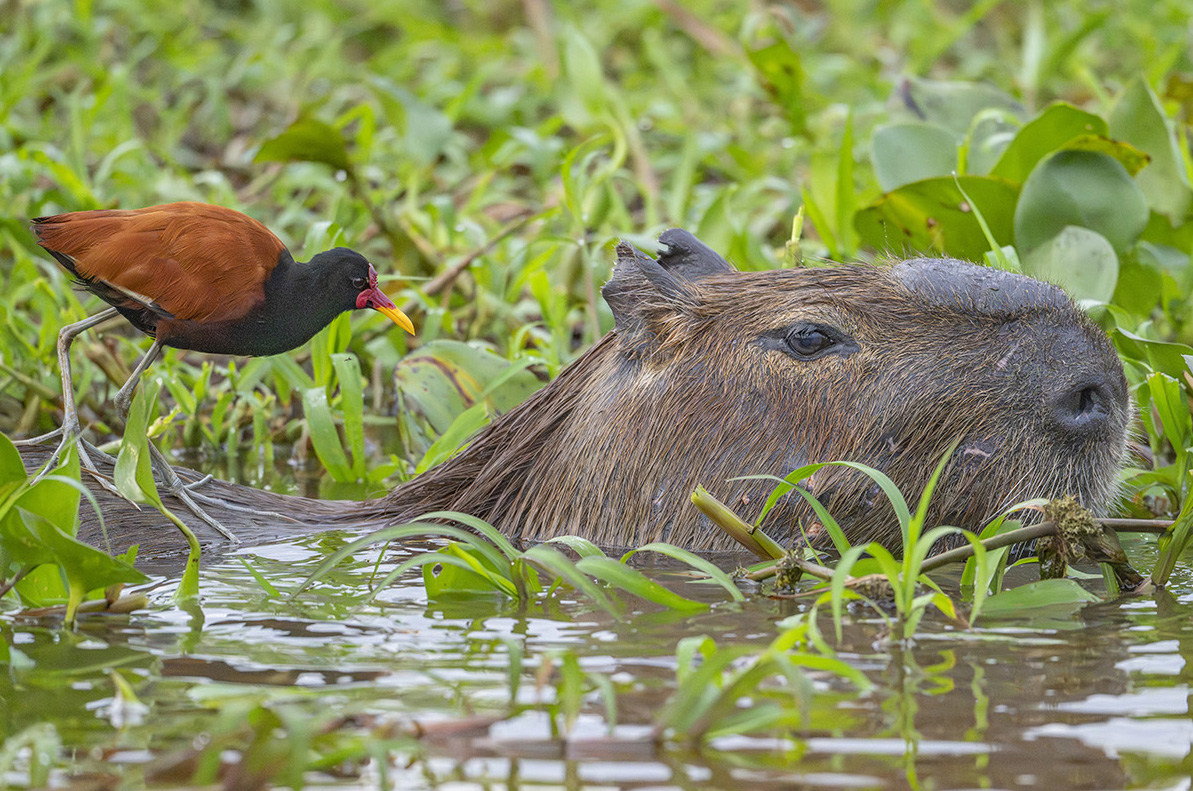
Jacanas often share the same shallow marshlands as capybaras. The semi-aquatic capybara is the largest rodent in the world. When it is busy feeding, a jacana may hitch a ride and target any insects, frogs, or small fish that get flushed or exposed by the big rodent’s foraging activity.
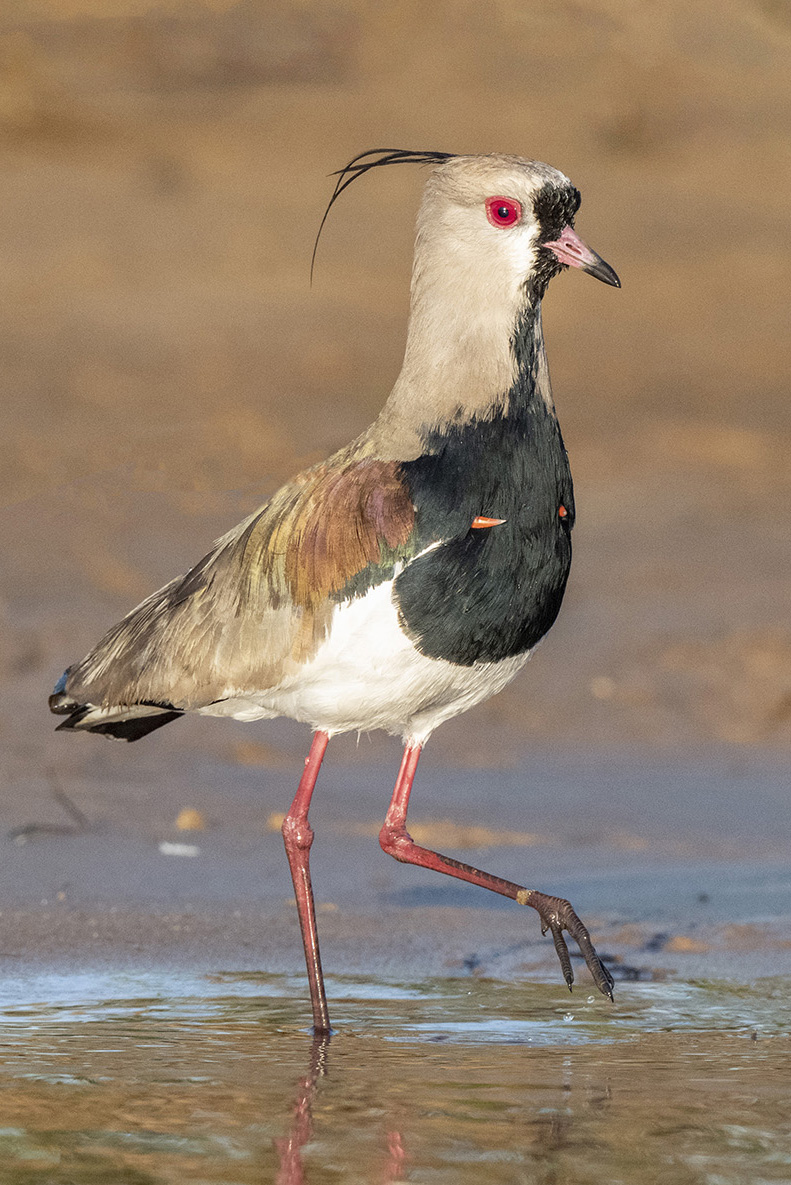
The southern lapwing with its dainty black crest forages for insects, spiders, and worms on the barren shorelines of lakes and riverbanks. It nests on the ground and aggressively defends its eggs and young against predators and intruders, including humans, boldly swooping on them. It uses the non-venomous, red spurs on the leading edge of its wings to fight rivals.
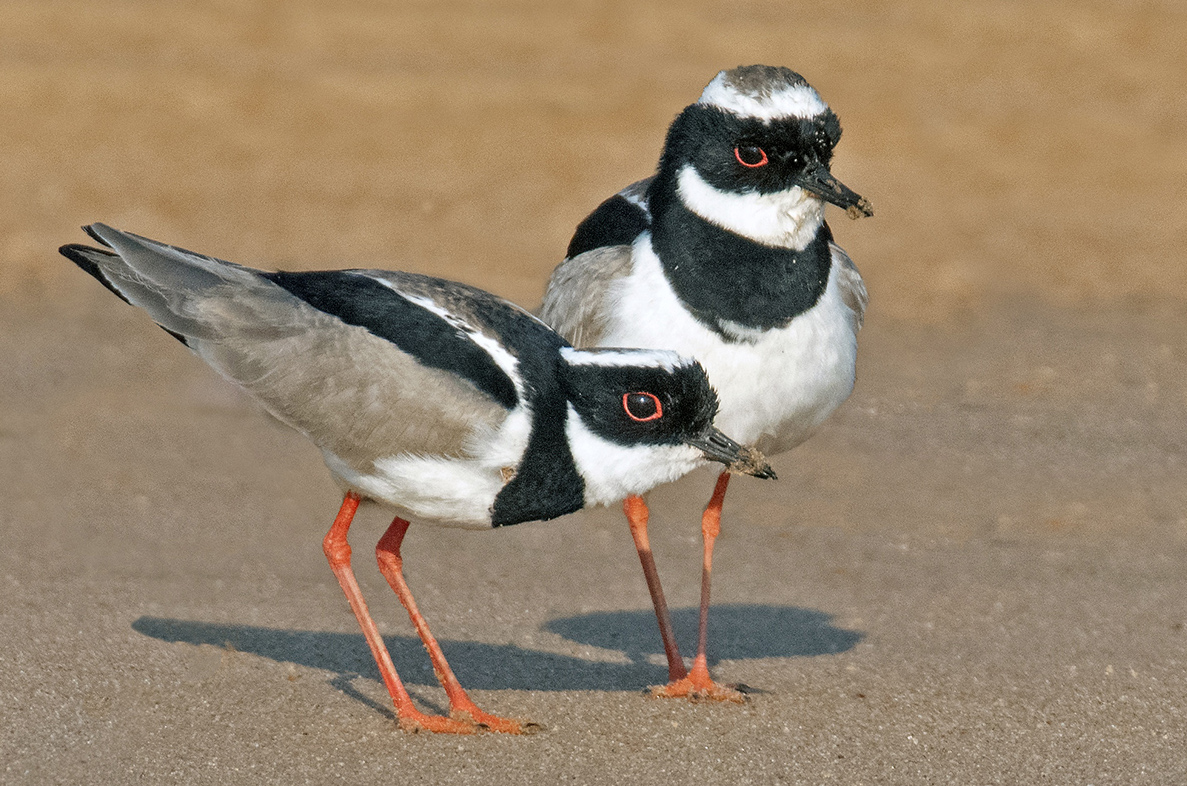
The pied lapwing, a smaller relative of the southern lapwing, also has a pair of yellow, defensive spurs on its wings. The birds pictured here were courting, and the hunched female in the foreground was soliciting
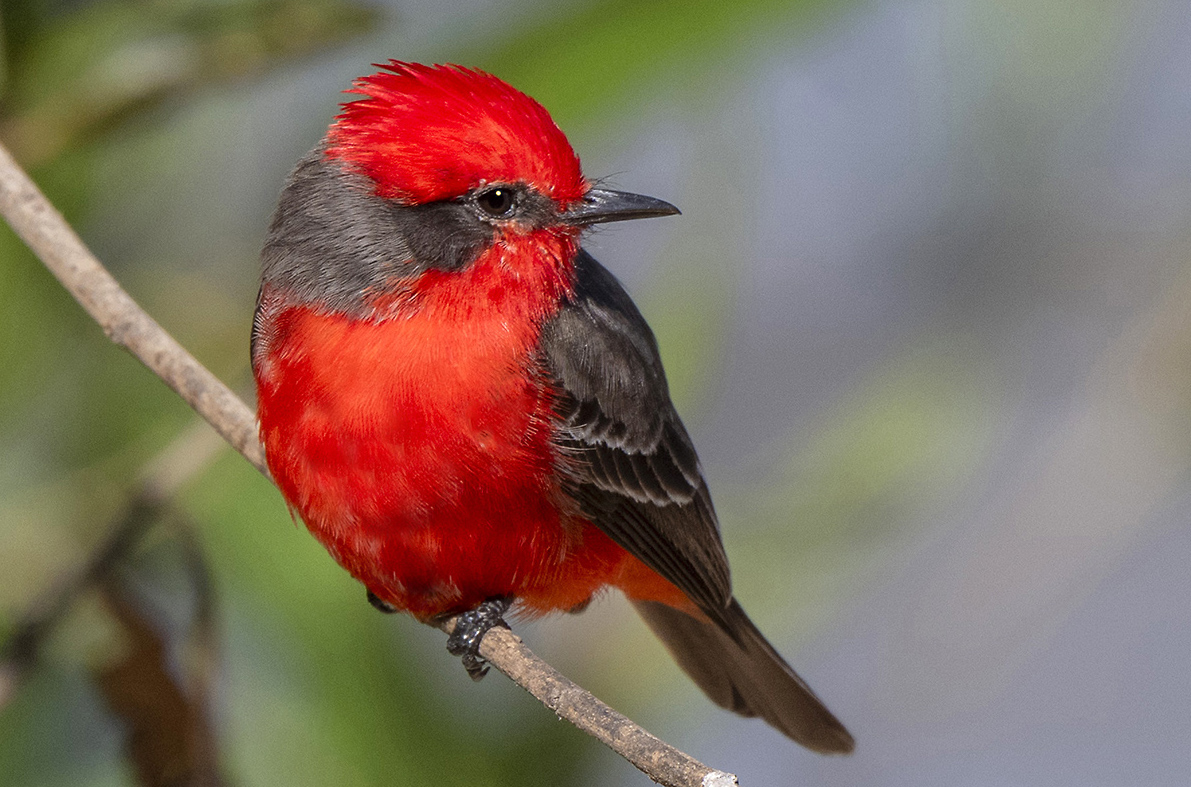
The vermillion flycatcher belongs to the tyrant flycatcher group, so named because of the group’s pugnacious defense of their territories against intruders and predators. The bright red colouration of the adult male vermillion flycatcher is in stark contrast to most tyrant flycatchers, that are drab in colour.
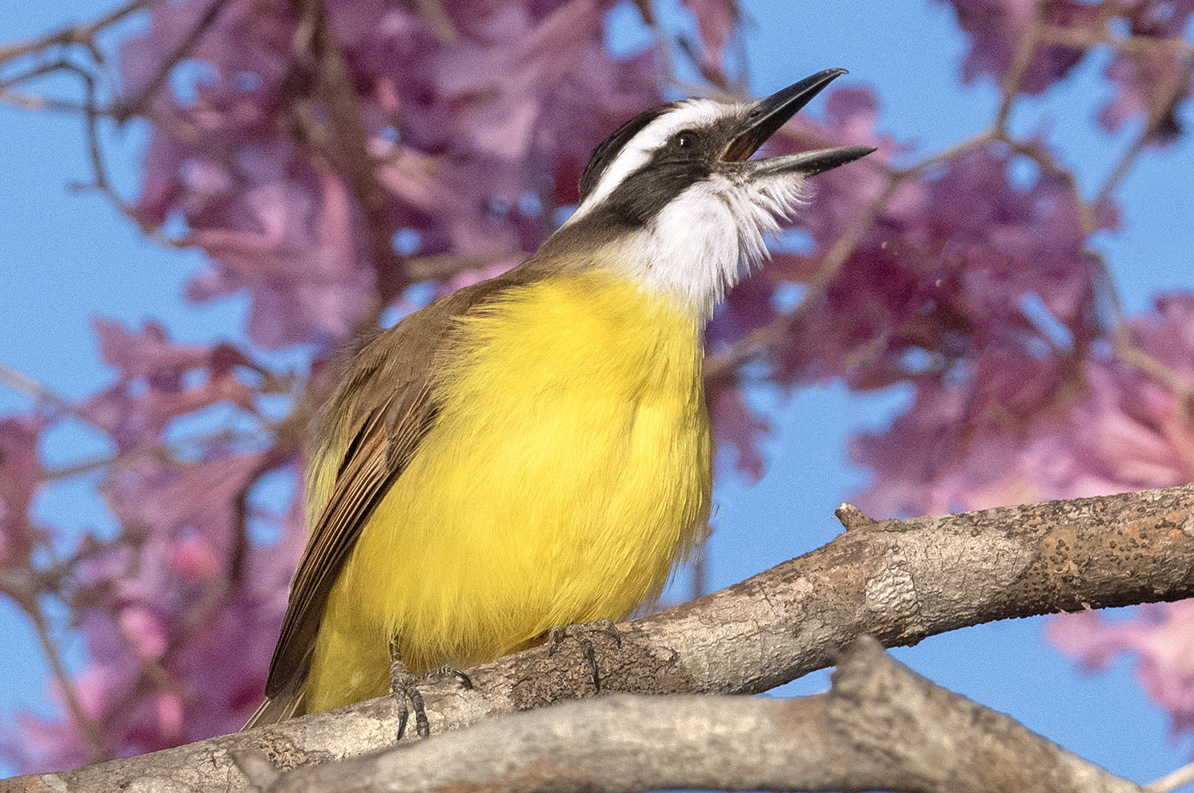
The great kiskadee is another member of the tyrant flycatcher group. In keeping with the group’s reputation for aggressive behavior, the kiskadee will boldly attack and peck dangerous nest predators such as hawks, snakes, and monkeys.
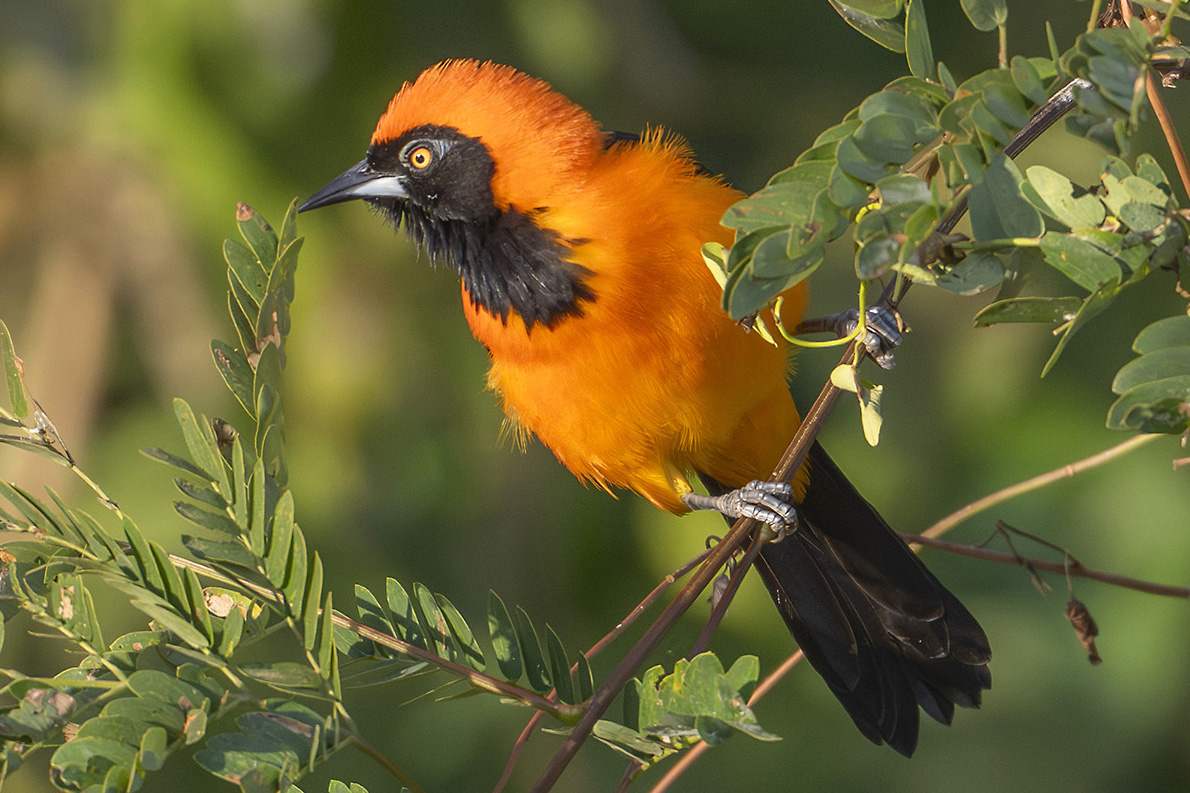
The tropical orange-backed troupial belongs to the same avian family as the orioles and the meadowlarks. As was the case in the roseate spoonbill mentioned earlier, the colouration in troupials is the result of carotenoid pigments, which the bird cannot produce itself and must get from its diet. Because such pigments are diet-derived, the quality of the colouration is an honest indicator of an individual’s foraging ability and thus a measure of its suitability as a mate.
About the Author – Dr. Wayne Lynch

For more than 40 years, Dr. Wayne Lynch has been writing about and photographing the wildlands of the world from the stark beauty of the Arctic and Antarctic to the lush rainforests of the tropics. Today, he is one of Canada’s best-known and most widely published nature writers and wildlife photographers. His photo credits include hundreds of magazine covers, thousands of calendar shots, and tens of thousands of images published in over 80 countries. He is also the author/photographer of more than 45 books for children as well as over 20 highly acclaimed natural history books for adults including Windswept: A Passionate View of the Prairie Grasslands; Penguins of the World; Bears: Monarchs of the Northern Wilderness; A is for Arctic: Natural Wonders of a Polar World; Wild Birds Across the Prairies; Planet Arctic: Life at the Top of the World; The Great Northern Kingdom: Life in the Boreal Forest; Owls of the United States and Canada: A Complete Guide to their Biology and Behavior; Penguins: The World’s Coolest Birds; Galapagos: A Traveler’s Introduction; A Celebration of Prairie Birds; and Bears of the North: A Year Inside Their Worlds. In 2022, he released Wildlife of the Rockies for Kids, and Loons: Treasured Symbols of the North. His books have won multiple awards and have been described as “a magical combination of words and images.”
Dr. Lynch has observed and photographed wildlife in over 70 countries and is a Fellow of the internationally recognized Explorers Club, headquartered in New York City. A Fellow is someone who has actively participated in exploration or has substantially enlarged the scope of human knowledge through scientific achievements and published reports, books, and articles. In 1997, Dr. Lynch was elected as a Fellow to the Arctic Institute of North America in recognition of his contributions to the knowledge of polar and subpolar regions. And since 1996 his biography has been included in Canada’s Who’s Who.



Nice pictures. Thanks for your informational article.