
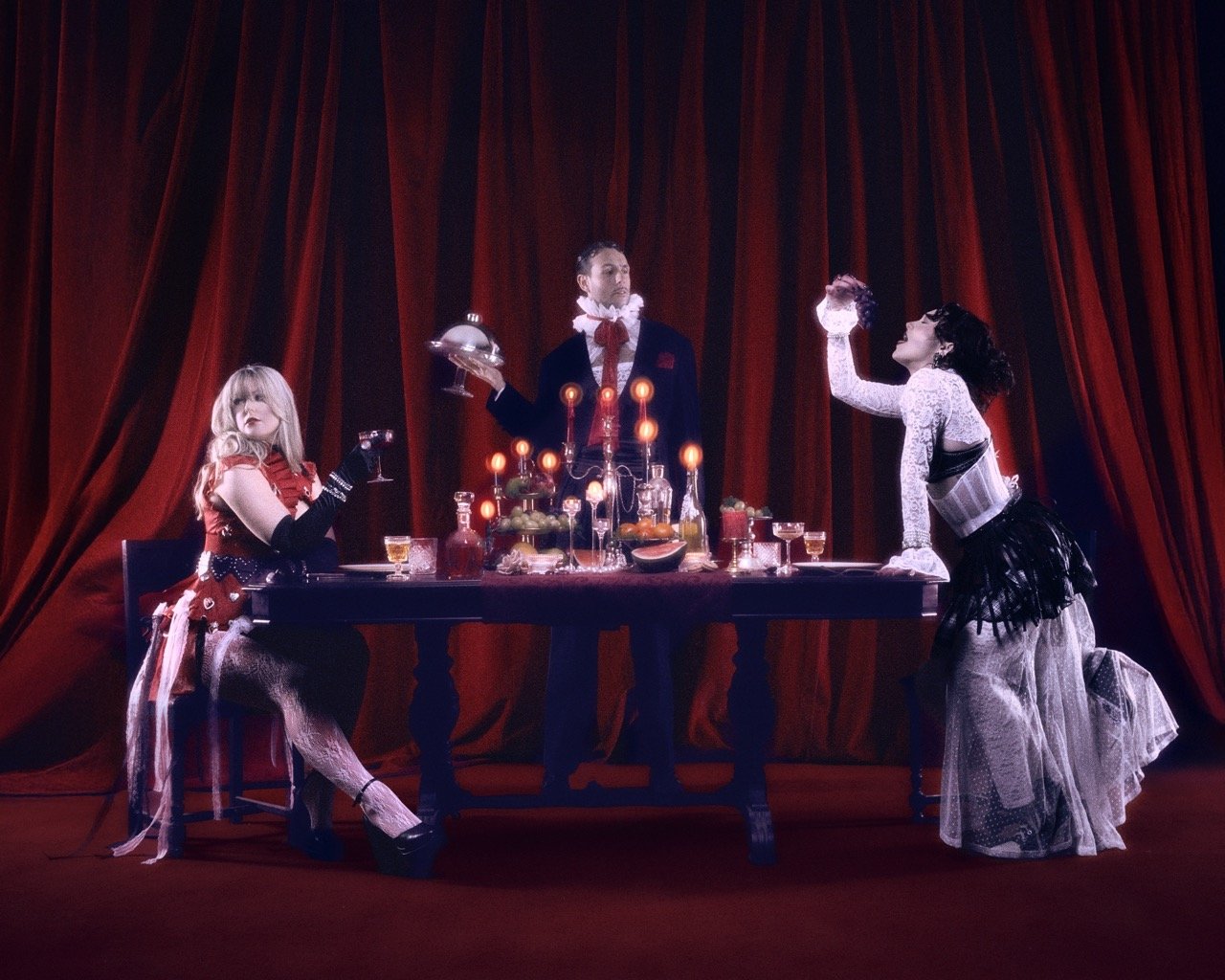
Shooting music video stills is some of the most rewarding work. I had the opportunity to collaborate with an incredible team on COLD by Okbye, where I was given full creative freedom to develop the stills.
In partnership with Broncolor Canada, I used the shoot as a testing ground for the Satos 3200.
At its core, the system feels like three Scoro packs consolidated into a single unit — designed for photographers who want full control without compromise, it opens up a level of freedom that will fundamentally change how you approach lighting on set.
All frames were exposed on Cinestill 800T, and development and LOG scanning were handled by Graination on Spadina Avenue.
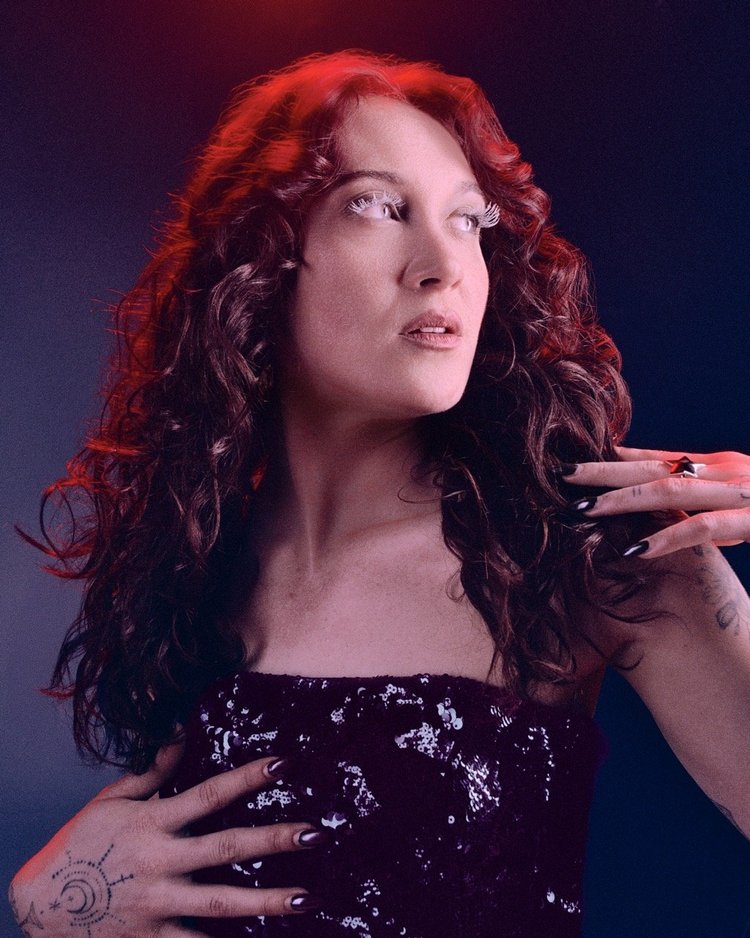
Ease of Use On Set
The production took place at SP Studios, a 12,000 sq. ft. LED volume studio; a space built for motion, not stills. Power access, cabling, and footprint are prized assets in this environment. Additionally, the ambient output from the LED wall introduces a baseline exposure that needs to be actively controlled. Without sufficient flash power, you’re not shaping light, you’re negotiating it.
The Satos system removed these constraints entirely, and made for an exceptionally smooth production day.
Opting to run on Sato’s battery power packs, as opposed to outlet power, we mounted the system to a dolly and paired each PULSO 3200 head with heavy-duty rolling stands. The entire system moved as a single unit; no extension cables, no searching for outlets, no interference with the motion team. Setup and teardown took mere minutes, allowing us to stay responsive as production shifted throughout the day.
Across the first half of the day, the pack ran down to roughly 50%, then nearly fully recharged over the lunch break, more than enough to sustain a full production day without interruption.
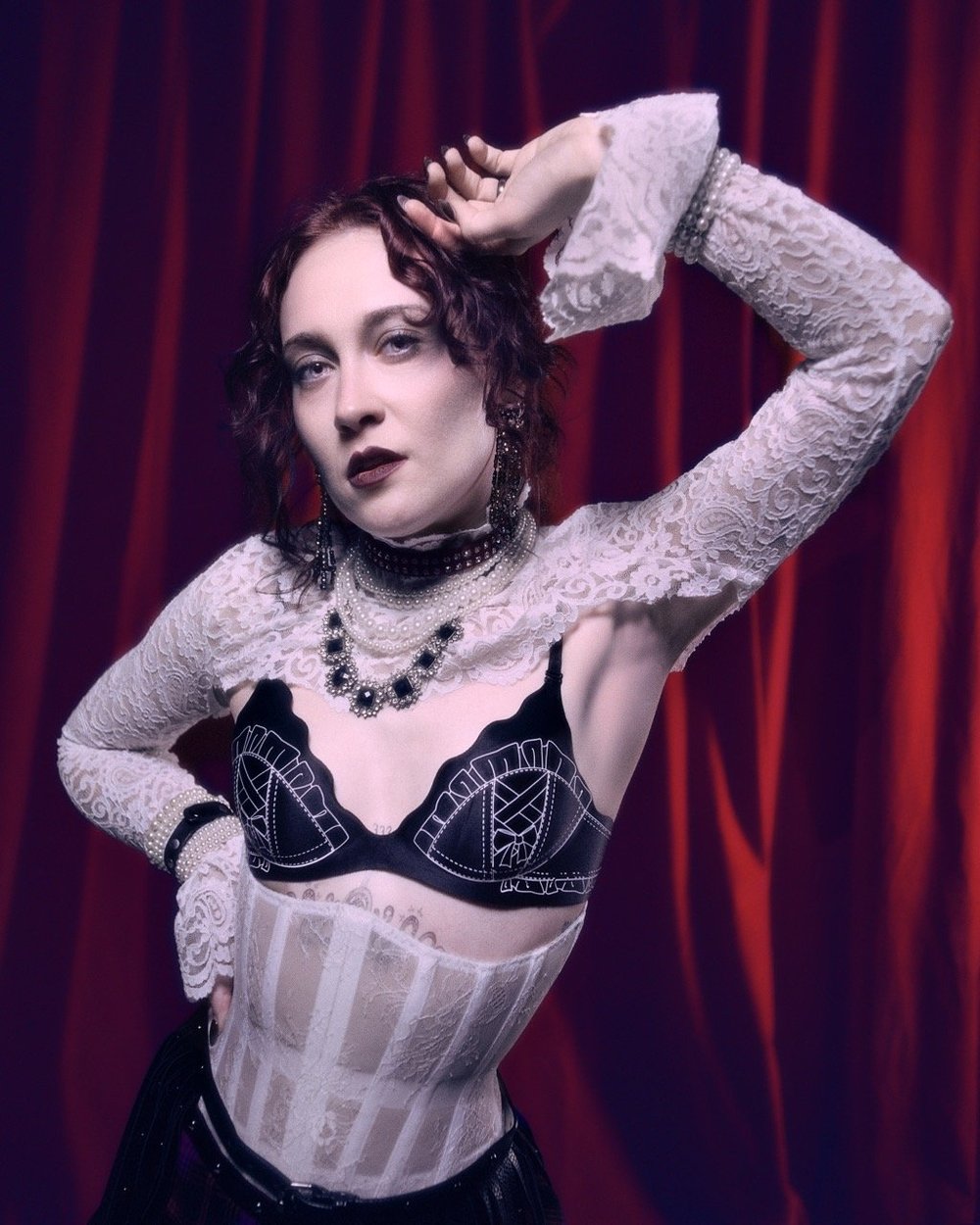
The Trick Shot
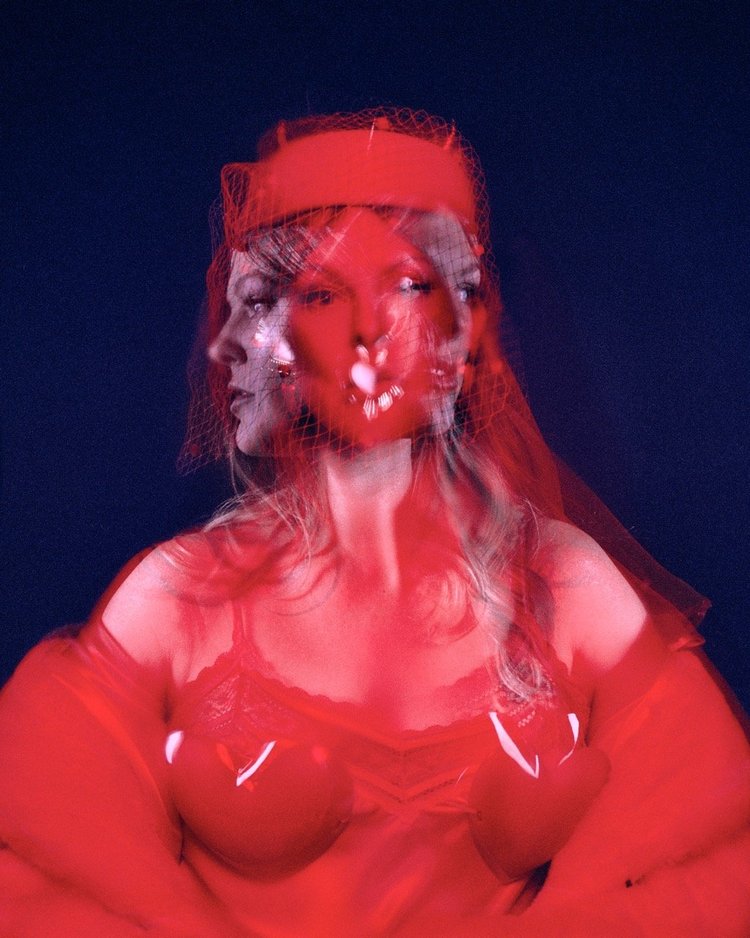
This image was built using three separate PULSO heads, each timed independently using the Satos delay function; a handy setting that allows you to add time gaps between each flash.
Traditionally, this would require three separate packs to execute — one per head. With Satos, each head operates on its own within a single system, giving you the same level of control with significantly less complexity and setup. Working on a cyc wall directly opposite the LED volume, the 3200Ws output allowed each exposure to remain clean and fully controlled, overriding the ambient spill from the screen.
The exposure was one second. Each head fired once in sequence:
— Frame one: subject looking right (medium strip bank)
— Frame two: subject looking left (medium strip bank)
— Frame three: subject facing forward (beauty dish with red gels)
Working tethered on the Phase One IQ250, we refined the delay timing to match the model’s movement precisely. Power was adjusted incrementally to compensate for light loss through modifiers, gels, and extensions.
Once locked, we captured a final digital reference before committing to film.
Three exposures. One frame. No compositing.
Colour & Consistency
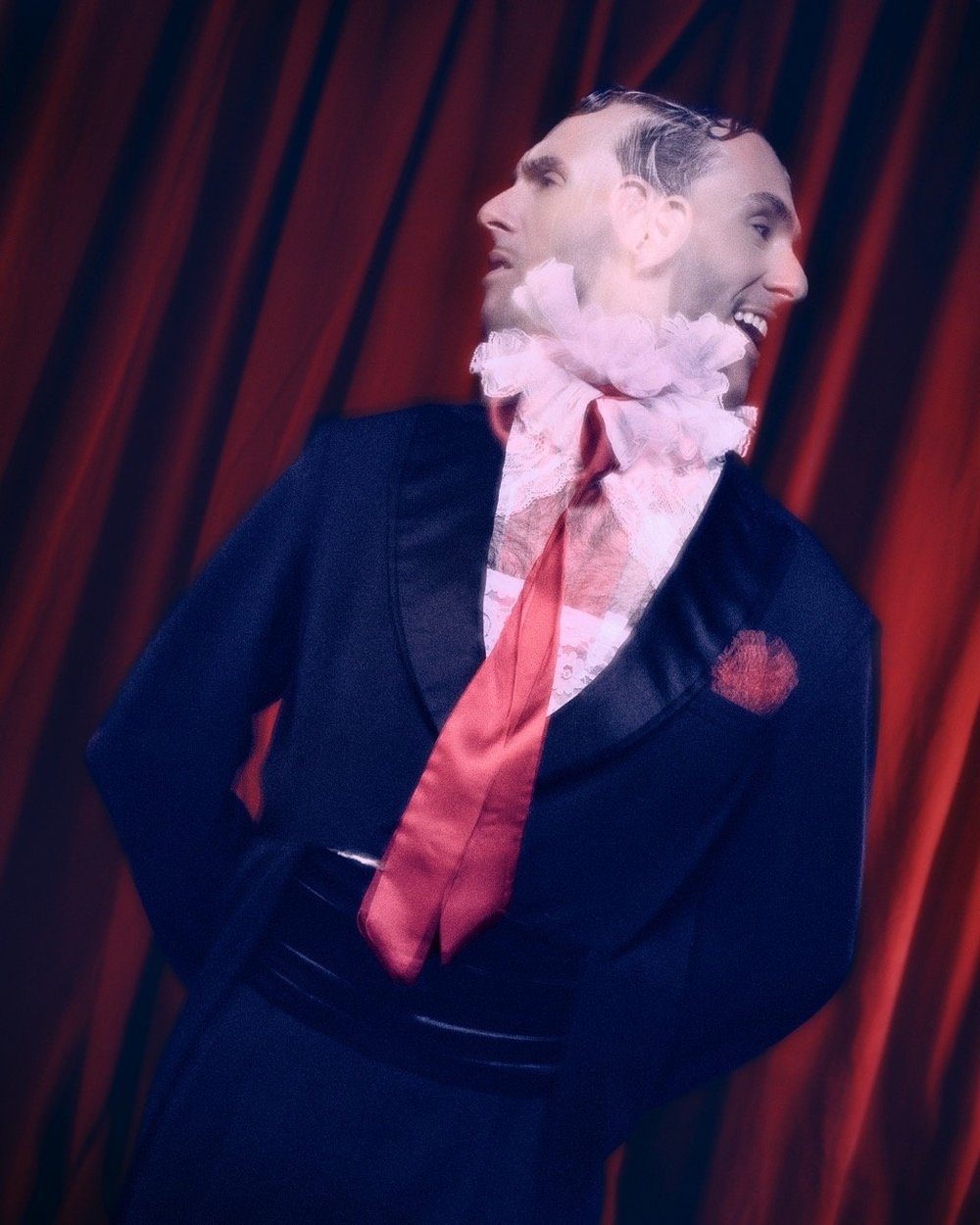
Colour consistency is non-negotiable, especially when working across digital previews and film within the same setup.
As expected, Broncolor delivers here. The output is stable, predictable, and neutral — allowing the creative decisions to come from lighting design rather than correction in post.
In fast-paced environments, that reliability becomes critical. It removes hesitation and lets you work with confidence, frame to frame.
Final Thoughts
My final take? The Satos is an investment that pays dividends with efficiency, consistency, and the freedom to focus on making the image, not managing the process.
Production Team
Executive Producer — Jessica Clarke
Director — Sofia Pompei
Photographer (Stills) — Nicholas Hyatt
Photo Assistant — Ryan Ko
Line Producer — Jan Parma
Producer — Corynne Bisson
Production Manager — Alison Henthorn
1st AD — Matt Moreland
Performance Coach — Gemma Eva
Director of Photography — Zachary Guy
1st AC — Andrew Ouzounis
2nd AC — Ilya Slastnikov
Gaffer — Jordan Westcott
Grip — Oliver Romo
Production Designer — Devin Jones
Wardrobe Stylist — Hailey Uens
Key Makeup — Paola Manigat
Makeup Artist — Alison Henthorn
Key Hair — Jess Scafiezzo
Swing HMUA — Devan Green
BTS Content — Brittany Olsen
BTS Content — Stefano Vedova
OK BYE — Jessica Clarke
OK BYE — Sam Pearson
Butler — Seb Darcel-Sinclair
ABOUT NICHOLAS HYATT
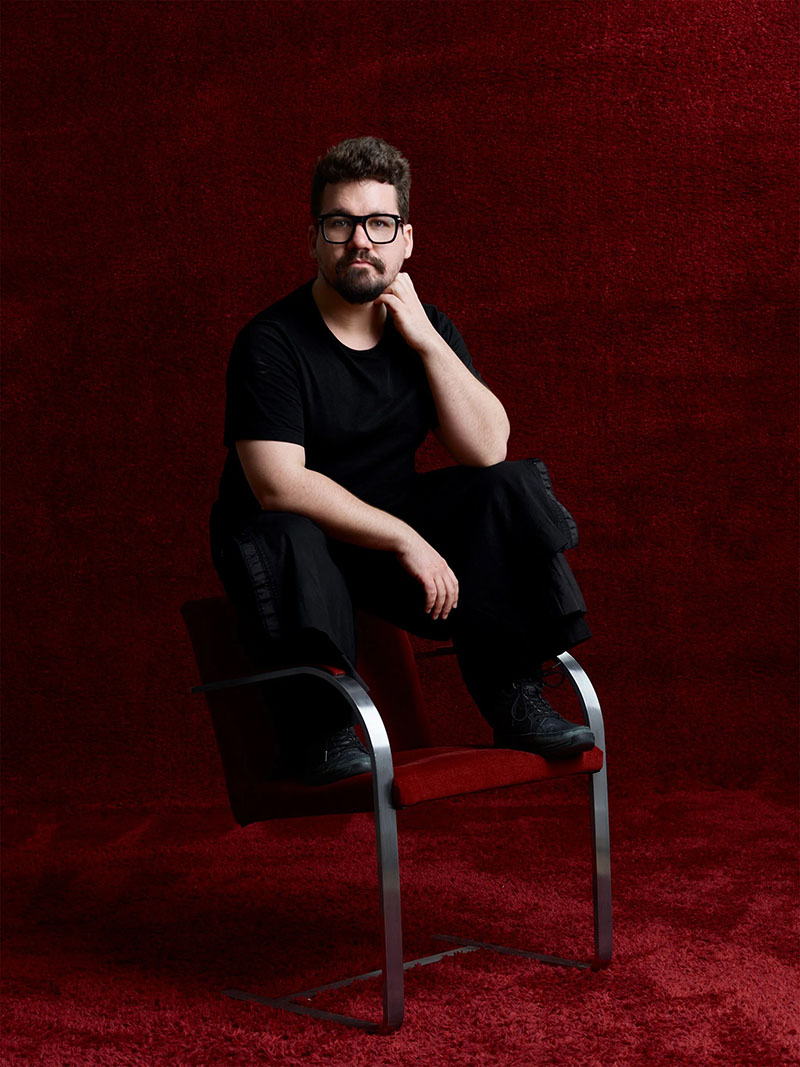
Nicholas Hyatt is a Toronto-based photographer whose work is defined by restraint and a sculptural approach to light and form. Working at the intersection of fine art and luxury retail, he favours quiet precision over spectacle, inviting viewers to slow down and engage with material and detail. Largely unconcerned with visual trends or short-lived aesthetics, Hyatt’s work resists immediacy. In an image-saturated landscape driven by excess, his photographs simmer. They aren’t designed to shout, but to remain.
Influenced by photographers such as Irving Penn and Herb Ritts, Hyatt is best known for his body studies, still life and fashion work where form, texture and negative space are treated with equal importance. He has collaborated with clients including Lune 1860, Sephora Canada, Former Girlfriend and NUVO Magazine. His background in the fine and high jewellery industry – where precision and detail are non-negotiable – continue to shape his photographic eye.
By allowing his personal work to drive his commissioned projects, Hyatt maintains a visual language rooted in trust, curiosity and measured restraint.
Follow Nicholas on Instagram: https://www.instagram.com/nicholas__hyatt
Follow broncolor Canada on Facebook and Instagram