
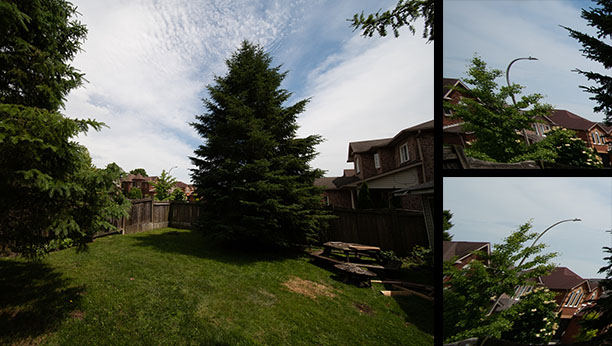
You may have heard photographers talk about “sample variation” or “decentred lenses.” A decentred lens is one in which the optical elements are slightly misaligned, resulting in uneven sharpness across the frame. Fortunately, checking your lens for proper centring is quick and straightforward. Once you’re familiar with the process, testing a lens takes less than five minutes.
What You’ll Need
To perform the test, you’ll need:
- A sturdy tripod (I’m using a Vanguard VEO 3+ 263CB)
- Remote shutter release (Hahnel HRN280 or Captur) or timer mode, to eliminate any shake incurred due to pressing the shutter button
- A distant subject with fine detail, such as a tall building, church steeple, antenna or similar structure
Camera Setup
Before beginning the test, configure your camera as follows:
- Set the lens to its widest aperture (f/2.8, f/4). If your lens exhibits very poor corner performance wide open, stop it down slightly until corner details become visible.
- Use manual focus.
- Use manual exposure or engage Auto Exposure Lock (AEL).
- Turn off image stabilization (IBIS, IS or VR).
- Disable Electronic First Curtain Shutter if your tripod setup is stable.
Testing Procedure
- Mount your camera securely on a tripod.
- Place your chosen target in the centre of the frame and focus carefully on it. If your camera has Live View, enable that and zoom in to maximum. Don’t rely on Focus Peaking, only.
- Once focus is achieved, do not adjust it again during the test.
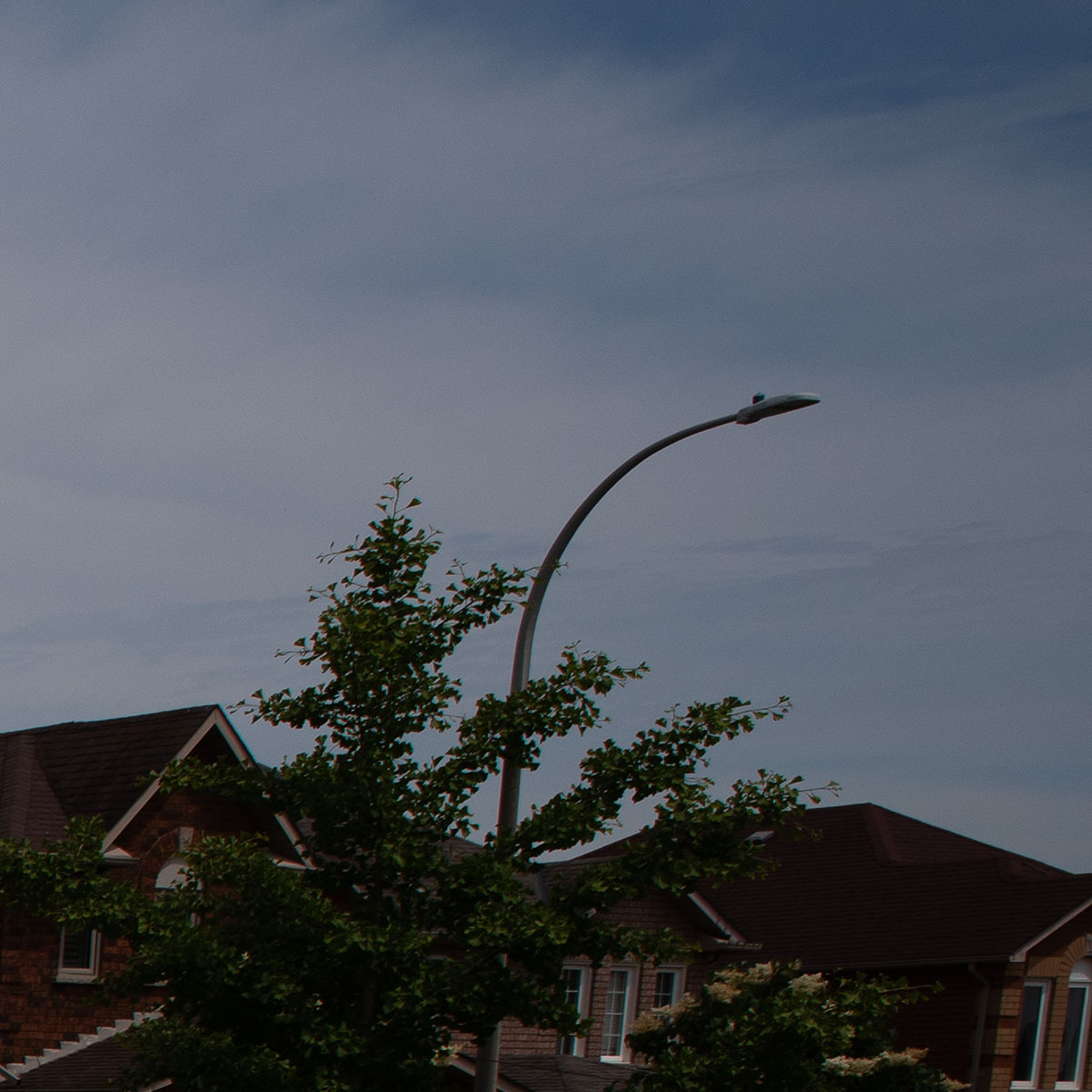
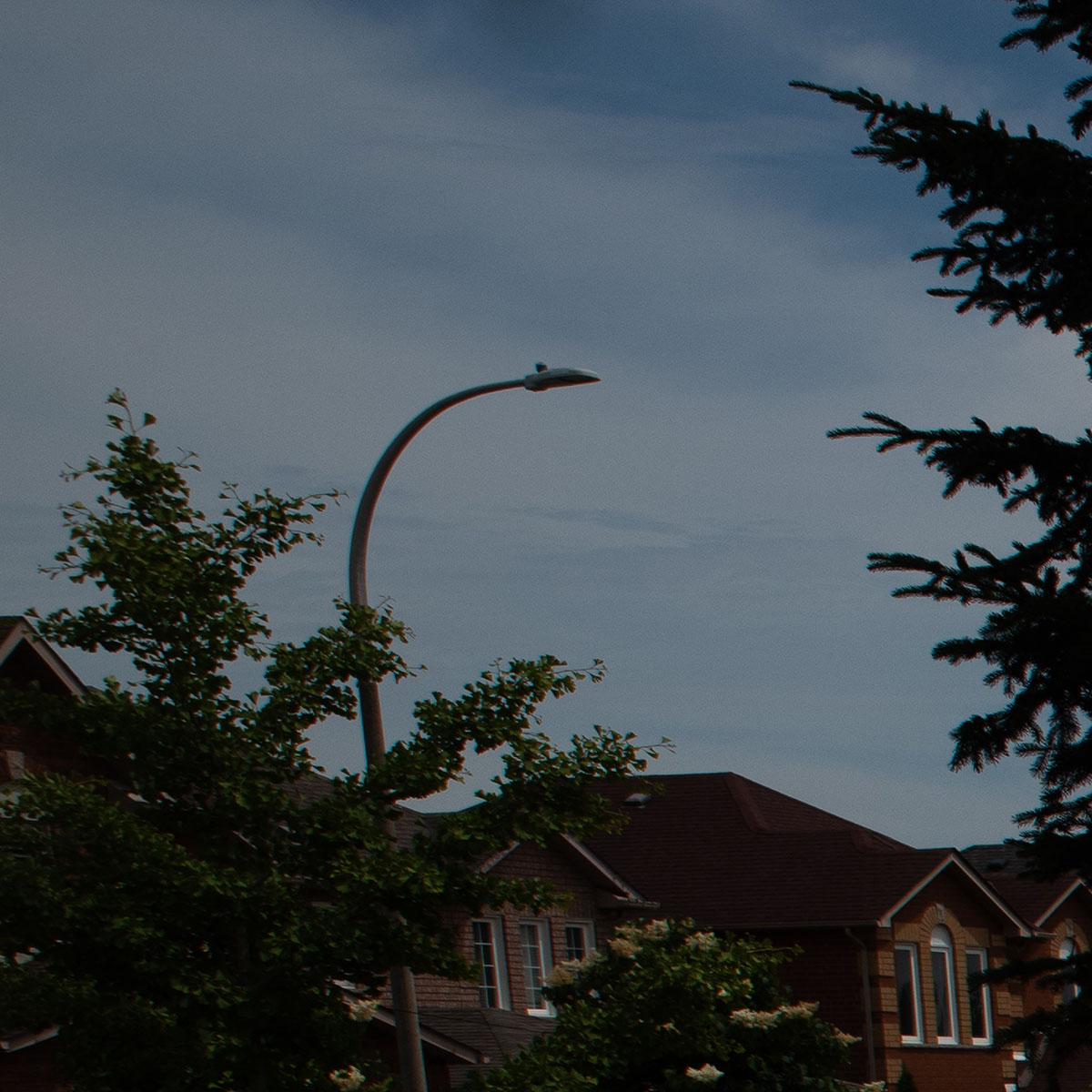
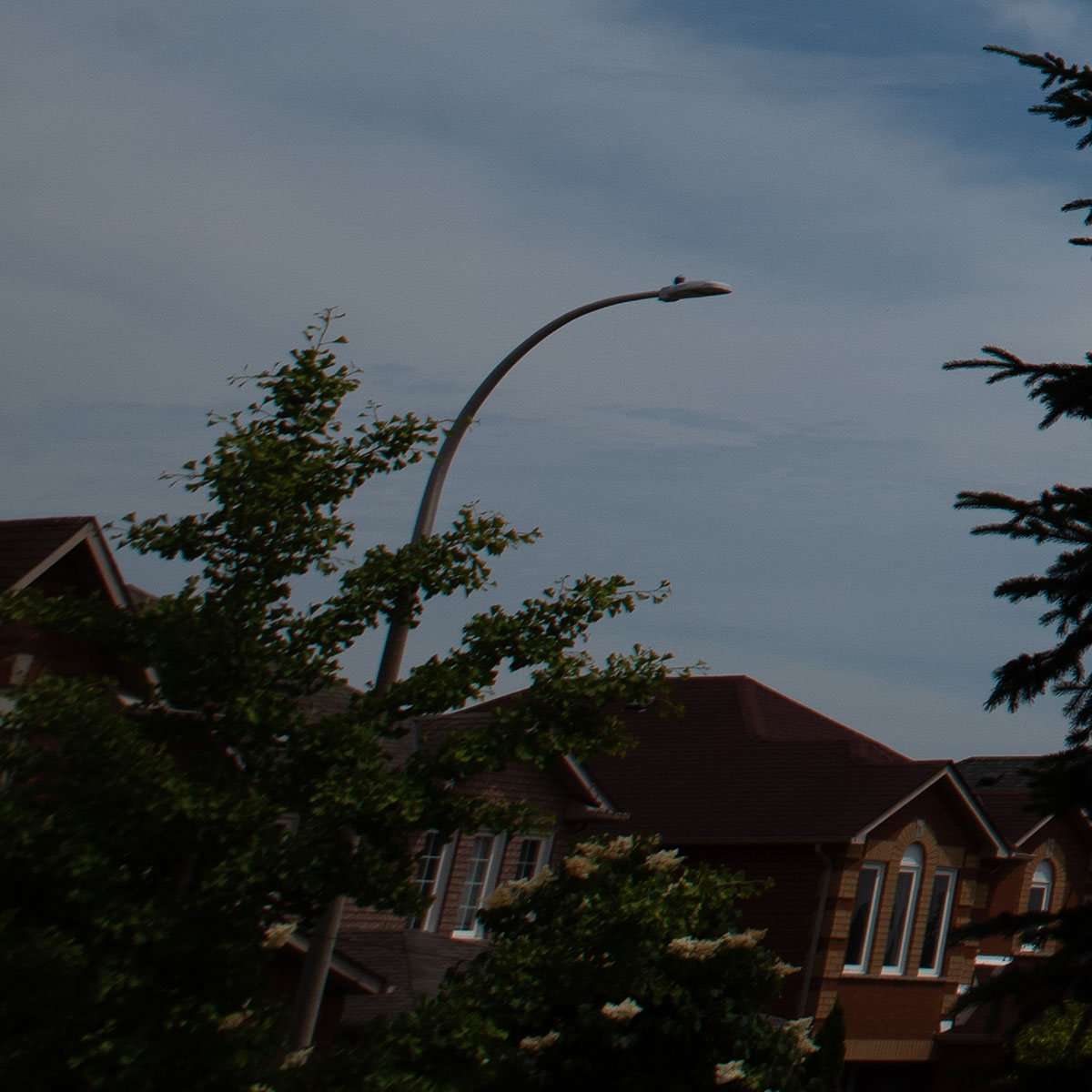
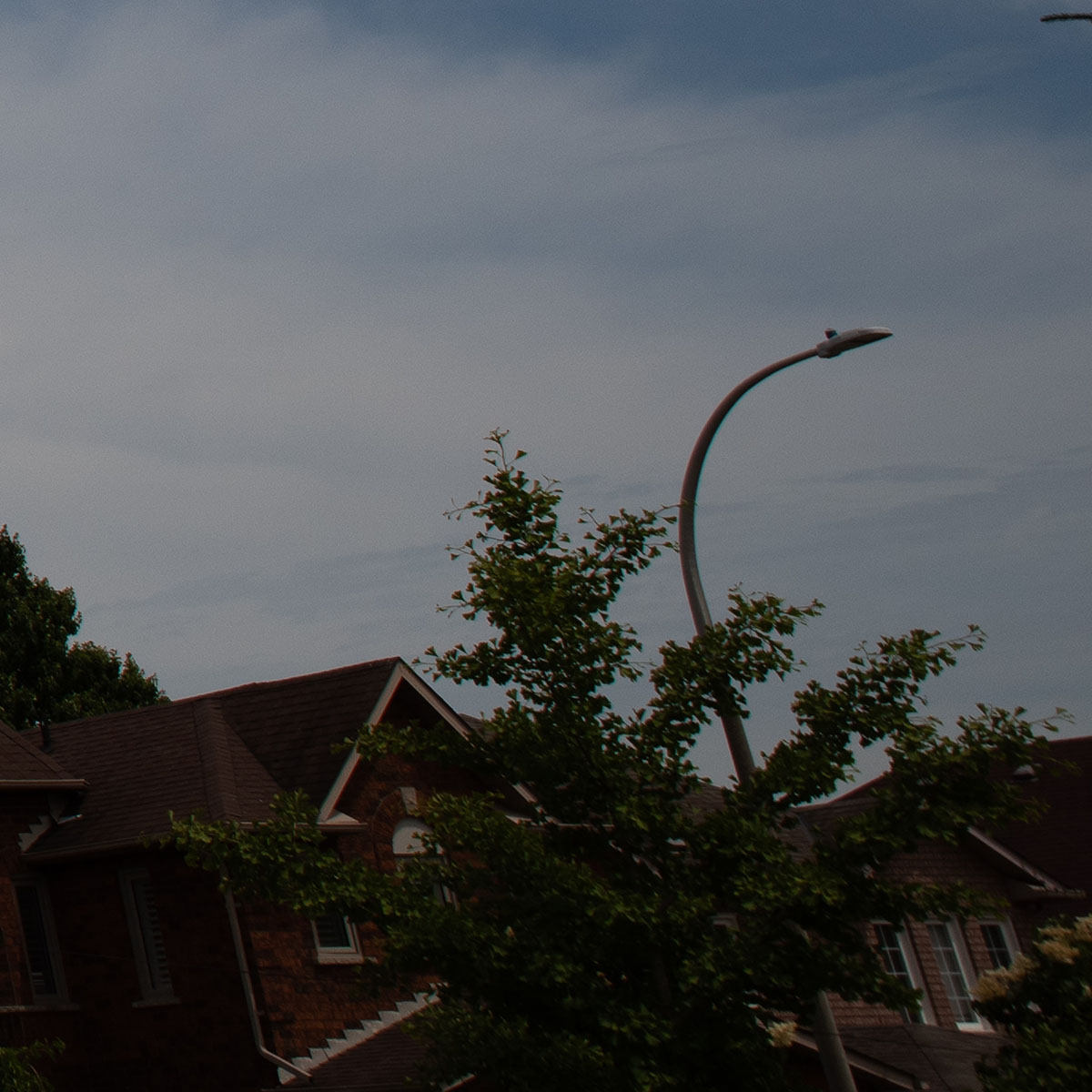
- Using your tripod head, move the camera so the target appears in one extreme corner of the frame and take a photograph.
- Repeat this process for all four corners of the image:
- Upper left
- Upper right
- Lower left
- Lower right
The key is to maintain the exact same focus point throughout the entire test.
Evaluating the Results
Before analyzing your images, keep the following in mind:
- No lens is perfectly centred – even excellent copies can show minor variation. In most real-world photography, slight decentring is rarely noticeable, and there is no universal standard for what is acceptable … only whether it affects your results.
- All manufacturers ship lenses with some degree of variation. While quality control differs by brand, none are immune. Fast-aperture and ultra-wide lenses tend to be more susceptible and zoom lenses are generally more prone than primes.
- When testing a zoom lens, check performance at the wide end, telephoto end and mid-range. If the lens exhibits field curvature, corners may appear softer than the centre; in this case, compare corners to each other rather than to the centre.
Reading the Results
In an ideal lens, all four corners will appear virtually identical in sharpness and detail. Differences between corners are negligible and image quality is exceptionally consistent across the frame. If your lens performs this well, you’ve found an outstanding sample.
Many excellent lenses will show a very slight difference in one corner. As long as the variation is minimal, it is unlikely to be visible in everyday photography. A lens with this level of performance is perfectly usable and should not be a cause for concern.
A significantly decentred lens will show one or more corners that are noticeably softer than the others. In severe cases, the difference may be obvious in real-world images and affect overall image quality. If your results resemble this scenario, you may want to consider returning the lens or having it serviced.
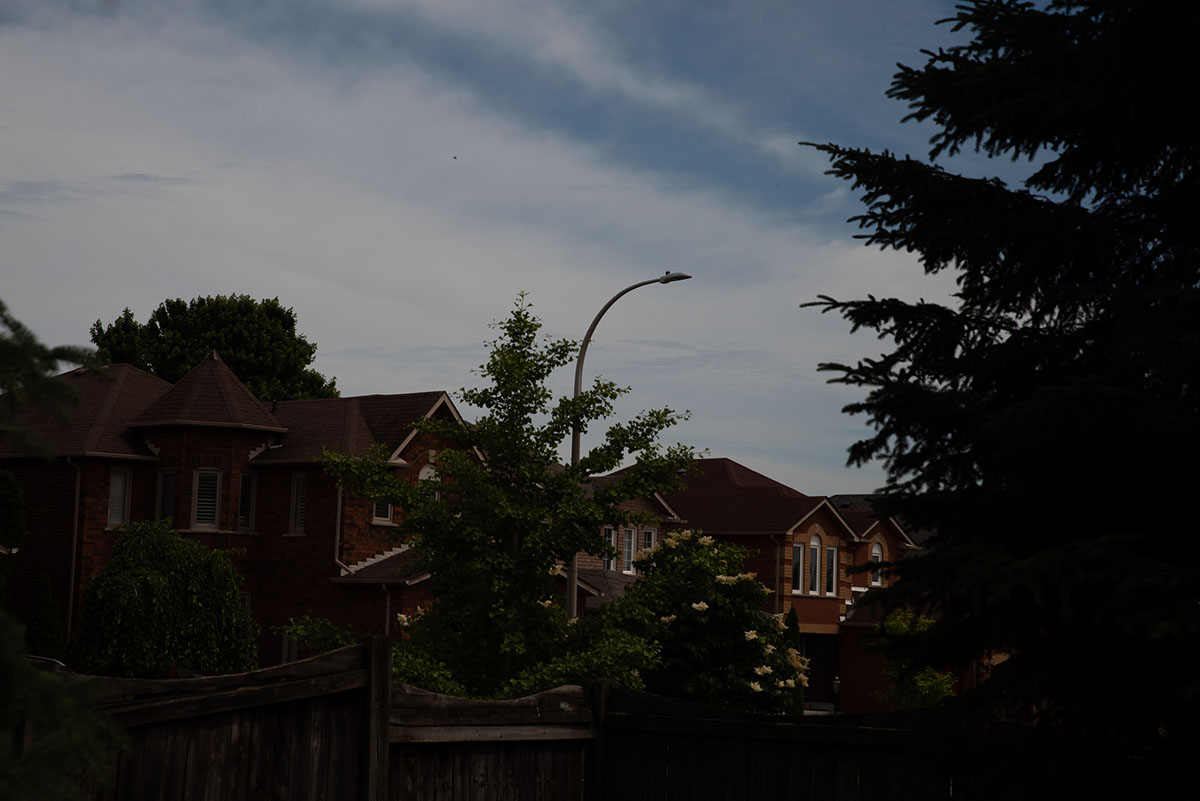
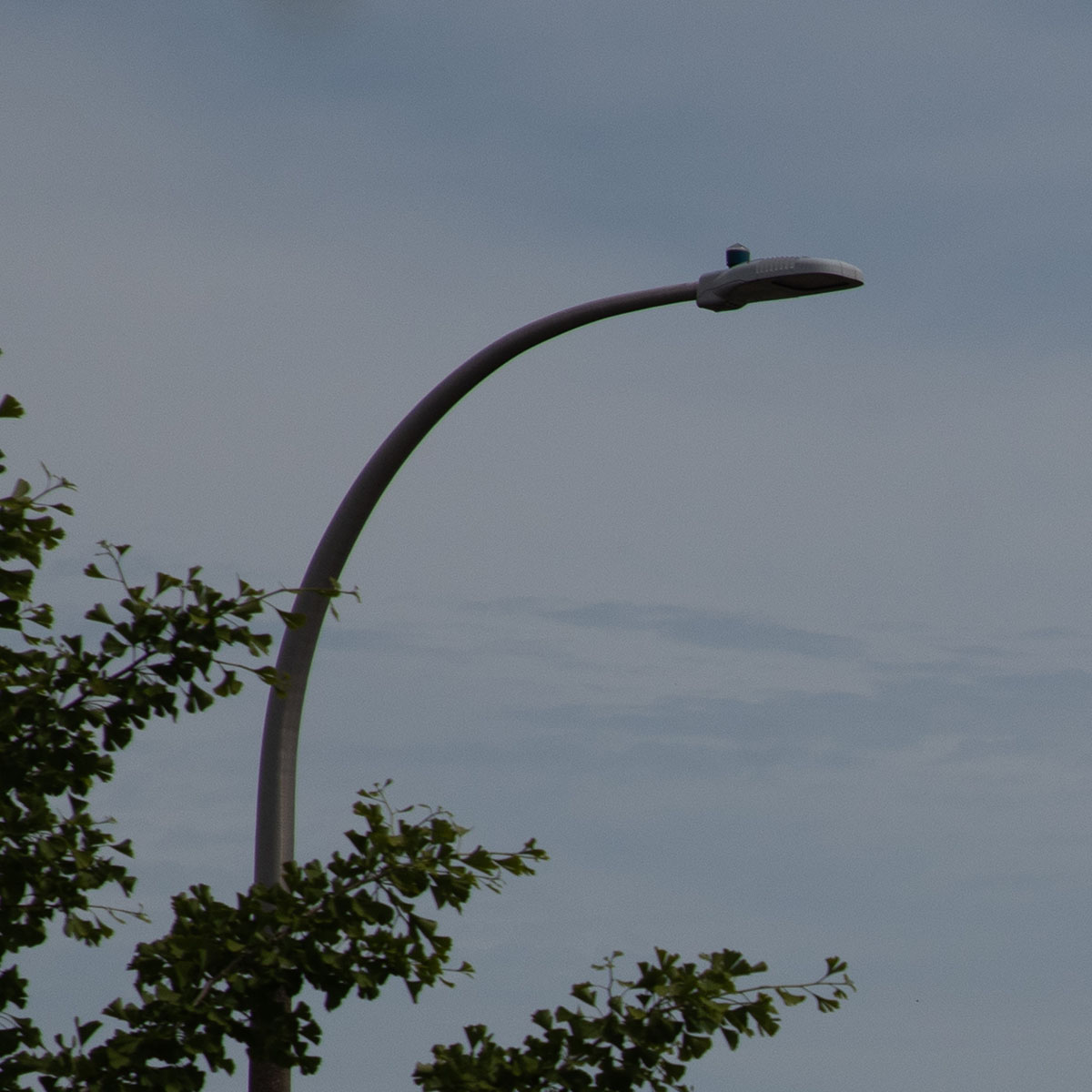
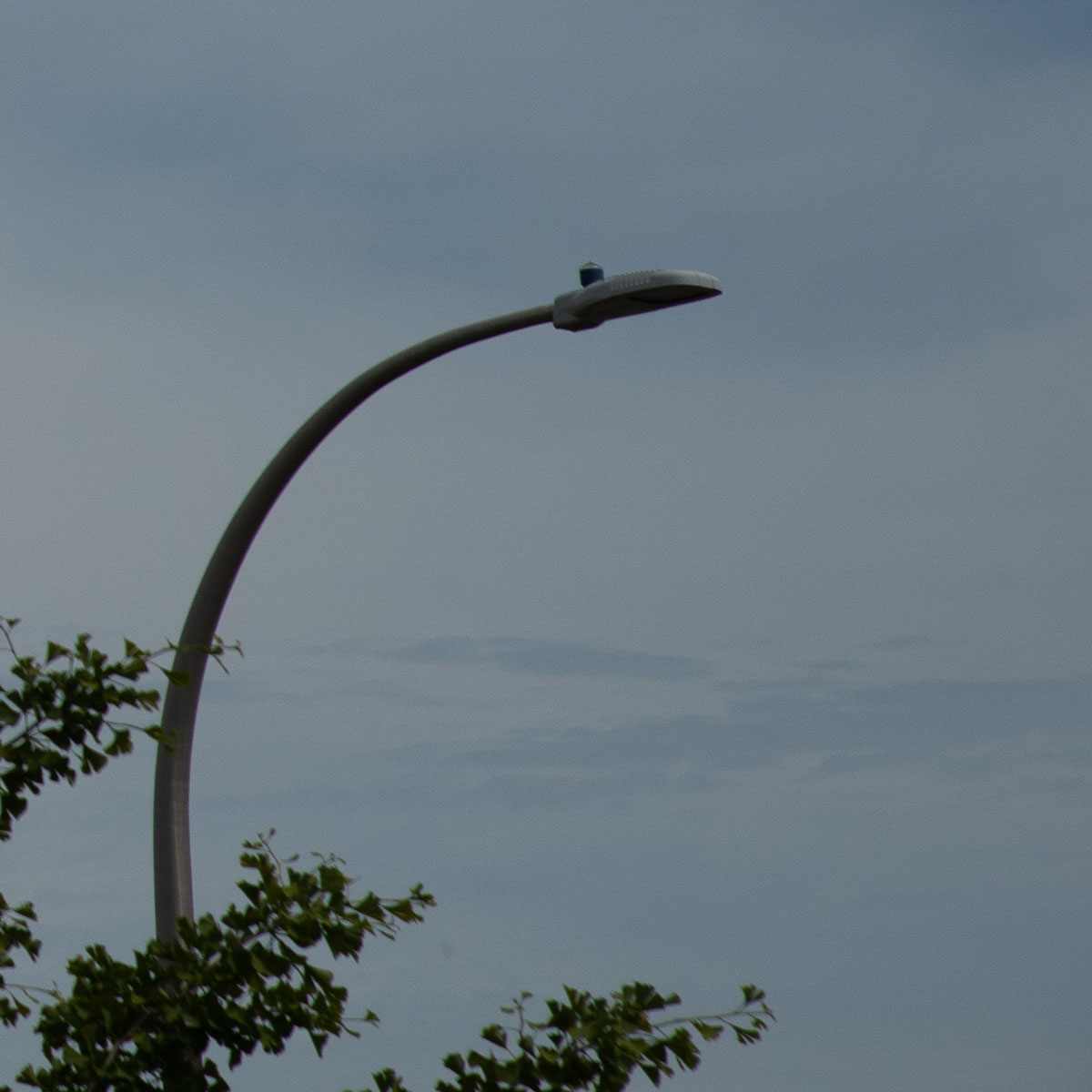
I tested two of lenses: a Laowa 12mm f/2.8 and Tamron 24-70 f/2.8 G2 (at 24mm and 70mm). I have a light standard at the right distance – the trees don’t work as the wind was blowing them around.
I found the Laowa was pretty good on 3 of 4 corners – it’s a little soft in the upper left. My Tamron 24-70 is a touch soft in the lower left at 24mm but at 70mm, it’s almost perfect.
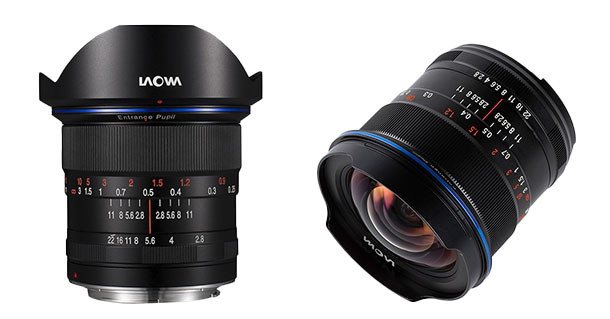
If you have a lens you’re concerned about, you can repeat this test but stop the lens down. Corner sharpness should improve around f/5 – f/8.
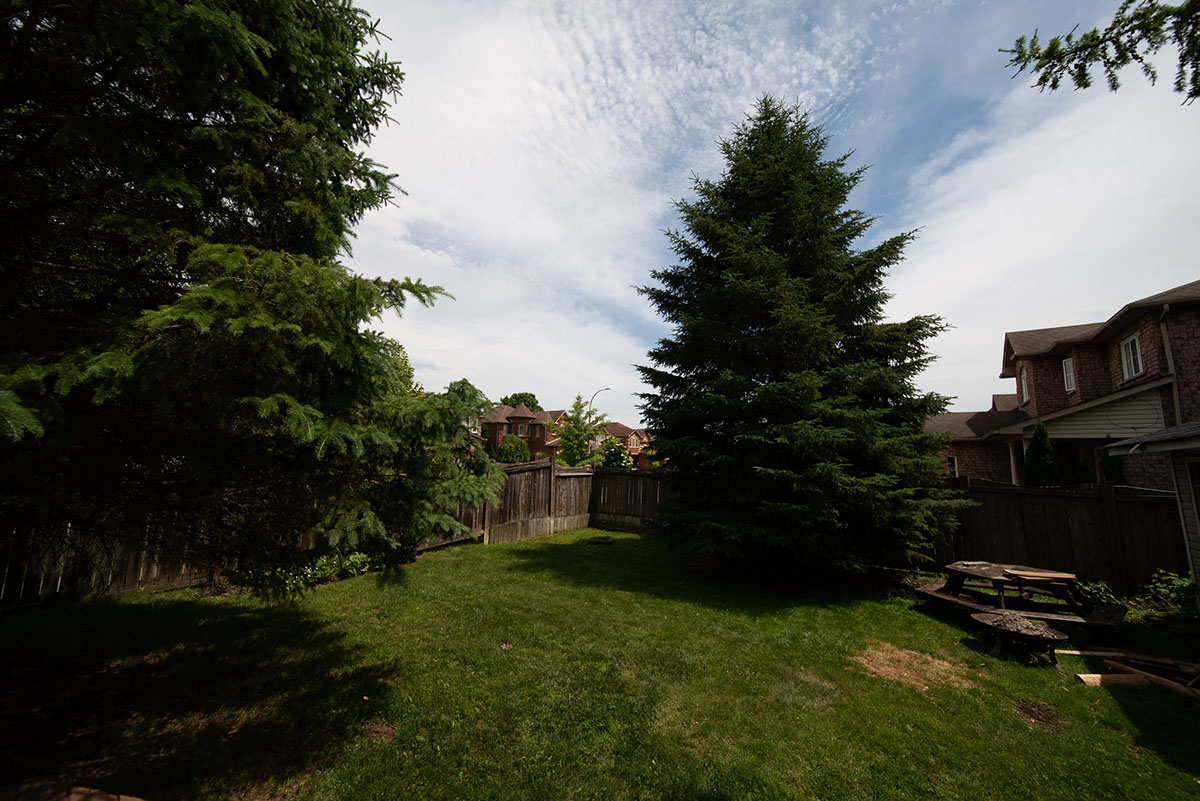
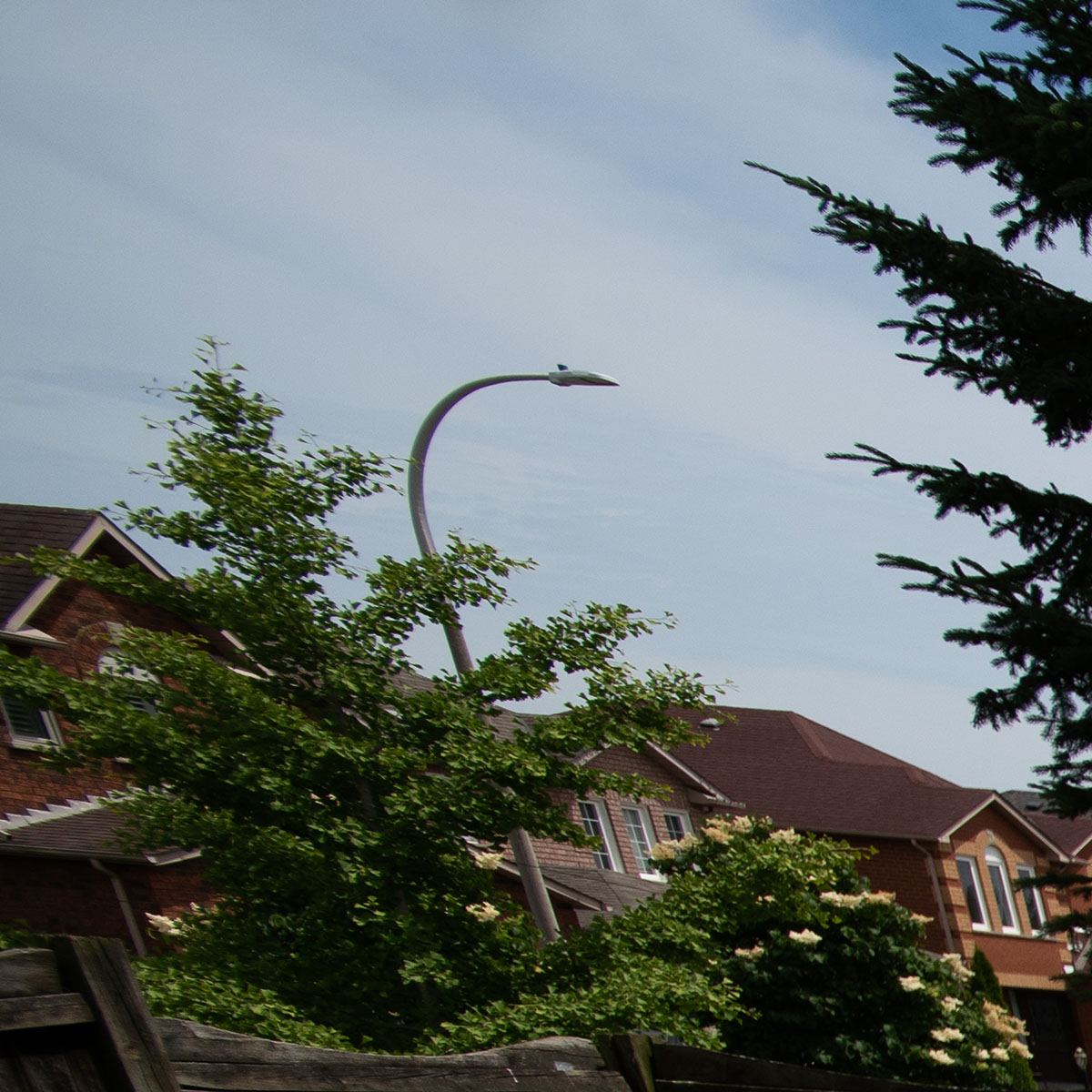
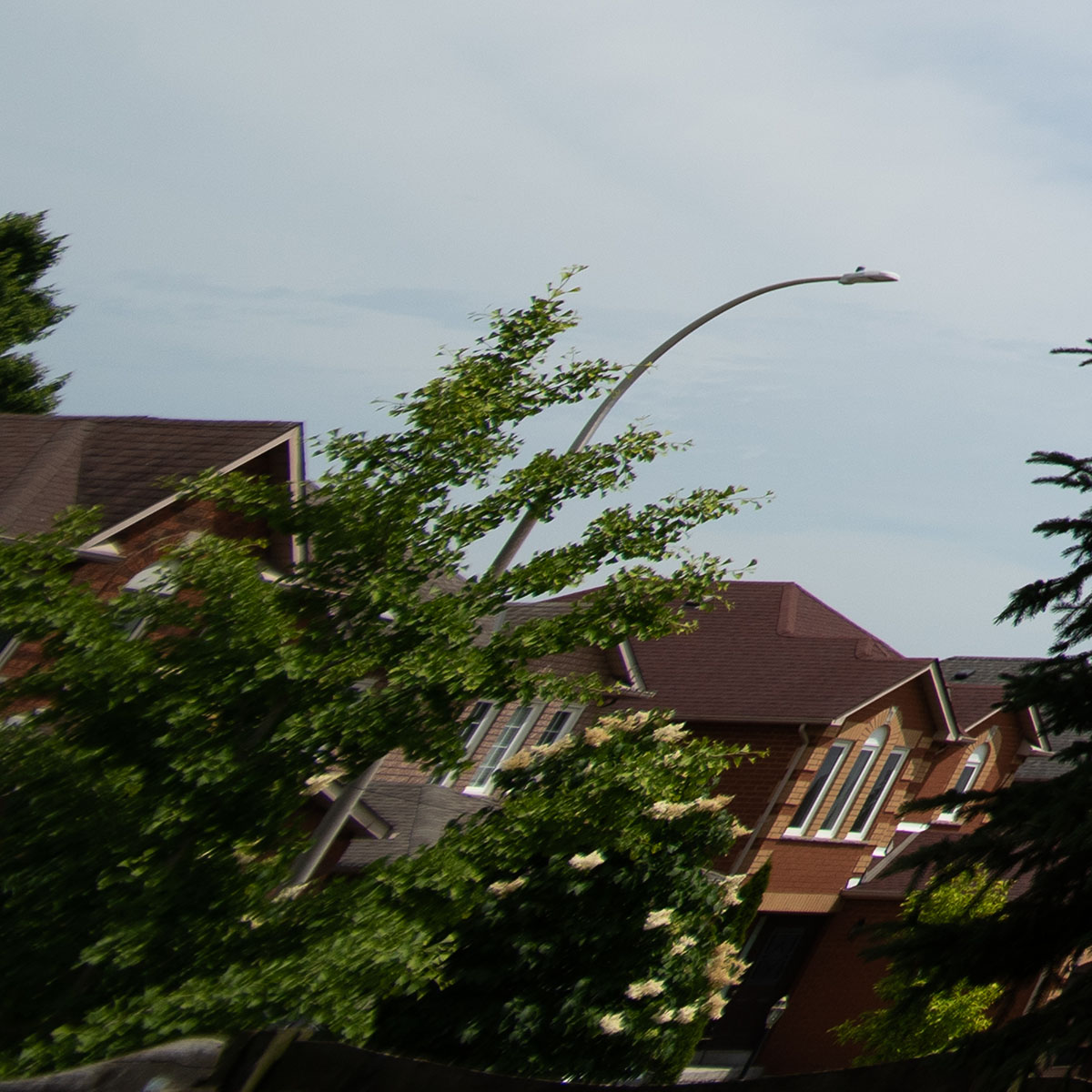
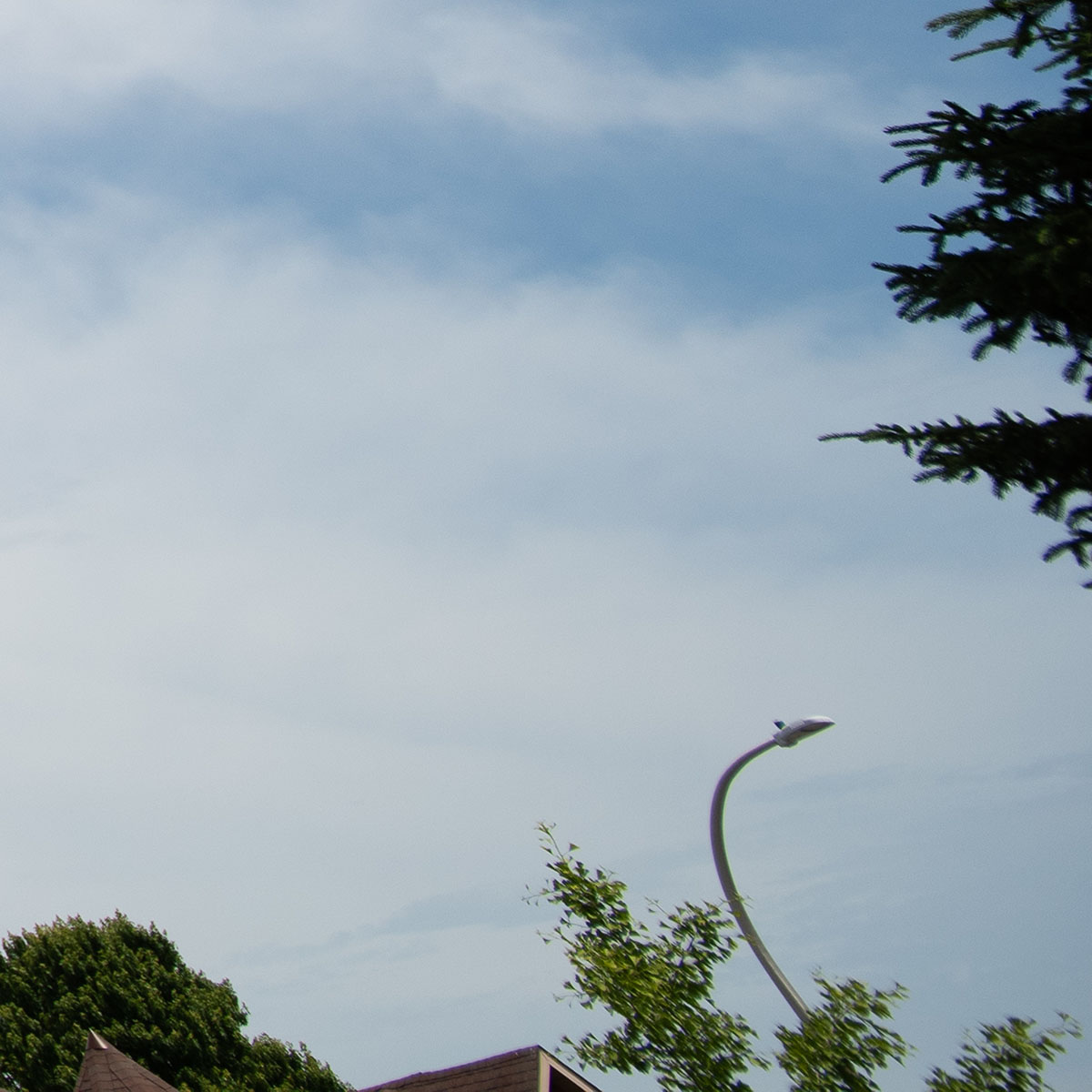
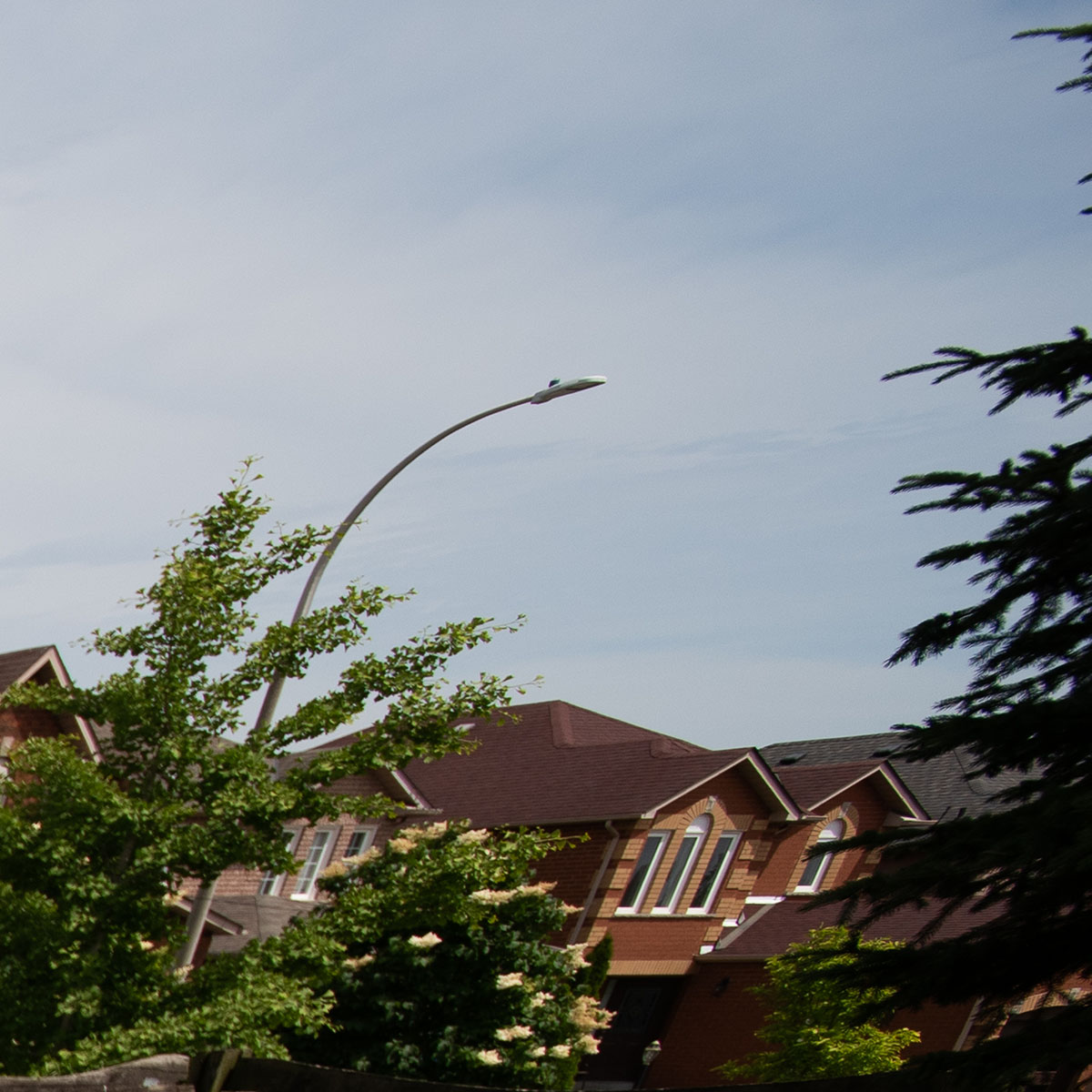
By Laowa 12mm f/2.8
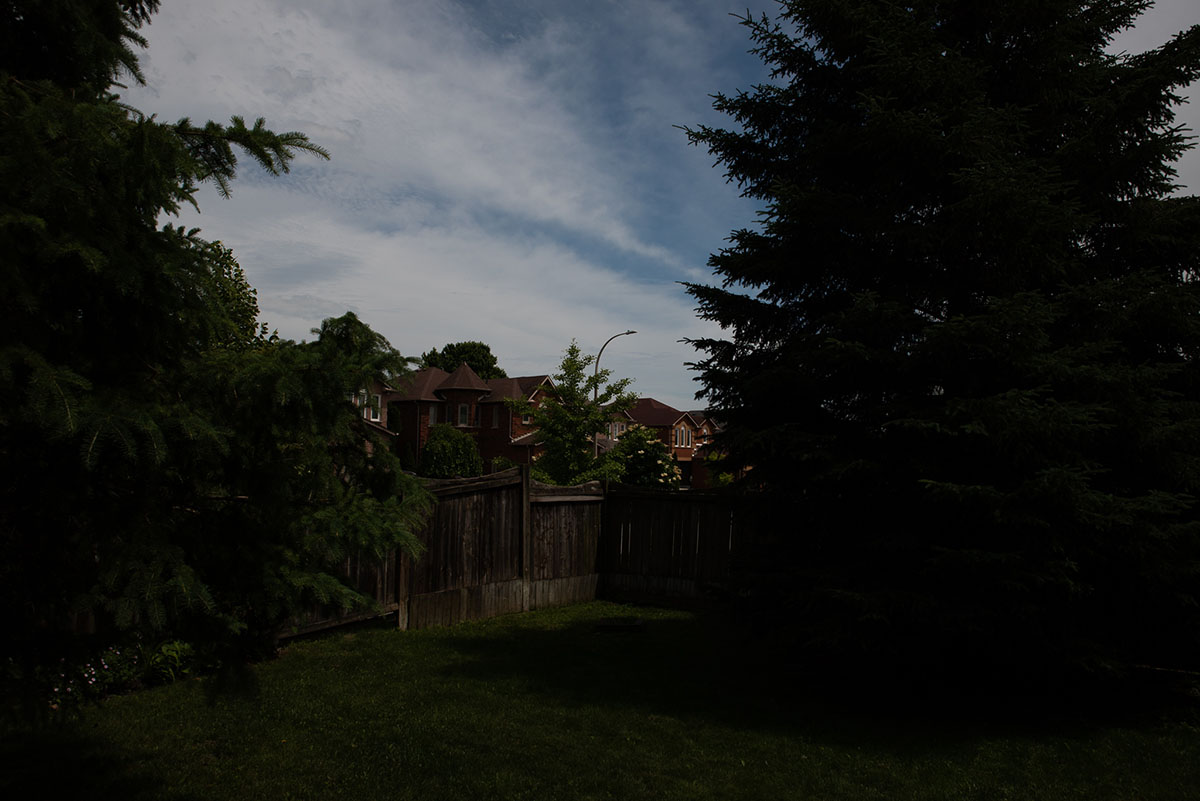
By Tamron 24-70 f/2.8 G2 (at 24mm)

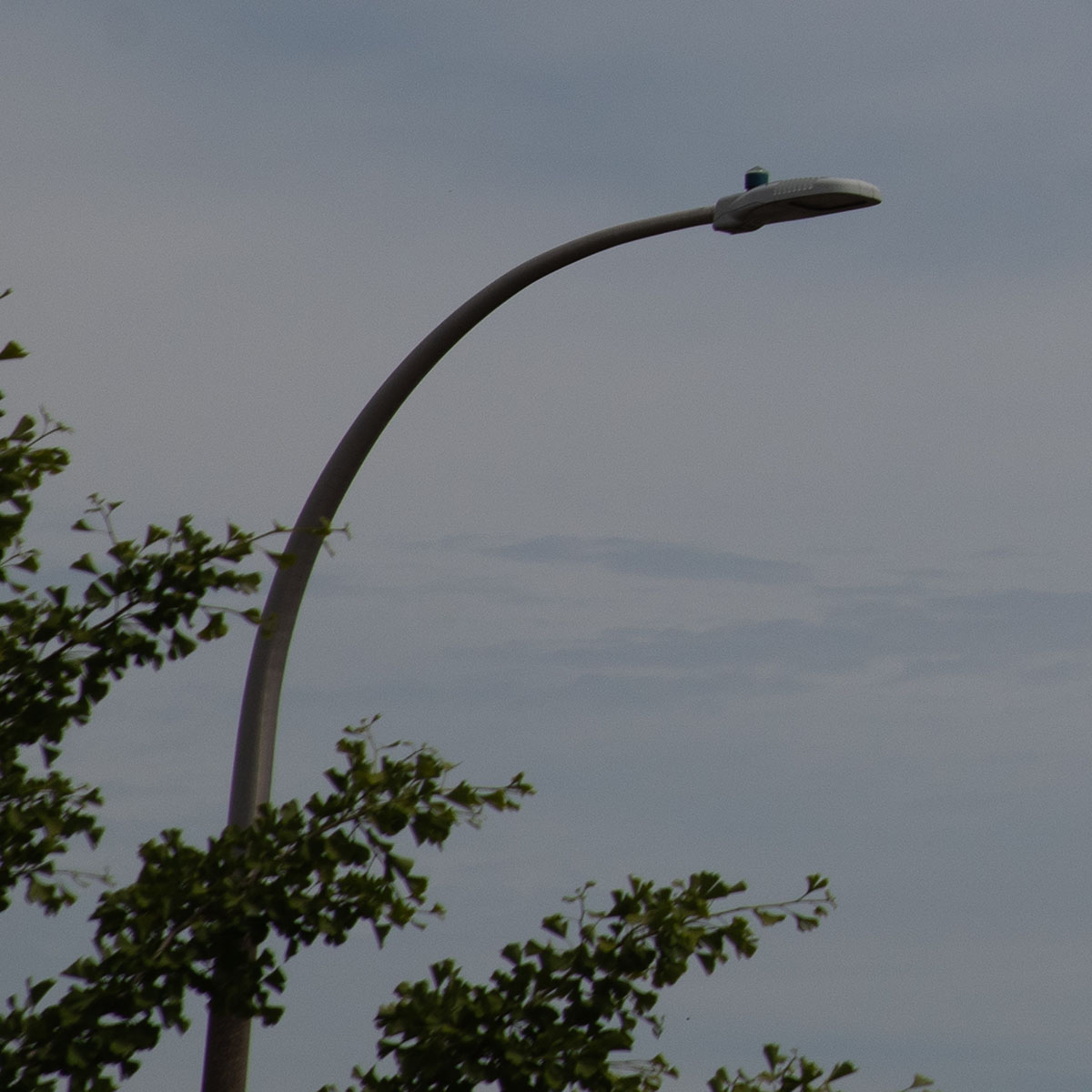
By Tamron 24-70 f/2.8 G2 (at 70mm)
Final Thoughts
Lens quality control is more complex than many photographers realize. Small variations between copies are normal and minor imperfections rarely affect real-world images. The goal of this test is not to determine whether a lens is mathematically perfect, but whether its performance meets your expectations and shooting needs.
Bearing that in mind – do I test every lens I have for any decentring concerns? Absolutely not! I will check corner sharpness at different apertures but will only check for decentring if I notice an issue. It’s surprisingly rare that a lens will be decentred from the factory. I did, however, have one lens that was off after it suffered an impact.
Discussed Items
Author: Will Prentice

A portrait, fine art and commercial photographer for 30 plus years, Will Prentice is not just a contributor to PHOTONews magazine, but also host of PHOTONewsTV, owner of Captura Photography+Imaging and Technical Support/Brand Manager for Amplis Foto, Canada’s largest distributor of photographic equipment.
Will teaches photographers of all skill levels how to improve their craft – from creative photo projects to picking the right gear for their needs to flattering lighting to getting the best expressions to creating final images for screen and print. His unique style of highly detailed images with perfect tonality, wide dynamic range and stunning colour is instantly recognizable. Commercial clients rely on Will’s creative eye and mastery of lighting.
When he’s not behind the camera or in front of a class, you’ll find Will outdoors in any weather – usually on one of his bikes or enjoying time with his grandchildren.