
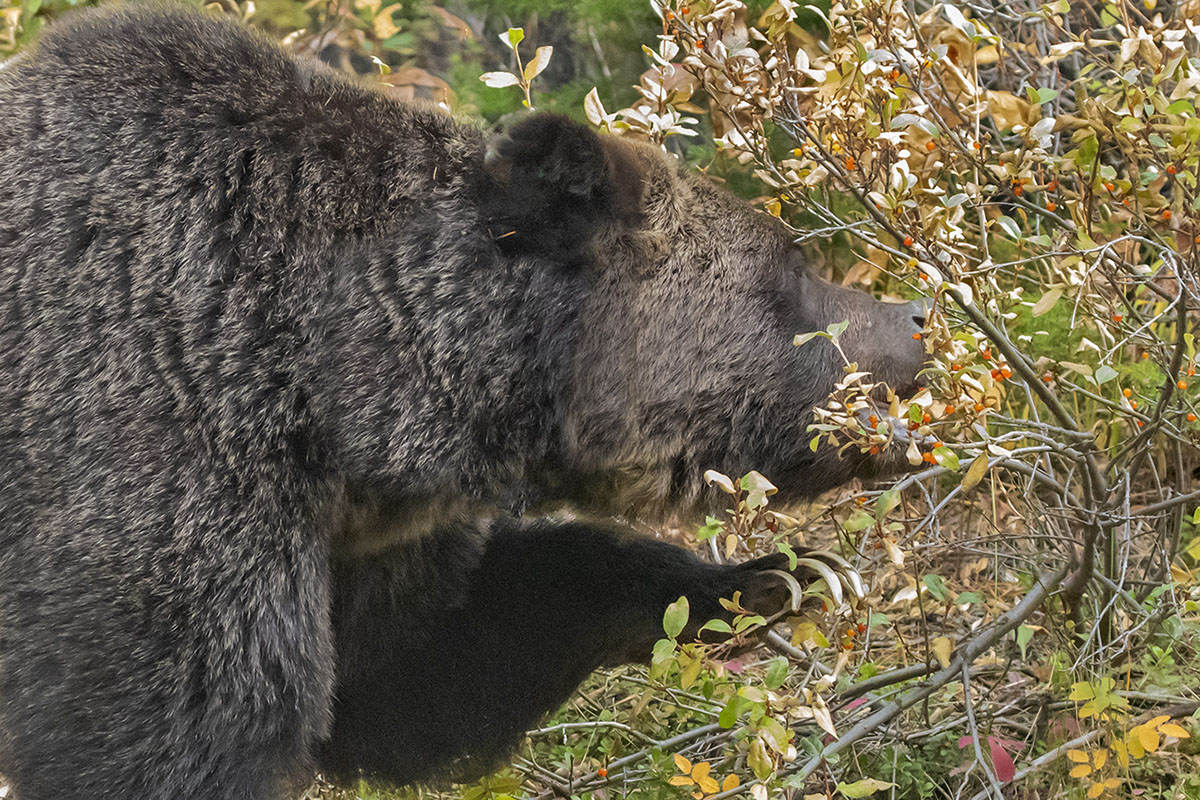
As I watched the grizzly, its nose was never still, twisting from side to side, distorting its massive face with comic affect. Periodically, it pointed its snout upwards into the moist autumn air, teasing out my scent from the background odours of pine, damp earth, and decaying leaves. Soon it was stripping frozen red berries from another drooping branch before it turned and disappeared into the shadows.
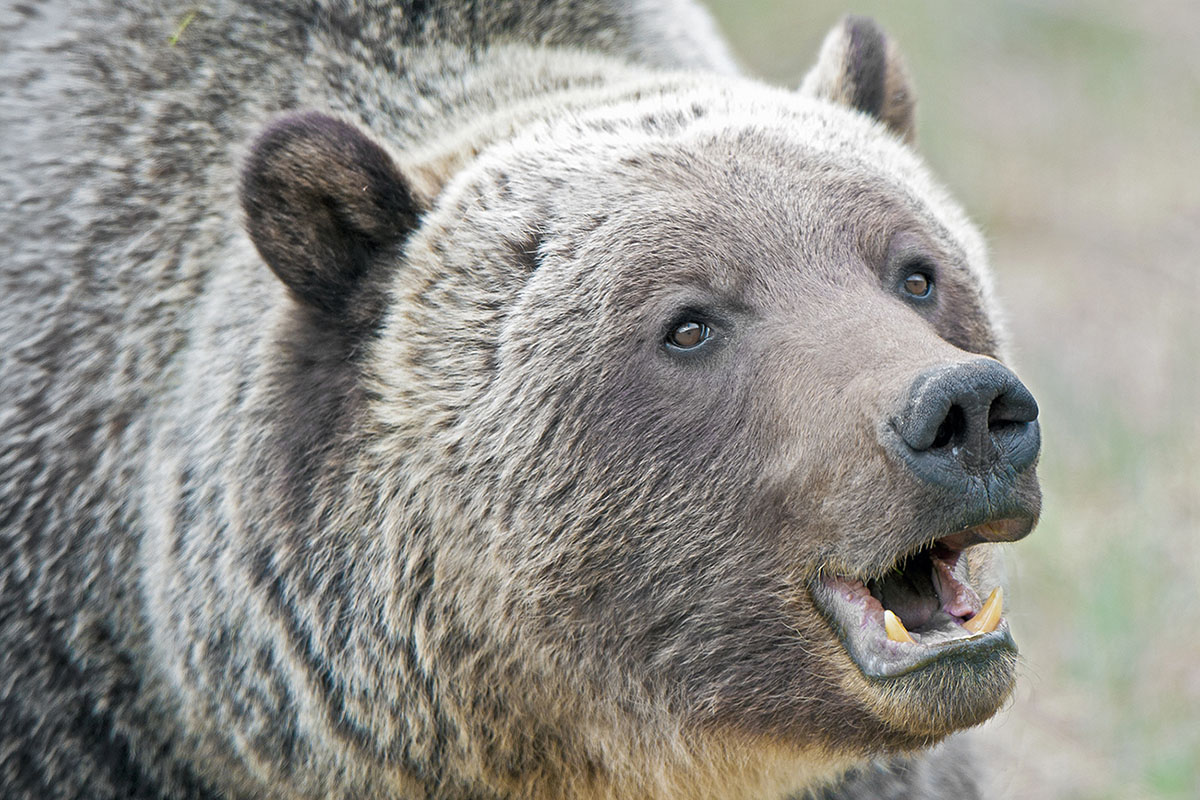
In late summer and early autumn, grizzly bears in the Canadian Rockies prepare for the months of winter denning by eating, eating, eating.
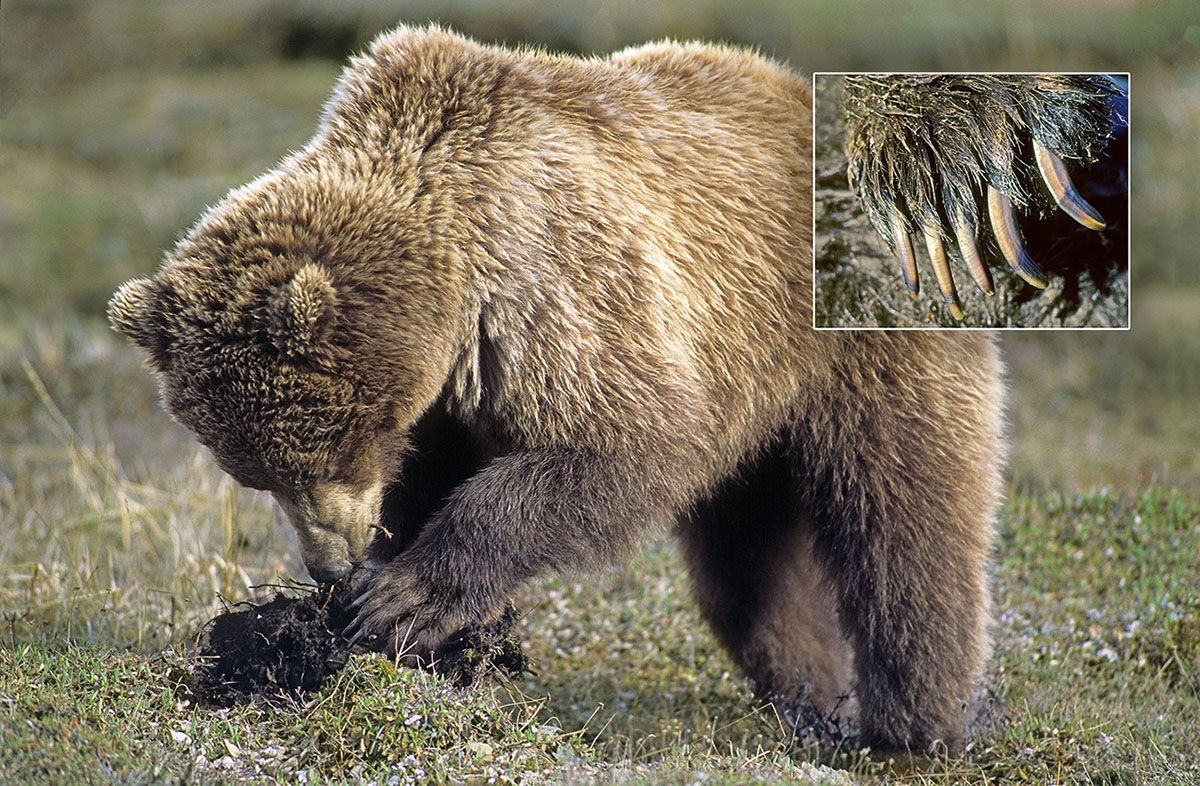
The annual weight cycle of most grizzly bears follows a general pattern. It loses weight during winter hibernation and then maintains or continues to lose in spring as it digs for roots and tubers and crops any fresh greenery it can find. The front claws on a grizzly bear are large and strong, and on many are 9 centimetres (3 inches) long, although I personally measured the front claws on one grizzly (inset photo) that were over 12 centimetres (4.75 inches) long.
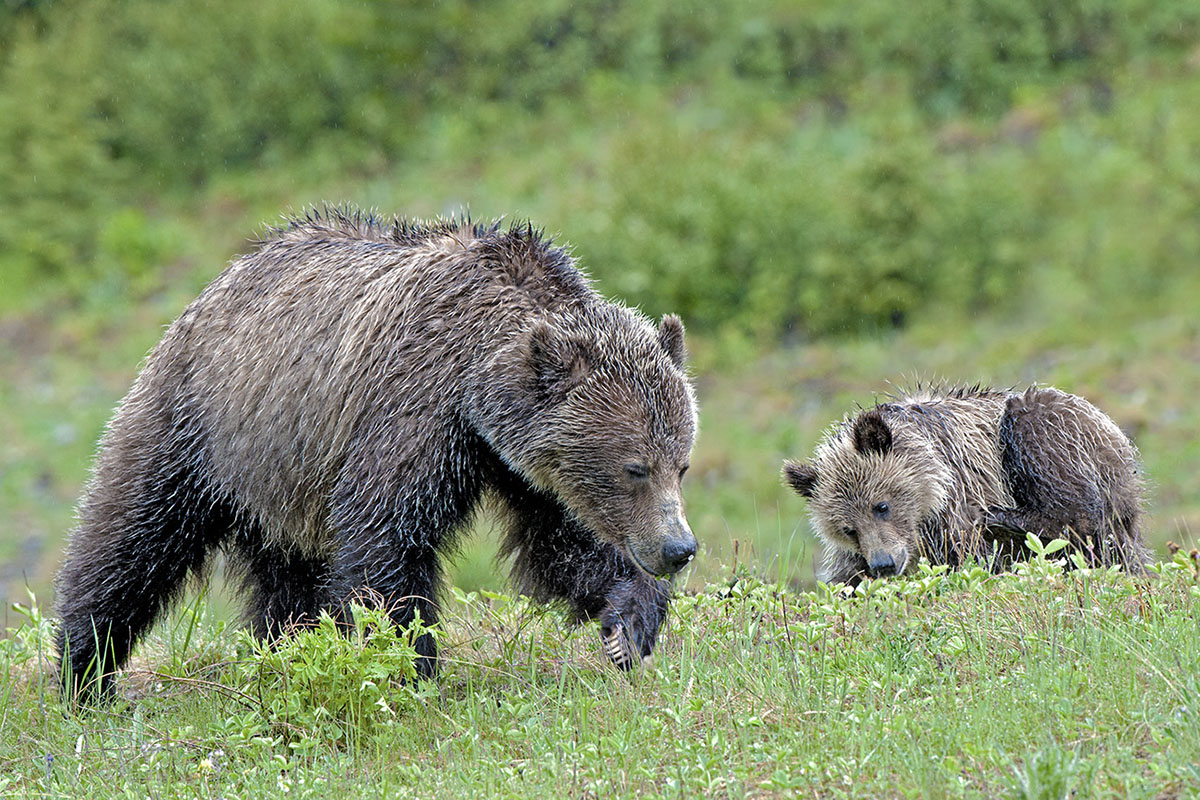
During summer, a grizzly’s weight remains steady as it continues to feed on greenery. The diet of most mountain grizzly bears is 80% to 90% vegetable. They are more like cows than carnivores. Bears eat the leaves and stems of plants when the plants first emerge, which is when they contain less cellulose, are easier to digest, and contain more nutrients.
In autumn, a bear’s appetite suddenly increases. It may consume up to 20,000 calories in a day, three to four times what it normally eats. For you and me, that would be the same thing as eating 43 hamburgers and 12 large orders of French fries – every day.
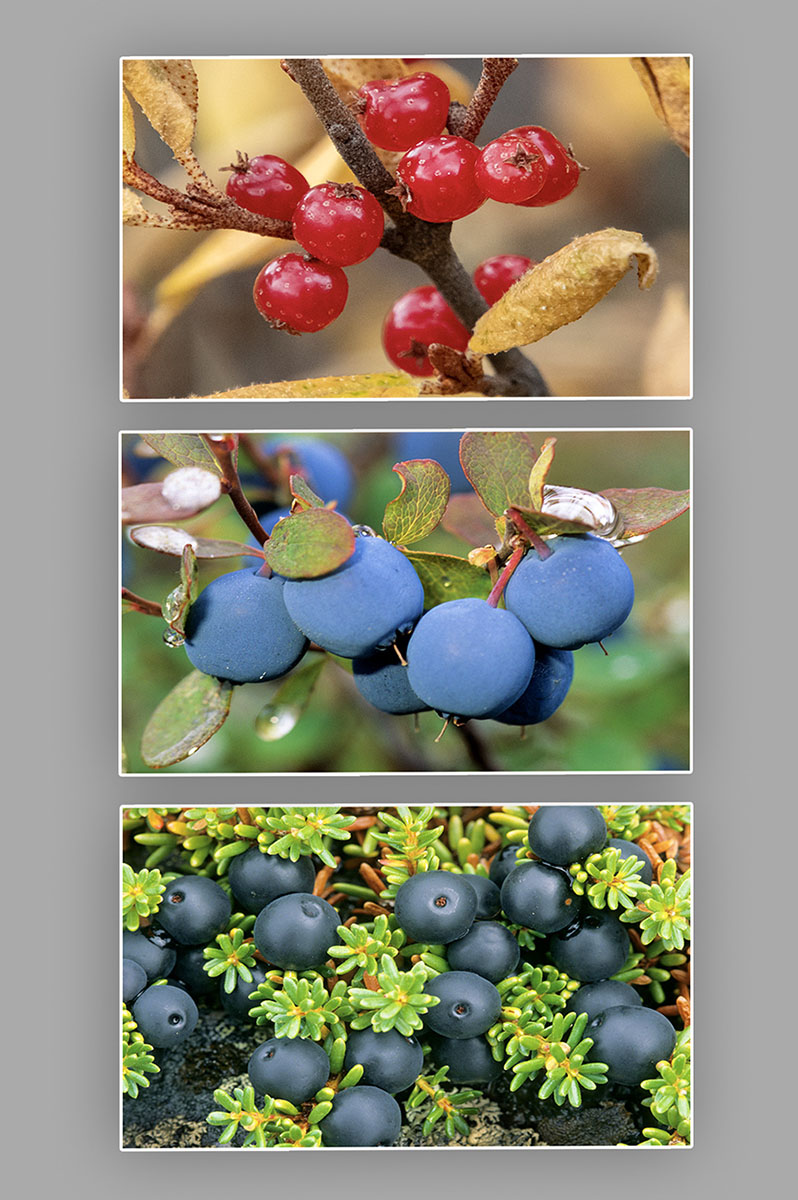
A hungry grizzly can spend 19 hours a day feeding on soapberries, blueberries and crowberries. At this time of the year, it has an appetite that just won’t quit.
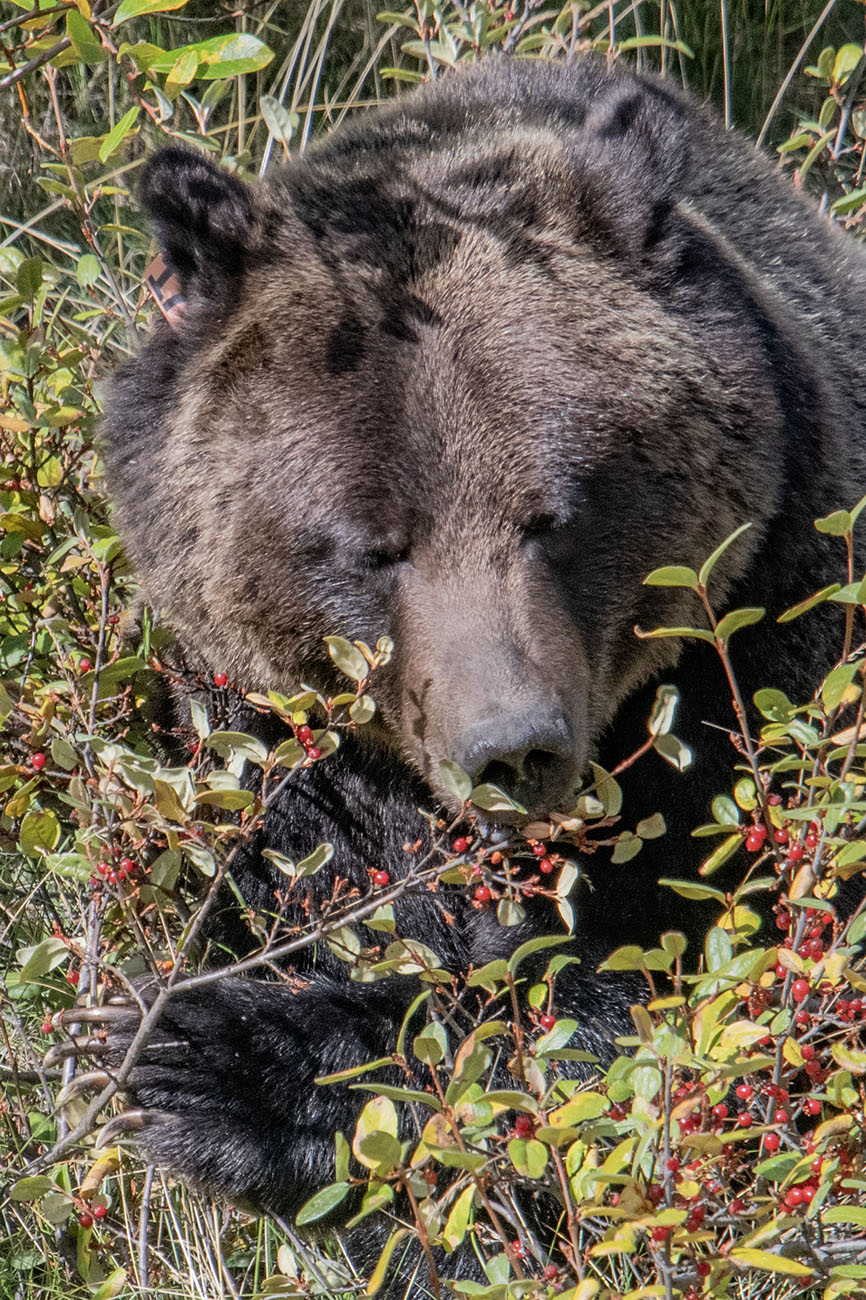
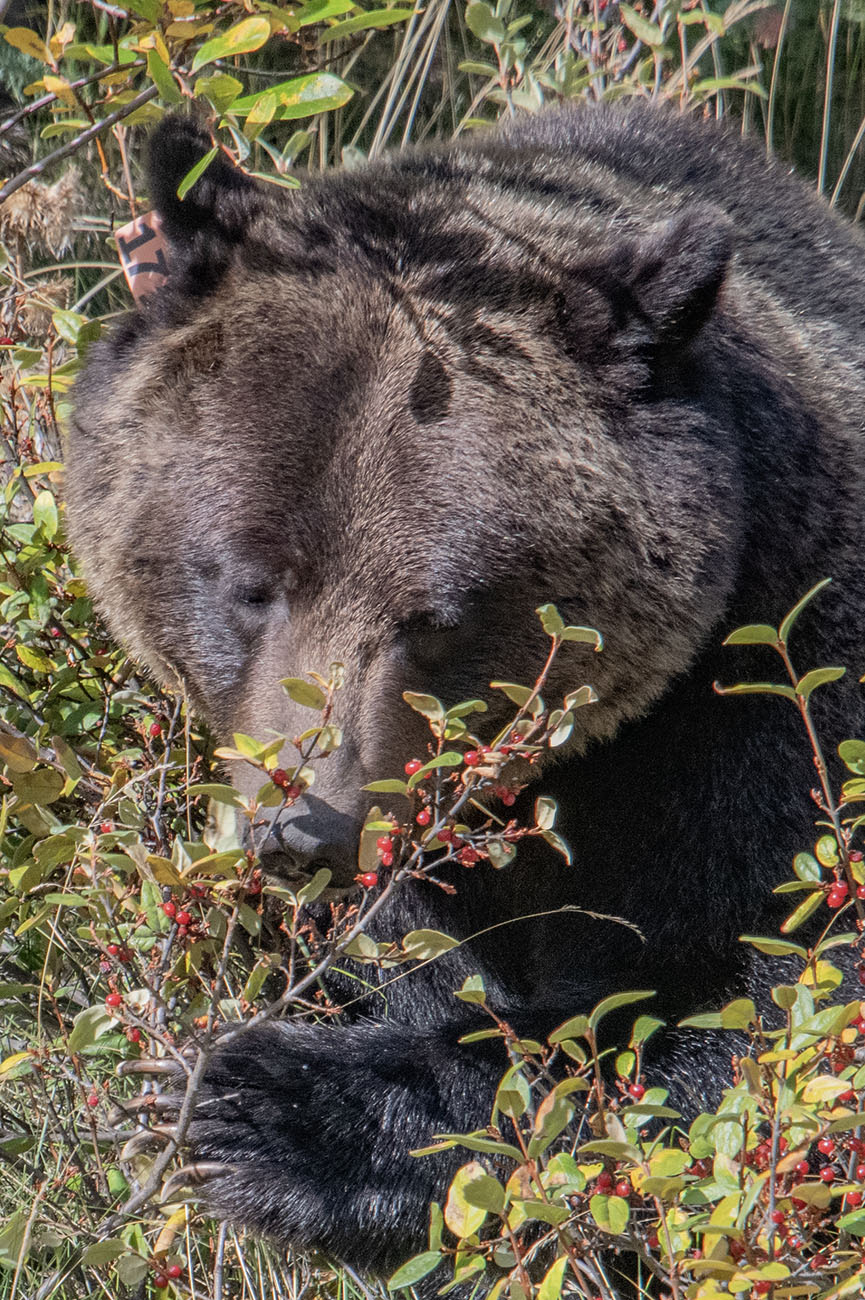
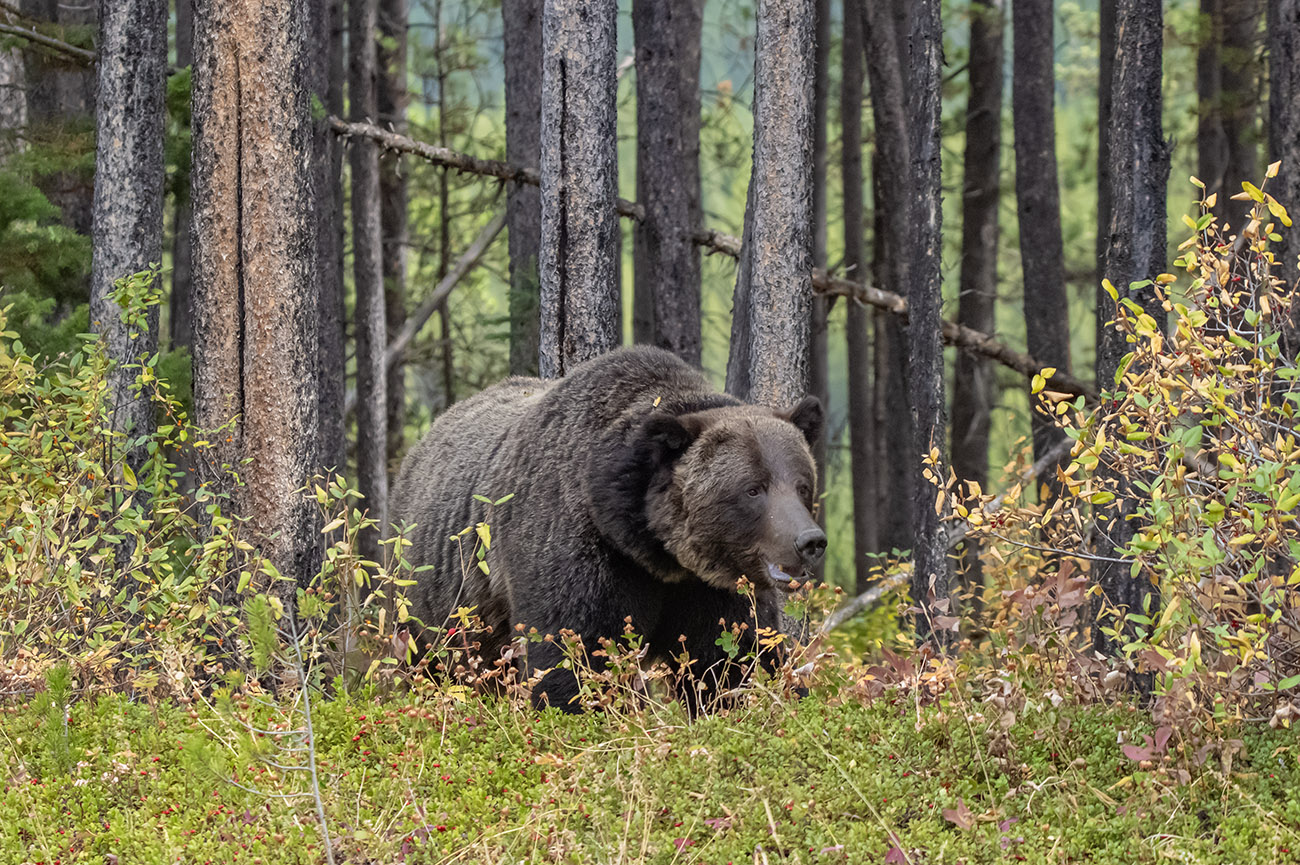
When a bear becomes engrossed in berry picking, it may sit in a bush and swing its head from side to side, stripping the fruit from one branch after another. Once it cleans out one swath, it shuffles forward and starts on a fresh cluster of bushes.
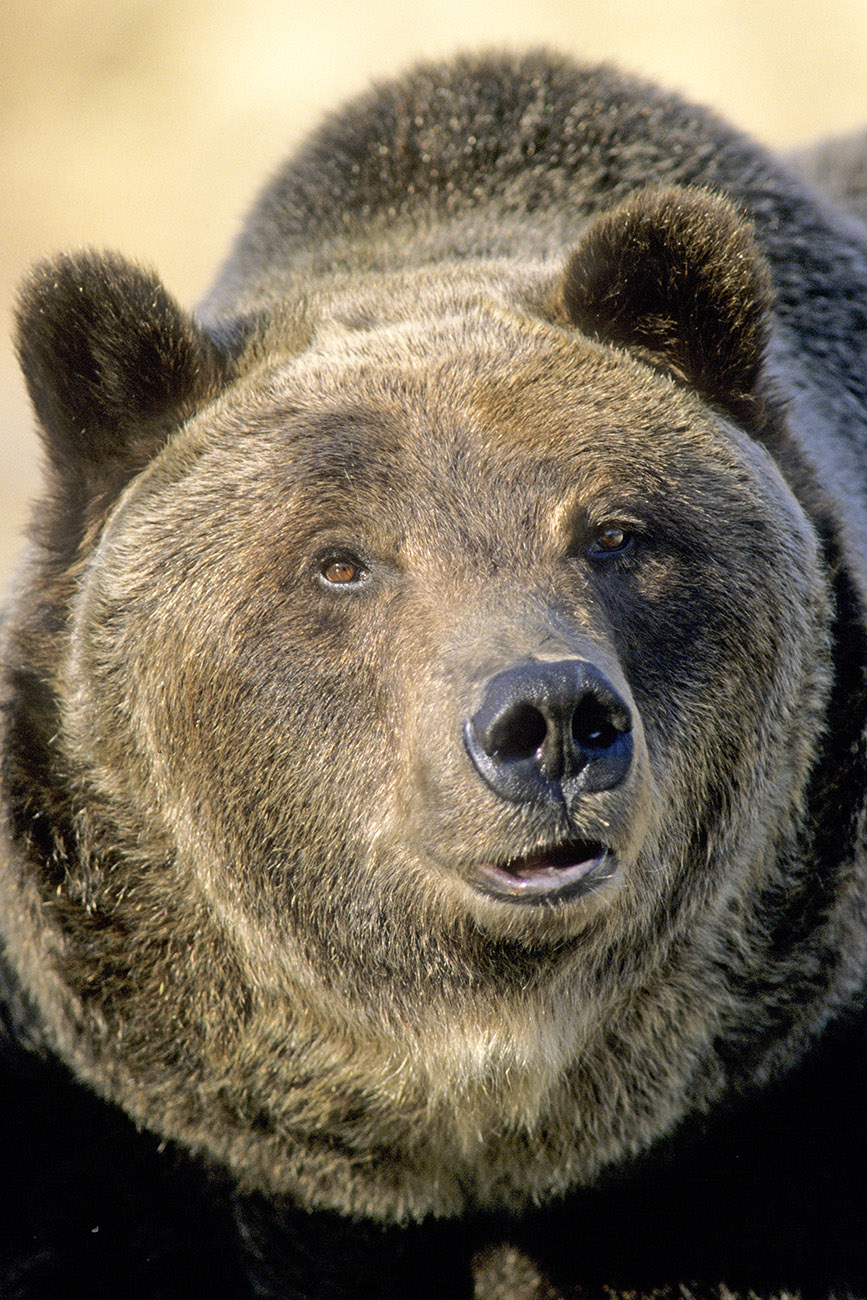
How much weight does a grizzly bear gain in autumn? One fall, in the Rockies south of Alberta, two subadult male grizzlies gained 1.3 kilograms (3 lbs) a day. On the Tuktoyaktuk Peninsula in Canada’s Northwest Territories, an adult female brown bear did even better, packing on 1.8 kg (4 lbs) every day for a month from mid-August onwards.
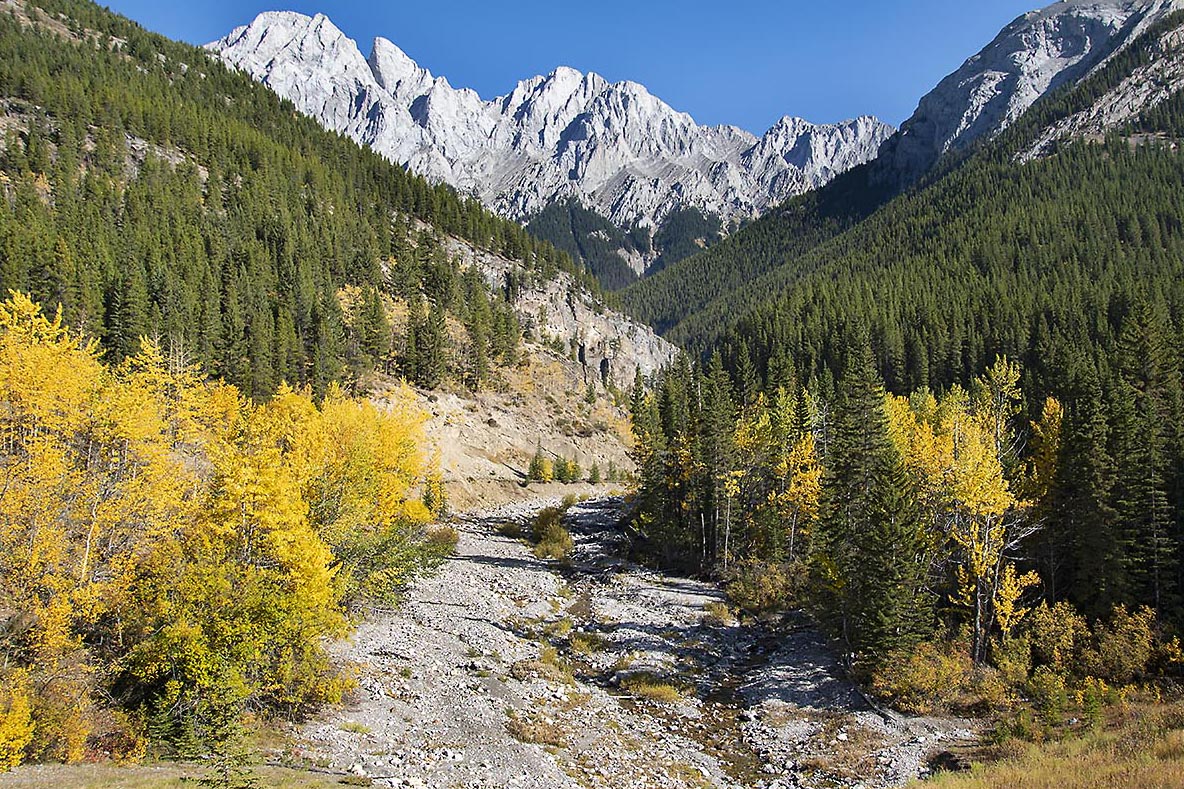
So much of wildlife photography is hours of searching and waiting, rewarded by a few frantic minutes of action and opportunity. Such was the case one September a few years ago when I went into the Rocky Mountains west of Calgary. It was a picture-perfect autumn afternoon when the aspen and balsam poplars were ablaze with fluttering gold, and flotillas of cumulous floats floated across an azure sky.
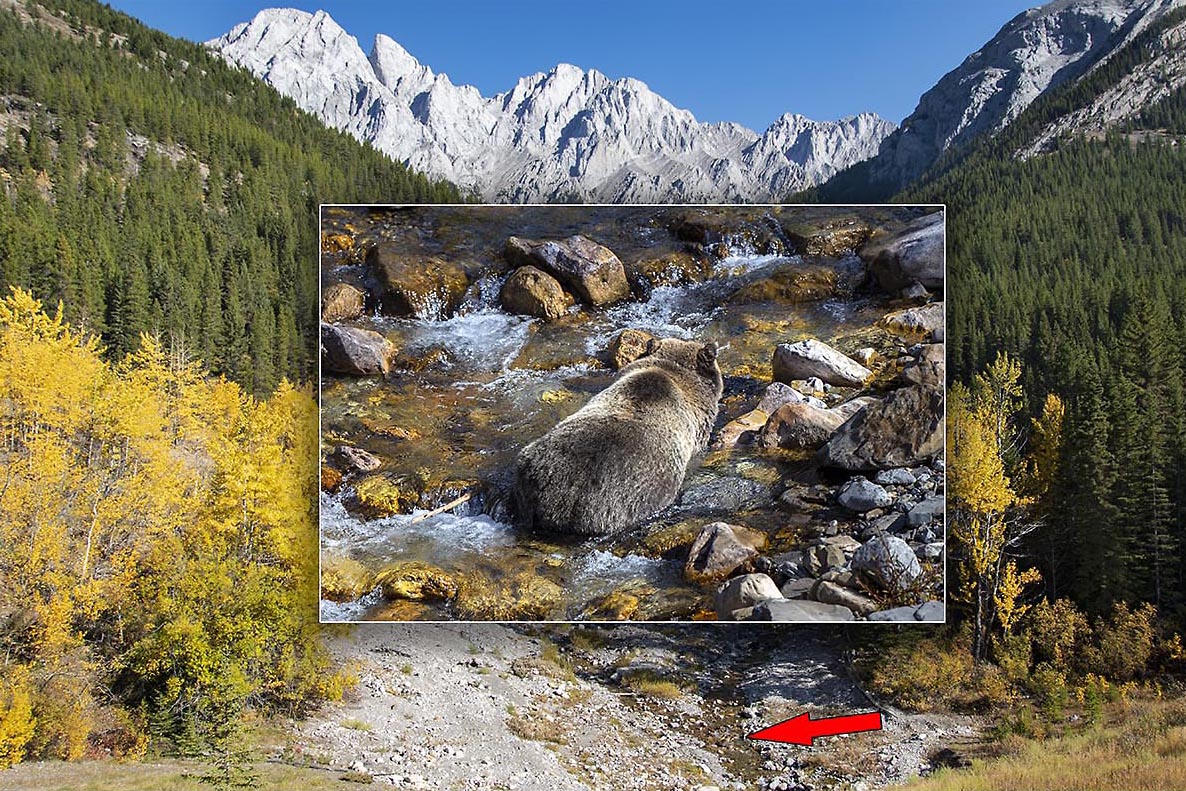
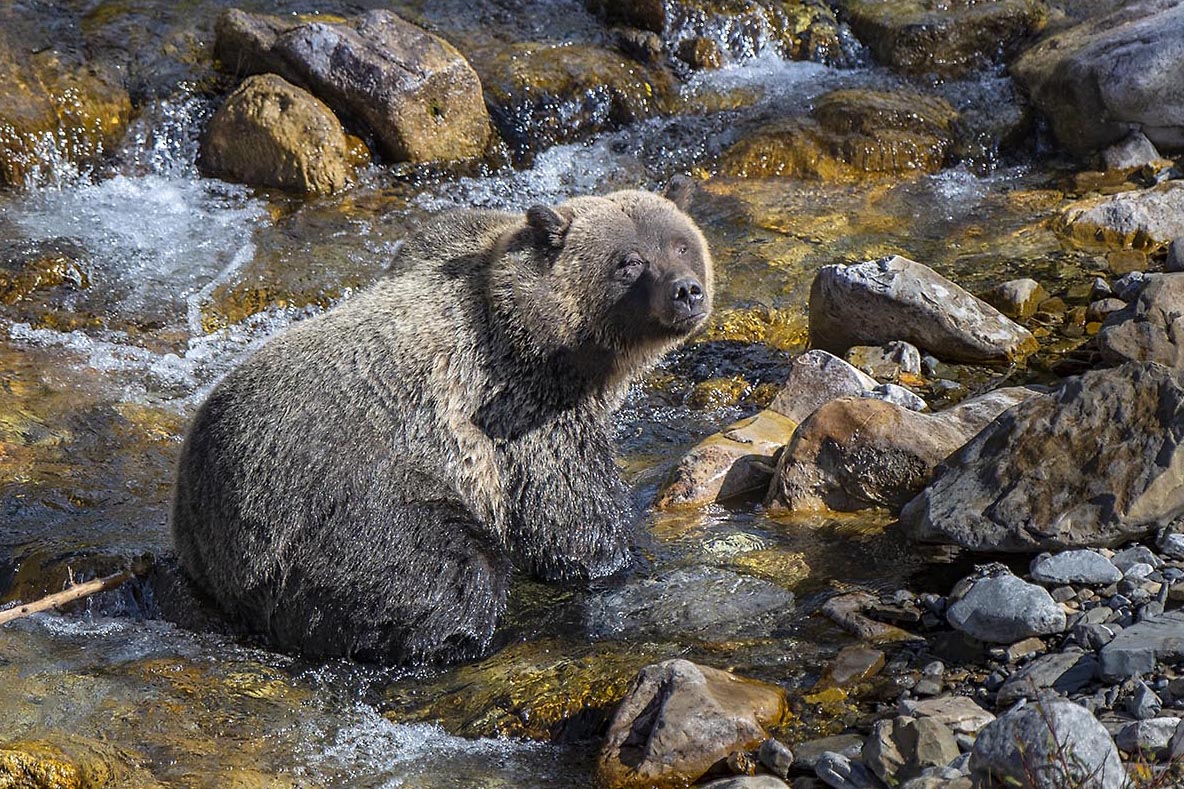
At first I didn’t notice the large boulder in the middle of the small stream until it lifted its head and looked my way. An adult grizzly bear, fattened for winter hibernation, was cooling off in the fast-flowing current.
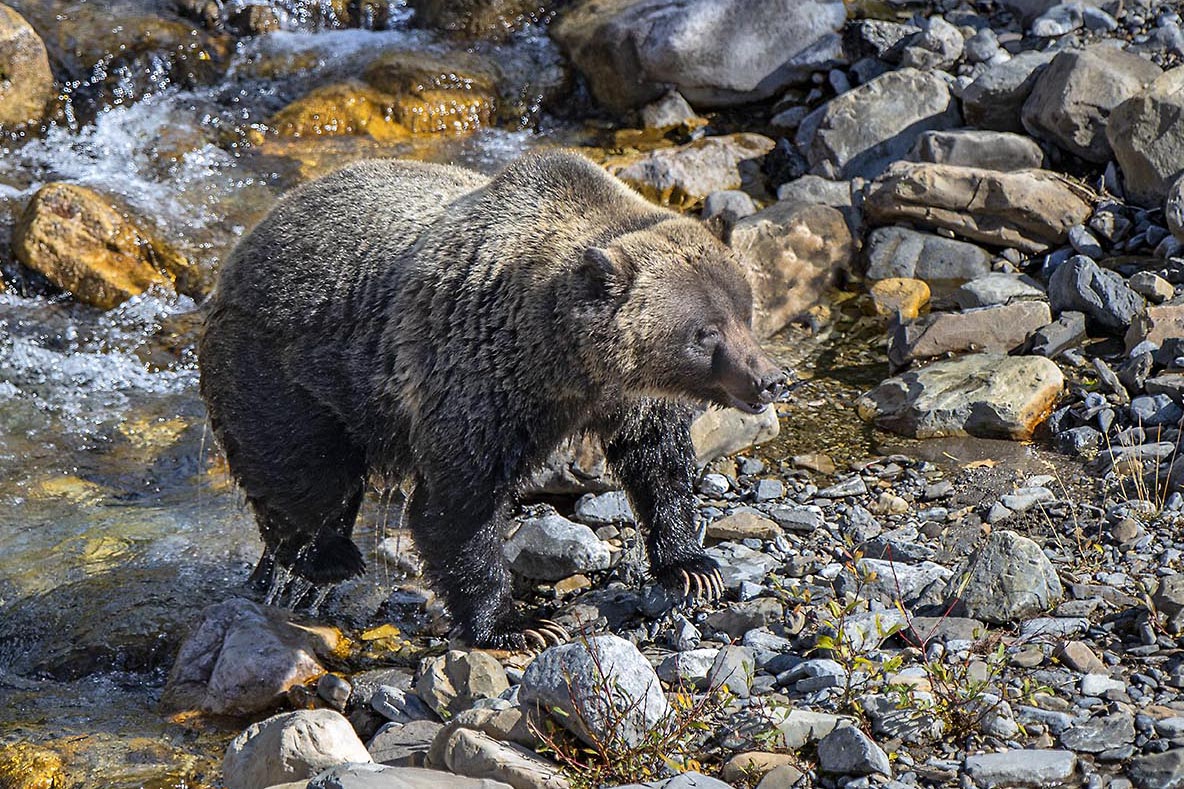
From the first moment I saw the bear until it disappeared into the shaded edge of the forest was just six fleeting minutes. I know this from the meta data on my digital camera.
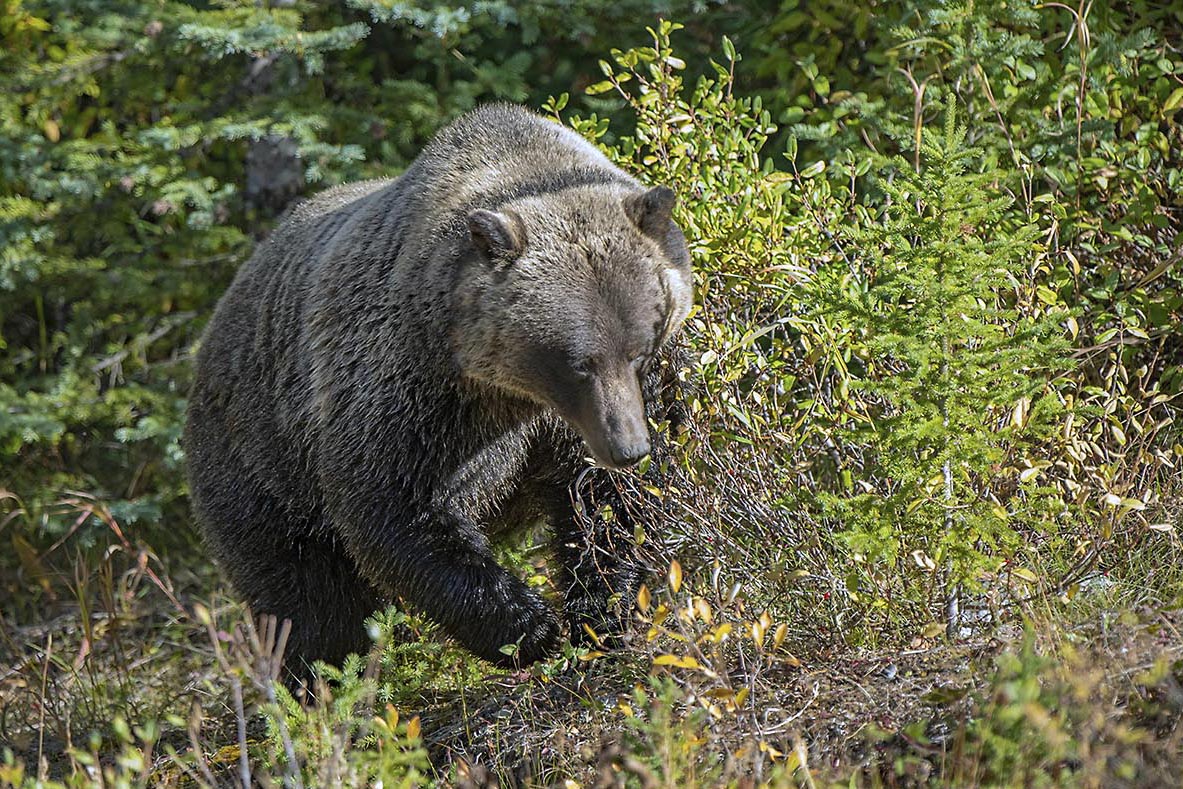
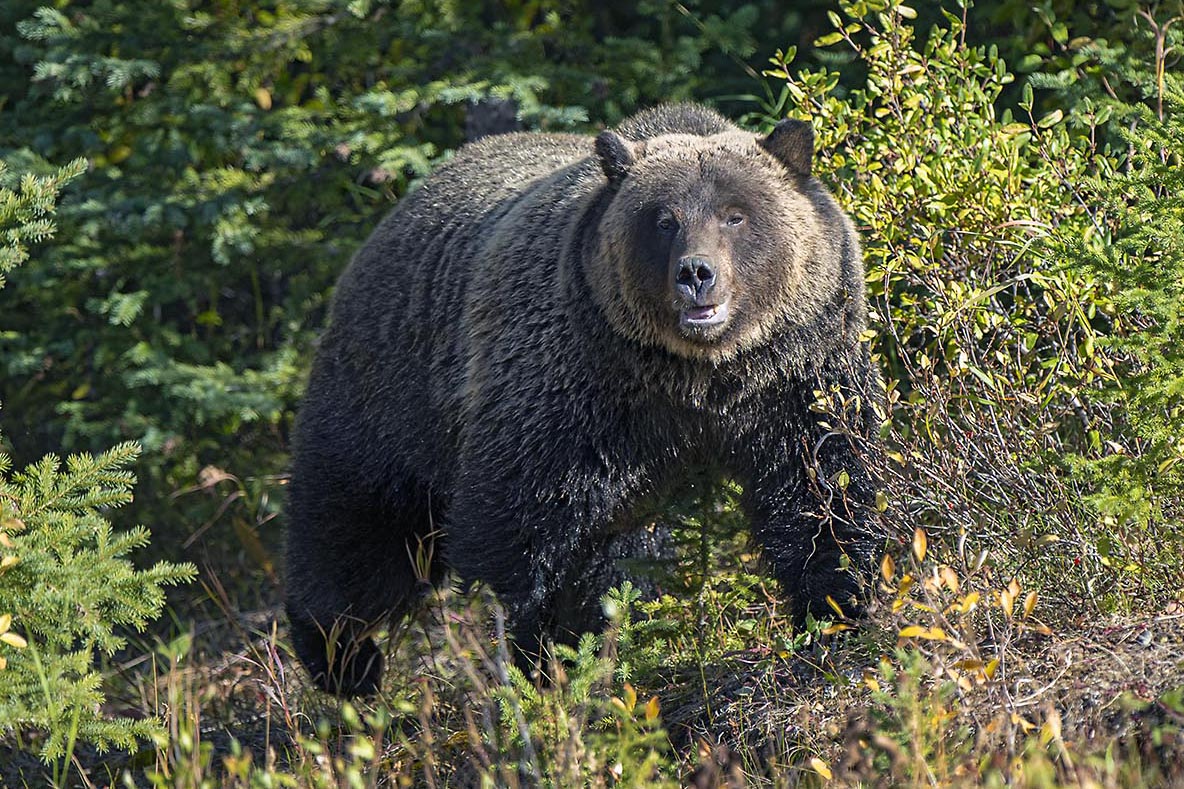
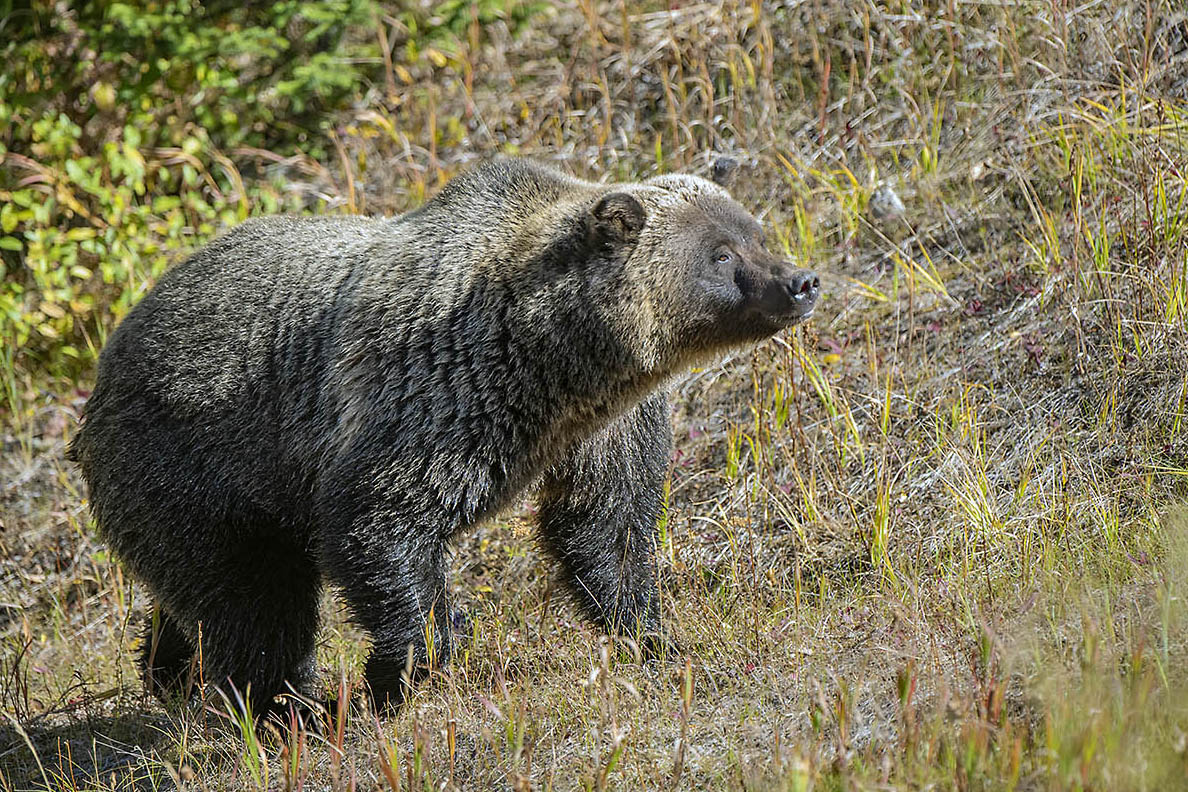
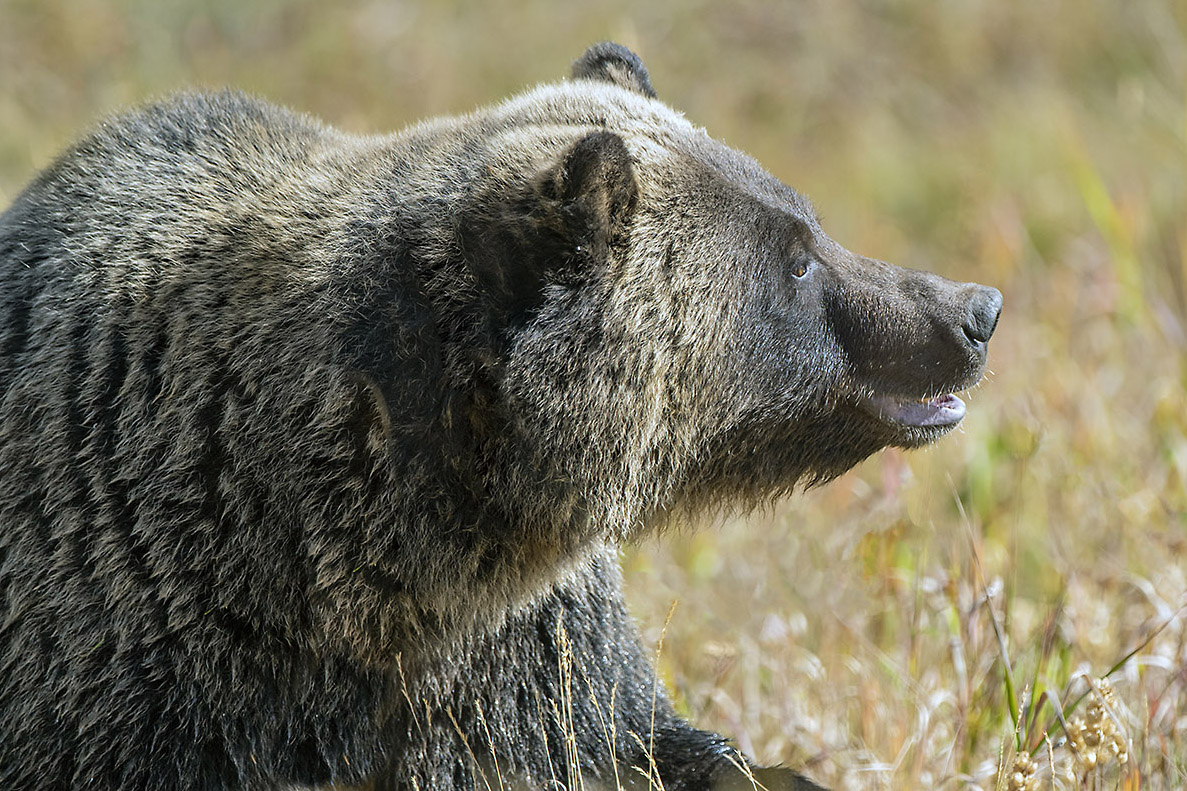
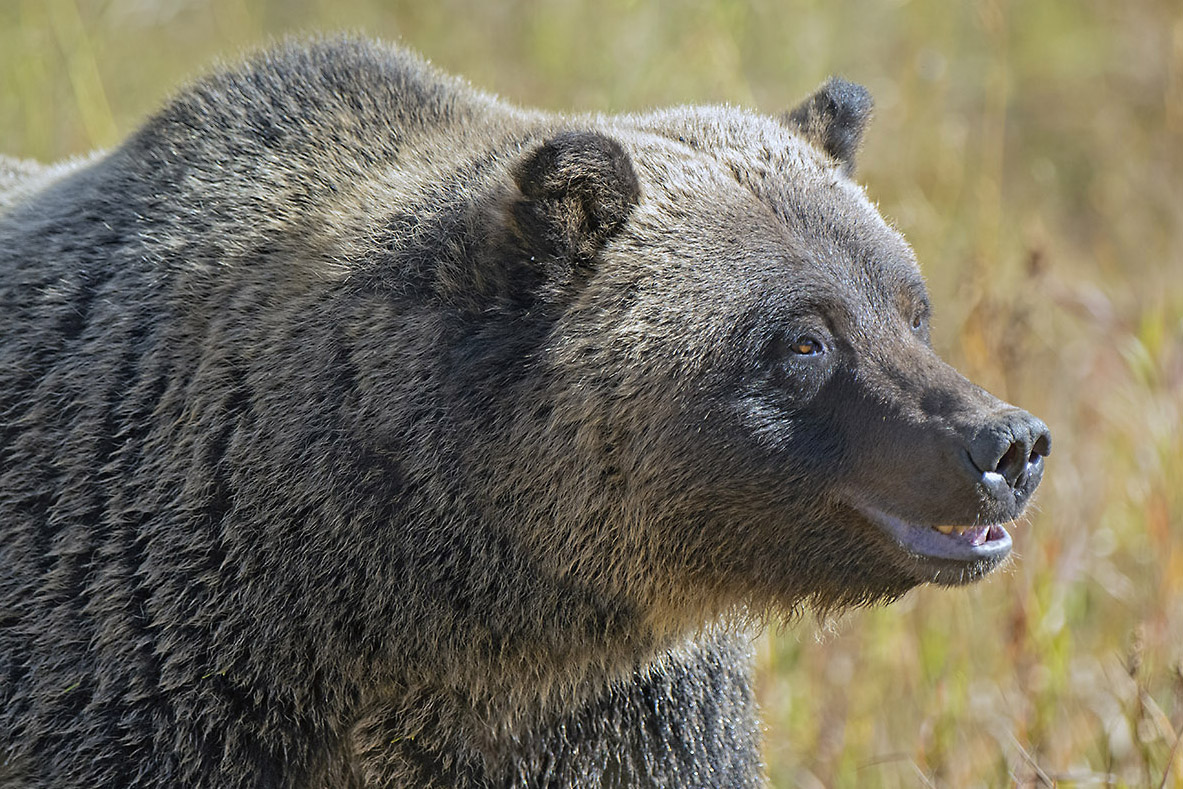
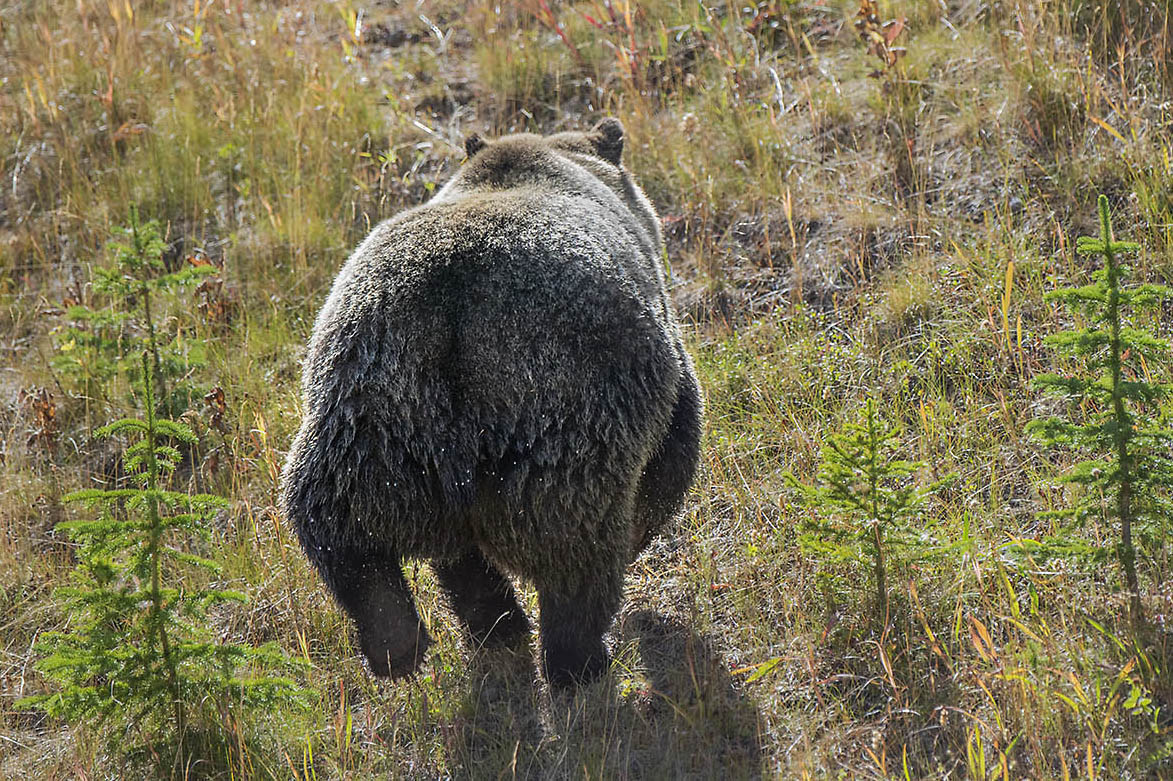
Welcome to the exhilarating world of happenstance wildlife photography.
About the Author – Dr. Wayne Lynch

For more than 40 years, Dr. Wayne Lynch has been writing about and photographing the wildlands of the world from the stark beauty of the Arctic and Antarctic to the lush rainforests of the tropics. Today, he is one of Canada’s best-known and most widely published nature writers and wildlife photographers. His photo credits include hundreds of magazine covers, thousands of calendar shots, and tens of thousands of images published in over 80 countries. He is also the author/photographer of more than 45 books for children as well as over 20 highly acclaimed natural history books for adults including Windswept: A Passionate View of the Prairie Grasslands; Penguins of the World; Bears: Monarchs of the Northern Wilderness; A is for Arctic: Natural Wonders of a Polar World; Wild Birds Across the Prairies; Planet Arctic: Life at the Top of the World; The Great Northern Kingdom: Life in the Boreal Forest; Owls of the United States and Canada: A Complete Guide to their Biology and Behavior; Penguins: The World’s Coolest Birds; Galapagos: A Traveler’s Introduction; A Celebration of Prairie Birds; and Bears of the North: A Year Inside Their Worlds. In 2022, he released Wildlife of the Rockies for Kids, and Loons: Treasured Symbols of the North. His books have won multiple awards and have been described as “a magical combination of words and images.”
Dr. Lynch has observed and photographed wildlife in over 70 countries and is a Fellow of the internationally recognized Explorers Club, headquartered in New York City. A Fellow is someone who has actively participated in exploration or has substantially enlarged the scope of human knowledge through scientific achievements and published reports, books, and articles. In 1997, Dr. Lynch was elected as a Fellow to the Arctic Institute of North America in recognition of his contributions to the knowledge of polar and subpolar regions. And since 1996 his biography has been included in Canada’s Who’s Who.