
Dreaded glass glare!
Recently, I had the pleasure (and mild cardio workout) of hosting an advanced portrait lighting workshop presented by broncolor Canada at Canadian Imaging – the annual gathering of the Professional Photographers of Canada where photographers come to learn, connect and occasionally nod confidently at lighting diagrams they’re still decoding internally.
Every photographer eventually runs into the same problem: the subject looks great, the composition works, the lighting ratio is perfect … and then the surface ruins everything.
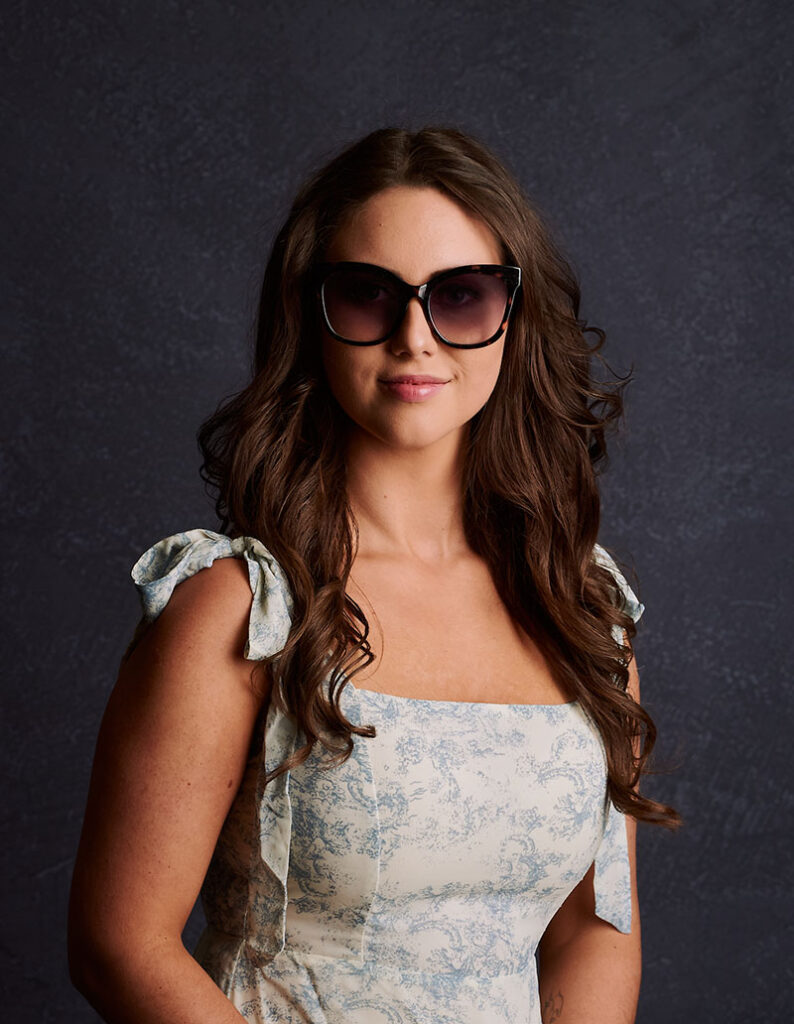
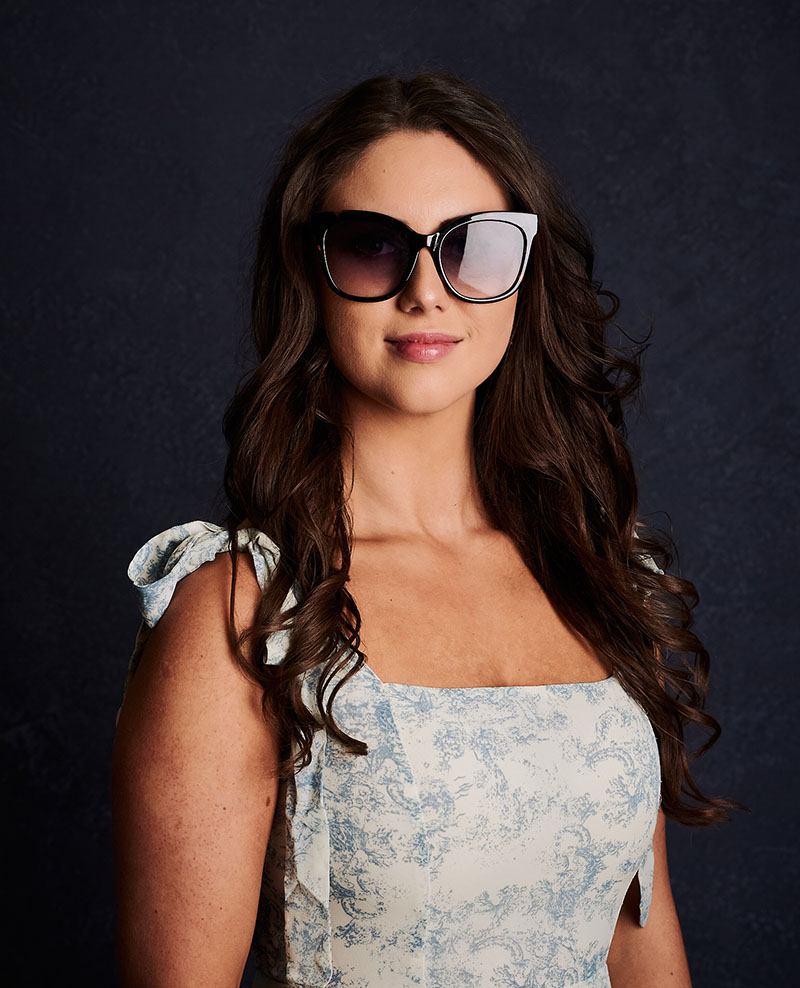
120×180 softbox, moved closer. Glare over eyes is gone and specular highlights remain on the frames to add dimension.
Controlling surface interaction is one of the quiet arts of photography. It’s the thing viewers feel long before they consciously notice it. Skin looks luminous instead of oily. Black fabric still holds detail. A glass bottle feels sculpted instead of chaotic. The difference often has less to do with retouching or camera settings than with understanding how light behaves when it strikes a surface.
And once you start paying attention to it, you realize every subject is really a collection of surfaces. Human skin, sequined clothing, patent leather, matte paper, sunglasses, silk, glassware, polished wood – each one reflects light differently and each one demands its own strategy.
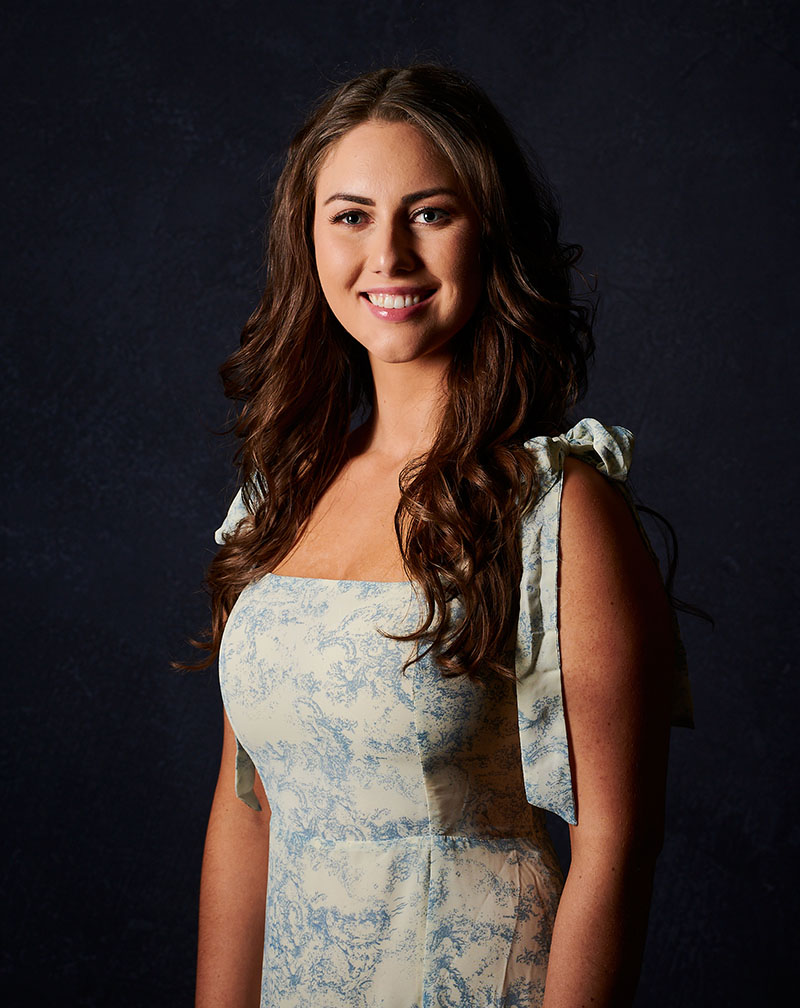
Small softbox creates hard light.
This is where working with systems like broncolor becomes incredibly rewarding. broncolor lights are known for precision, consistency and beautiful light quality, but the real magic comes from how their modifiers allow you to shape reflections with intention instead of fighting them after the fact.
The first thing to understand is that we don’t actually photograph objects. We photograph light interacting with surfaces. A glossy surface behaves like a mirror. A matte surface scatters light in multiple directions. Skin sits somewhere in between, which is why portrait lighting is so nuanced. Healthy skin has sheen and texture simultaneously. If you remove all specularity, skin becomes flat and lifeless. If you overdo it, every pore and highlight competes for attention.
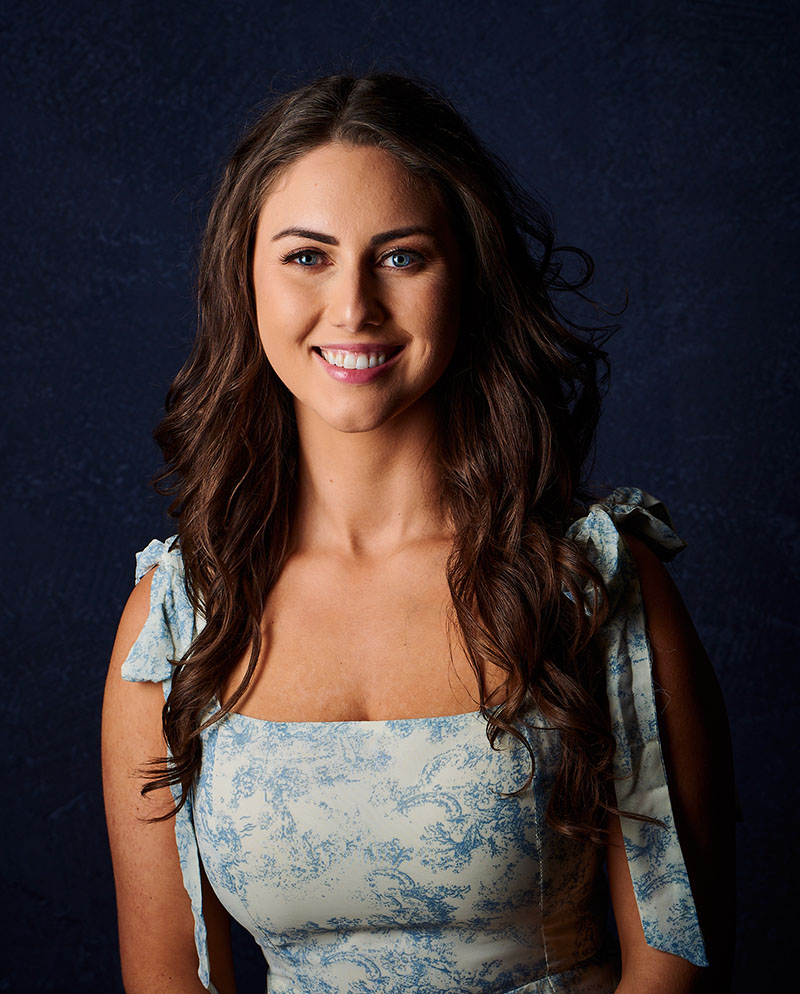
“Typical” light position – light at 45 degrees from subject, camera left.
That balance becomes especially important in portraiture because faces are rarely uniform. Foreheads, cheeks, lips, hair and clothing all respond differently under the same light source. A large soft modifier like a Para or 120×180 softbox can create beautiful wrapping transitions across skin, but placement matters more than softness alone. If the modifier reflects directly into oily skin at the wrong angle, the highlight becomes distracting rather than dimensional.
One of the biggest misconceptions newer photographers have is that soft light eliminates texture. It doesn’t. Light direction controls texture visibility far more than softness does. Even an enormous soft source can exaggerate skin texture if it’s placed too laterally. Likewise, a smaller source placed carefully near camera axis can preserve texture while remaining flattering.
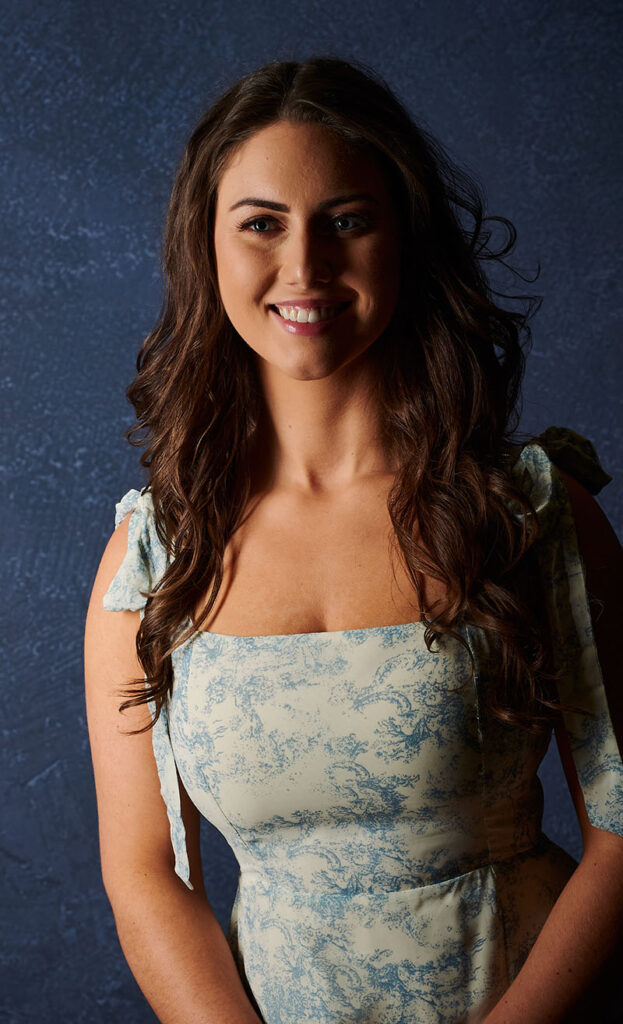
Feathering the light by turning the softbox away from the subject. This illuminates your background more and makes the light harder. Skin texture is more apparent.
This is why subtle adjustments become everything. Raising a light a few inches can change how pores render on a forehead. Feathering the edge of a softbox instead of aiming the center directly at the subject can dramatically smooth transitions across skin while still maintaining contrast in the jawline and eyes.
broncolor’s larger modifiers excel here because their falloff feels controlled and gradual. A Para 88, for example, can produce incredibly dimensional portrait light without turning skin into plastic. The specular highlights stay elegant rather than harsh, especially when paired with diffusion or careful focusing of the reflector.
Clothing introduces another layer of complexity. Matte fabrics like wool, cotton or suede absorb light differently than satin, latex, leather or sequined material. If you light every wardrobe choice identically, you flatten the visual language of the image. Texture should feel intentional.

Feathering the light by turning the light shaper toward the camera softens the light without losing all the shadow. Far less light on the background. Skin texture is much softer
With matte fabrics, side light can help reveal weave and structure without becoming distracting. The light skims across the surface and allows subtle shadows to define shape. But glossy clothing behaves almost like chrome. Suddenly your softbox becomes visible inside the outfit itself.
Instead of trying to eliminate reflections completely, the goal becomes controlling their shape. Long strip modifiers are incredibly useful because they create elegant, clean specular lines instead of chaotic hot spots. A reflection with structure feels deliberate. Random glare feels accidental.
This becomes critical when photographing black textiles. Black leather or satin can quickly lose detail if reflections clip too hard or disappear entirely. Often the solution is not adding more light but refining the reflection itself. Sometimes a narrower modifier placed farther away produces more usable texture than a giant source close to the subject.

Gorgeous three-dimensional light. The broncolor para creates 24 hard lights in a soft array – it’s a light shaper that cannot be matched by any other light shaper. This is my choice for portraits.
Glass is where photographers either develop patience or lose their sanity.
The important breakthrough is realizing that you rarely light glass directly. You light what the glass reflects. Once you understand that, everything changes.
Most glare problems happen because the light source, camera and reflective angle all align perfectly. The glass simply acts like a mirror aimed back into the lens. Moving the light even slightly can completely alter the reflection pattern.
Large diffused sources become your best friend here because they create clean gradients instead of harsh points. California Sunbounce diffusion panels and scrims are invaluable for this. Instead of blasting your subject with direct light, you create large luminous shapes that the glass can reflect gracefully.
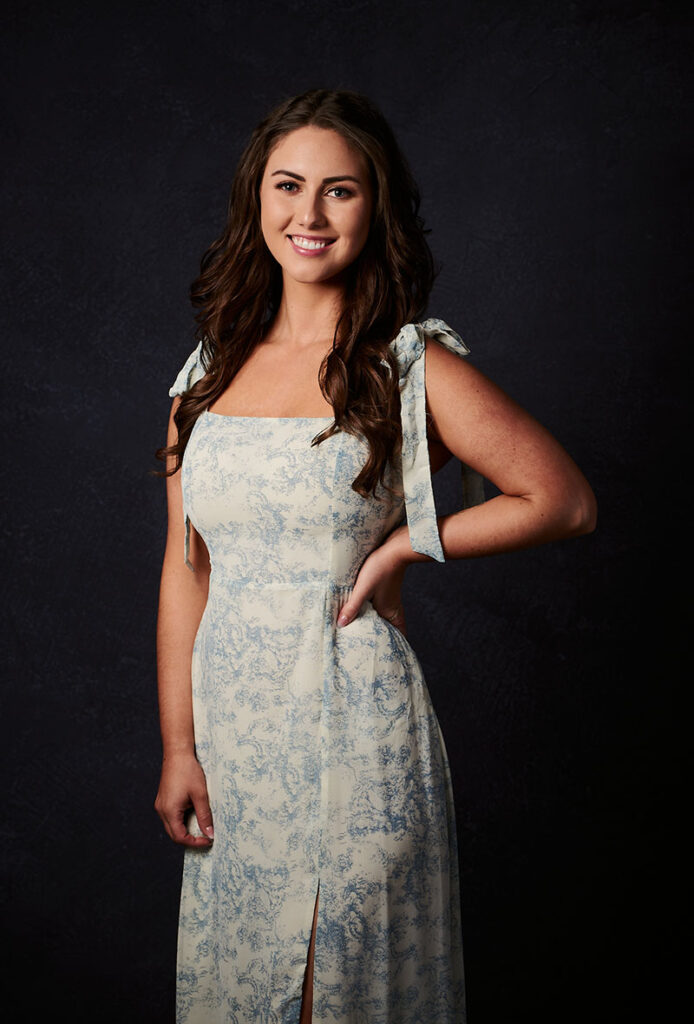
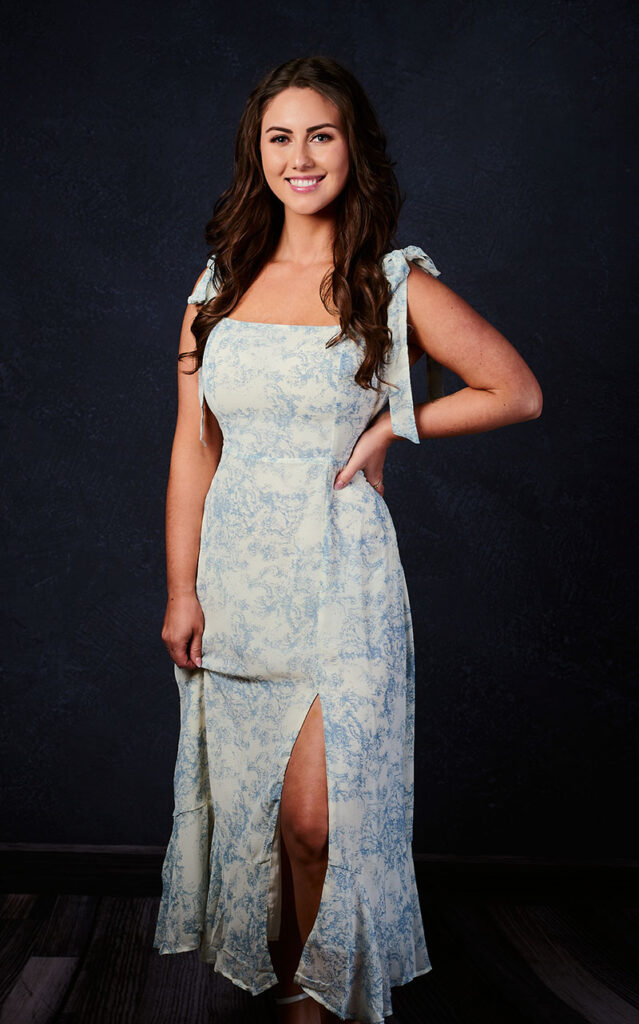
One mistake many photographers make is adding too much fill to their images. Compare the above – the magic of the para disappears with the fill light added
Portraits involving glasses are a perfect example of controlled compromise. Eliminating every reflection from eyewear often removes the realism and dimensionality from the portrait itself. Tiny reflections can feel natural and cinematic. The problem is uncontrolled glare obscuring the eyes.
Usually, the answer is small positional adjustments rather than rebuilding the entire setup. Raise the key light slightly. Tilt the glasses a fraction downward. Feather the modifier differently. Even a subtle change in head angle can redirect reflections completely. I find a large light shaper such as the 120×180 softbox, moved closer to the subject with the power dialled down, works very well. Don’t forget to turn on your modelling lights so you can see the glare and make adjustments visually.
The same philosophy applies to skin texture. Modern photography sometimes obsesses over removing texture entirely, but texture is part of what makes portraits feel human. The goal is not perfection. The goal is control.
Good lighting lets skin breathe while still looking intentional. It reveals structure without cruelty. It preserves detail without exaggeration. broncolor’s consistency helps enormously here because predictable light output allows you to make micro-adjustments confidently instead of chasing exposure fluctuations between frames.
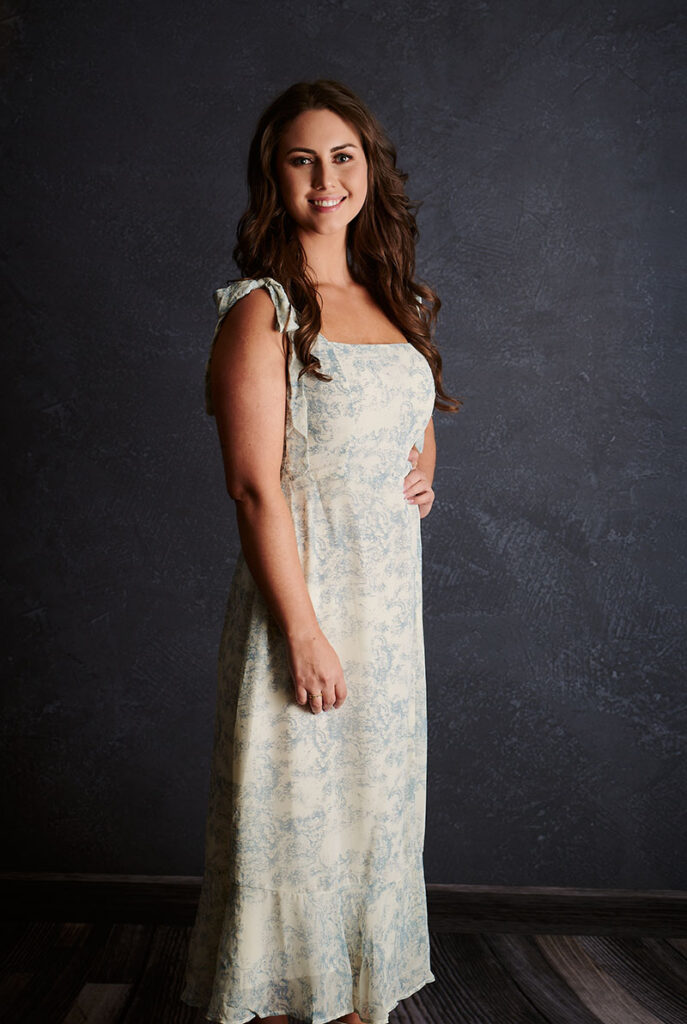
Another option for large, soft light is bouncing your strobes into a while wall, V-Flat or California Sunbounce reflector. This image is 2 strobes with P70 reflectors into a V-Flat. Contrast and softness can be adjusted by changing the angle of the V-flar
In the end, surface interaction is really about awareness. Once you stop thinking of lighting as simply “bright” or “soft” and start thinking about reflection shape, specularity, diffusion and angle, photography becomes far more deliberate.
Every surface tells you how it wants to be lit. The skill is learning how to listen before you reach for another strobe.
This workshop ran for three full hours and covered more than can reasonably fit into a single article, so I’ll be breaking it down into a series for PHOTONews. This first piece focuses on how light works and next month I’ll dive into controlling surface interactions, including how to manage matte and glossy finishes and how to eliminate glare from glass without losing your mind.
For those considering an upgrade to their lighting, there’s currently a trade-in promotion running from April 1 to May 31, 2026. Photographers can trade in existing gear of any brand or condition and receive up to 35% off new broncolor equipment through authorized dealers. It’s a solid opportunity to modernize your setup and retire a few pieces of gear that may have already emotionally retired themselves.
More information is available here:
https://www.broncolor.ca/trade-in-promotion/
At the end of the day, lighting is about understanding how to control what you have – and occasionally reminding your gear that you’re the one making the decisions.
Author: Will Prentice

A portrait, fine art and commercial photographer for 30 plus years, Will Prentice is not just a contributor to PHOTONews magazine, but also host of PHOTONewsTV, owner of Captura Photography+Imaging and Technical Support/Brand Manager for Amplis Foto, Canada’s largest distributor of photographic equipment.
Will teaches photographers of all skill levels how to improve their craft – from creative photo projects to picking the right gear for their needs to flattering lighting to getting the best expressions to creating final images for screen and print. His unique style of highly detailed images with perfect tonality, wide dynamic range and stunning colour is instantly recognizable. Commercial clients rely on Will’s creative eye and mastery of lighting.
When he’s not behind the camera or in front of a class, you’ll find Will outdoors in any weather – usually on one of his bikes or enjoying time with his grandchildren.