
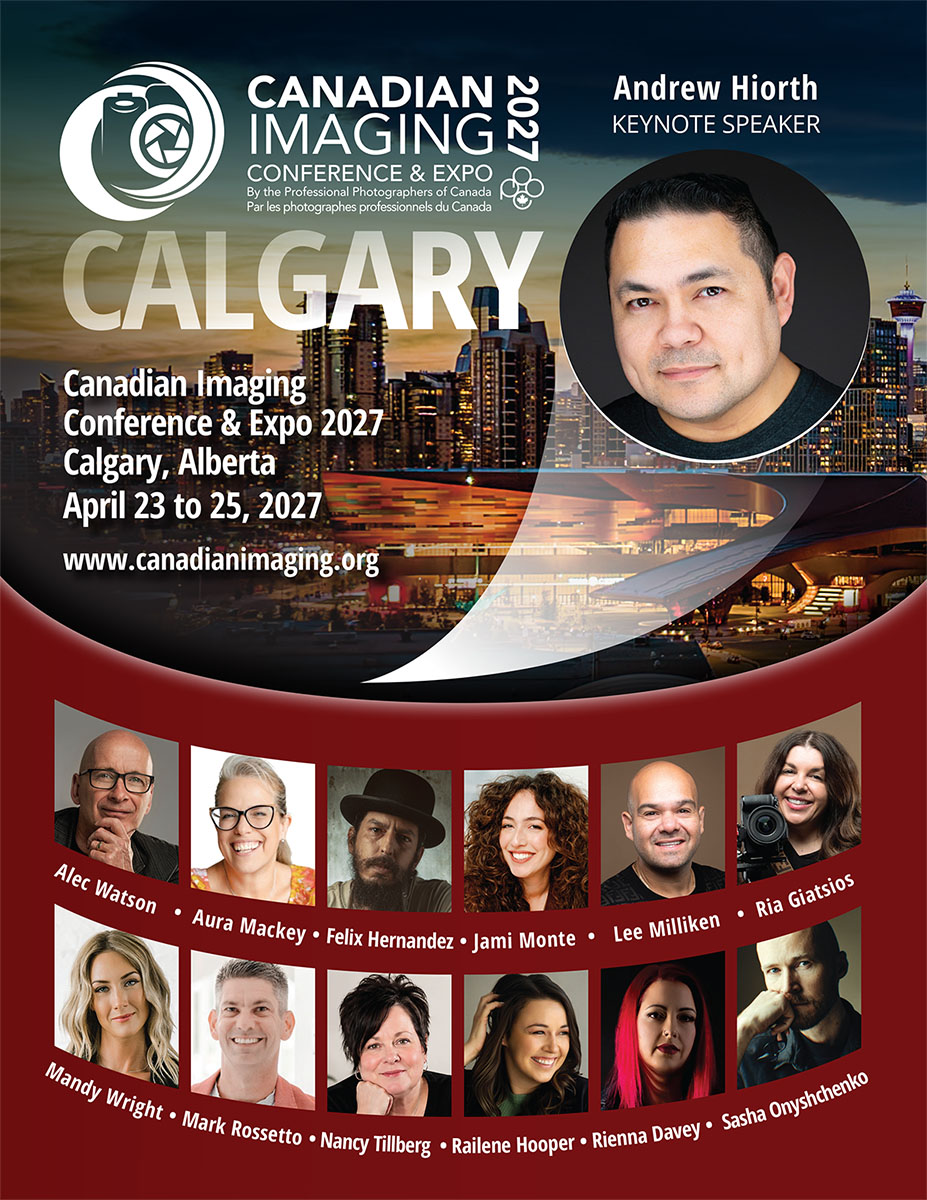
As photographers, we spend plenty of time thinking about the images we create, the gear we use and the techniques that help us get the shot. But running a photography business also means managing marketing, administration and client relationships. At the Canadian Imaging Conference and Expo (CICE), presented by the Professional Photographers of Canada (PPOC), Mark Rossetto and Rienna Davey explore two ways to improve that experience: working smarter behind the scenes and helping clients feel more confident in front of the camera.
Mark’s “Work Smarter, Not Longer” focuses on using artificial intelligence (AI) to streamline business tasks, while Rienna’s “Make Your Clients Feel as Incredible as They Look!” explores the power of trust and empowerment in photography. Both presentations offer ideas that photographers can put into practice, regardless of their specialty.
Mark Rossetto: Work Smarter, Not Longer
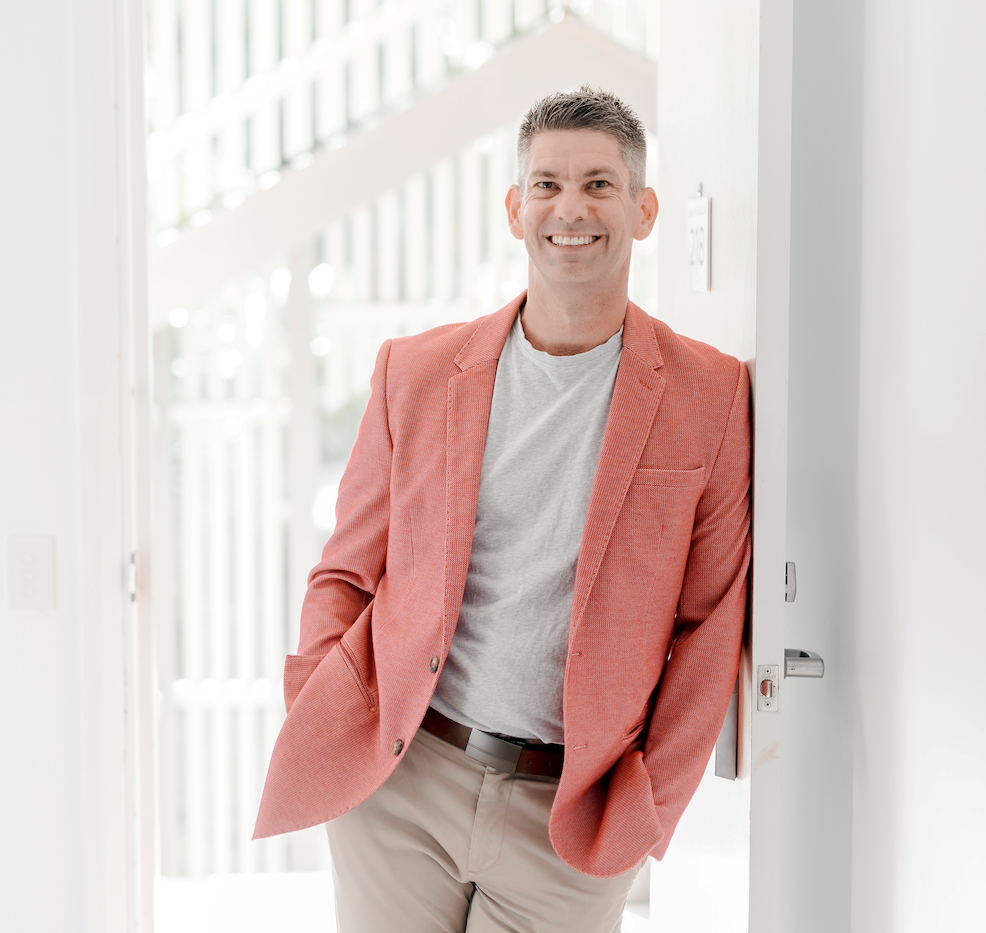
I’d wager that most photographers didn’t get into this business because they love writing marketing emails, scheduling social media posts or keeping up with administrative tasks. We got into it because we love photography. Unfortunately, the business side has a habit of taking over the calendar if we let it.
In “Work Smarter, Not Longer”, Mark explores how AI tools and automation can help photographers manage these responsibilities without needing to become technology experts.
Let AI Handle the First Draft
Content creation is an obvious starting point. Writing blog posts, developing social media captions, brainstorming marketing campaigns and adapting content for different platforms can consume hours. AI can help generate ideas and first drafts, giving photographers something to refine rather than starting with a blank page.
Client communication offers similar opportunities. AI-assisted drafts and reusable templates can simplify inquiry responses, session preparation guides, frequently asked questions and follow-up messages.
That doesn’t mean handing your brand voice to a chatbot and calling it a day. Your experience, personality and knowledge are what make your content distinctive. AI should help you work more efficiently, not make every photographer sound like the same marketing department.
Reclaim Your Time
Mark will also highlight the potential of automation to reduce repetitive work. Consistent workflows for inquiries, bookings and follow-ups can eliminate unnecessary steps and help keep a business organized.
The best place to start is with a task that regularly eats into your day. Find a tool that addresses the problem, test it and build from there. There’s no need to automate everything overnight.
For me, the real appeal is the time this approach could free up for creative projects, developing business opportunities or simply closing the laptop at a reasonable hour.
My biggest takeaway: AI doesn’t have to be complicated to be useful. Start with a practical problem and find a tool that solves it.
Rienna Davey: Make Your Clients Feel as Incredible as They Look!
We’ve all heard someone say, “I’m terrible in photos,” before we’ve even lifted the camera. For some clients, that comment reflects genuine anxiety about their appearance, posing or simply being the centre of attention.
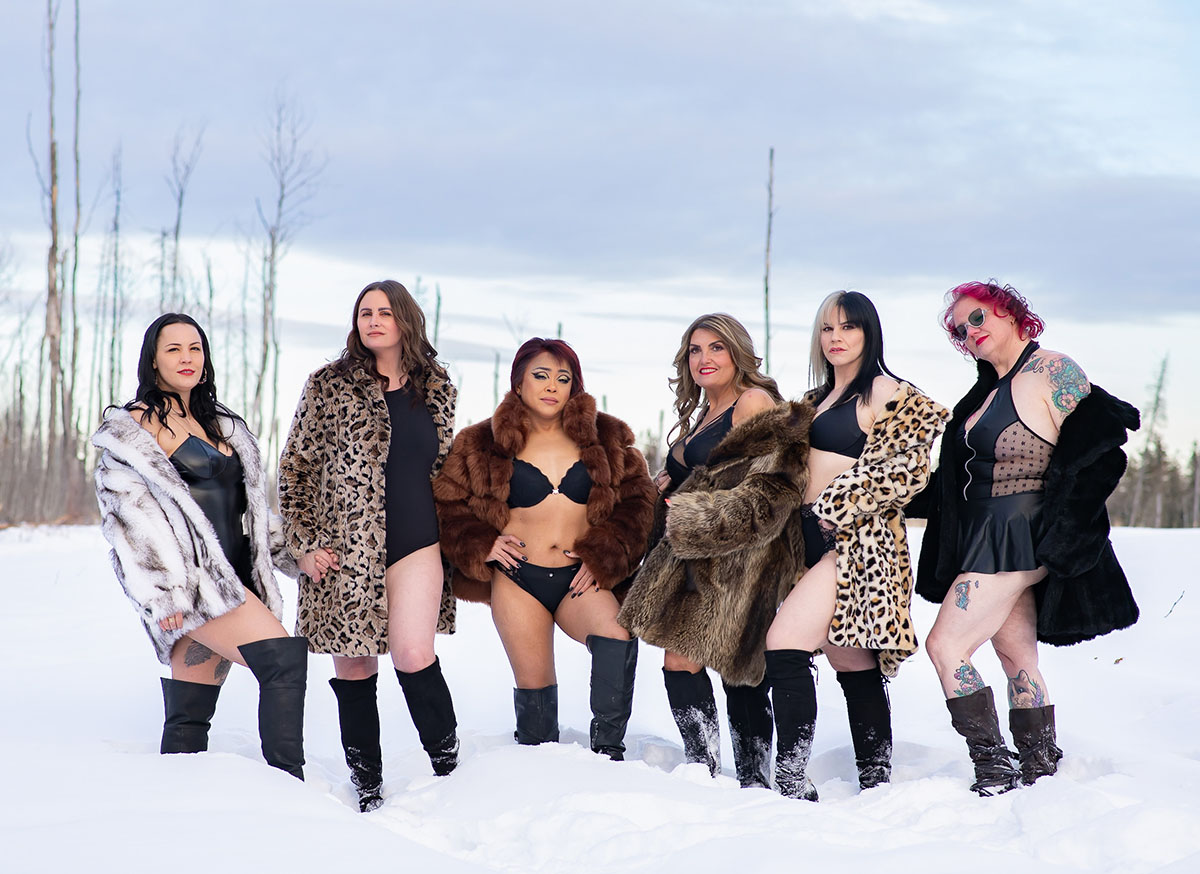
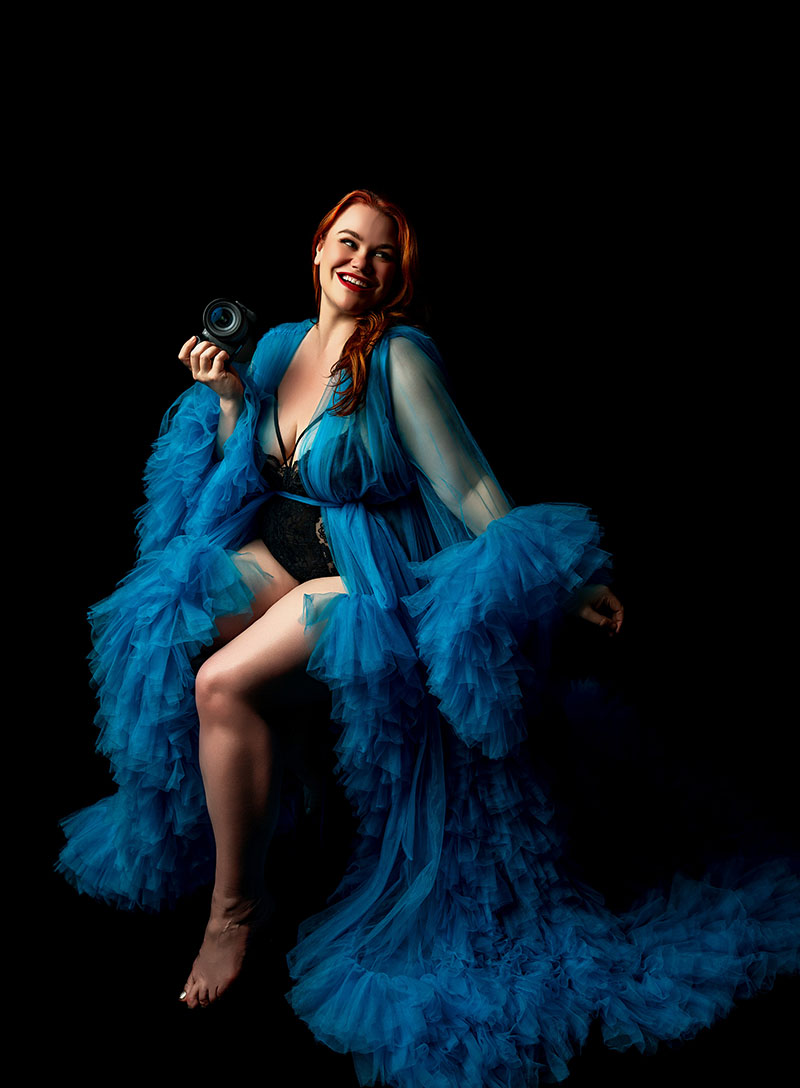
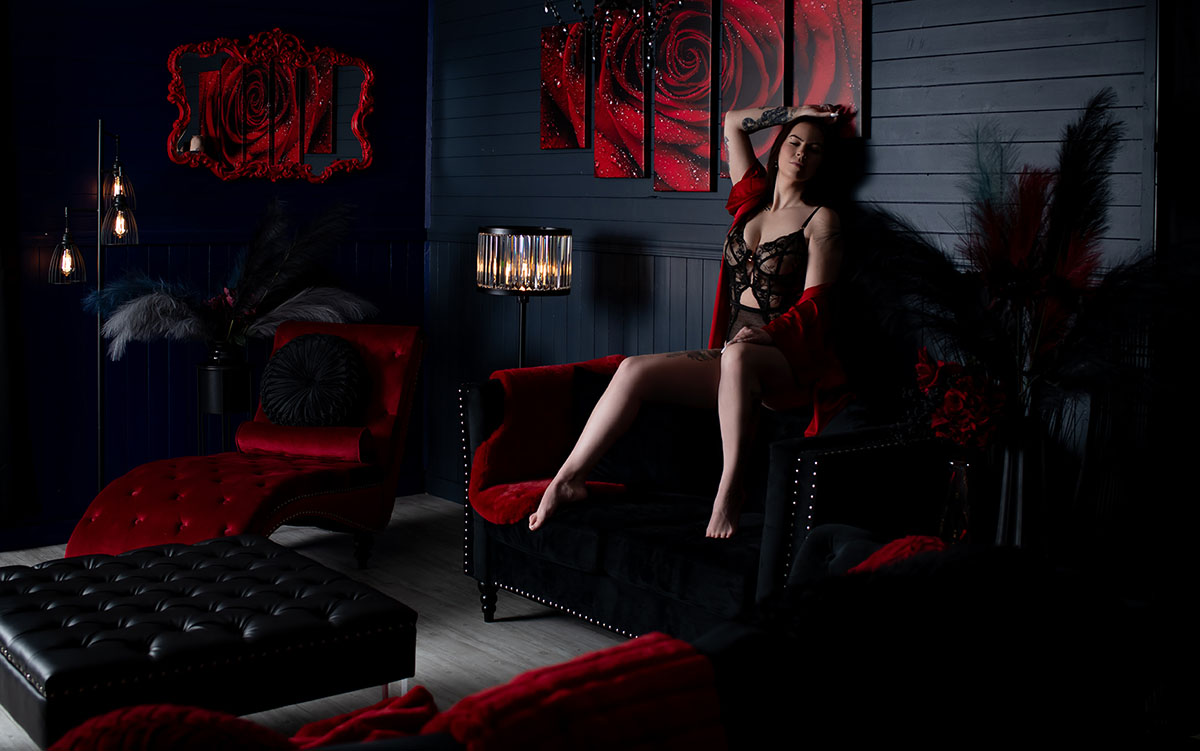
Rienna’s “Make Your Clients Feel as Incredible as They Look!” explores how empowerment photography can help change that experience. While boudoir is the primary focus, her approach has applications in portraiture, weddings, maternity and personal branding.
Building Trust Before the First Frame
Rienna emphasizes the importance of helping clients feel safe, respected and confident. That starts with understanding their concerns, explaining what to expect and creating an environment where questions are welcome.
During the session, clear direction and genuine encouragement are far more useful than simply telling someone to relax. Demonstrating a pose or explaining a small adjustment gives clients something concrete to work with.
This becomes especially important when photographing people who feel vulnerable or self-conscious. Recognizing individual comfort levels, respecting boundaries and avoiding assumptions about age, body type, identity or background help create a more inclusive experience.
Posing Without Pressure
Posing isn’t just about where to place a hand or how to angle a shoulder. It’s also about how those instructions are delivered.
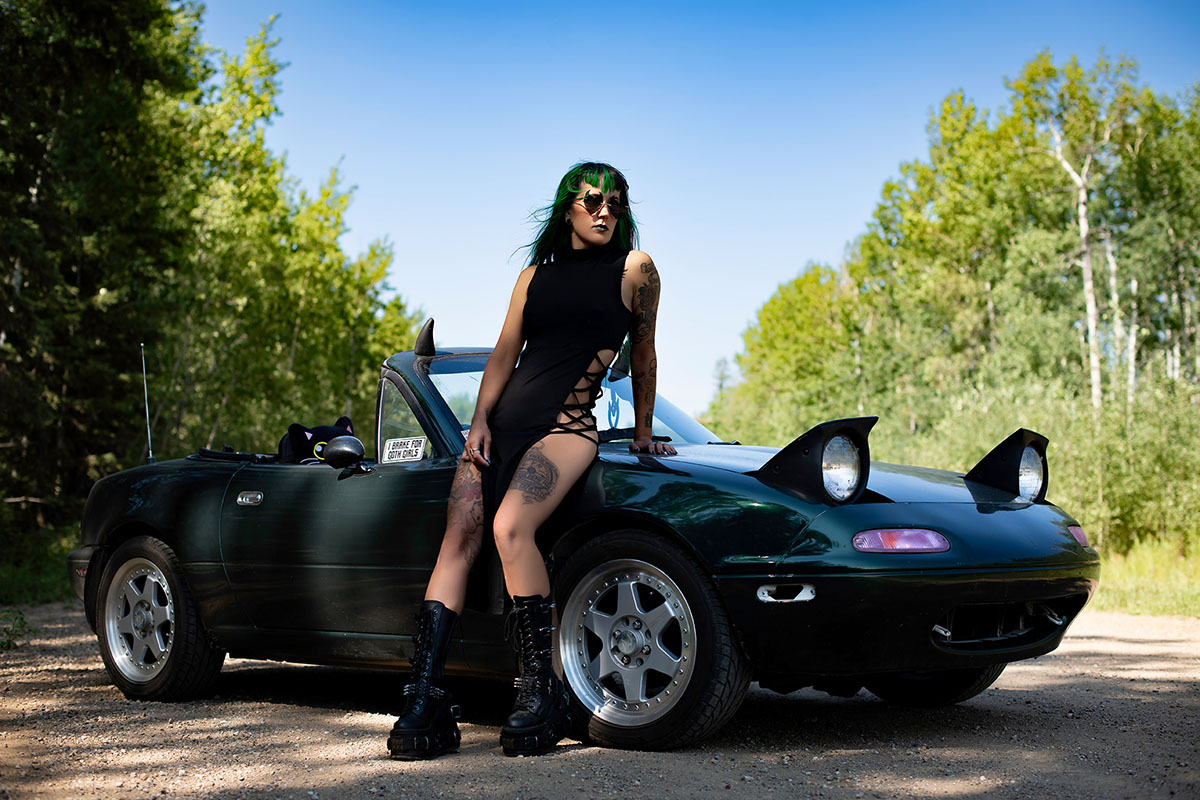
Rienna’s approach favours natural, supportive direction that helps clients feel guided rather than judged. That distinction matters whether you’re photographing a boudoir client, a nervous wedding couple or someone having professional portraits taken for the first time.
The aim is to help people feel comfortable enough to express themselves, rather than expecting them to arrive knowing how to pose.
Preserving How Clients Felt
What I find particularly compelling about empowerment photography is that its impact can extend beyond the finished images. A session can give someone an opportunity to celebrate themselves, challenge insecurities or see themselves in a new light.
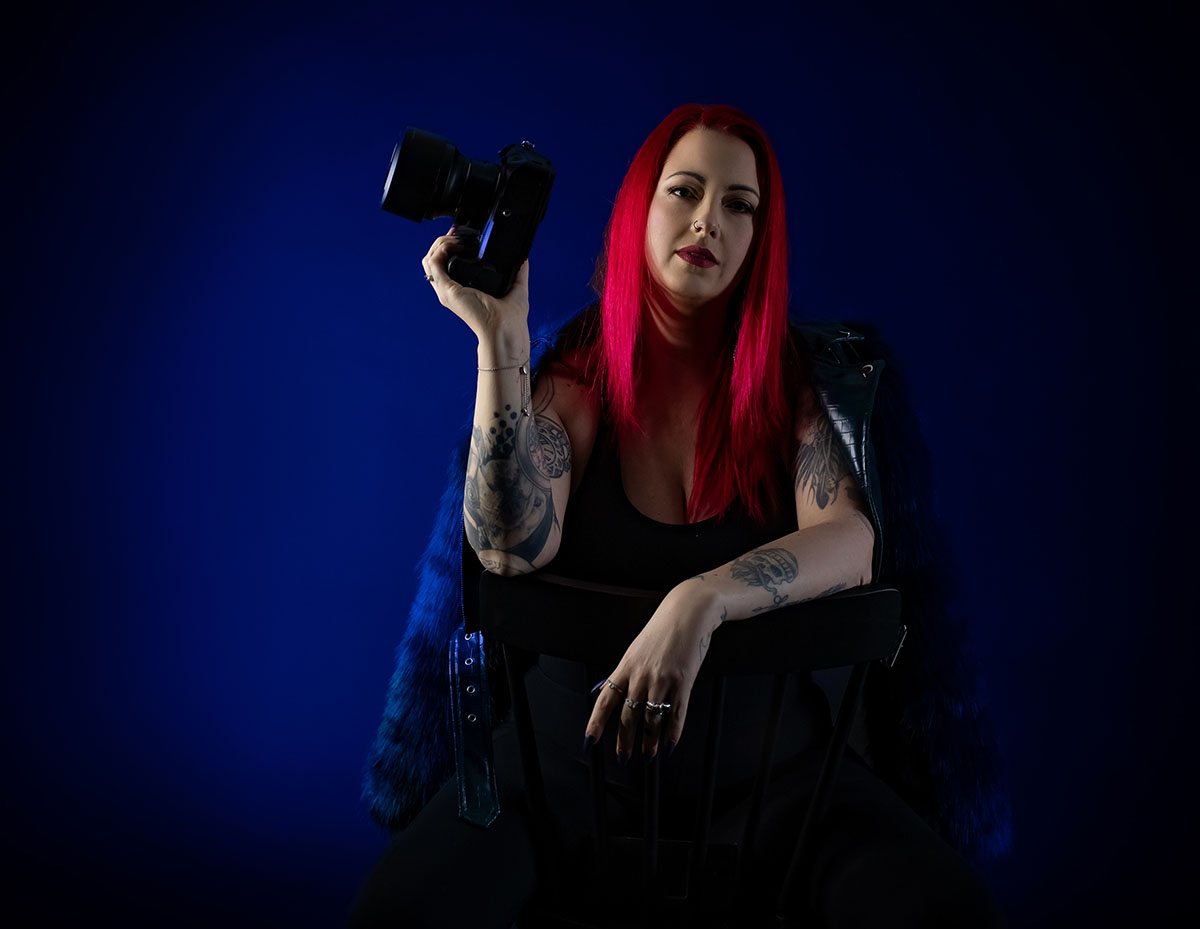
Rienna encourages photographers to consider how their products can preserve that experience. An album or printed portrait becomes more than a collection of photographs; it can serve as a reminder of a moment when someone felt confident, celebrated and comfortable in their own skin.
Her presentation also invites photographers to reflect on their own perceptions of beauty and self-image. Recognizing those assumptions can help us approach clients with greater openness and create space for more authentic expressions.
My biggest takeaway: Clients may remember how they felt during a session just as strongly as the photographs themselves. That experience deserves as much attention as the final images.
Two Sessions Worth Thinking About
What I appreciate about these presentations is their practical focus on two different parts of the photography business.
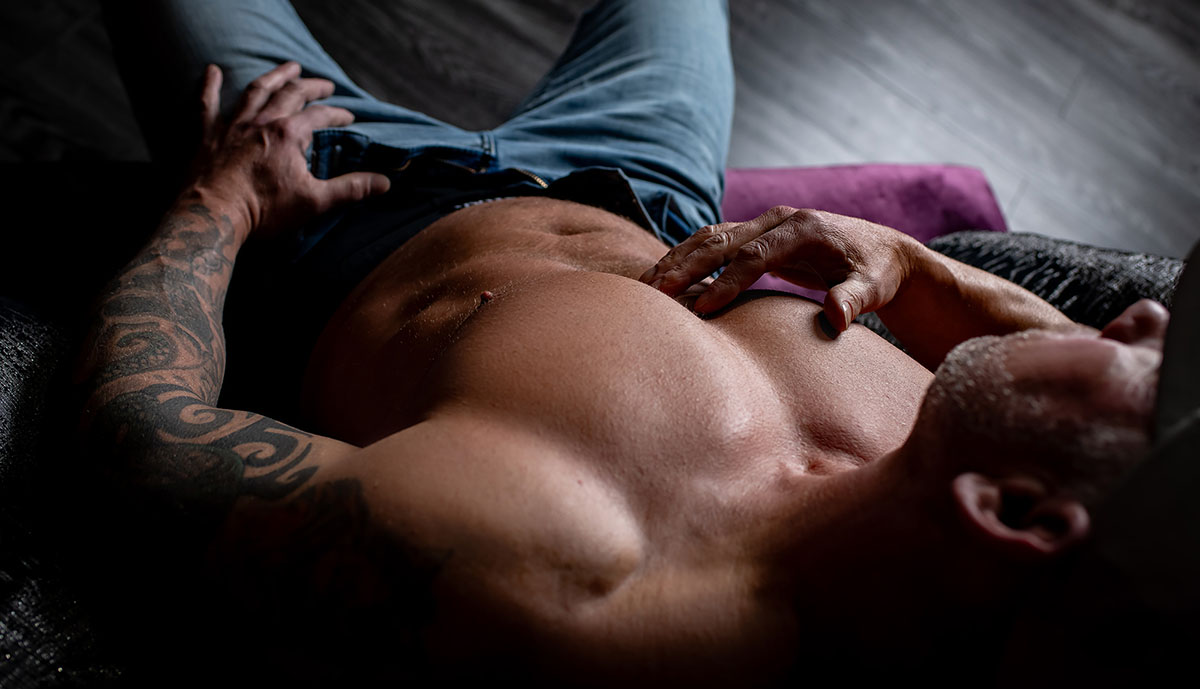
Mark Rossetto explores how AI and automation can reduce administrative work, while Rienna Davey demonstrates how trust and thoughtful communication can make photography more meaningful for clients.
Both topics offer something photographers can take back to their businesses: a more efficient way to manage everyday tasks or a fresh perspective on the client experience.
That’s one of the things I enjoy about the Canadian Imaging Conference and Expo. Beyond the technical demonstrations and creative inspiration, there’s an opportunity to reconsider how we work and discover ideas that can make a real difference once we’re back in the studio.
I’m really looking forward to sitting in on these sessions. See you in Calgary!
By Will Prentice and CICE Organizing Committee