



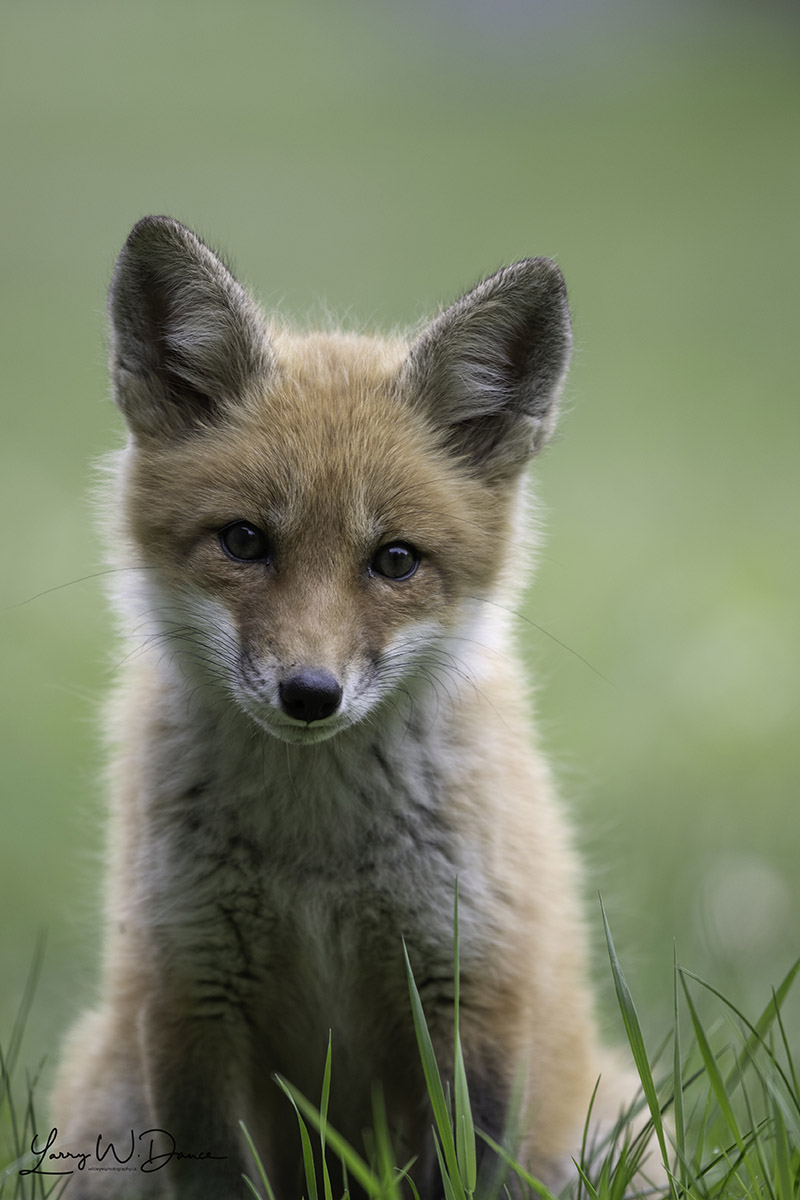
Fox Kit – A few weeks old, photographed in Algonquin Provincial Park. 600mm lens, cropped. Secret location.
Over the past couple of decades, I’ve logged more than a million kilometres internationally – working in private, public and corporate roles, often providing executive and travel protection for groups ranging from small teams to large delegations. Along the way, I’ve stood in some remarkable photographic locations… and in a few places where situational awareness mattered more than shutter speed.
Travel security is often treated as an afterthought – something people consider only after an incident. My goal here is to share practical lessons from the field, along with a few photography tips that might help you come home with great images – and all your gear.
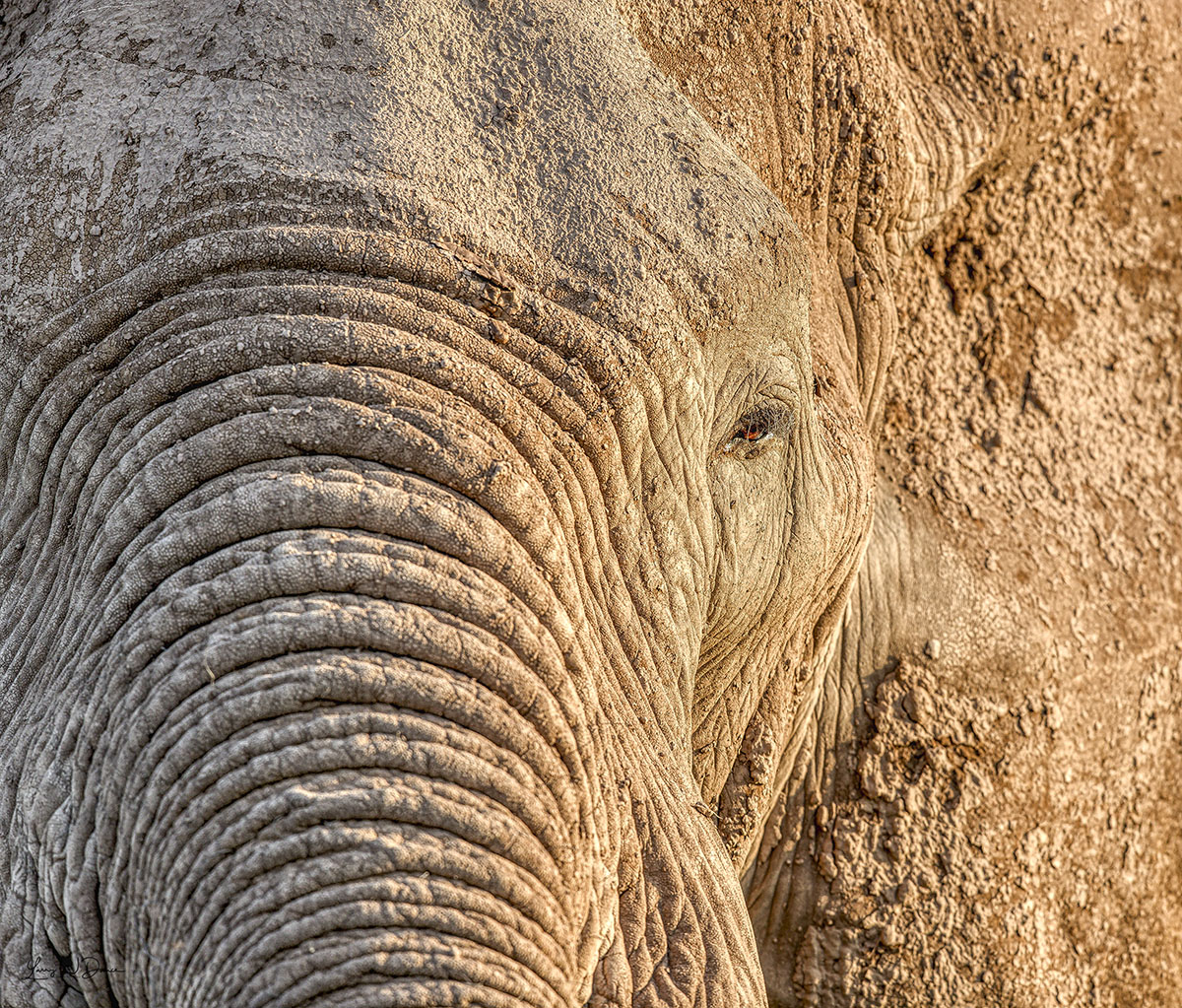
Kenya – Captured during an African photography tour in Kenya.
The Shot I Didn’t Take
A few years ago, while investigating a major fraud case on a Caribbean island, I headed downtown after work. Near the pier, I noticed two older gentlemen playing chess in the shadows of a building – beautiful light, compelling scene.
As I adjusted position for a tighter angle, I also noticed something else: three men watching me. Then approaching. From different directions.
Many photographers become so focused on composition that they stop scanning their environment. That tunnel vision can make you vulnerable.
Before I head out with a camera, I always scout for:
- Safe exit routes
- Nearby businesses or coffee shops
- Well-lit, populated areas
Bars are rarely a good fallback option.
In this case, I walked directly into a small corner grocery store. On another occasion in the same region, I simply joined a group of tourists heading into a shop – even though we didn’t share a language. Proximity can deter problems.
I never got the chess photo. But I got back safely.
And that’s the priority.
“It Won’t Happen to Me”
It might. So plan accordingly.
Here are travel security habits that have served me well:
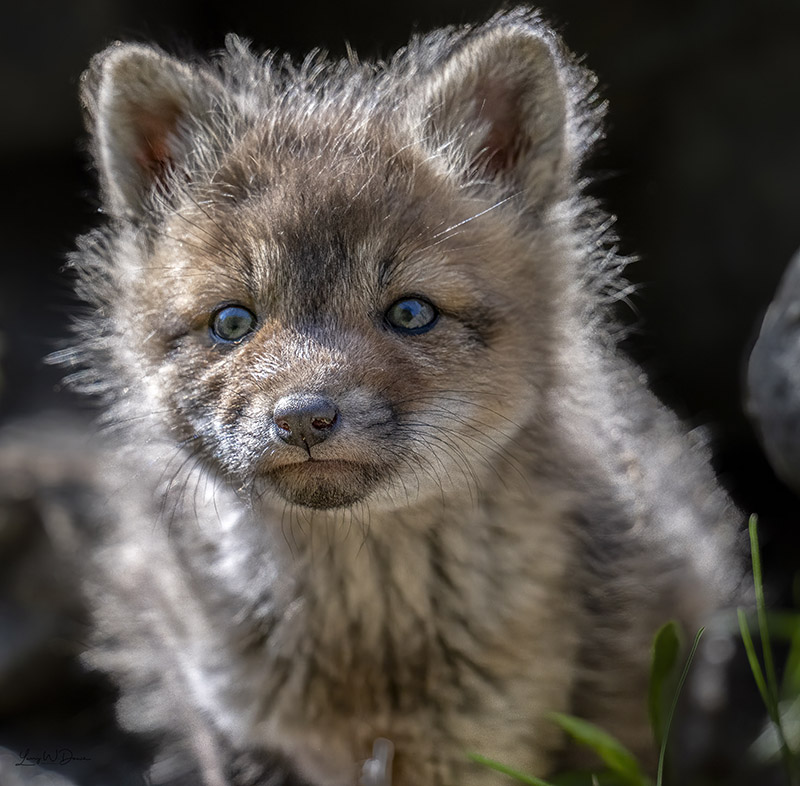
Fox Kits – One of three. After 90 minutes feeding the Muskoka black flies, this kit appeared from behind an old maple – we made eye contact and then pressed the shutter.
Before You Go
- Keep a photocopy of your passport separate from the original. (I keep a copy in a secure folder on my phone – Editor)
- Know the location and contact information for the nearest Canadian embassy (check the official Government of Canada travel site for up-to-date advisories). (Store the address in your contact list on your phone – Editor)
- Ask hotel staff which areas to avoid – especially if traveling solo.
I once planned a 5:30 a.m. jog in Nome. The front desk attendant looked at me and said, “You’re not going anywhere!” There was a grizzly bear wandering about town.
Point taken.
Create a small, printed emergency card (don’t rely solely on your phone) with:
- Local hospital information
- Emergency contacts at home
- Family Doctor (and any key Healthcare Specialists) contact information
- Hotel address and phone number
- Tour guide contact (if applicable)
- Embassy address and contact person
Keep it separate from your wallet and phone.
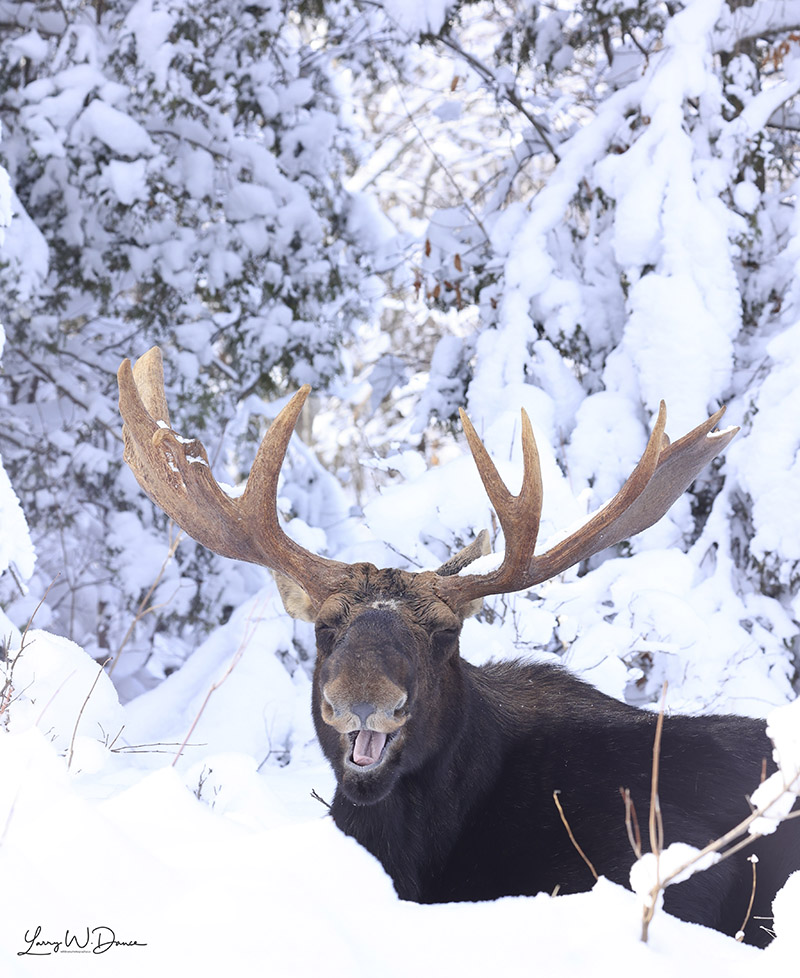
Happy Moose – Same moose as the “Peek-a-Boo Moose,” Judge’s Choice, PHOTONews National Photo Contest, July 2025.
Airport & Baggage Awareness
- Use TSA approved locks. Carry a spare in case Security breaks one at the airport. ThinkTank Photo roller bags include a safety cable and/or TSA lock.
- Secure your carry-on bags with locks or zip ties.
- Consider Bluetooth or GPS luggage trackers. (I use Samsung Smart tags in all my bags – Editor)
- Keep valuables in your carry-on.
- Never leave your bags unattended or out of sight, especially at security checkpoints or in terminal lounges.
- Don’t display expensive jewelry in transit. Better yet – leave it at home.
- Check in early to avoid any delays as Security will almost always want to inspect your camera gear. (ThinkTank Cable Management cases are ideal for your small liquid bottles – they’re more durable and protective than Ziploc bags – Editor)
- Inspect luggage immediately upon arrival.
- Consider travel insurance for camera gear (mine runs about $300–$400 annually – worth every penny).
- Record your camera serial numbers and consider registering gear with customs before travel.
And remember: unattended bags attract attention you don’t want. This can’t be stressed enough.
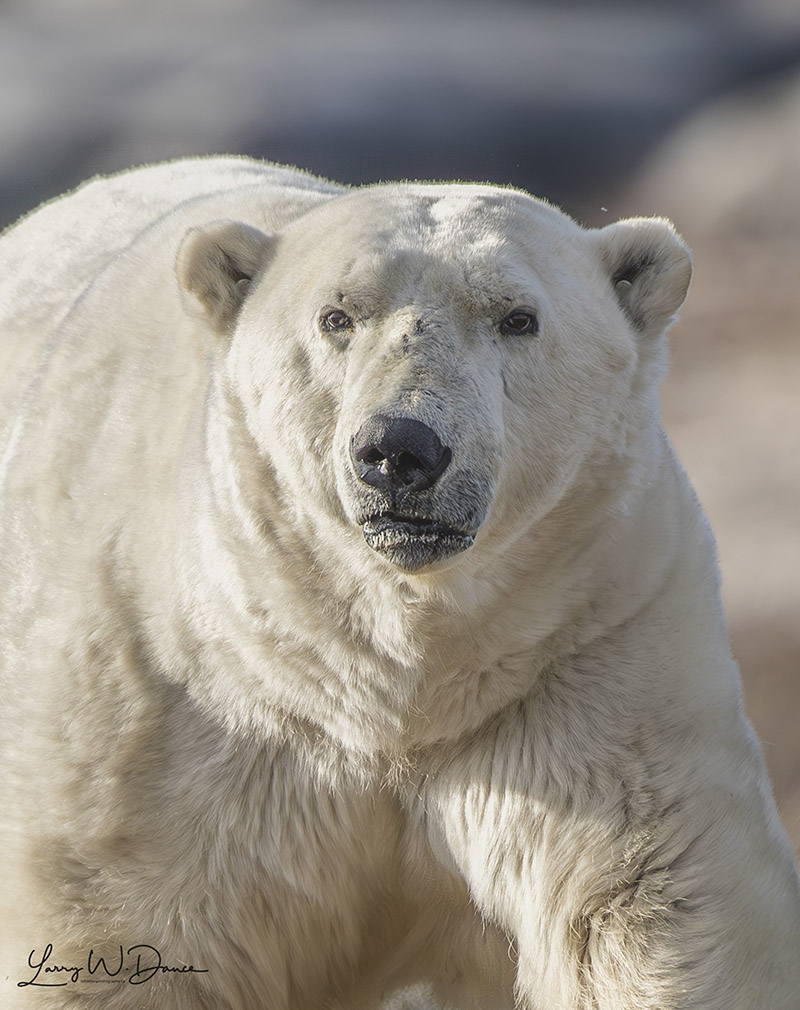
Polar Bear – Photographed in Churchill. Known locally for resting near – and sharing food with – sled dogs.
Hotel Security Basics
- Avoid first-floor rooms – they can be easier for criminals to access. Also avoid rooms above the 5th or 6th floor – many fire ladders don’t reach higher.
- Don’t rely entirely on room safes. If you have a roller bag with TSA lock, keep it locked. For extra security, use a Kupo safety cable to secure your bag to something sturdy, like a bed frame or mounted desk.
- Take a quick look around for hidden cameras. Turn off all the lights in your room, open your front facing camera and scan the room for small glowing or white/purple lights.
- Invest in a travel door lock and/or alarm to use when you’re in your room.
- Use the “Do Not Disturb” sign when out. You can request maid service upon your return, if needed.
- Leave the TV or radio on in your hotel room when going out.
- Check door locks, balcony locks, closets and exits upon arrival.
- Know your nearest fire stairwells.
- Be discreet about room numbers and daily plans.
- Keep your key card separate from your camera bag. (Even when travelling solo, I request two key cards and keep each in a separate place – Editor)
- If you’re staying for an extended time, get to know who your housekeeping staff is and what time they usually clean rooms on your floor. Consider tipping them early in your trip.
- If traveling in a group, designate a sober point person for transportation and logistics.
Small habits reduce big risks.
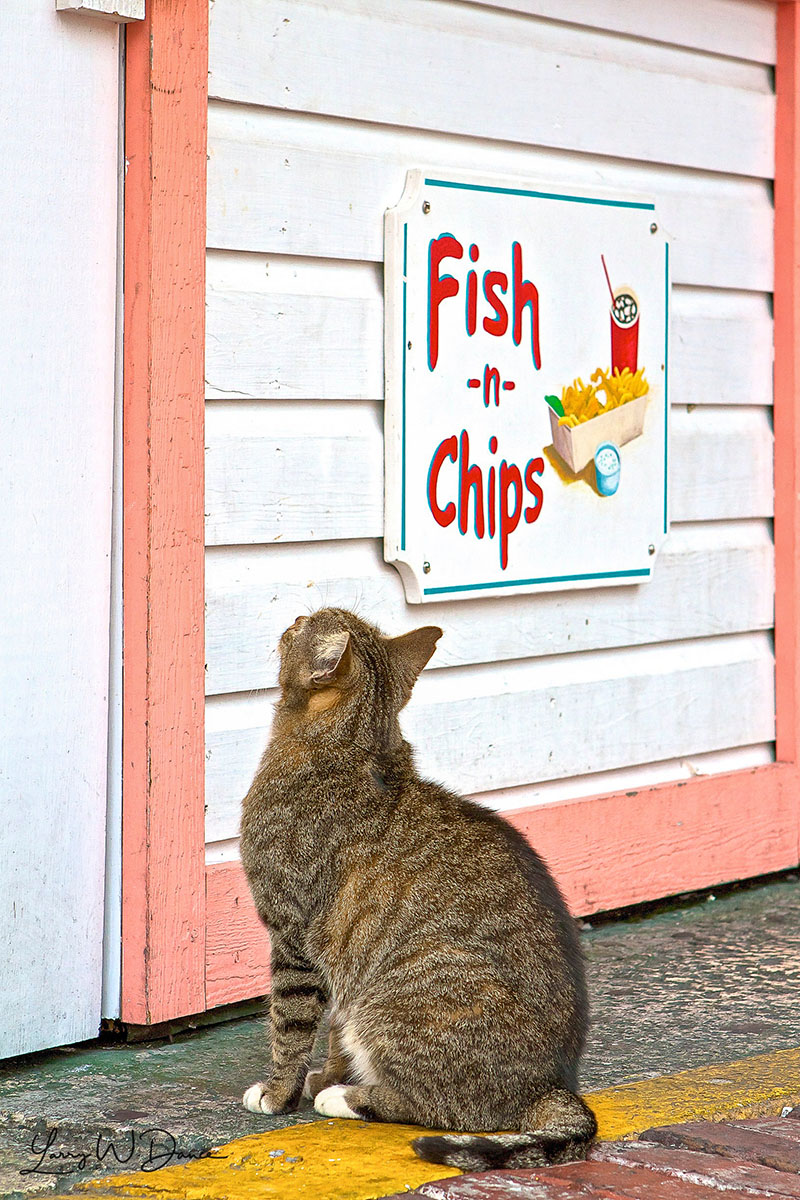
The Sign – Southern travel moment: a patient cat waiting for fish. Story told.
Photography: My Core Field Rules
Security awareness and photography go hand in hand. If you’re alert, you’re ready.
- Be Ready.
Your camera shouldn’t live in the trunk. I often preset around ISO 800 with a wide aperture so I can react instantly – adjusting as needed for early morning or late afternoon light. - The Five-Minute Rule.
Stay a little longer than everyone else.
I once photographed a Barred Owl roadside. The images were fine – but the background wasn’t. When the owl flew deeper into the bush and the crowd dispersed, I followed carefully. Snow up to my chest in a ditch… but the second setup delivered the image.
Worth it.
- Cover Your Gear.
Out of sight, out of mind. In summer, I’ve even stored excess gear inside a cooler to prevent overheating. Bags such as the ThinkTank PhotoCross or Vanguard City series don’t scream “Expensive camera gear inside – steal me!” But don’t leave your camera bag on the front seat of your car. - Just Take the Shot.
In a once-in-a-lifetime moment, press the shutter first. Refine later. - Be Patient, Visualize & Prepare.
Research locations, wildlife behavior, lighting patterns. Anticipation beats reaction. - Focus on the Eyes.
In wildlife photography, the eyes carry the story. - Log Locations.
Return when light or weather improves. - Park Safely and Legally
No photo is worth causing an accident or putting yourself or others in danger. Only you can determine if the shot was worth the value of the parking ticket. - Practice Intentionally.
Visit wildlife sanctuaries and bird-of-prey centres. Master your gear before the rare moment arrives.
If you ever see me in my favourite spot, Algonquin Provincial Park, come say hello. I’m always up for a good conversation – and I’ve got a few stories to share.
Travel well. Stay aware. Shoot boldly.



Great article. Well written. I didn’t realize you were that smart! Your Loving Sister