



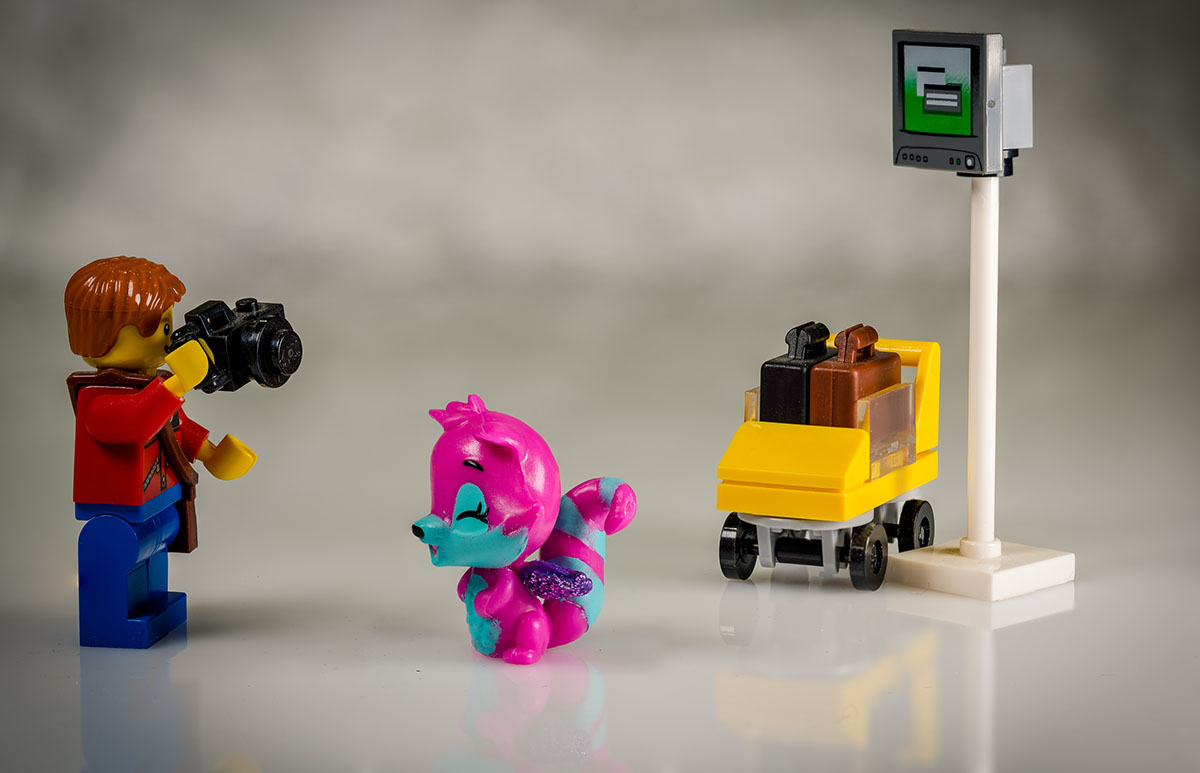
I love the idea of being a fearless, handheld-everything photographer. My lenses have Image Stabilization and my new camera bodies have In-Body Image Stabilization (IBIS). Reality, however, has other plans. Some photographs simply do not exist without a tripod no matter how good IS/IBIS has become or how much coffee I’ve had. A tripod isn’t a sign of weakness; it’s how I make images that would otherwise be filed under “nice try.” Here are three types of photos (and one bonus) I simply can’t capture without one, along with the Laowa lenses I reach for when things get serious.
1. Extreme Macro at High Magnification
The moment I go past 1:1 macro, handheld shooting turns into a trust exercise I always fail. At 2×, 3× or higher magnification, depth of field is measured in whispers and blinking can throw the whole shot out. A tripod lets me slow everything down, lock in my composition and make tiny, deliberate focus adjustments often followed by focus stacking because … macro.
This is where Laowa really shines. Lenses like the Laowa 65mm f/2.8 2× Ultra Macro APO, Laowa 100mm f/2.8 2× Macro APO and the wonderfully absurd Laowa 25mm f/2.8 2.5–5× Ultra Macro are built for this level of detail. They’re manual focus, which is actually a gift in macro work. Autofocus just hunts and panics down here; manual focus stays calm and does exactly what it’s told … unlike me before coffee.
I’ve also reached for my Kenko Extension Tubes so I can boost the magnification on my Tamron 90mm R2 macro lens or use my 70-200 R2. I love how sharp these lenses are and the integrated Arca Swiss foot on the 70-200 tripod collar slides easily into my Vanguard tripods.
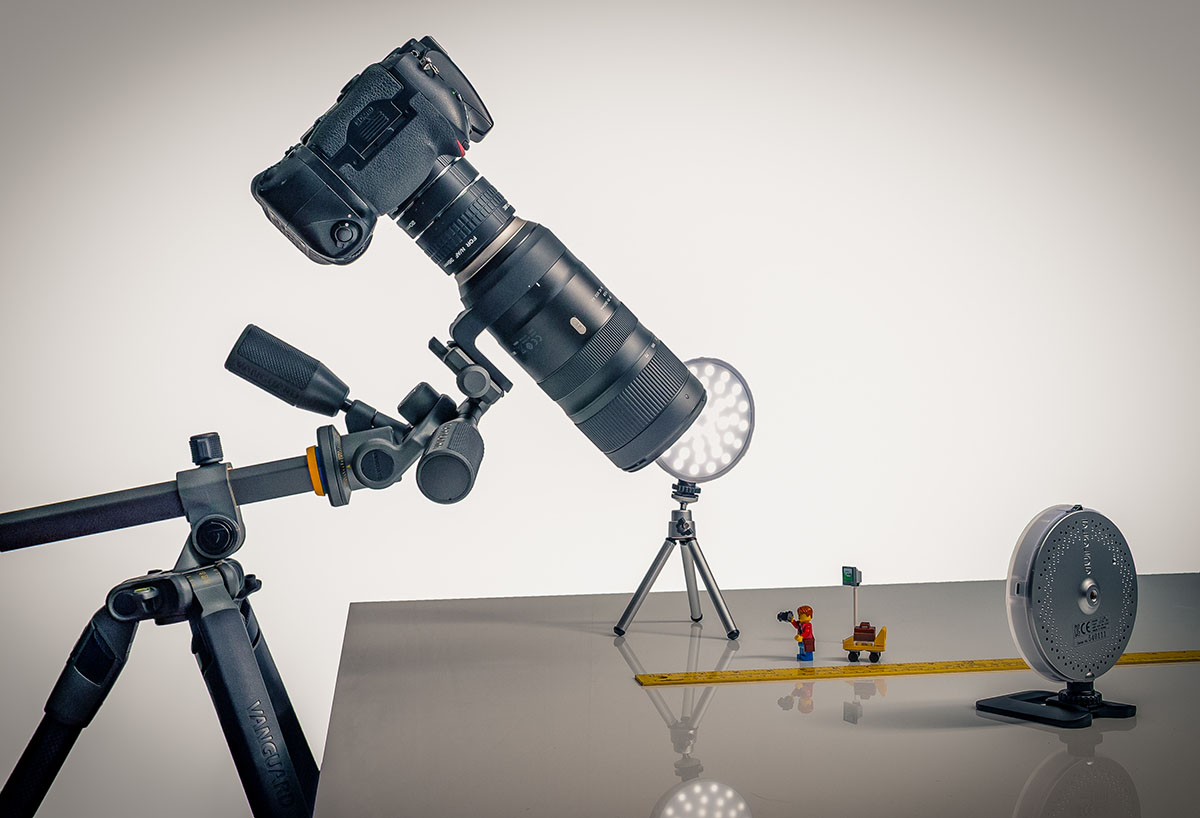
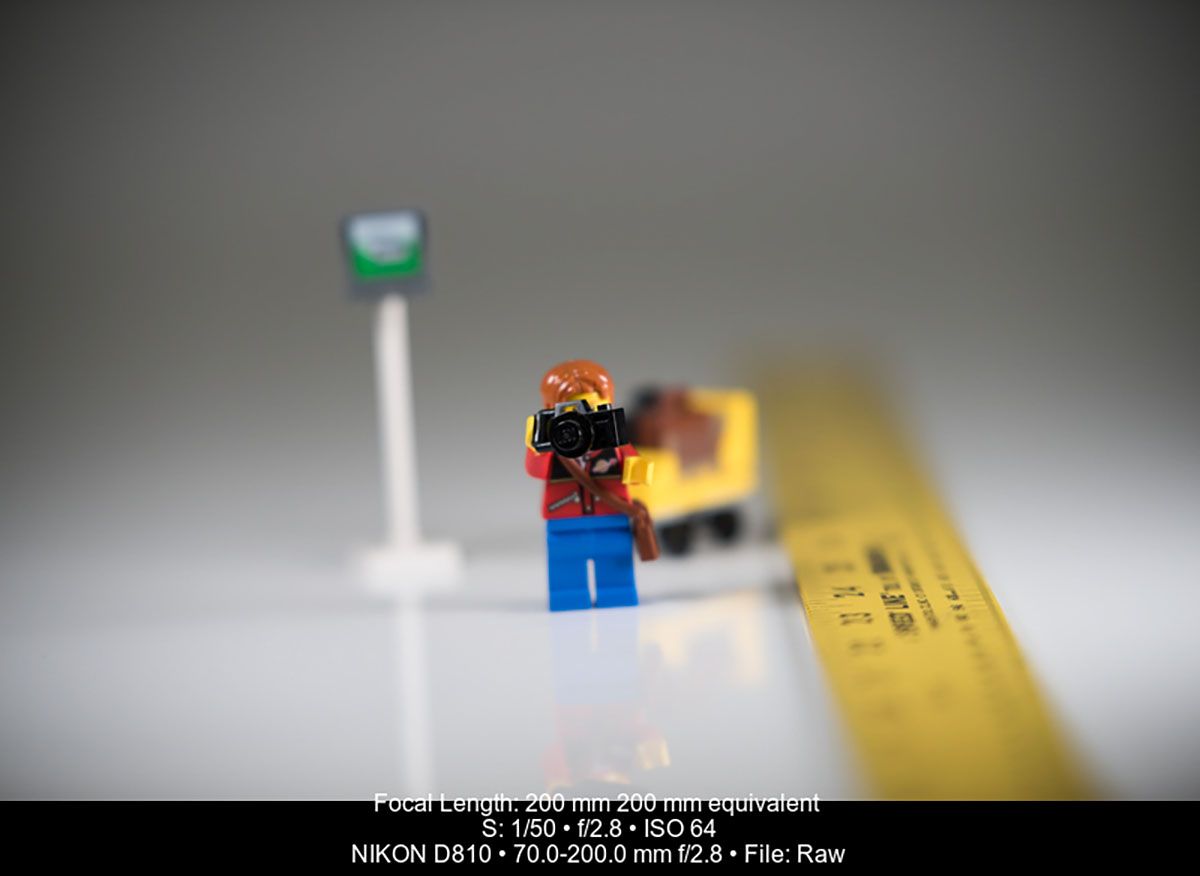
Tamron 70-200 G2 at 90mm, closest focusing
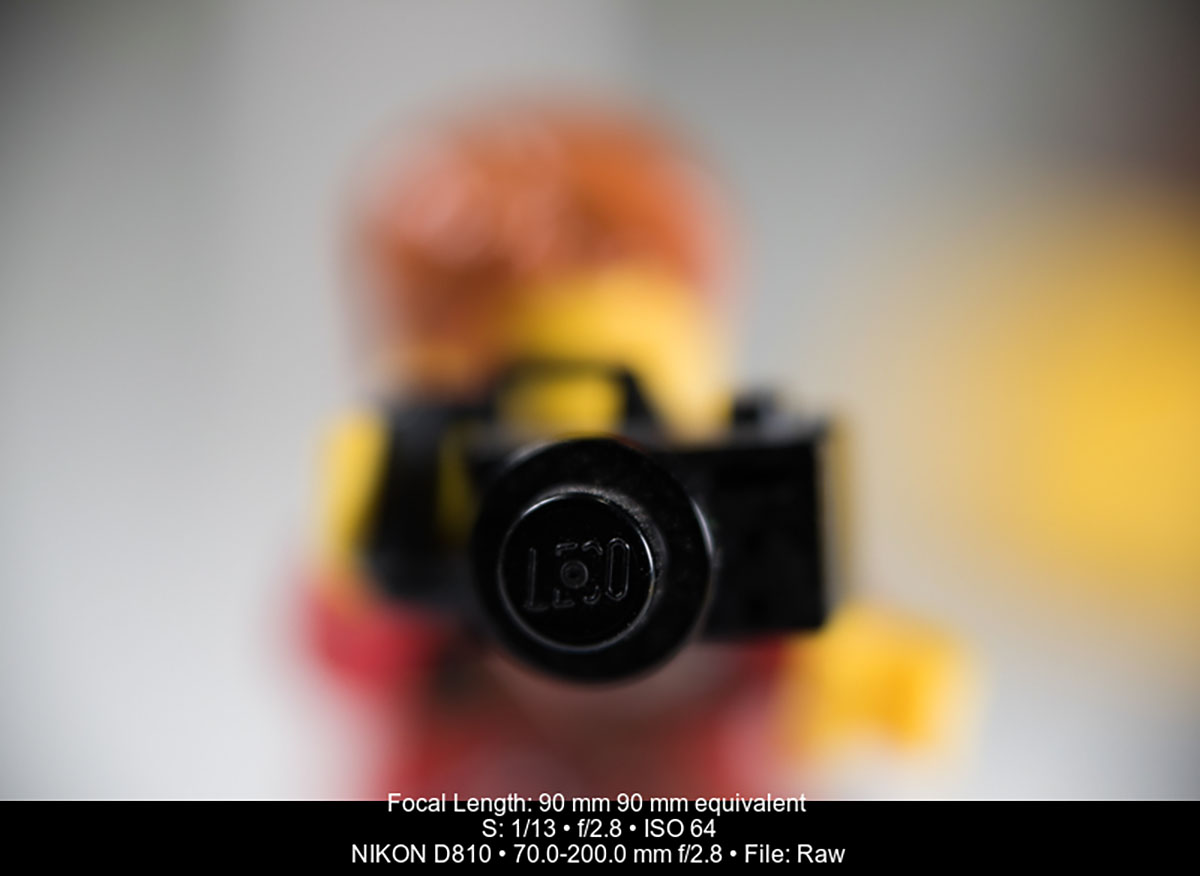
Tamron 70-200 G2 with 3x Kenko Extension tubes (68mm total)
2. Long-Exposure Landscapes and Motion Blur
Any time I want water to look like silk, clouds to streak across the sky or people to mysteriously disappear from a busy scene, a tripod comes out. Long exposures are all about controlling time, and no amount of “I’ll just hold really still” has ever worked for me.
Laowa’s wide-angle lenses are my go-to for this kind of work. The Laowa 12mm f/2.8 Zero-D and Laowa 15mm f/2 Zero-D give me sweeping views with minimal distortion, which means less time fixing things later and more time pretending I planned the shot exactly this way. When I want to go ultra-wide, the Laowa 9mm f/5.6 FF RL delivers dramatic perspectives that absolutely demand a tripod … and a bit of humility when composing.
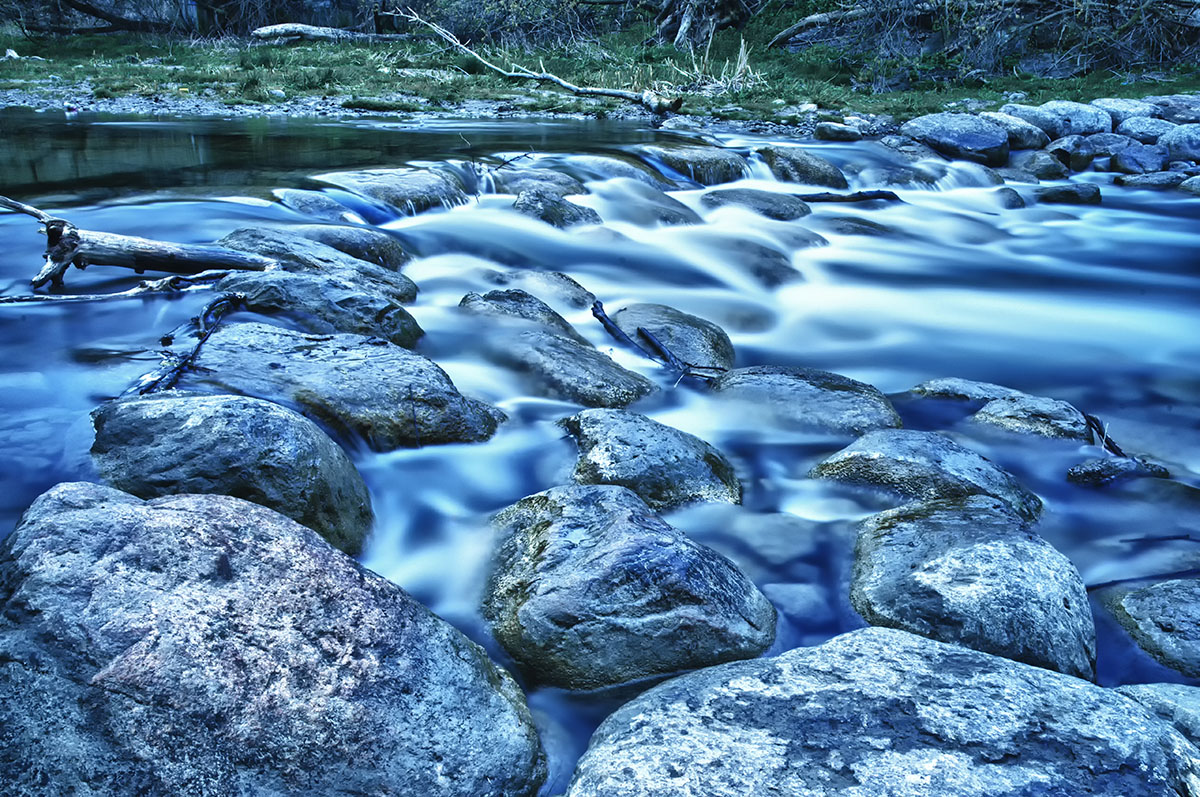
179 sec at f/22 ISO100 ND Filter Stack
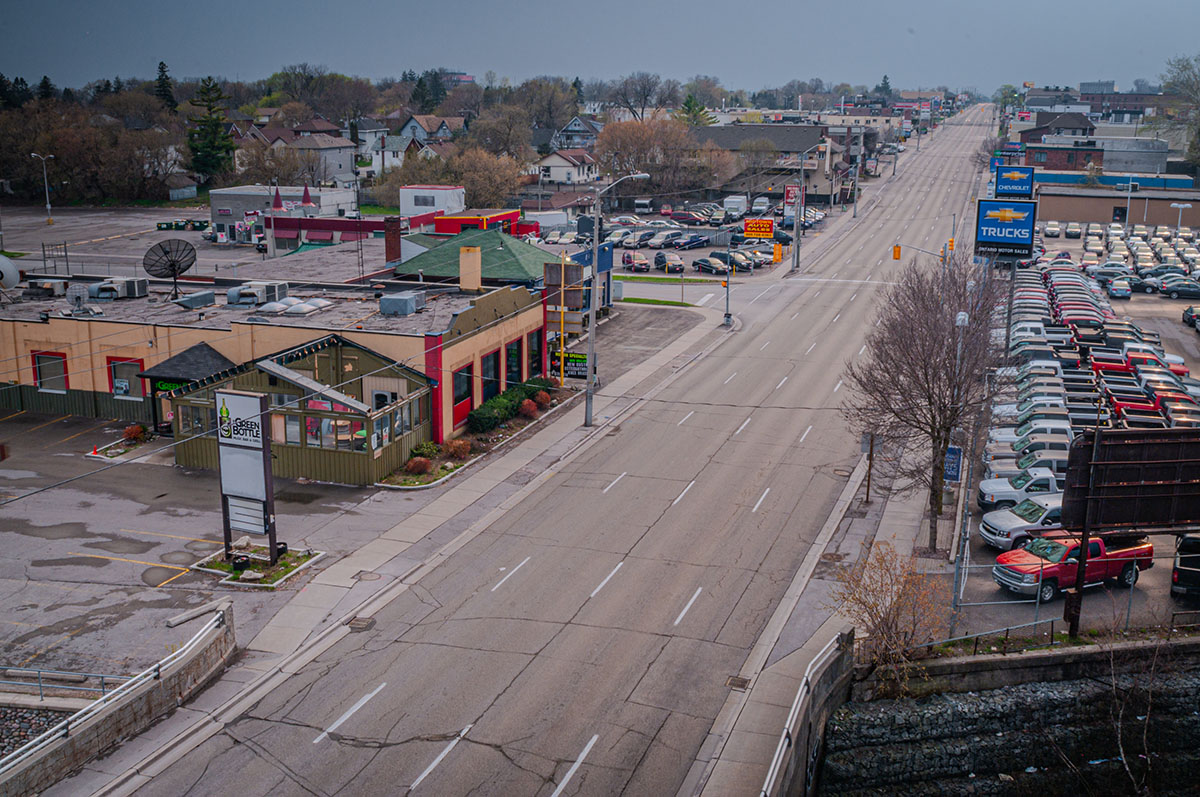
You would think was taken in the pandemic, but it was captured in April 2012.
300 sec at f/22 ISO100 ND Filter Stack
3. Focus Stacking and Precision Photography
Product, food and still life photography taught me very quickly that depth of field is a liar. If I want front-to-back sharpness, I’m stacking focus. That means the camera cannot move. At all. Not even a little.
A tripod lets me shoot multiple frames with tiny focus shifts that line up perfectly in post. The Laowa 90mm f/2.8 2× Macro APO and Laowa 100mm f/2.8 2× Macro APO are standouts here, offering incredible sharpness and smooth, predictable manual focus control. These lenses reward patience, precision and the acceptance that “fix it in post” starts with getting it right in-camera.
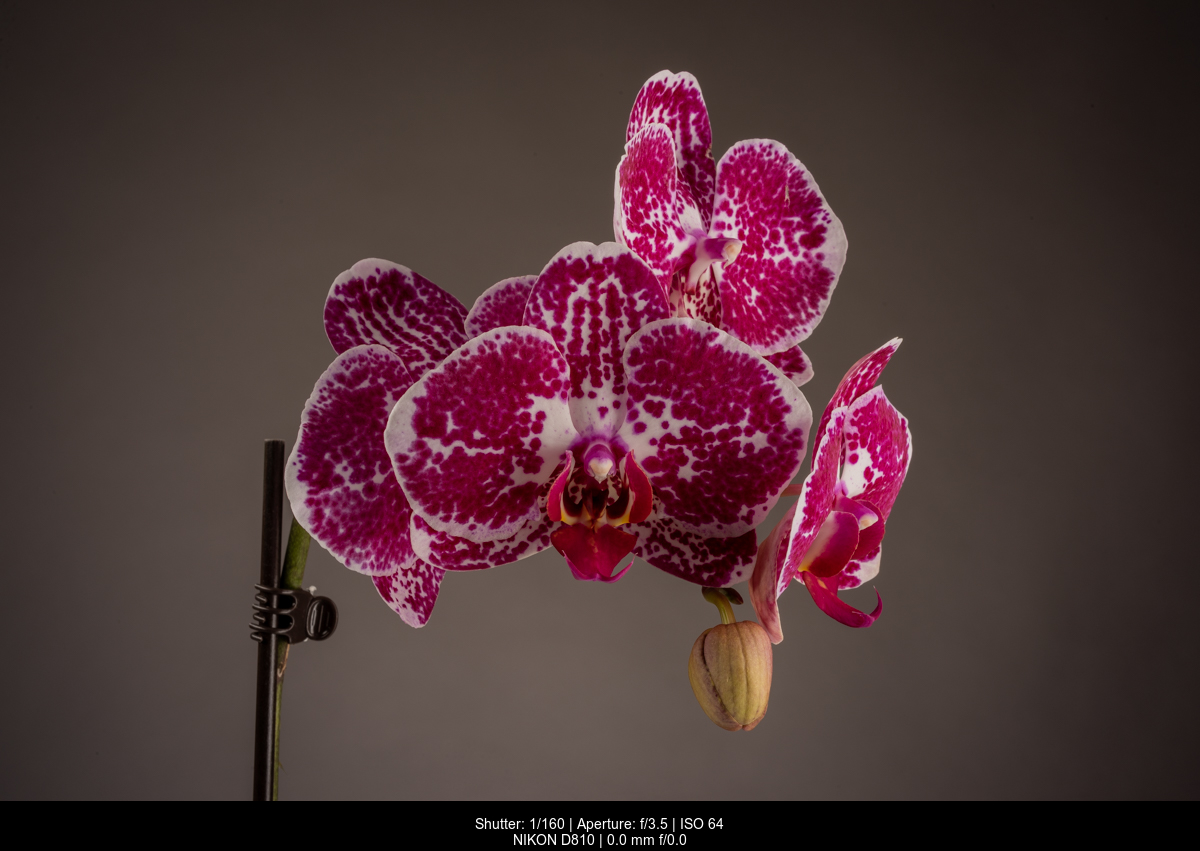
6 images focus stacked. Laowa 60mm 2x Macro
Chasing the Northern Lights
If there’s ever been a genre that laughs in the face of handheld photography, it’s aurora shooting. Northern lights photography happens in the dark, often in the cold, with shutter speeds that stretch into multiple seconds. A tripod isn’t optional – it’s survival gear.
When I’m out chasing auroras, I rely on wide, fast lenses like the Laowa 15mm f/2 Zero-D or Laowa 12mm f/2.8 Zero-D. They give me plenty of sky, strong edge performance and the ability to keep ISO in check while the lights dance overhead. Once the camera is locked down, all that’s left to do is watch the show and occasionally check that my eyelashes haven’t frozen together.
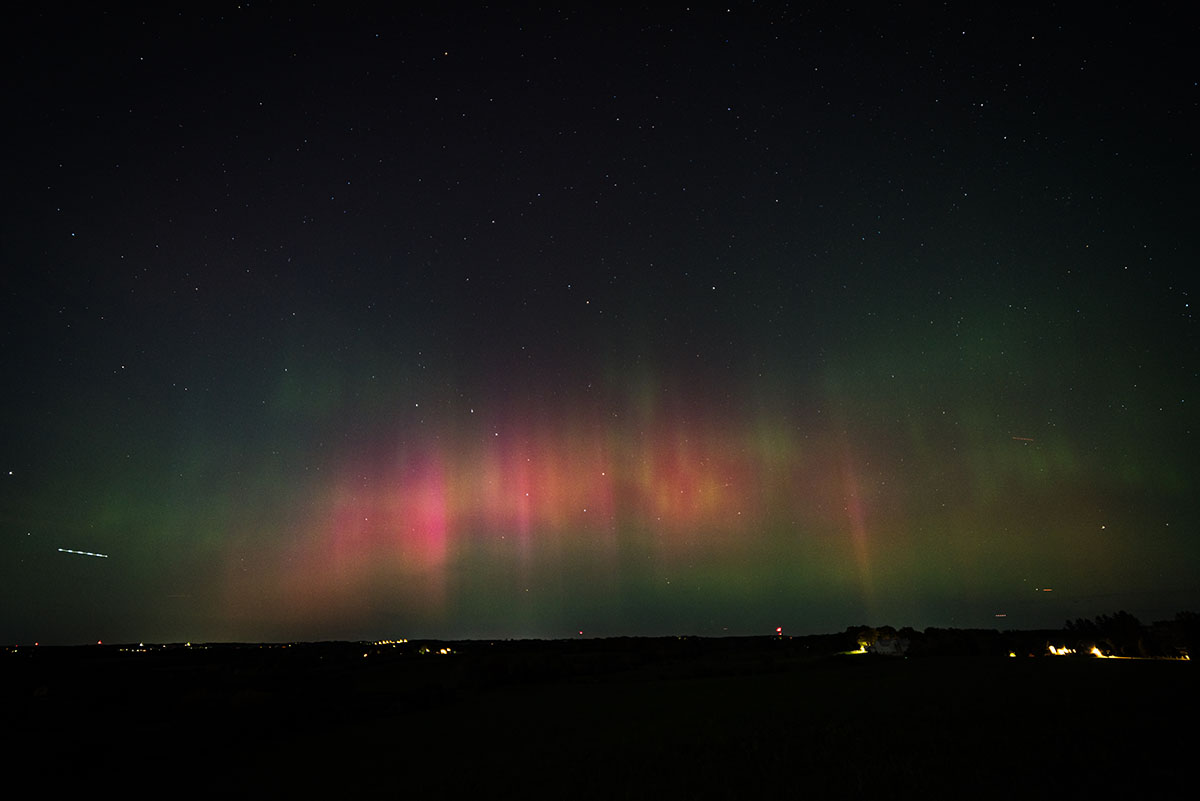
6 sec f/2.8 ISO200
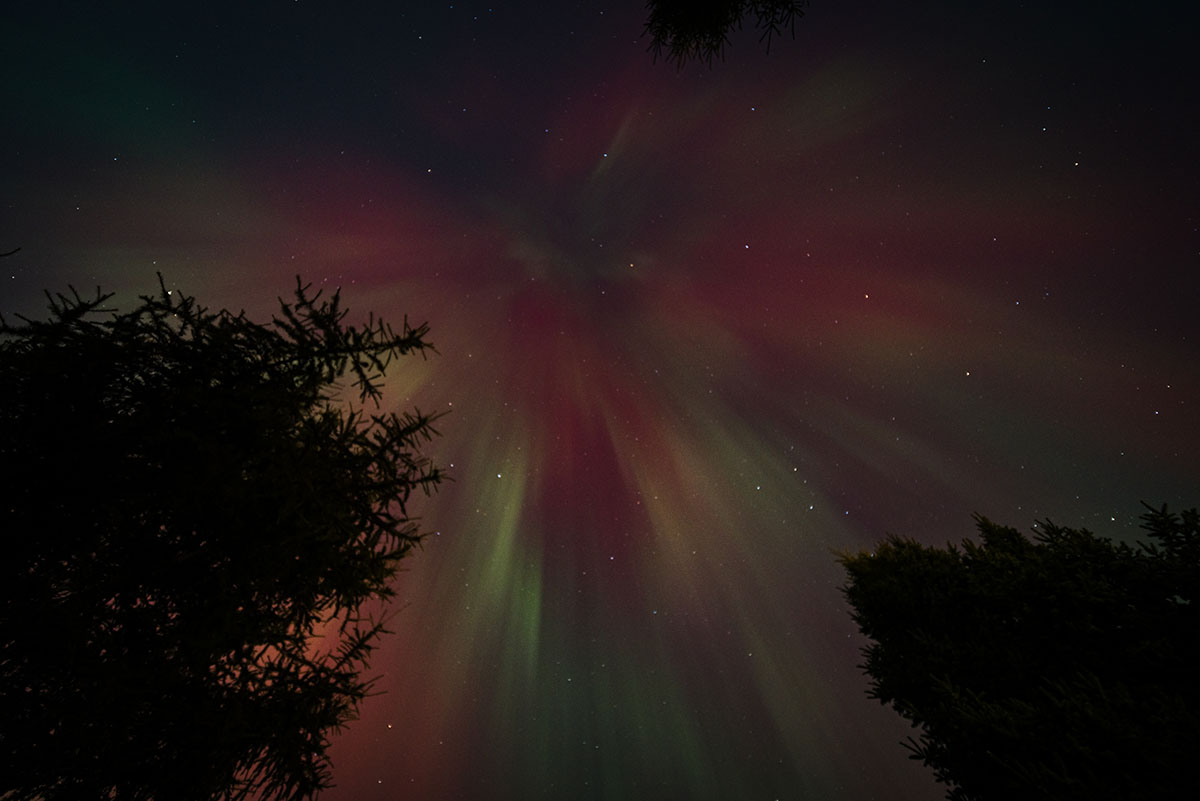
4 sec f/2.8 ISO200
Vital Tripod Features
When it comes to tripods, stability and sturdiness are non-negotiable. My rule of thumb is simple: weigh all my gear, add 25%, and then choose a tripod rated to handle more than that. If the math makes you slightly uncomfortable, good – that means your camera will be safe.
Beyond load capacity, I look for features that actually matter in the real world. Spiked feet are a must for winter shooting and icy conditions and adjustable leg angles let me wedge a tripod into places it probably wasn’t designed to go – rocks, boulders, uneven terrain … you name it. One absolute must-have for me is a Multi-Angle Centre Column (MACC). Being able to remove and invert the centre column means I can get really low to the ground or position the camera at just about any angle imaginable. I’m not stuck shooting straight up and down – I can put the camera exactly where the image needs it.
Vanguard sweetens the deal with the MA1 adapter, which lets me add a second ball head for another camera, mount my AeroTrac workstation along with a laptop or attach a monitor or iPad. It turns my tripod into a modular shooting platform – and yes, it makes me feel extremely professional, even when I’m standing on rocks in the cold.
Helpful Accessories
Once I’ve gone to the trouble of setting up a tripod to eliminate camera shake, the last thing I want to do is ruin it by actually touching the camera. Even pressing the shutter button can introduce just enough movement to soften an image – especially at high magnification or long exposures. To avoid that entirely, I rely on Hähnel remote triggers, including the HR wired shutter release, Captur wireless trigger, Captur Timer and Captur Pro.
More often than not, I reach for the HR wired remote. It’s refreshingly simple: a straightforward shutter release with a lock for bulb mode. No batteries, no menus, no drama – just one mechanical switch that does exactly what it’s supposed to do. In a world full of clever gadgets, it’s nice when something is simply … perfect.
In the studio, I shoot tethered because efficiency and consistency matter. Tether Tools TetherPro cables give me fast, rock-solid image transfer, while Capture One lets me adjust camera settings and review images in real time without ever touching the camera. Less handling means less chance of movement, a smoother workflow and more time spent refining the image instead of fighting the gear.
Final Thoughts
Tripods don’t slow me down – they help me make photographs that simply wouldn’t exist otherwise. Paired with Laowa’s thoughtfully designed, manual-focus lenses, they turn frustration into intention and chaos into control. Some images demand patience, precision and a willingness to stand still for a while … which, as it turns out, is a pretty good trade.
Discussed Items
Author: Will Prentice
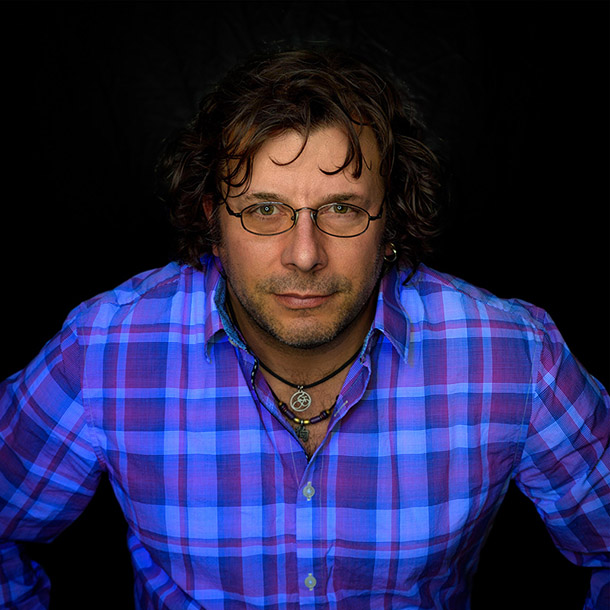
A portrait, fine art and commercial photographer for 30 plus years, Will Prentice is not just a contributor to PHOTONews magazine, but also host of PHOTONewsTV, owner of Captura Photography+Imaging and Technical Support/Brand Manager for Amplis Foto, Canada’s largest distributor of photographic equipment.
Will teaches photographers of all skill levels how to improve their craft – from creative photo projects to picking the right gear for their needs to flattering lighting to getting the best expressions to creating final images for screen and print. His unique style of highly detailed images with perfect tonality, wide dynamic range and stunning colour is instantly recognizable. Commercial clients rely on Will’s creative eye and mastery of lighting.
When he’s not behind the camera or in front of a class, you’ll find Will outdoors in any weather – usually on one of his bikes or enjoying time with his grandchildren.


Nice article. Hope you are you well, Will!
Thanks Kevin. Keeping busy 🙂 When are you coming up to Canada?