



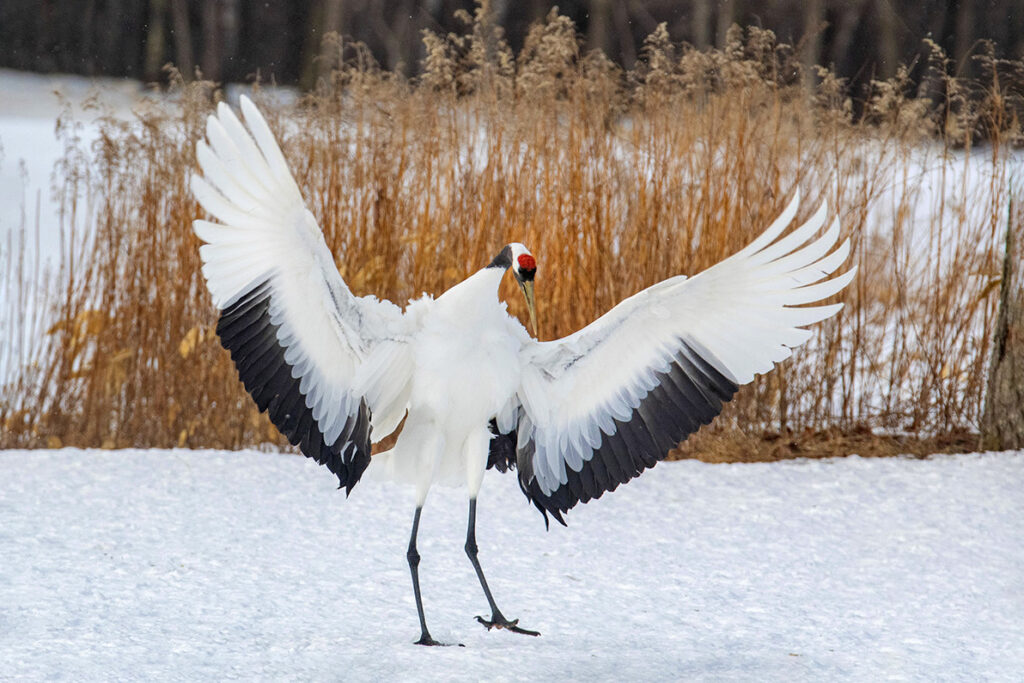
The red-crowned crane of Japan is one of 15 species of cranes in the world. Cranes occur on every continent except Antarctica and surprisingly, South America.
In the past two winters, I led a small group of nature photographers on a wildlife tour to Japan. I have worked in photo tourism for over 40 years, and in that time, I led more than 150 tours, with wildlife destinations on every continent, yet I had never focused on the wildlife of Japan.
Travellers come to the legendary Japanese archipelago for a multitude of reasons. Some want to indulge in the exotic cuisine, theatrically prepared and served by highly trained chefs. Others want to revel in the beauty of snow-capped Mount Fuji, a sacred object of Shinto worship and an artistic inspiration for millennia. Still others seek the tranquility of Shinto shrines and their accompanying resplendent gardens, while some come to marvel at the athleticism of corpulent, diaper-clad sumo wrestlers. Few, however, come for the wildlife, yet Japan in winter offers some of the best wildlife photography on the planet.
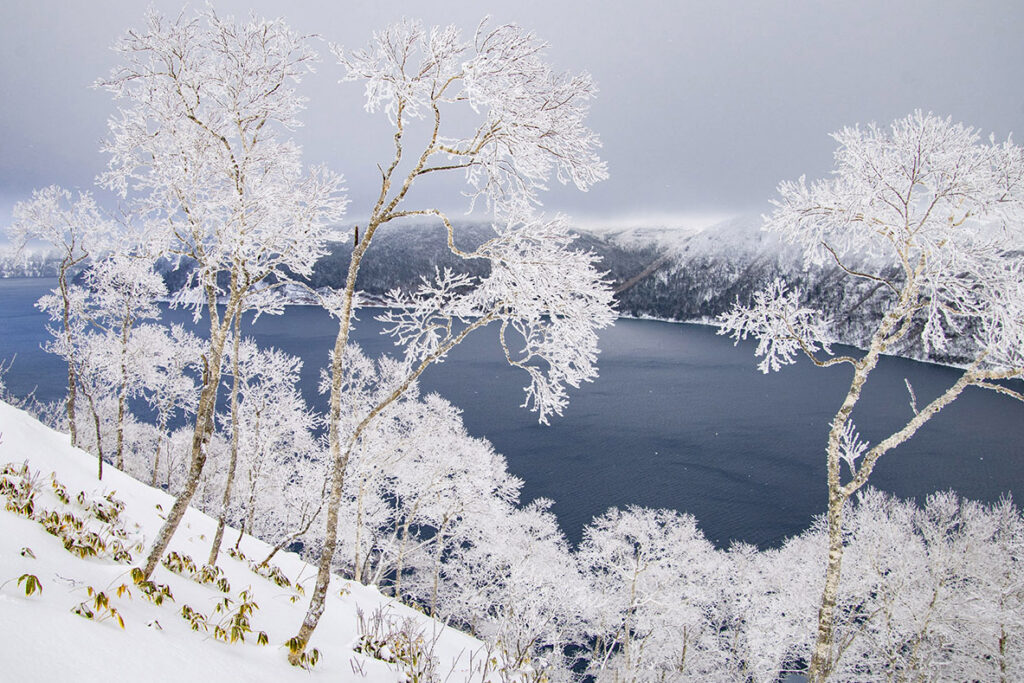
The winter landscapes of Japan were a surprise to me. I don’t know what I expected, but the whole experience was wonderful. Lake Mashū in Hokkaido is a caldera lake reputed to be one of the clearest lakes in the world. The leafless birch trees surrounding the lake were bejeweled in hoarfrost, a phenomenon that only occurs when freezing temperatures combine with heavily moistened air.
In both previous winters, my trips focused on the winter aggregations of five spectacular species: red-crowned cranes, whooper swans, white-tailed and Steller’s sea eagles, and Japanese macaques, more commonly known as snow monkeys.
This month, I want to celebrate the elegance and beauty of the cranes and swans. The majestic eagles and photogenic macaques will be featured in future postings.
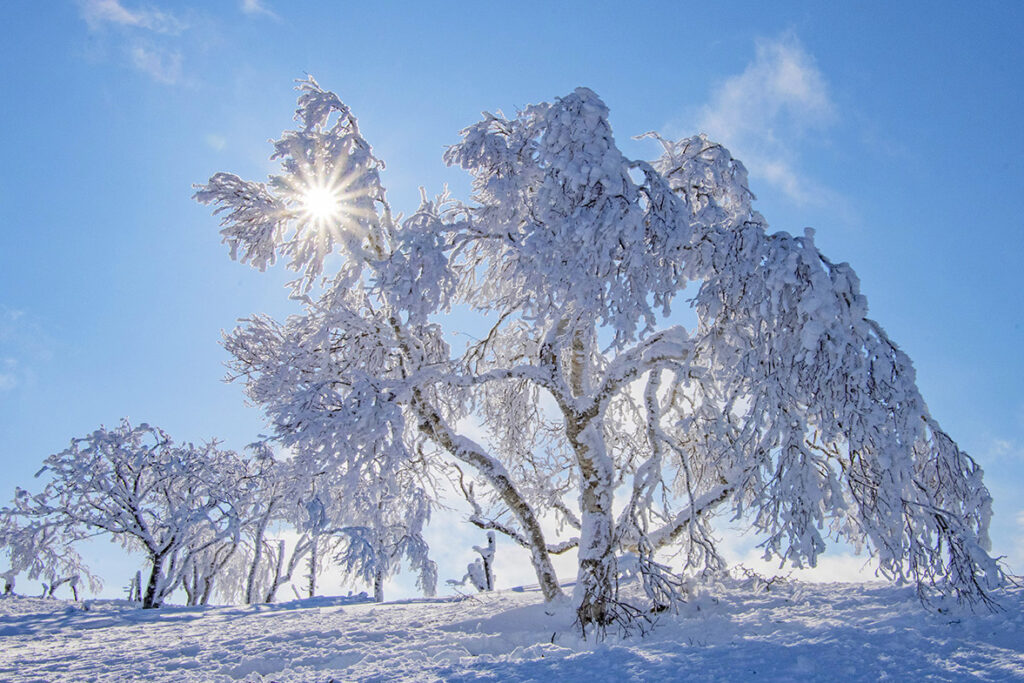
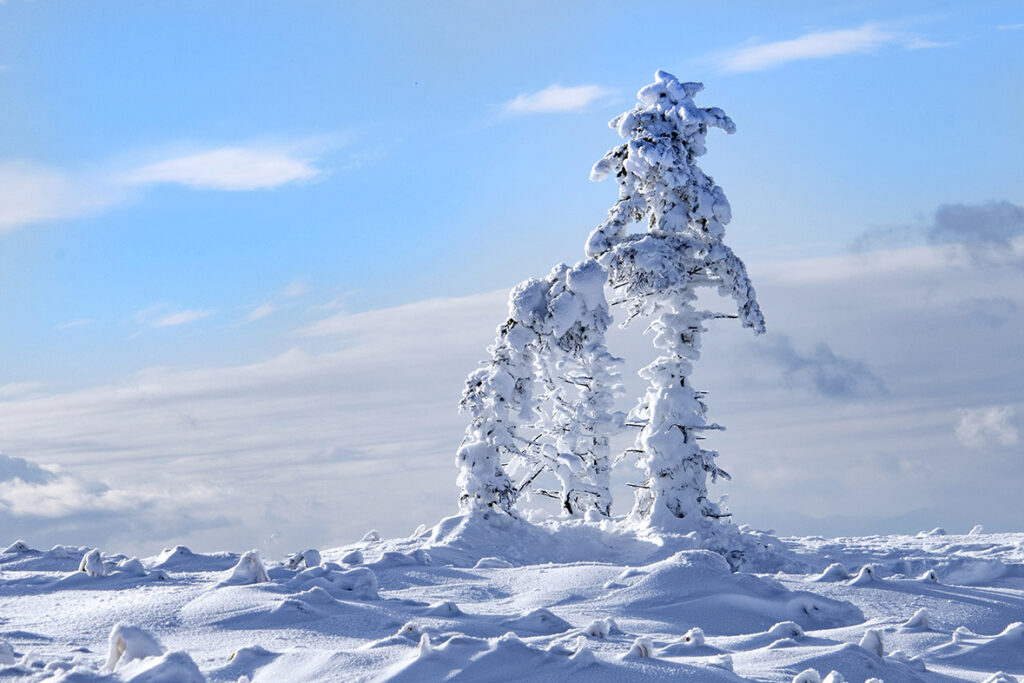
At Bihoro Pass, on the border of Akan National Park, it had snowed heavily the night before, and the trees, many of them pruned by the wind, were draped in mantles of icy snow, making for beautiful imagery.
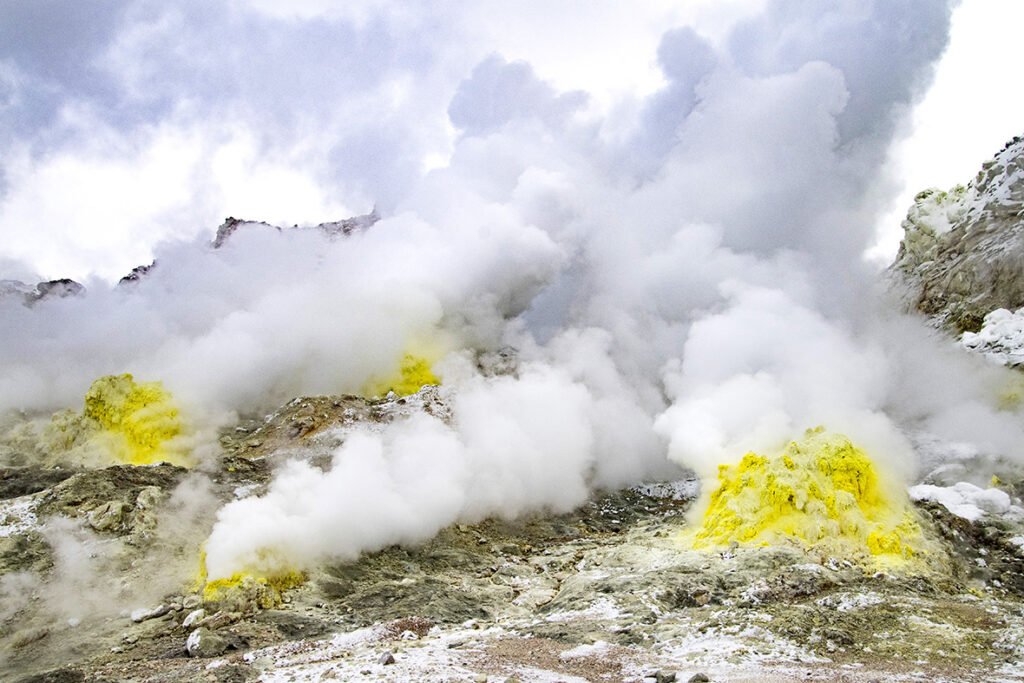
Japan has over 180 volcanoes, 110 of which are categorized as active. An active volcano is one that has erupted in the last 10,000 years. In the photograph, hot steam billows from numerous fumaroles (volcanic vents) on the flanks of Mount Io (Sulphur Mountain). The strong smell of sulphur filled the air and gave the location an otherworldly feeling.
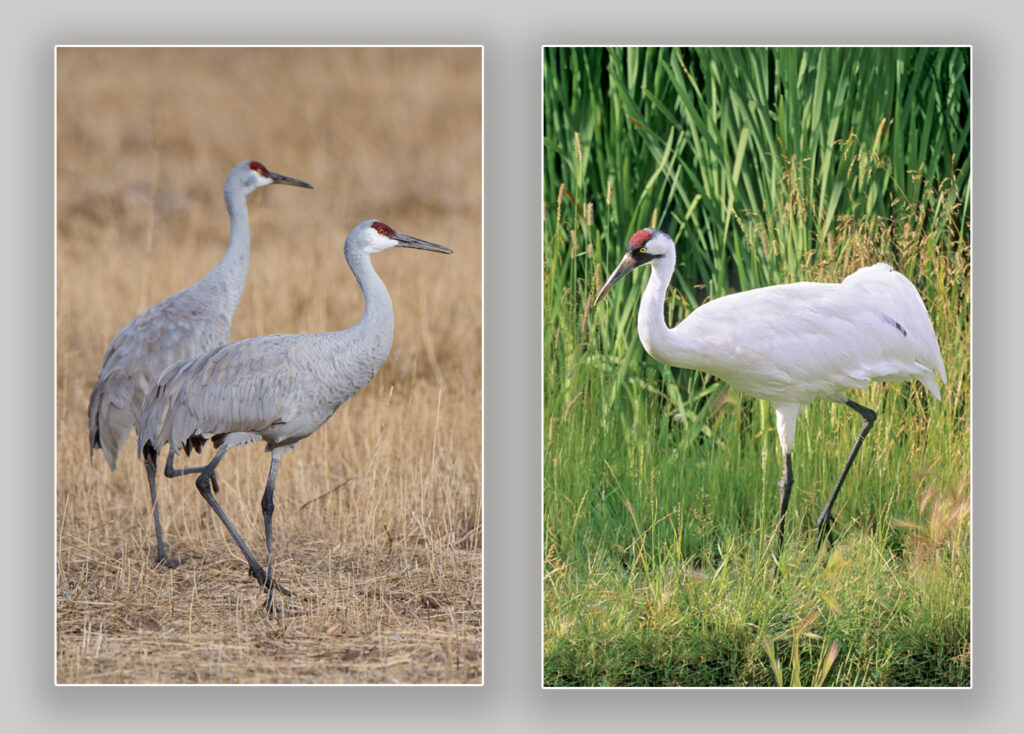
The greatest diversity of cranes occurs in southeastern Asia, where there are eight species, followed by Africa with five. In North America, there are just two species, the abundant sandhill crane (left) and the endangered whooping crane.
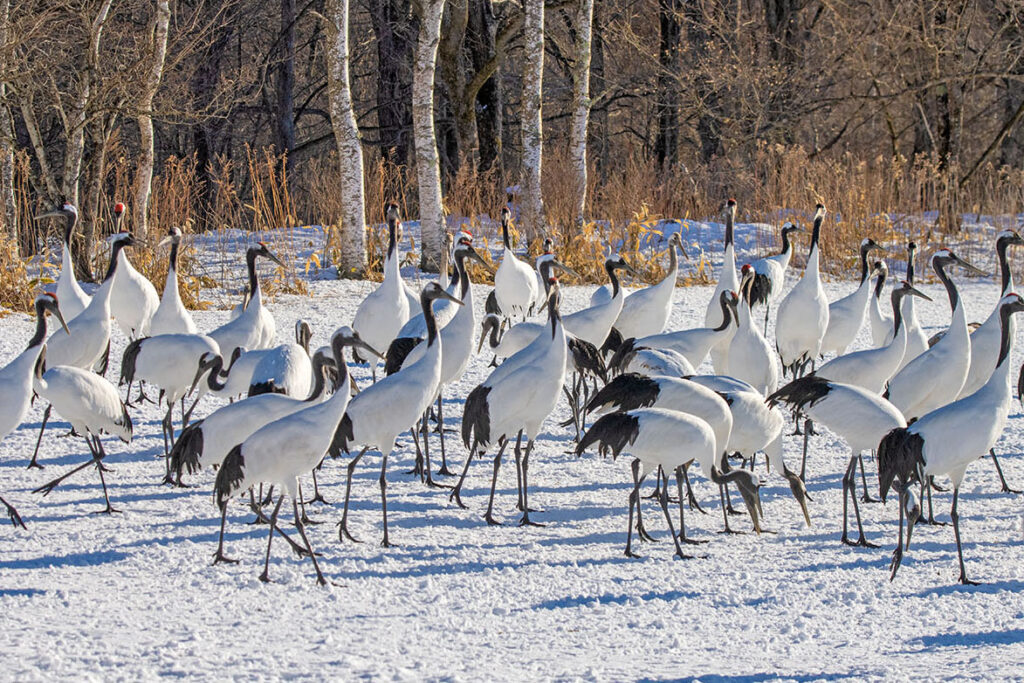
Most crane species form solitary pairs during the summer breeding season, but at other times of the year will aggregate into large flocks for protection from predators.
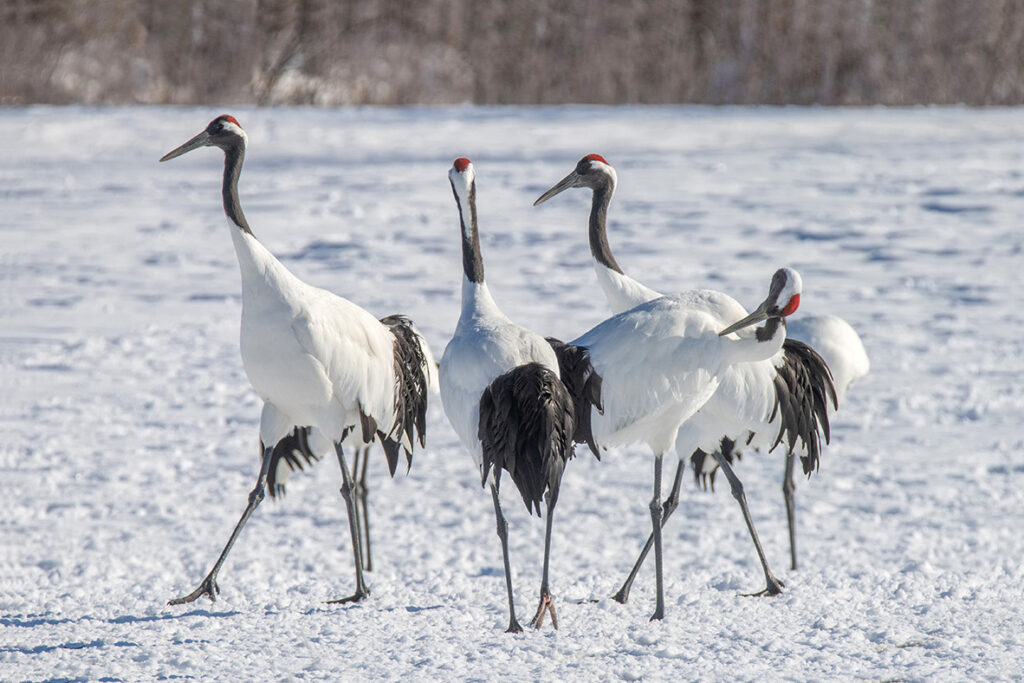
The 1.6-meter (5-ft) tall, red-crowned crane is the heaviest crane in the world, weighing up to 12 kilograms (26 lbs). Males are slightly larger than females.
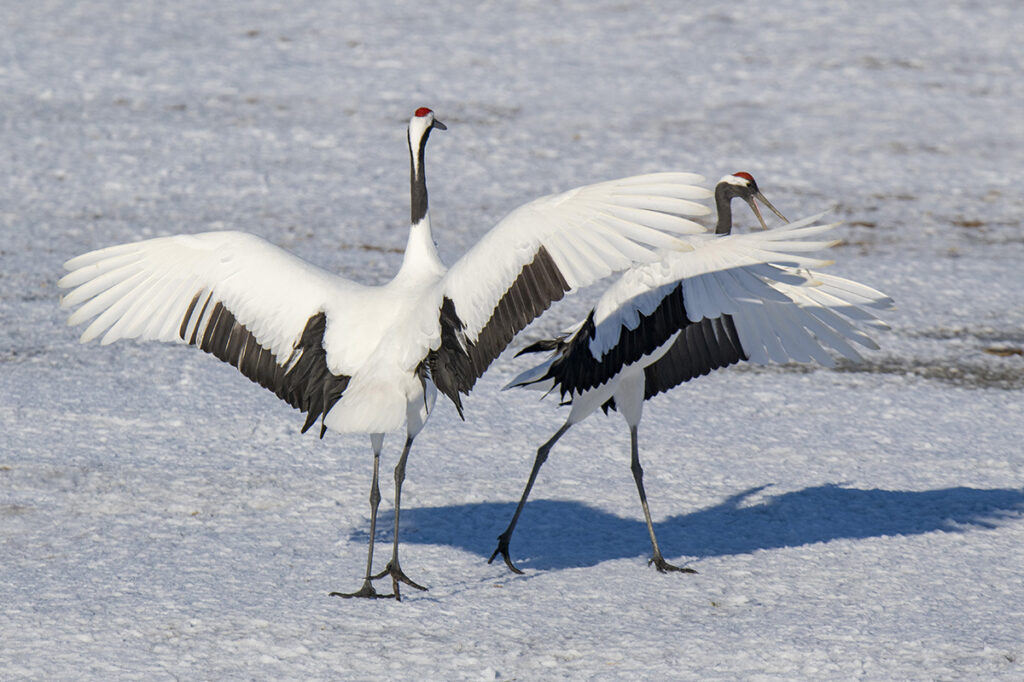
Today, the red-crowned crane is a Japanese national treasure and a symbol of longevity and good fortune. However, the crane wasn’t always revered, as it was hunted to near extinction in the late 1800s and early 1900s. Today, after years of conservation effort, roughly 1,600 cranes are living year-round in Hokkaido, the northernmost of Japan’s four largest islands.
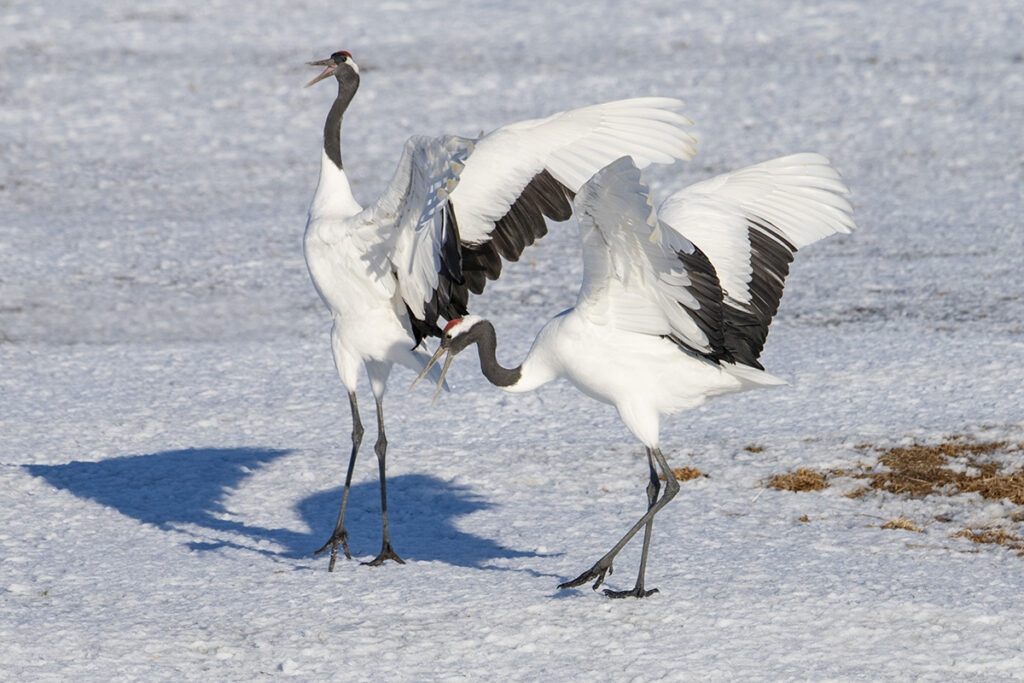
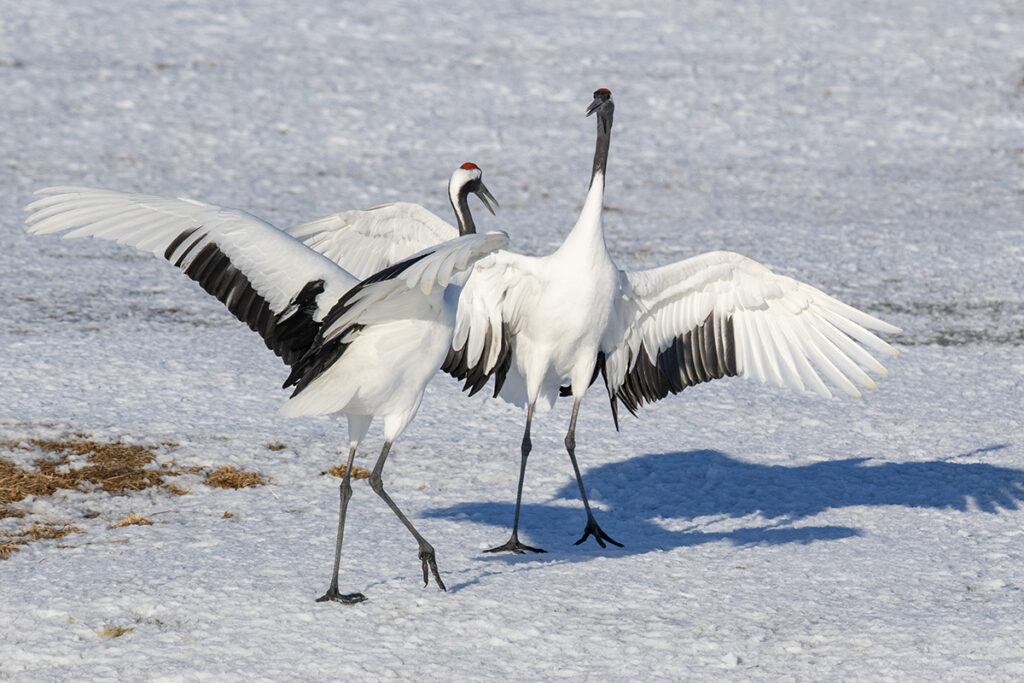
Like all cranes, the red-crowned crane typically forms a lifelong partnership with its mate. Pairs begin to bond when they are two or three years old but usually do not start breeding until they are four or five years old.
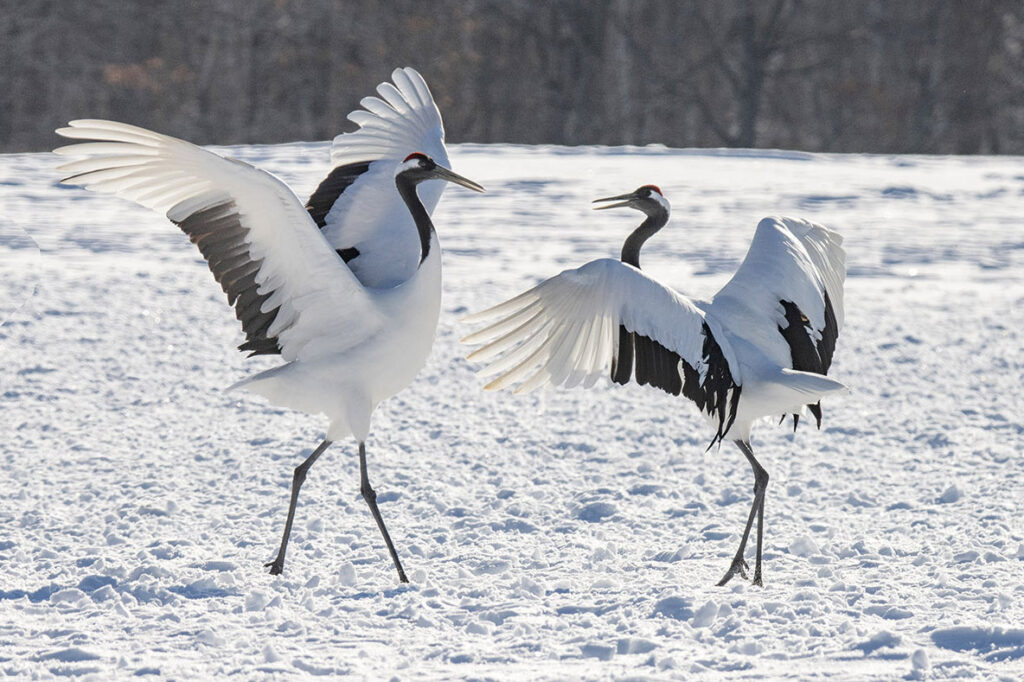
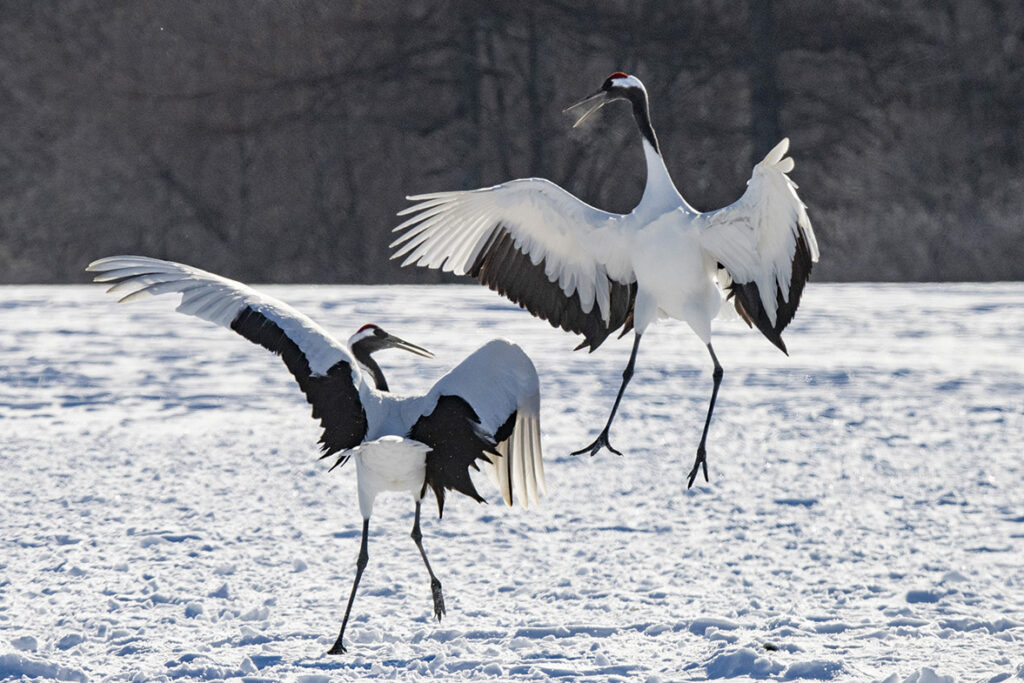
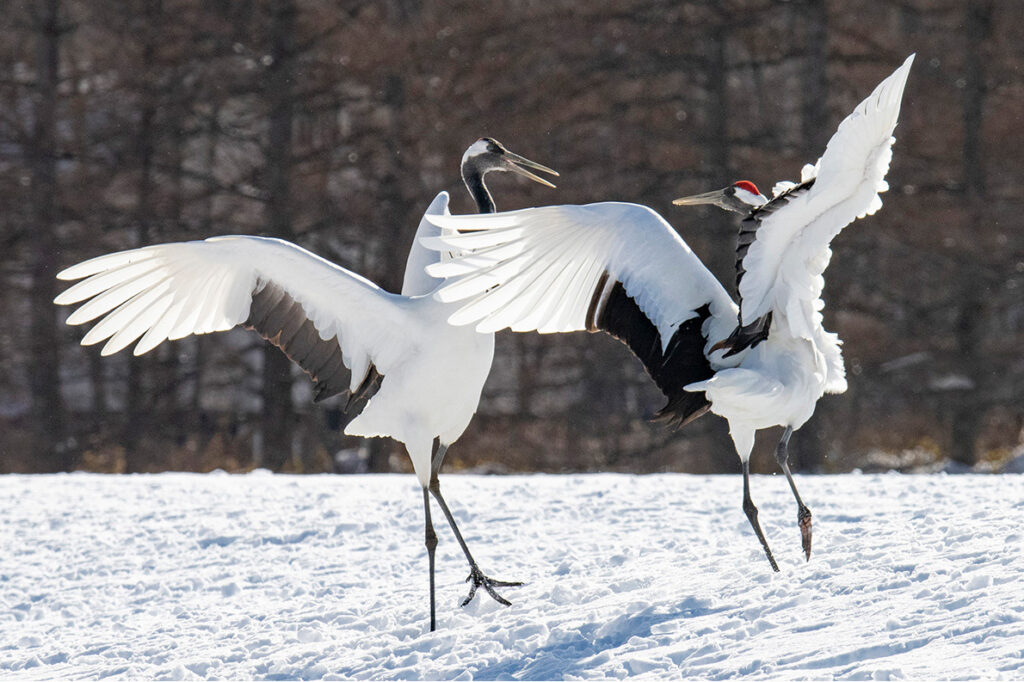
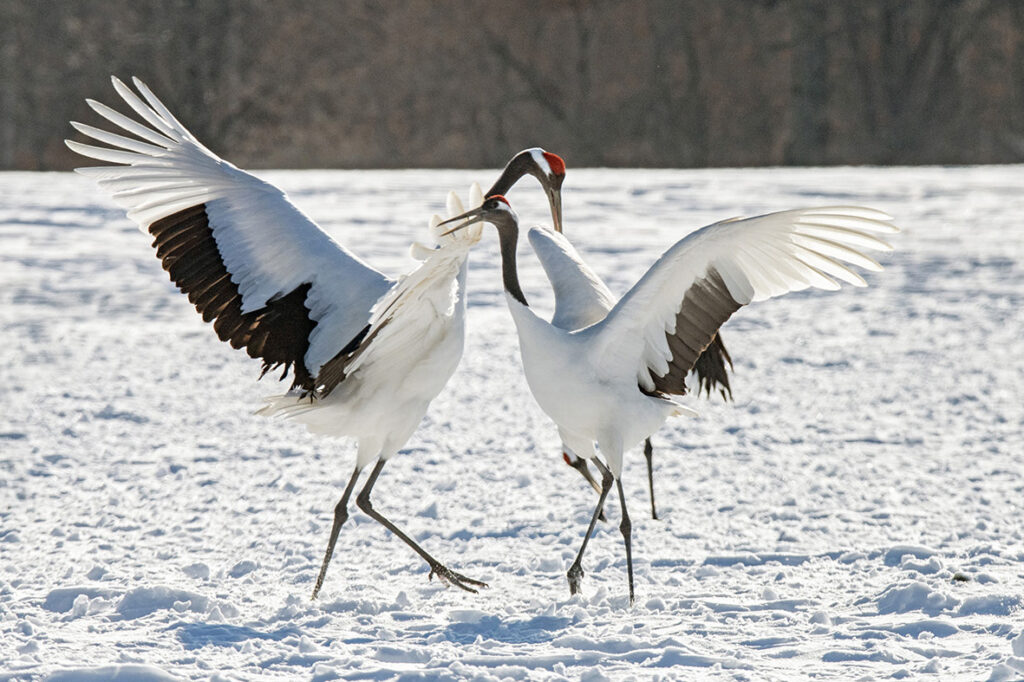
The dancing behaviour in the red-crowned crane is thought to establish and reinforce the pair bond as well as display excitement.
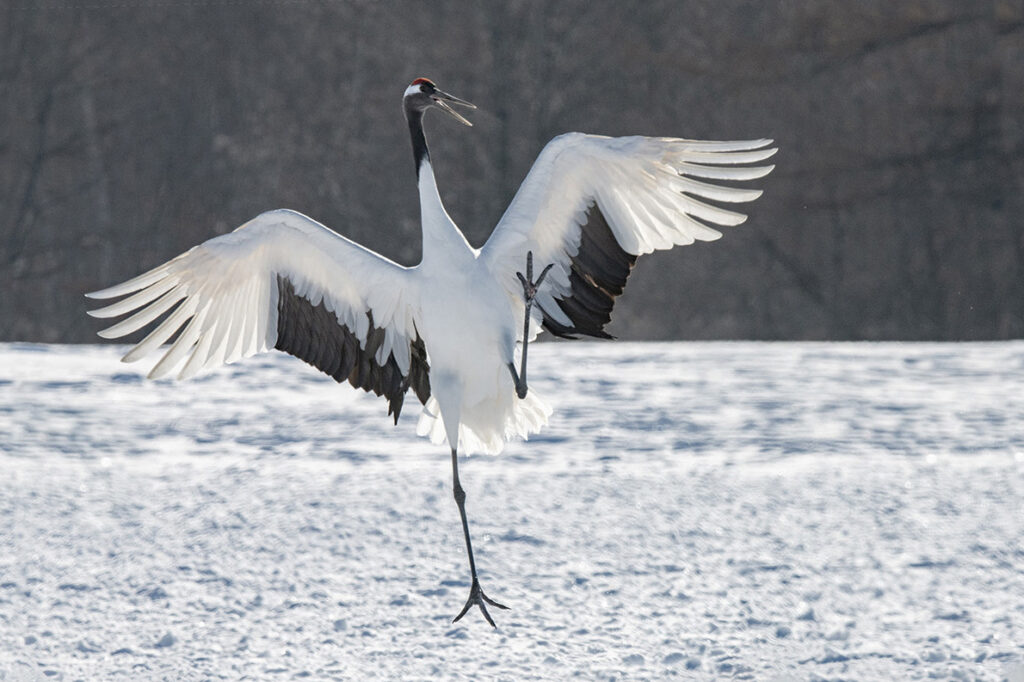
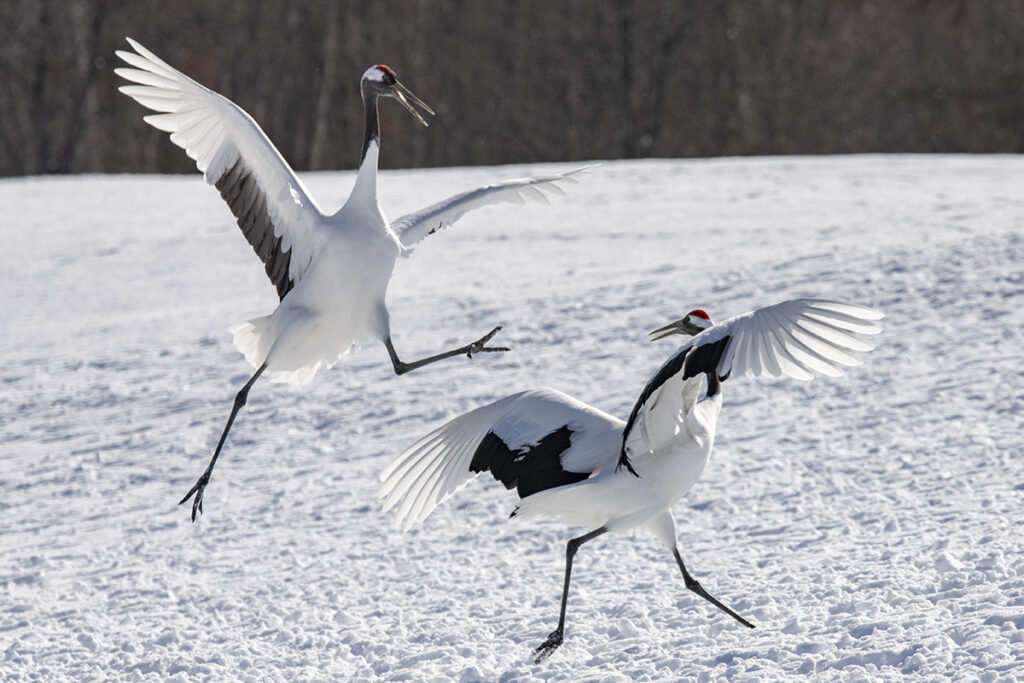
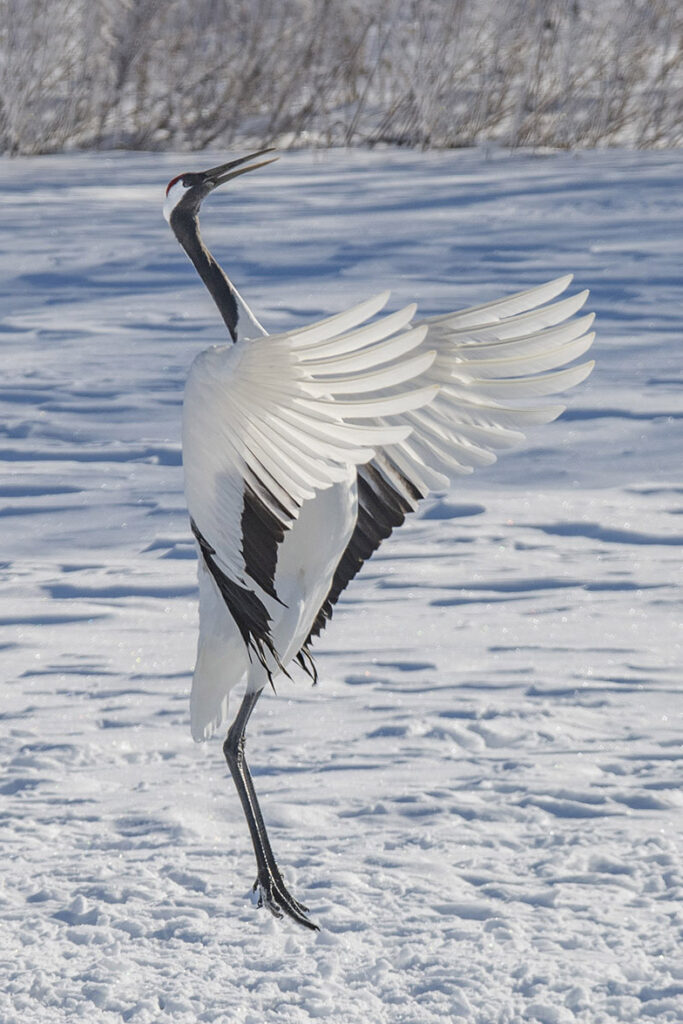
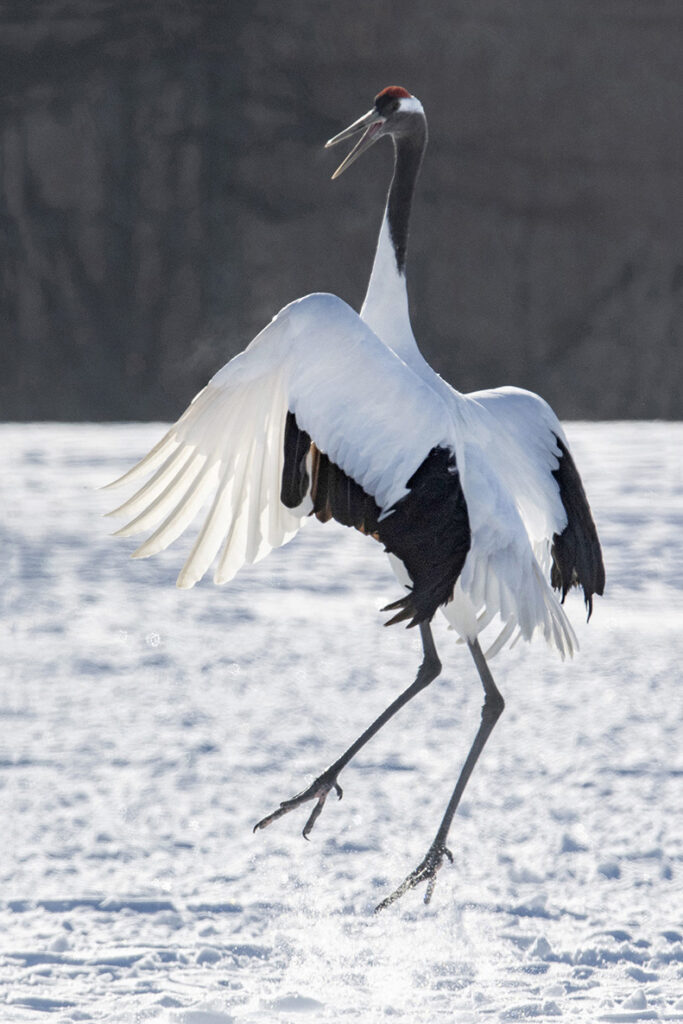
For cranes, the language of love is dance.
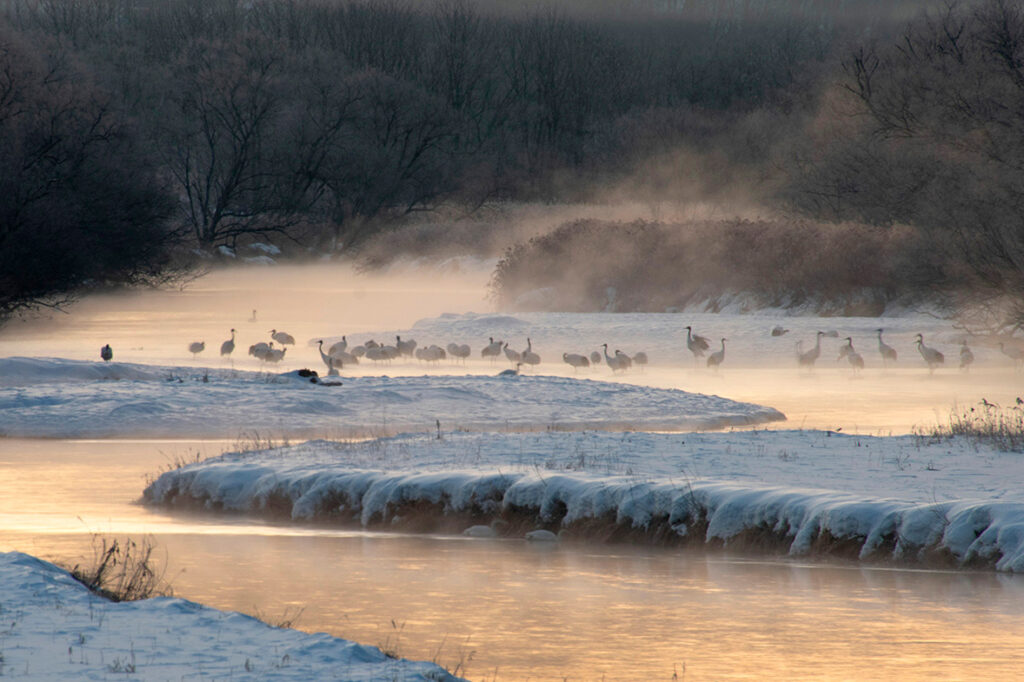
Many cranes spend their nights in the shallows of ice-free rivers as protection against predators. Historically, their principal predator was the wolf, which has been extinct in Japan for over 100 years.
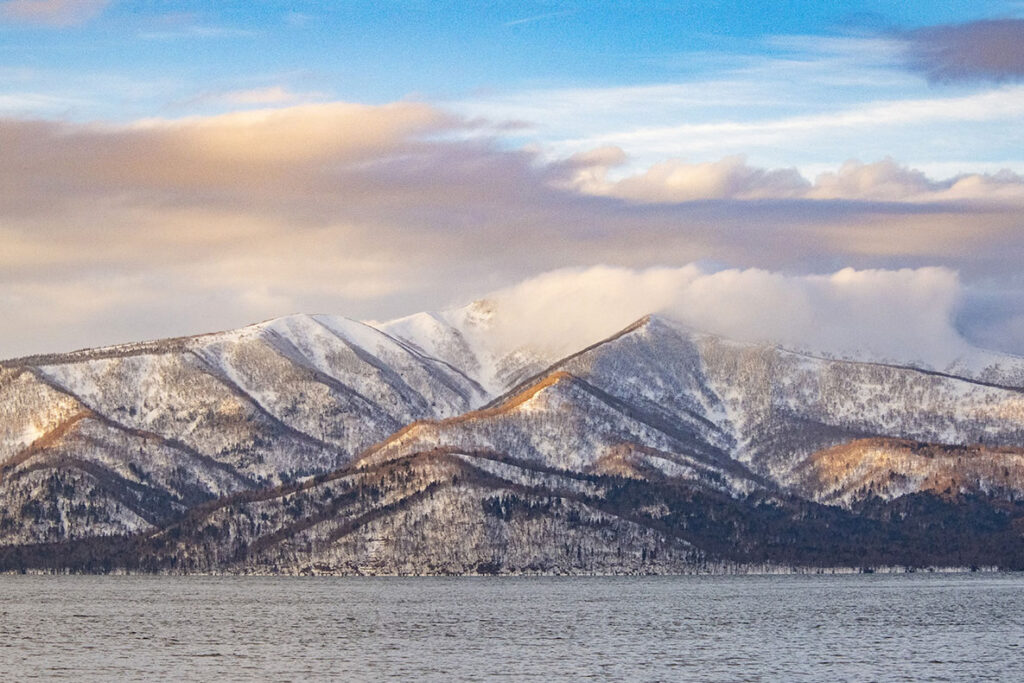
From the wintering areas of the cranes, it is an easy half-day drive to Lake Kussharo in central Hokkaido.
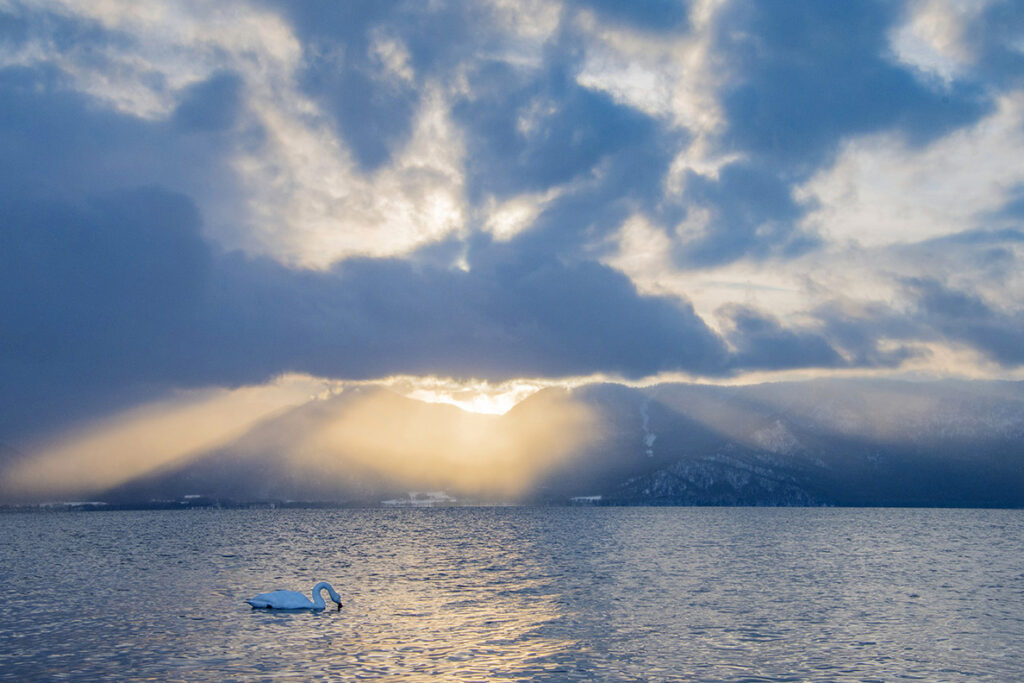
Volcanic hot springs keep Lake Kussharo largely ice-free for much of the winter. As a result, it is a popular wintering area for migratory whooper swans, which fly in from their nesting grounds in the wetlands of boreal Russia.
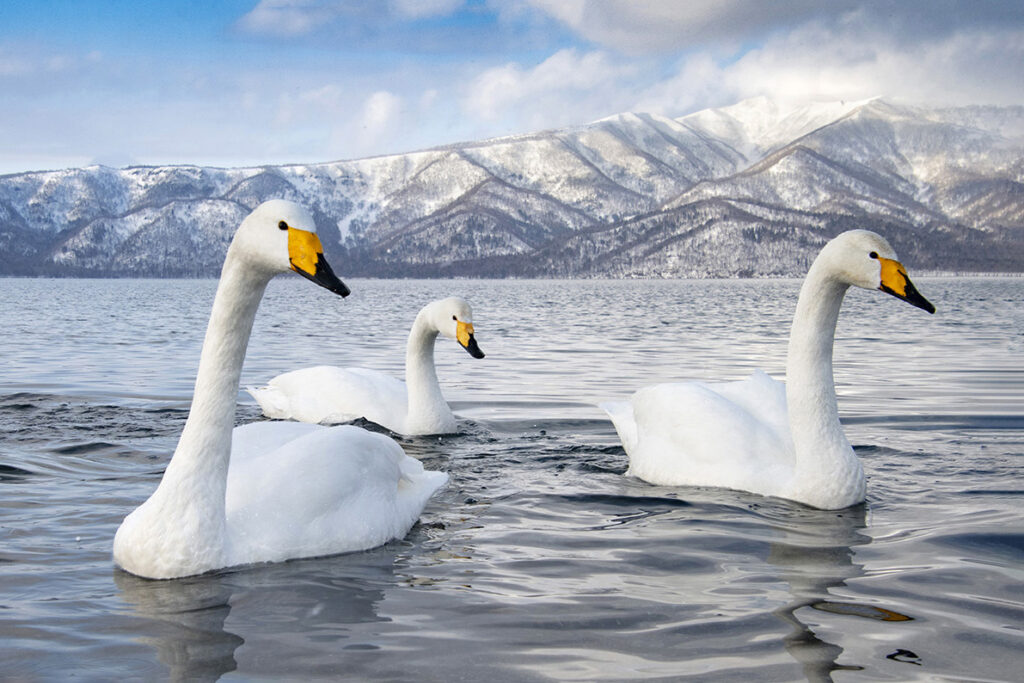
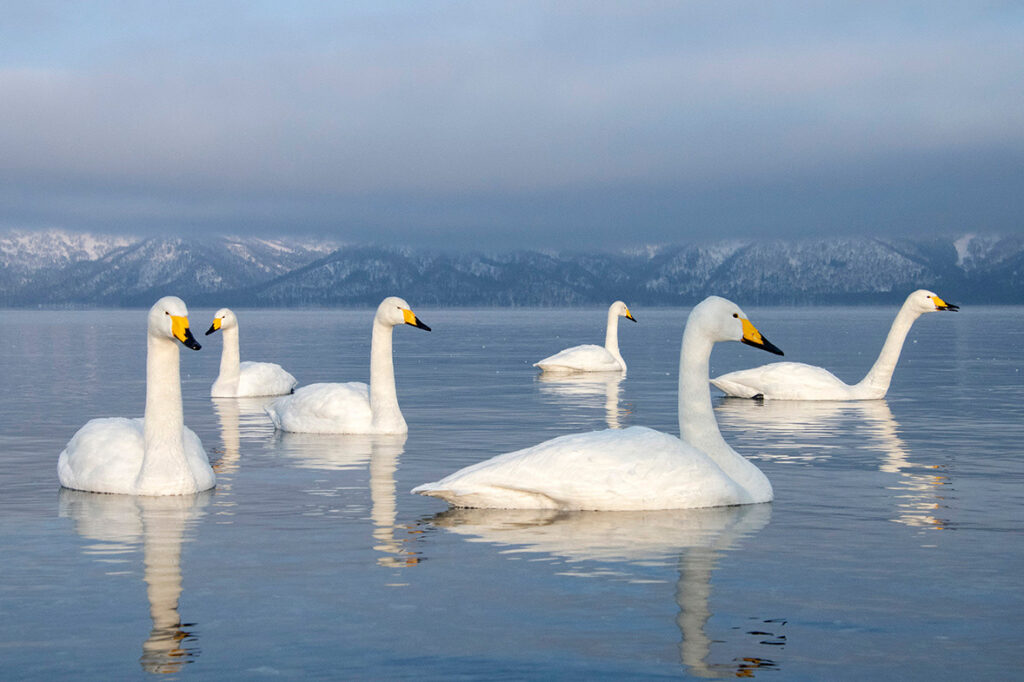
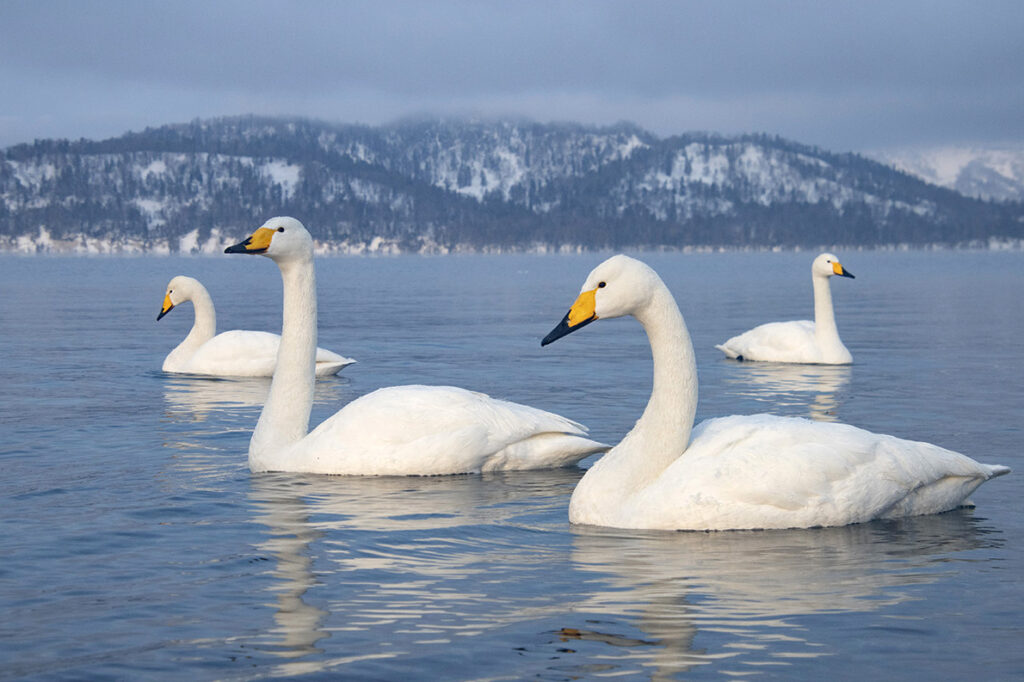
Whooper swans are one of the largest and most beautiful of the world’s six species of swans.
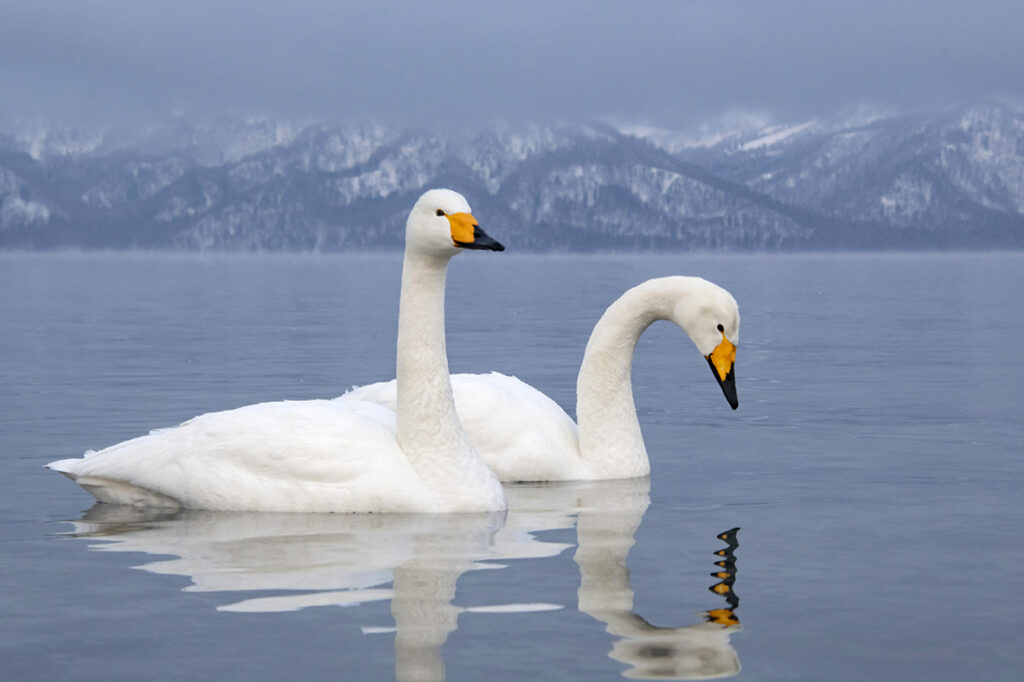
Male swans, called cobs, can weigh up to 15 kilograms (33 lbs), making them among the heaviest of flying birds.
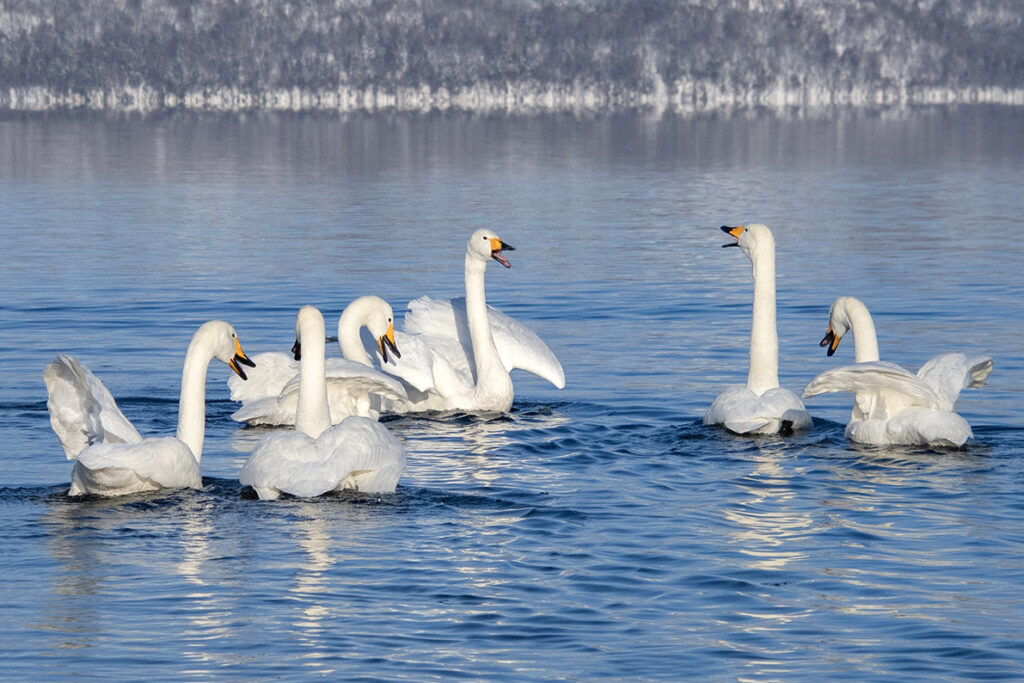
Like all swans, whoopers pair for life. In the photograph, three different pairs are vociferously asserting their mating status.
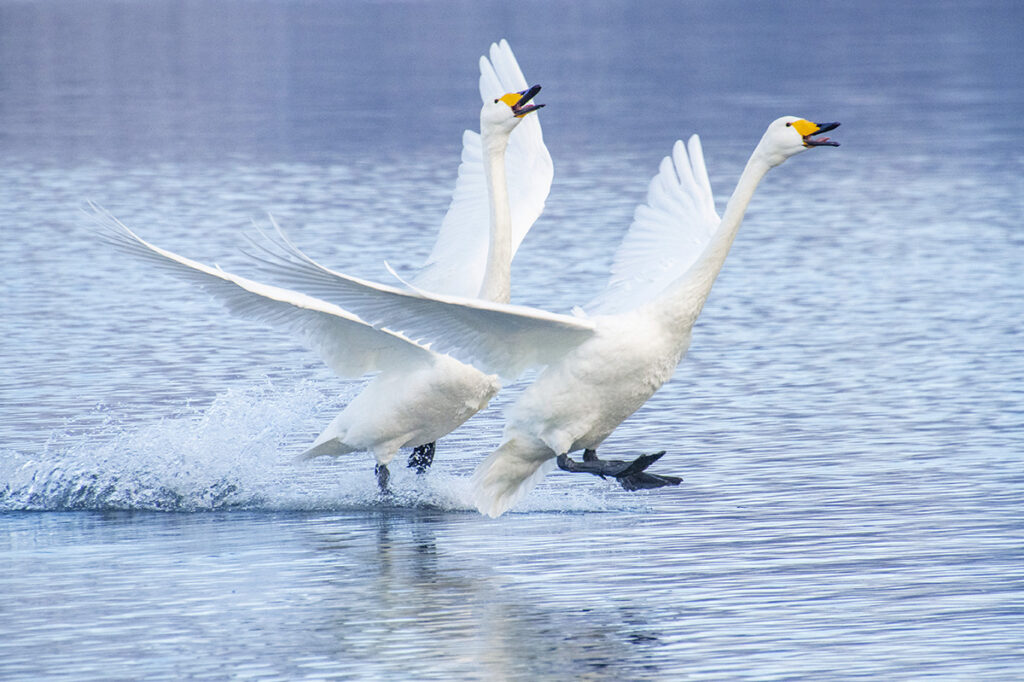
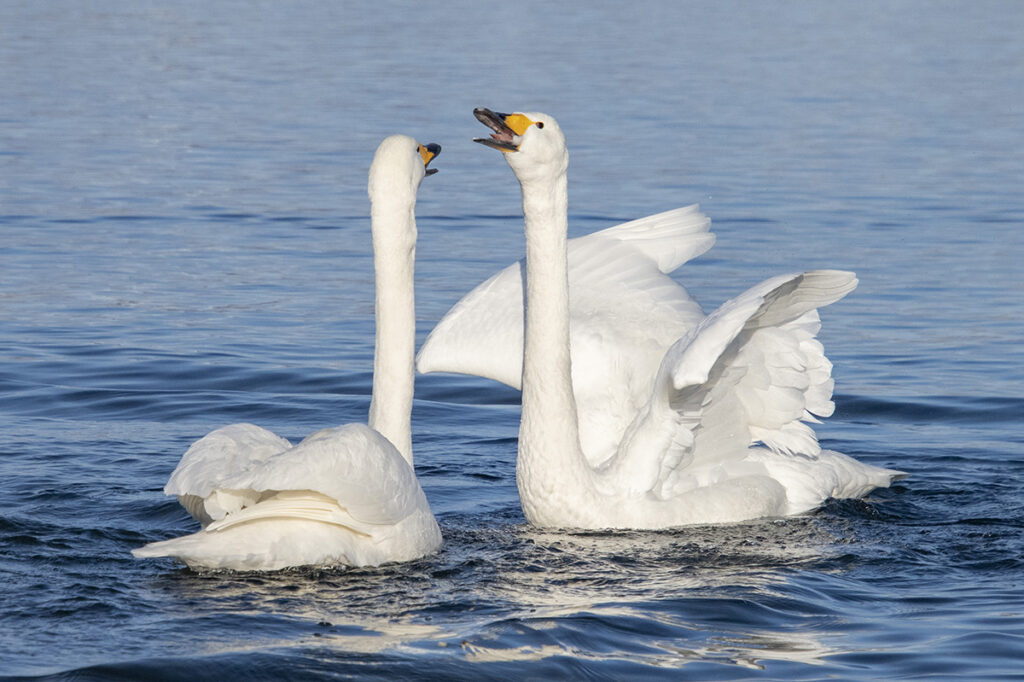
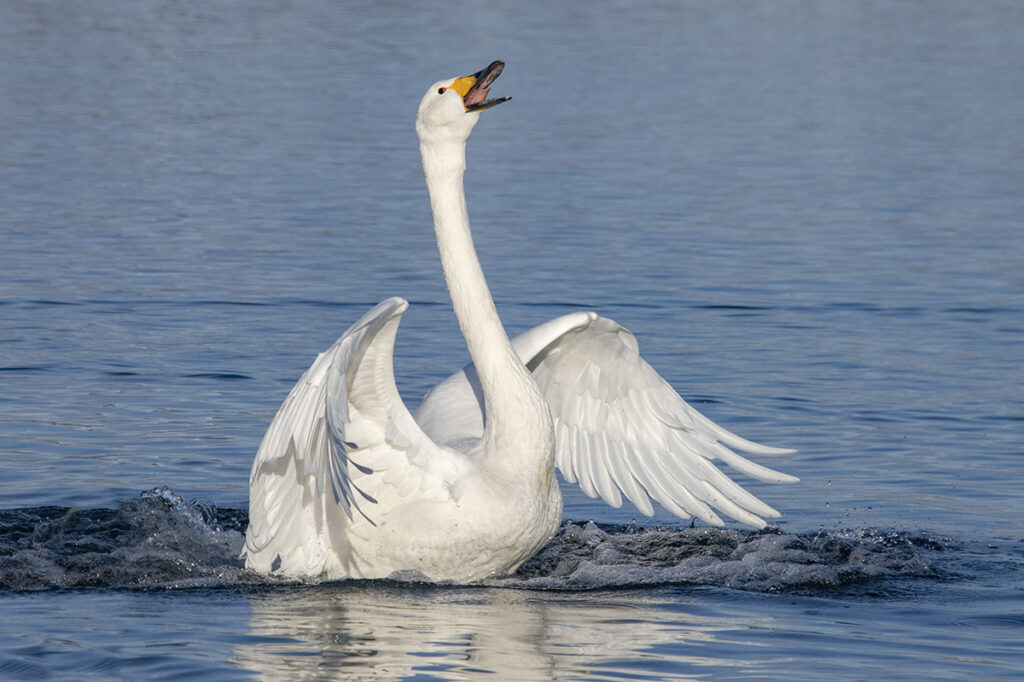
Adult swans vocalize when defending their territories and to maintain contact with their partners.
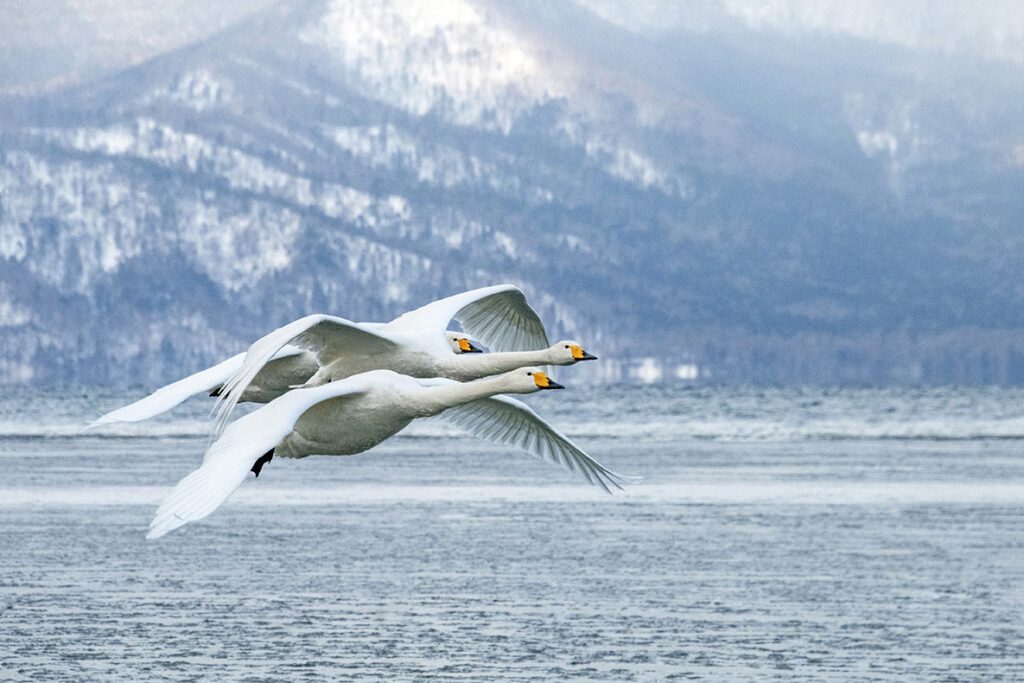
During autumn migration, a whooper swan can fly from its boreal nesting grounds in Russia to Hokkaido in Japan in a single flight lasting 24 hours.
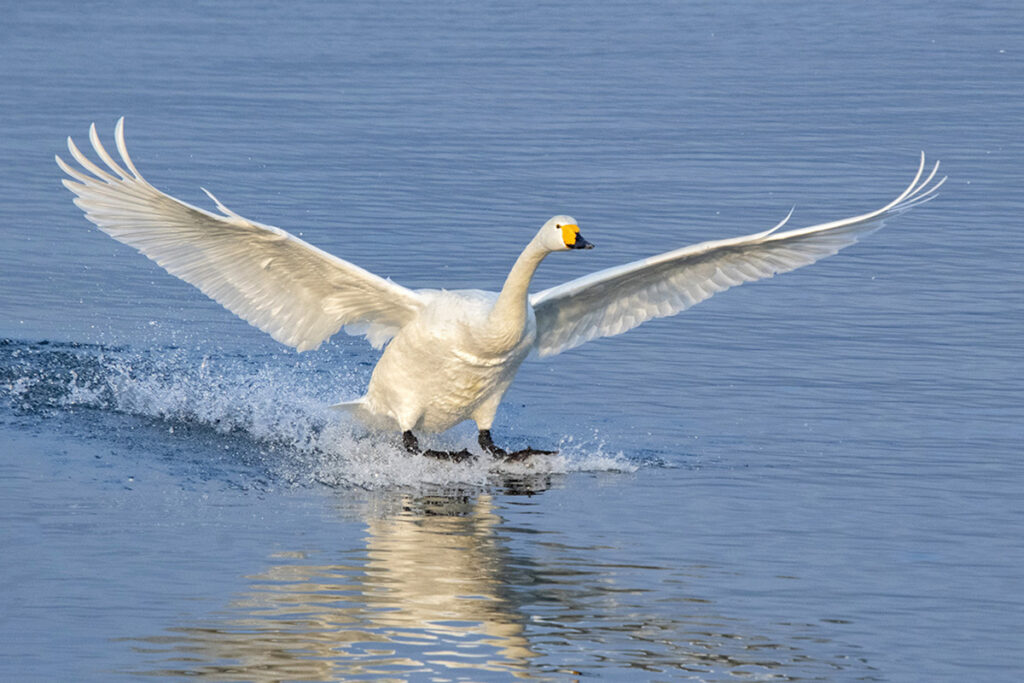
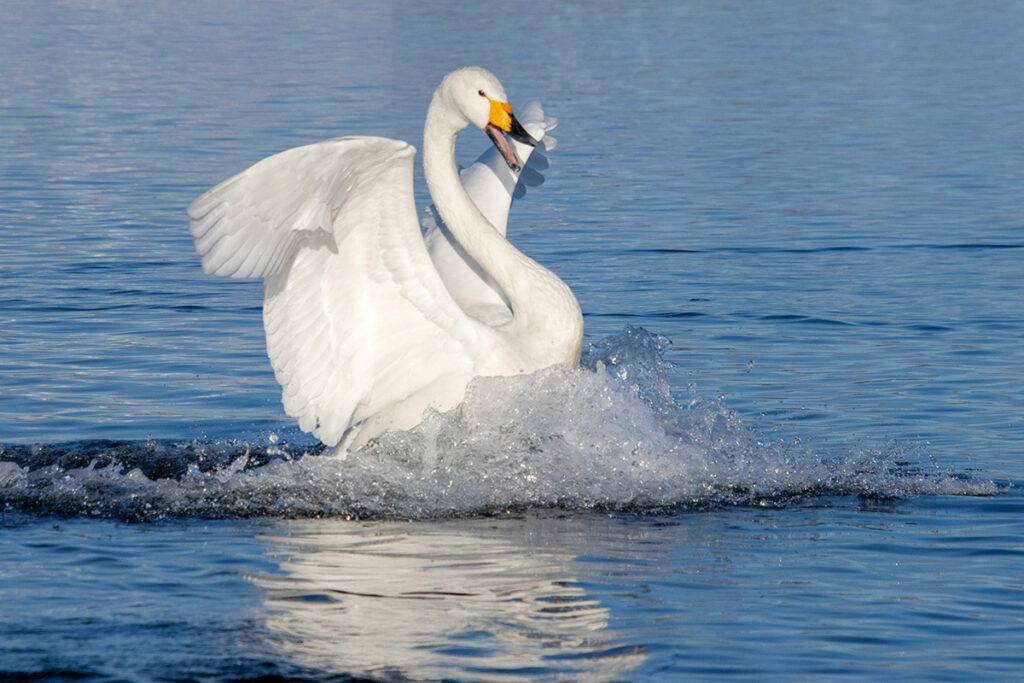
The whooper swan uses its large, webbed feet like the pontoons on a float plane to slow its speed when it is landing.
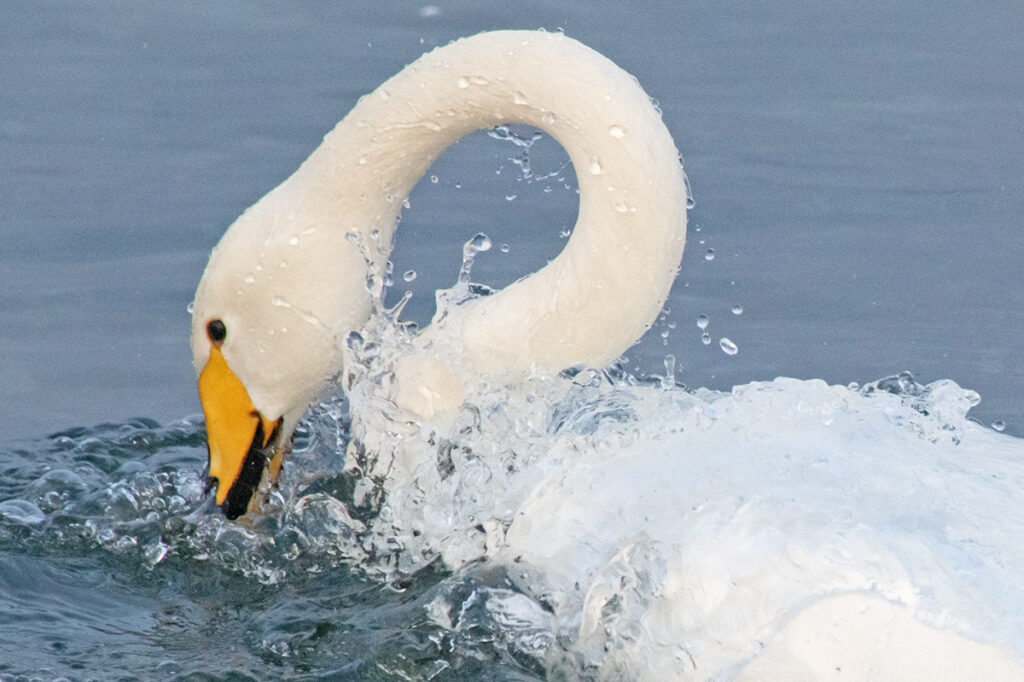
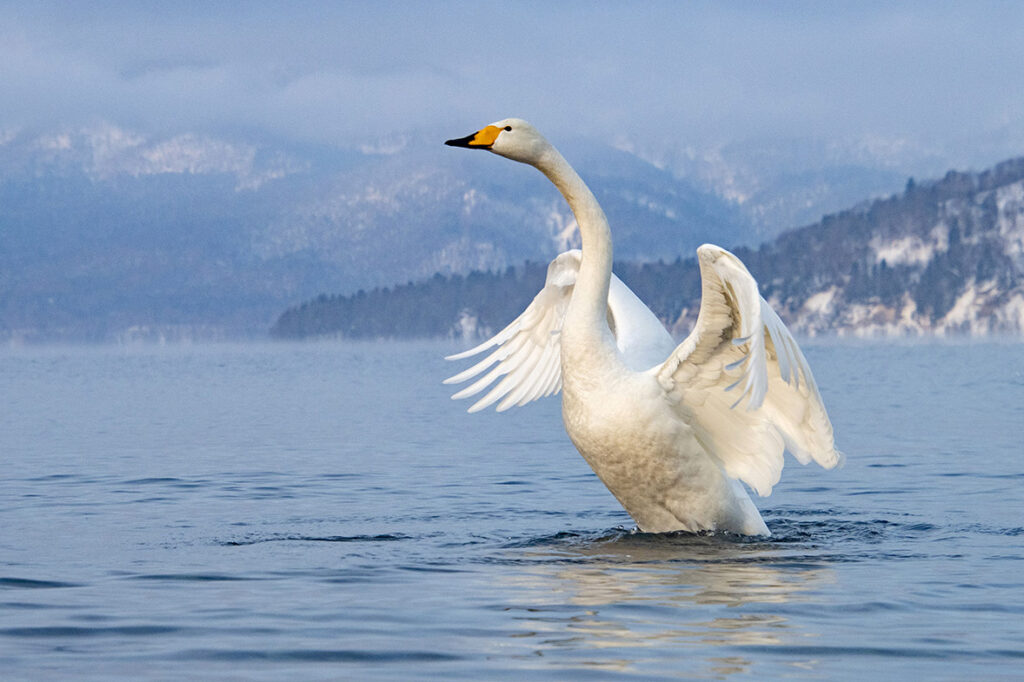
After a preening session, a swan will vigorously flap its wings to rearrange its plumage.
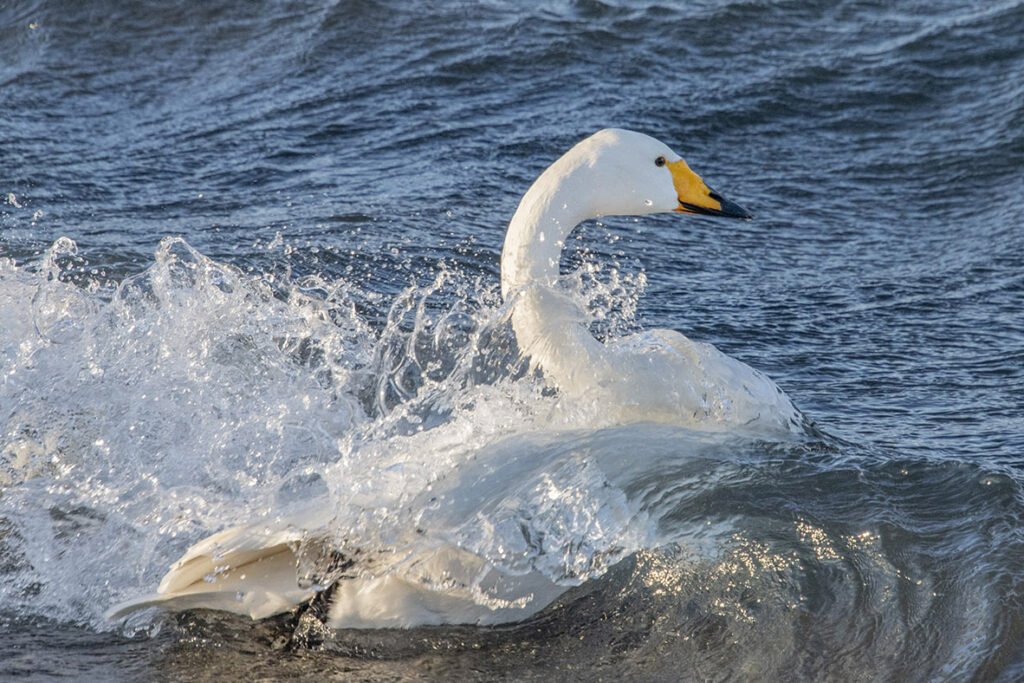
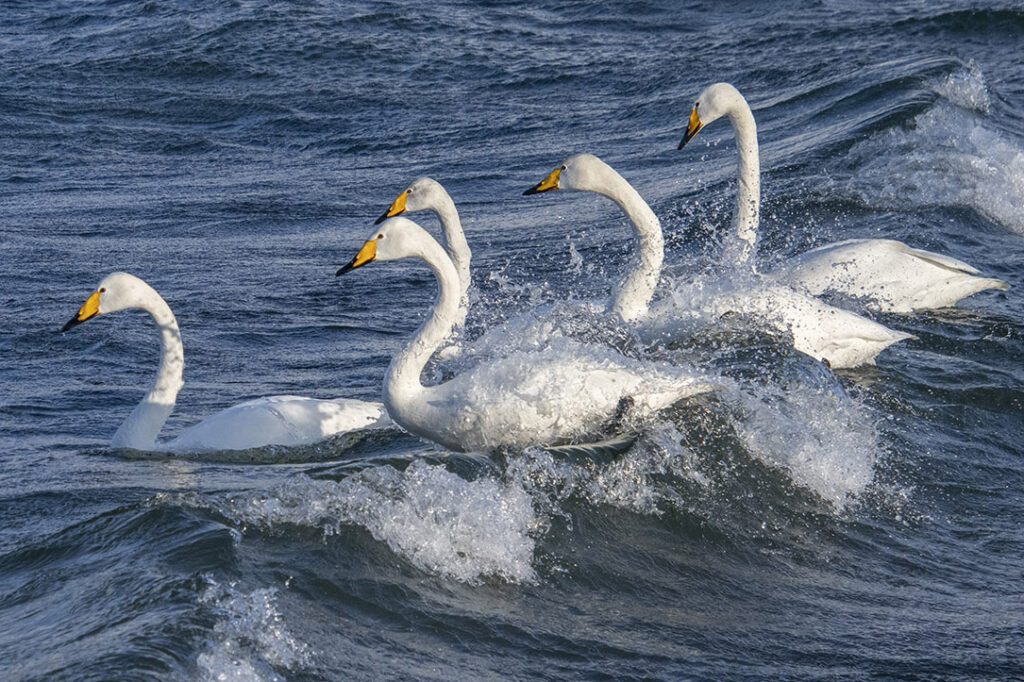
One morning, when a strong north wind swept over Lake Kussharo it generated large waves which the swans had to swim through when they left the shore after preening or loafing.
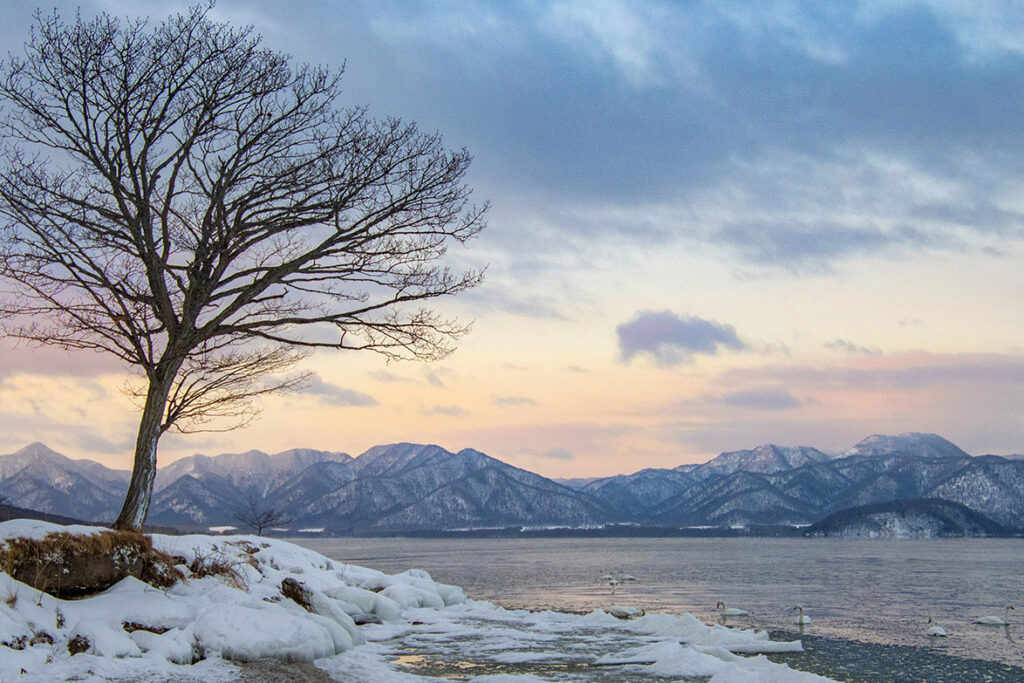
On especially cold nights, the edges of the lake froze and were covered with a thin skim of ice.
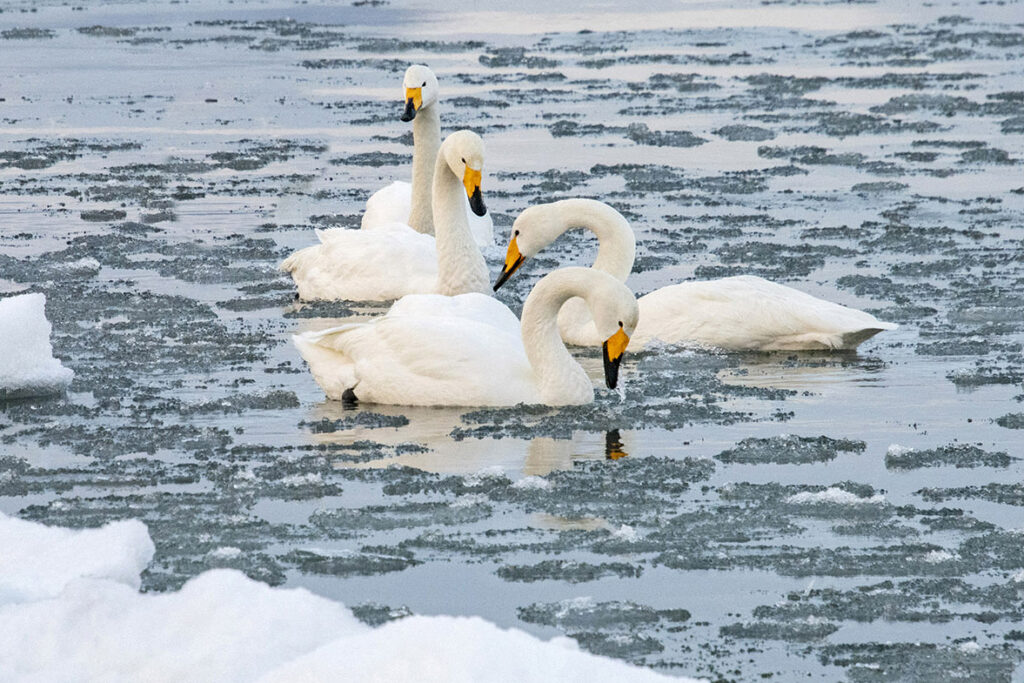
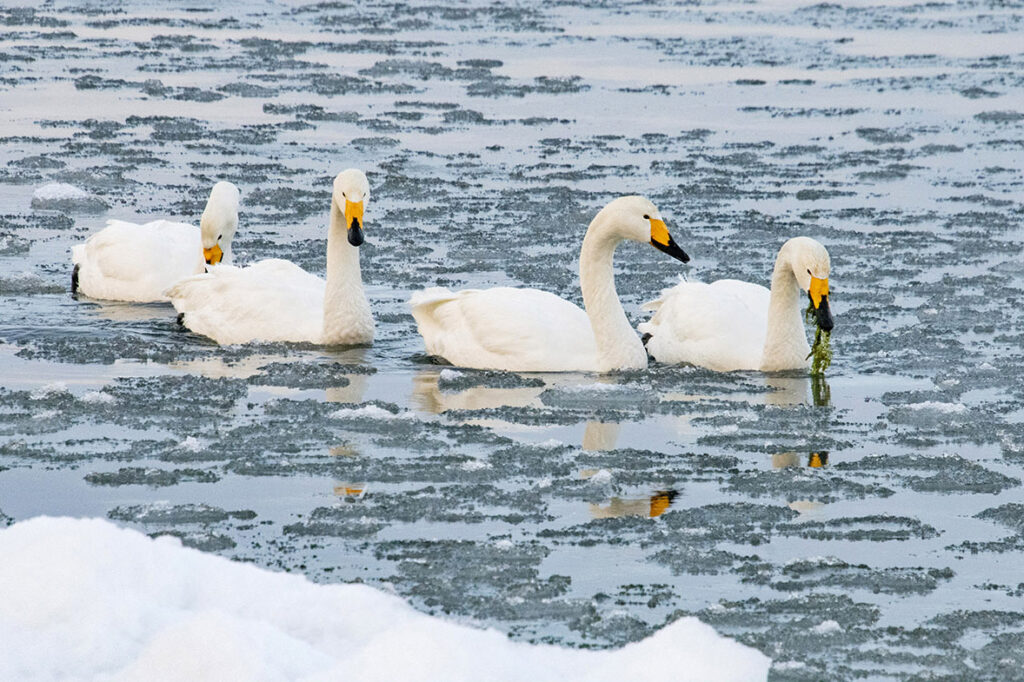
All swans are vegetarians. They can’t dive and must feed on the aquatic plants that grow in the shallow water along the shoreline, and only on those plants that they can reach by stretching their neck underwater.
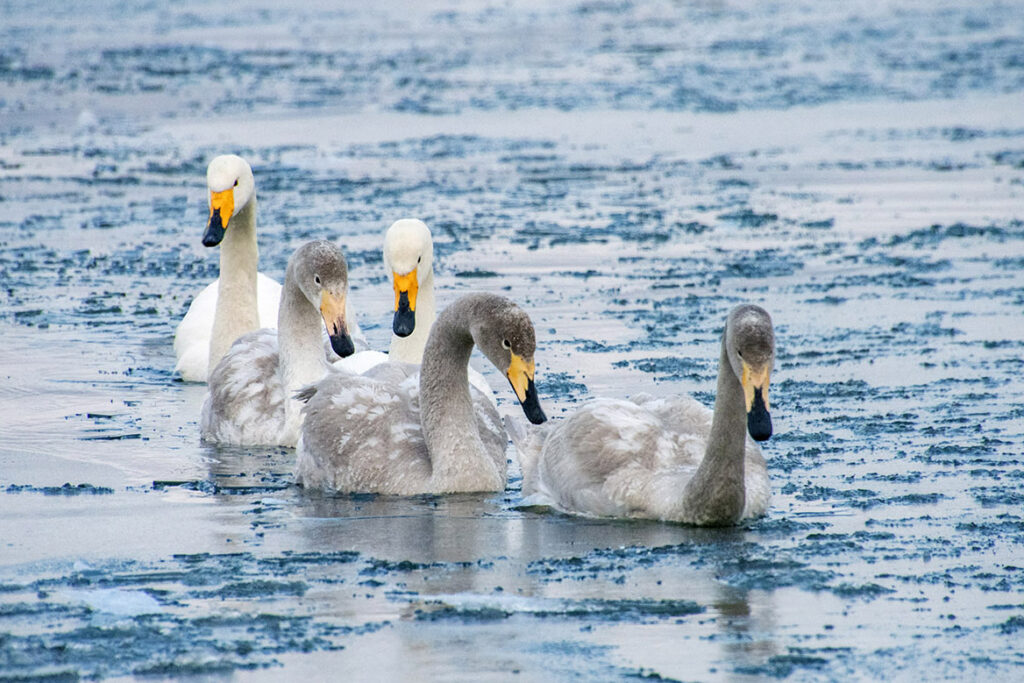
A whooper swan will usually lay 4 to 6 eggs. The three grey birds in the photograph are young birds, called cygnets, which hatched the previous summer and migrated with their parents. The family separates in spring at the start of the nesting season.
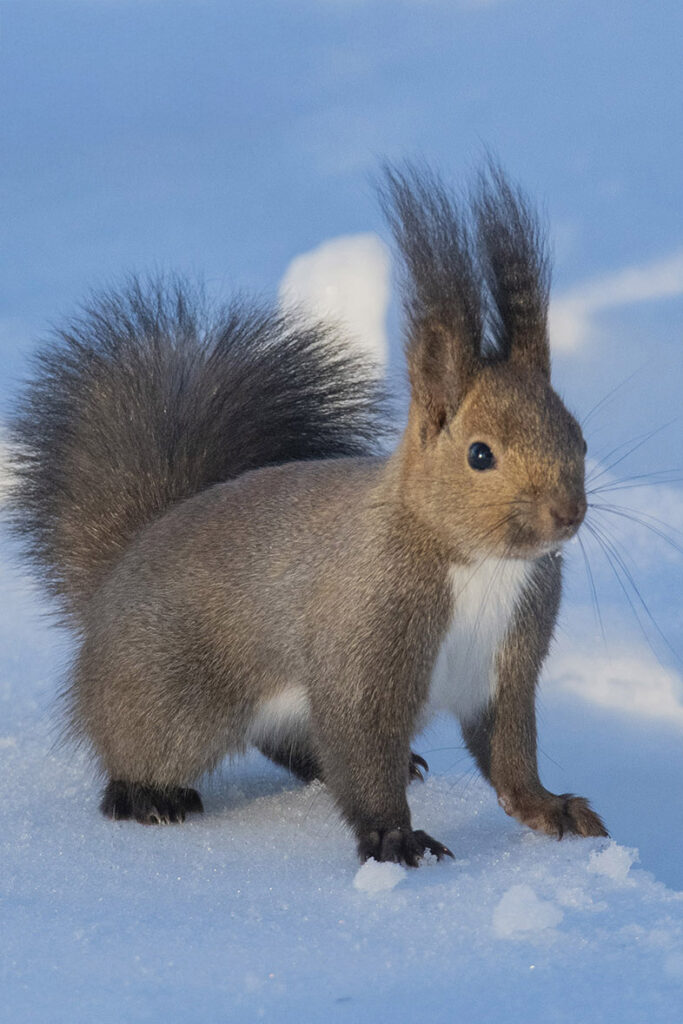
I added this photograph simply because it is the cutest squirrel I have ever seen. It’s a colour variation of the Eurasian red squirrel that I found on Hokkaido.
About the Author – Dr. Wayne Lynch

For more than 40 years, Dr. Wayne Lynch has been writing about and photographing the wildlands of the world from the stark beauty of the Arctic and Antarctic to the lush rainforests of the tropics. Today, he is one of Canada’s best-known and most widely published nature writers and wildlife photographers. His photo credits include hundreds of magazine covers, thousands of calendar shots, and tens of thousands of images published in over 80 countries. He is also the author/photographer of more than 45 books for children as well as over 20 highly acclaimed natural history books for adults including Windswept: A Passionate View of the Prairie Grasslands; Penguins of the World; Bears: Monarchs of the Northern Wilderness; A is for Arctic: Natural Wonders of a Polar World; Wild Birds Across the Prairies; Planet Arctic: Life at the Top of the World; The Great Northern Kingdom: Life in the Boreal Forest; Owls of the United States and Canada: A Complete Guide to their Biology and Behavior; Penguins: The World’s Coolest Birds; Galapagos: A Traveler’s Introduction; A Celebration of Prairie Birds; and Bears of the North: A Year Inside Their Worlds. In 2022, he released Wildlife of the Rockies for Kids, and Loons: Treasured Symbols of the North. His books have won multiple awards and have been described as “a magical combination of words and images.”
Dr. Lynch has observed and photographed wildlife in over 70 countries and is a Fellow of the internationally recognized Explorers Club, headquartered in New York City. A Fellow is someone who has actively participated in exploration or has substantially enlarged the scope of human knowledge through scientific achievements and published reports, books, and articles. In 1997, Dr. Lynch was elected as a Fellow to the Arctic Institute of North America in recognition of his contributions to the knowledge of polar and subpolar regions. And since 1996 his biography has been included in Canada’s Who’s Who.



once again Dr Lynch has presented an excellent set of photos and an equally great information concerning the swans & cranes found in Japan. I thoroughly enjoyed the whole article.
Thanks Marlyn. Your kind words are always appreciated.
Love to hear about your travels, and see your wonderful photos. I enjoy any pictures in nature. Thanks for sharing.