



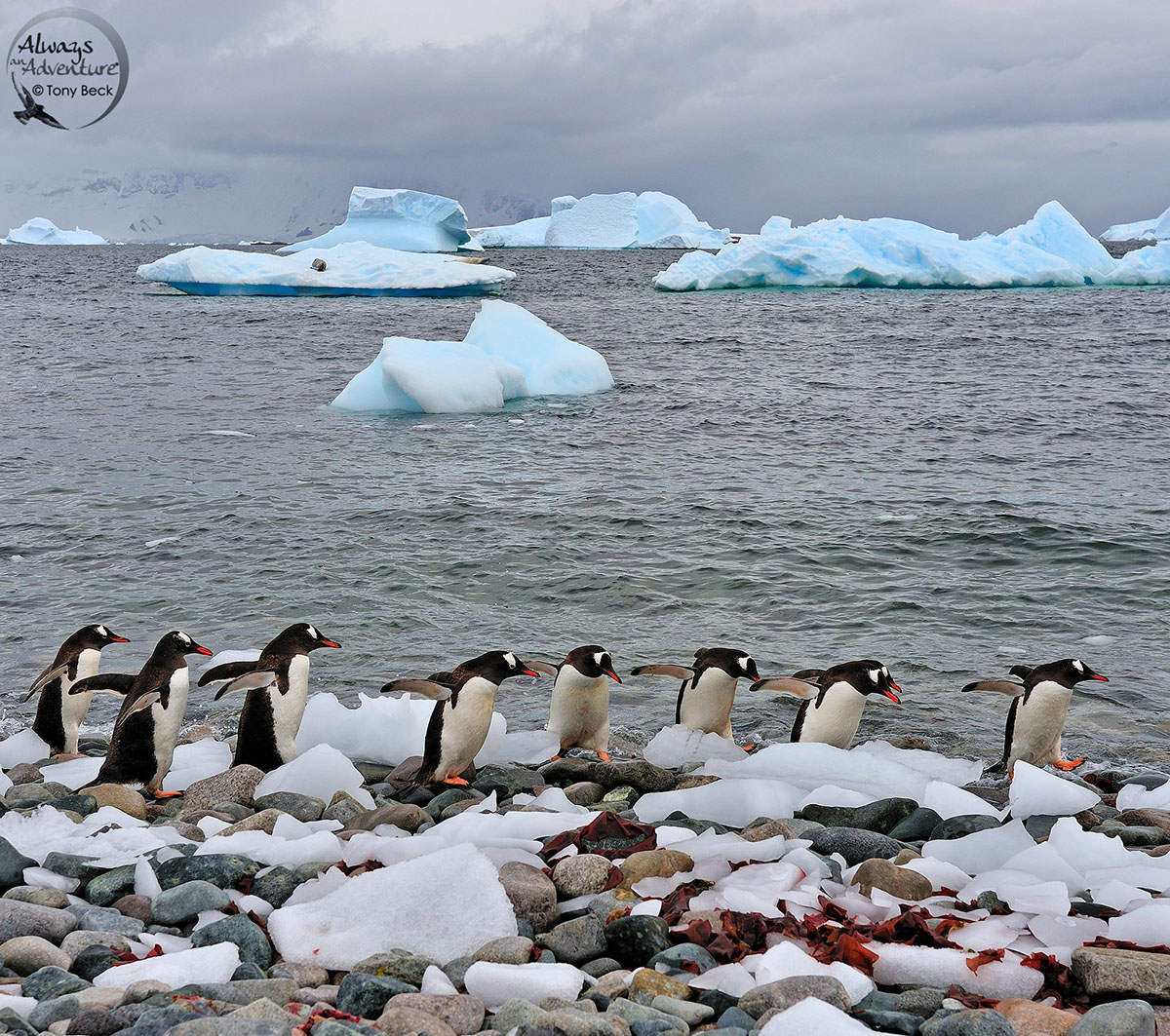
50mm is considered a “normal” lens. When looking through the viewfinder, your subject’s size appears similar to the view with an unaided eye. Anything with a larger focal length is a telephoto lens. If it’s smaller than 50mm, it’s a wide-angle lens. A 50mm lens was used to capture these Gentoo Penguins as they marched across the Antarctic shoreline.
Creative artists have something in common. They view the world with a unique perspective. Photographers easily alter their perspective by simply changing lenses. Although most of my work involves telephoto lenses, I frequently enjoy playing with super wide angles. Regardless of subject, wide-angle lenses tend to stretch visual information, subsequently distorting any subject closest to the photographer. The exaggerated view can include much detail while providing clear, candid, or comical effects.
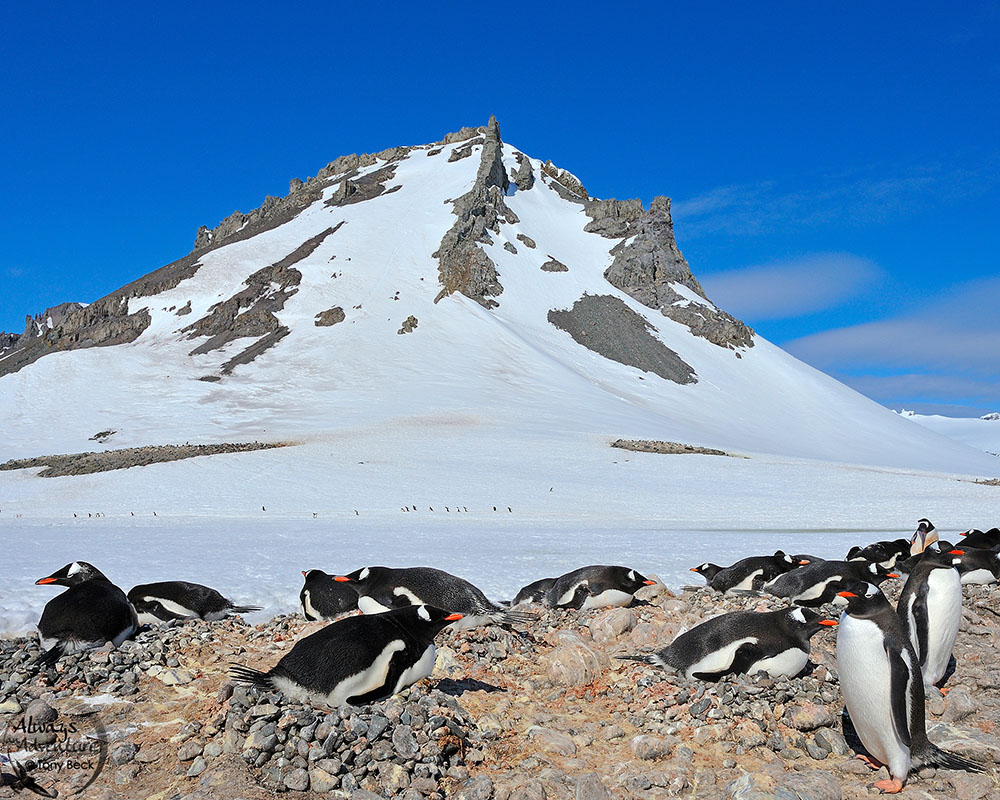
Focal lengths of 24mm or less are considered super wide angles. These lenses make it easy to achieve an extensive depth of field. This scene allowed me to place the camera about a metre away from a Gentoo Penguin colony. By increasing aperture and focusing about a third of the way into the frame behind the penguins, I was able to keep everything clear all the way to infinity.
I sometimes need a break from shooting with telephotos. Wide angles provide a refreshing diversion. They force me to explore my surroundings with a different mindset. The results frequently satisfy my creative endeavours.
Unlike telephotos, it’s easy to achieve a substantial depth-of-field, even with fairly open apertures. However, this aspect falls apart when you focus on subjects close to the lens.
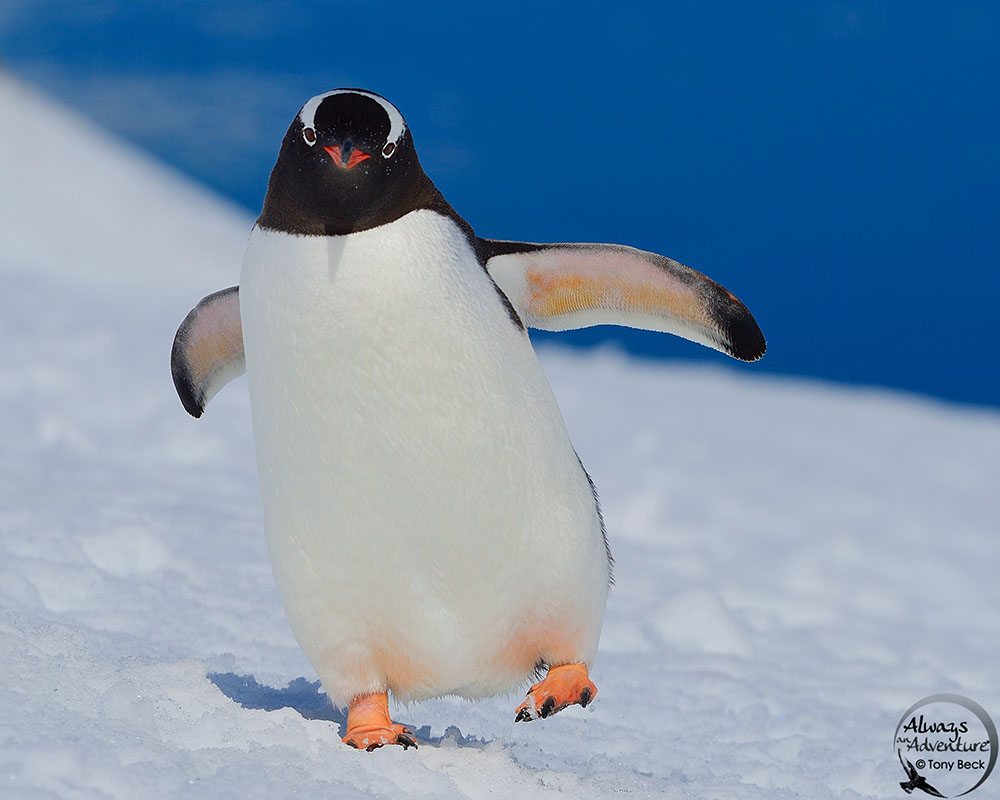
Telephoto lenses make it almost impossible for distant backgrounds to become sharp. The background behind this Gentoo Penguin remains blurry, even with a short telephoto of 300mm.
One of the best ways to maximize depth of field (DOF) is to set the lens to the hyperfocal distance. This focusing method varies considerably depending mainly on the aperture setting, focal length, and distance from the subject. It was easier to figure out with old analog lenses that show DOF range as markings on the lens barrel. Many SLRs and DSLRs also have a DOF preview button. Some photographers use charts and apps to help figure out ideal focus settings. However, during field work, I usually move quickly. If I need a lot of clarity throughout the frame, I’ll preset my aperture to f8, f11, or even smaller. Then I’ll focus approximately one-third into the frame while keeping the lens’s infinity icon within the selected focus range. The smaller the aperture, the greater the range. Since wide angles are less susceptible to camera shake, the shutter speed doesn’t need to be as fast as when working with telephoto lenses. As long as I don’t have any fast action in the scene, I won’t hesitate to set apertures of f16 with shutter speeds at 1/250th or so.
Practical and versatile, super wide-angle lenses offer endless opportunities for capturing unique images. They’re a wonderful tool for unleashing your creativity.
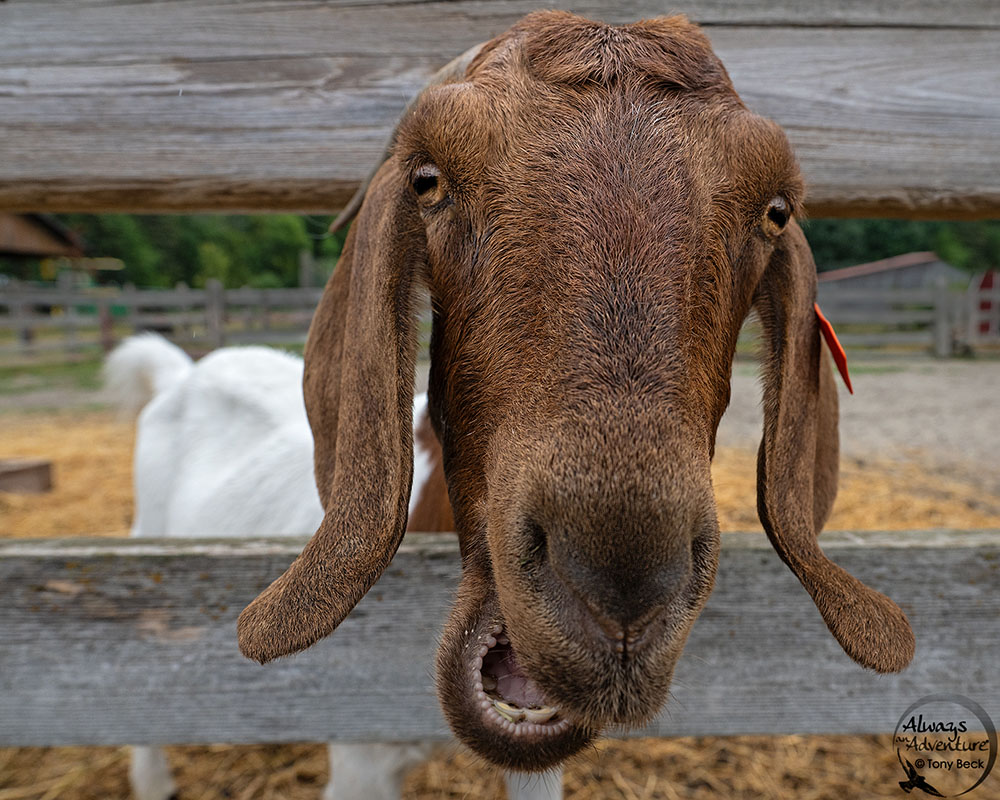
Easily approached domestic animals, like this farmyard goat, make ideal subjects for wider angles. Capturing distorted comical portraits is easy with subjects closest to your camera.
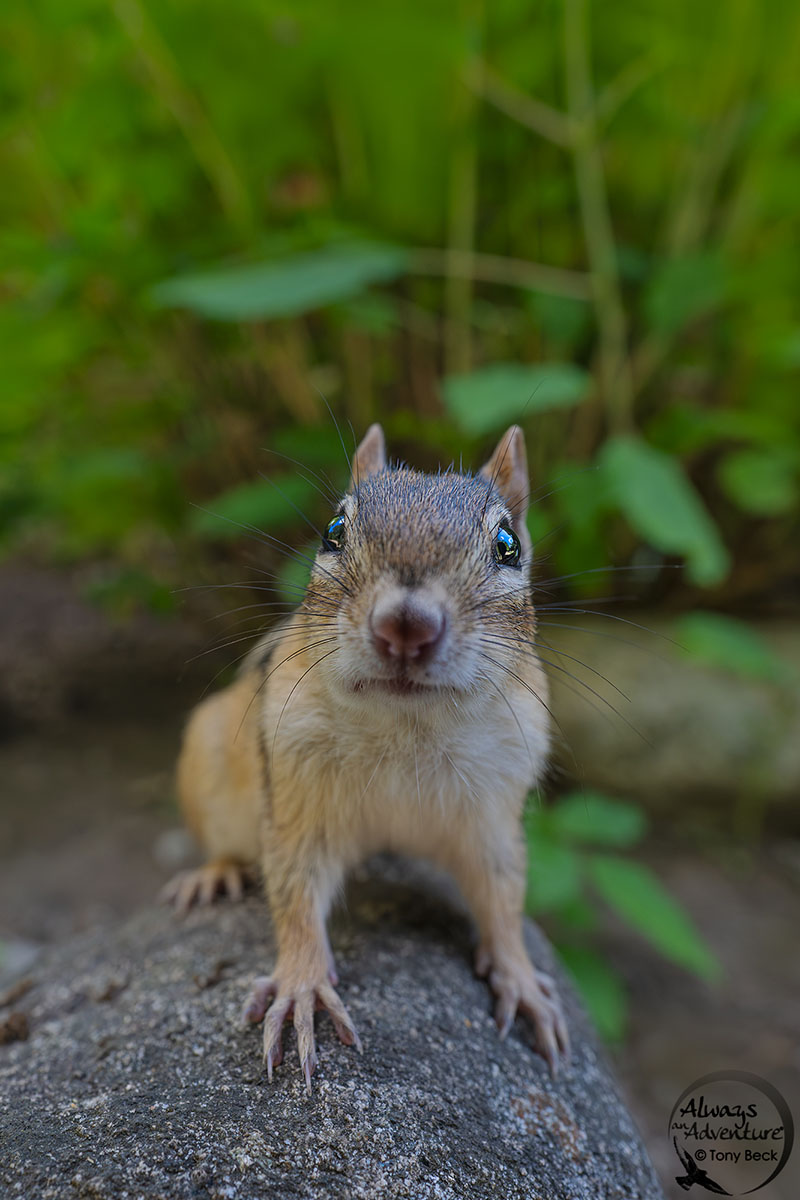
When focused close to a wide-angle lens, the main subject will appear front-heavy. Also, like all lenses, the closer the focus with wide-angle lenses, the shallower the depth of field. I focused on the Eastern Chipmunk’s eyes at only a few inches away from the lens. Don’t expect a wide-angle lens to offer extensive depth when focusing on excessively close subjects.
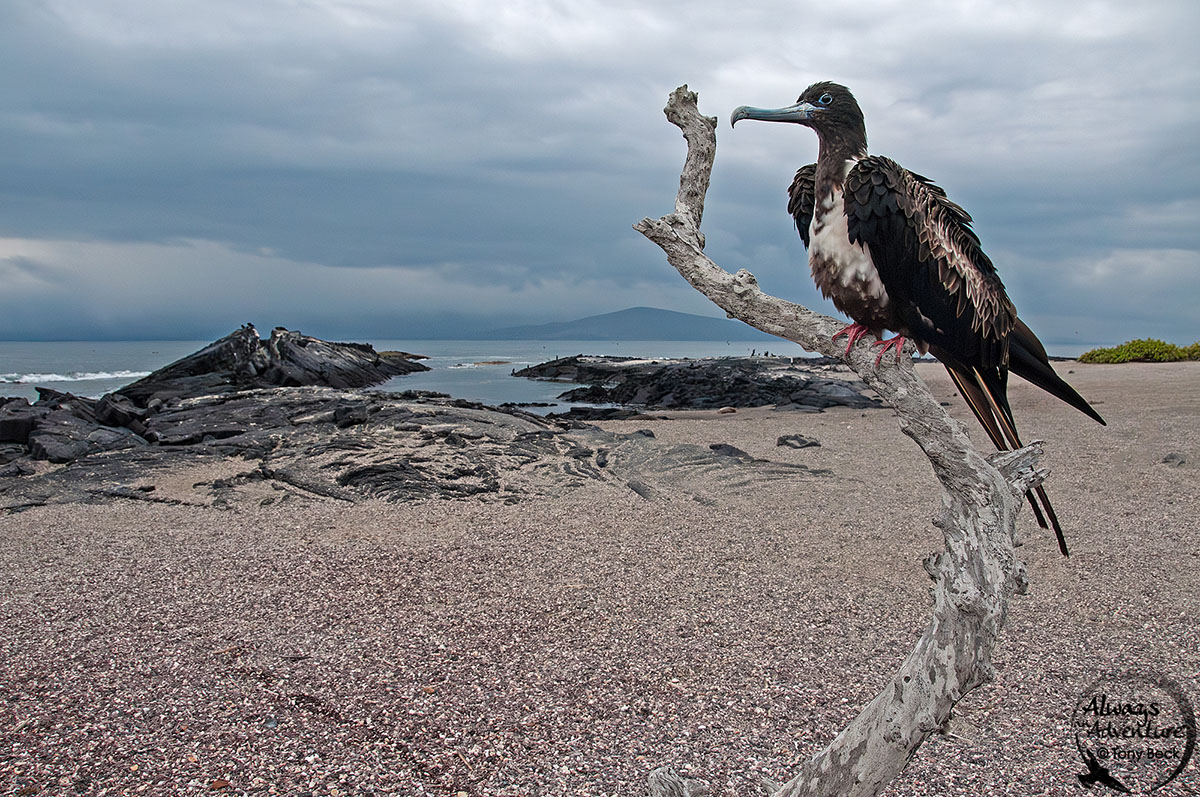
I’ve used wide angles effectively for several decades, even for wildlife. This photo of a young Magnificent Frigatebird was taken in Galapagos using a wide-angle zoom attached to an early DX-format DSLR. At 18mm, the lens performed like a 27mm on a full-frame camera. With this cooperative bird at about one metre away, I managed to keep the entire frame sharp, including infinity.
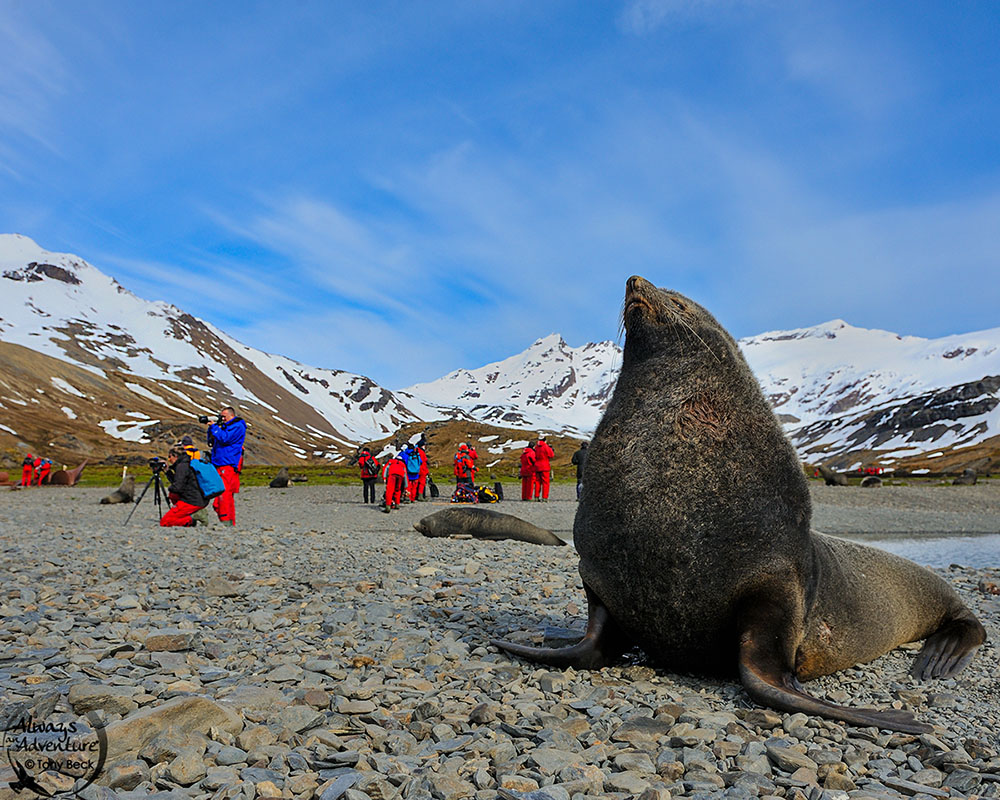
Be careful when approaching wild animals. Since wide angles require you to get close to wildlife, be aware that some animals are unpredictable. Fur Seals, especially beach masters, can be highly aggressive and dangerous. Fortunately, this individual demonstrated it was fairly docile. Make an effort to properly evaluate the safety of any situation before proceeding.
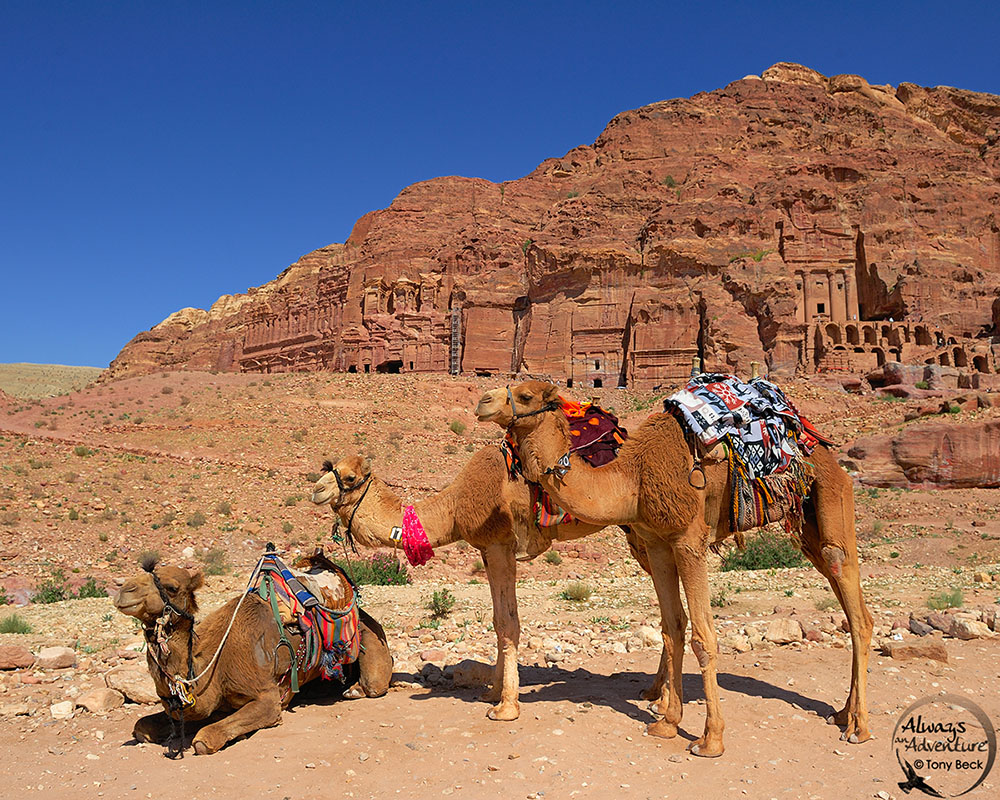
Relatively small and easy to carry, wide-angle lenses make a perfect travel companion. Their ability to capture extensive DOF is a major bonus. I usually use a wide-angle to short-telephoto zoom when visiting historical scenes like the Royal Tombs in Petra, Jordan.
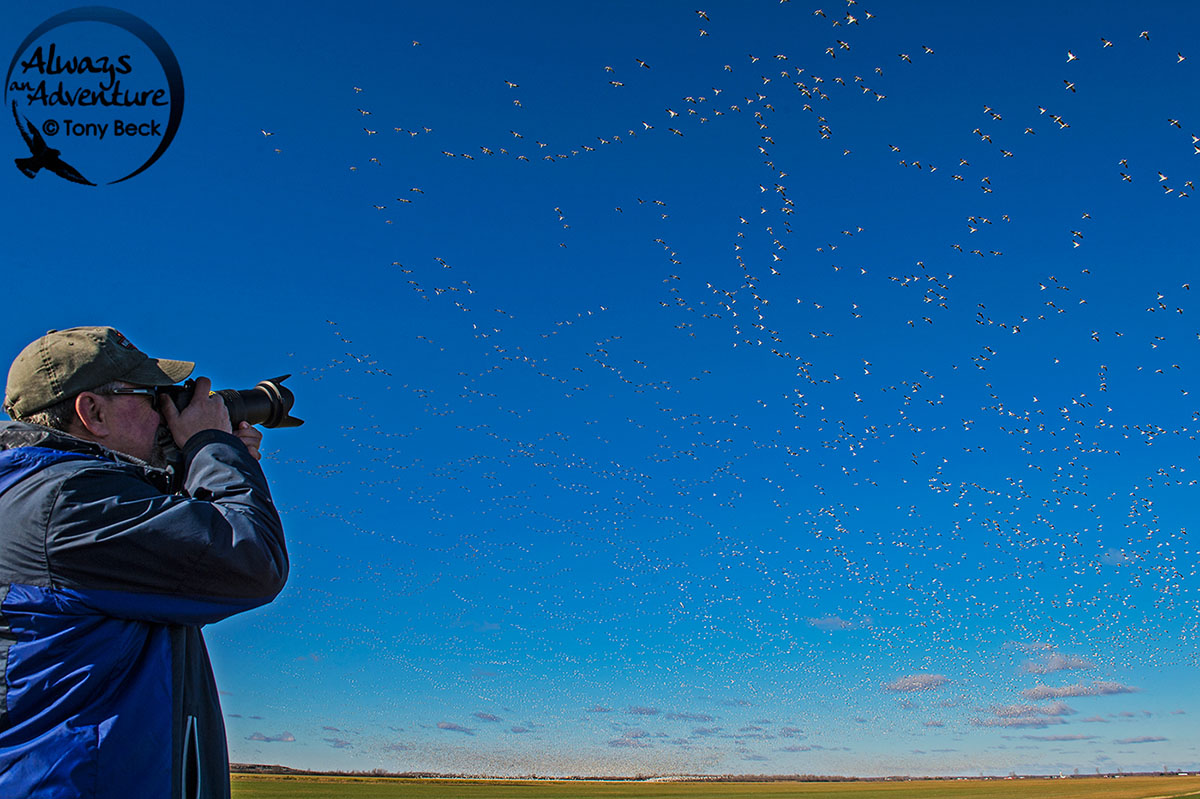
While photographing a huge flock of Greater Snow Geese in Eastern Ontario with Denis Rule, I used a wide-angle to capture the mesmerizing view of being surrounded by an overwhelming abundance of life.
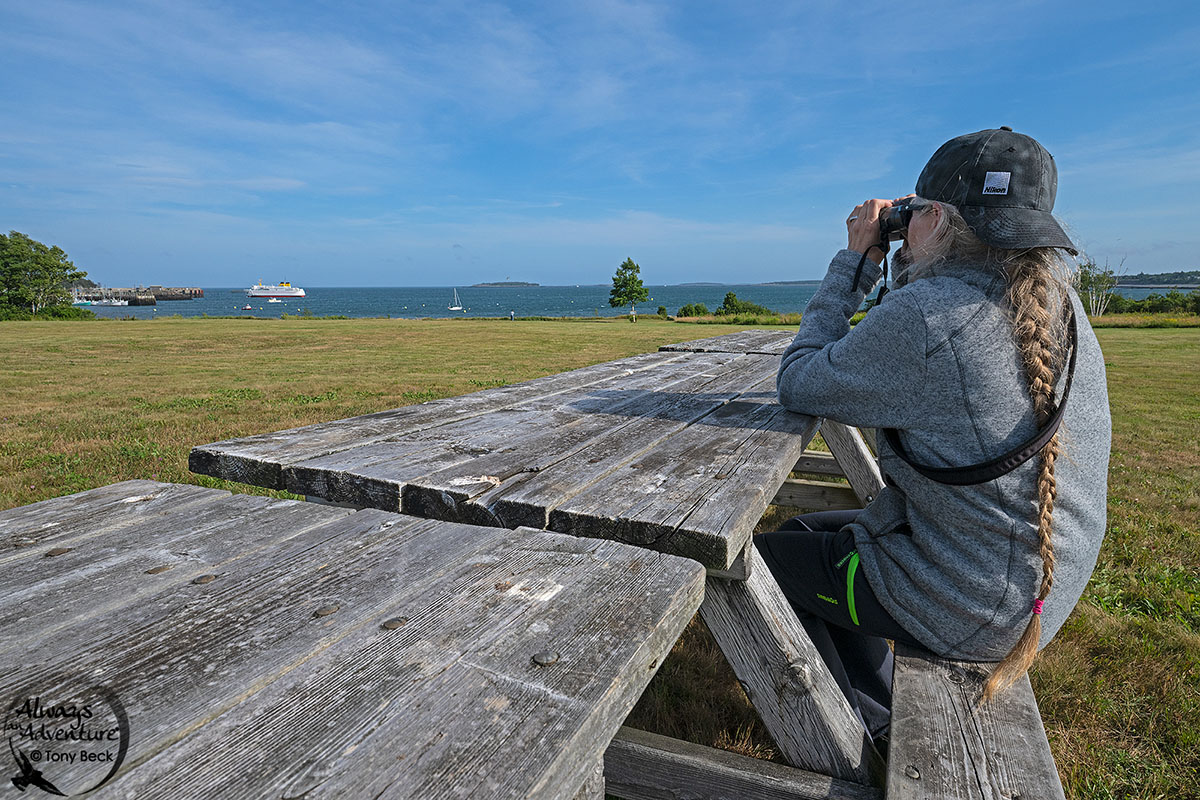
Another example of a story unfolding in a single image, our main subject is enjoying the scenery of North Head in Grand Manan. With the aperture stopped down and focusing about a third into the frame, the entire image remains sharp.
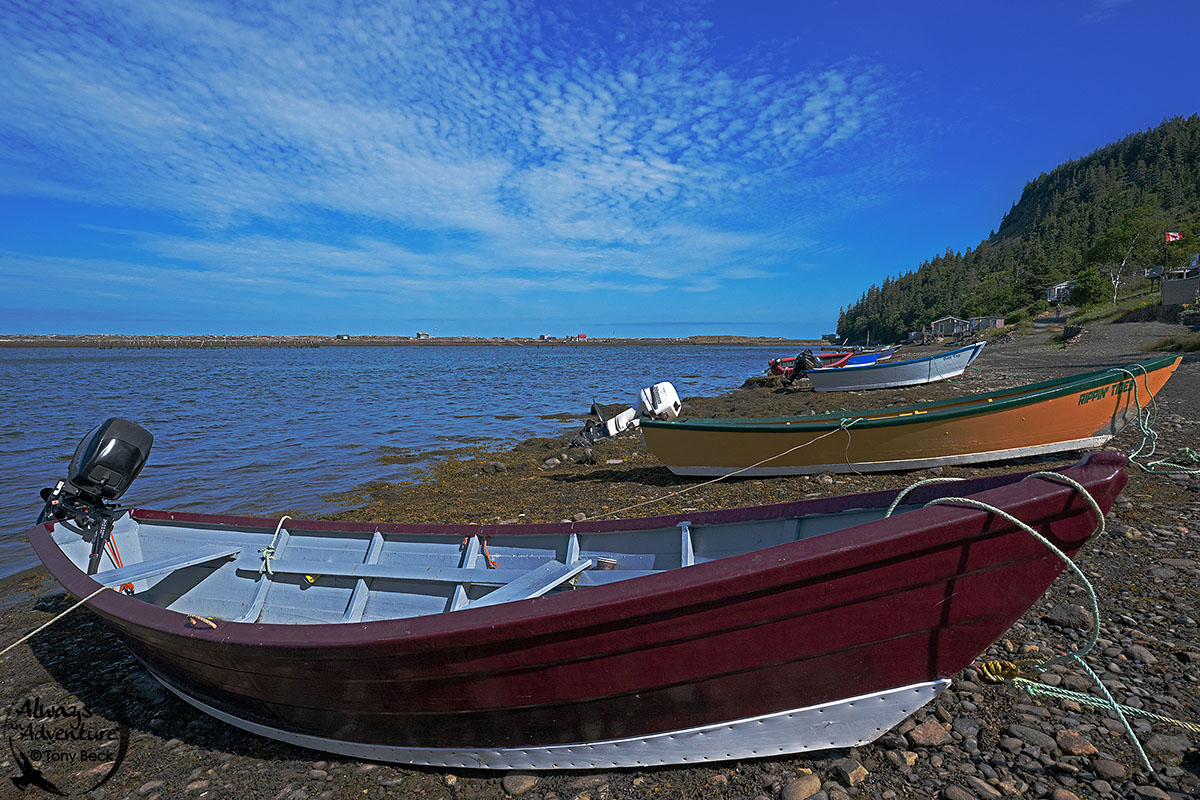
It’s easy to maximize depth of field with wide angles. Working quickly with my 20mm lens in ample light, I set my aperture to f11, shutter at 1/640, and ISO at 400. By focusing on the dories behind the foreground boat, I managed to get everything into focus.
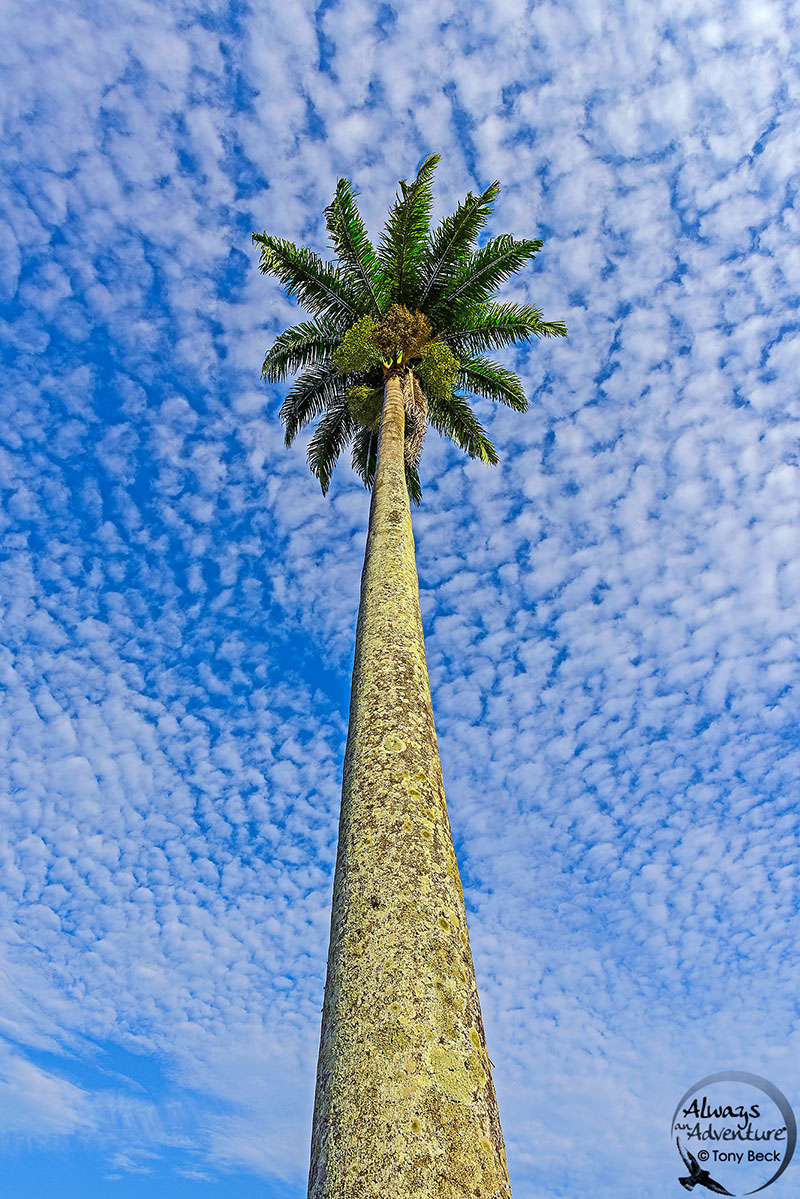
With a wide angle, this palm tree filled the frame vertically while maintaining sharpness in the distant clouds.
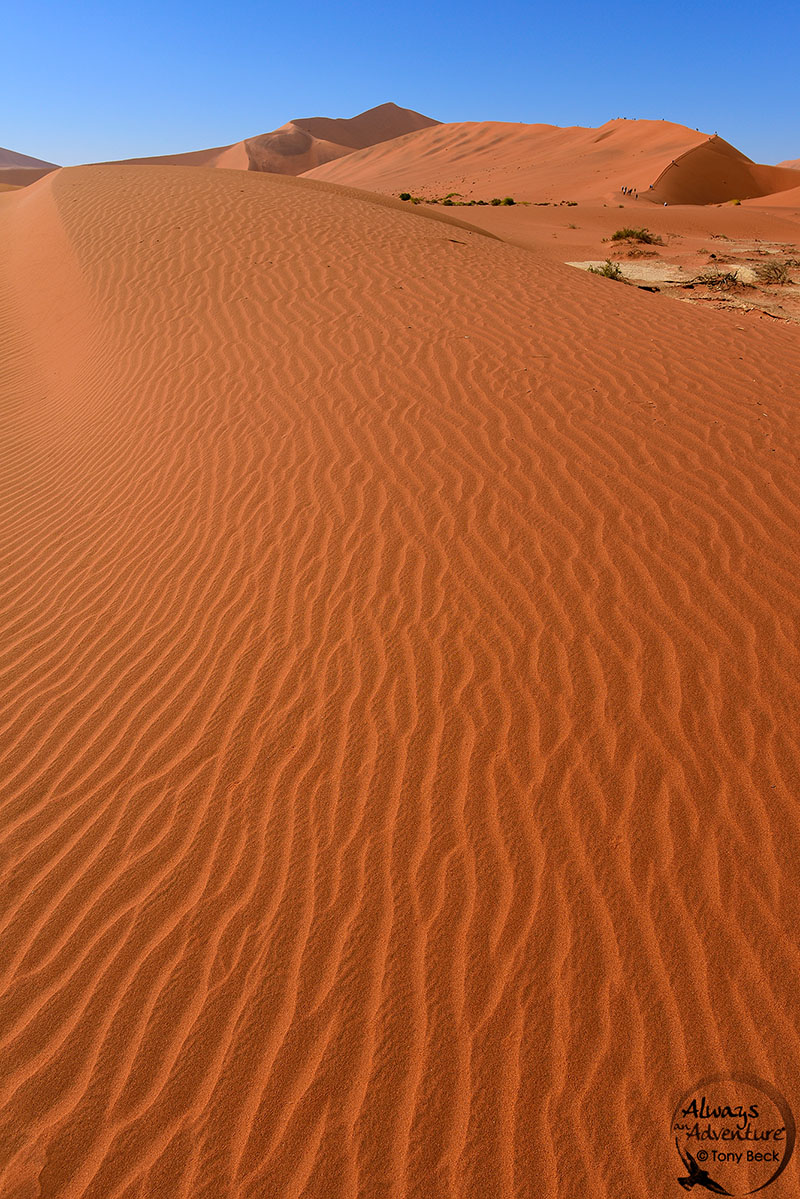
Thanks to a wide-angle lens, this vast desert scene in Namibia reveals the detailed sand texture of the foreground while keeping the horizon well defined.
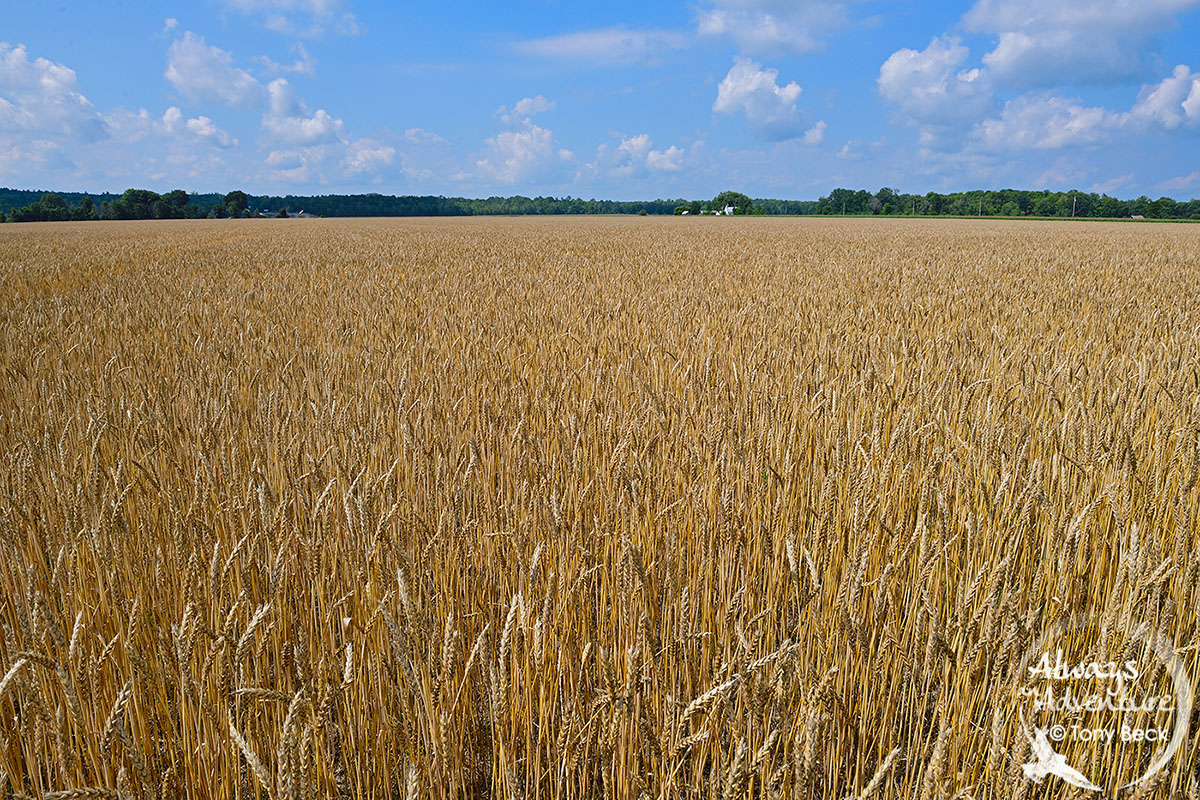
This wheat crop is another example of a wide-angle’s ability to achieve great DOF. Adopting the use of a hyper focal point, everything from foreground to infinity becomes clear.
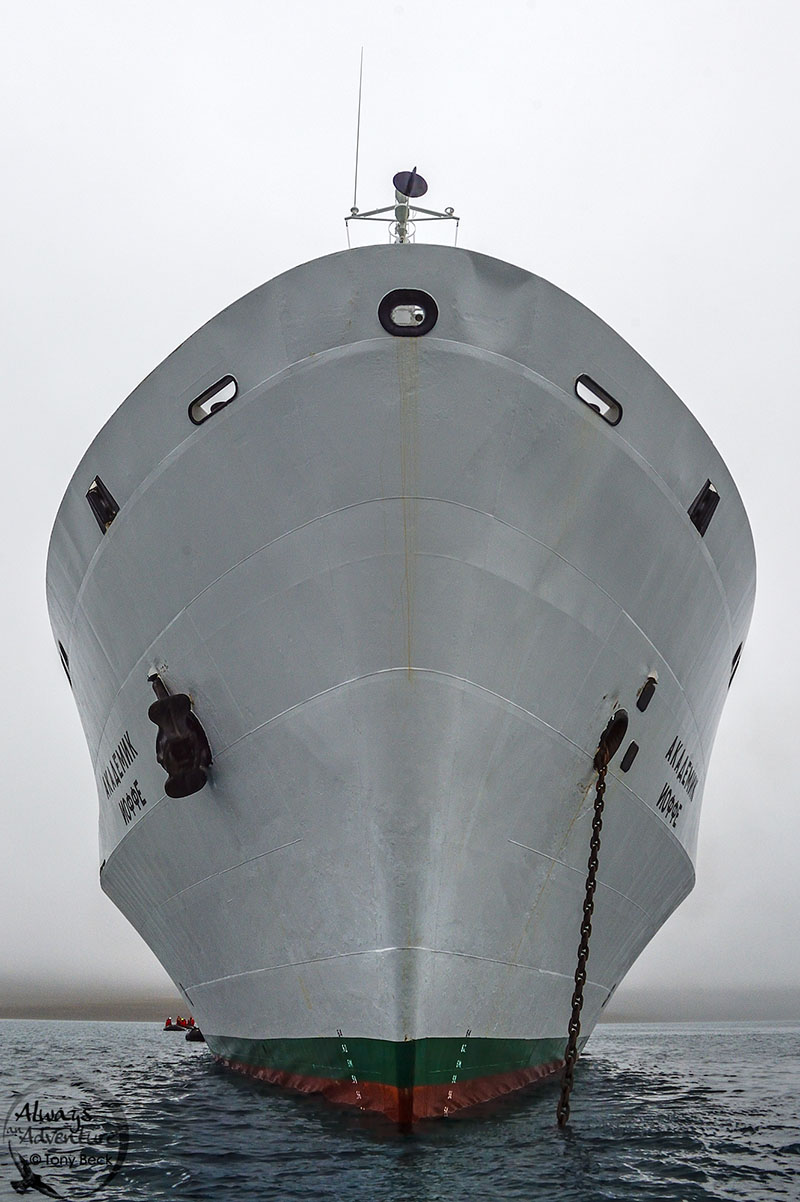
Super wide angles stretch visual information, creating a distorted view. Objects closest to the lens will dominate the frame by appearing disproportionately large compared to the background. This cruise ship has a daunting effect when captured with a wide-angle lens as we passed the bow.
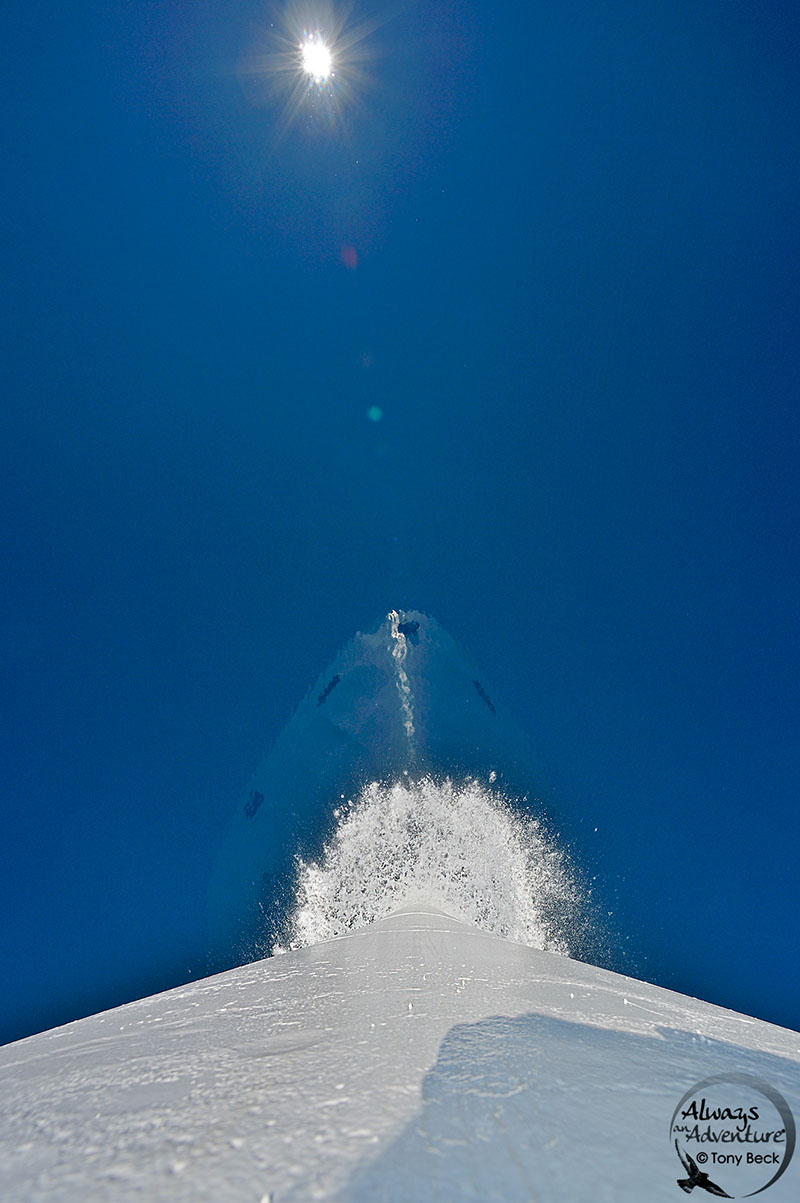
From the bow of our ship, a wide-angle was used to show a unique perspective of traveling the sea.
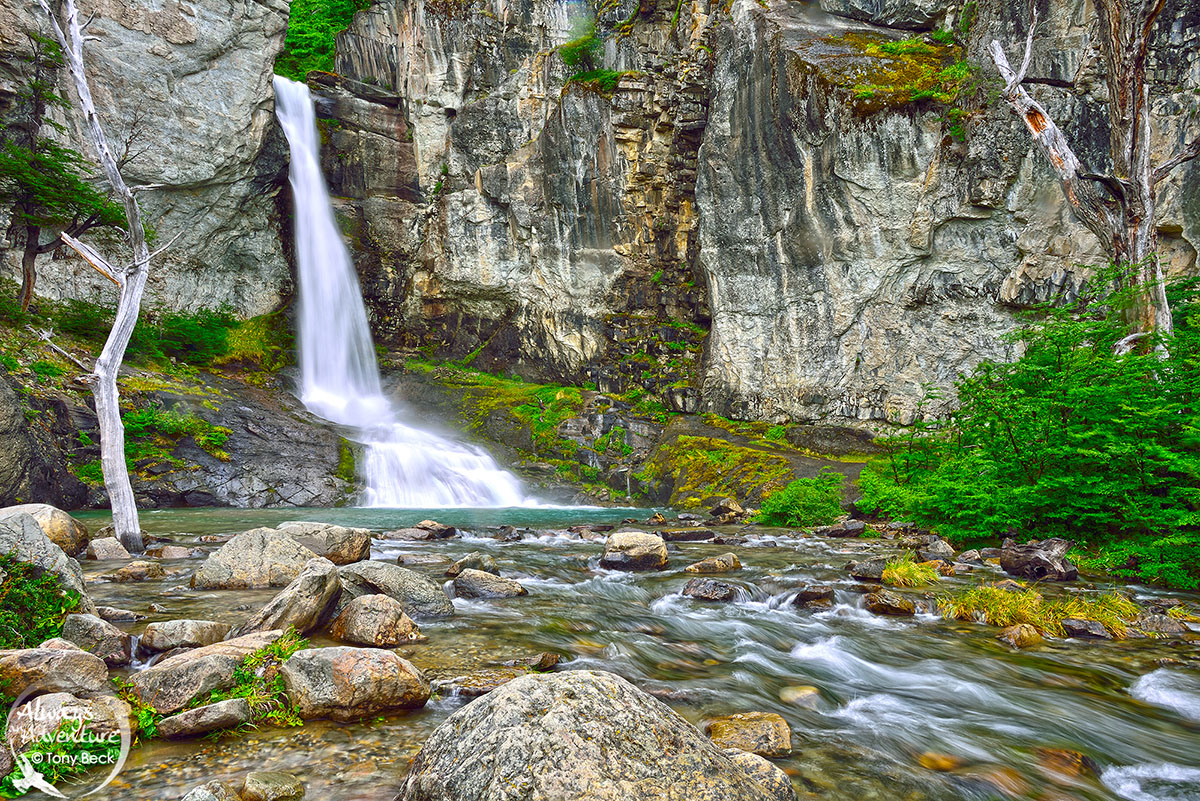
Stopping down apertures and lowering ISO values help slow down shutters for long exposures. With a slow shutter, you can create wispy waterfalls. Using a small aperture also increases your depth of field, as in this image of Chorrillo del Salto in Argentina.
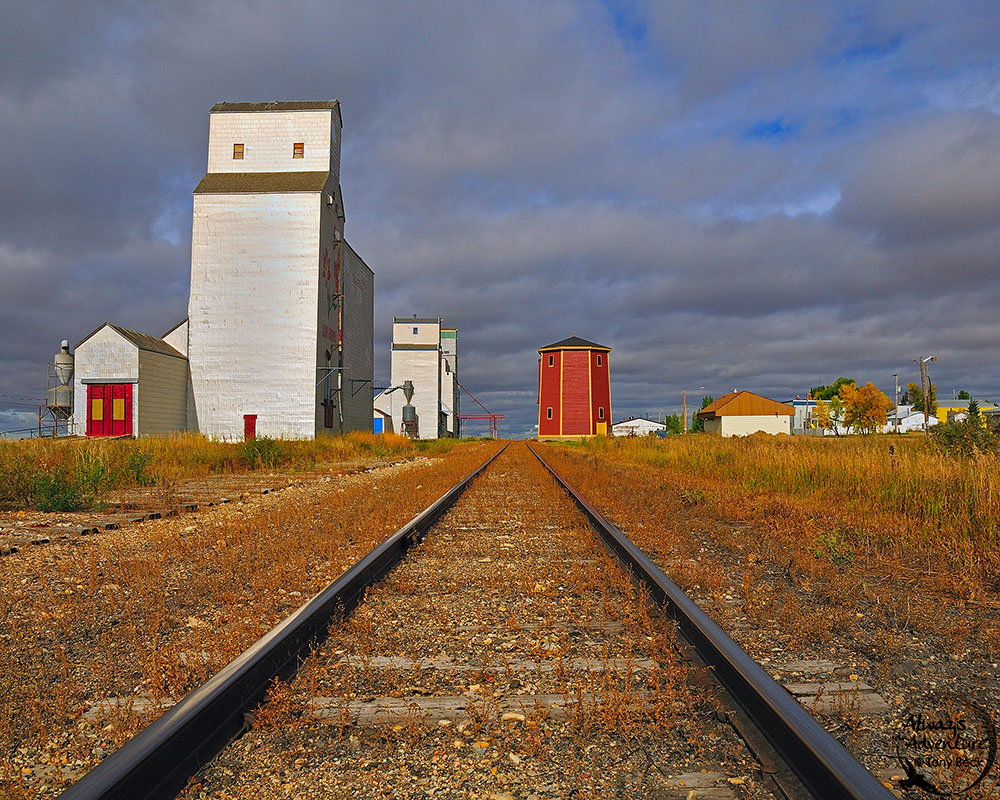
Look for converging lines in all scenes. This railroad track in Saskatchewan converges with grain elevators at a central point in the frame. Increasing the aperture while keeping the camera angle low created the converging effect while keeping the entire frame sharp.
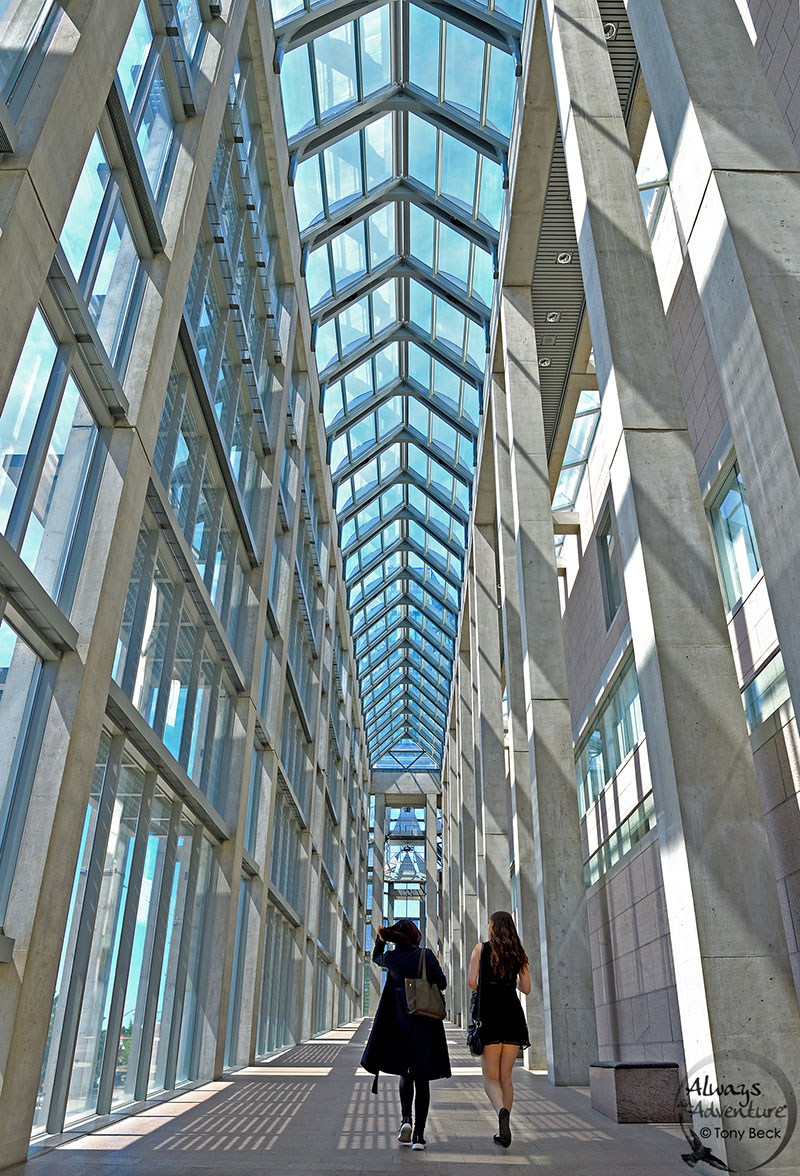
Building Interiors offer many creative challenges for wide-angle users. Sometimes vertical formats work best, especially if the scene has converging lines like this hall in Ottawa’s National Gallery.
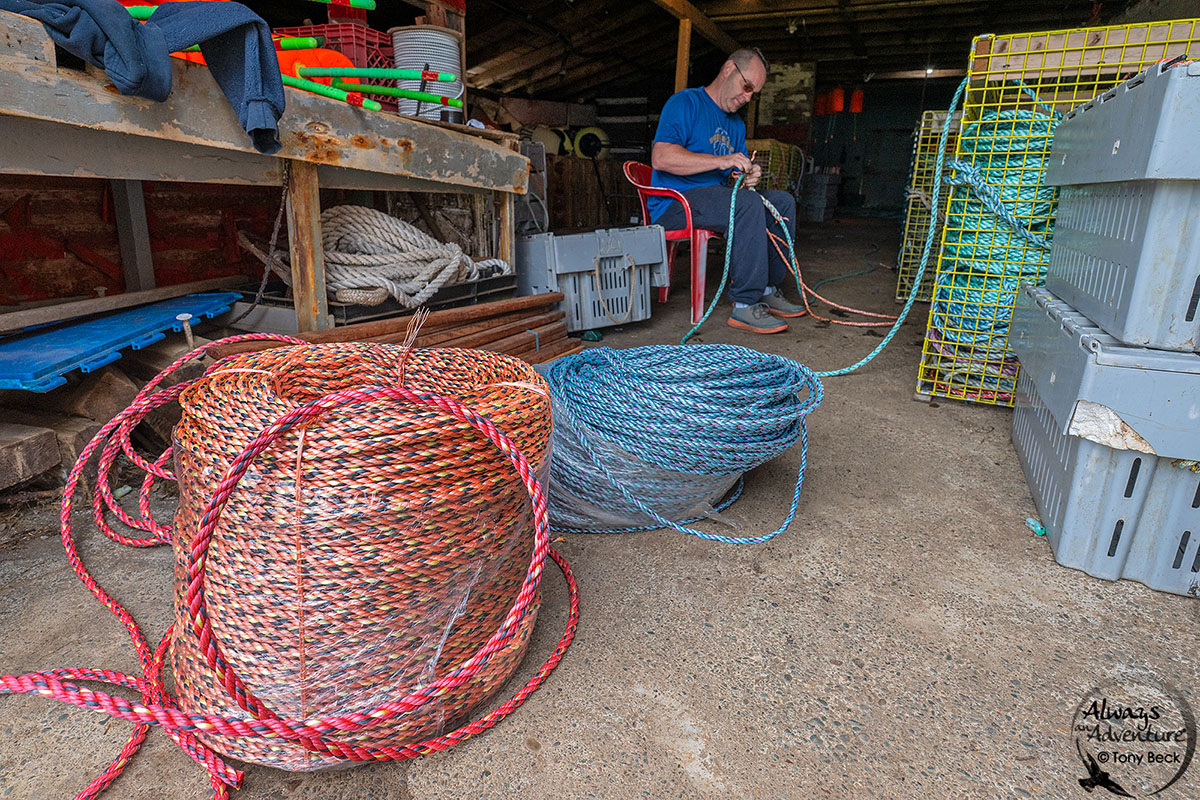
20mm lenses let you capture several subjects within a scene. Wide-angle scenes like this tell the story of Daniel, a fisherman in Atlantic Canada, working with the tools of his craft. Careful photo editing was required to balance the light and dark parts of this frame.
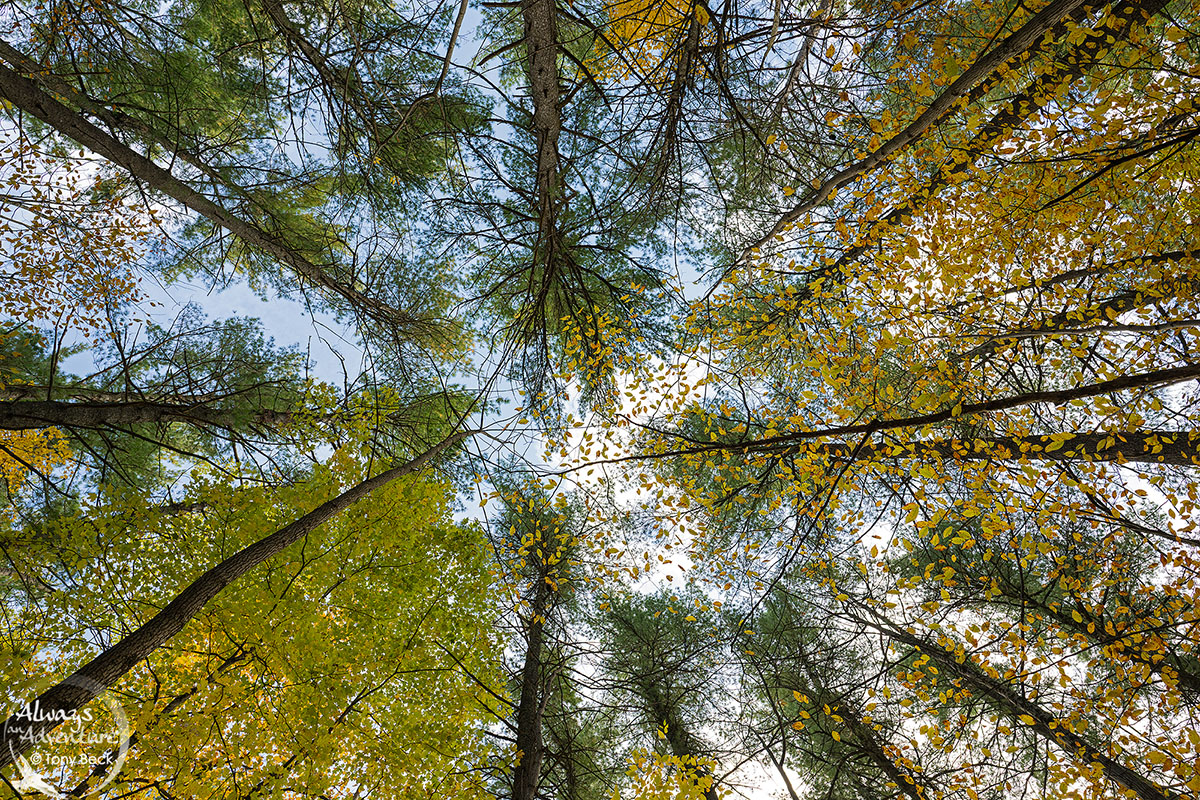
With tree trunks converging upward toward a canopy, wide-angle lenses create interesting compositions of common scenarios in nature. When walking through a forest, look up to see if the canopy contains life or has an aesthetic appeal.
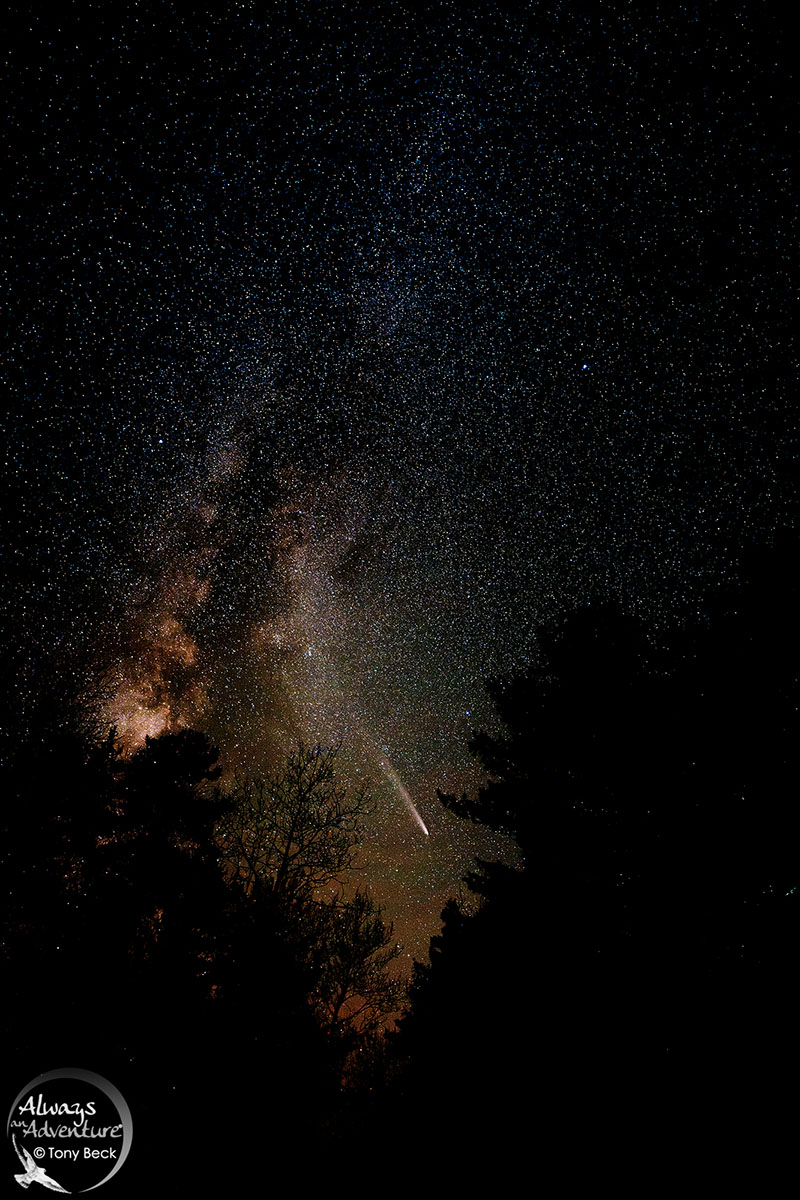
Super wide angles are good for capturing large sections of night sky, including the Milky Way. Besides a clear moonless night, you’ll need a reasonably fast lens for high performance under dark conditions. This image required a 20mm f1.8 lens. Long exposures cause star trails as our planet rotates. However, to prevent star trails, keep your aperture wide open while the shutter stays open for a maximum of 10 seconds. Otherwise, you’ll need a star tracker.
ABOUT THE AUTHOR
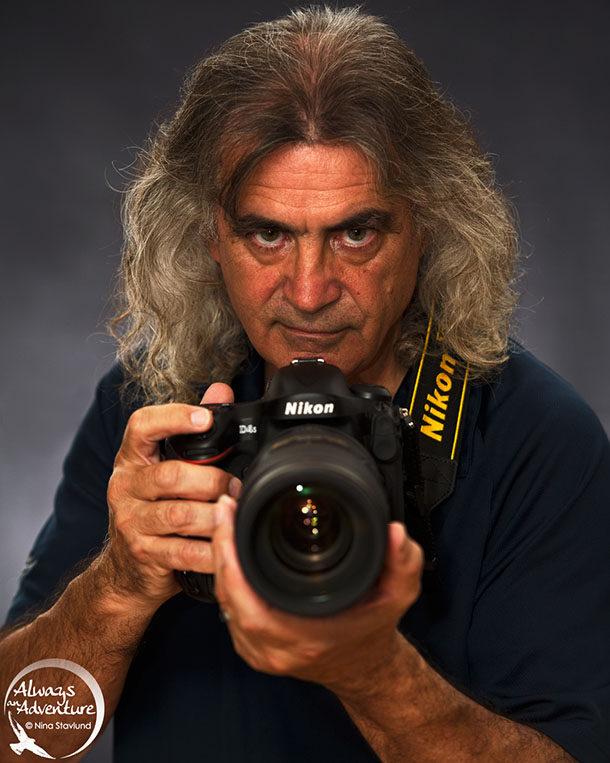
Tony Beck is an award-winning, Nikon Ambassador, Vortex Ambassador, and freelance photographer based in Ottawa.
He teaches birdwatching and nature photography courses.
Follow Tony’s adventures at www.AlwaysAnAdventure.ca



Great images!
Thanks Kevin.