



Fighting Fire
I never expected a camera to save my life. But over the past year, as I battled through the darkest depths of mental illness, photography became more than a creative outlet, it became my lifeline. I’m a photographer based in the Niagara region of Ontario, and for most of my adult life, art has been part of my identity. But when depression took hold, even the things I once loved felt distant and unreachable. At my lowest point, when the end of life felt like the only option, one instinct remained: I reached for my camera.
That simple act, picking up a tool I know all too well was the spark that began to pull me back. The weight on my chest didn’t suddenly disappear, and my thoughts didn’t magically lighten, but something shifted. Through the viewfinder, I found a small pocket of calm, a reason to step outside, to breathe, to notice again. Photography gave me something depression had stripped away: purpose. It grounded me in the present at a time when my mind felt like a storm I couldn’t escape.
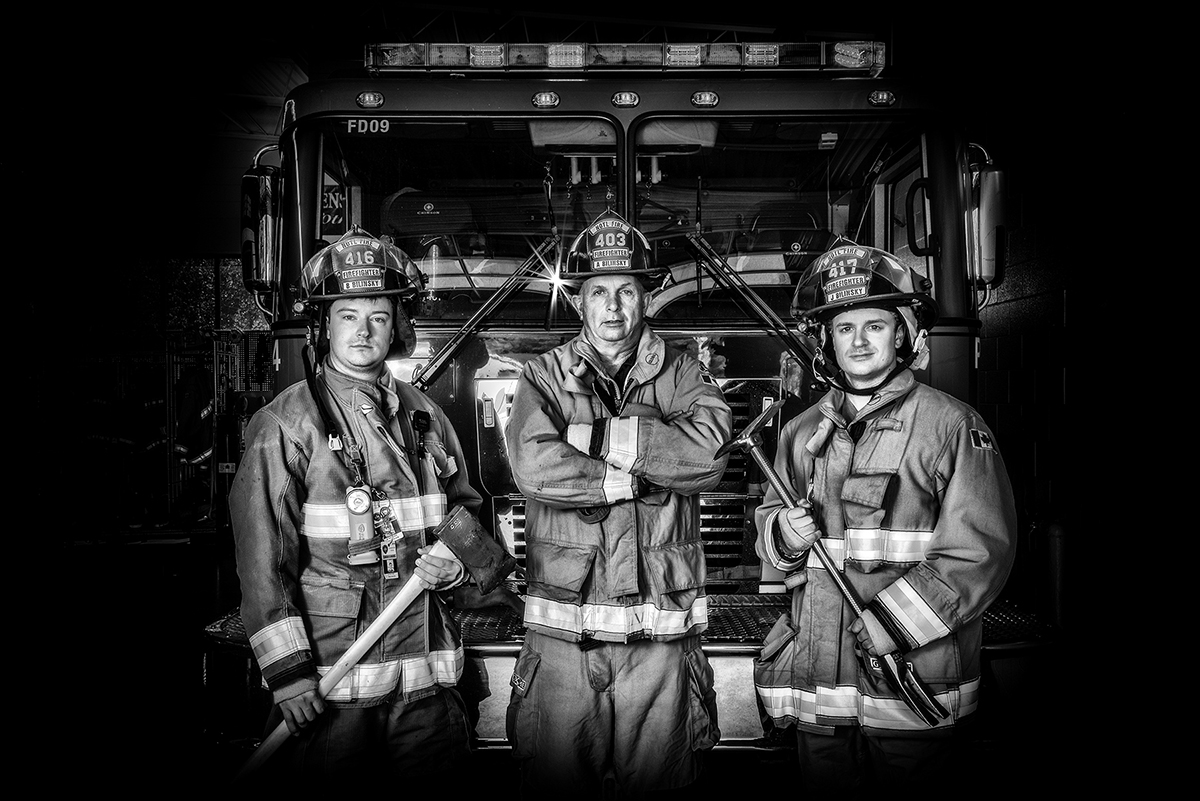
One of the many firefighter images for my project Celebrating Generations
As I started to heal, I began to wonder: if photography could anchor me, could it do the same for others? That question became the seed for what is now the Theragraphic Project, a simple but powerful initiative designed to bring people together through the act of making images. Once a month, we gather, professionals, beginners, hobbyists, or anyone with a cell phone and an openness to explore and we walk together in nature. There’s no pressure to create something perfect. We move slowly, noticing textures, light, colours, wildlife, and the small details that often go unseen. We connect, we breathe, and we create.
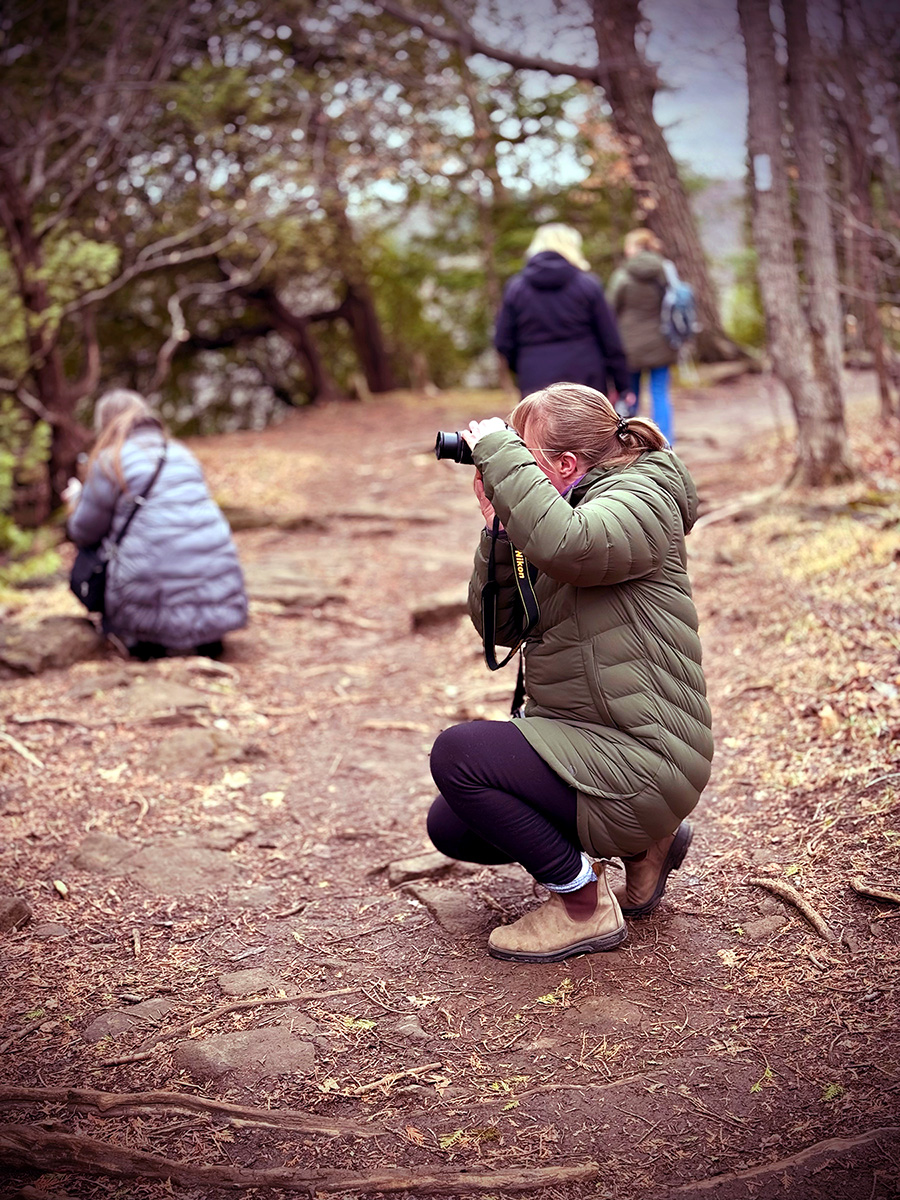
Participants in a Theragraphic Project outing
Why Photography Works as Therapy
The mental health benefits of photography are both intuitive and well supported by research. At its core, photography is a mindful practice. It requires us to pause and pay attention, to really look at the world instead of passing through it on autopilot. For people living with depression, anxiety, trauma, or chronic stress, this intentional awareness can be profoundly healing.
Photography encourages presence.
When you’re searching for a shot, your mind shifts from internal rumination to external observation. You stop spiraling and start seeing light falling through trees, the curve of a riverbank, the geometry of an old building. This gentle shift into the “now” interrupts negative thought loops and helps the nervous system recalibrate.
It creates rewarding goals.
Depression often makes even the smallest tasks feel impossible. But photography offers achievable steps: go outside, take one photo, experiment with one idea. Every small accomplishment provides a dopamine boost and rebuilds confidence.
Nature amplifies the healing.
Walking outdoors, especially in places like Niagara’s trails, parks, and waterfront, lowers cortisol, improves mood, and supports emotional regulation. Pair that with a creative focus, and the effect is even stronger.
It builds community.
Isolation is one of the most damaging aspects of mental illness. The Theragraphic Project gives people a chance to connect without pressure. You can walk quietly, talk openly, or simply stand beside others who understand. Creative communities often feel safer than clinical spaces, allowing vulnerability to surface more naturally.
Photography offers expression when words fail.
Mental illness can be difficult to articulate. Through images, people can communicate emotions, loneliness, hope, resilience, curiosity, without speaking them aloud. The act of translating feeling into art is cathartic, empowering, and deeply personal.
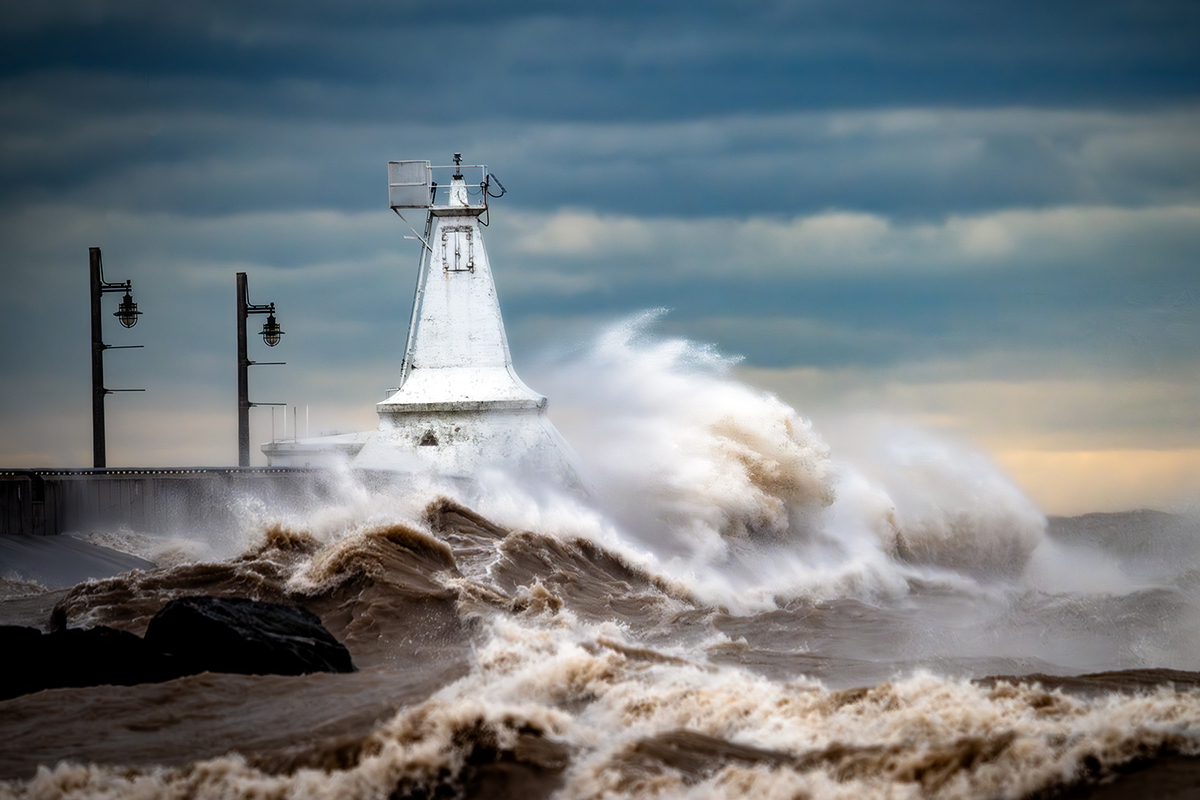
Epic waves at Port Stanley
A Collective Path Toward Healing
The Theragraphic Project isn’t built on perfection or performance; it’s built on connection, creativity, and the idea that healing can begin with something as small as pressing a shutter. Participants often tell me they start the walk feeling weighed down but end feeling lighter, calmer, more grounded. Sometimes the only thing we need is a safe place to be ourselves while doing something that brings us quiet joy.
Photography saved my life, not metaphorically, but literally. Now I want to offer that same lifeline to anyone who needs it. Whether you’re facing your own mental health challenges or simply seeking a new way to connect with the world around you.
Because sometimes, one good photograph isn’t just an image. It’s the first glimpse of hope.
About the Author – Mitchell Brown
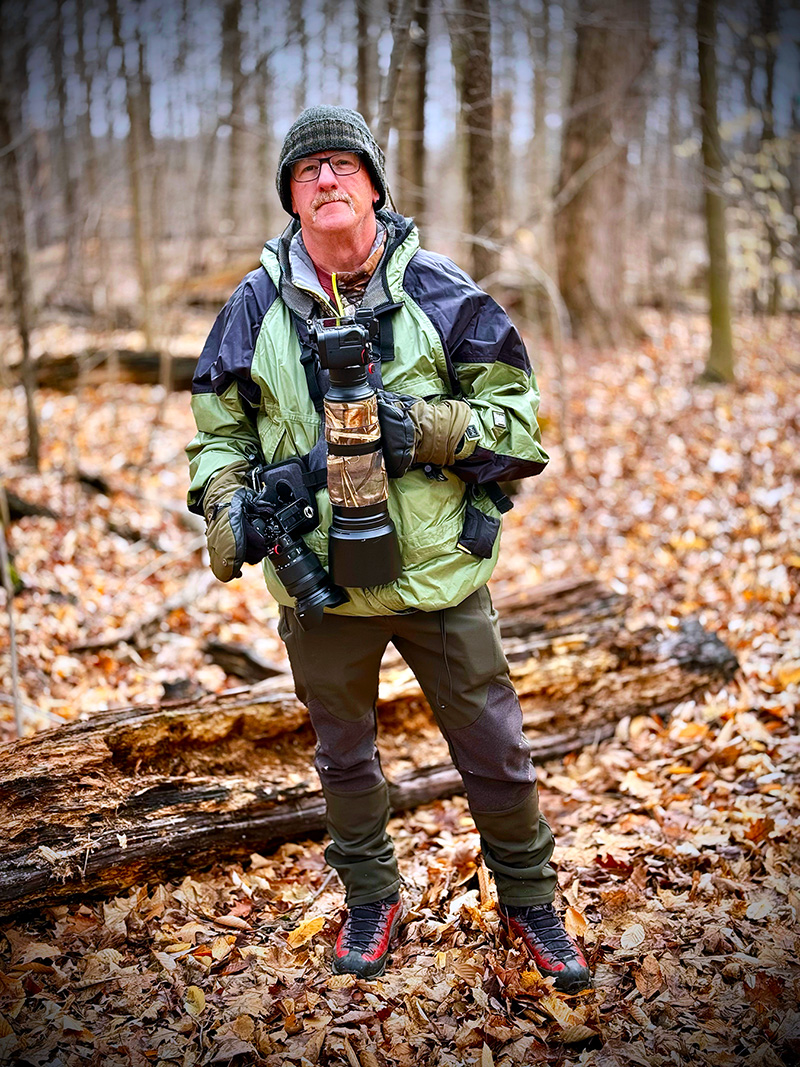
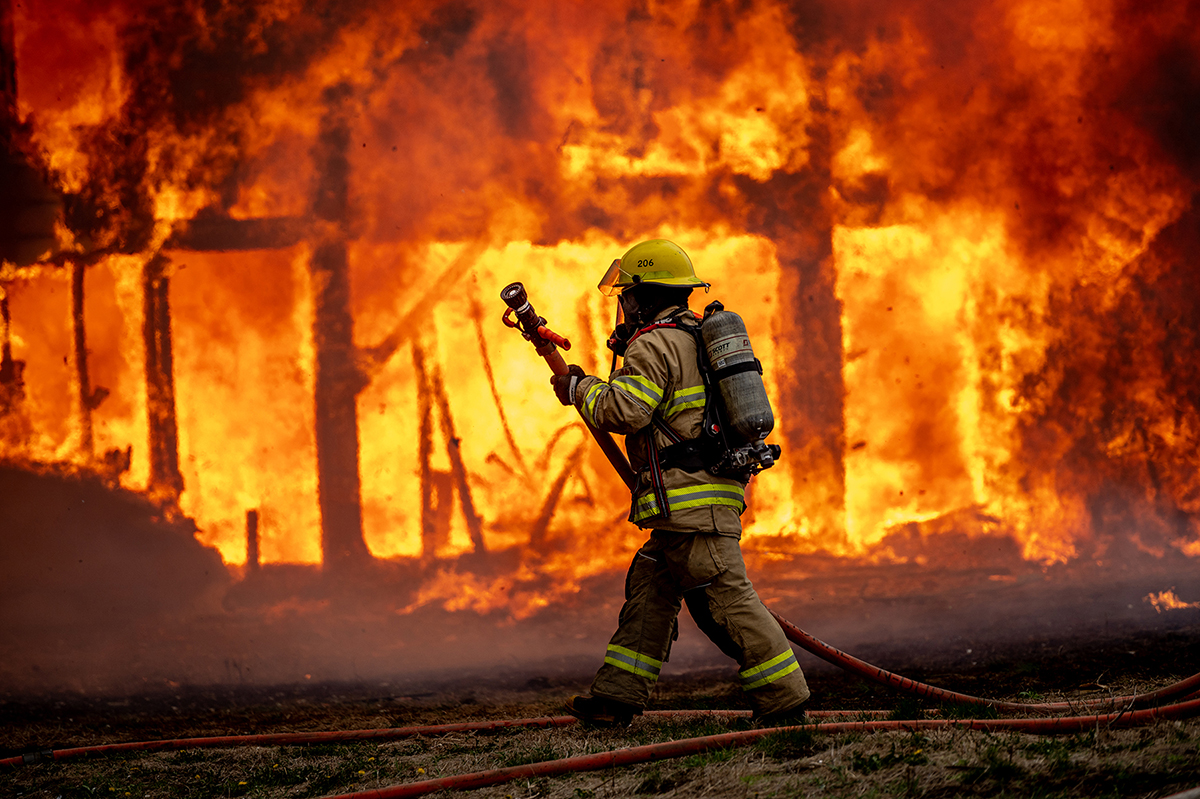
Mitchell Brown is a Niagara based photographer with more than 40 years behind the lens, known for his powerful documentation of firefighters and his therapeutic approach to nature photography. As the creator of one of Canada’s largest collections of generational firefighter portraits, he captures the spirit, sacrifice, and humanity of the fire service with honesty and respect. His work spans structure fires, training, funerals, and formal portraiture, reflecting a deep connection to the firefighting community.
Beyond the fireground, Mitchell turns to nature and abstract photography as an essential part of his mental health journey. Photography has become his therapy, an escape, a grounding practice, and a way to find beauty in places others overlook. His newest initiative, The Theragraphic Project, blends mindful photography with mental health awareness, helping others find healing through creative expression.
Driven by curiosity, compassion, and a lifelong dedication to the craft, Mitchell continues to tell stories that matter, both to the world and to his own ongoing path of wellness.
Mitchell Brown
- Lived Experienced Peer Support Worker
- Founder : The Theragraphic Project
- www.mitchellbrown.ca



Well done Mitchell Brown – I too sometimes have depression come over me and it helps when you have a mission to photograph something for the oncoming competition- and you start looking for “that Photo” the camera is a great help-I prefer going on my own as with a group the ideas and that moment doesn’t happen as the talking and laughing is off putting. Love your captures of those dangerous fires and firemen. Thanks for sharing. Irene Coates(Australia)
Thank you
Great article.
Back around 2007, a photographer friend and I were out together taking pictures. She told me, “Depression is connected with the past, anxiety latches on to the future, but holding a camera – being alert to the world around us – is the antidote to all that. Photography helps keep one in the present.”
This was her quote and I’ve remembered it since. She was dealing with depression; I was dealing with anxiety. We both loved our photography.
Wow that’s powerful
Congratulations Mitchell 💕 I love 💕 photography 💕
Especially when I see a pic n then I look at again 💕 n see more beauty in the pic then when I took the pic 💕
Share the Light 💕
Be the Light 💕
Shine the Light 💕
Light All Around You n Within you 💕
Chase that light!!
Thank you for this excellent article!
Thank you
Thank you everyone. Means a lot.