



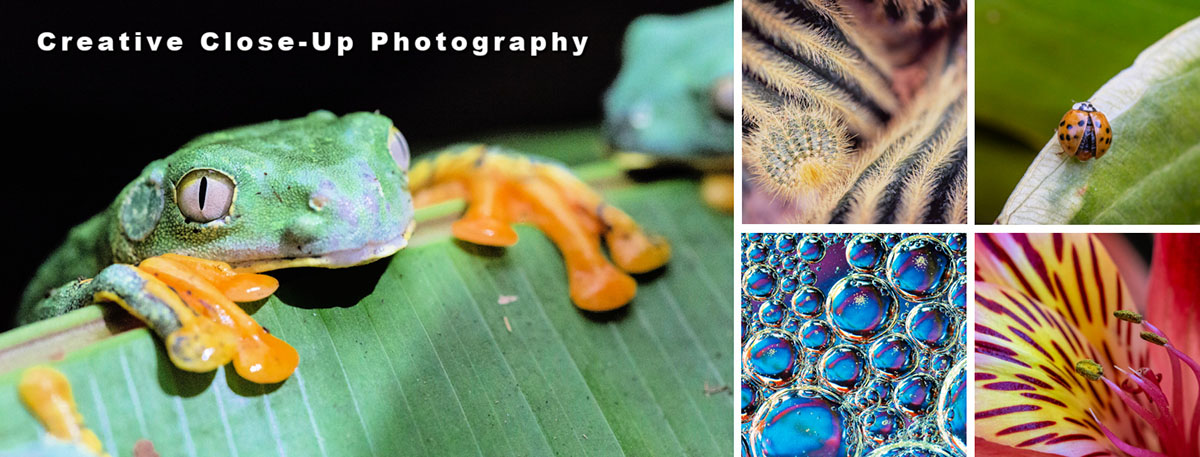
I’ve always been drawn to abstract photography, and macro photography has opened my eyes to the beauty of shapes and patterns in the small, often overlooked details of the world around me. Viewed up close, something as ordinary as a leaf or an insect can be transformed into a dramatic, almost abstract image.
Macro photography focuses on capturing small subjects at very close range, making them appear larger than life in the final image. It reveals details the naked eye often misses—textures, patterns, and tiny worlds concealed within everyday scenes. Whether working indoors in a studio or exploring nature outdoors, macro images are defined by achieving significant magnification of the subject. In this article, I’d like to share some of my favorite photos using a macro lens.
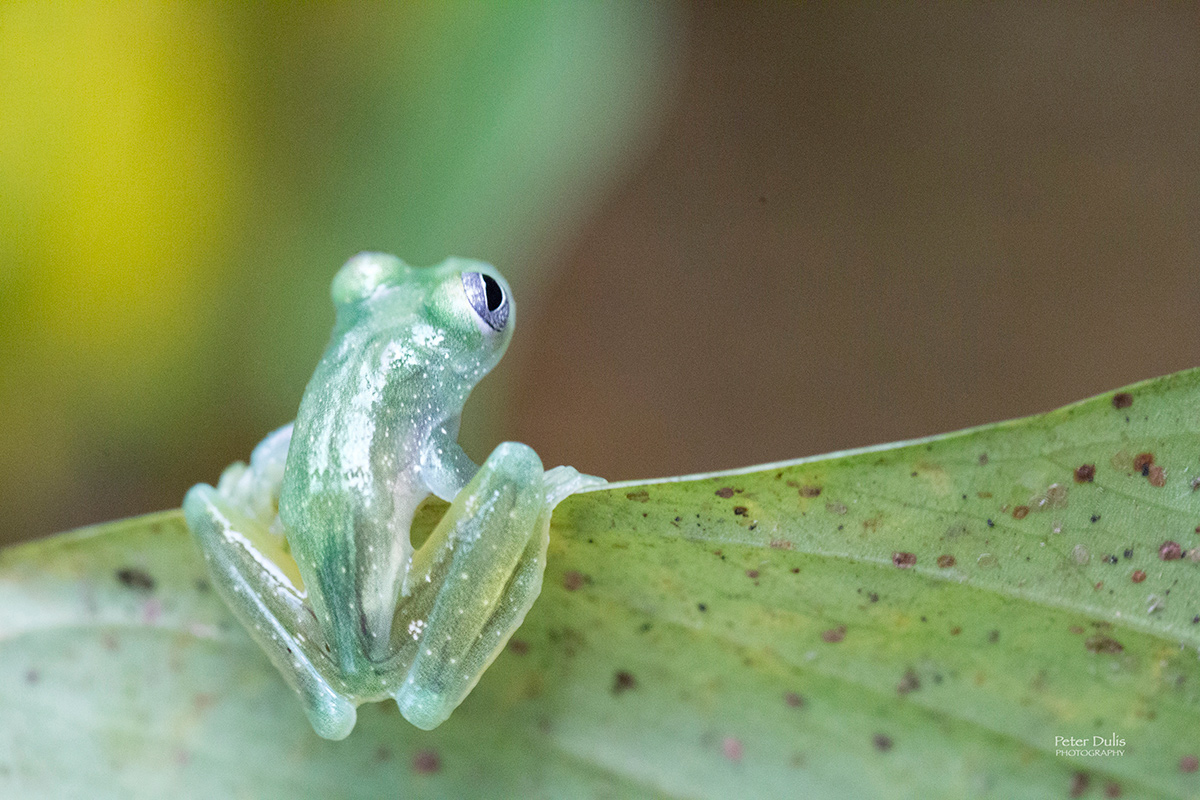
100mm macro lens; f/6.3; 1/20 sec.; ISO 12,800; AV mode
What defines macro photography?
Macro photography is defined by magnification—specifically, capturing a subject at life-size (1:1) or greater on the camera sensor. Common subjects include insects, frogs, flowers, water droplets, textures, jewelry, coins, and small natural details. Macro photography opens up a miniature world that most people never experience with the naked eye. This frog photograph was taken in Costa Rica with the help of a specialized guide I hired to locate these elusive frogs. The 100mm f/2.8L Macro lens was essential for capturing their unique details in the dark, low-light rainforest environment.
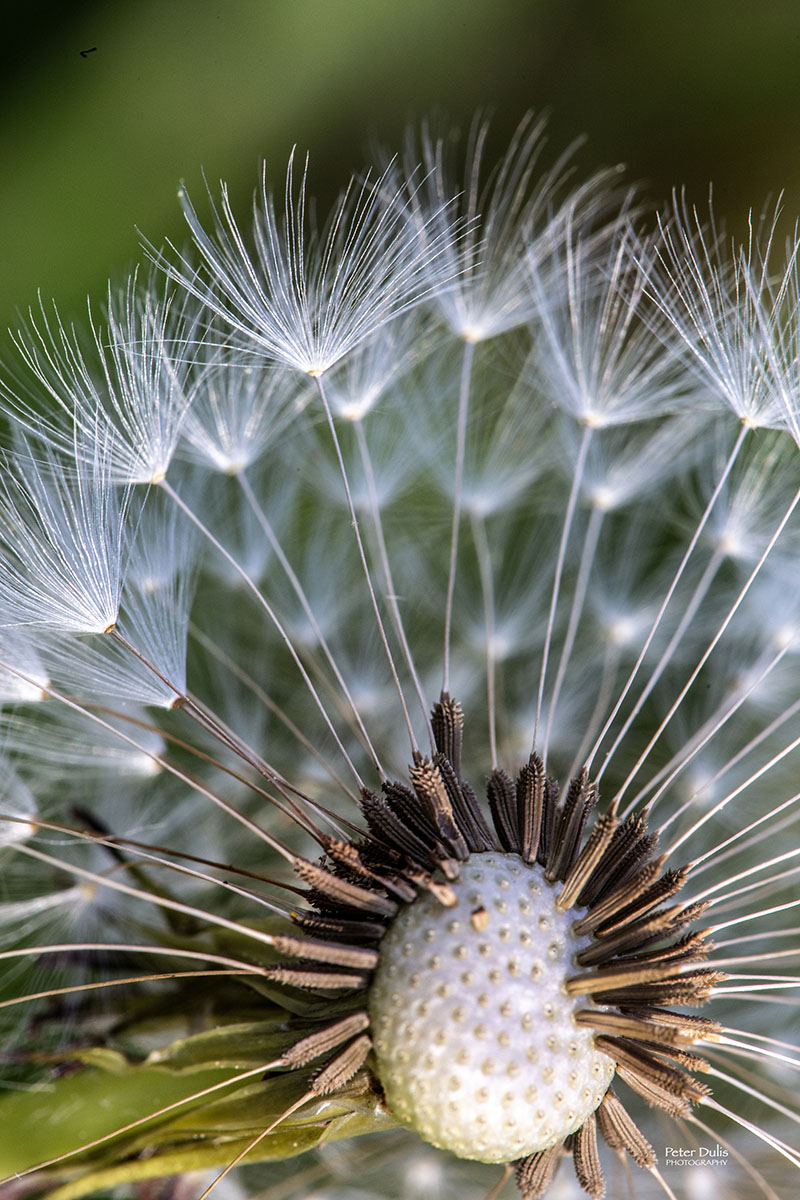
100mm macro lens; 1/80 sec.; f/11; ISO 640; AV mode
Key equipment
The camera you use is important but the most important piece of equipment for macro photography is the lens. A prime macro lens, such as the Laowa 100mm f/2.8 2x Ultra Macro APO for DSLRs or 90mm f/2.8 2x Ultra Macro APO for mirrorless, is often the best choice for macro photography because they are designed specifically to reproduce subjects at life-size (or double life-size, in the case of these Laowa lenses) on the sensor. Prime macro lenses are optimized for close-focus detail, edge to edge. So, if your main goal is true macro photography—capturing tiny subjects with maximum detail—a dedicated macro prime lens is the best and most reliable tool. Macro lenses come in a variety of focal lengths—such as 60mm, 90mm, 100mm up to 180mm—but my personal favorite is the 100mm macro lens. The 100mm lens truly hit a “sweet spot” with this dandelion flower, captured in a park near me—offering just the right balance of detail and perspective.
100mm macro lens; 1/100 sec.; f/11; ISO 2000; AV mode
Laowa macro lenses have earned a loyal following thanks to their unique magnification capabilities and purpose-built design for close-up work. Many Laowa macros offer 2×, 2.5× or even higher magnification, going well beyond the standard 1:1 found in most macro lenses and opening the door to details the naked eye barely registers. Just as important, Laowa embraces a manual-focus-first philosophy, which is actually a strength in macro photography. At extreme close distances, autofocus tends to hunt or miss entirely, while manual focus allows for precise, repeatable control—often achieved by subtly moving the camera rather than turning a focus ring. With mechanical precision, minimal focus breathing, and optical designs optimized for sharpness at high magnification, Laowa lenses give macro photographers the control they need when depth of field is measured in fractions of a millimetre and perfection is very much intentional.
Another essential piece of kit is a rock-solid tripod—in this case, the Vanguard VEO 3+ 263AB 160S. While modern mirrorless cameras boast impressive in-body image stabilization, macro photography plays by different rules. At extremely close working distances, even the tiniest movement is magnified and what feels steady to you can translate into visible blur in the final image.
A sturdy tripod removes that variable entirely, delivering the kind of sharpness macro work demands. The VEO 3+ stands out thanks to Vanguard’s Multi-Angle Centre Column (MACC), which allows for nearly limitless, and stable, camera positioning—perfect for those awkward, ground-level or off-axis compositions macro shooters live for. The included dual-axis ball head only adds to the flexibility, making precise framing easier when millimetres matter.
Camera settings & technique
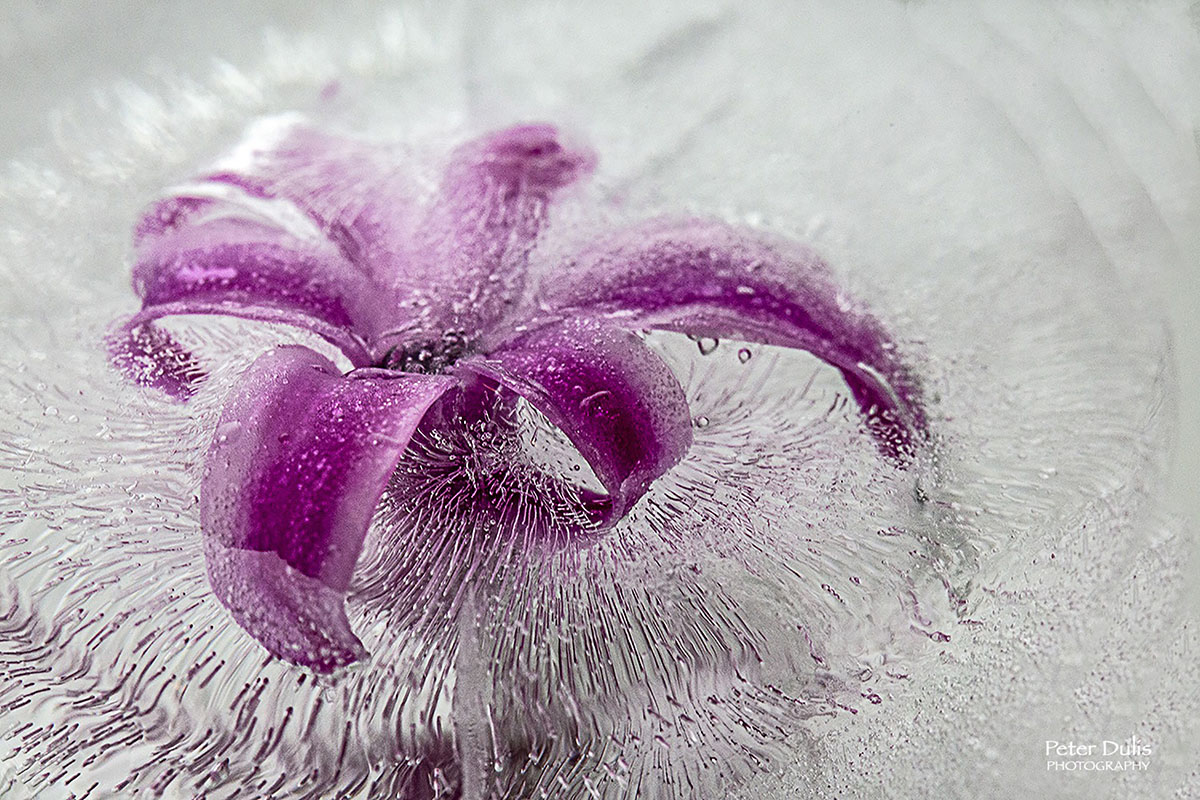
Macro photography is all about precision, detail, and control. Both camera settings and shooting techniques play a huge role in getting sharp, well-composed close-up images. I often rely on manual focus to have precise control over the focal point, allowing me to capture tiny subjects sharply and ensure every intricate detail is rendered with clarity. This is especially true when I do frozen flower photography using a tripod positioned very close to the flower captured in ice. An aperture f/8–f/16 is common, but depth of field is extremely shallow even then. Keep ISO as low as possible, but don’t be afraid to raise it for sharpness. I use “Live View” to check exposure and fine-tune the focus, which is how I was able to capture this frozen flower. The bubbles trapped in the ice are oxygen bubbles escaping as the flower freezes in distilled water. I have an entire blog dedicated to “The Art of Frozen Flower Photography”. https://photographyadventures.ca/the-art-of-frozen-flower-photography/
100mm macro lens; 1/125 sec.; f/11; ISO 400; AV mode
Lighting in macro photography
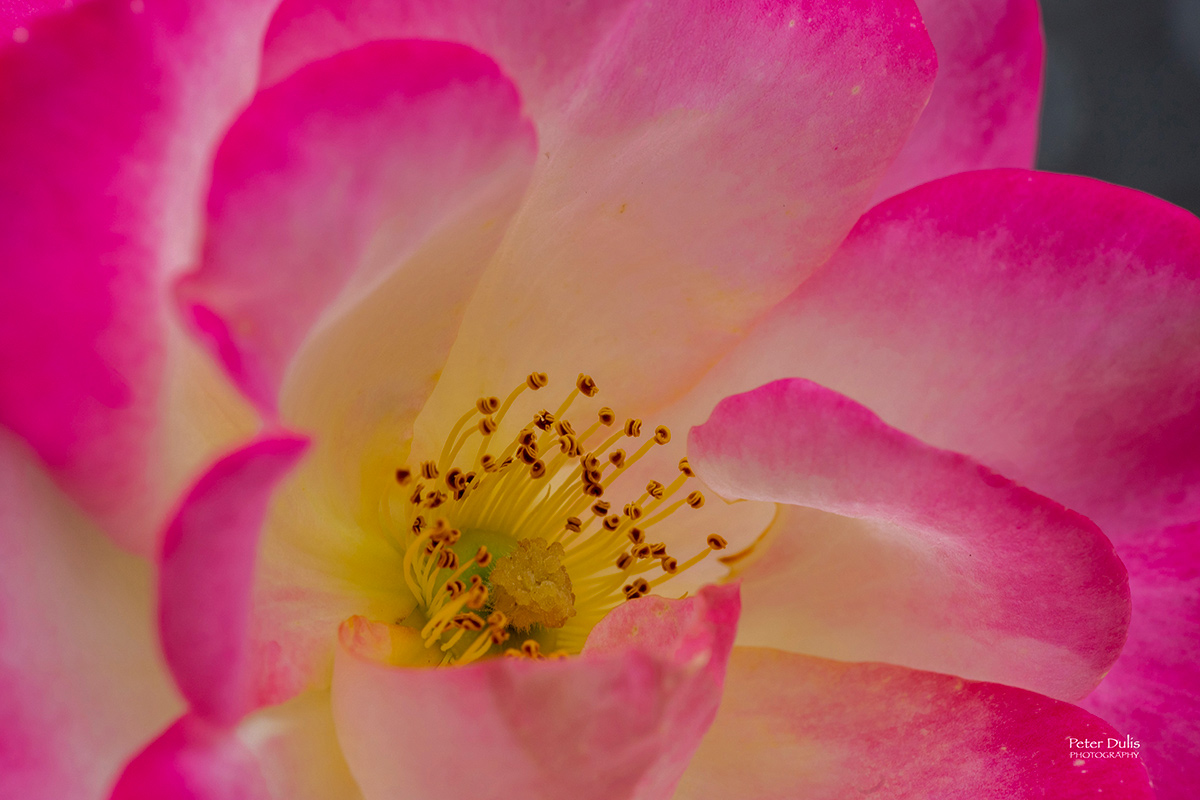
Effective lighting is essential in macro photography because the close proximity of the camera to the subject can cast shadows and restrict natural light. To achieve even illumination and highlight fine details, I often use ring lights, a lightbox, flash units (such as the lightweight Elinchrom ONE), or continuous LED lights (such as the Elinchrom LED 100C), which help evenly light the subject without harsh shadows. Natural light works well for flowers and still subjects, but avoid harsh light—soft light brings out fine detail and texture which is especially important with flower photography. I love this China rose flower, captured out in the field using natural light and my 100mm macro lens. I made sure no direct sunlight was falling on the flower, allowing its colour and detail to shine.
100mm macro lens; 1/100 sec.; f/6.3; ISO 400; manual mode
Creative tips
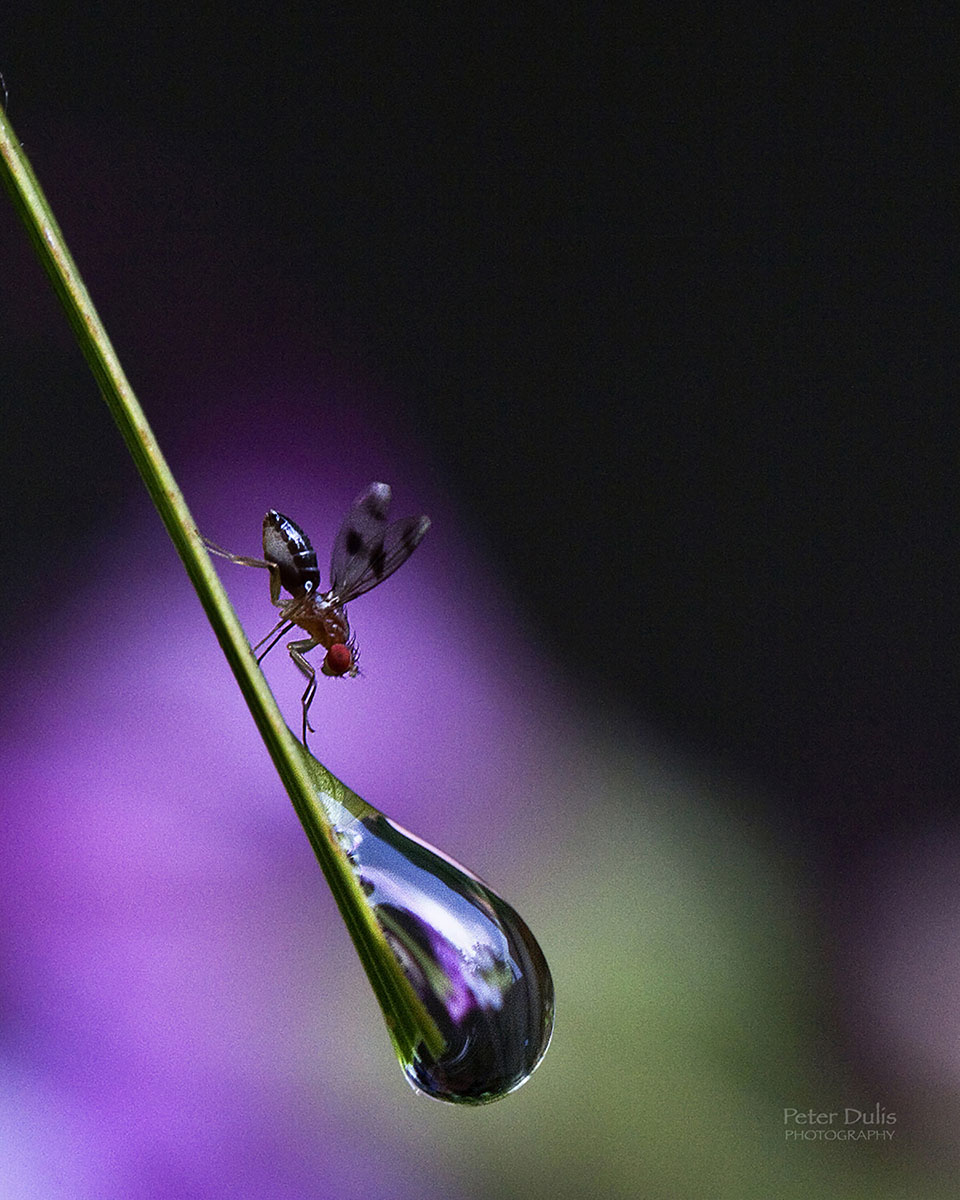
If you are shooting insects, shoot early morning when insects are less active. Try to use simple backgrounds to isolate your subject. Experiment with angles, not just straight-on shots and look for patterns, symmetry, and texture rather than just the subject itself. This image was taken at the end of the day as I misted a leaf, hoping to capture the background reflected inside a single droplet of water. Just as I was composing the shot, a fly landed to take a drink—an unexpected guest that turned a planned experiment into a moment of pure serendipity.
100mm macro lens; 1/50 sec.; f/5.6; ISO 400; AV mode
Concluding Thoughts
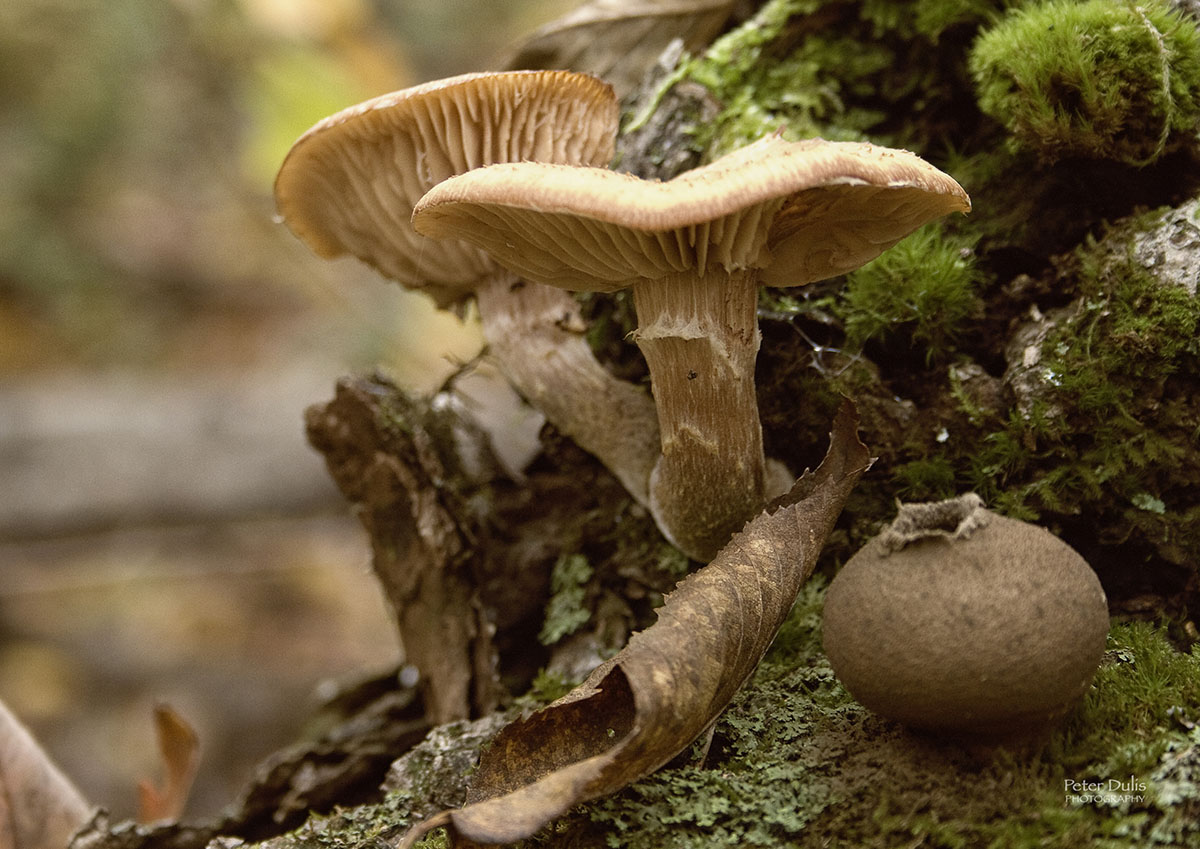
Macro photography opens a window into a world that’s often invisible to the naked eye, transforming ordinary subjects—leaves, insects, mushrooms, water droplets—into stunning works of art. It challenges photographers to slow down, observe carefully, and pay attention to the tiniest details, from textures and patterns to light and composition. Ultimately, macro photography is not just about magnification; it’s about seeing the extraordinary in the ordinary and sharing that vision with others. It reminds us that even the tiniest details hold stories worth exploring and celebrating. Give it a try and have fun!
The Finishing Touch
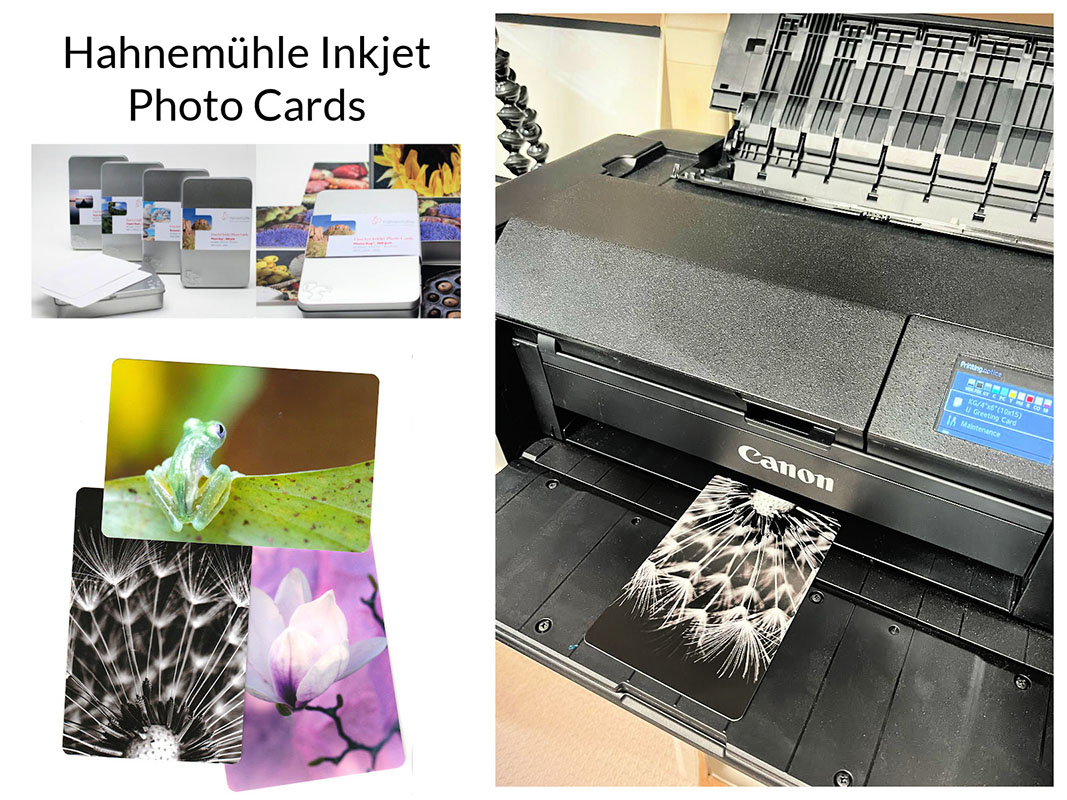
For this macro photography collection, I chose Hahnemühle FineArt Baryta Satin 4 × 6″ photo cards to print a beautiful set of my favorite images. The smaller 6 × 4 format is also perfect for making test prints. This 30-pack of FineArt photo cards features rounded corners and comes packaged in a tin box embossed with the Hahnemühle rooster logo. It’s a gorgeous presentation and makes a lovely gift for someone special. Give it a try!
Happy Shooting & Printing.
Peter
Discussed Items
ABOUT THE AUTHOR

Peter Dulis is a Canadian photographer and visual storyteller living in Toronto, Ontario. His work has been published in a number of magazines such as Graphic Arts Magazine, Visual Wilderness, Luminous Landscape, Photo News and has been recognized for photography excellence. Peter offers photo workshops in southern Ontario and can be reached at info@photographyAdventures.ca
Peter shares many of his tips and techniques in his monthly newsletter – PhotographyAdventures.ca and PeterDulisPhotography.com



do these macro lenses come in a version to fit Nikon Z cameras?
hi Carol – doing a quick search on Google shows that there are macro lens for the Nikon Z cameras –
https://camerarecaps.com/best-macro-lens-for-nikon-z-mount/
One other tool that I use is the geared macro rail which allows you bring it forward and back to exactly how much you need and of course the macro geared head.
Nice article
Thanks Richard for the kind words + helpful hint. Yes – I to have a rail that I’ve used in the past and it certainly may be helpful in certain situations 🙂