



By Craig Hilts, Prairie Fire Photography
“For me, storm photography is about finding art in the extremes.”
Into the Heart of the Storm
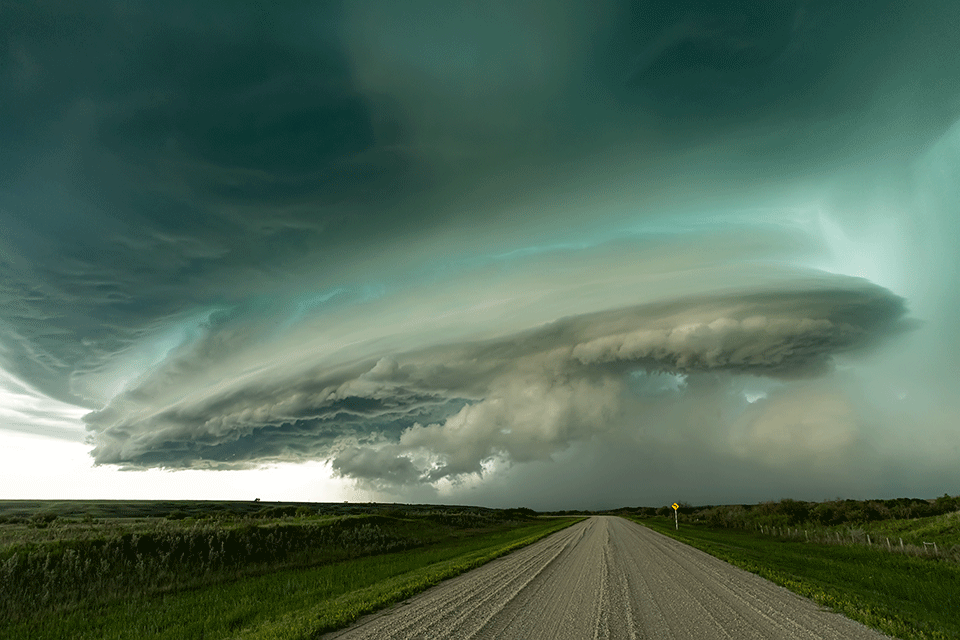
Billowing clouds tower high into what was once a clear blue sky. After hours of waiting, everything comes down to this moment. As I drive along a dusty grid road, I finally see it—the towering force storm chasers call a supercell thunderstorm.
While some chasers are strictly in it for the tornadoes, for me, it’s the sculpted beauty of the storm that leaves me in awe every time.
Storm photography offers countless opportunities to capture some of nature’s most dramatic moments. The way wind shear shapes the clouds can create images so incredible that some people don’t believe they’re real. Light plays an essential role—shifting from dark and foreboding to glowing with colour and depth, especially around sunset when the atmosphere seems to catch fire.
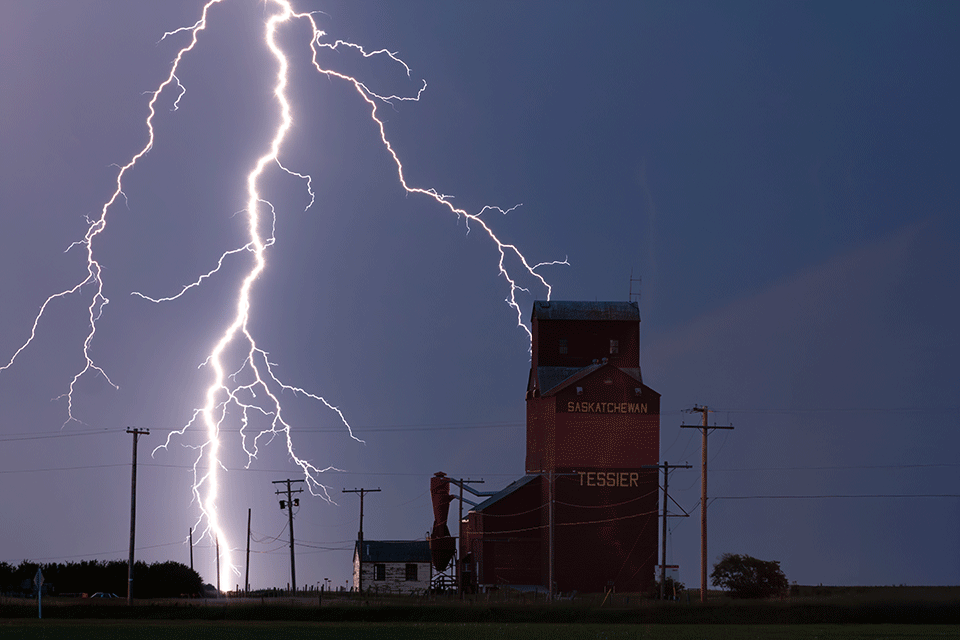
And then there is the lightning—one of my favourite subjects. Watching bolts split the sky and trying to capture that brief flash of brilliance is nothing short of magical.
But beyond the visuals, it’s the intensity of the experience that stays with me. Sitting in the middle of the open plains, completely immersed in the raw power of nature, is both humbling and inspiring. These moments not only produce unforgettable images—they create memories that last a lifetime.
What’s in the Bag?
So, what does a storm photographer carry to capture these fleeting moments?
First and foremost: your camera. While almost any camera can take great photos during a chase, one with strong weather sealing is a major advantage. Storm chasing involves harsh conditions—rain, dirt roads, intense winds—and all of it takes a toll on your gear and vehicle.
A camera with high ISO capabilities is another must. Under a supercell, it can get incredibly dark. You’ll often be shooting handheld, quickly, in what I like to call “run and gun” situations. A camera that performs well in low light helps you maintain fast shutter speeds and avoid blurry shots.
Lenses Matter
When it comes to lenses, it really depends on your vision and how close you want to get.
- A telephoto lens lets you capture tornadoes and storm details from a safe distance.
- A zoom lens adds flexibility, letting you go from wide to tight shots in seconds.
- For me, a wide-angle lens is essential—the wider, the better. Storms are massive, and when you’re up close, capturing the full structure in one frame is a challenge. A fast, weather-sealed wide-angle lens is key.
Essential Accessories
Other gear I recommend includes:
- A sturdy tripod – Ideal for time-lapses and lightning shots. A heavier model resists wind, and one with a hook lets you hang weight for extra stability.
- Rain protection – You may not plan to shoot in the rain, but it happens. I use the Think Tank Emergency Rain Cover to protect my gear and keep shooting longer.
- Spare batteries and memory cards – Never run out of power or space during the storm of the year.
- Lens cleaning tools – Dust blowers, microfiber cloths, and cleaning kits are must-haves when you’re battling the elements.
Packing for the Chase
When you’re out storm chasing, speed and efficiency are everything. There’s often no time to dig through a trunk or sort gear when the sky starts to unfold something incredible right in front of you. That’s why I use a two-bag system to stay organized and responsive.
- My quick-access shoulder bag is the Think Tank Retrospective. Rugged and weather-resistant, it carries my primary camera, two lenses, batteries, memory cards, and a rain cover. This is the bag I grab when jumping out of the car at a moment’s notice.
- My Think Tank Backlight 36L backpack serves as my mobile command center. It holds backup camera bodies, a large zoom lens, filters, chargers, external hard drives, and even my laptop for offloading and backing up images at the end of the day.
Having both gives me the freedom to respond in the moment but also be ready for whatever the chase throws at me—whether it’s a 12-hour drive, an unexpected detour, or an overnight stop in a rural motel.
Why I Chase
There’s no greater feeling for me than being out on the open prairie, chasing one of nature’s most unpredictable and powerful displays.
It’s not just about the storms—it’s about the moments. That quiet hum of tension before a wall cloud drops. The adrenaline of timing a perfect lightning strike. The stillness after the storm passes, when the air feels electric and the light is soft and strange.
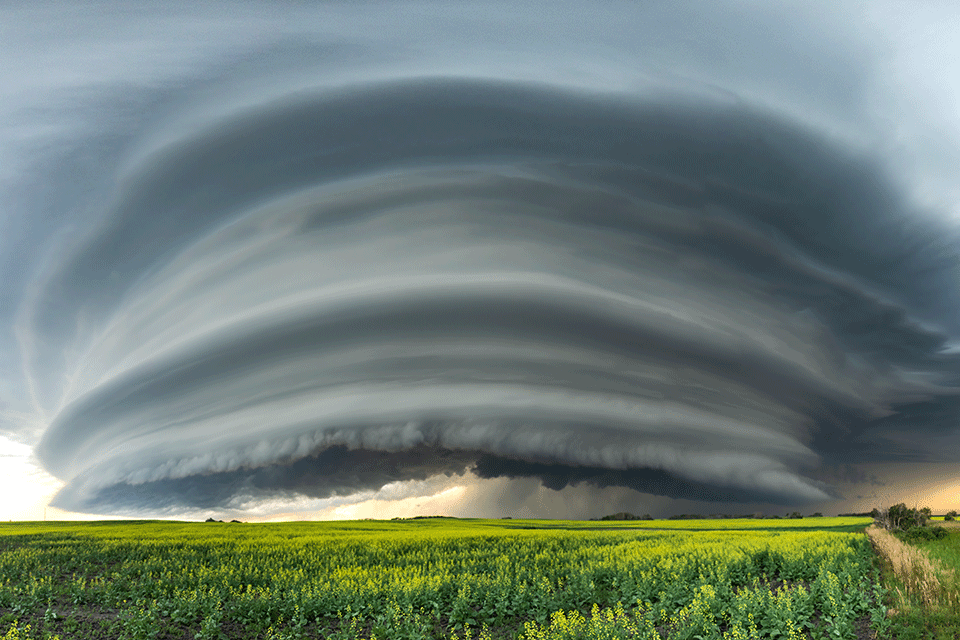
Storm chasing teaches patience, humility, and respect. Nature doesn’t follow your schedule, and no matter how much gear you bring, some moments will slip away. But the ones you do capture—those fleeting seconds of beauty, drama, and chaos—make it all worth it.
For me, storm photography is about finding art in the extremes. It’s about showing people that there’s beauty in the darkness and chaos. When I look through my lens at a towering supercell or watch a bolt of lightning ignite the sky, I’m reminded why I do this: to share the awe, the danger, and the wonder of the storm—one image at a time.
Storm chasing can be extremely dangerous and should only be attempted by experienced individuals with proper training and equipment. Always prioritize your safety and the safety of others. Never underestimate the power of severe weather
📷 Gear List: Craig’s Storm Chaser Essentials
- Camera: Canon R5
- Lenses:
- Wide-angle Canon RF 15-35mm F2.8 L IS USM
- Zoom Lens Canon RF 24-105 F4 L IS USM
- Laowa 12mm F2.8
- Cover: Think Tank Emergency Rain Cover
- Bags:
- Tripod:
- Accessories:
- Spare batteries & memory cards
- Dust blower, lens cloths, cleaning kit
- Laptop & external hard drives for backup
Discussed Items
About the Author – Craig Hilts
Craig Hilts is an award-winning photographer based in Swift Current, Saskatchewan, renowned for his captivating work under the banner of Prairie Fire Photography. With a deep passion for capturing the raw beauty of nature, Hilts specializes in photographing Saskatchewan’s dramatic landscapes, wild weather, and unique wildlife, earning him recognition as a leading storm chaser and nature photographer in Canada. His portfolio showcases the essence of the prairies, featuring the electric energy of summer storms, the glow of the northern lights, starry skies that stretch endlessly, weathered old barns, iconic grain elevators, and the untamed wildlife of the region. His work vividly embodies the spirit of Saskatchewan, often referred to as the “Land of Living Skies,” celebrating its vast, ever-changing beauty.
Hilts’ journey in photography is driven by a relentless commitment to capturing fleeting, breathtaking moments that others might miss. He travels over 30,000 kilometers annually across Saskatchewan and anywhere else that adventure might be waiting. His pursuit of extraordinary scenes is both an art and an adventure, requiring patience, intuition, and a deep understanding of the fleeting experiences he chases.. Hilts transforms these moments into high-definition art, often using innovative aluminum metal prints that amplify the vibrancy and depth of his images. This signature medium creates immersive wall art that brings the wild energy of a thunderstorm or the quiet majesty of a starlit night into homes and galleries, captivating viewers with its lifelike clarity.
Craig Hilts | Prairie Fire Photography
Wild | Weather | Wonder – Capturing one of a kind moments
web: pfphoto.ca livingskytours.com
email: cdhilts@prairiefirephoto.com
phone: (306)741-4540
Find Me On Facebook – Prairie Fire Photography
Find Me On Instagram – craig_hilts



Awesome