
From landscapes and macro photography to action images and studio swork, choosing the right tripod head can make a bigger difference than you might think.
A tripod is one of those pieces of equipment that can make a real difference to your photography, but the tripod itself is only half the equation. The head determines how easily I can position my camera, how precisely I can adjust my composition and how confidently I can lock everything in place.
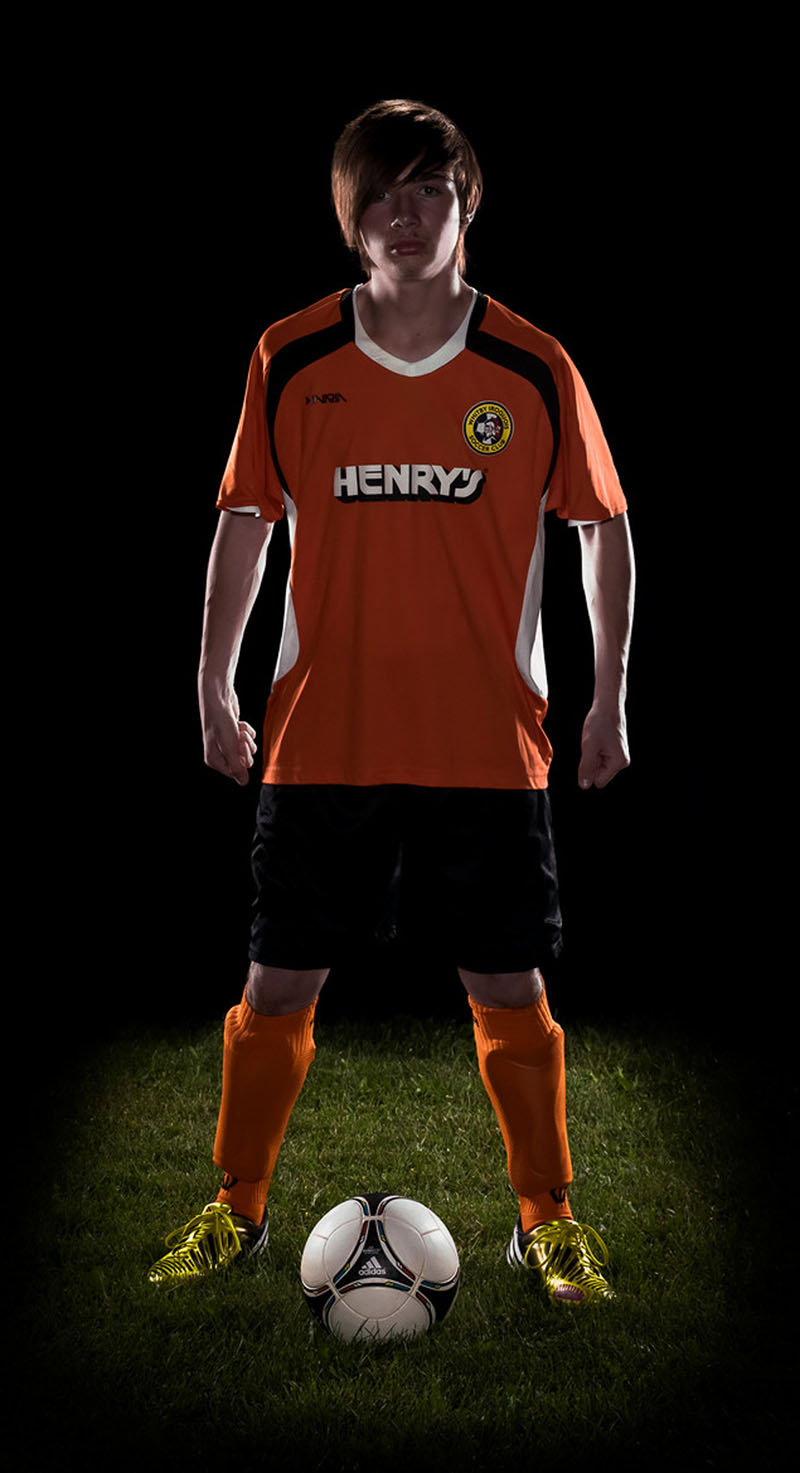
Camera mound on pan head to stay in one position so I could move lights to get them where I wanted.
I use different types of tripod heads depending on what I’m photographing. My Vanguard BBH-100 and TBH-40 ball heads offer quick, flexible camera positioning, while the PH-22 pan head gives me a more controlled approach when I want to make deliberate adjustments along individual axes.
There isn’t one head that does everything perfectly. When I’m photographing action, I want to be able to react quickly. When I’m working with macro photography, small adjustments matter. When I’m setting up a landscape, I want to get the horizon straight and the composition exactly where I want it.
Here’s how I approach choosing between these three Vanguard heads, with a few examples drawn from the types of photography I work on.
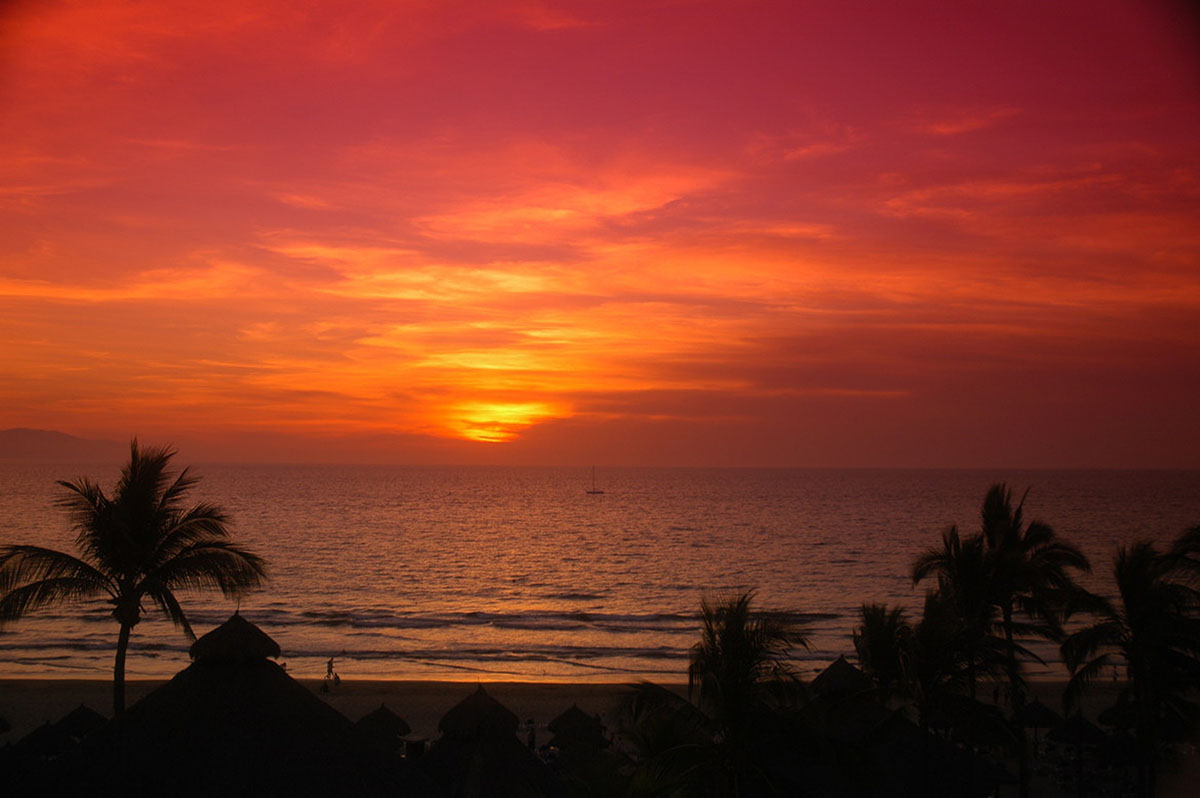
Pacific Ocean Sunset – shot on a tripod with a pan head. I used a Kenko PRO1D Circular Polarizer as well as square “sunset” filter I have to boost the reds and yellows in the sky. Where did I put that filter???
My Versatile, All-Purpose Option
A heavy-duty ball head, such as the Vanguard BBH-100, is the ball head I reach for when I want a combination of flexibility, stability and precise positioning. Its magnesium construction keeps the weight manageable, while its 10kg/22lb load capacity accommodates a wide range of camera and lens combinations (especially important since I still shoot with a DSLR).
What makes the BBH-100 particularly useful is its Rapid Level System. This feature helps me bring the camera level with the head’s base, making it easier to establish a level starting point. The head also offers 360-degree panning, a dedicated panning lock, two bubble levels and a quick-release system compatible with Arca-style plates.

Another image where my pan head was vital to keeping the horizon straight. A Kenko PRO1D Circular Polarize and ND4 allowed for a long enough exposure to turn the water into a mirror. This type of image is almost impossible without a tripod.
When I choose it
For landscape photography, I want to be able to move the camera freely while I find the right composition, then lock it down securely. When I’m photographing fall colours, for example, I might start with a wide view of a trail and then adjust the framing to include an interesting foreground, a line of trees or a patch of light coming through the canopy.
A ball head makes those changes straightforward. I can loosen the main lock, reposition the camera and secure it again without adjusting several separate controls.
The BBH-100’s Rapid Level System is particularly handy when I want a level horizon or am building a panoramic sequence. Rather than spending too much time correcting an uneven tripod on difficult terrain, I can establish a level starting point and concentrate on the framing.
I also appreciate this kind of flexibility when photographing events and action. At a workshop, I might be moving between a wider environmental composition and a tighter shot of someone performing a trick. The ability to reposition the camera quickly is useful when the action doesn’t wait for me to finish adjusting my equipment.
For me, the BBH-100 is the versatile choice when I want one head to handle a broad range of assignments, from outdoor photography to more controlled setups.
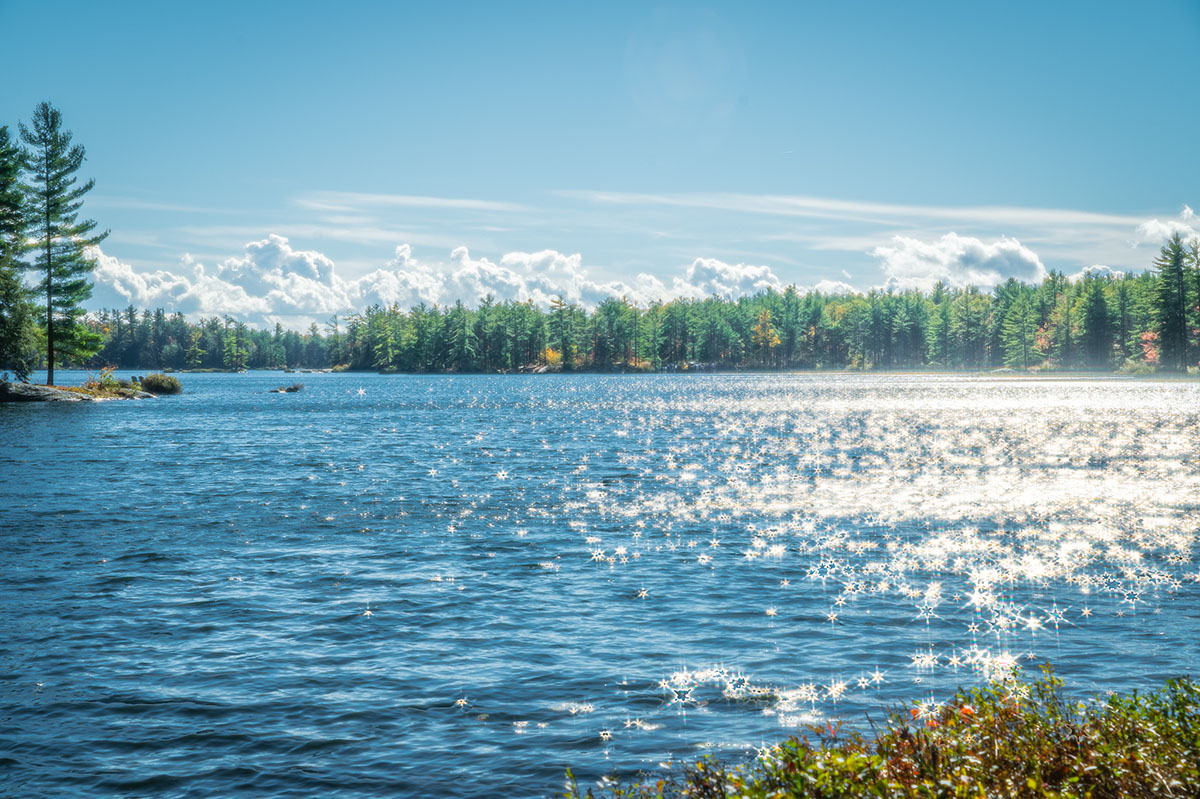
My pan head was vital to getting a straight horizon. I used a Kenko PRO1D R-Twinkle Star 6x filter and shot three bracketed frames.
Compact and Practical Travel Heads
One my lighter weight travel tripods, a smaller ball head such as the Vanguard TBH-40 makes more sense. Weighing approximately 310g/11oz, it supports up to 6kg/13lb, making it a practical option for lighter camera and lens combinations. It features 360-degree rotation, dual bubble levels, an Arca-Swiss quick-release plate and a locking mechanism designed to hold the camera securely once positioned.
When I choose it
When I’m heading outdoors, especially for longer hikes or if cycling, I don’t always need the largest head in my kit. Sometimes I want a straightforward setup that keeps the weight down while still giving me the freedom to compose carefully.
Think about a day spent exploring autumn scenery with a camera, one or two lenses and a daypack (such as my Think Tank Photo Focus Point 30L). I might stop to photograph a detail in the foliage, a texture on a tree trunk or a composition where the light is doing something interesting. I want a head that is easy to operate and doesn’t make setting up feel like a project of its own.
The TBH-40 is well suited to that sort of work when my camera and lens combination falls within its load rating. My Nikon Z6 with a Laowa 12mm f/2.8 is the ideal size.
I also like the idea of using a compact ball head for location work where I’m moving frequently between shooting positions. I can set up, make my adjustments, capture the image and move on without carrying more equipment than I need.
It’s worth remembering that a head’s load rating is only one consideration. The weight and balance of the camera and lens, how securely the head locks and the stability of the tripod all matter. For a long or heavy telephoto lens, I’d check the complete setup rather than assuming a lighter head is appropriate simply because the total weight is below its maximum rating.
The TBH-40 isn’t necessarily a replacement for the BBH-100. I see them as two options for different setups: the BBH-100 offers a higher load capacity and its Rapid Level System, while the TBH-40 makes sense when a smaller, lighter head is sufficient.

I used a ball head with my MACC to get down low for this portrait of a Rhizina undulata (pine fire fungus). I used a UV light as well as house lights for this image.
Pan Heads: When I want Deliberate Control
Ball heads are convenient because they allow several movements at once. That’s also where a pan head can have an advantage.
With a pan head, I can make adjustments along separate axes rather than allowing the camera to move freely in multiple directions. The PH-22 gives me a more methodical approach when I want to control the framing without unintentionally changing the camera’s tilt or level.
When I choose it
Macro photography is a good example of where controlled positioning matters. When I’m working with Laowa macro lenses, including high-magnification options, a tiny adjustment in camera position can change the relationship between the subject and the background. It can also change which details fall within the frame and how the subject is presented.
At higher magnifications, small movements become much more noticeable. I want to be able to adjust the framing carefully without having to correct several other elements every time I move the camera.
A pan head suits this more deliberate process. I can make a small adjustment, assess the composition and make another. It encourages me to work methodically rather than constantly releasing and repositioning a ball.
The same approach can be useful for tabletop and product photography, where straight lines, edges and the relationship between objects in the frame matter. When I’m setting up a controlled composition, I want to be able to adjust the camera without losing the framing I’ve already established.
For architectural details, carefully composed landscapes or any situation where keeping the camera level is important, independent adjustments can also be useful.
A pan head isn’t always the quickest choice, especially when the subject is moving unpredictably. But when precision and repeatability matter more than speed, that extra control can be worth it.
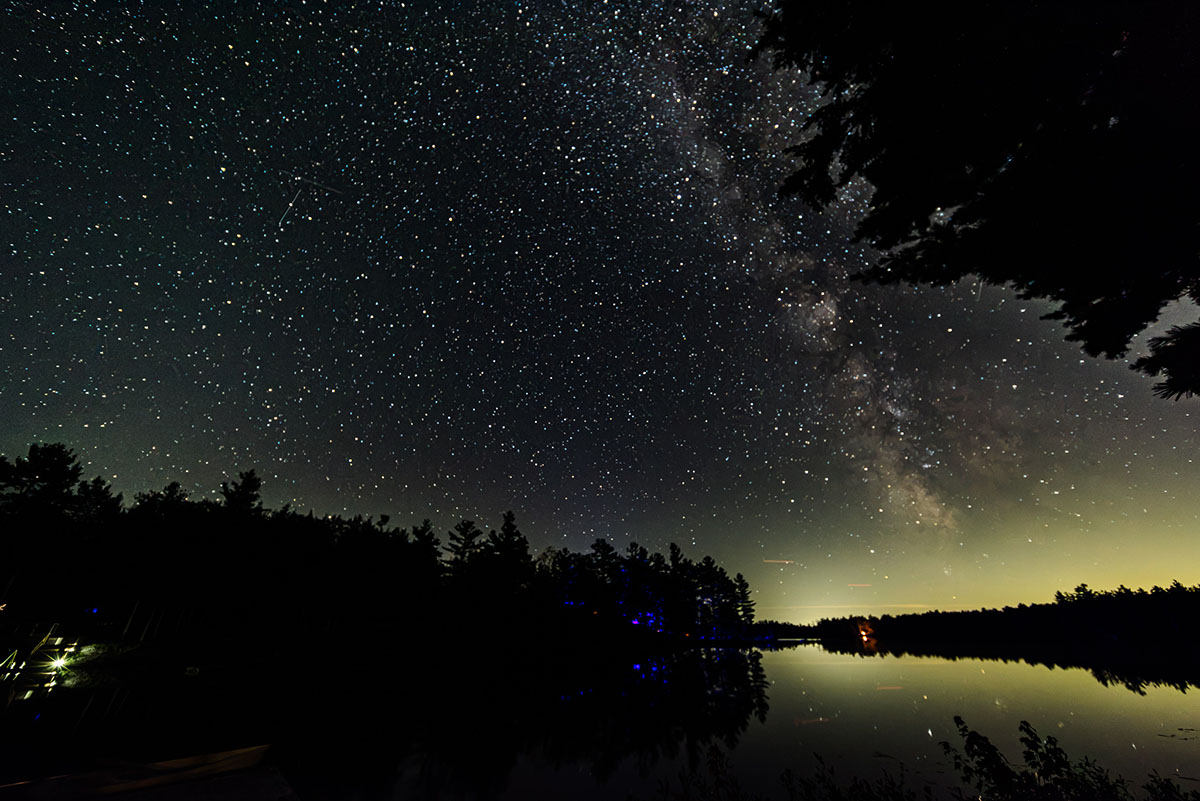
A pan head is vital for these Milky Way images. I use the built-in level in my camera and lock my horizon in. Then if I need to tilt up and down for my composition, I don’t lose my horizon.
Why Arca-Swiss Compatible Camera Plates Matter
One of the most useful features in a tripod system is the ability to move a camera between compatible heads without having to unscrew and reattach a plate every time. My previous fancy Italian tripod system used three different plates, depending on the weight rating of my tripod.
That’s where Arca-Swiss-style quick-release plates come in.
A quick-release plate attaches to the camera’s tripod socket. It then slides into a compatible clamp on the tripod head and locks in place. Instead of mounting the camera from scratch each time, I can leave the plate attached and move the camera between compatible setups. Many new lenses, such as the Laowa 200mm, feature an Arca-Swiss compatible shoe on their tripod ring. This means one less plate that I have to buy.
All of the new Vanguard heads, including BBH-100 and TBH-40, use a 38 mm Arca-compatible quick-release system.
How this helps in practice
Imagine I’m working on a macro setup and want to move the camera from one tripod to another or switch from a ball head to a pan head for a more controlled composition. With a compatible plate already attached to the camera, I can make that change much more quickly.
It also means I don’t have to keep a screwdriver or Allen key handy or repeatedly tighten a plate into the camera’s tripod socket. The plate stays attached, ready for the next setup.
When I shoot tethered, I use the Tether Tools LeverLock Plus plate, which also uses the Arca-Swiss dovetail. This plate not only works with my Vanguard heads, but it also secures my TetherPro cable!
For photographers who work with several camera bodies, this can be even more convenient. Each camera can have its own compatible plate, allowing me to switch bodies without repeatedly changing the mounting hardware.
I also make sure the plate is firmly attached to the camera, the clamp is fully locked and the camera is secure before letting go. A quick-release system saves time, but only when it’s used correctly.
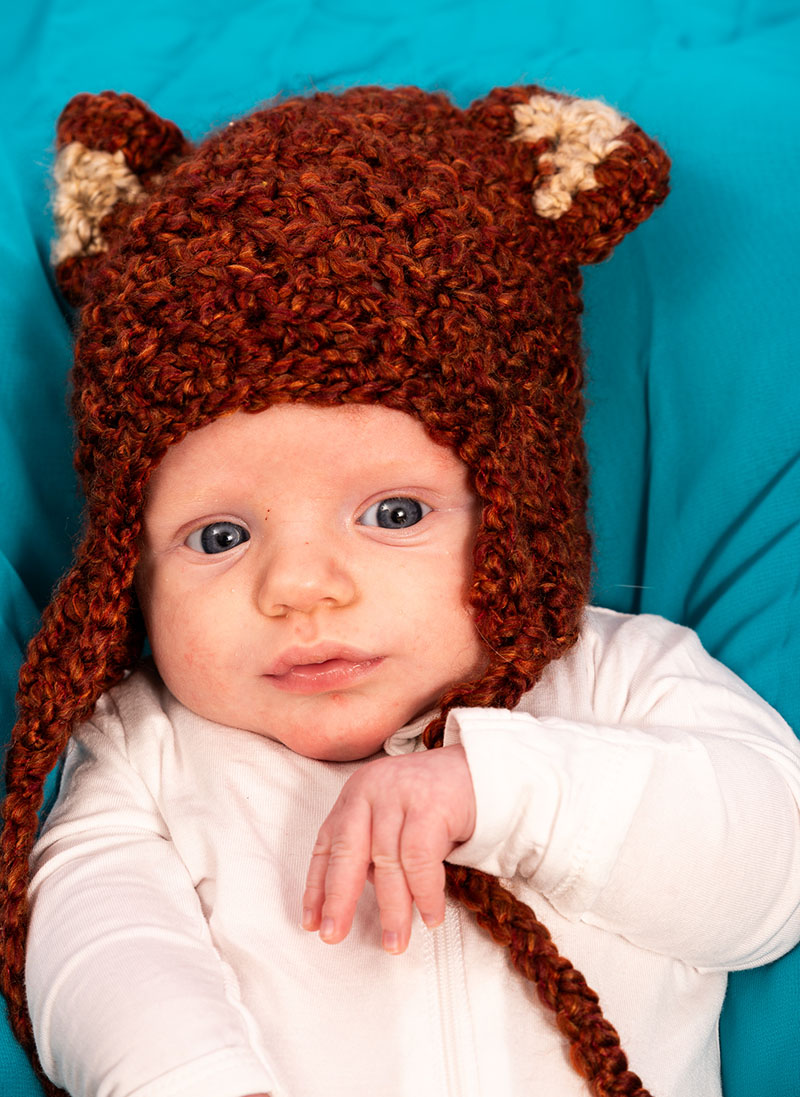
I use a ballhead with babies as they often don’t move very far. I can quickly adjust as needed by using the correct knob on the head.
So, Which Head Would I Choose?
For me, the decision comes down to what I’m photographing and how I want to work.
- Vanguard BBH-100: My choice when I want a versatile ball head with a higher load capacity and a Rapid Level System. It’s a good fit for general outdoor photography, landscapes and setups where I need to reposition the camera quickly.
- Vanguard TBH-40: The compact option when I’m working with a lighter camera setup and want a straightforward, lightweight ball head for everyday photography and location work.
- Vanguard PH-22: The option I’d consider when I want a more deliberate approach to framing and independent control of camera movement, particularly for careful compositions and close-up work.
The important thing is to match the head to the task, rather than expecting one design to be ideal for every situation.
The Little Things That Make a Difference
It’s easy to spend a lot of time choosing a camera or lens and treat the tripod head as an afterthought. But the head affects how quickly I can work, how precisely I can compose and how comfortable I feel making adjustments in the field or studio.
The BBH-100, TBH-40 and PH-22 each offer a different approach to camera positioning. Add a compatible Arca-Swiss-style quick-release plate and moving between setups becomes simpler and more efficient.
Ultimately, I want my equipment to support the photograph rather than get in the way of making it. Whether I’m exploring the changing colours of fall, working with a macro subject or photographing action at a workshop, choosing the right tripod head helps me spend less time fighting my setup and more time concentrating on the image.
And that’s the real benefit of a good tripod system: it gives me the control I need when I want it and lets me get on with making photographs.
Discussed Items
Author: Will Prentice
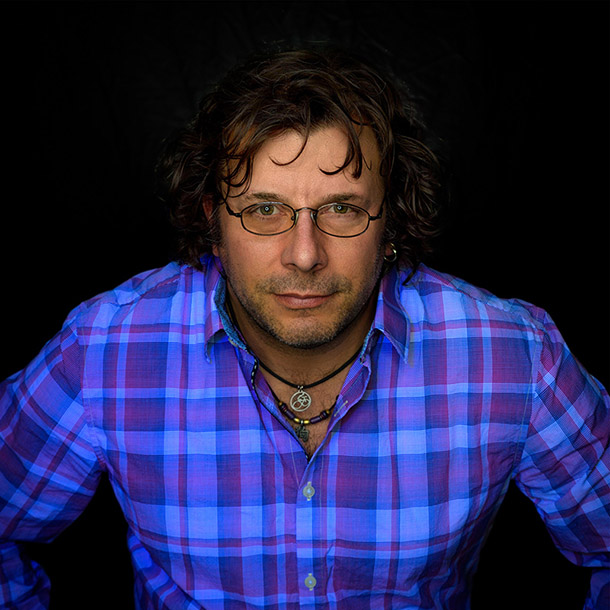
A portrait, fine art and commercial photographer for 30 plus years, Will Prentice is not just a contributor to PHOTONews magazine, but also host of PHOTONewsTV, owner of Captura Photography+Imaging and Technical Support/Brand Manager for Amplis Foto, Canada’s largest distributor of photographic equipment.
Will teaches photographers of all skill levels how to improve their craft – from creative photo projects to picking the right gear for their needs to flattering lighting to getting the best expressions to creating final images for screen and print. His unique style of highly detailed images with perfect tonality, wide dynamic range and stunning colour is instantly recognizable. Commercial clients rely on Will’s creative eye and mastery of lighting.
When he’s not behind the camera or in front of a class, you’ll find Will outdoors in any weather – usually on one of his bikes or enjoying time with his grandchildren.