
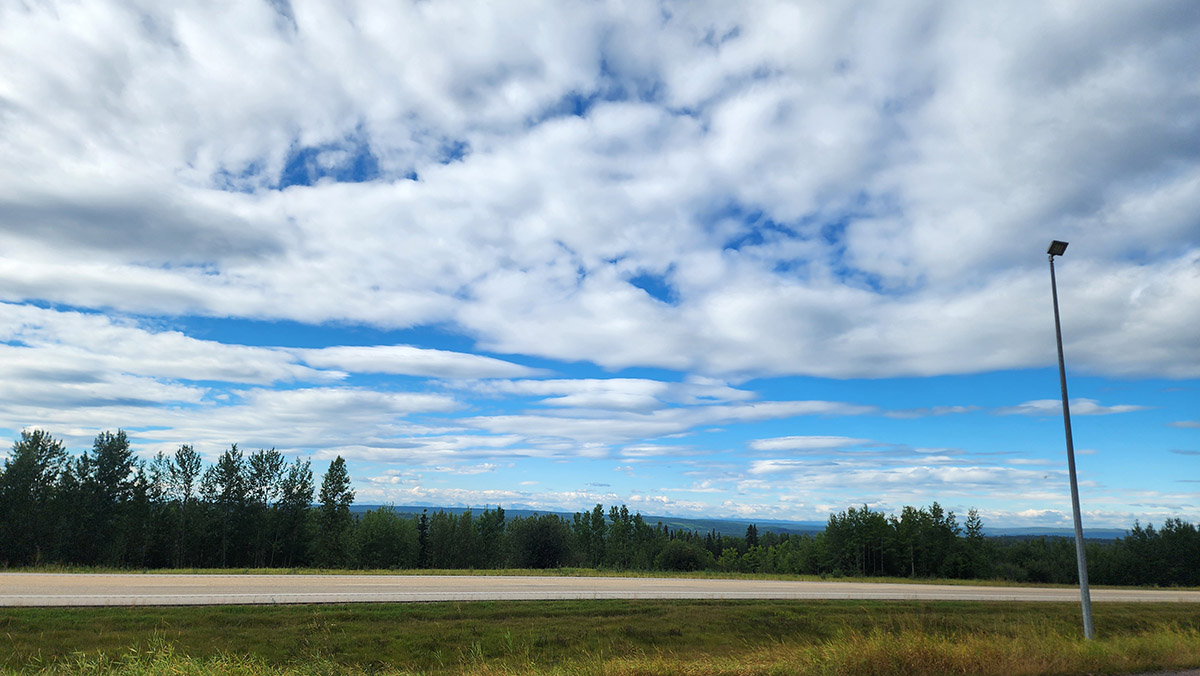
There are road trips, and then there are road trips that make you forget where you’re going because you’re too busy staring out the window. Alberta’s Yellowhead Highway and Icefields Parkway belong firmly in the second category.
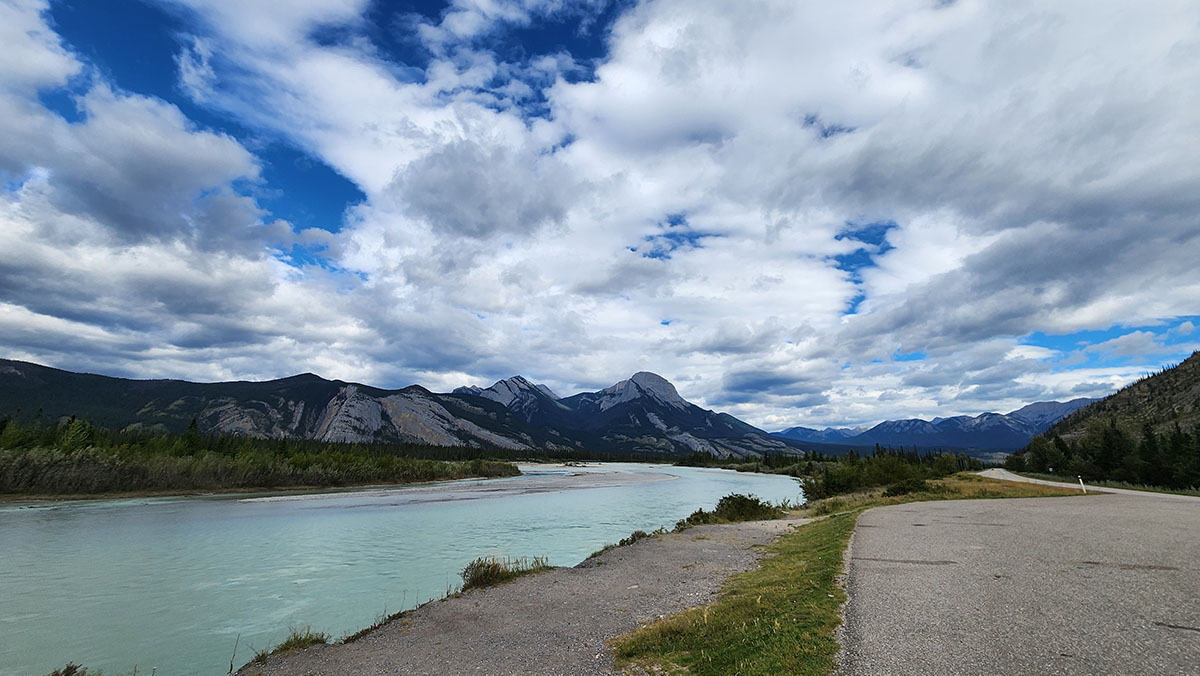
For photographers, nature lovers and anyone who enjoys the freedom of the open road, these routes offer something extraordinary: towering mountains, turquoise lakes, ancient glaciers, abundant wildlife and landscapes that seem to change with every kilometre.
And the best part? You don’t need to travel halfway around the world to experience them. Some of the most spectacular scenic drives on the planet are right here in Canada.
The Yellowhead Highway: Where the Journey Is the Destination
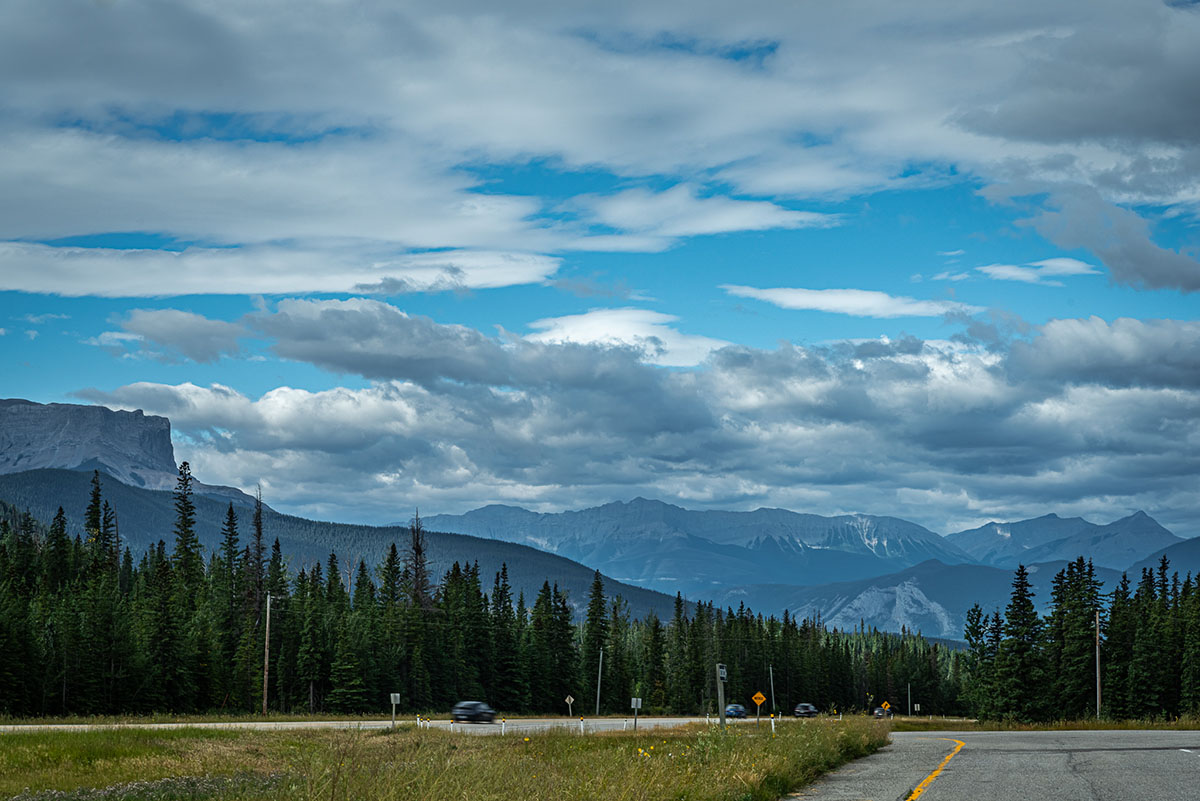
Highway 16, commonly known as the Yellowhead Highway, crosses western Canada, connecting communities and landscapes from Manitoba to British Columbia. The Alberta section, particularly the route through Jasper National Park, offers an incredible introduction to the Canadian Rockies.
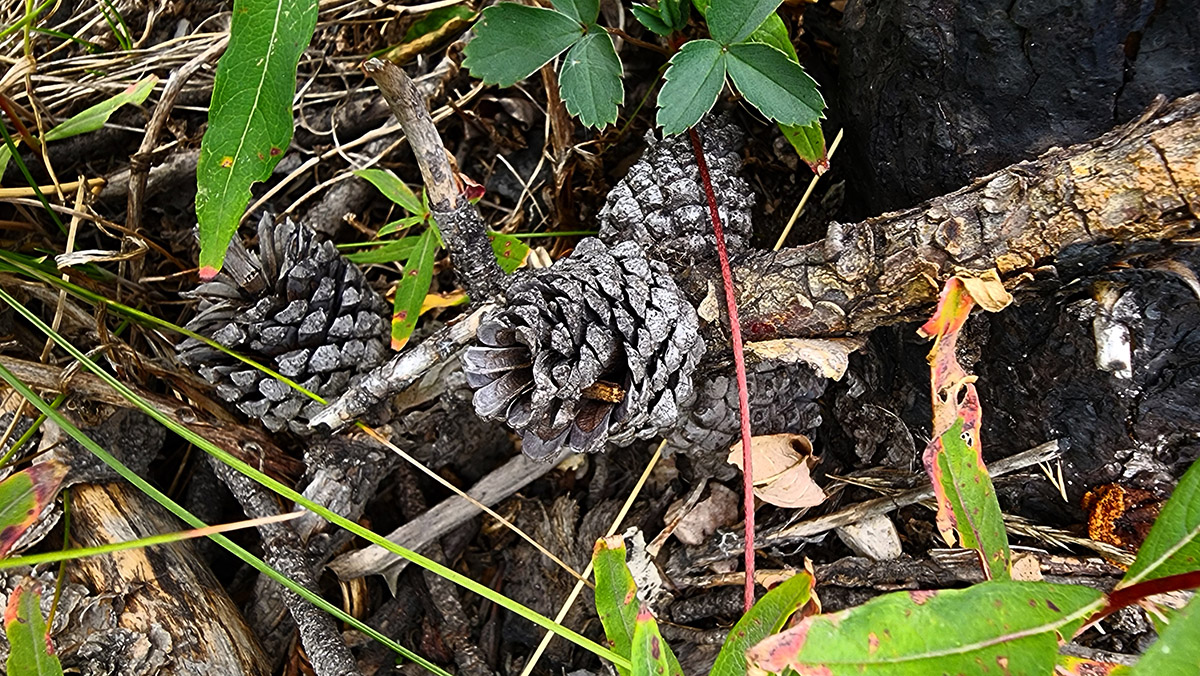
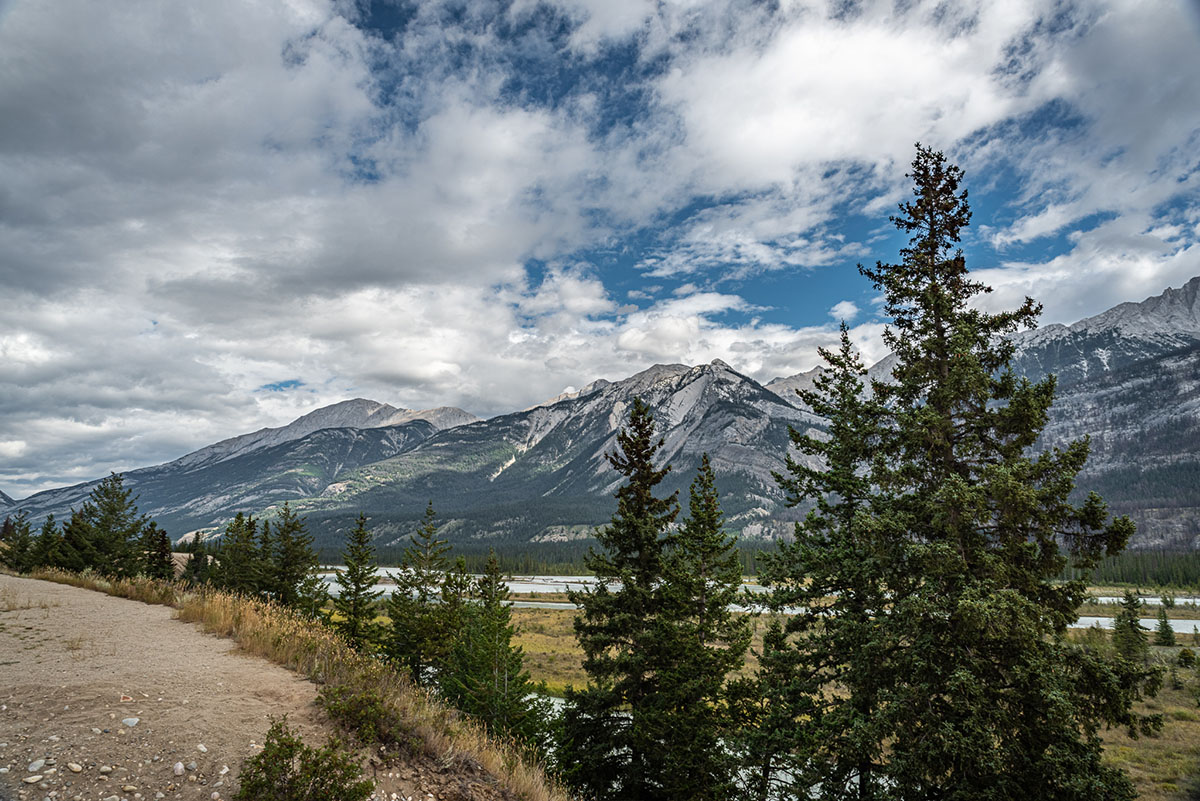
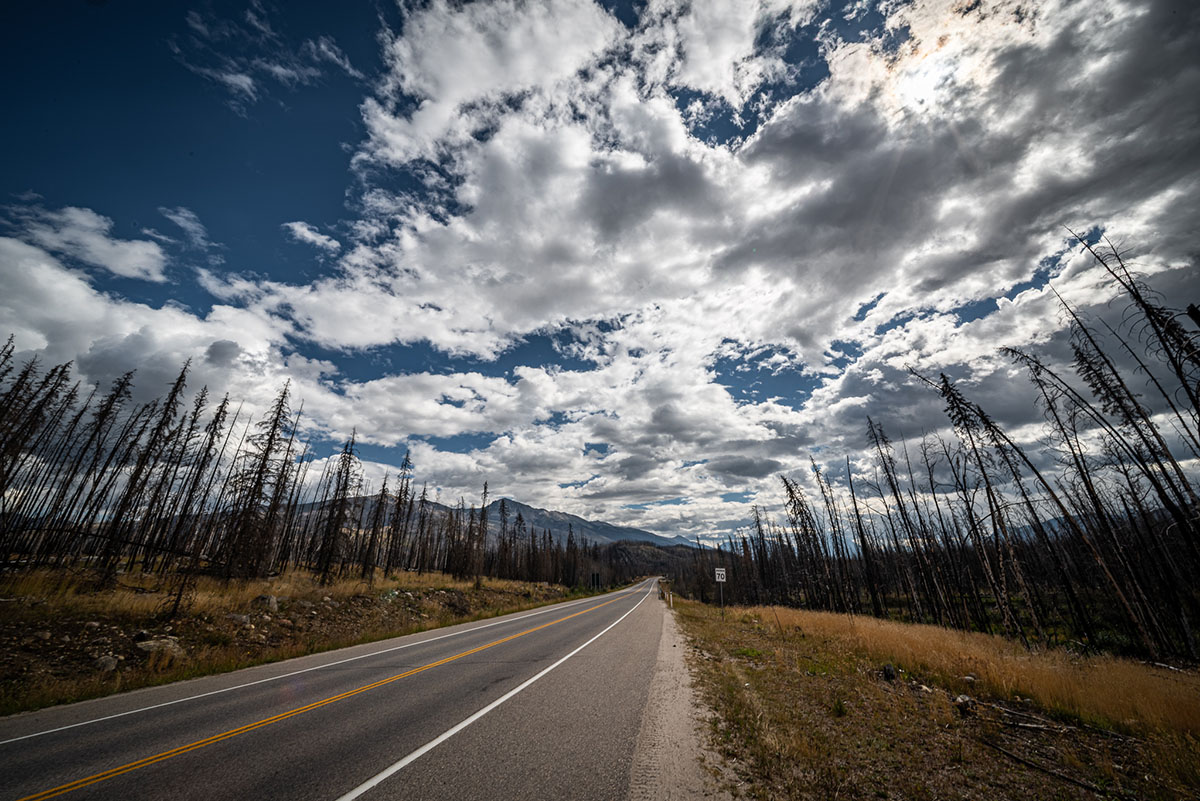
As you approach Jasper, the scenery becomes increasingly dramatic. Mountains rise along the horizon, rivers wind through expansive valleys and forests stretch in every direction. The highway provides access to a wilderness experience that feels both accessible and wonderfully remote.
The Yellowhead Highway is also a reminder that scenic driving doesn’t always require a tightly planned itinerary. Sometimes the best approach is to leave yourself time to stop, explore a viewpoint and simply enjoy the landscape.
For photographers, the changing light throughout the day offers endless opportunities. Early morning mist, dramatic cloud formations and the warm glow of evening light can transform an already beautiful scene.
My advice? Don’t rush. The highway isn’t simply a way to get somewhere. It’s part of the experience.
The Icefields Parkway: A Drive Through the Canadian Rockies
If there’s one scenic drive that deserves a place on every photographer’s bucket list, it’s the Icefields Parkway. This is often called the most beautiful drive in the world.
Connecting Jasper and Lake Louise, Highway 93N stretches approximately 230 kilometres through some of the most spectacular mountain scenery in Canada. Along the route, you’ll encounter massive peaks, glacier-fed lakes, waterfalls and the Columbia Icefield.
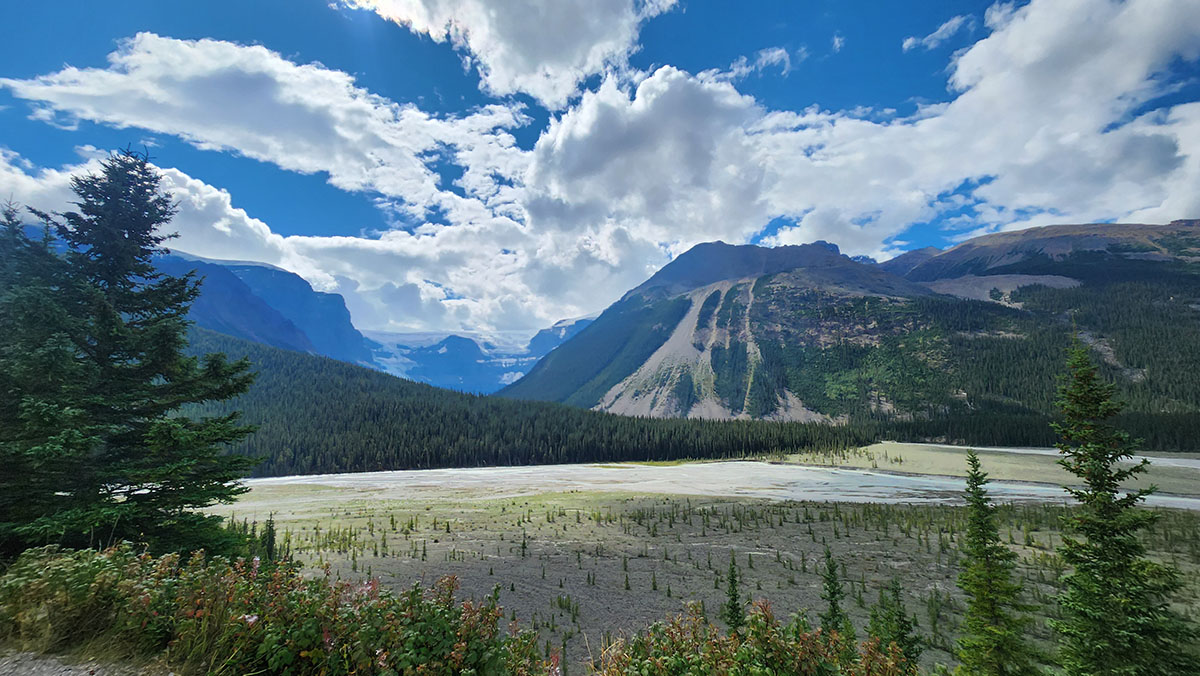
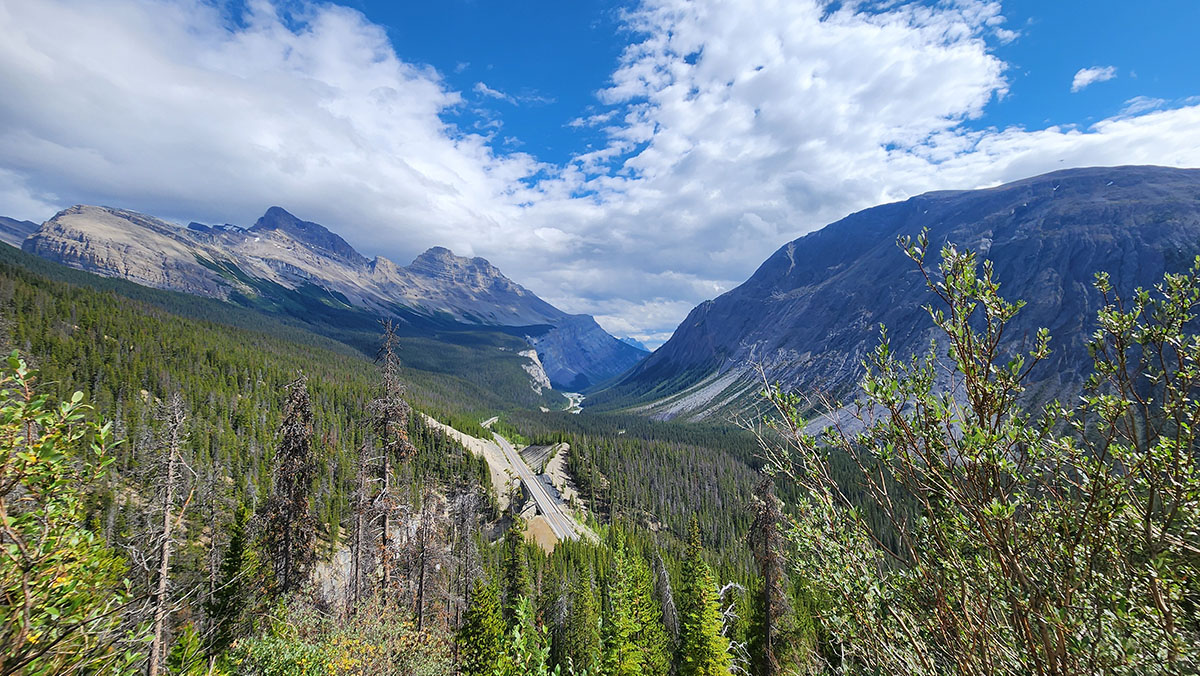
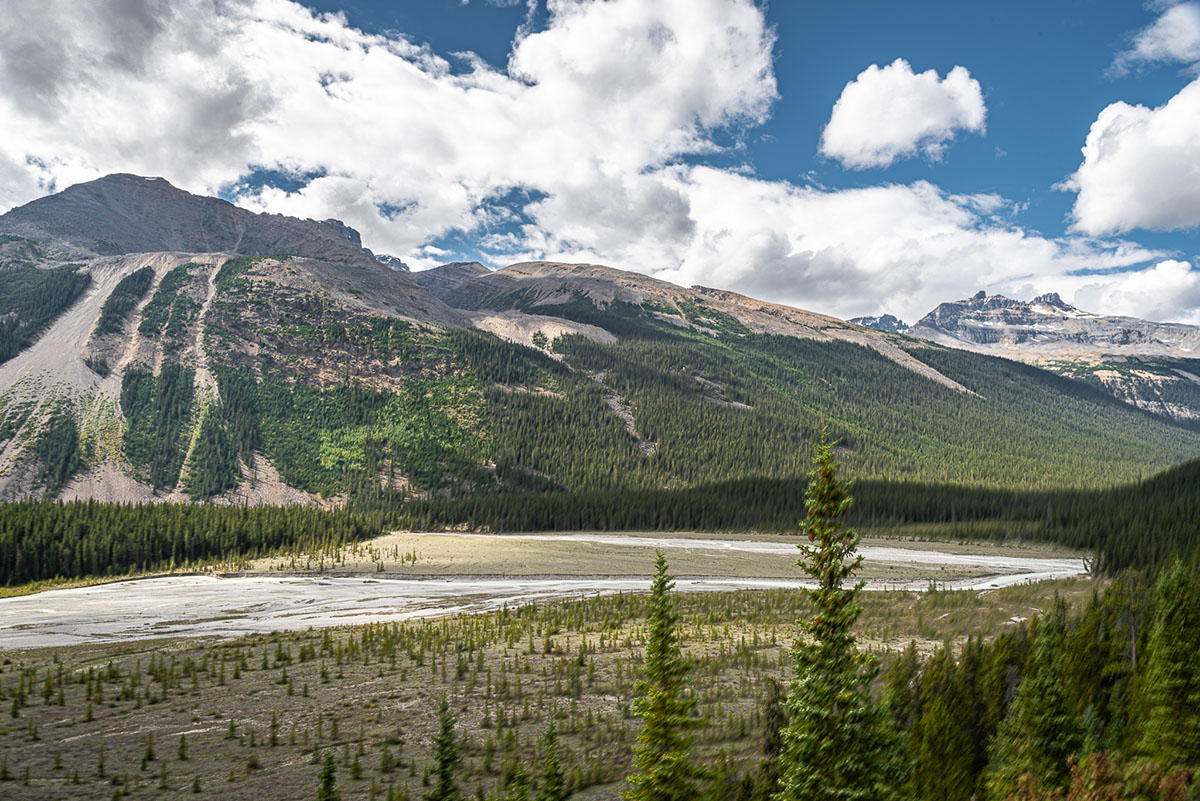
The scenery is almost overwhelming. One moment, you’re driving alongside a peaceful lake and the next you’re surrounded by rugged mountain walls and ancient glaciers.
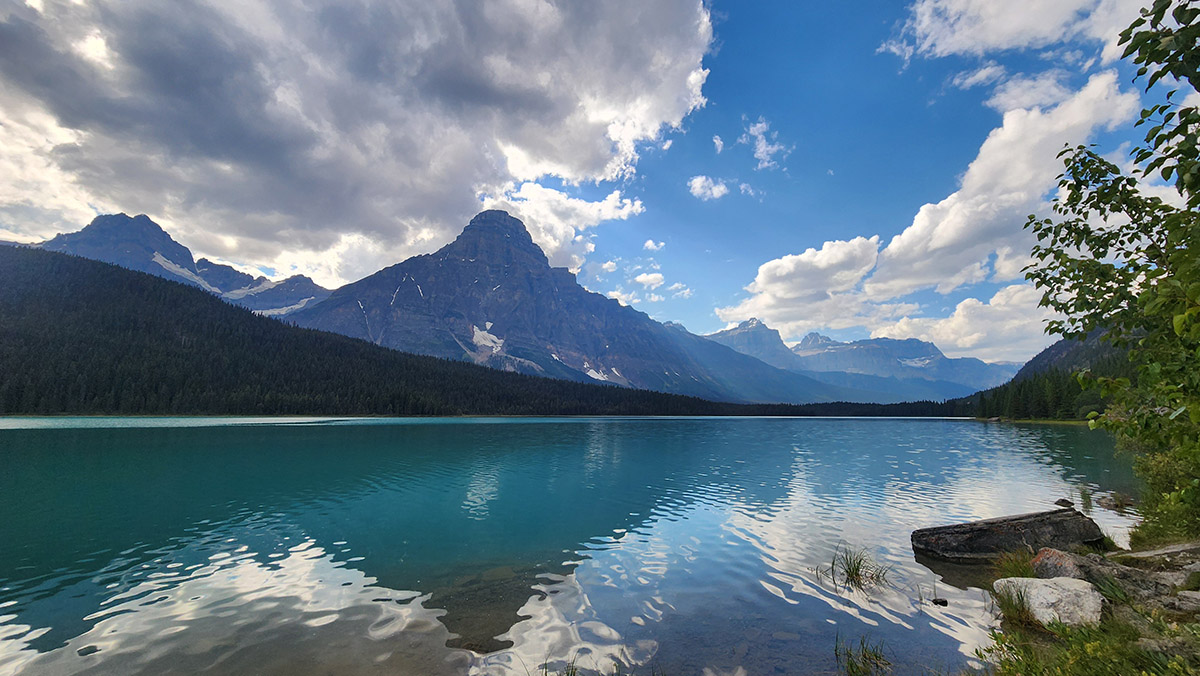
Some of the highlights include:
- Peyto Lake: Famous for its distinctive turquoise colour and mountain backdrop.
- Athabasca Glacier: Part of the Columbia Icefield and a powerful reminder of the scale and age of the Rockies.
- Athabasca Falls: A dramatic waterfall where the power of glacial water has carved through the landscape.
- Sunwapta Falls: A spectacular series of waterfalls surrounded by mountain wilderness.
- Big Bend: A dramatic section of the parkway offering expansive views of the surrounding mountains.
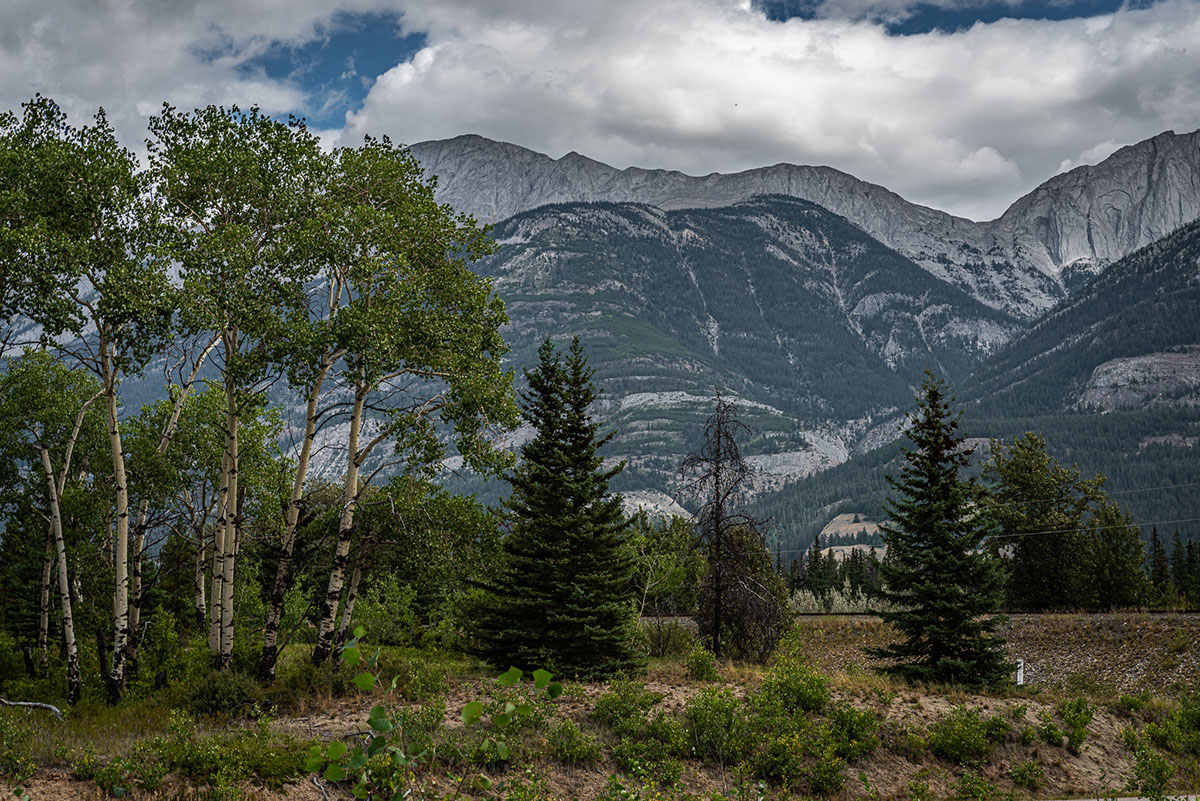
The Icefields Parkway is the kind of road where you may plan to stop three times and end up stopping thirty or more. And that’s perfectly fine.
Just make sure you allow enough time. The distance may look manageable on a map, but the scenery, viewpoints and changing conditions make this a drive to savour rather than rush. When I originally planned this drive, Google Maps told me it would take 7.5 hours. I wound up on the road for almost 11 hours!
Athabasca Falls: Where the Power of Water Shapes the Landscape
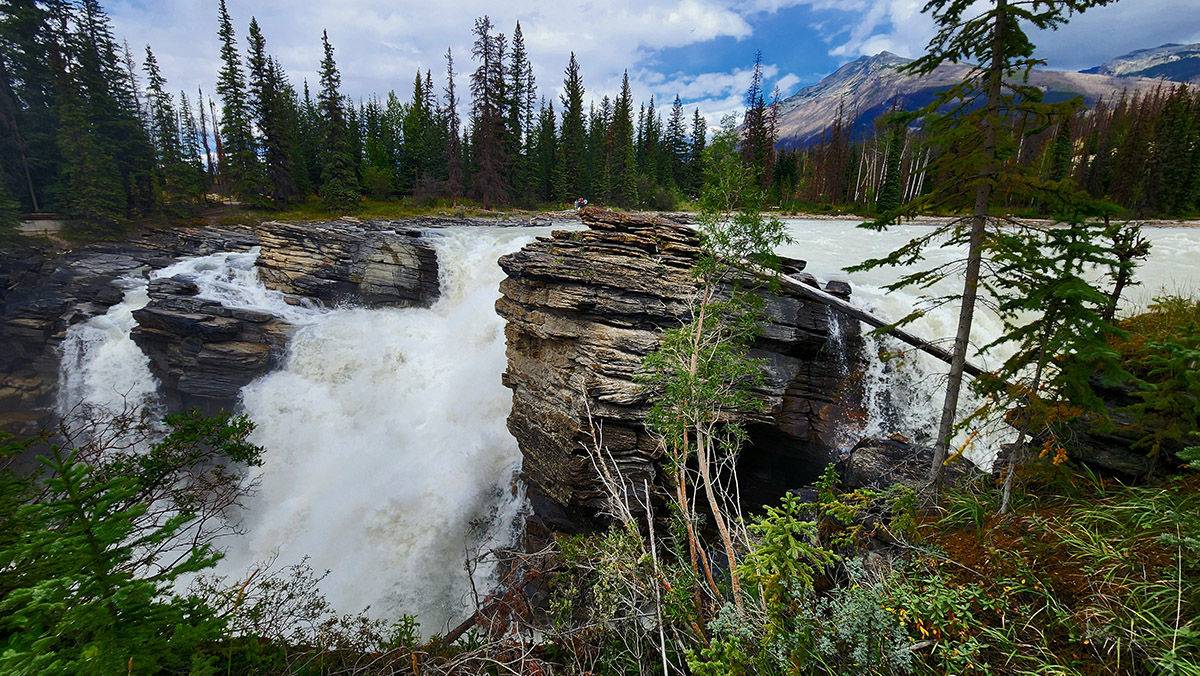
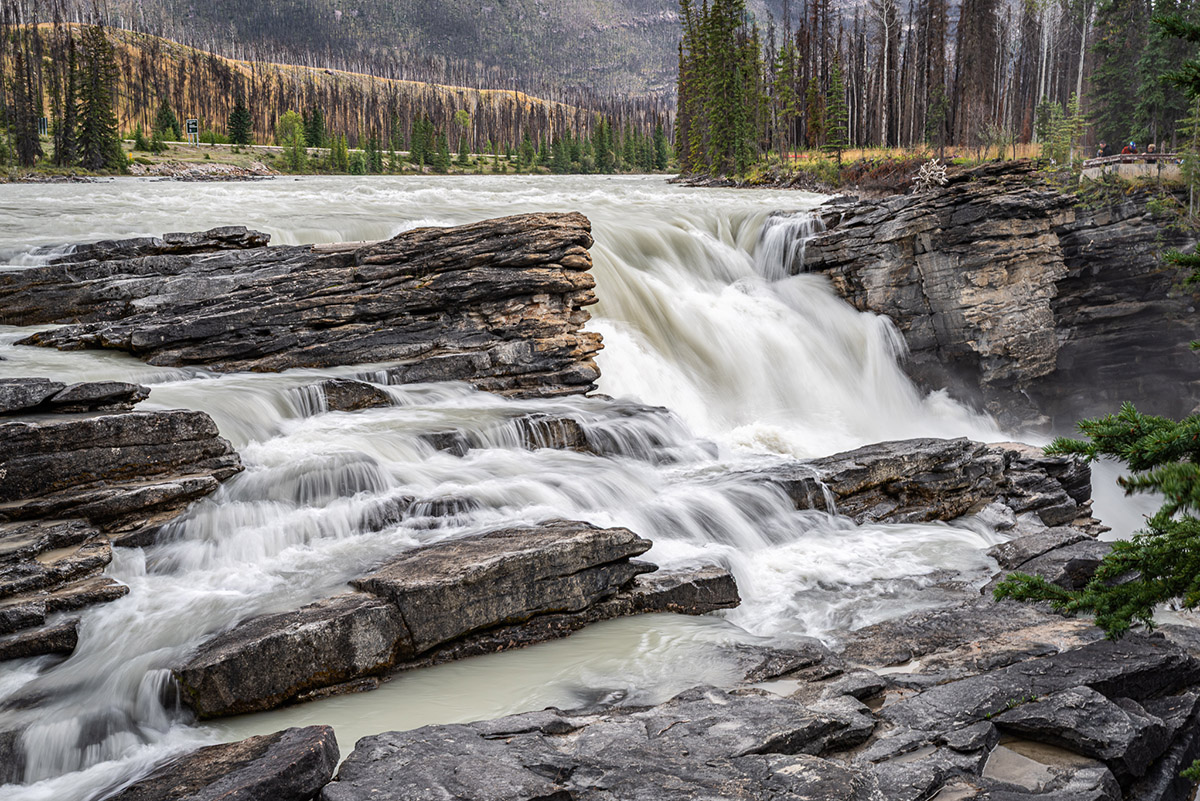
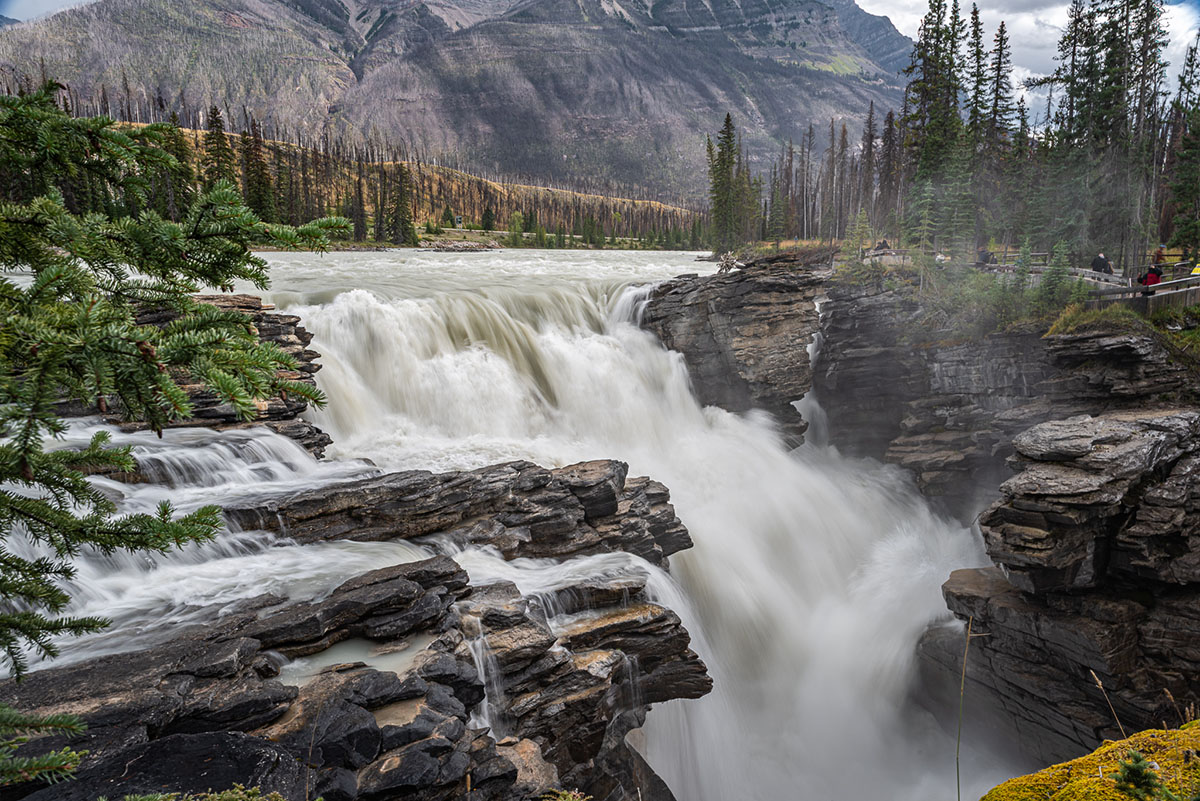
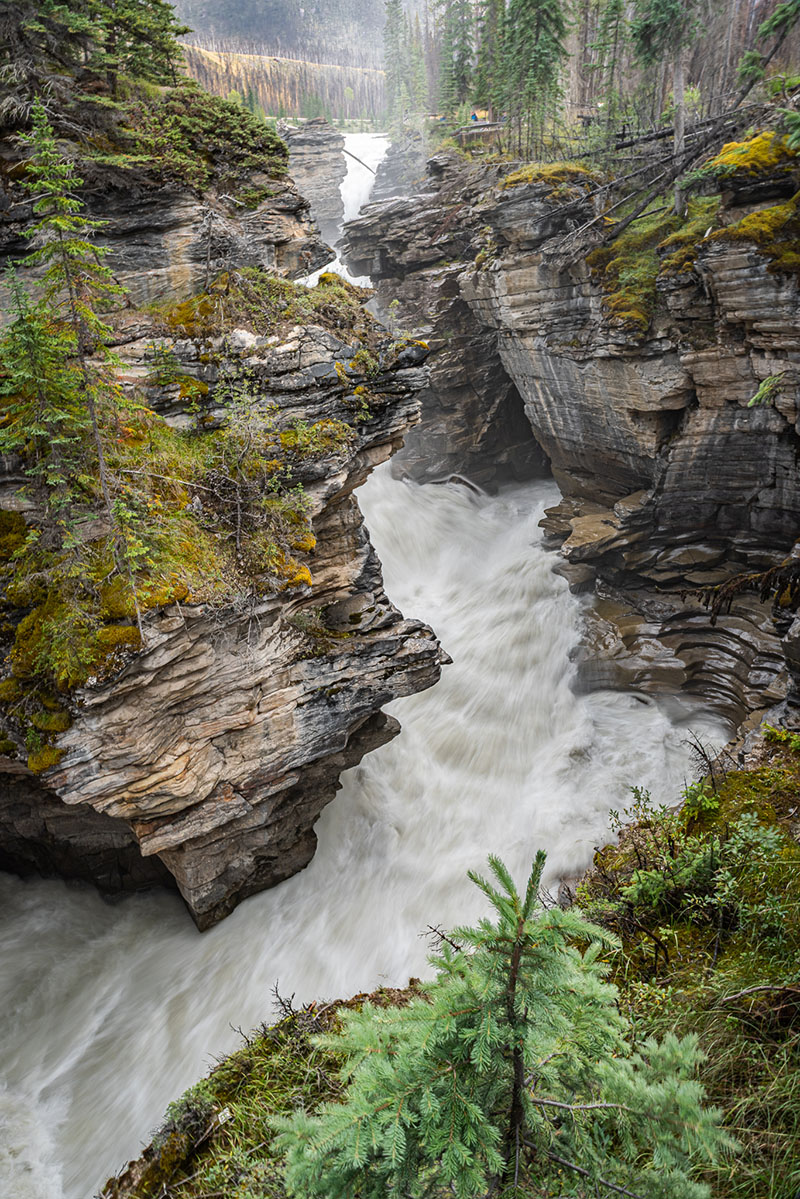
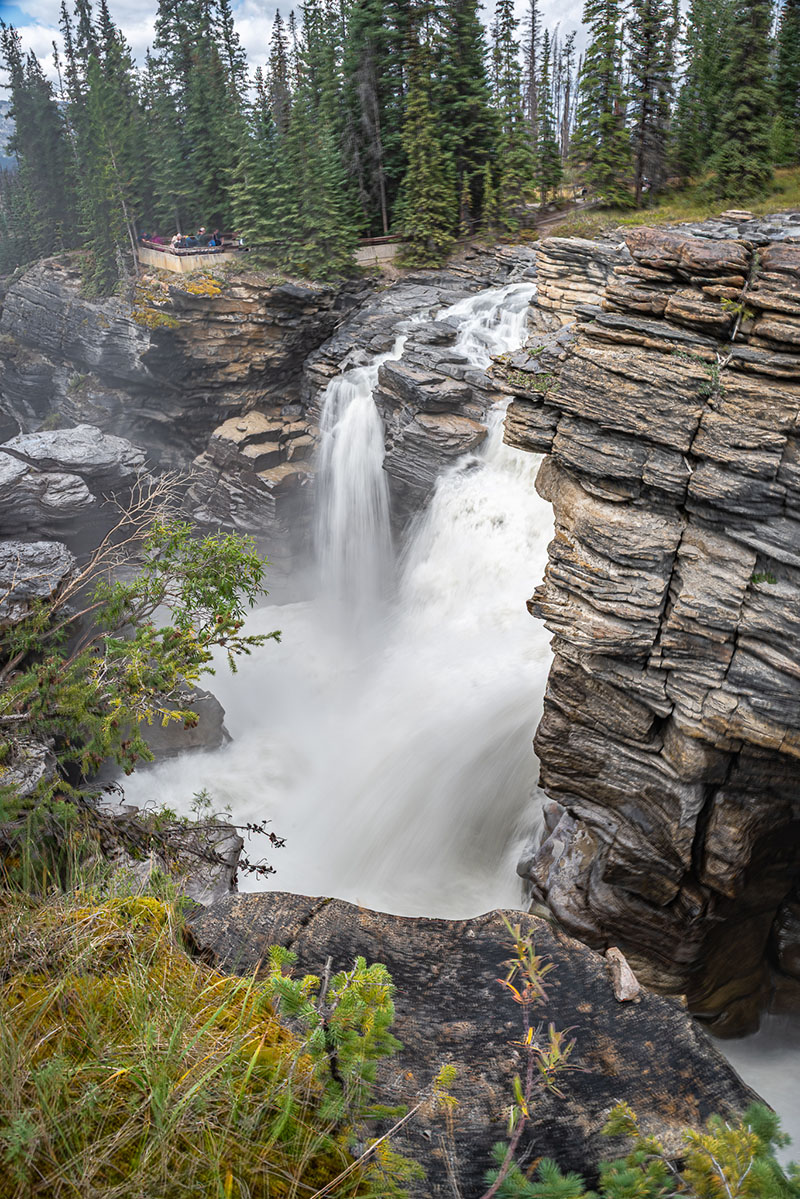
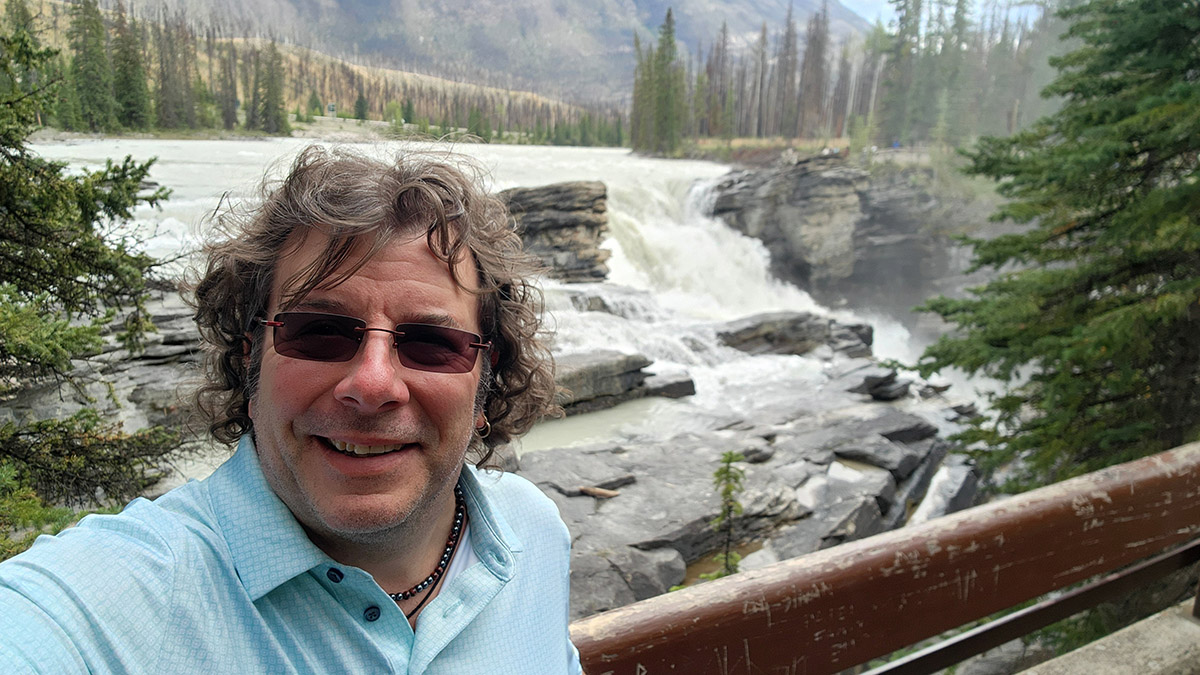
Athabasca Falls may not be the tallest waterfall in the Canadian Rockies, but what it lacks in height, it more than makes up for in power and character. Located along the Icefields Parkway 30km South of Jasper, this impressive waterfall is fed by the Athabasca River, which carries glacial water from the Columbia Icefield. What makes Athabasca Falls unique is the sheer force of the water squeezing through a narrow limestone gorge, creating a spectacular display of rushing water, mist and swirling currents. Over thousands of years, the river has carved its way through the rock, leaving behind distinctive geological formations and potholes that reveal the power of erosion. For photographers, the falls offer endless opportunities to capture movement, texture and the interplay between water and rock. The viewing platforms provide different perspectives, but be prepared for spray, especially when water levels are high. It’s a reminder that some of nature’s most impressive creations aren’t necessarily the biggest, they’re the ones that demonstrate the greatest force.
Beyond the Parkway: Side Routes and Experiences Worth Exploring
One of the great things about the Icefields Parkway is that the adventure doesn’t stop at the roadside viewpoints. Several side routes and nearby experiences offer opportunities to explore the landscape from a different perspective. The road to Maligne Lake, near Jasper, leads through a beautiful mountain valley to one of the region’s most recognizable lakes, famous for its turquoise water and Spirit Island. Closer to the Icefields Parkway, the Columbia Icefield Discovery Centre provides access to experiences that showcase the region’s glaciers and mountain environment. You can also explore hiking trails, take short walks to more waterfalls or spend time at quieter viewpoints away from the main tourist stops. Routes such as the David Thompson Highway, branching east from Saskatchewan River Crossing, offer a different perspective on the Rockies, with expansive scenery and fewer crowds than found along the main parkway. The key is to allow extra time in your itinerary. The best experiences aren’t always the ones highlighted on the main road signs. Sometimes they’re found by taking a turn, exploring a trail or simply pulling over at a viewpoint that catches your eye.
I saved some of these experiences for a future trip. Unless you have a few days to explore, you can’t fit everything into a one-day excursion. This also ensures that I’ll be back for more!
Free Access to Canada’s National Parks
One of the great opportunities for Canadians and visitors alike has been the availability of free admission to Canada’s national parks through special Parks Canada initiatives.
In 2026, the Canada Strong Pass offered free admission to Parks Canada places from June 19 through September 7. That specific promotion has now ended, and regular admission fees apply as of September 8, 2026.
It’s worth checking Parks Canada before planning your trip, as admission promotions and access policies can change.
Even when admission fees apply, the opportunity to explore these protected landscapes remains incredibly valuable. Canada’s national parks preserve some of the country’s most important natural environments and visiting them helps us appreciate why conservation matters.
For photographers, they provide a chance to experience and document landscapes that deserve to be protected for future generations.
Jasper After the Wildfires: A Landscape in Recovery
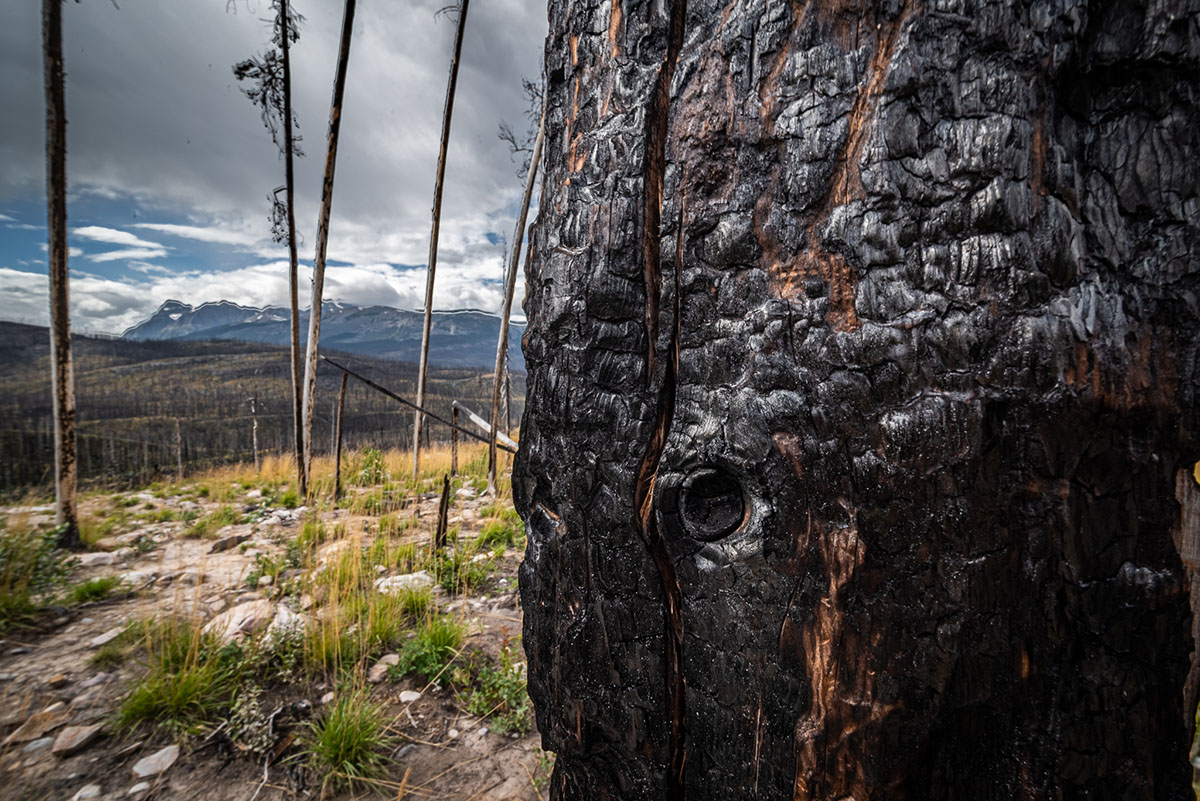
Any discussion of driving through Jasper needs to acknowledge the devastating wildfires that struck the community and surrounding national park in 2024.
The fire destroyed approximately one-third of the structures in the town of Jasper and affected extensive areas of the surrounding landscape. The impact on residents, businesses and the broader community was profound.
But Jasper is recovering.
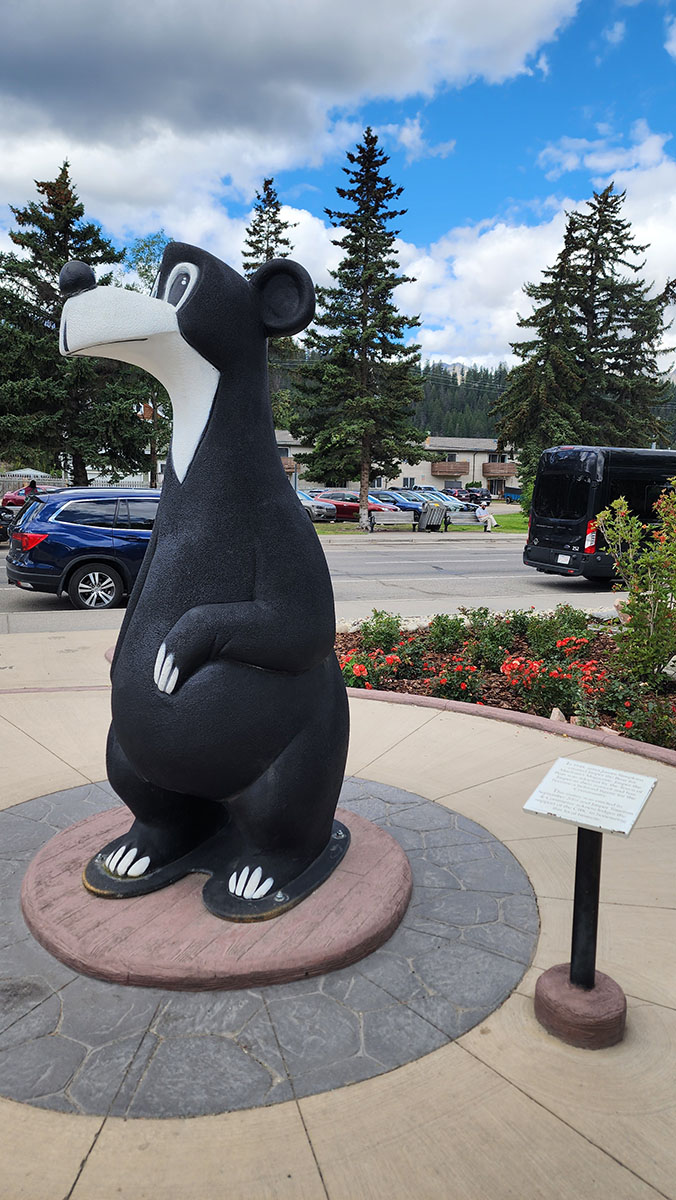
As you enter Jasper from the North, you’ll see trailer homes where residents await reconstruction of their homes. Hotels and new homes are being built all over town. Many homes feature new roofs. Jasper the Bear stands guard beside the Aboriginal Exhibit – both are must-see stops whilst wandering downtown Jasper.
Parks Canada and the local community have been working to restore infrastructure, reopen affected areas and support the ongoing recovery. Some areas remain closed while crews address hazards, repair trails and undertake rehabilitation work.
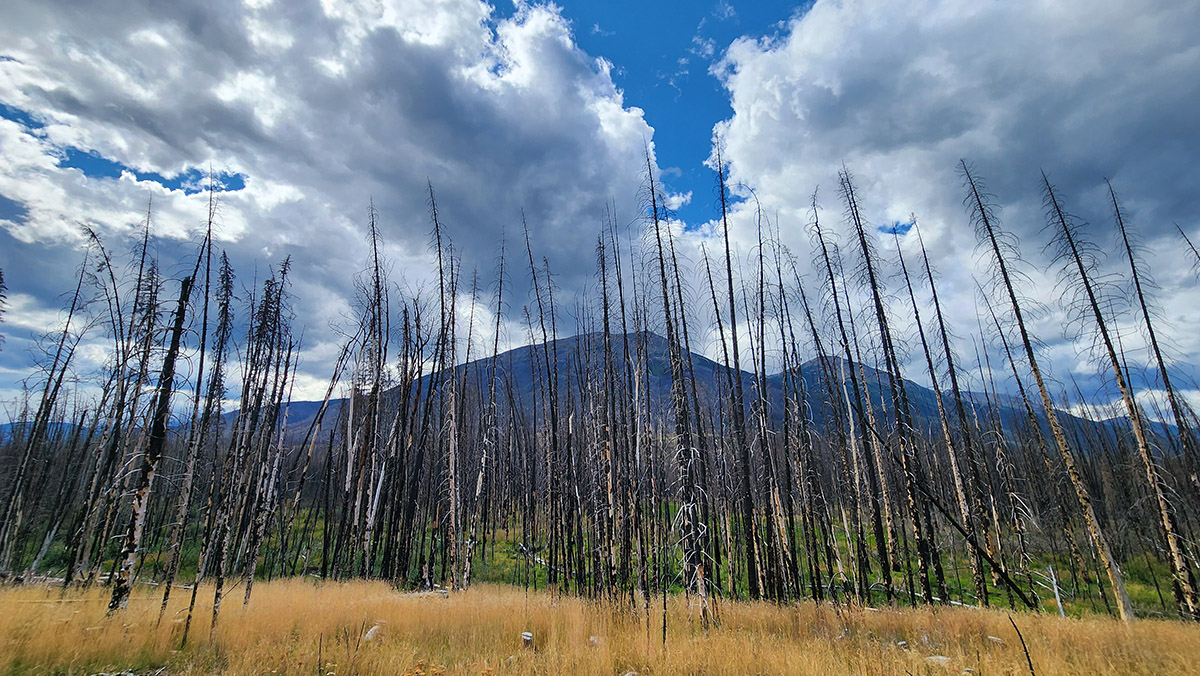
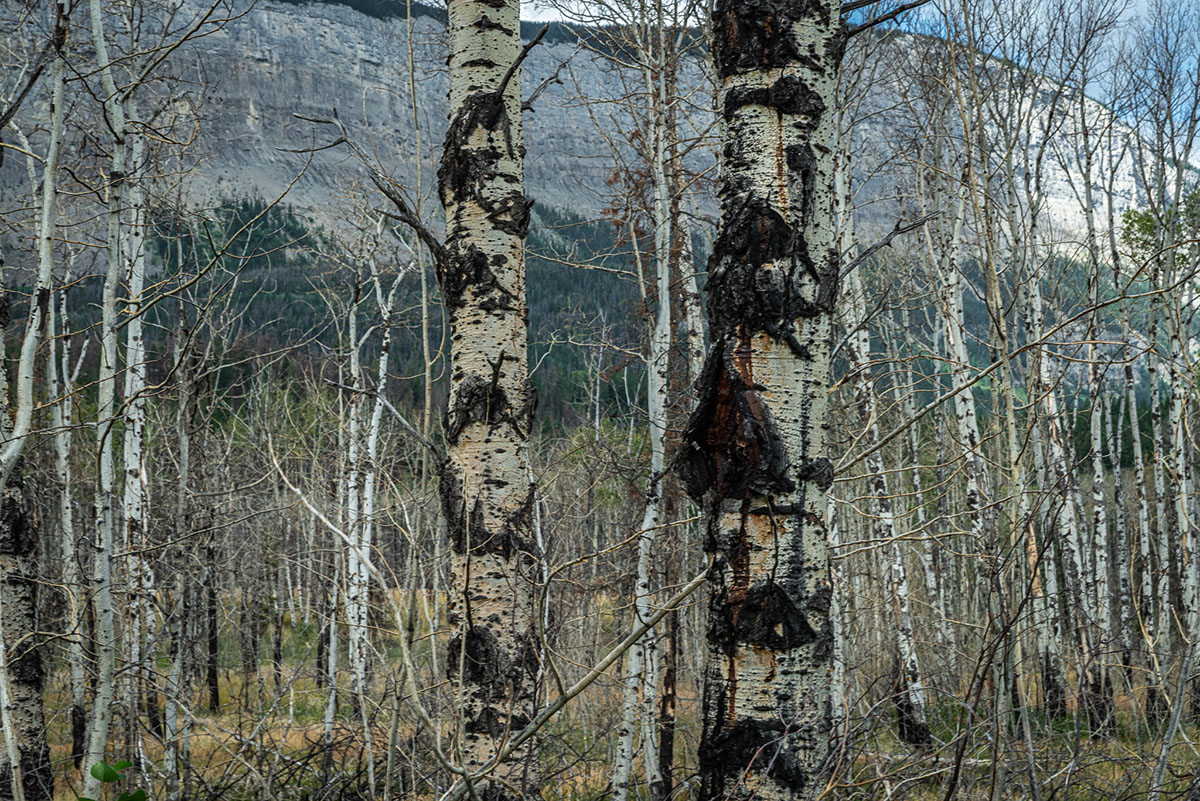
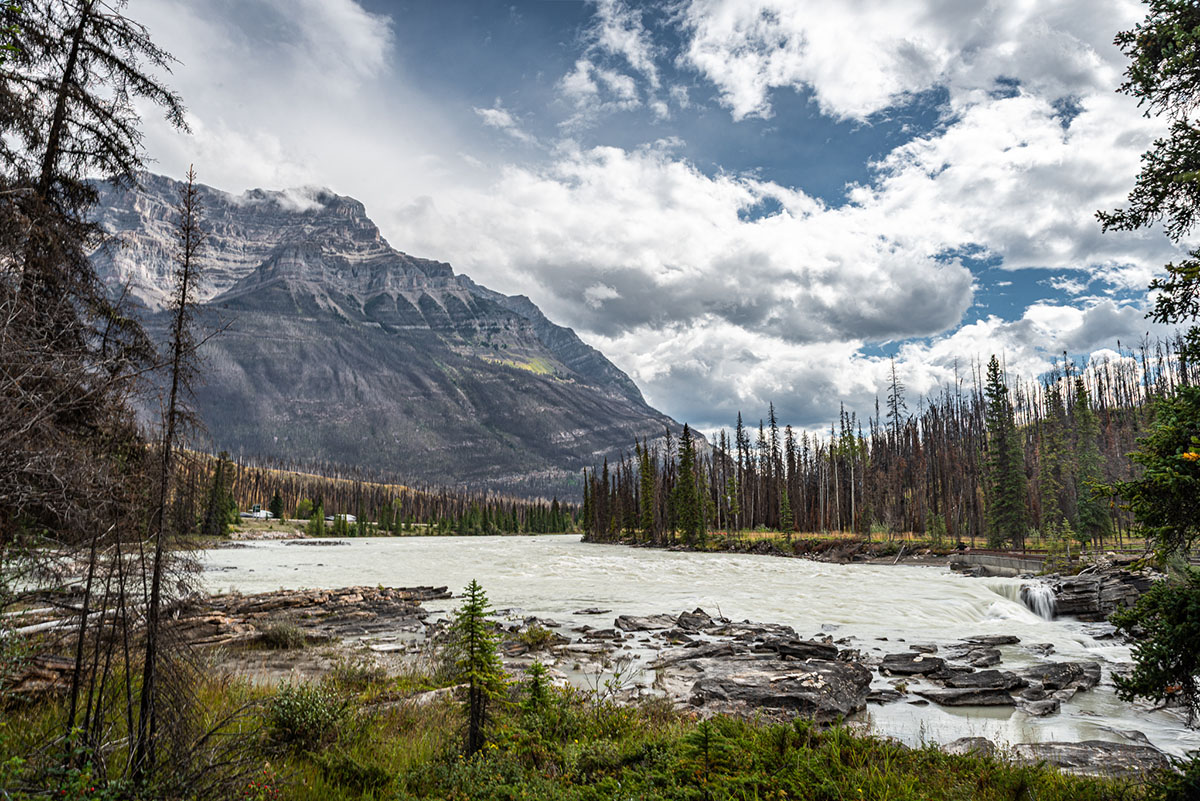
Visiting Jasper today means seeing both its enduring beauty and the visible effects of the fire. Burned forests, recovering vegetation and new growth are part of a changing landscape. Wildfire has played a natural role in shaping the forests of Jasper for thousands of years, although the 2024 event had a significant impact on the community and infrastructure. Standing in the valley, surrounded by burned treelines stretching from peak to peak in every direction, is an emotional experience. The scale of the devastation becomes impossible to ignore as you take in the extent of the fire and its impact on this remarkable landscape.
For those planning a visit, it’s important to check current Parks Canada information. Not every area has reopened and closures such as Maligne Canyon and Cavell Road continued through the 2026 season.
Supporting local businesses, following park regulations and visiting responsibly are meaningful ways to contribute to the community’s recovery.
Jasper isn’t simply a destination to photograph. It’s a place with a community, a history and a future.
Wildlife Photography: Respect the Subject
The Canadian Rockies offer some incredible wildlife photography opportunities. Bears, elk, moose, bighorn sheep and other animals can be encountered along the highways and in the surrounding parks.
But wildlife photography comes with responsibility.
This season, Banff and Jasper National Parks saw an increase in documented negative interactions between humans and wildlife. Some have attributed this to free park admission and fewer opportunities for visitors to interact with Parks Canada staff at the gates. While warning signs are posted along the highways, they can be easy to overlook, highlighting the importance of proactively educating visitors about wildlife safety and responsible behaviour.
For detailed guidance, consult Parks Canada’s wildlife safety resources before your trip.
Watch Out for RVs!
A quick word about driving etiquette.
The Icefields Parkway and Yellowhead Highway attract visitors from around the world, including plenty of recreational vehicles. RV drivers may be navigating unfamiliar roads, managing large vehicles or travelling at a slower pace.
Be patient. Maintain a safe following distance, avoid aggressive passing and give larger vehicles the space they need. If you’re driving an RV, use designated pullouts where possible to allow traffic to pass safely.
Everyone is there to enjoy the scenery. There’s no need to turn a beautiful mountain drive into a competition.
Also, keep in mind that stopping suddenly for a photograph can create a dangerous situation. Use designated viewpoints and pullouts ALWAYS.
The perfect photograph isn’t worth putting yourself or another driver at risk.
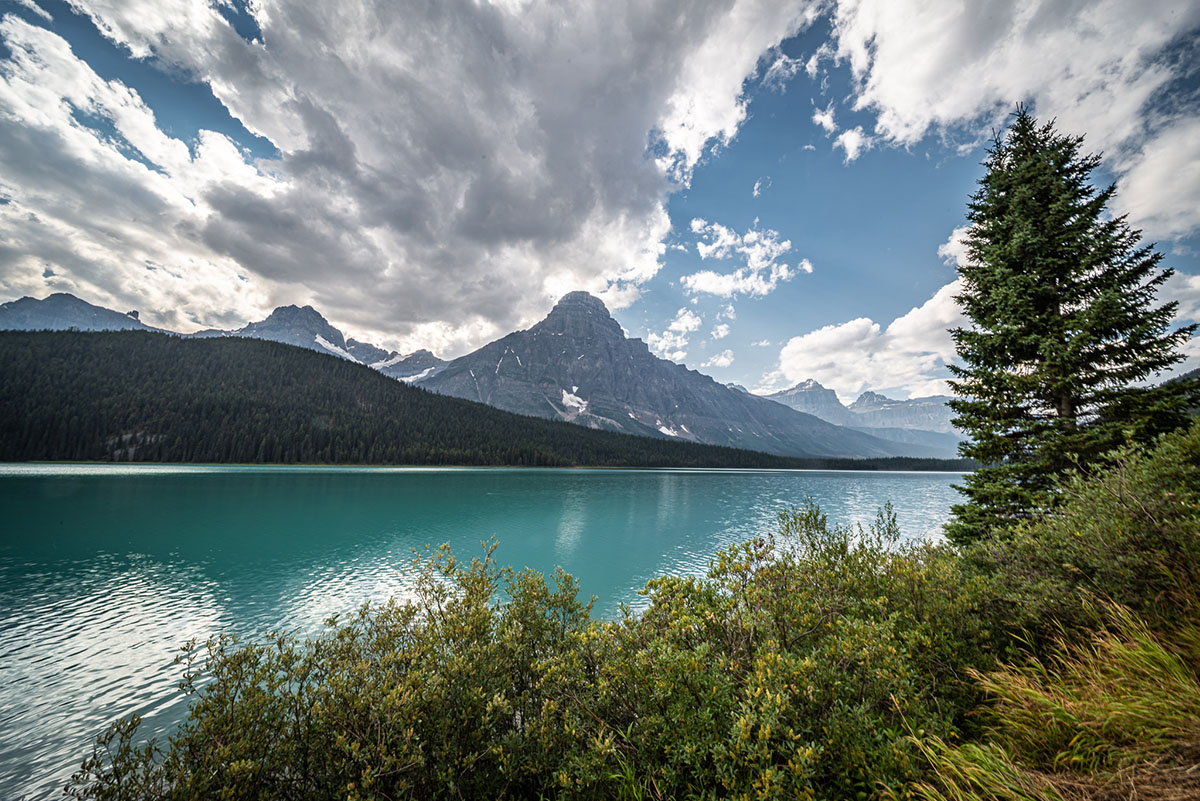
A Photographer’s Road Trip
For me, the appeal of scenic driving is the combination of exploration and photography. You never quite know what conditions you’ll encounter, what light will appear or what might be waiting around the next bend.
The Yellowhead Highway and Icefields Parkway offer an exceptional combination of accessibility and wilderness. You can enjoy dramatic scenery from the roadside, explore viewpoints and build an entire photographic adventure around the journey.
But preparation matters.
Check road conditions, weather forecasts and park advisories before leaving. Carry appropriate supplies, allow (lots of) extra travel time and remember that conditions in the mountains can change quickly. Parks Canada and Alberta 511 are useful resources for planning your route.
Don’t forget to charge all your batteries – cameras, phones, remote controls, etc. Nothing hurts quite like finding the perfect mountain reflection and discovering your gear is running on its last bar. And clean all your lenses and filters! Most of these images were taken with a Circular Polarizer and some with a Neutral Density filter. This is also a good time to clean your sensor, too, while your batteries charge. Visible Dust has everything you need.
The last thing I do before packing my bag is check my camera settings. I have menu presets that I use for landscape images: electronic front curtain shutter, three stop +/- bracketing and a few control changes. I want my ISO set to its lowest number (ISO 64) for optimal image quality and dynamic range and I start with my shutter speed at 1/500s (that’s easy to change on the fly). Three shot bracketing is turned on and shutter release is set to continuous high. Most of these images are three-shot brackets processed in Lightroom Classic.
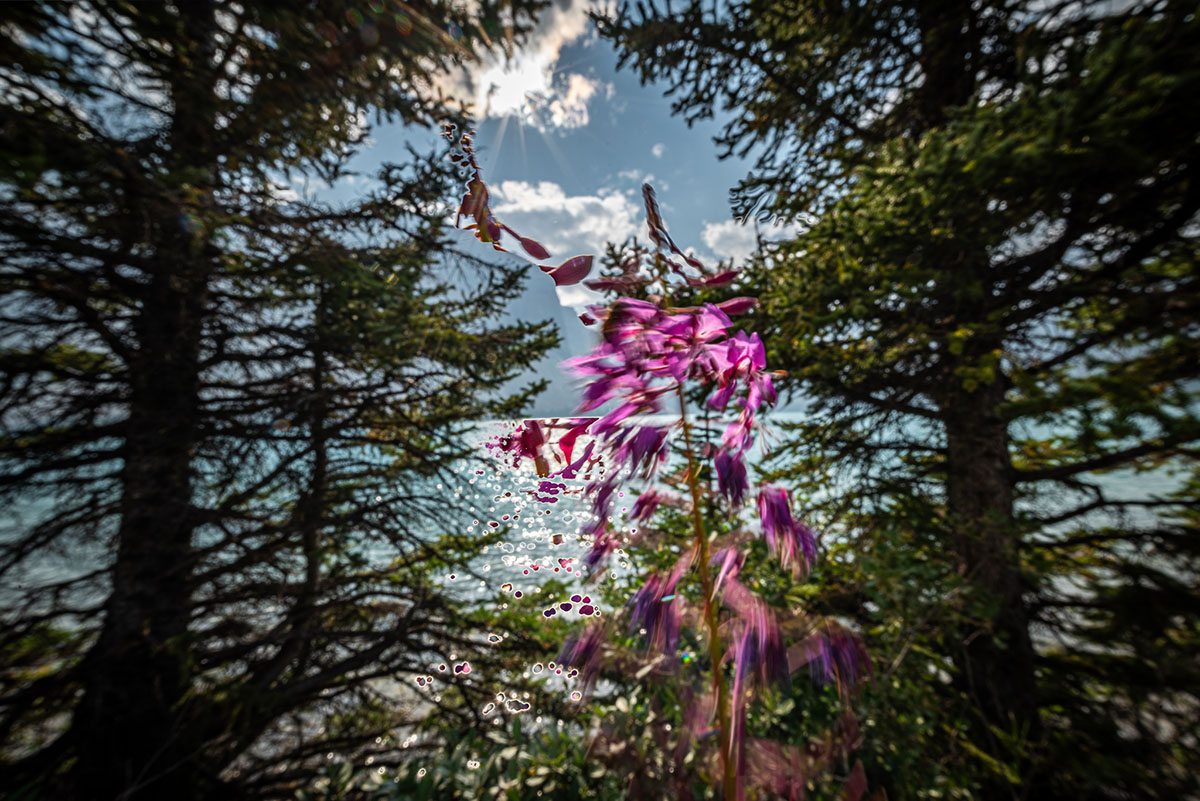
Essential Photography Gear for Your Rocky Mountain Adventure
A scenic road trip through the Canadian Rockies deserves more than just your smartphone (although, let’s be honest, today’s phones can capture some pretty impressive images!). I used both my Samsung S22 Ultra smartphone as well as my Nikon D810, with Tamron and Laowa lenses.
If you’re planning to photograph the Yellowhead Highway and Icefields Parkway, bringing the right equipment can make all the difference.
In addition to your standard 24-70 lens, add a versatile wide-angle lens (such as the Laowa 12mm) for capturing expansive mountain landscapes and pack a telephoto lens (such as the Laowa 200mm f2) for photographing wildlife from a safe distance without disturbing the animals. A sturdy tripod (Vanguard VEO 3+ 263AB 160S) is invaluable for early-morning landscapes, long exposures and low-light photography, while Kenko polarizing and neutral density filters can help manage reflections and control exposure in bright conditions.
Don’t forget extra batteries, memory cards and a reliable camera bag to protect your gear from changing weather. My ThinkTank FocusPoint 30L was the ideal bag – room for my camera gear plus somewhere to stow my jacket (remember, it’s always colder and windier in the Rockies than you expect it to be).
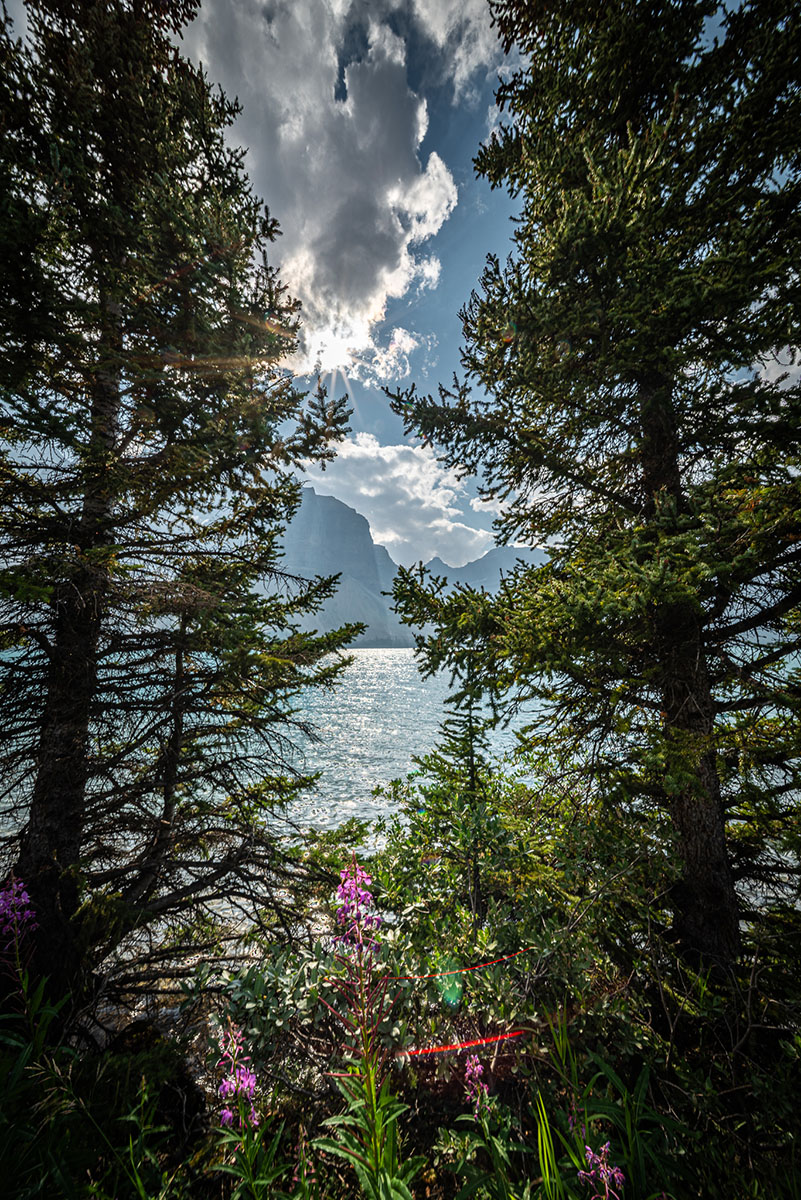
Amplis Foto offers a range of photography equipment and accessories from leading brands to help you prepare for your next adventure. Whether you’re capturing a glacier, a waterfall or a bear moving through the forest, having the right tools ensures you’re ready when that unforgettable moment appears. If you forgot something, drop by McBain Camera (various locations) or The Camera Store in Calgary. And remember, the best camera equipment is the equipment you actually bring along so leave a little room in the vehicle for yourself!
The Road Ahead
The Yellowhead Highway and Icefields Parkway aren’t simply routes through Alberta. They’re opportunities to experience some of Canada’s most remarkable landscapes.
Whether you’re a photographer searching for the perfect light, a wildlife enthusiast hoping for an unexpected encounter or simply someone who enjoys a beautiful drive, these roads offer experiences that stay with you long after you’ve returned home.
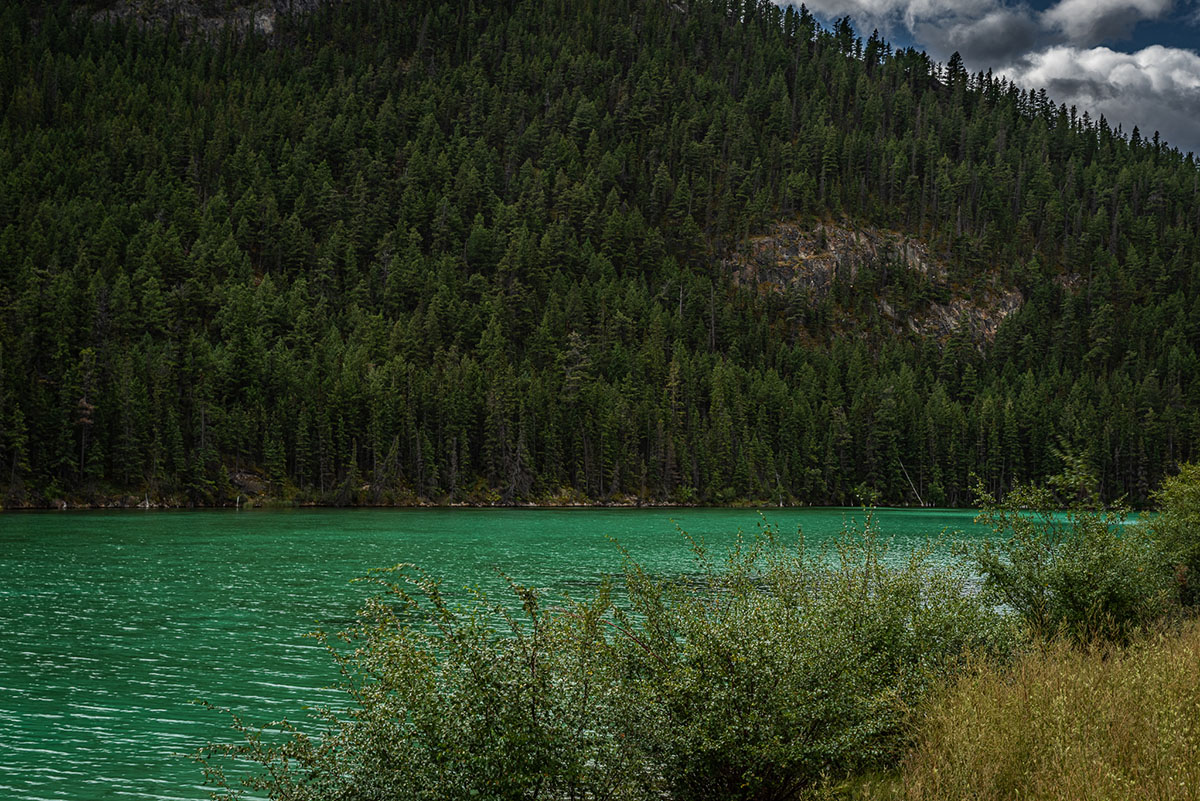
As Jasper continues its recovery, visiting responsibly, respecting wildlife and supporting local communities become even more important.
So pack your camera, plan your stops (or just stop everywhere!) and leave room for a few unexpected discoveries.
Allow yourself time to experience life beyond the camera as well. I dipped a hand into a glacier-fed river – that was a cold I did not expect! Take a moment to sit – listen to the wind rustling the leaves, the water rushing over the rocks, the songbird symphonies that echo through the valley.
Some of the world’s most beautiful drives are right here in Canada. All you have to do is take the road.
See the full gallery of my images from this trip in my Flick album.
What are your favourite stops on this route? Where should I visit next time I’m there? Drop a note on the PHOTONews Canada Facebook page or leave a message below.
Discussed Item
Author: Will Prentice

A portrait, fine art and commercial photographer for 30 plus years, Will Prentice is not just a contributor to PHOTONews magazine, but also host of PHOTONewsTV, owner of Captura Photography+Imaging and Technical Support/Brand Manager for Amplis Foto, Canada’s largest distributor of photographic equipment.
Will teaches photographers of all skill levels how to improve their craft – from creative photo projects to picking the right gear for their needs to flattering lighting to getting the best expressions to creating final images for screen and print. His unique style of highly detailed images with perfect tonality, wide dynamic range and stunning colour is instantly recognizable. Commercial clients rely on Will’s creative eye and mastery of lighting.
When he’s not behind the camera or in front of a class, you’ll find Will outdoors in any weather – usually on one of his bikes or enjoying time with his grandchildren.