



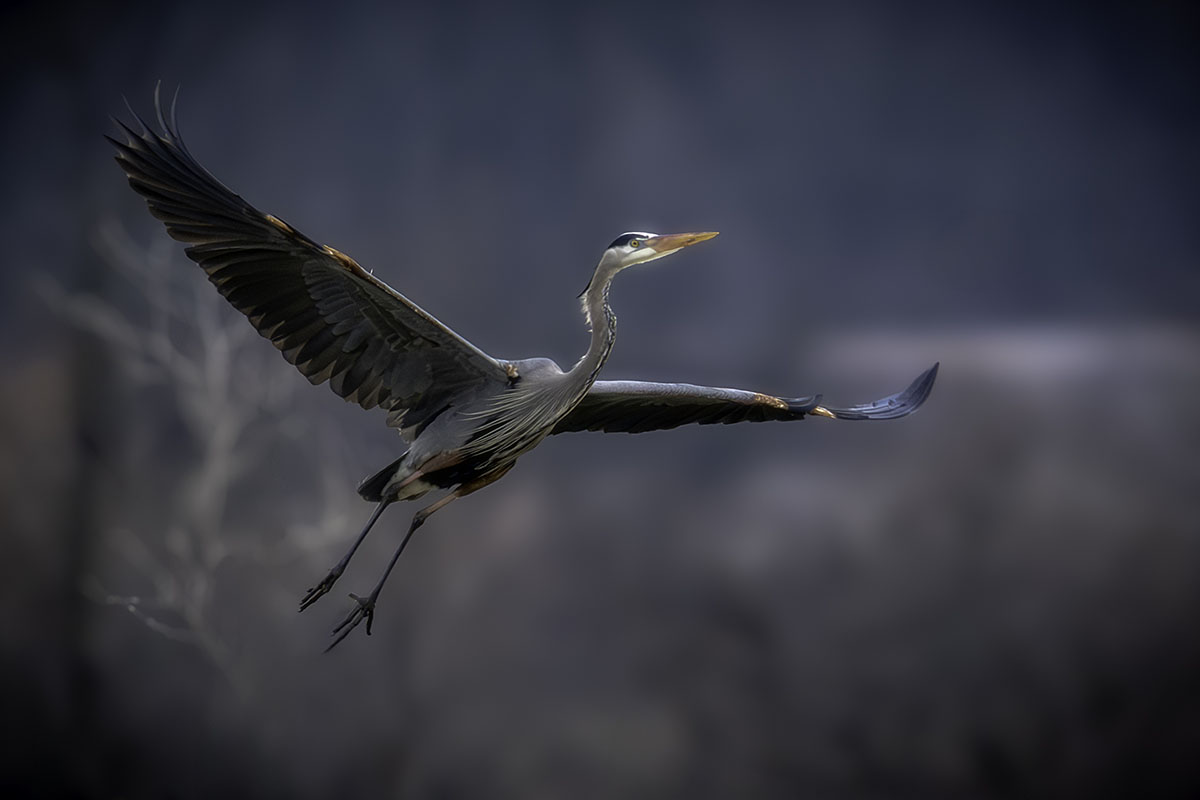
The time in the field is done. The shoot is over. The memory cards full of your vision. What now? Rest easy. It’s just beginning. Photo therapy doesn’t end on the last push of the shutter or the final frame on the memory card. Far from it. That’s just part one. You have the quiet after the shutter now, images waiting to tell you feelings you couldn’t say out loud. The editing room. This is where vision comes to fruition. This is where the real conversation begins. A second, third, maybe even fourth journey through the same light. Dopamine rises. Creativity begins.

The editing was such a joy yet cost me in the process, not the processing but the process.
For years, I rushed through my edits. Download, cull, process, done. I wanted the images finished so I could share them, move on, get to the next thing. What I didn’t realize was that I was also rushing past the therapy.
And then came the crash.
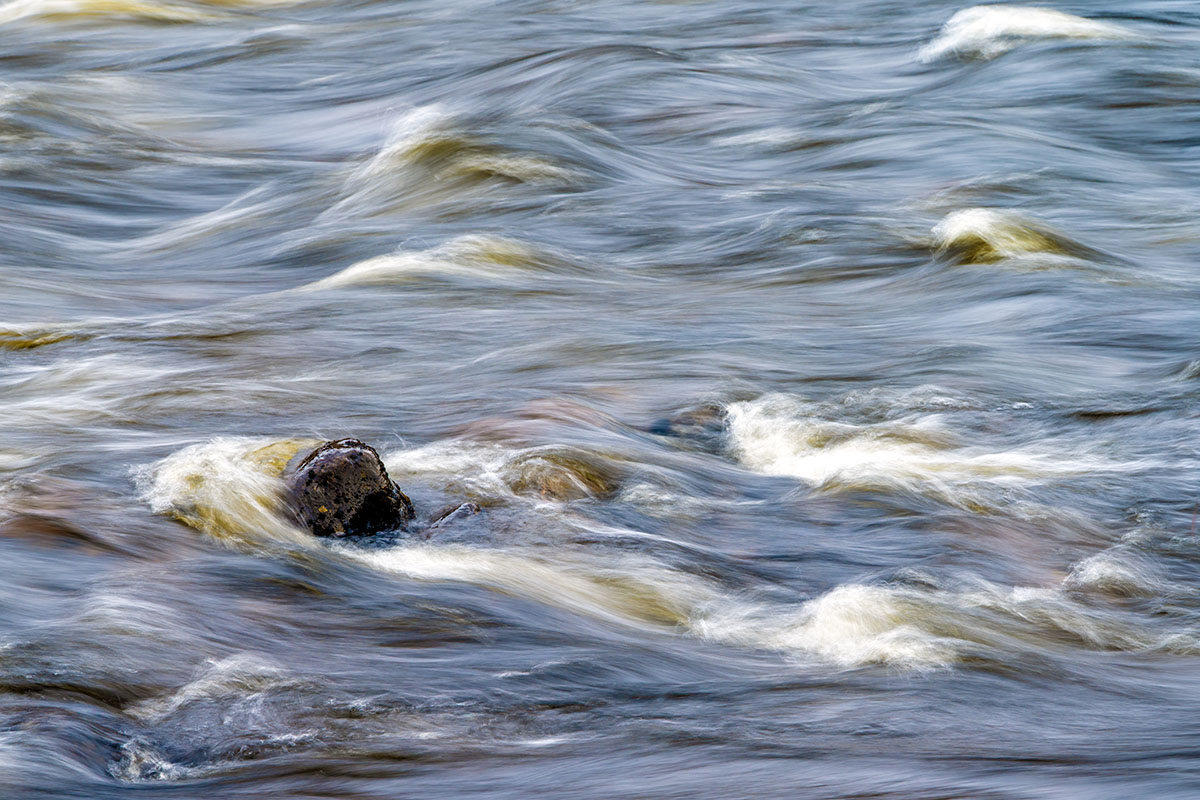
Every photographer who struggles with mental health knows it. The trip ends, the camera goes back in the bag, and suddenly the thing that was holding you together is gone. The void rushes in. The darkness that the lens was keeping at bay finds you again.
My therapist said something that changed everything. “Slow down the edit.”
She wasn’t talking about software. She was talking about extending the lifeline. She was right. “Slow down the edit” ended years of post shoot depression. Taking the time to fully experience the editing process instead of rushing through it was a game changer for me. no longer do I rush. I pace myself to a few images a day, extending the therapeutic value of photography that much further. The healing window became larger and those dramatic post trip crashes became smaller. The crash is still there to an extent but it seems manageable now.
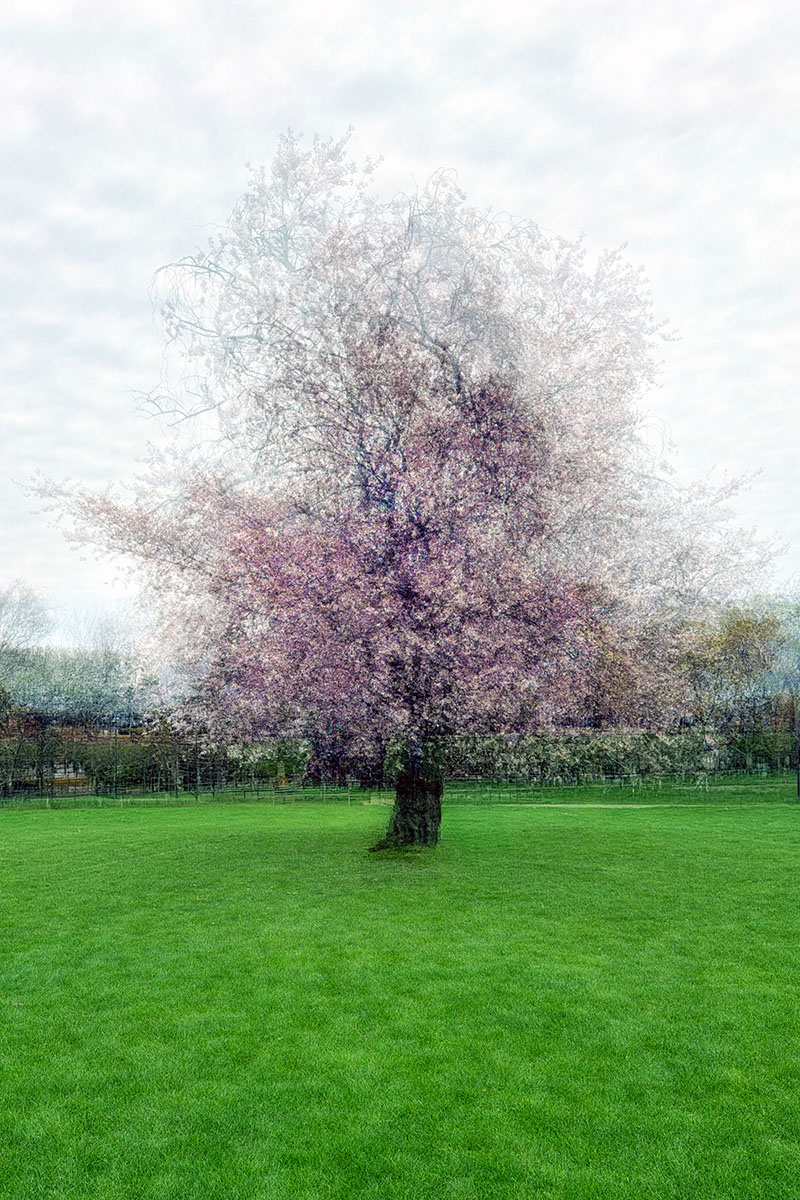
I now use the editing process as a form of mindfulness. Slowing down to crop, adjust parameters and seeing my vision become alive leaves no room for anxiety or depression.
What You Keep, What You Delete, editing is an emotional act. Your choices reveal your state of mind.
In a world that often feels hectic or uncertain, editing gives you complete control over the final image. You choose the colours, the composition, and what to emphasize or leave out. This ability to curate and reframe your perspective can be empowering.
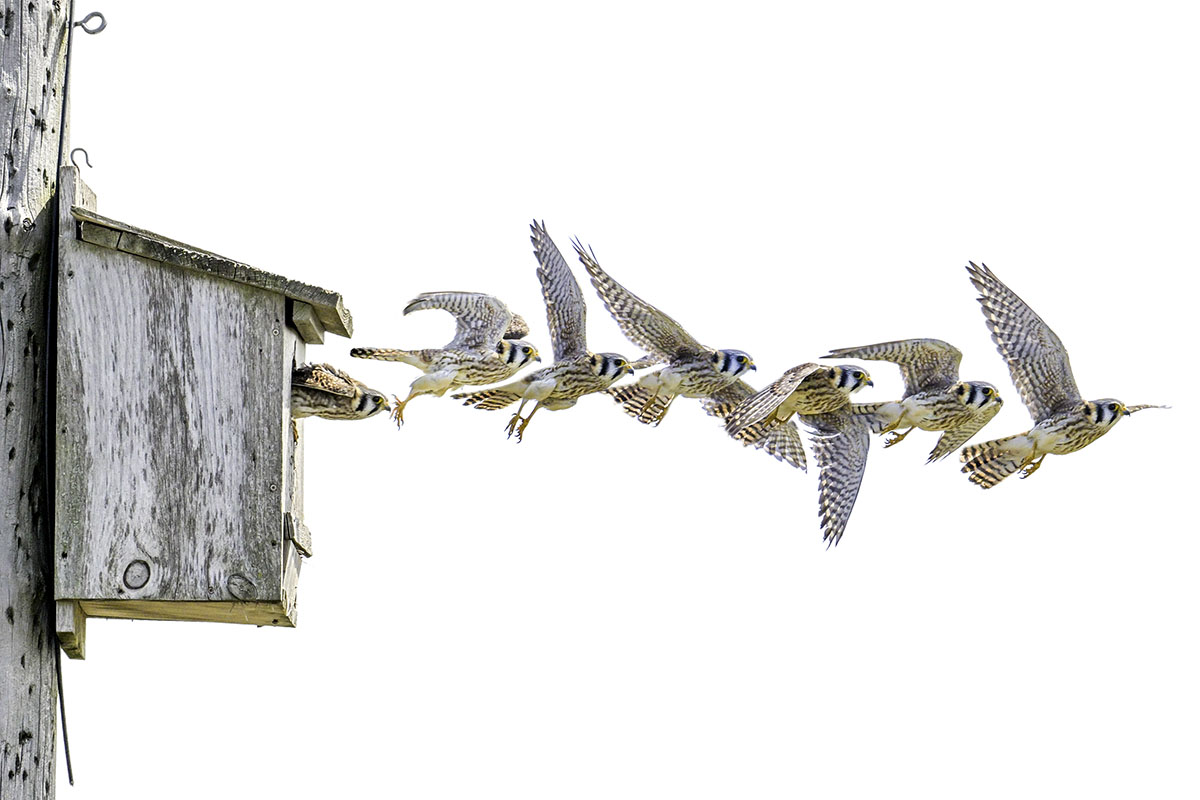
Editing allows you to translate your inner world, your thoughts, values, or desires, into a visual medium. When words fail, creative work can act as an outlet, helping you express and process complex emotions.
The finished edit. There’s victory in that. Take each final edit as an accomplishment and celebrate it. You have the ultimate say of what to share or keep to yourself. You gain the pride of taking control.
Therapeutic photography doesn’t require a perfect shot. It requires showing up. Twice. Once in the field. Once in the edit room. Slow it down.
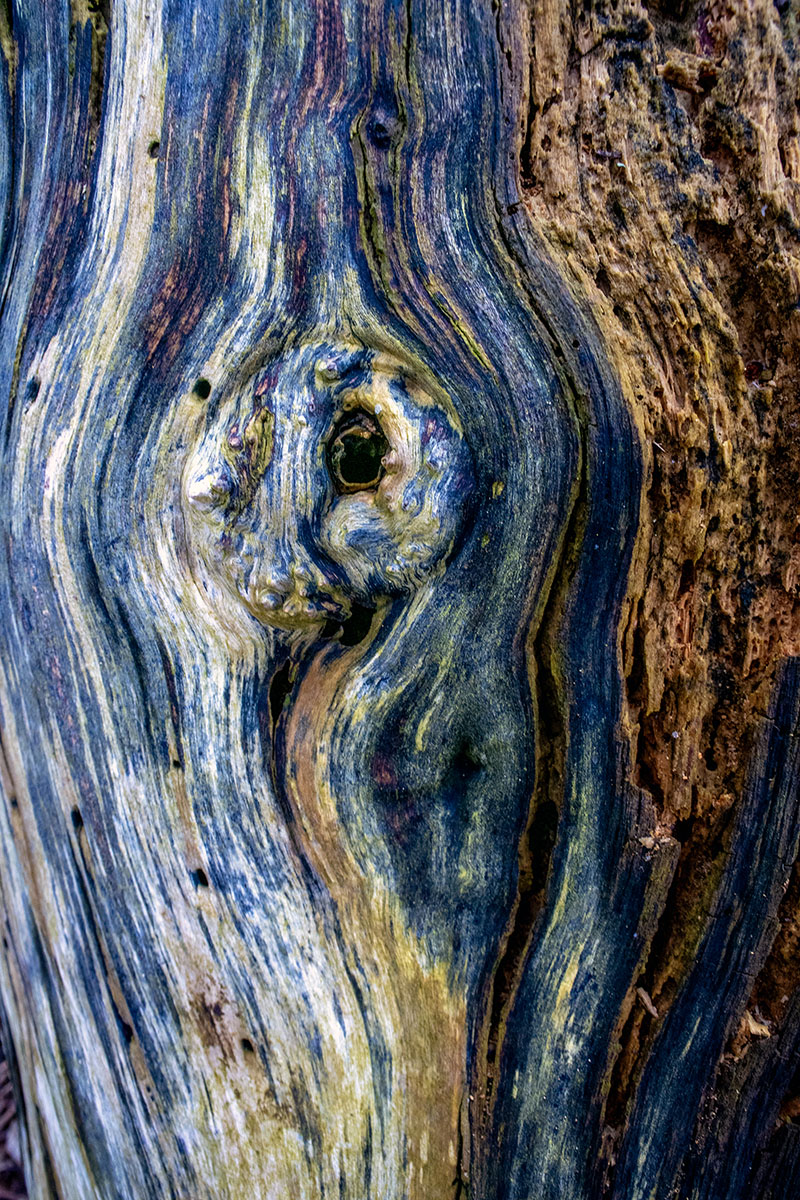
About the Author – Mitchell Brown
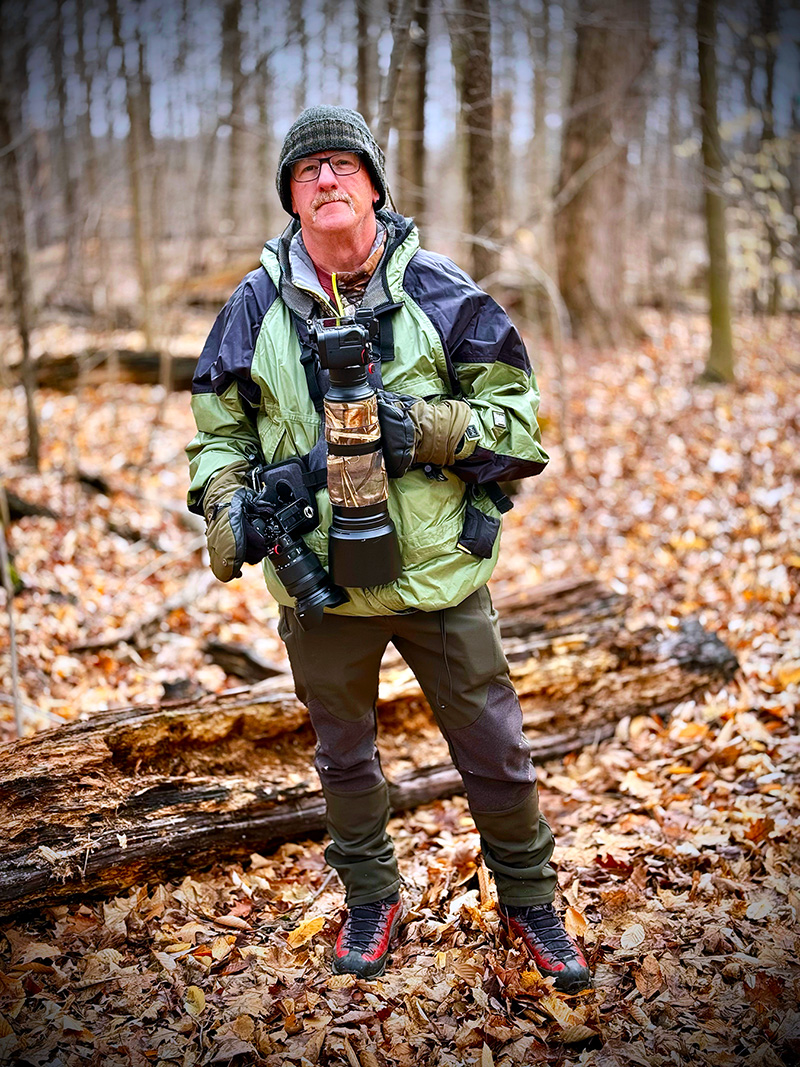
Mitchell Brown is a Niagara based photographer with more than 40 years behind the lens, known for his powerful documentation of firefighters and his therapeutic approach to nature photography. As the creator of one of Canada’s largest collections of generational firefighter portraits, he captures the spirit, sacrifice, and humanity of the fire service with honesty and respect. His work spans structure fires, training, funerals, and formal portraiture, reflecting a deep connection to the firefighting community.
Beyond the fireground, Mitchell turns to nature and abstract photography as an essential part of his mental health journey. Photography has become his therapy, an escape, a grounding practice, and a way to find beauty in places others overlook. His newest initiative, The Theragraphic Project, blends mindful photography with mental health awareness, helping others find healing through creative expression.
Driven by curiosity, compassion, and a lifelong dedication to the craft, Mitchell continues to tell stories that matter, both to the world and to his own ongoing path of wellness.
Mitchell Brown
- Lived Experienced Peer Support Worker
- Founder : The Theragraphic Project
- www.mitchellbrown.ca



Mitchell has become a master of creativity through photography. Telling visual stories and allowing the viewers mind to interpret what they see and feel. His emotional creativity has been felt through all walks of life and a few simple words such as “ nice work” continues to push Mitchell’s creativity and chase the light. I always look forward to seeing his work and wait for what’s next.
Wow thank you Pete. I truly appreciate the kind words. Chase that light!!
I can totally relate to this, thank you for putting it into words. When taking the time to edit a photo, you relive the moment and try your best to portray what you actually saw, and express what you intended to capture. Granted, some shots just inevitably end up in the trash bin, but the adrenaline rush of editing a photo, looking at it and thinking “that’s the shot!” just extends the benefits of photography therapy. Nothing reduces my mental stress more than a walk in nature with my lens, and editing just prolongs the benefits. Wouldn’t have it any other way! 🙂
Thank you Ariane. Photography truly is healing. I’m glad you’ve found it helpful.
I have heard other photographers say that if you have to spend more than a few minutes editing images, your shooting technique is not good. This article by Mitchell confirms for me that this view is wrong. After I have spent 20 minutes or even more on an image I like, the finished image gives me immense satisfaction and a sense of wellbeing. Thank you Mitchell for this excellent article, and keep well!
Haha Paul Ive heard the EXACT same thing. “Get it right in camera”… ya ya… I say the more you allow yourself the creative space the better. There are some images I repeatedly come back to over days to tweak out the vision I had when pushing the shutter button down.
You take ALL the time you want. Nothing is wrong with that at all!! Happy editing