
A land overflowing with rugged beauty, endless landscapes and unique wildlife, Canada is well-known for photographic adventures. Unfortunately, many nature photographers tend to overlook some of our most vibrant and productive habitats like the Prairies.
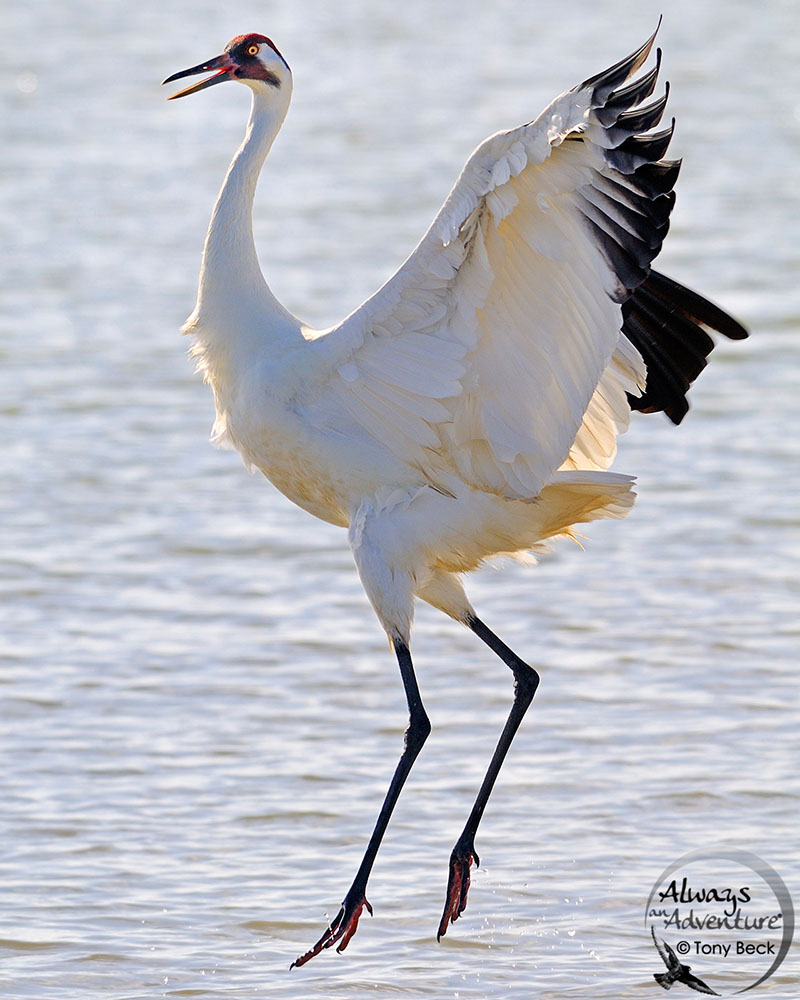
The only self-sustaining Whooping Crane population breeds in Northern Alberta’s Wood Buffalo National Park. They migrate through the central flyway to spend winter along the Texas coast in Aransas National Wildlife Refuge. Boat tours operating in the refuge sometimes get photographers close to the cranes. With luck, you might catch one dancing – part of their social bonding.
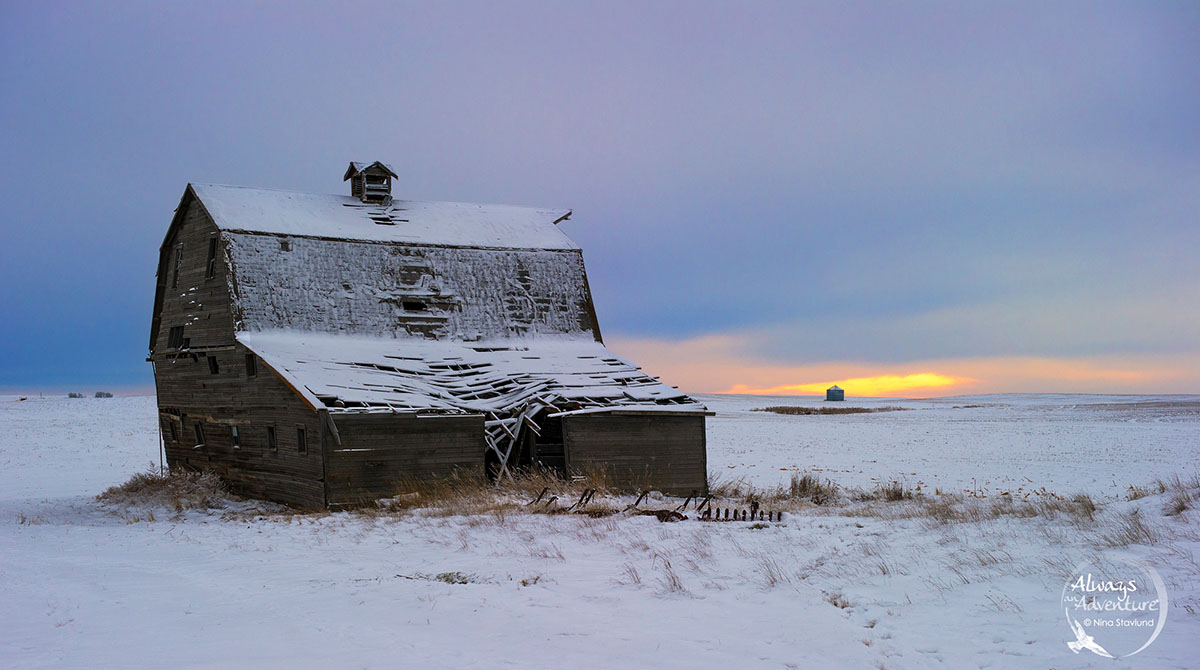
While exploring backroads through the Saskatchewan Prairies, you’ll discover a wealth of rustic rural scenery, regardless of weather. Sadly, as years pass, scenes like this become harder to find. Photo courtesy Nina Stavlund
I’ve been fortunate to work as a tour guide to many destinations including several trips to Saskatchewan. Using Saskatoon as a base to explore the region, my visits usually took place in late September or early October. The timing takes advantage of fall bird migration, especially for waterfowl, shorebirds and cranes. The strategy includes driving remote backroads through vast expanses of open country bordered with isolated woodlots, wetlands, sloughs, and hills.

The vast Canadian Prairies are known for their “Big Skies”. It seems like there’s a rustic scene around every corner.
Besides a plethora of photo opportunities, our main highlight was finding the highly endangered and elusive Whooping Crane – North America’s tallest bird, and one of our rarest. They migrate in family groups, or small flocks. During migration, they sometimes mix with the more abundant Sandhill Cranes, or various waterfowl.
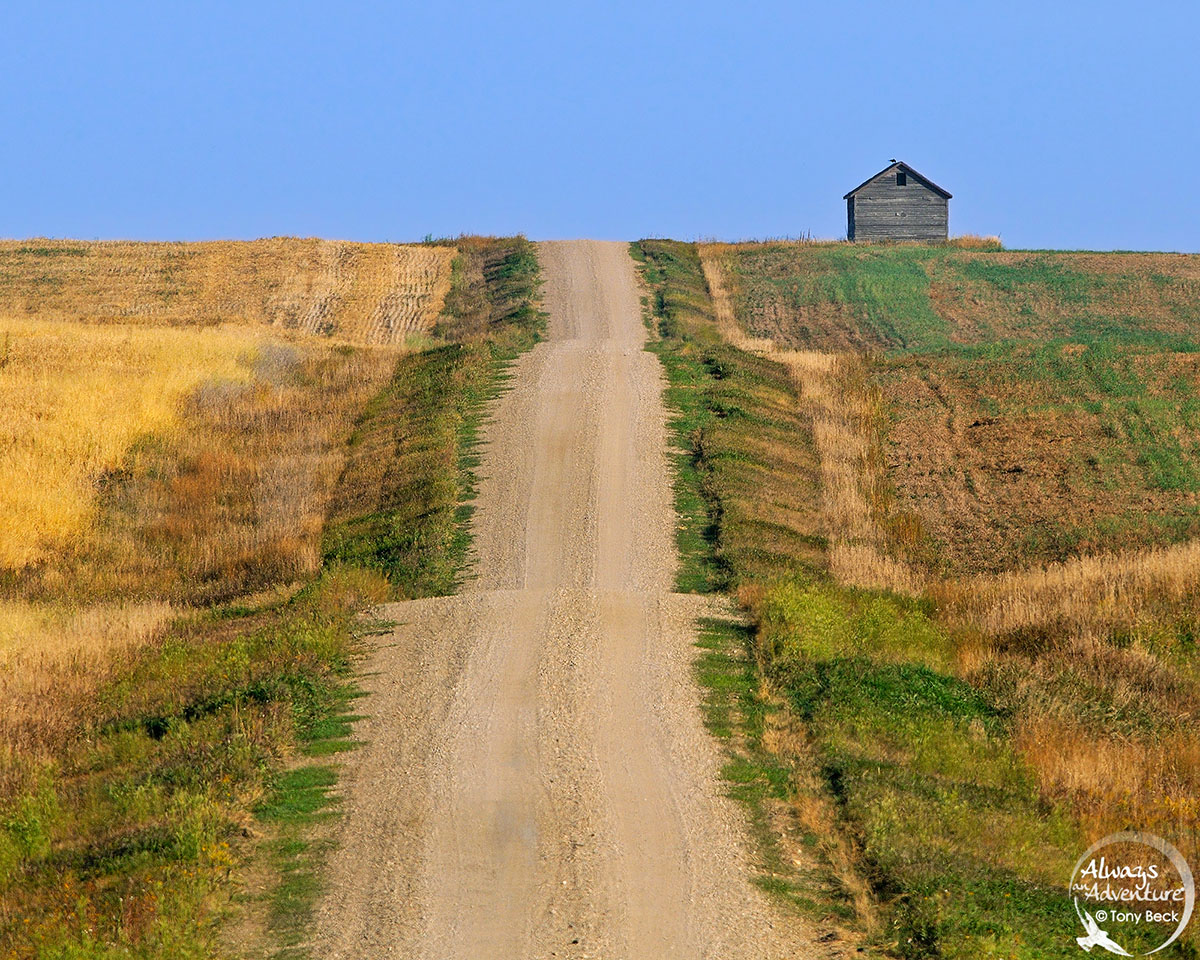
Although prairie landscapes can be flat, you’ll also notice plenty of rolling hills. The view from hill tops often reveal distant wildlife and interesting compositions.
Current data shows about 800 Whooping Cranes in the entire world. Less than 600 of them come from the original wild population migrating between Northern Alberta and the Texas Coast. They’re protected by various laws and regulations. Conservation programs include “Operation Migration” where young Whooping Cranes are trained to migrate by following ultra-light aircraft. The plan should help to spread out the range of their population.
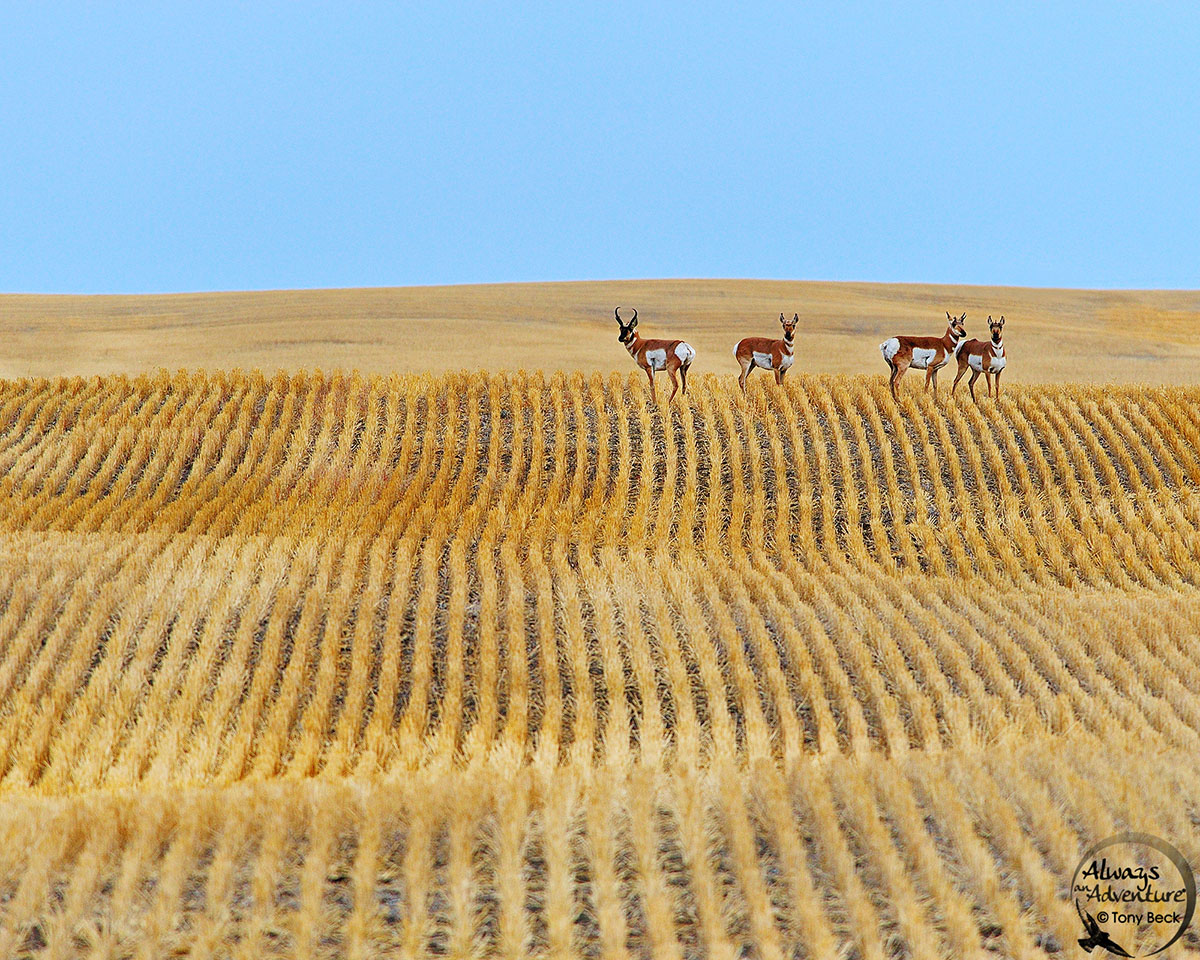
Several species of mammals thrive in the open prairies including Pronghorn – super fast, and well adapted to grasslands, Pronghorn thrive in Canada’s Prairies.
In Saskatchewan, there’s an existing network of observers providing locations where Whooping Cranes are being seen. The strategy for finding them includes exploring the vast prairie landscape while following up on reports of recent crane observations. This great Canadian adventure allows you to enjoy the quaint countryside, its unique wildlife, and the friendly people of the Prairies while searching for one of this country’s rarest creatures.
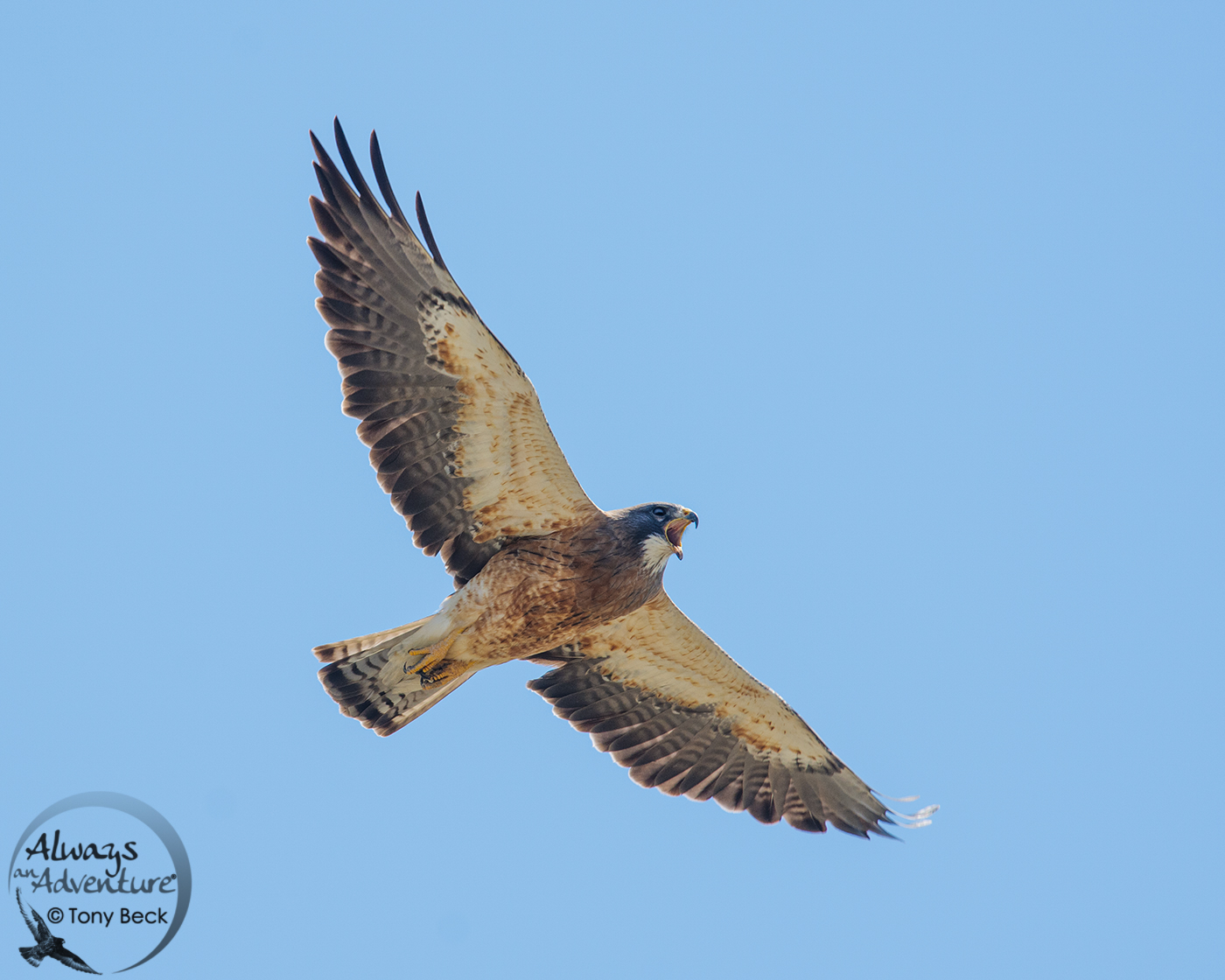
Swainson’s Hawks are among the most common roadside raptors in the prairies. Harbouring plenty of prey animals, predators do well in the prairies.
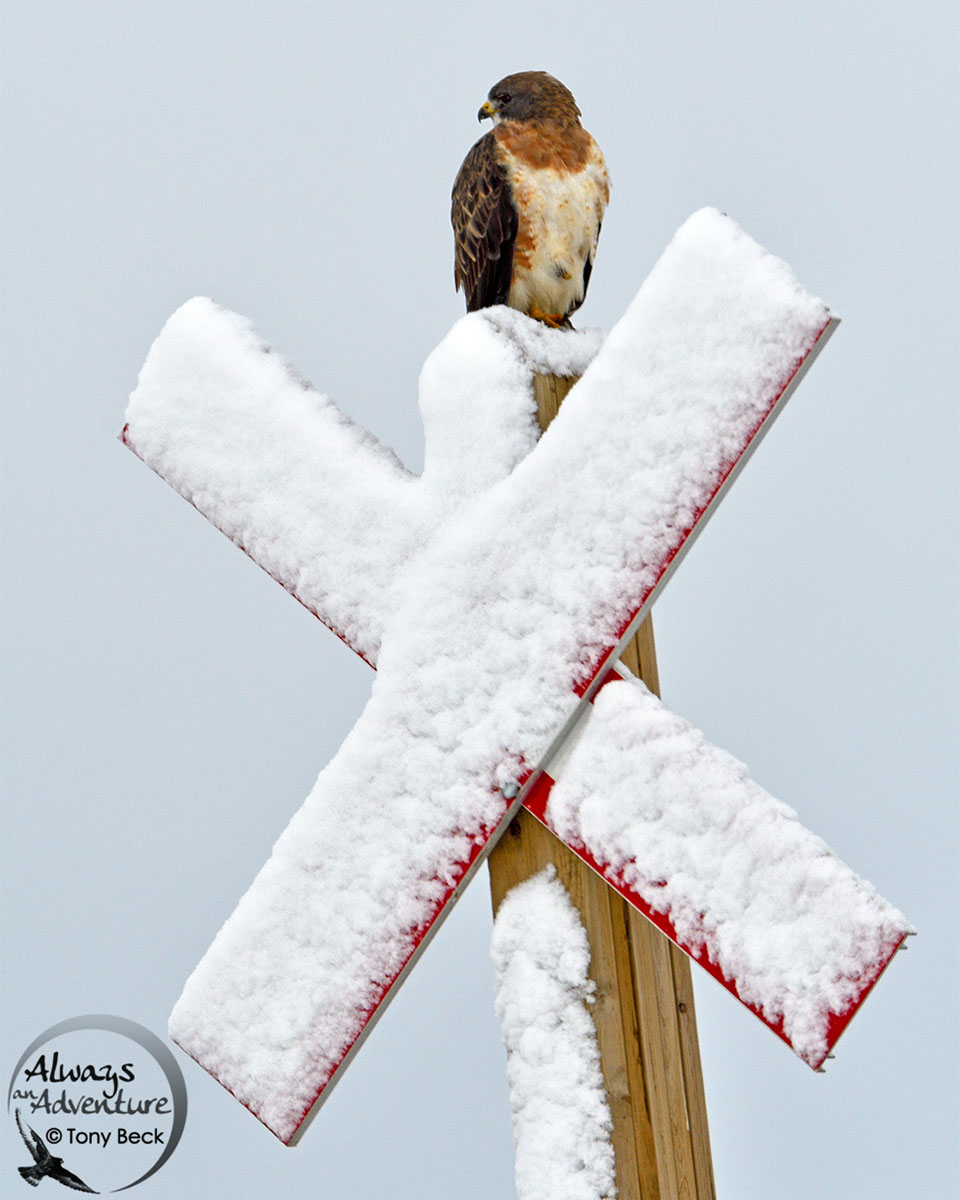
Even in September, snow squalls can occur causing white-out conditions. Drive safely while exploring the region.
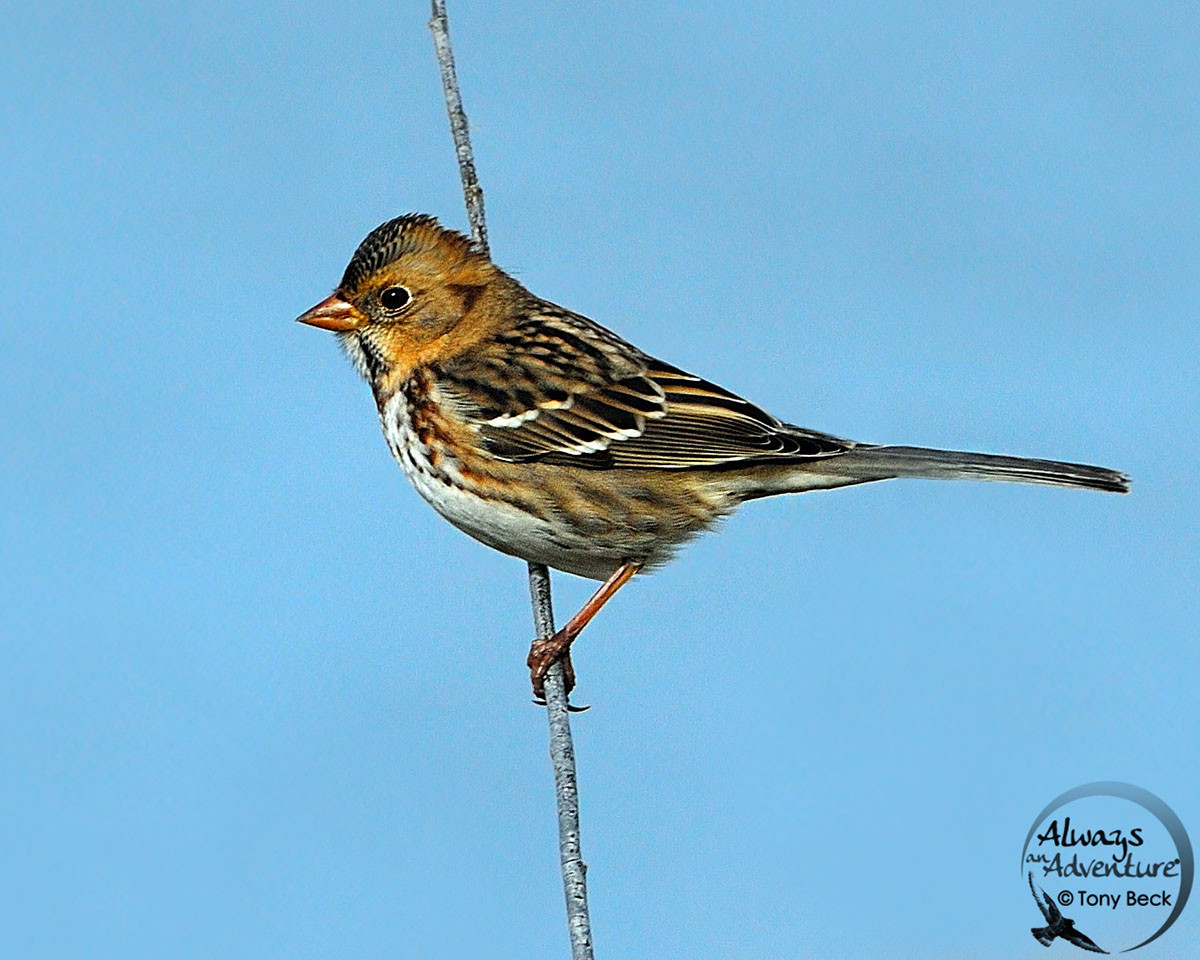
Several types of songbirds use the prairies as staging areas through migration. Birds like this Harris’s Sparrow frequent scrubby wooded areas, especially along forest edges or hedge rows.
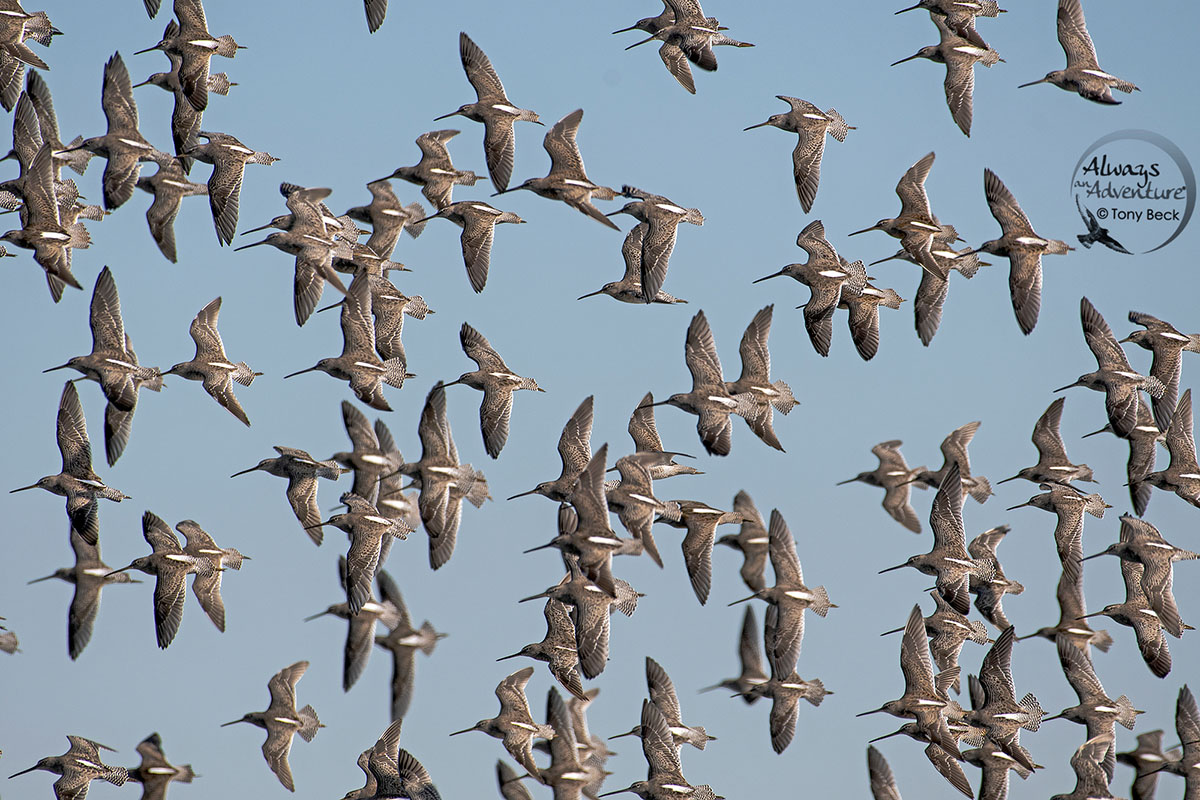
Many arctic shorebirds migrate through the prairies. They sometimes travel in enormous flocks. Long-billed Dowitchers are one of the most common prairie migrants in fall.
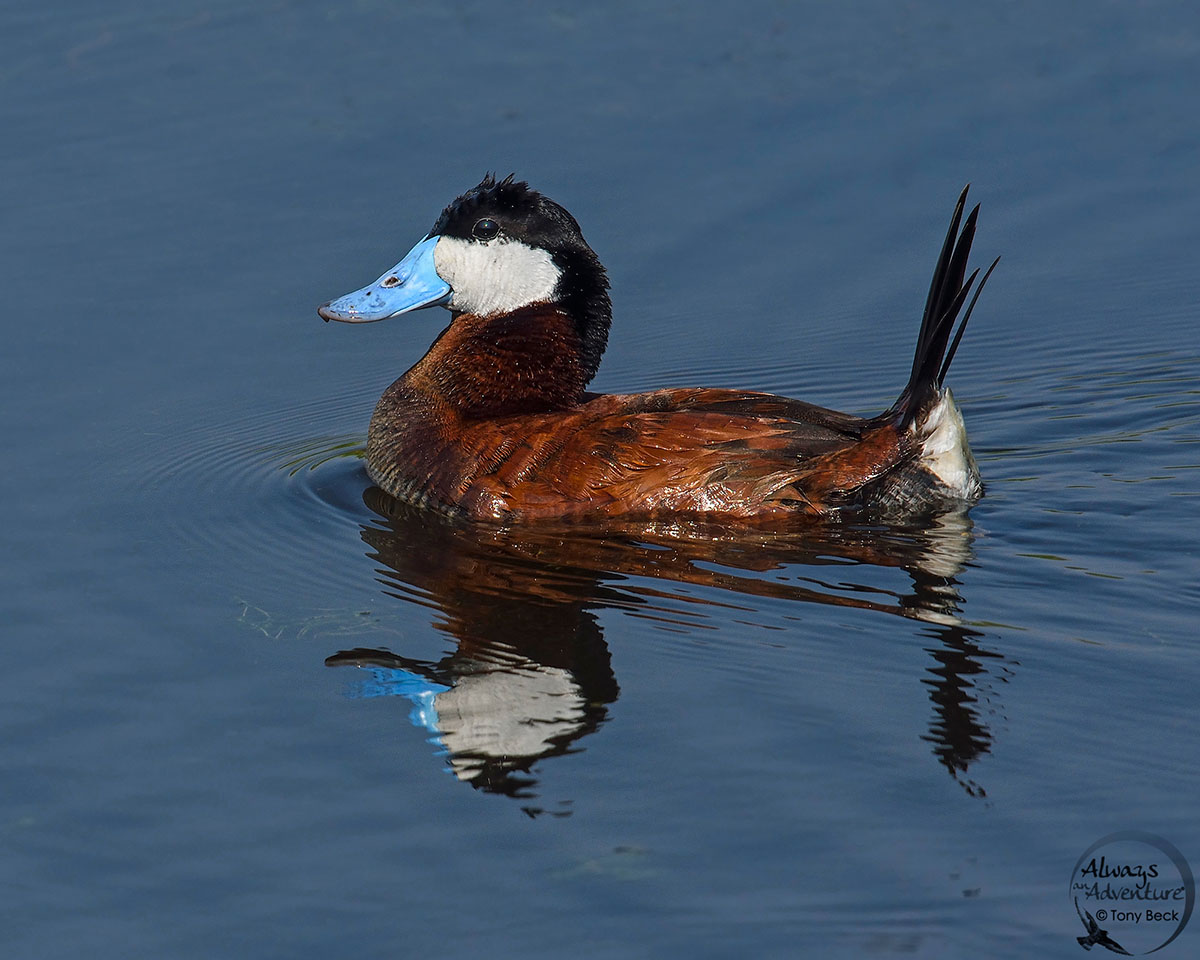
Ducks find an abundance of breeding habitat in the prairies. Although uncommon in the east, Ruddy Ducks do well in the west.
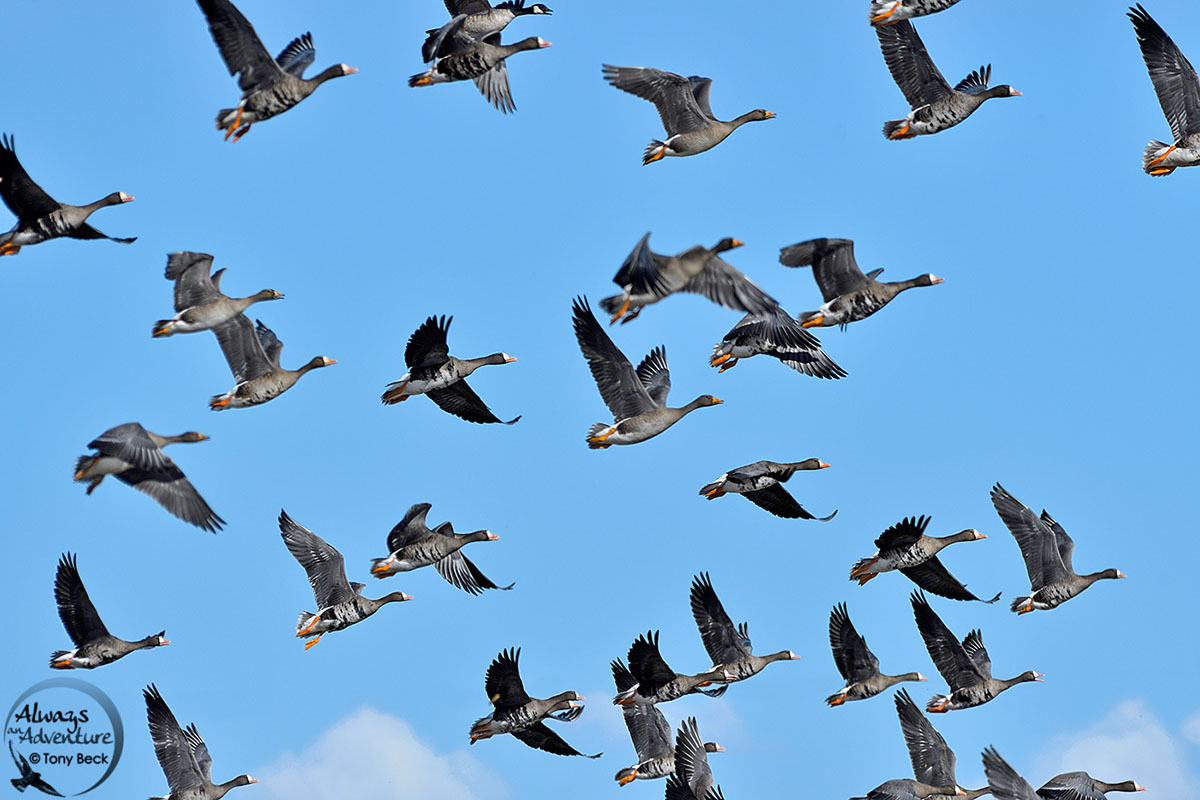
Rare in Eastern Canada, Greater White-fronted Geese migrate through the Prairie Flyway in huge numbers.
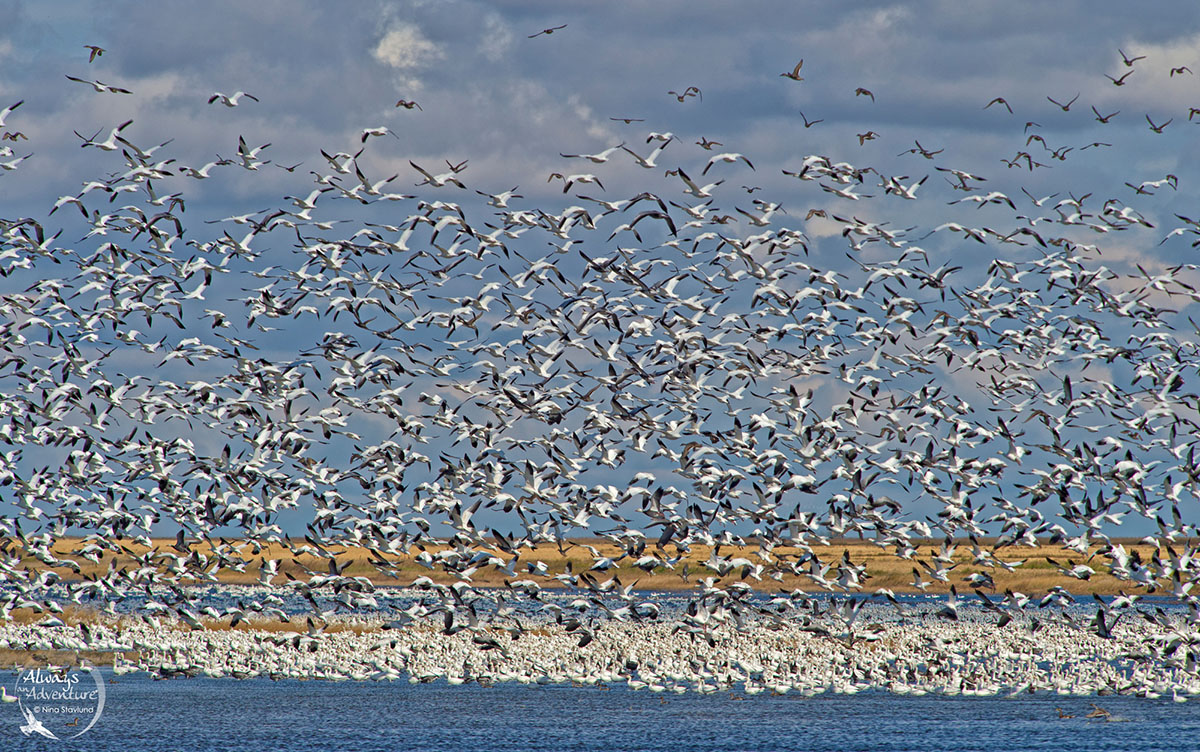
Waterfowl are abundant during Saskatchewan’s fall migration. The most common species are Lesser Snow Geese. Sometimes flocks can include thousands of individuals. Photo courtesy Nina Stavlund
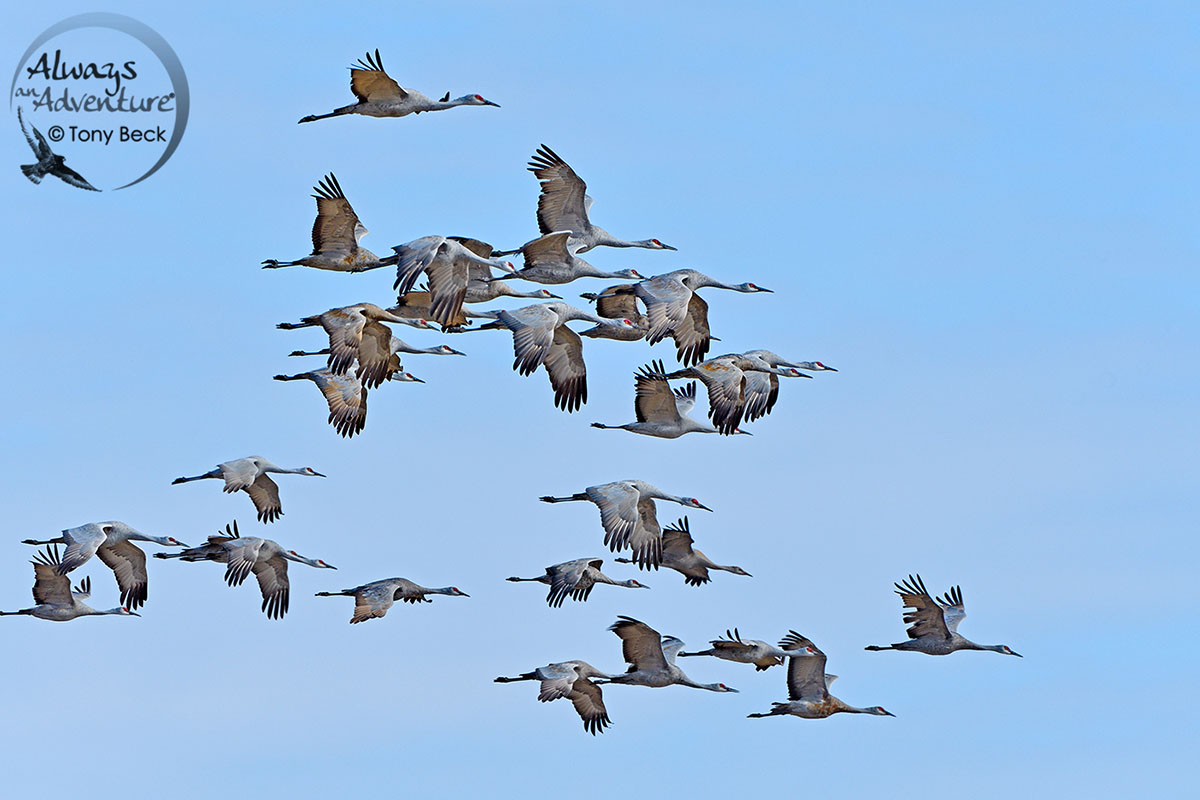
Sandhill Cranes form huge flocks during migration trough the Great Plains. Sometimes Whooping Cranes mix with them, or other large migratory fowl.
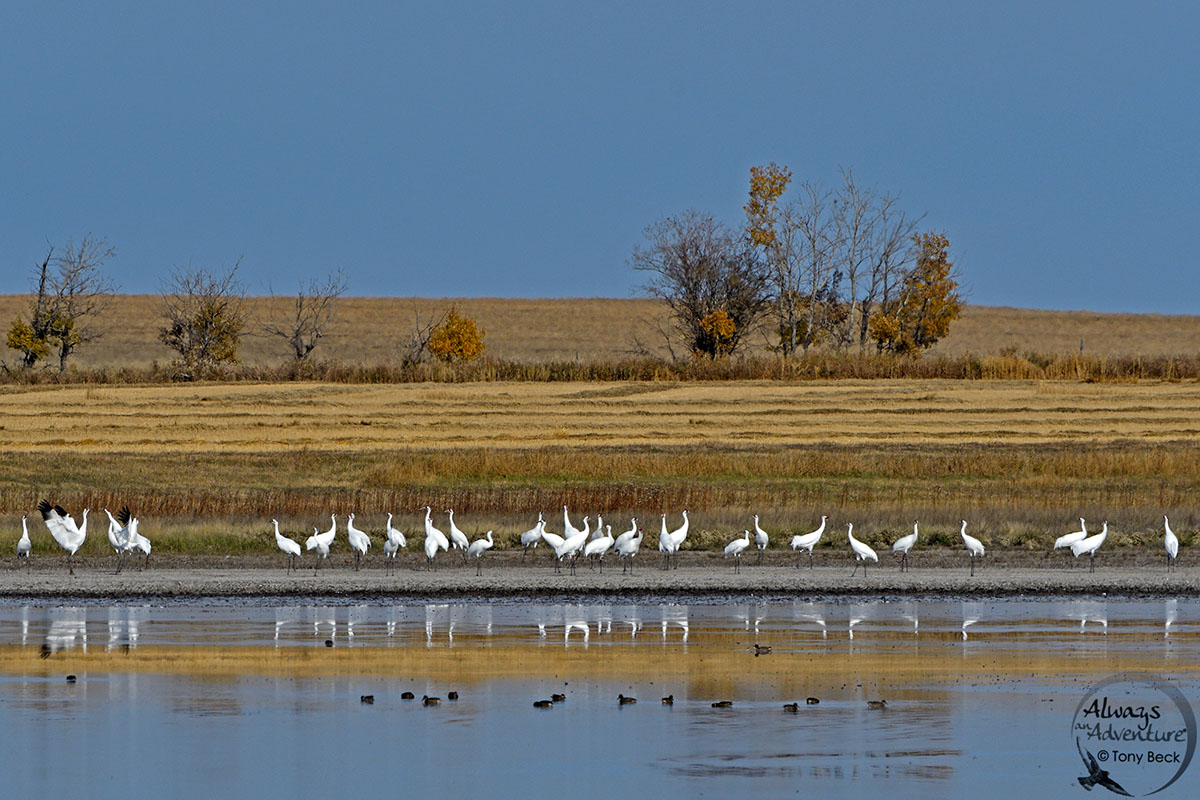
Finding one Whooping Crane is a remarkable achievement. On very rare occasions, we see flocks of more than 100 Whooping Cranes. This image of 34 Whoopers included another 80 birds in adjacent fields – an encouraging sight of one of the country’s rarest animals.
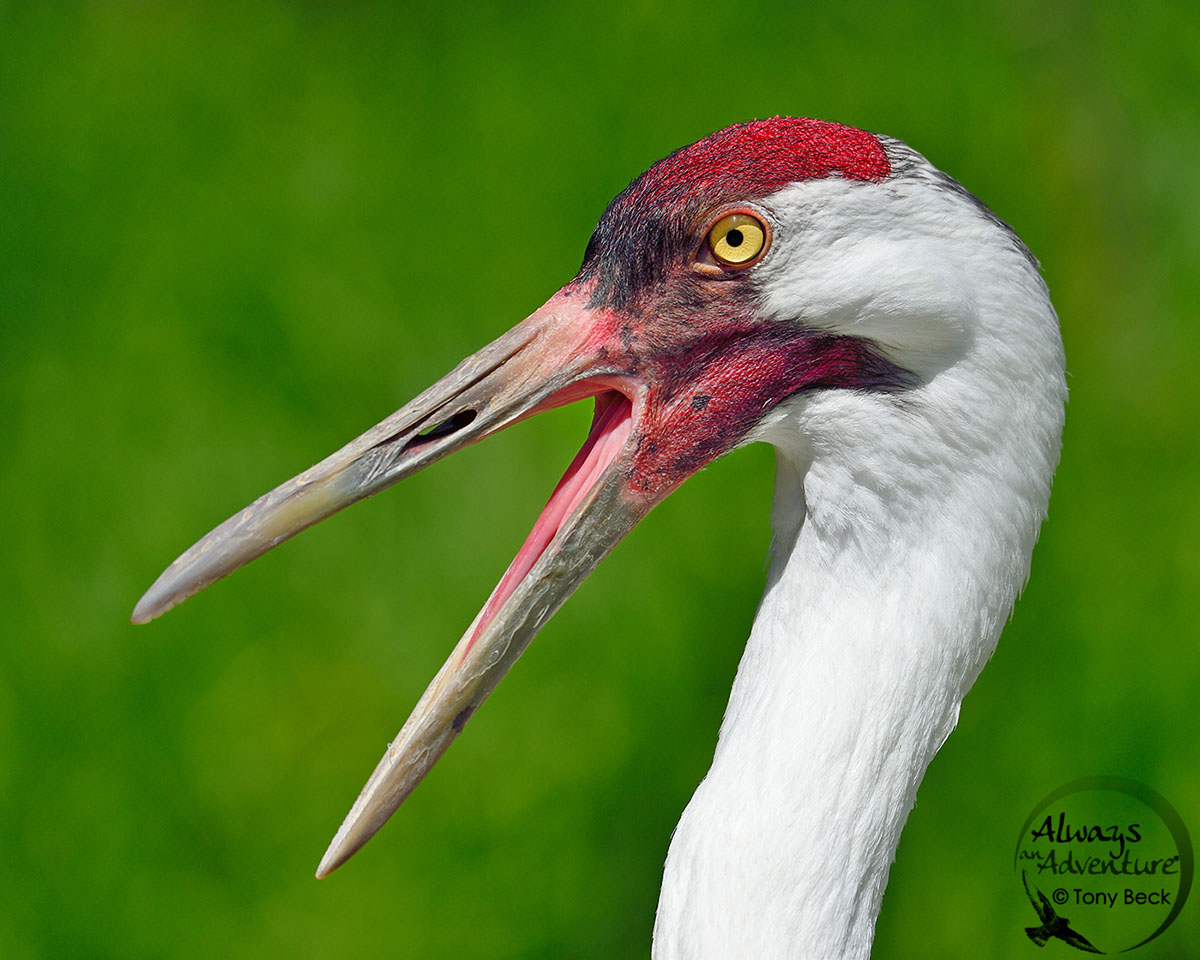
The total population of Whooping Cranes is about 800 individuals worldwide. This including about 160 captive birds, like this one photographed in the Calgary Zoo.
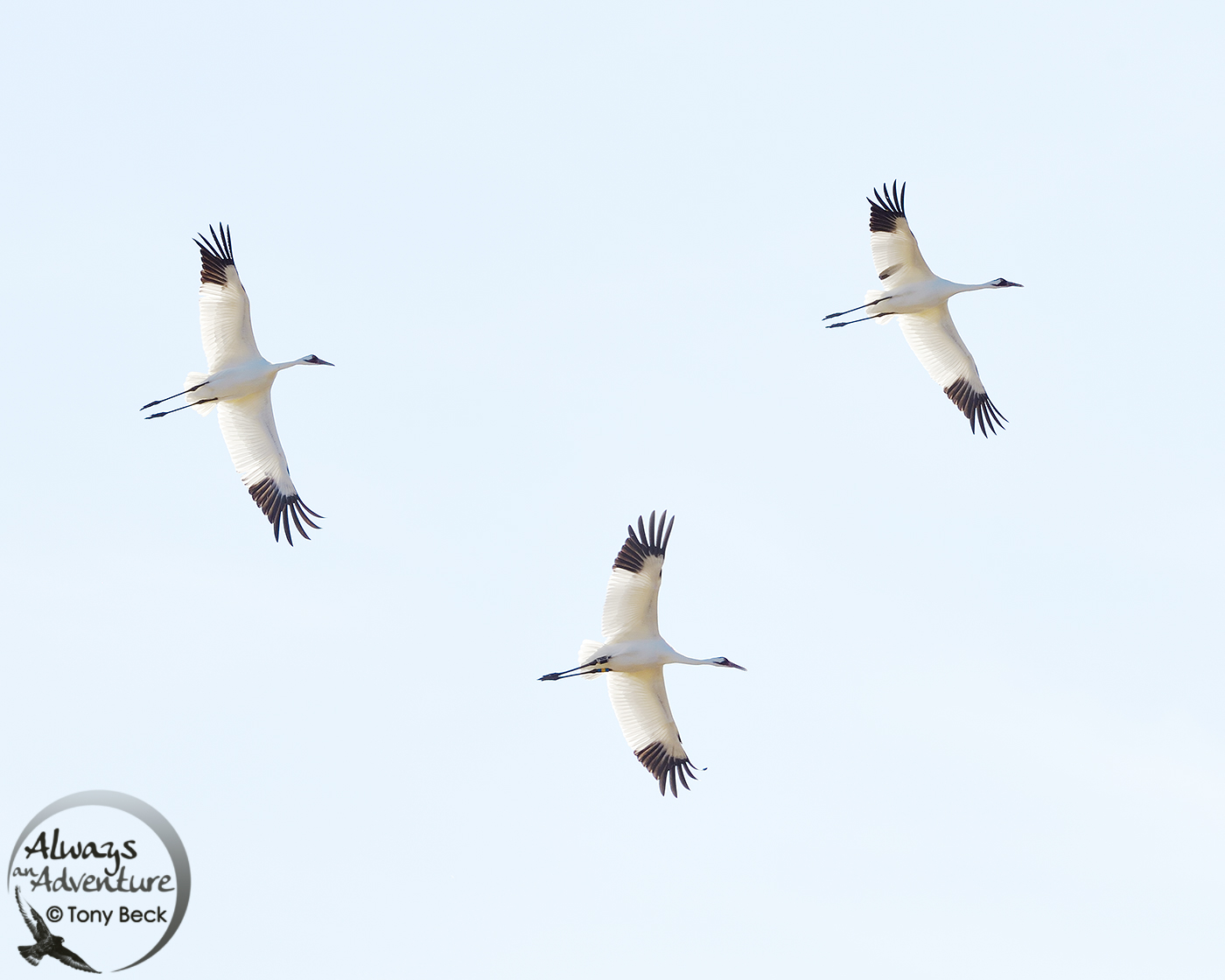
Big, sleek, and bold white, they’re beautifully graceful in flight.
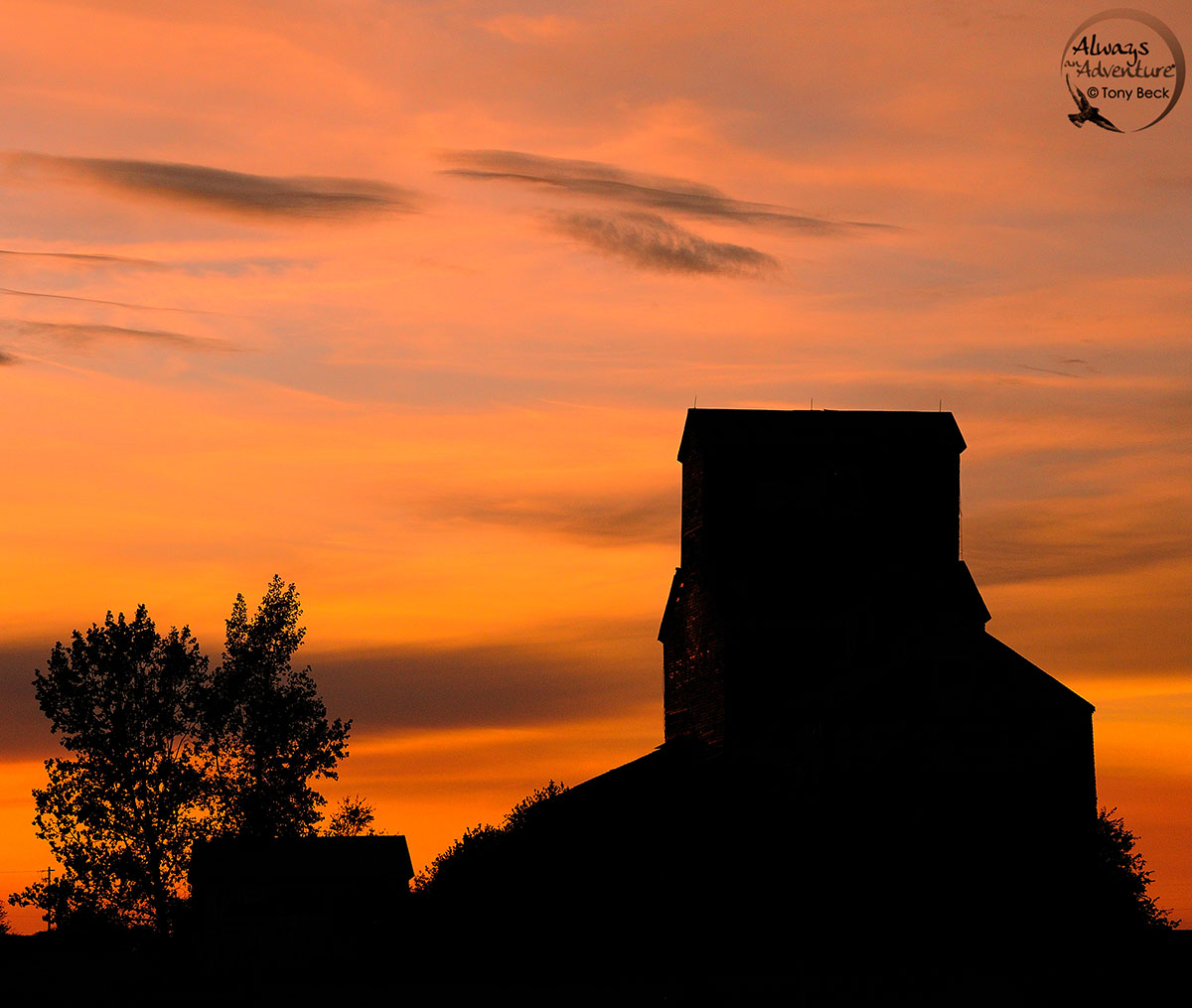
The prairies still have a few iconic grain elevators that add charm to Saskatchewan’s scenery. Many, like this one in Riverhurst, are maintained for historical purposes.
ABOUT THE AUTHOR

Tony Beck is an award-winning, Nikon Ambassador, Vortex Ambassador, and freelance photographer based in Ottawa.
He teaches birdwatching and nature photography courses.
Follow Tony’s adventures at www.AlwaysAnAdventure.ca