
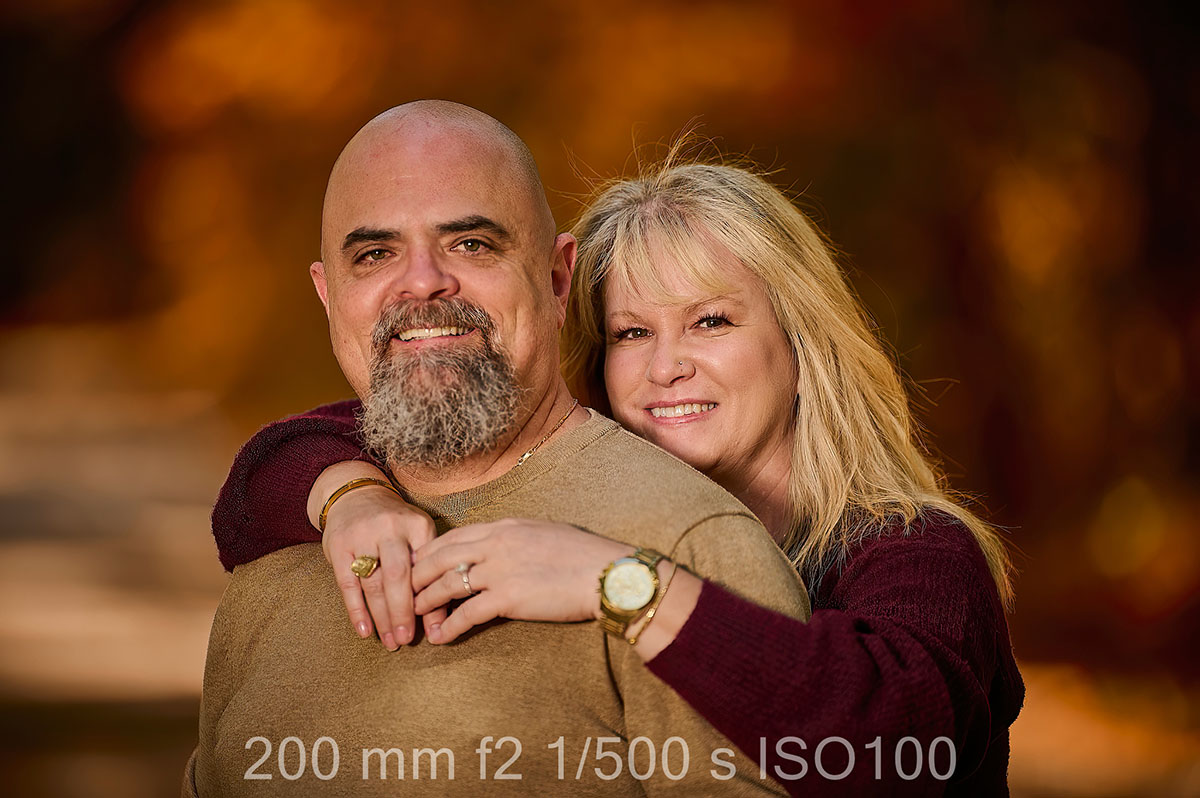
Congrats to Jay & Queena! Look at the background!! It almost doesn’t look real.
When Laowa first dipped its toes into the autofocus pool with 10mm and 12mm ultrawide lenses, I scratched my head. Autofocus… for landscapes? Sure, why not. But now they’ve done something that makes perfect sense: they’ve unleashed the 200mm f/2 AF FF – a focal length that really benefits from AF and in a big way.
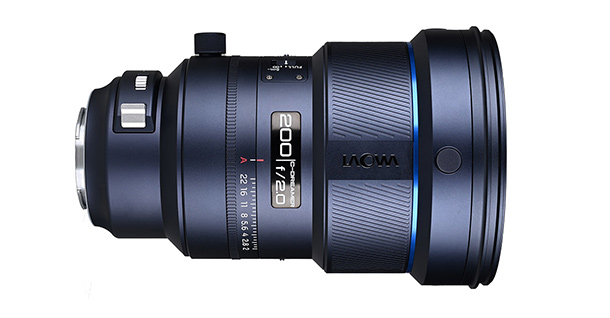
This full-frame beast is built for portrait, sports and event shooters who love that long-lens compression and buttery blur. And yes, it’s big by Laowa standards (1.5–1.8 kg with a 105mm front element), but still lighter, smaller and far cheaper than its competitors. It comes in Sony E, Nikon Z and Canon EF, with an EF-to-RF adapter available so Canon RF users don’t feel left behind.
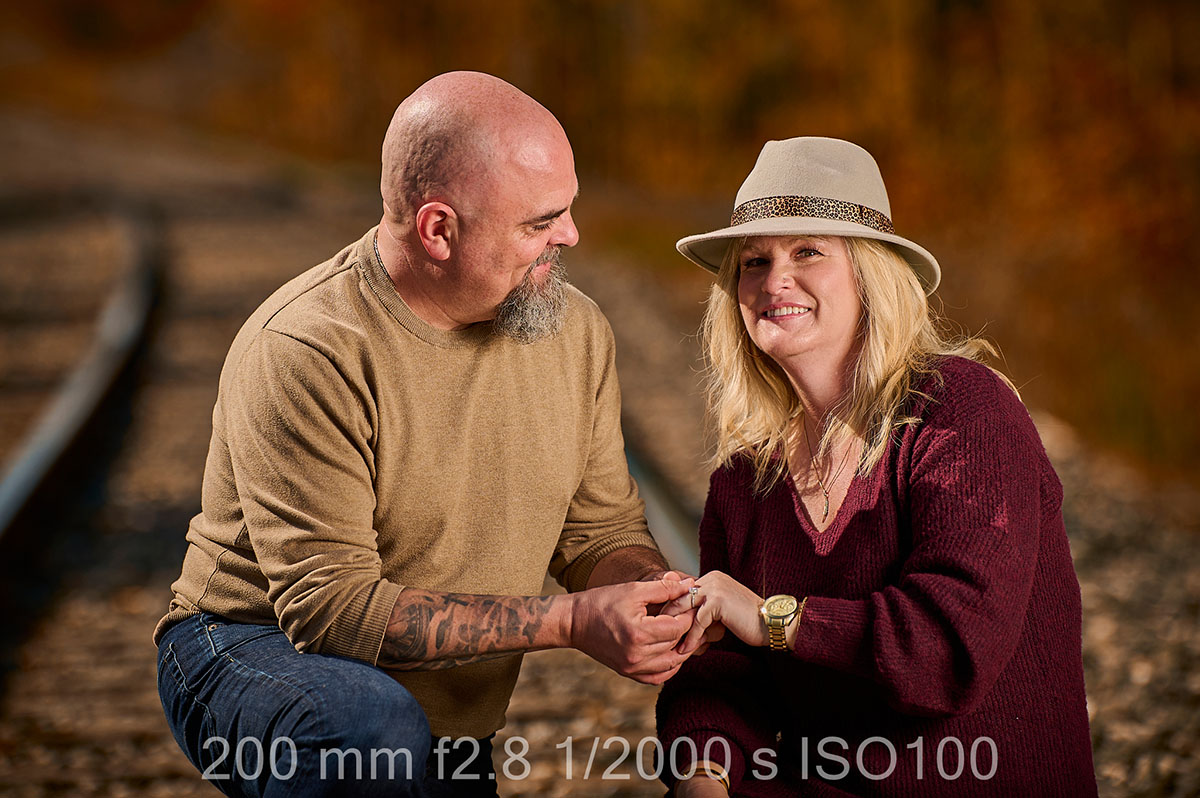
Stelos and para fought off most of the dark shadows from the mid-day sun. The 200mm f/2 is super sharp and the background so creamy.
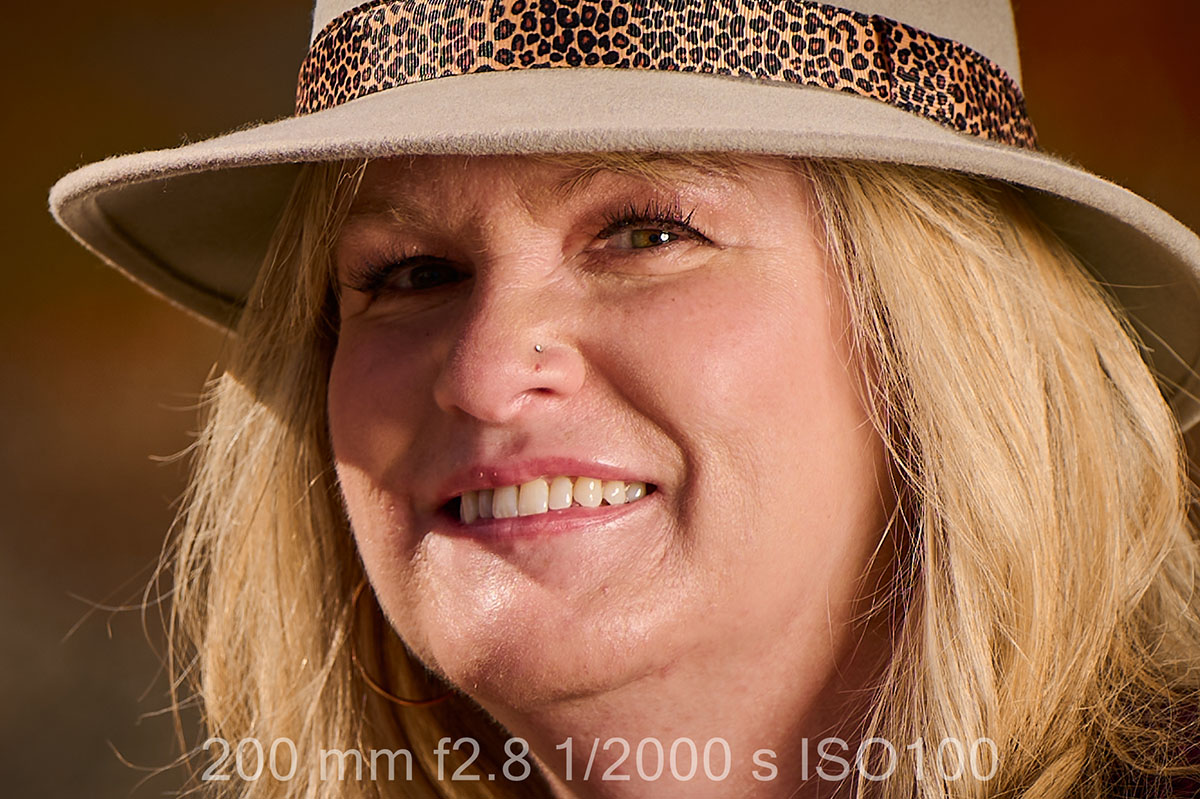
Zooming in over 150% – look at the exquisite detail. Even on a 24mp sensor, each eyelash and hair strand is visible, as well as the texture of the felt on her hat. And look at that smile and twinkle in her eye.
Laowa didn’t skimp on features either: an aperture ring, programmable buttons, a focus limiter, AF/MF switch and an Arca-Swiss compatible tripod collar that rotates. It’s fully weather-sealed and the massive 105mm front element is treated with a dirt- and water-repellent coating. Sony and Nikon users also get a 43mm rear filter holder, which means you don’t have to remortgage your house to buy 105mm filters.
In Use
A friend asked me to shoot engagement portraits for him and his fiancée – perfect timing because autumn had just decided to flex. The forest was glowing with oranges, yellows, reds and that last bit of stubborn green.
I mounted the 200mm f/2 on my Nikon Z6. Since we were shooting at 1:00 p.m. under a cloudless, blazing blue sky, I wasn’t about to trust Mother Nature with my lighting. So I hauled out my new broncolor Stelos monolight with a Para 88… and my faithful sherpa, Christian. (He prefers “assistant,” but let’s be honest.)
In the shade, I was at ISO 100, 1/500s and wide open at f/2. On the sunlit train tracks, shutter speed climbed to 1/2,000s. I also had my Nikon D810 with the Tamron 24-70 G2 f/2.8 at ISO 64, 1/400s, f/2.8 for the wider stuff.
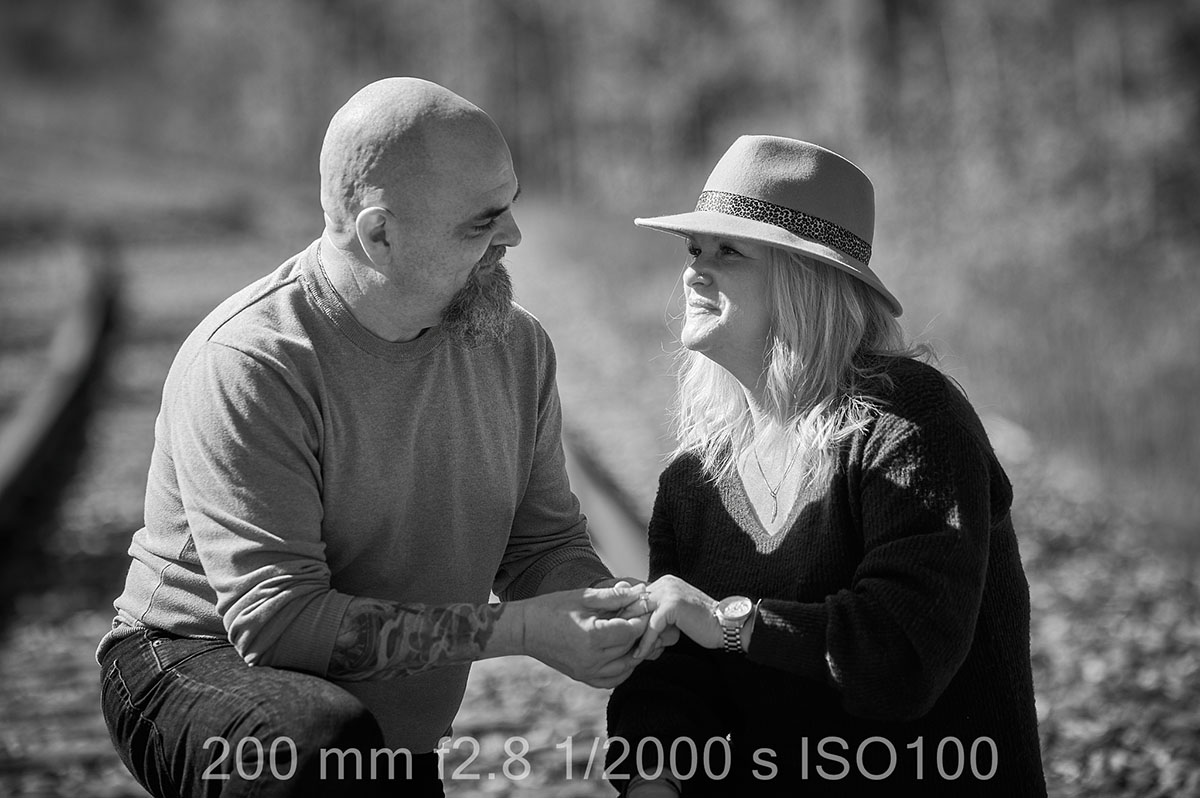
A black and white conversion rendered with lots of detail all around – the blurred background isn’t a muddy mess like you see with some fast prime lenses.
Autofocus on the Laowa was fast and precise. Eye-tracking AF worked beautifully and I programmed the lens buttons for AF-ON so I could lock focus on an eye and use the rear joystick to shuffle focus from eye to eye. Due to the very shallow Depth of Field, I checked each shot with DoF preview – everything was sharp exactly where I wanted it. And when I needed a nudge, full-time manual override was ready to help.
Compression? Gorgeous. Faces look natural and flattering – no bloated noses or funhouse distortion. Sharpness is exactly what you’d expect from a modern prime. But the real star? The bokeh. Oh, the bokeh. Creamy, smooth, painterly backgrounds with colours that melt into each other. Combine that with the Stelos and Para 88 and the images have that signature 3D pop – the kind that makes clients think you sprinkled magic dust on the lens.
Comparing the 24-70mm f/2.8 shots to the 200mm f/2? Not even a fair fight. The 70mm looks nice. Images from the 200mm make your clients look like the only people that matter in the world!
Other Uses
I only had the lens for a couple of days before I had to send it off, but the f/2 aperture screams to be used for concerts, events and low-light action. With AF this fast, it feels perfectly at home shooting sports and wildlife too. I’m already planning to take it to the hockey rink and local birding trails next time I can get my hands on it.
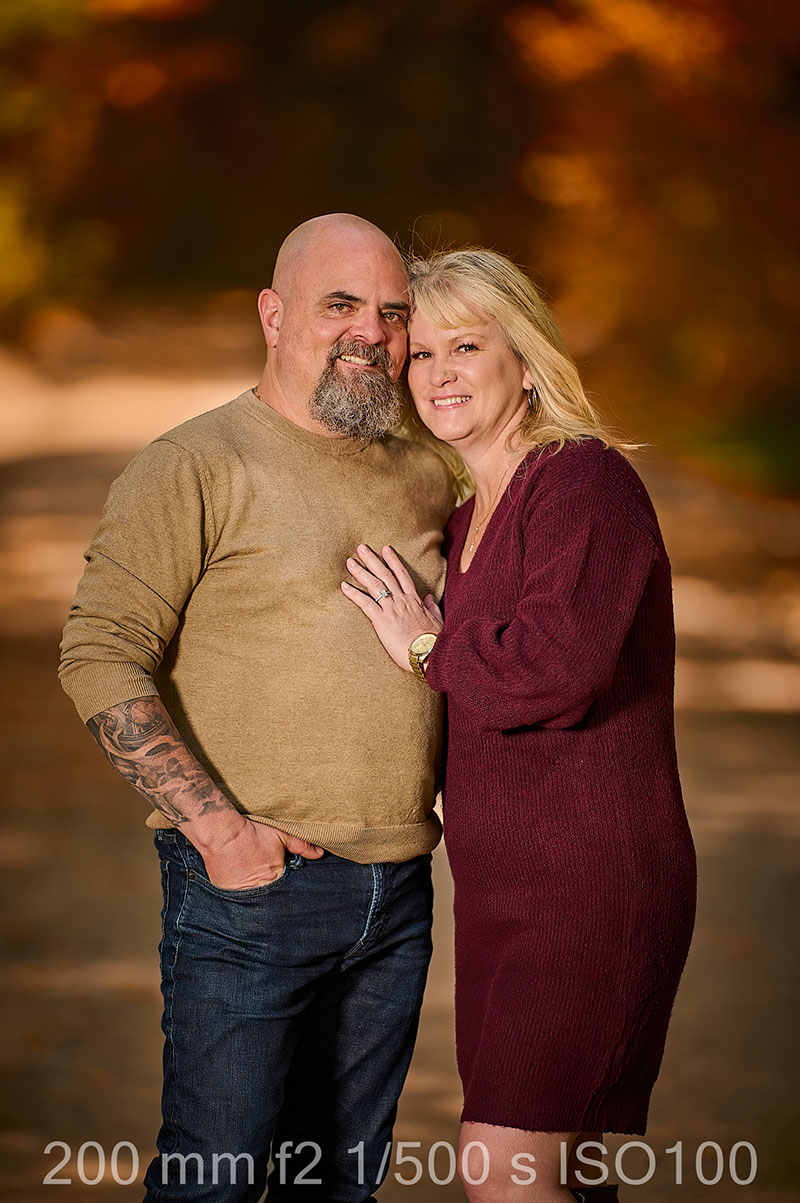
I had to step back further than I normally do for a ¾ length portrait, but the 200mm f/2 renders so well.
Conclusion
My usual outdoor setup is a 24-70 f/2.8 on one body and a 70-200 f/2.8 on the other. But after using the Laowa 200mm f/2, I can confidently say I’d reach for this more often than my 70-200 for outdoor portraits. The rendering is just too good to ignore. The sharp-to-blur transitions are dreamy, the backgrounds melt like warm butter and the AF performance surprised me in all the right ways.
I can’t wait to test it further in sports and wildlife because if the portraits are this impressive, the action shots might just make me swoon.
Huge thanks and a big congratulations to Jay and Queena – an awesome couple who made the whole session feel like a warm-up act for their lifetime together.
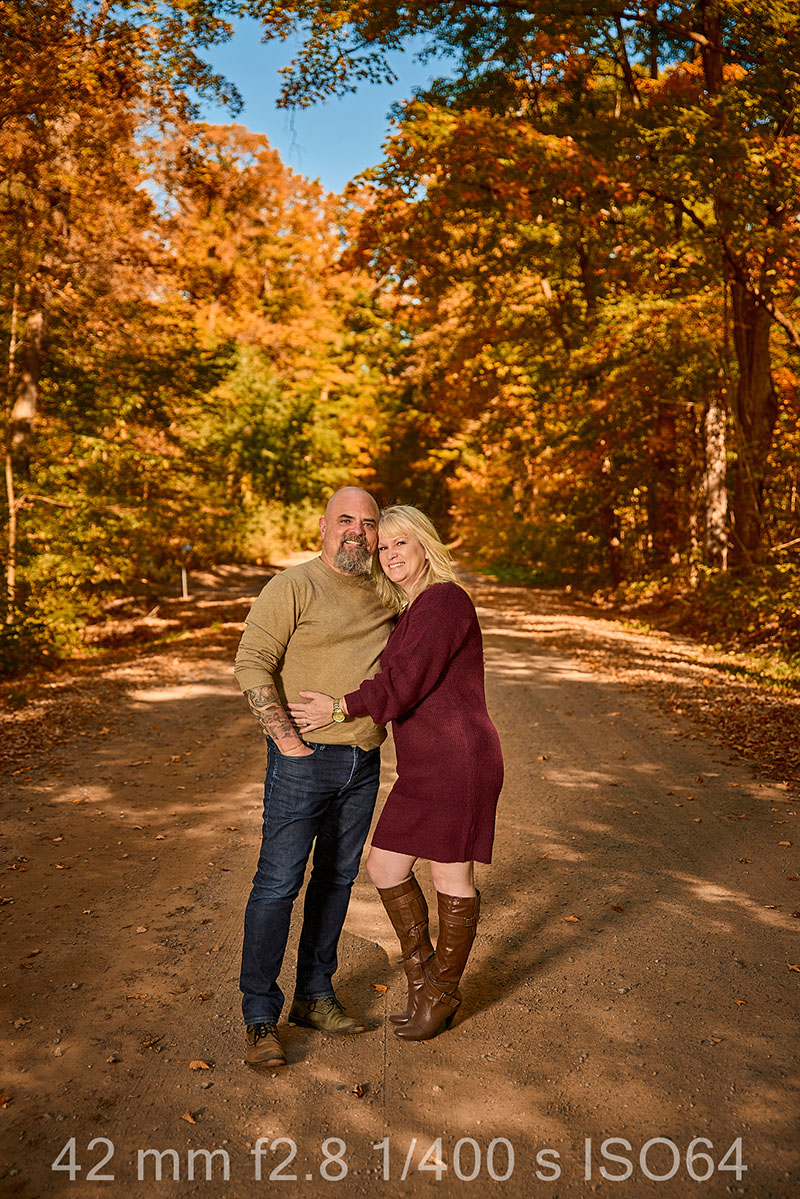
The background is far more noticeable when using the 24-70mm f/2.8 lens. Yes, focal length isn’t comparable but compare with the previous image.
Discussed Items
Author: Will Prentice

A portrait, fine art and commercial photographer for 30 plus years, Will Prentice is not just a contributor to PHOTONews magazine, but also host of PHOTONewsTV, owner of Captura Photography+Imaging and Technical Support/Brand Manager for Amplis Foto, Canada’s largest distributor of photographic equipment.
Will teaches photographers of all skill levels how to improve their craft – from creative photo projects to picking the right gear for their needs to flattering lighting to getting the best expressions to creating final images for screen and print. His unique style of highly detailed images with perfect tonality, wide dynamic range and stunning colour is instantly recognizable. Commercial clients rely on Will’s creative eye and mastery of lighting.
When he’s not behind the camera or in front of a class, you’ll find Will outdoors in any weather – usually on one of his bikes or enjoying time with his grandchildren.