



Regarding impact, simple photos usually work better than complex ones. Simplicity helps draw attention to your main subject. For nature photographers, “Keeping it Simple” is an especially expressive method to communicate wildlife themes.
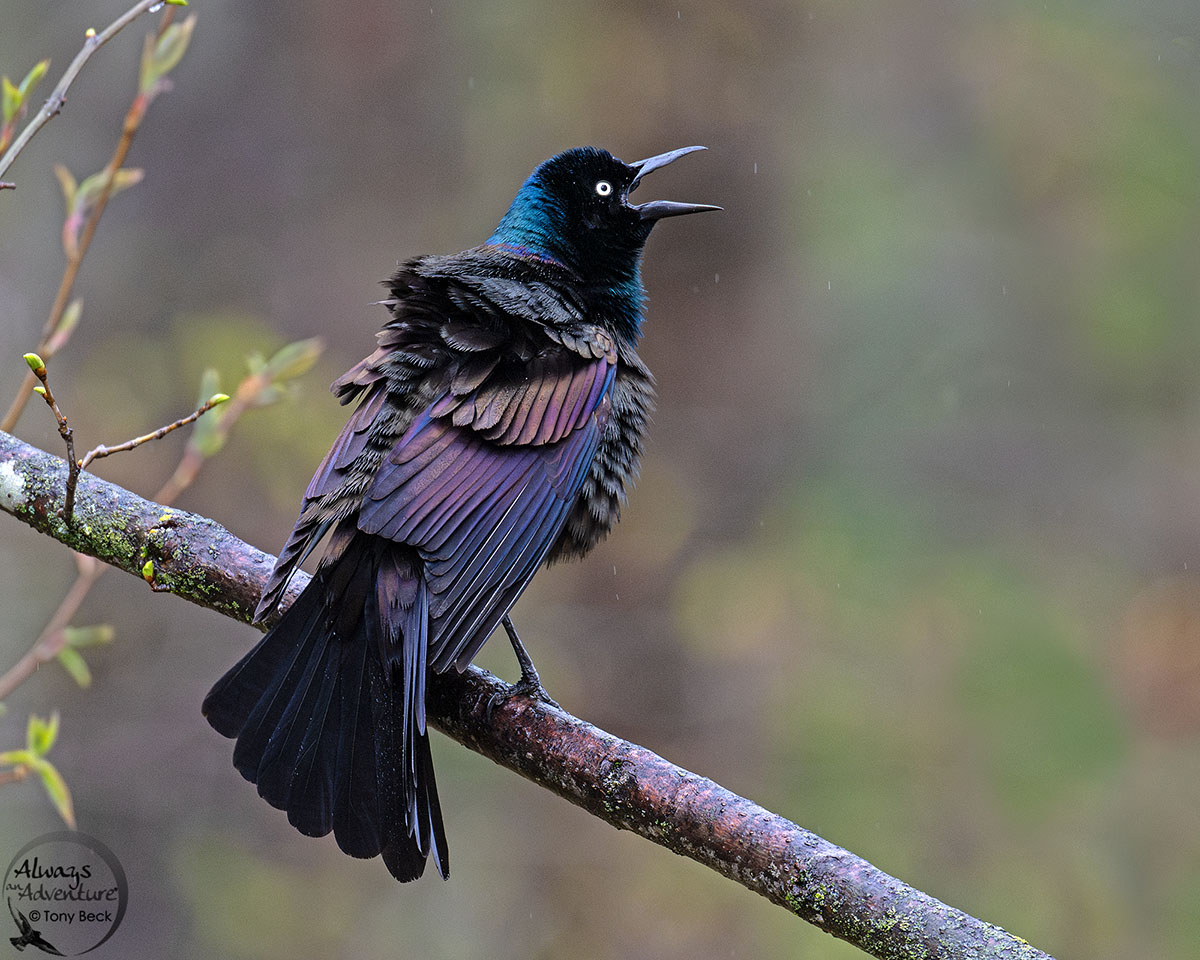
Simplify your image by avoiding background detail. During field work, note everything in your frame and keep the background distant. If your wildlife subject cooperates, move your camera angle around to find a spot without distractions.
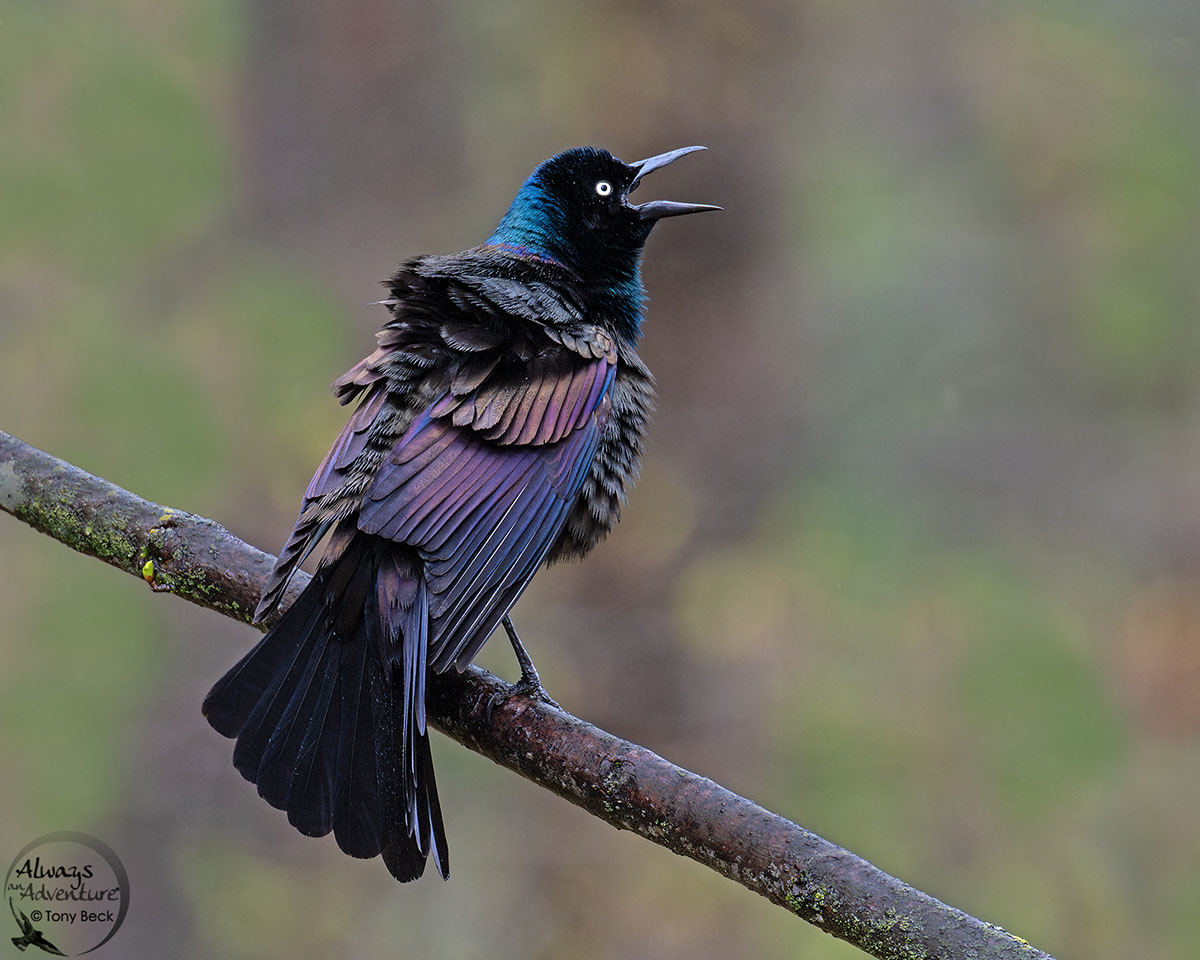
Further simplify images by using various post-processing tools to remove or minimize hotspots and distractions. Although both images of this iridescent Common Grackle work, this edited version places more emphasis on the bird by eliminating distracting branches and falling rain. Shiny, wet bark is also minimized by darkening the branch’s highlights.
During field work, look for situations without visual distractions. Put your camera in a clear line with your subject while avoiding objects in its surrounding environment. It’s easier to achieve this with a telephoto lens. The longer the better. Ideally, your photogenic model stands alone without any objects interfering with a clean foreground or background. Unless it’s part of the image’s story, it’s best to avoid anything associated with modern human activity, like metal fences, tacky lawn ornaments, or unsightly urban clutter. However, rustic themes can feel natural or wild.
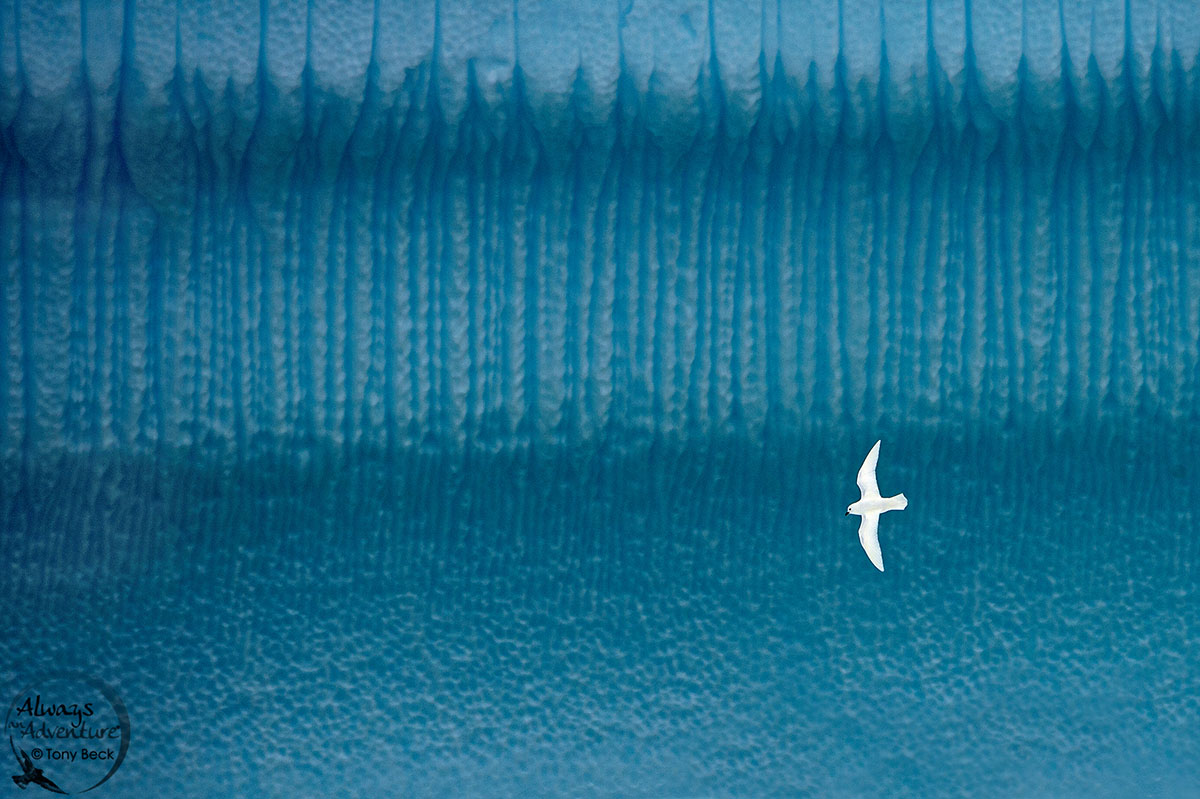
Background detail rarely complements a main subject. One exception is when small subjects have a symmetric backdrop. This is when backgrounds compete with the animal for the status of being the main subject. This image contains a Snow Petrel flying in front of blue bubble lines etched in an Antarctic Iceberg.
Natural-looking images have background colours complementing the subject’s regular habitats. Results should appear wilderness-like with common colours found in nature, including sky blue, forest green, or autumn red. Black, white, or gray backdrops can also work. However, warm, natural colours should improve the scene’s attractiveness.
Best angles for clean & natural backgrounds include getting close to your animal without scaring it away. Place your camera at their level. Take advantage of uniform lighting while avoiding contrasting details. Look for situations with overcast skies combined with distant backgrounds. If the sun is out, keeping it on your back helps lower contrast. Steer clear of all unnecessary detail around your main subject. Too much information can create annoying distractions.
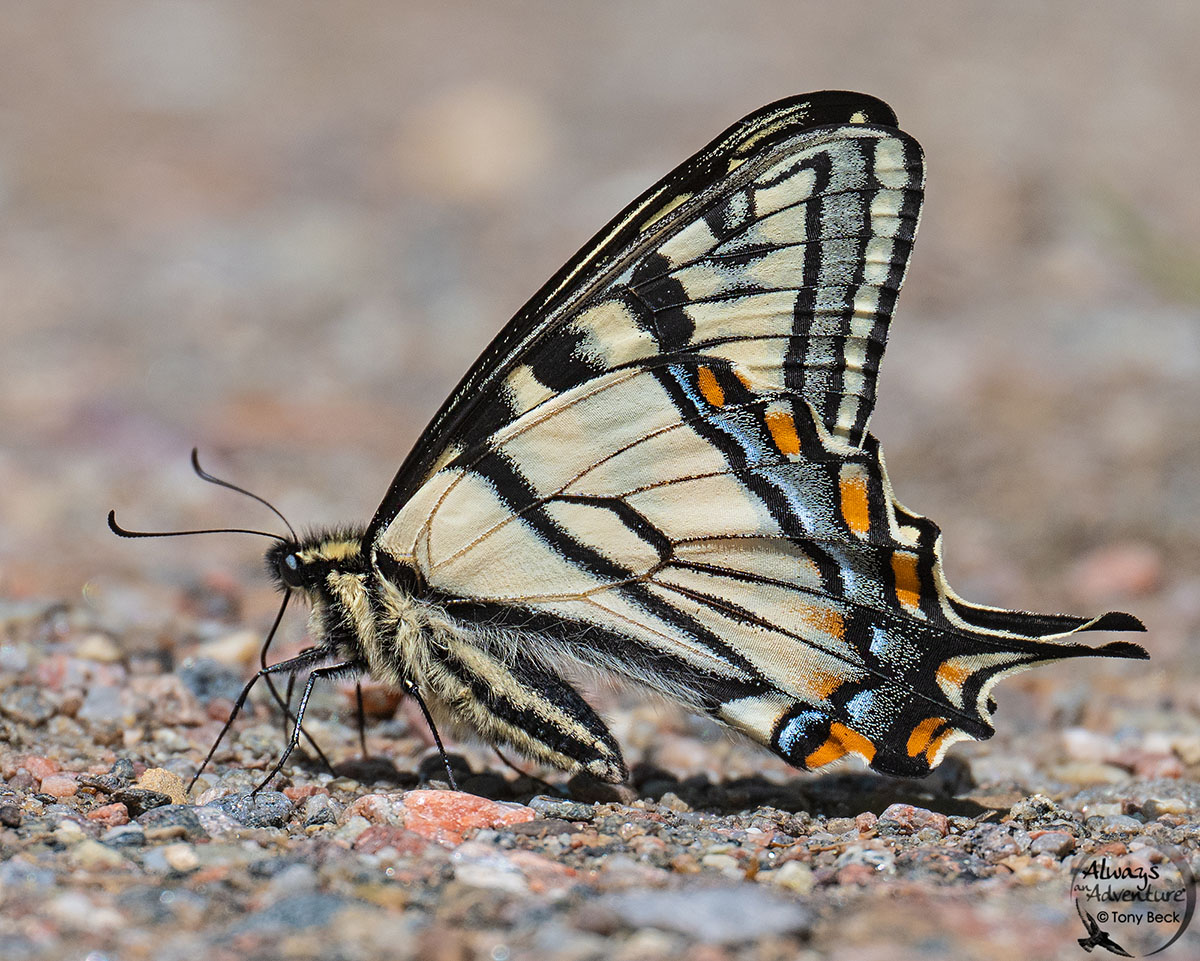
Backgrounds become more distant from your subject when your angle is at their same level. This is especially true for animals low to the ground.
Longer focal length lenses compress the field of view making it easier to fill the frame with a small or distant subject while reducing background details. Long lenses produce a shallow depth of field even when applying small apertures.
Take your time when editing images. Beware of hurried or sloppy results. Selecting & masking subjects is tricky and tends to look manipulated without care or practice. Thankfully, technology keeps improving. Although it often works, results can vary, and can’t always be relied upon, at least not yet. Reduce editing times by adopting thorough field techniques. Depending on the image, removing unnecessary details and distractions can be easy with modern editing programs.
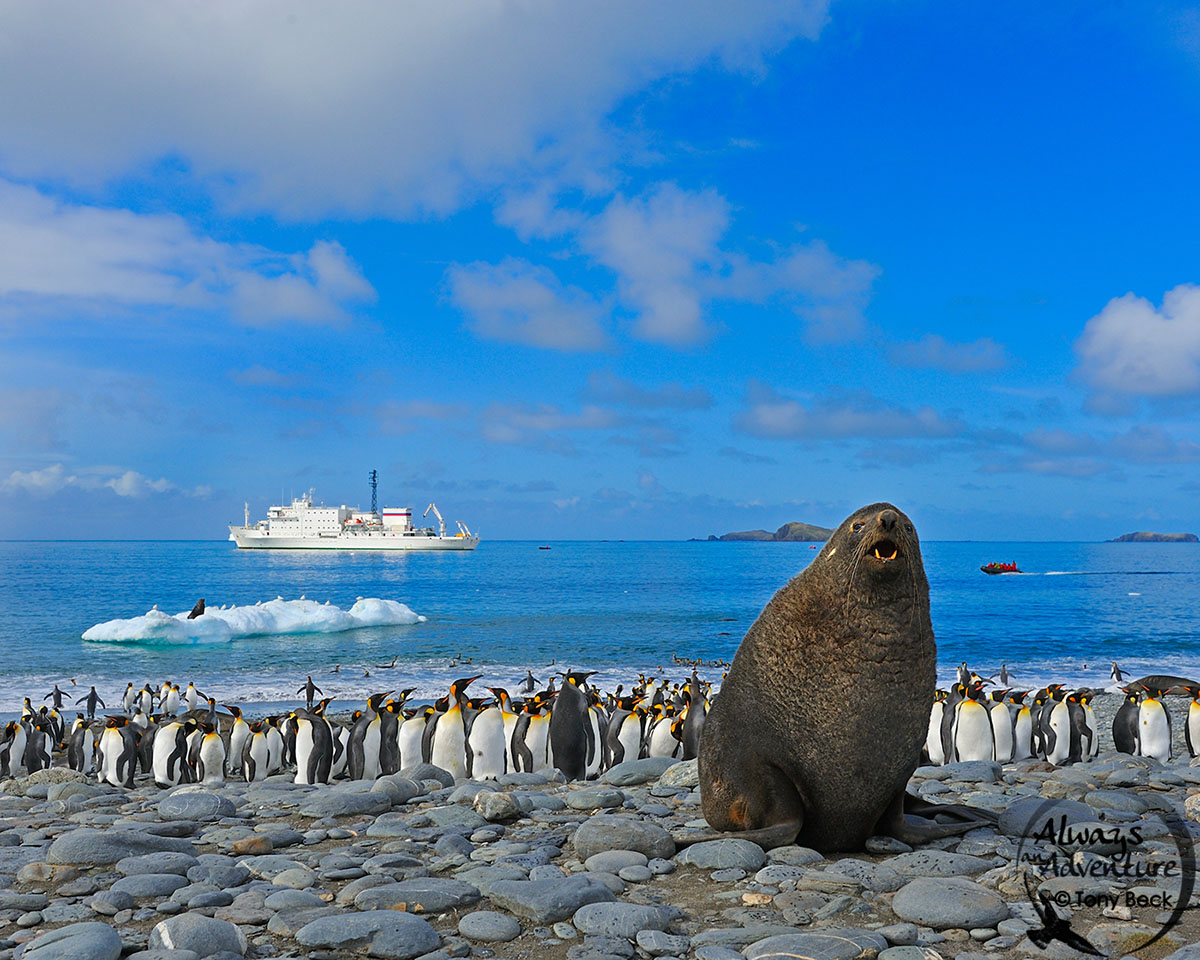
Wide-angle lenses make it easy to achieve deep depth of field by selecting a small aperture and focusing on the hyper-focal point. Super wide-angle lenses can potentially make the entire frame sharp, from the closest focus point to infinity.
Although I gravitate toward natural-looking images, I encourage photographers to unleash their creative potential by exploring different background types. During post-processing, insert backgrounds like cloud patterns, dramatic scenery, or brilliant colours.
Beware of noise amplified in uniformly coloured backgrounds. When dialing-in higher ISO levels, minimize the distortion by applying noise reduction tools to affected areas. However, reducing noise on main subjects can potentially degrade their sharpness, detail, and overall aesthetic.
With today’s highly advanced editing tools and camera equipment, anyone can enhance the quality of their wildlife photos. Start by adopting simple backgrounds.
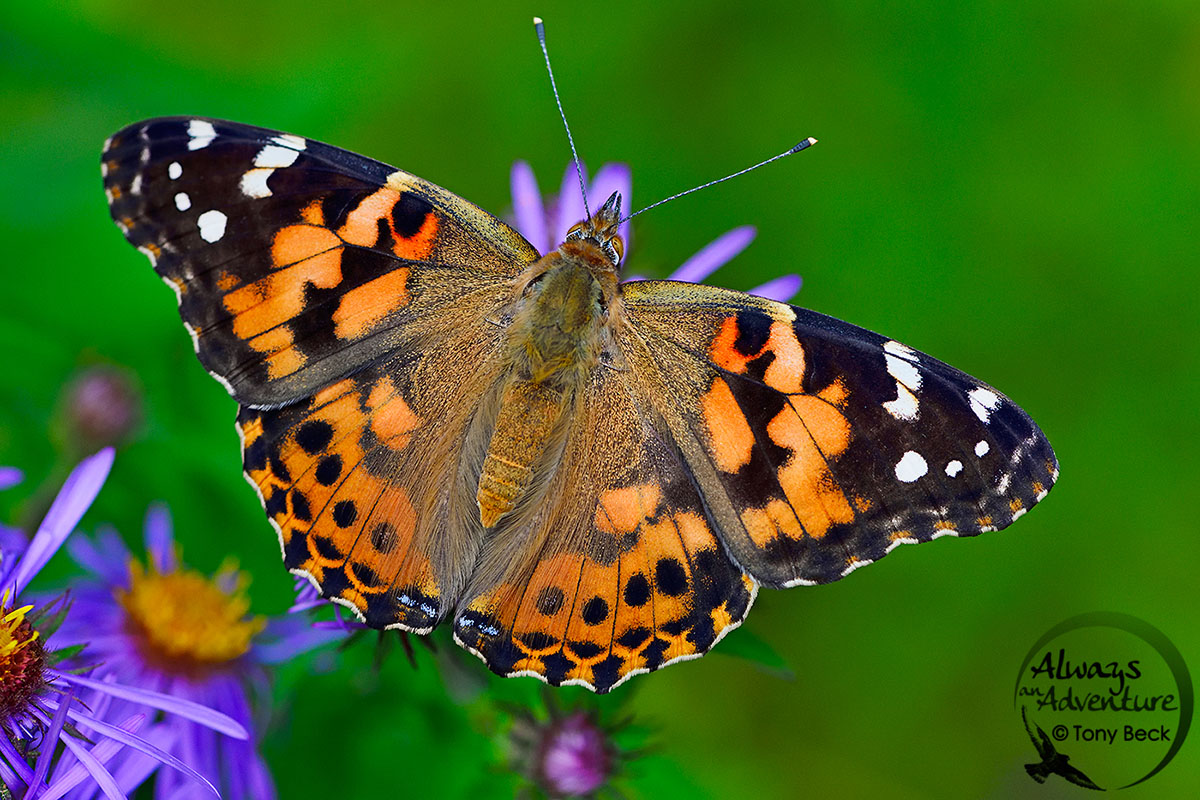
Tiny subjects like this Painted Lady Butterfly require getting close. The closer you are, the easier it is to blur the background. Difficulties arise when trying to maximize the sharpness of your entire animal while keeping the background free of detail.
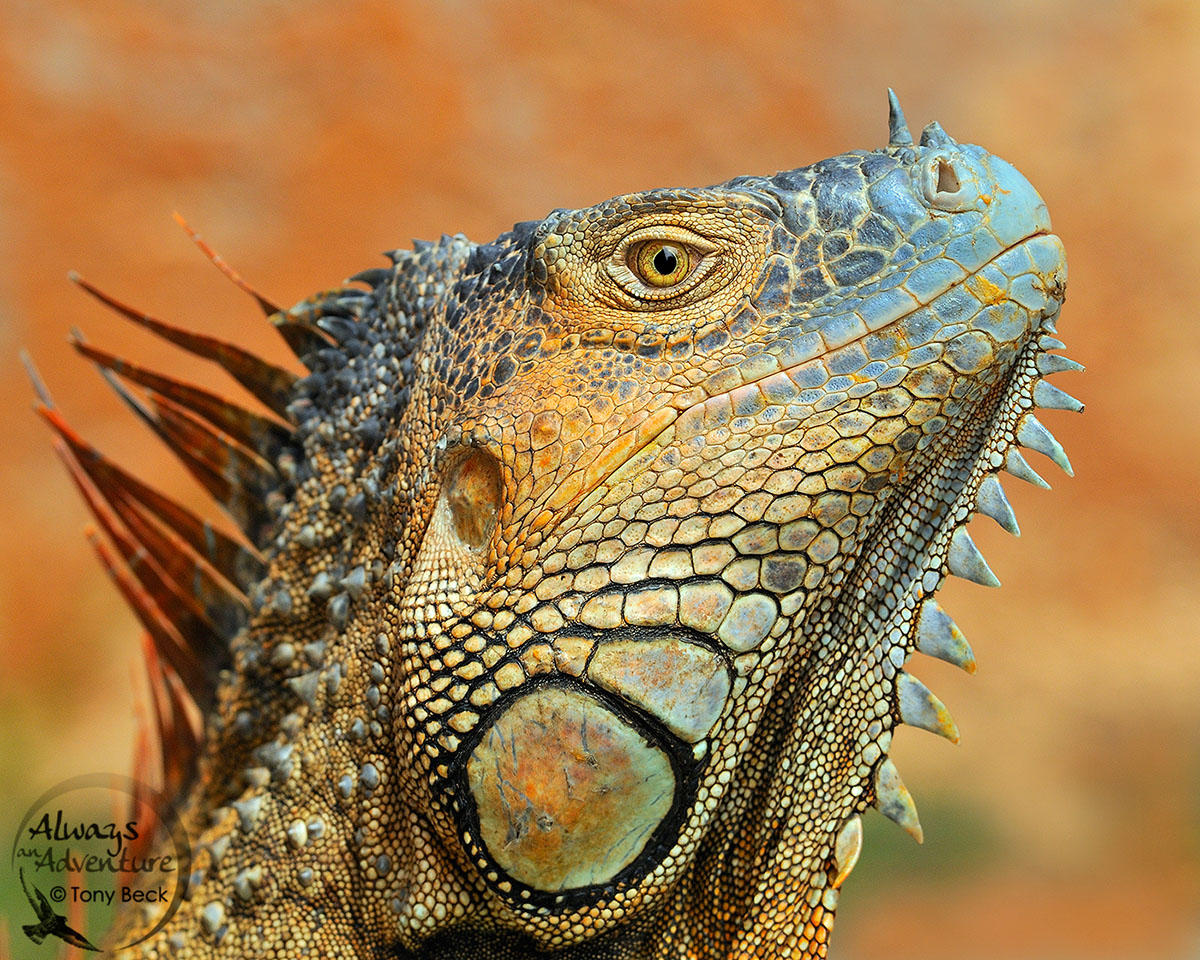
With their compressed field of view, long telephoto lenses make it easy to blur background as you get closer to your subject. It helps to have cooperative subjects like this fearless adult Green Iguana.
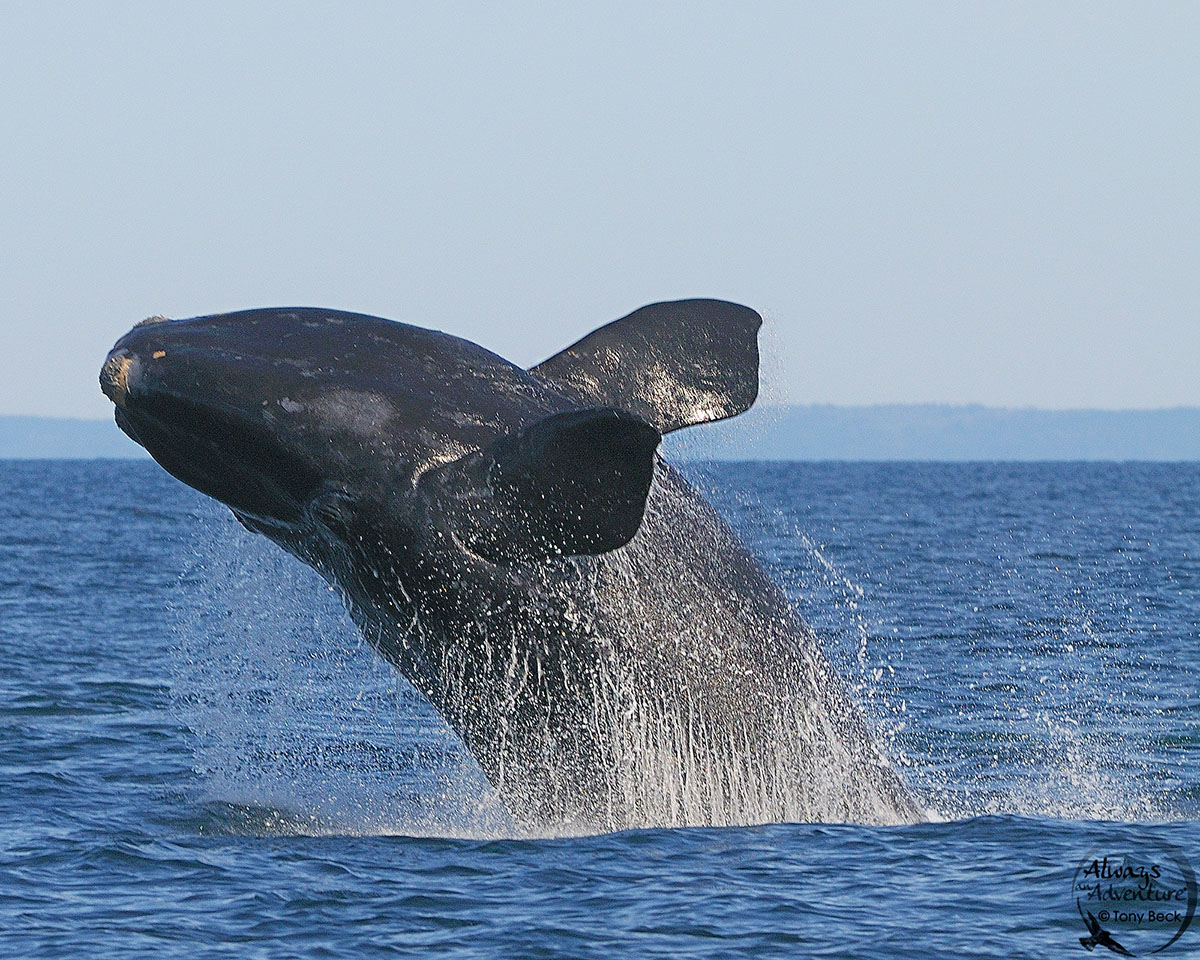
It’s more difficult to get blurry backgrounds the further away your main subject is. This can be an issue when you have large wildlife like this highly endangered North Atlantic Right Whale. Fortunately, the distant horizon was far enough away that it doesn’t interfere with the image’s simplicity.
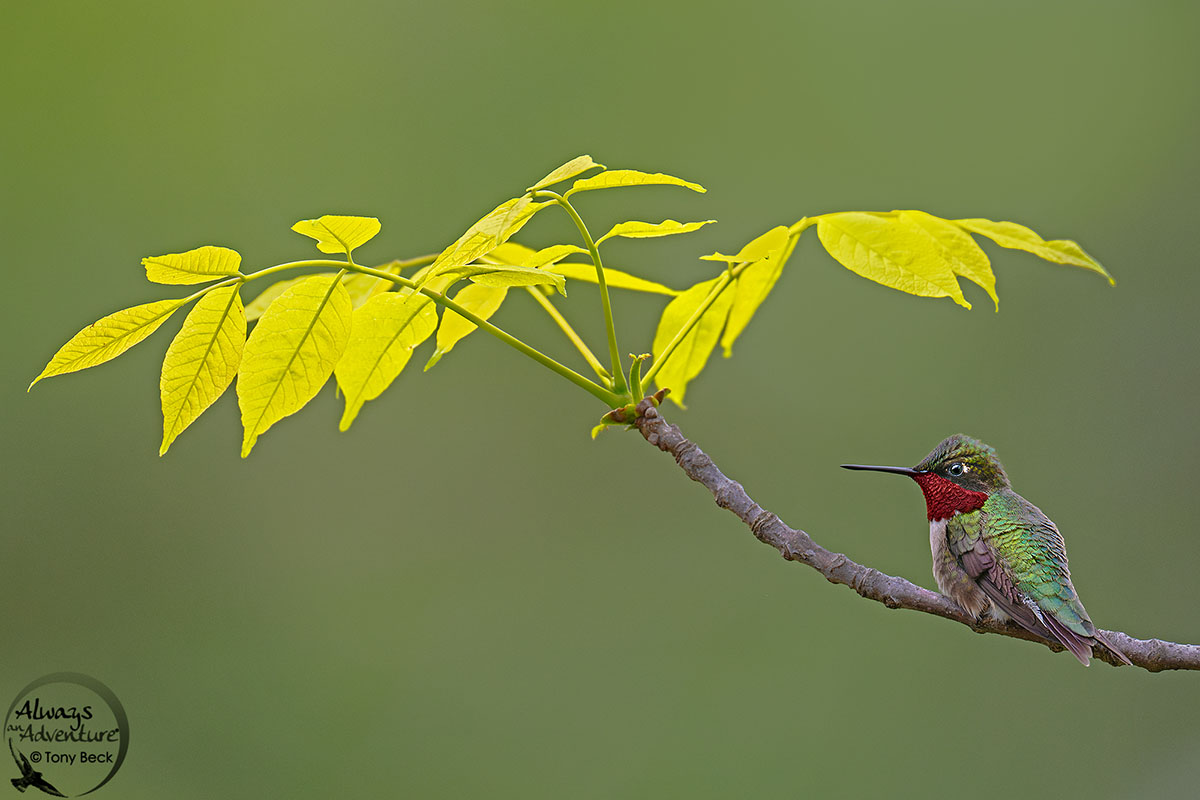
Wait for small critters like this Ruby-throated Hummingbird to perch in uncluttered environments, free of all distractions and harsh hotspots. The result is a simple yet pleasing image.
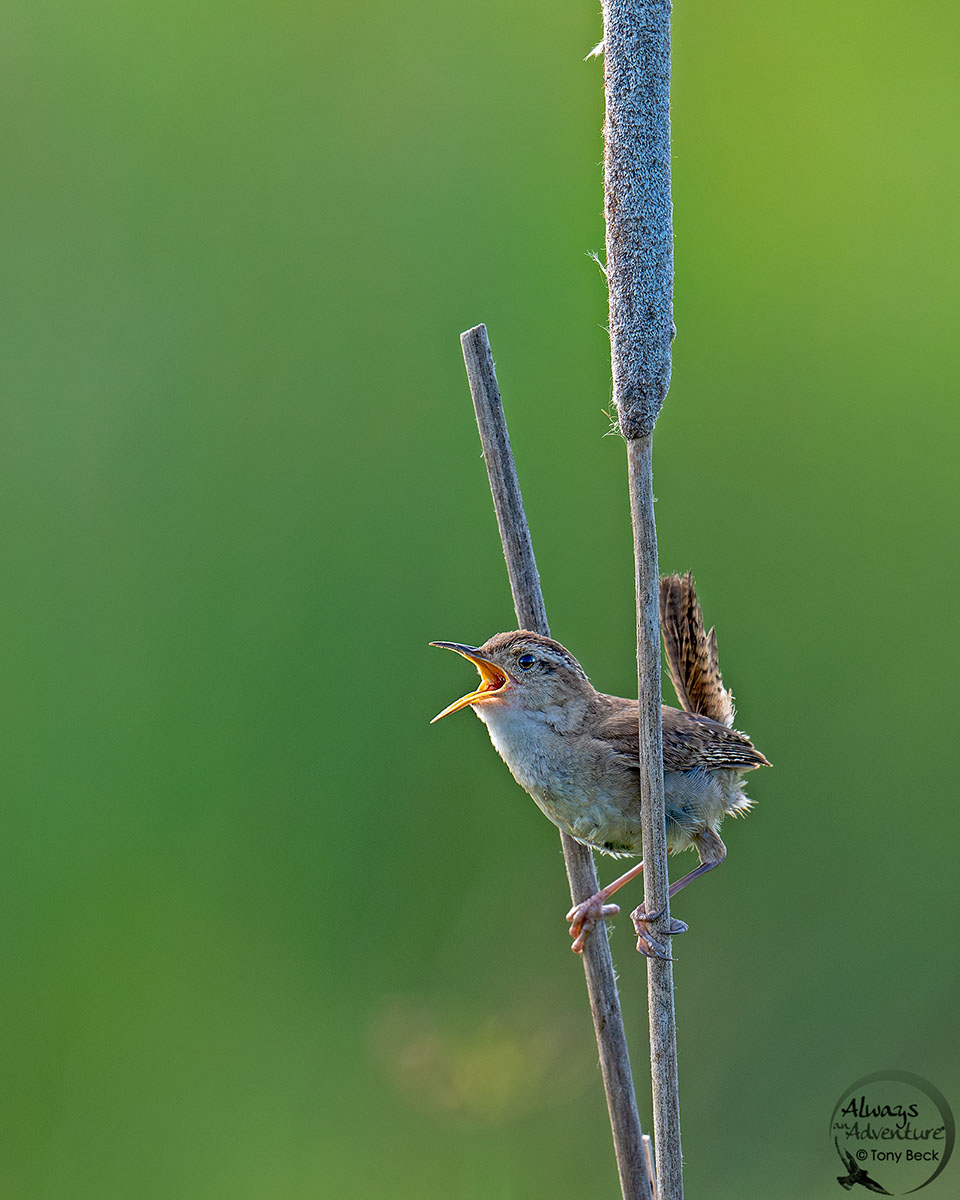
Backlit images can potentially be contrasty when background vegetation is close to the subject. Wait for them to move into the open. This Marsh Wren was singing on territory and came into the open when a competitor flew in.
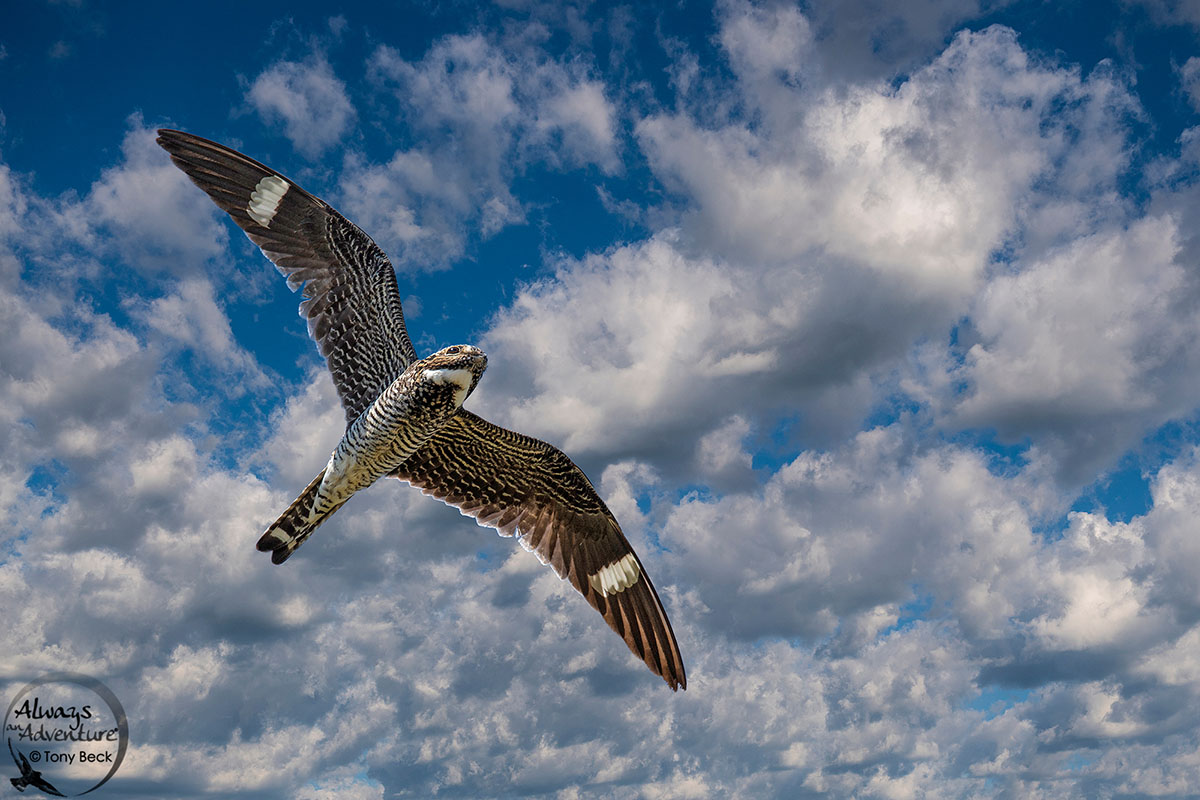
Creatively edit your images. Replace backgrounds with wide-angle sky or natural settings. I selected this Common Nighthawk from one image and neatly inserted it into an image with clouds. Composite images like this look more natural if the light is similar in both original image files.
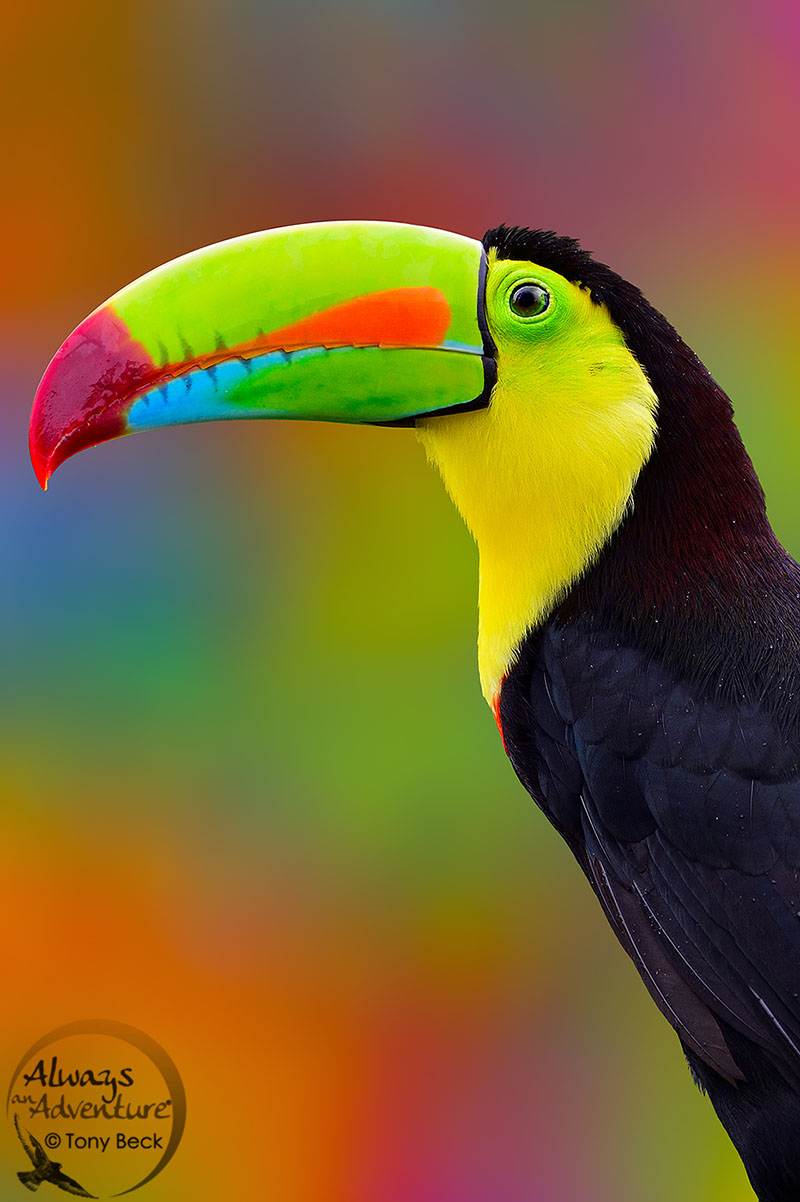
Out-of-focus multi-coloured objects make rainbow-like backgrounds. In this case the colours were created from blurry gummy bears. I then inserted the blurry colours into the image of the Keel-billed Toucan.
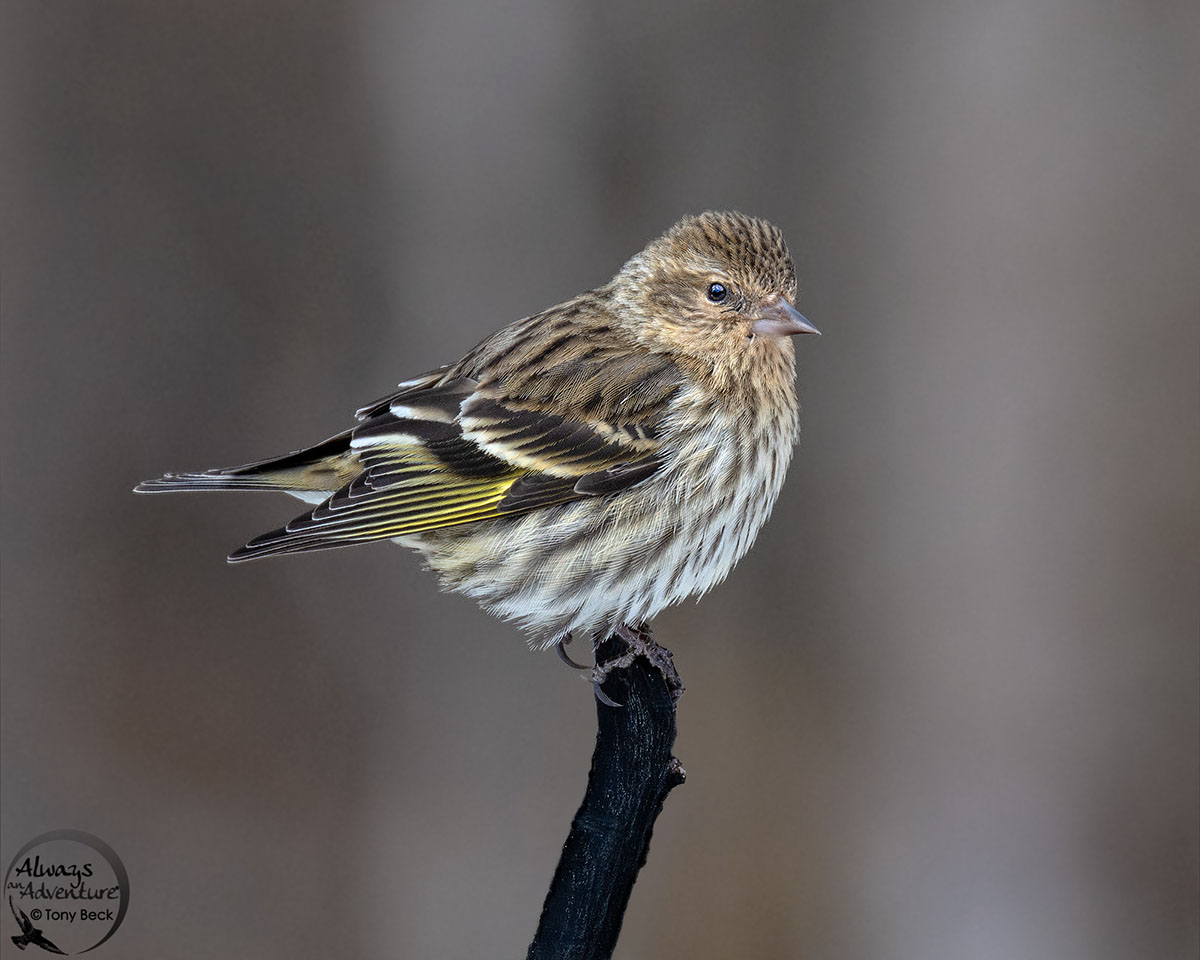
This Pine Siskin originally settled on an unsightly metal perch. To make the image look more natural, I applied AI tools that replaced the perch with some type of dark branch. It took several editing attempts before I was satisfied with the results.
ABOUT THE AUTHOR

Tony Beck is an award-winning, Nikon Ambassador, Vortex Ambassador, and freelance photographer based in Ottawa.
He teaches birdwatching and nature photography courses.
Follow Tony’s adventures at www.AlwaysAnAdventure.ca



Hi Tony. Nice review on the importance of a clean background. I especially like the snow petrel and the nighthawk.
Wayne
Thanks Wayne
Much appreciated.
The Snow Petrel in front of the blue iceberg bubble lines is one of my all-time favourites. The Nighthawks were photographed near Kindersley, Saskatchewan, right beside the Alberta border.
Cheers
Tony