
It is no surprise that many Canadians, including me, are feeling especially nationalistic these days. As it turns out, this moment in history coincides with the 50th anniversary of the beaver becoming Canada’s official national emblem. Back in March 1975, with the passage of the National Symbol of Canada Act, this industrious, amiable, roly-poly rodent became a unique emblem of Canada’s history, our land, and its people, and I am pleased that it is so. Now is the perfect time to celebrate our natural heritage by focusing on Castor canadensis, the Canadian beaver.

Long before the beaver became our official national emblem, the chunky rodent was part of our nation’s heraldry, stamps, and currency. For example, the first Canadian postage stamp was issued in 1851. The three-pence stamp depicted a beaver building a dam. Eighty-six years later, in 1937, the five-cent beaver nickel was first minted. Although the coin’s weight has remained the same, its composition is now just 2% nickel, whereas 50 years ago it was 99.9% nickel. A year later, a sandstone beaver sculpture was placed above the entrance to the Parliament Buildings in Ottawa.
(Sculpture photo ©️ Gordon Robertson, Wikimedia Creative Commons)
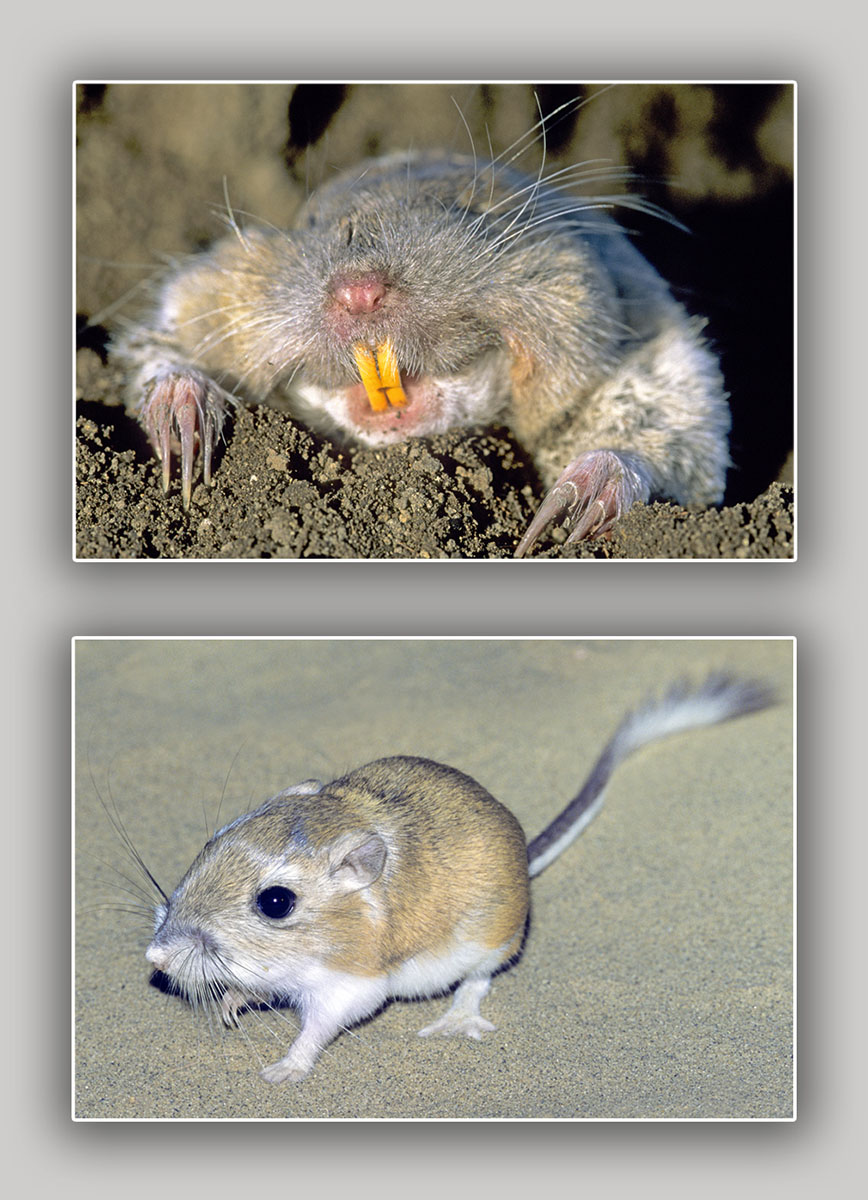
The beaver is a large rodent whose closest relatives are the pocket gophers (top) and kangaroo rats.
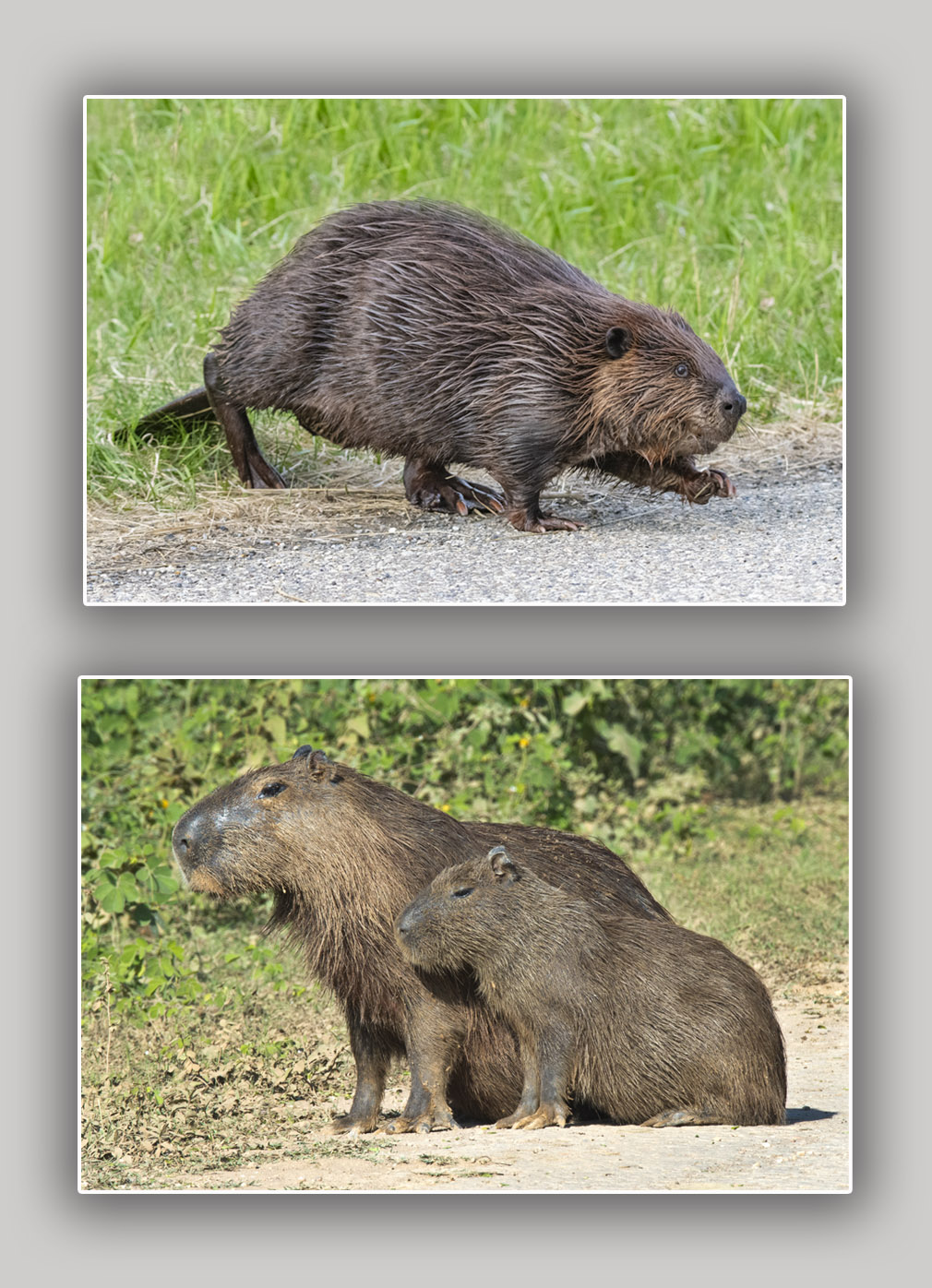
The bulky beaver can weigh up to 50 kilograms (110 lb.) and is the world’s second-largest rodent. The number one title is held by the semi-aquatic capybara of South America that can tip the scales at over 80 kilograms (176 lb.).
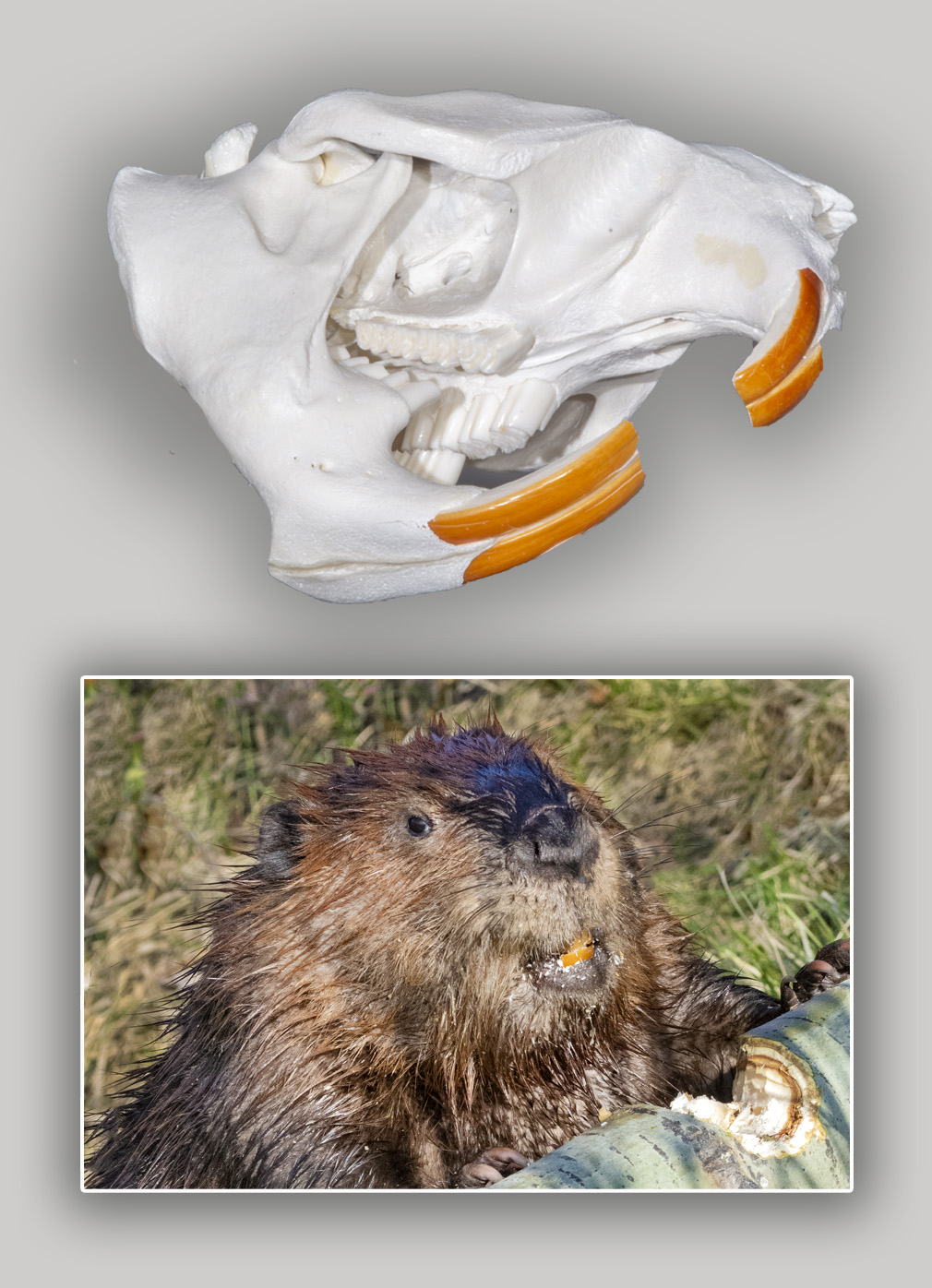
Roughly 40% of the world’s 6,640 mammal species are rodents. The name rodent comes from the Latin verb rodere, “to gnaw”. The beaver, like all rodents, has a single pair of incisor teeth that grow continuously at the front of its upper and lower jaws. The enamel of the teeth is strengthened by iron, which gives them their orange colouration.
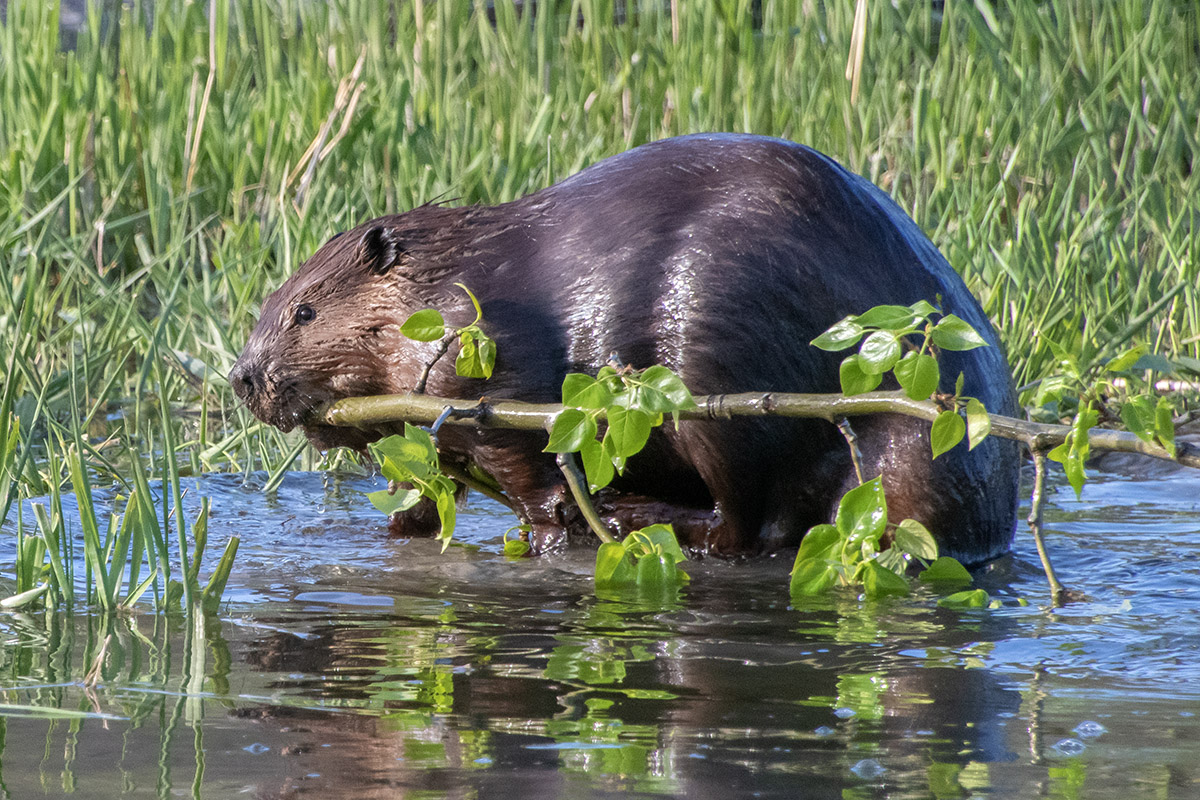
The semi-aquatic beaver has a water repellent fur coat comprising 5-cm-long guard hairs that lie over a thick underfur, preventing cold water from reaching the skin where it can leach away precious body heat. The underfur has up to 23,000 hairs/sq. cm. Compare that to the average human head with just 150 hairs/sq. cm.
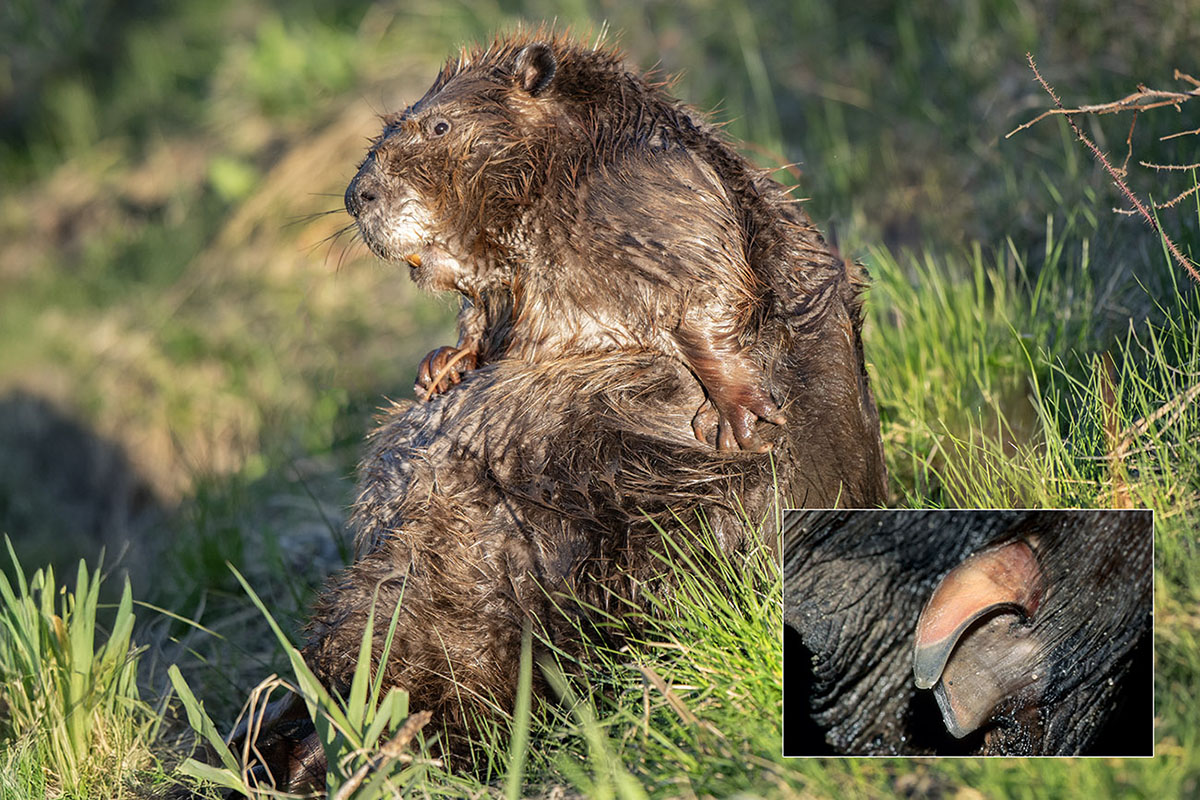
A beaver has two anal glands that produce an oily substance which the animal rubs on its fur to enhance its waterproofing qualities. As a further help in grooming, the two inner toes on a beaver’s hind foot have a special double nail to comb out dirt and debris.
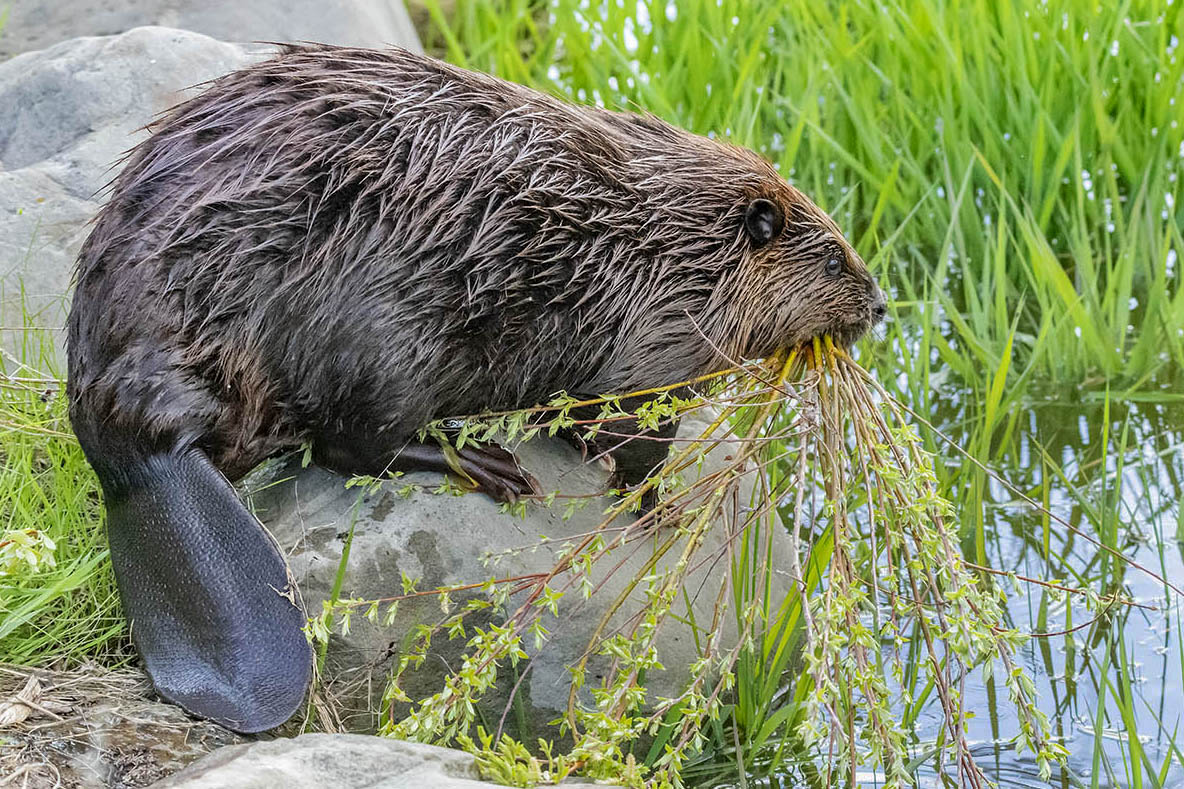
The beaver’s large, paddle-shaped tail is its most unique feature. On a large adult beaver, its tail can be 35 cm (14 in) long, 18 cm (7 in) wide, and over 2 cm (0.8 in) thick.
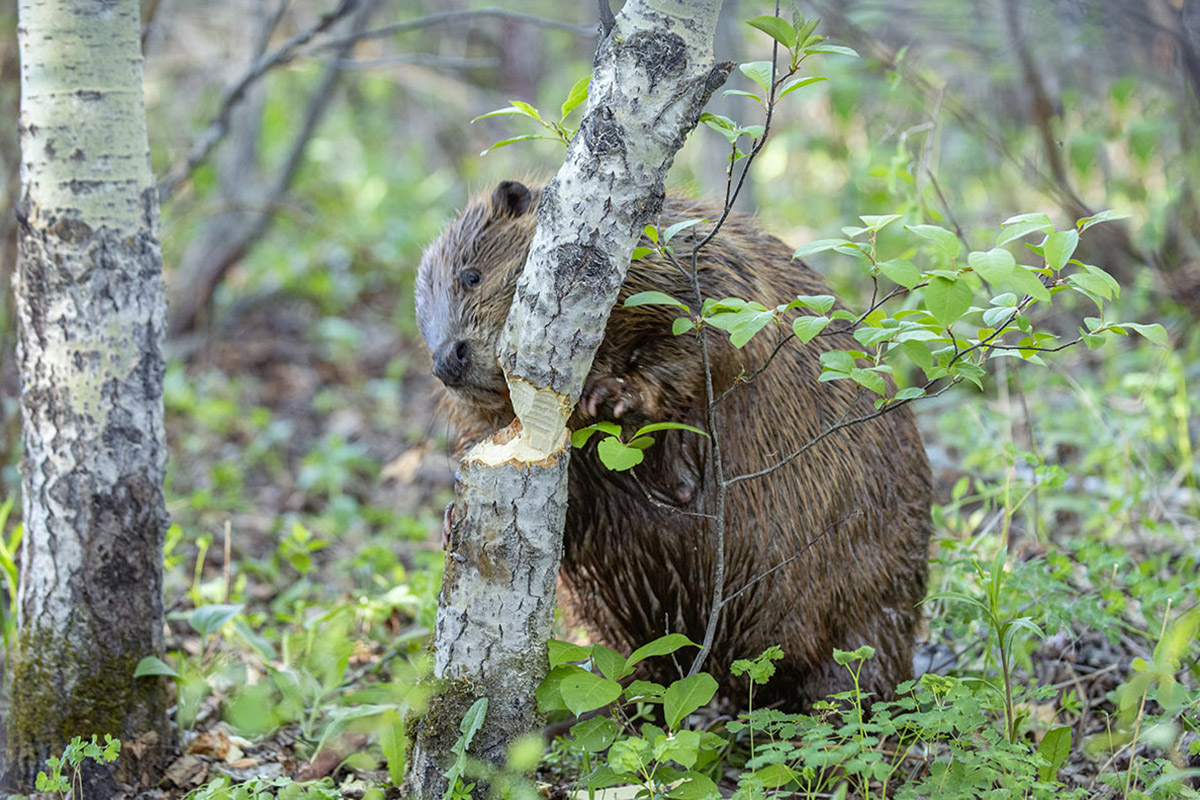
A beaver tail is a handy prop when it is felling a tree.
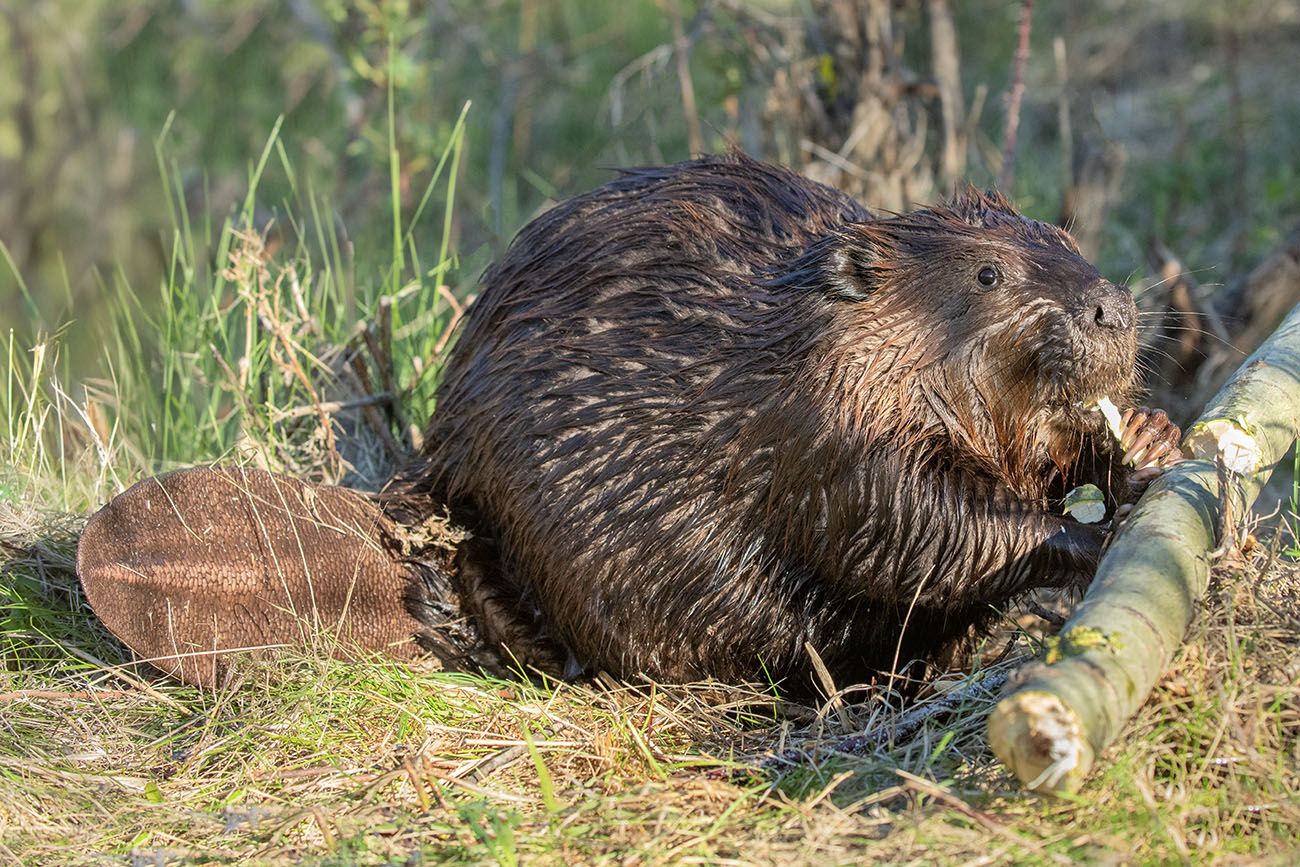
A beaver can also use its large tail to store fat before winter. Going into autumn, a well-fed beaver may be 30 to 40 percent fat, half of which it stores in its leathery tail. Over the winter, the volume of its tail may slowly shrink as the beaver consumes the energy stored within it.
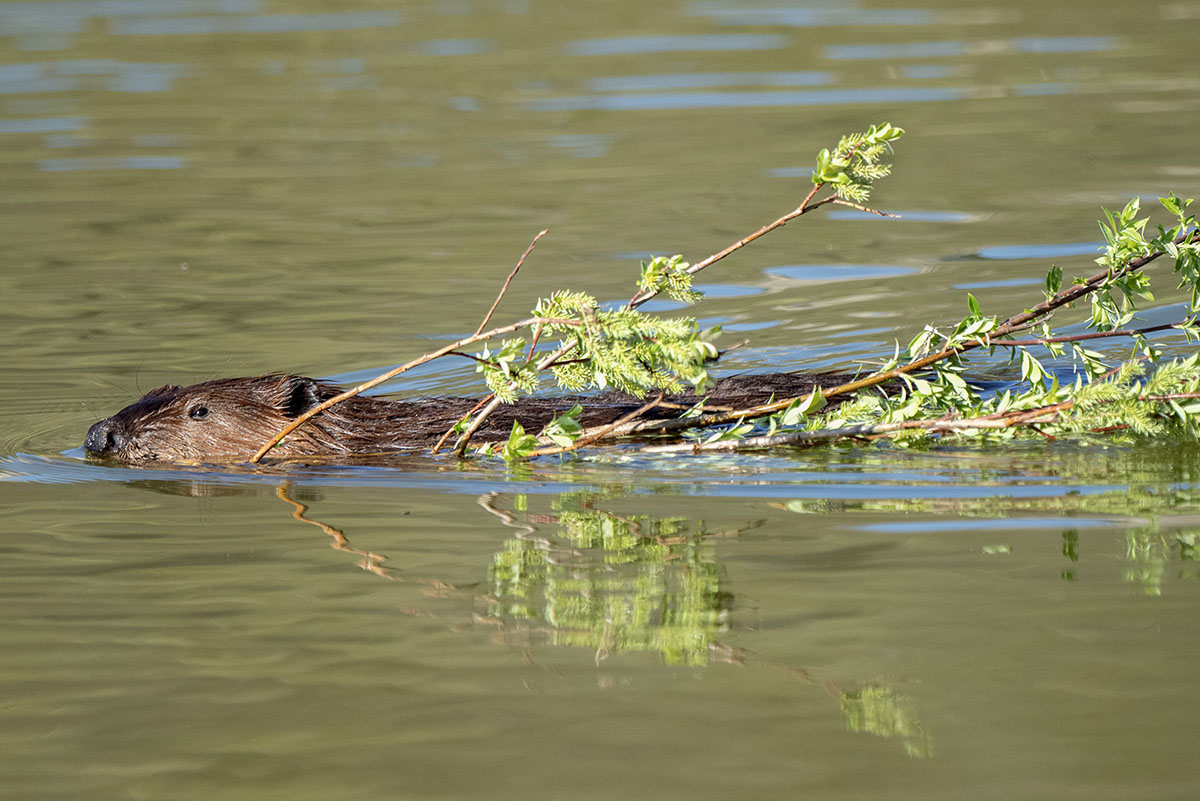
Because the beaver has such a thick fur coat, it can become overheated when the air temperature is greater than 20°C (68°F). To shunt away unwanted body heat, a beaver can increase the blood flow through the surface of its versatile tail.
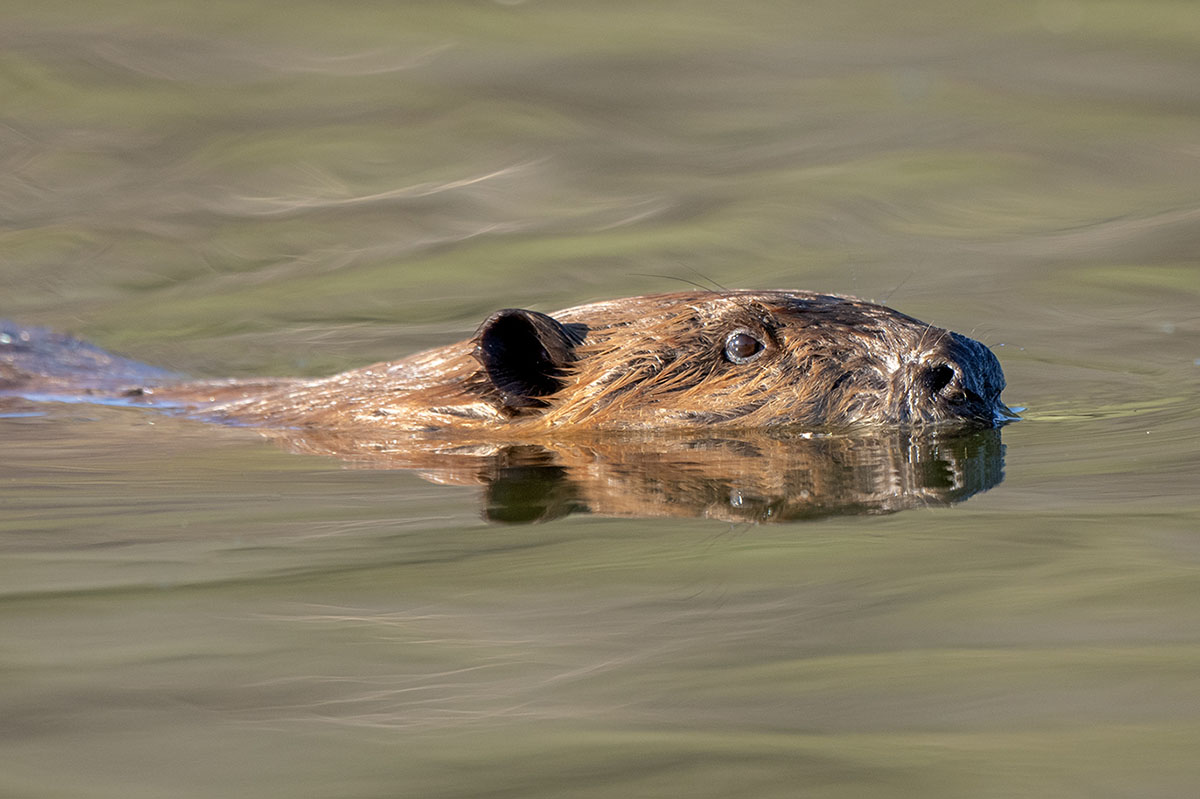
An adult beaver is on the menu of many predators, including wolves, cougars, wolverines, lynx, and bears. When a beaver is in the water, its large body can remain submerged and hidden while its eyes, ears, and nostrils check for potential danger along the shore.
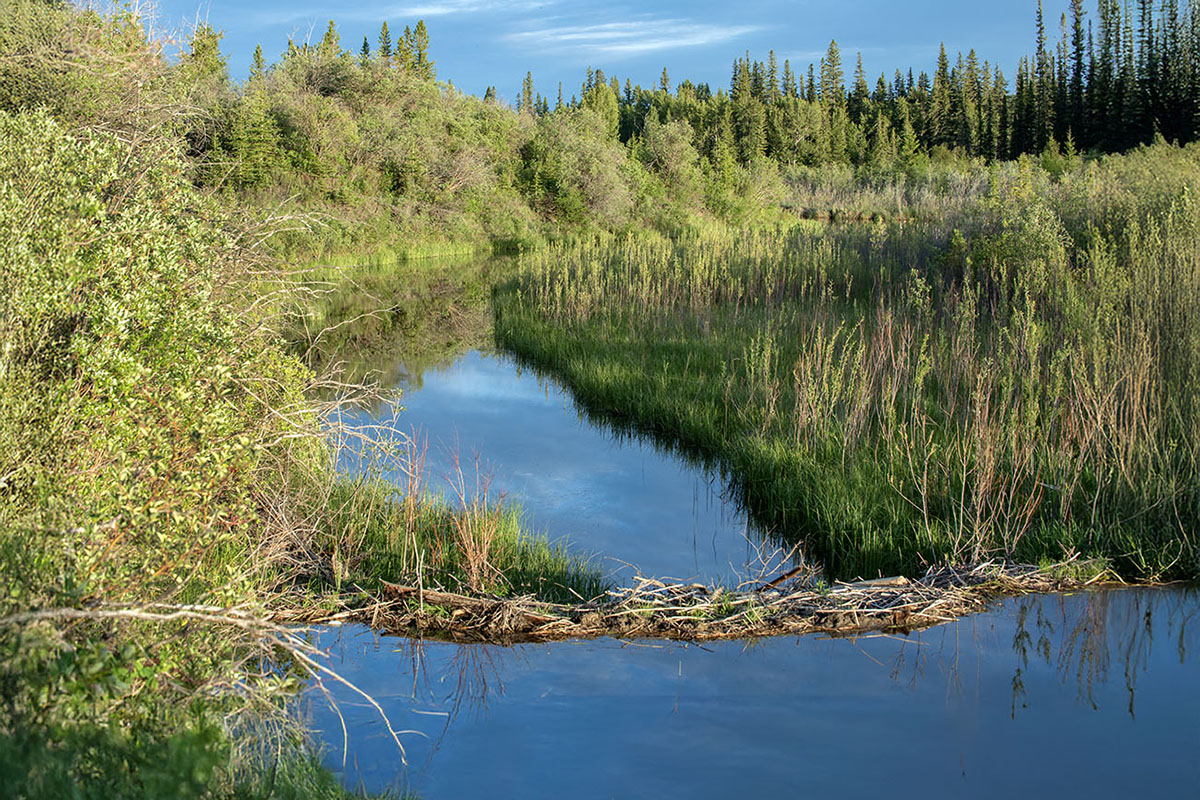
When a prospecting beaver moves into a new wetland area, one of the first things it does is to build a dam to control and raise the water level. In the dam pictured here, the downstream water level was almost a metre lower than the pond in the foreground.
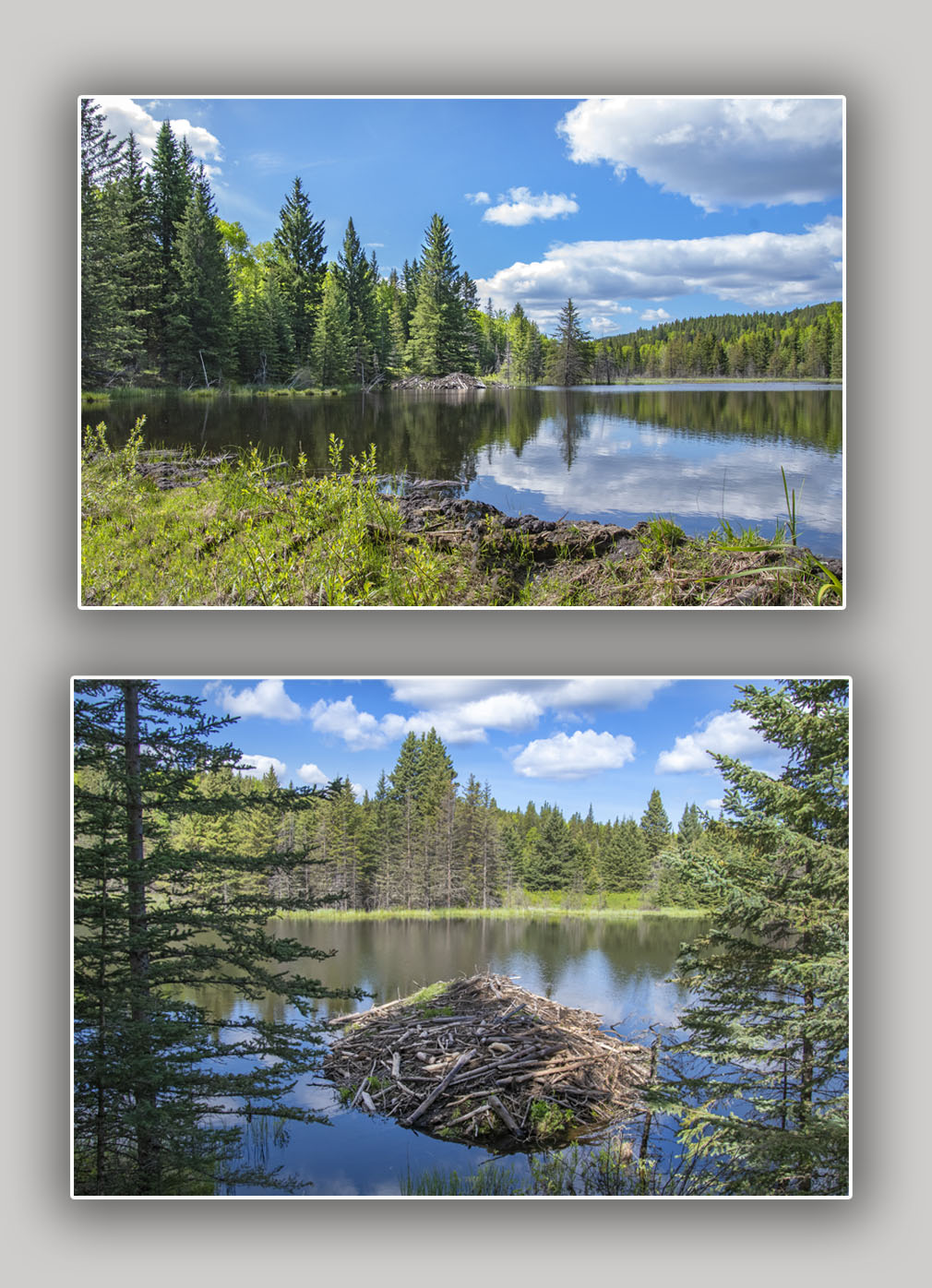
A beaver needs deep water so that the two or three entrances to its large, mud-and-stick, dome-shaped lodge are safely underwater. In the top photo, the dam is in the foreground, and the family lodge is along the distant shore. The lower photo is the lodge as seen from the adjacent shoreline.
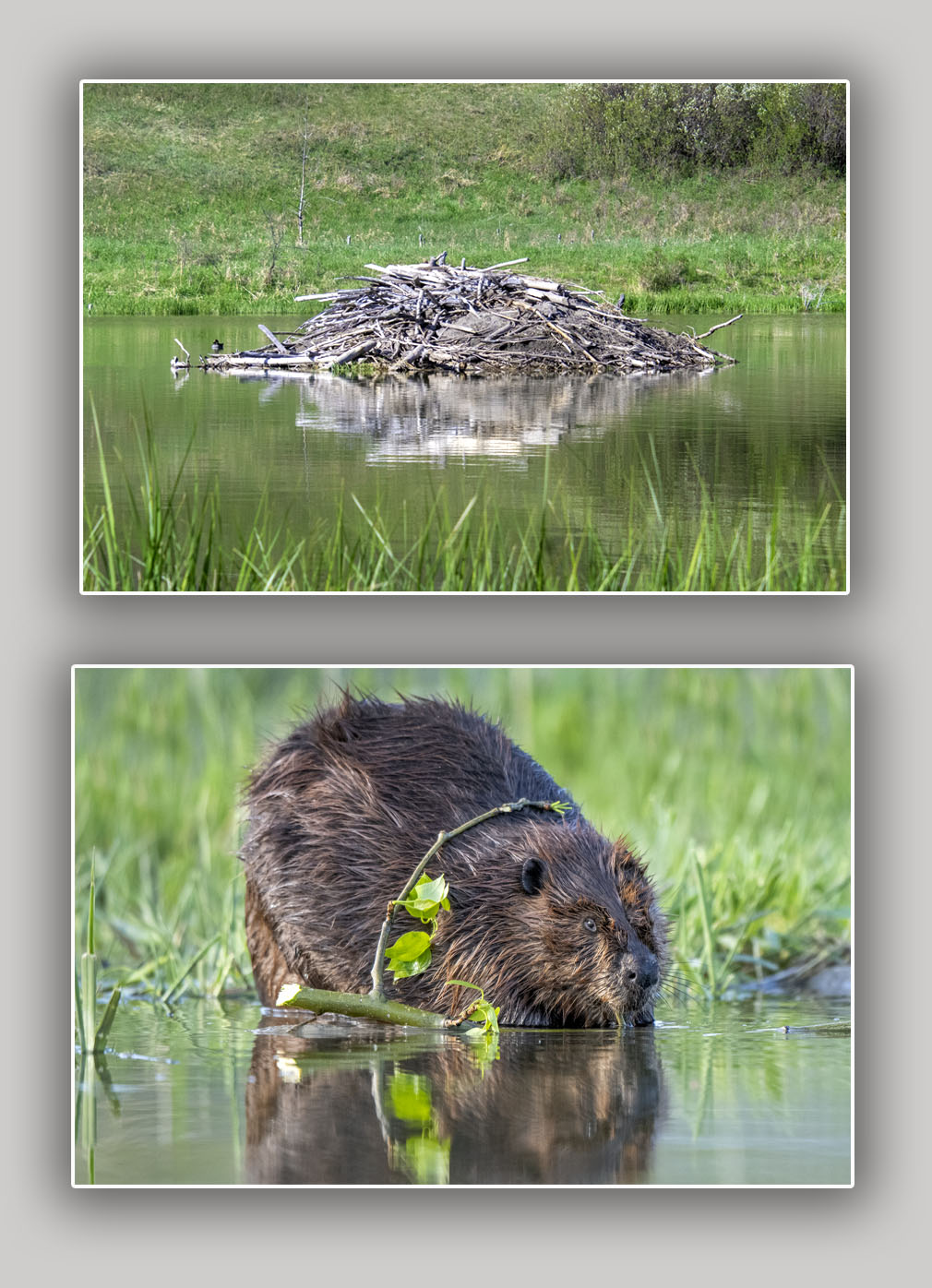
The beavers living inside a lodge are members of a single family. Typically, there is an adult breeding pair, their young from the previous summer, and the newest kits of the year, most of whom are born in April and May. A lodge may contain as many as a dozen beavers huddled together inside.
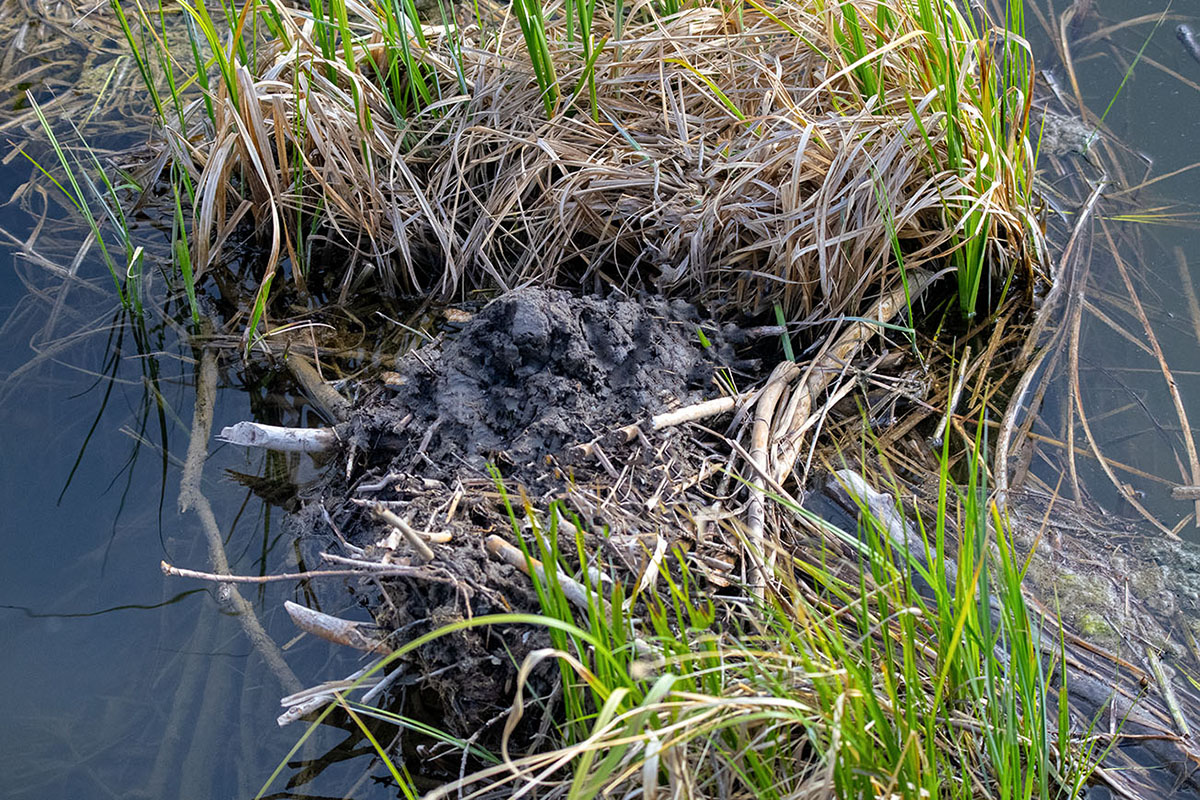
Every family of beavers defends its lodge and the adjacent wetlands from trespassing intruders. They advertise their ownership with conspicuous scent mounds that are a mixture of mud and twigs anointed with urine that is mixed with secretions from specialized glands, called castor glands. A large beaver family may have more than 100 scent mounds scattered throughout their territory, with 80% of them in high activity areas such as dams, lodges, and foraging areas.
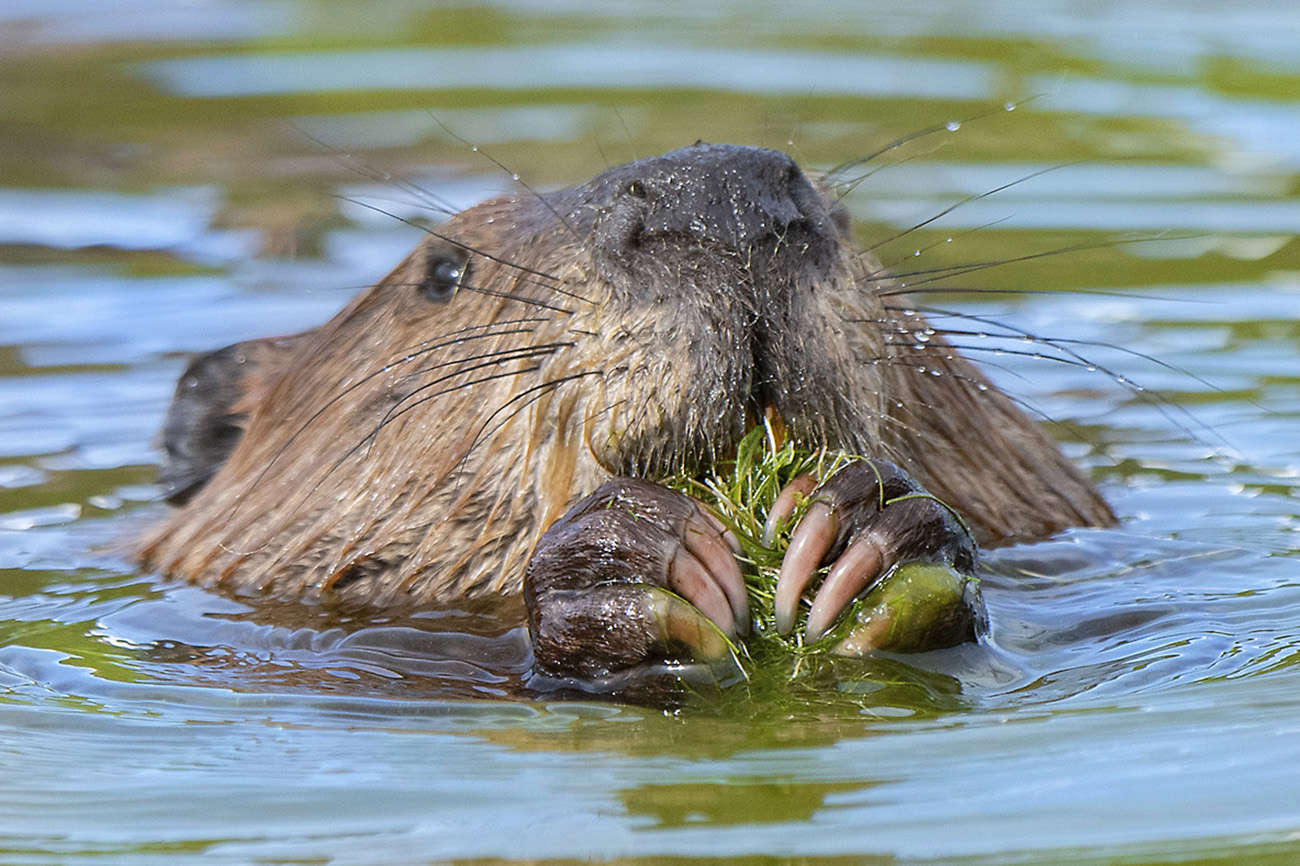
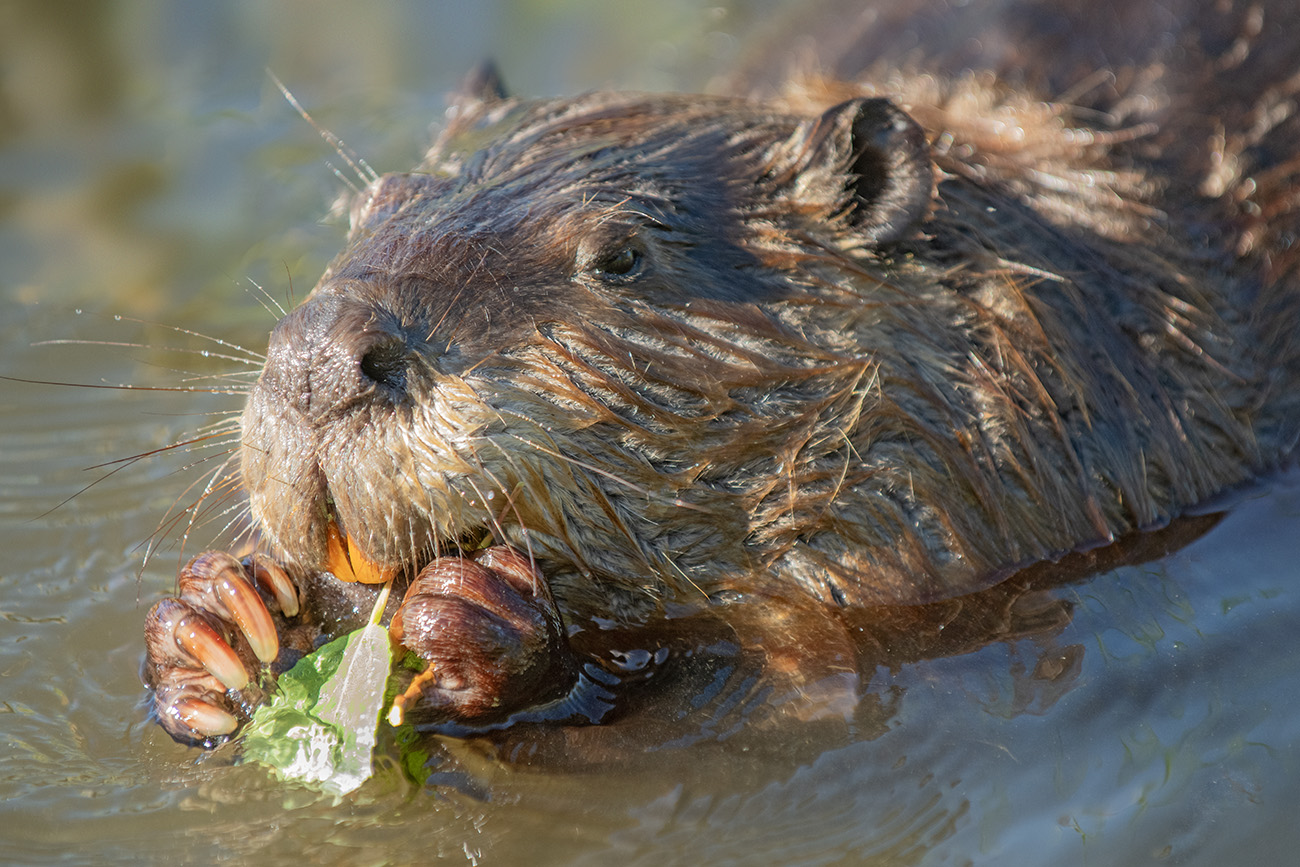
A beaver’s summer diet focuses on fresh green growth, including grasses, sedges, water lilies, cattails, ferns, and the new leaves and twigs of poplars and willows.
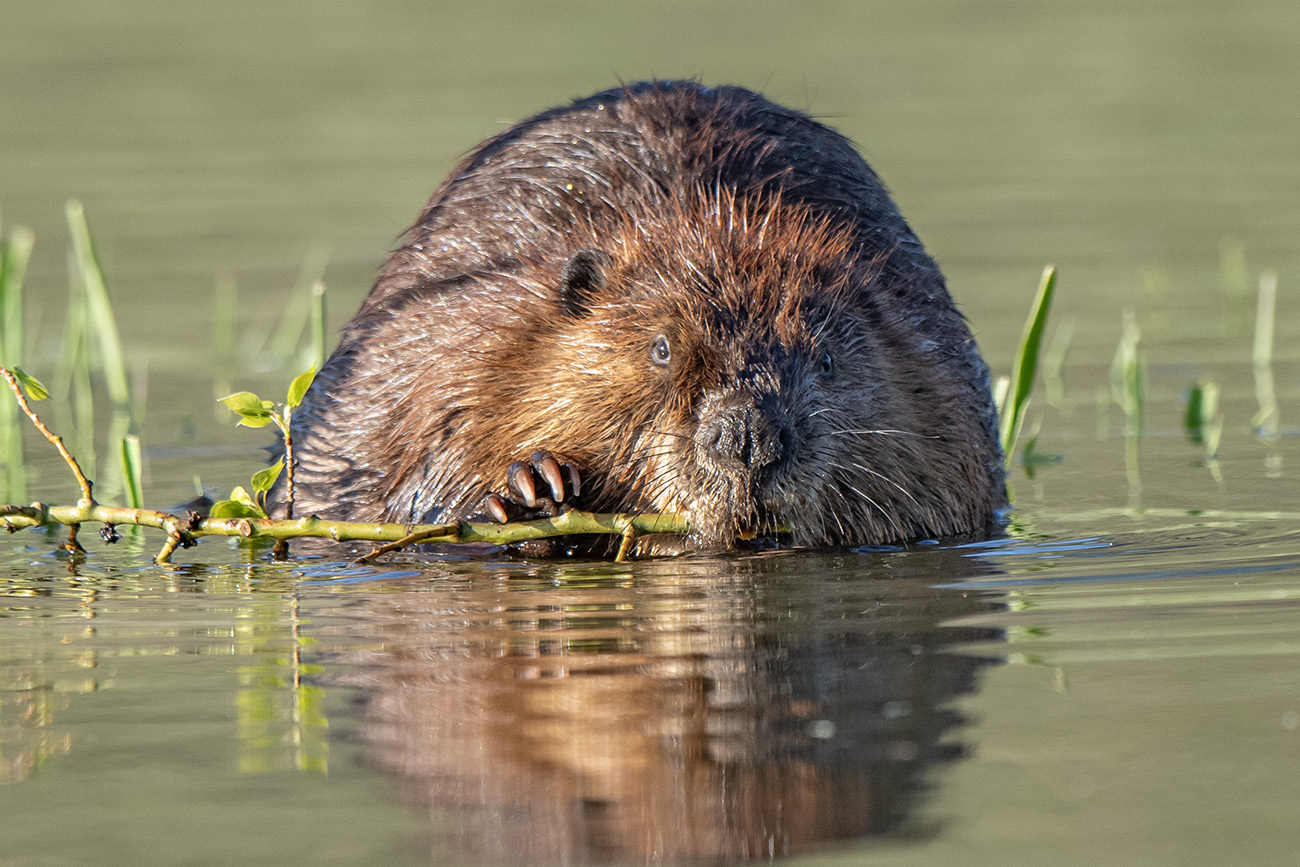
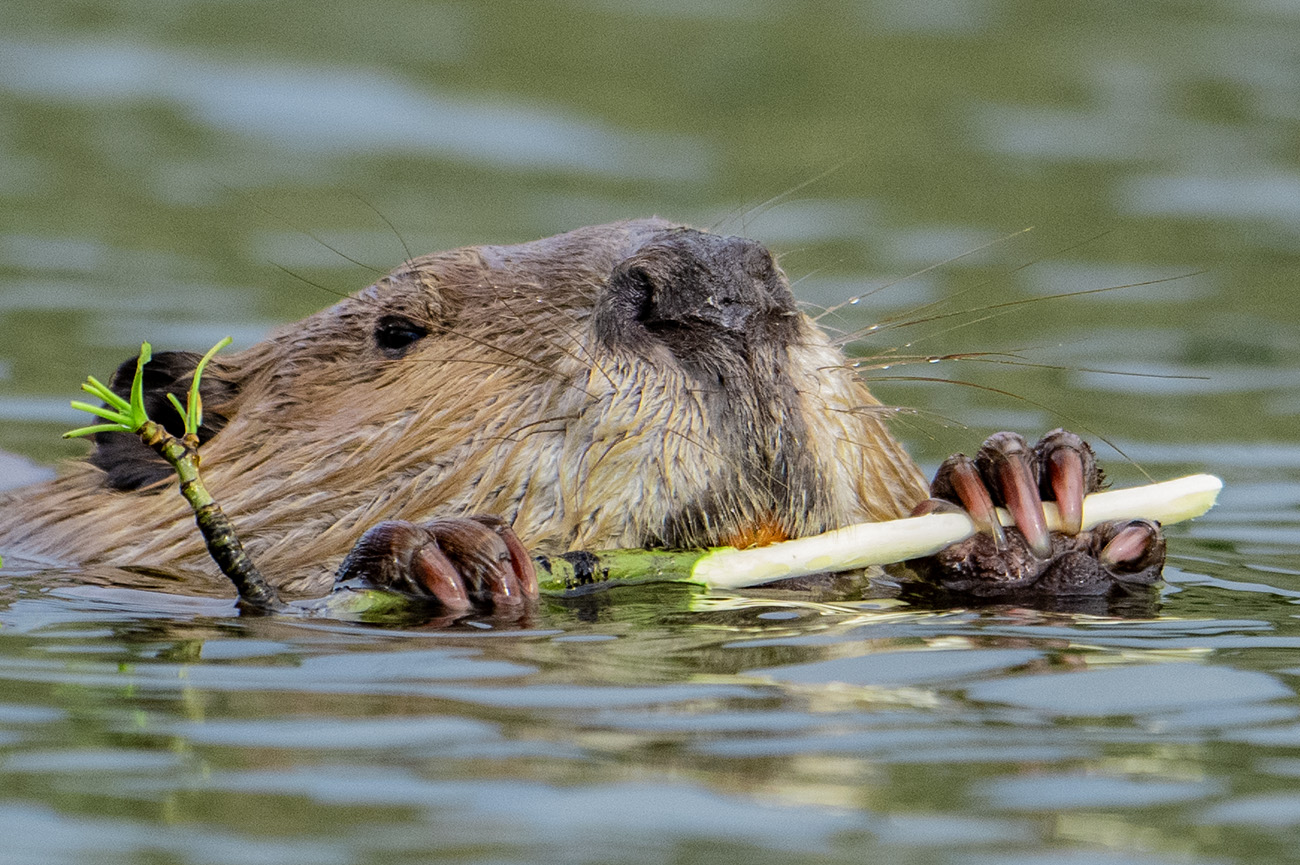
A beaver nibbles on an aspen twig in the same way that many of us eat a cob of corn.
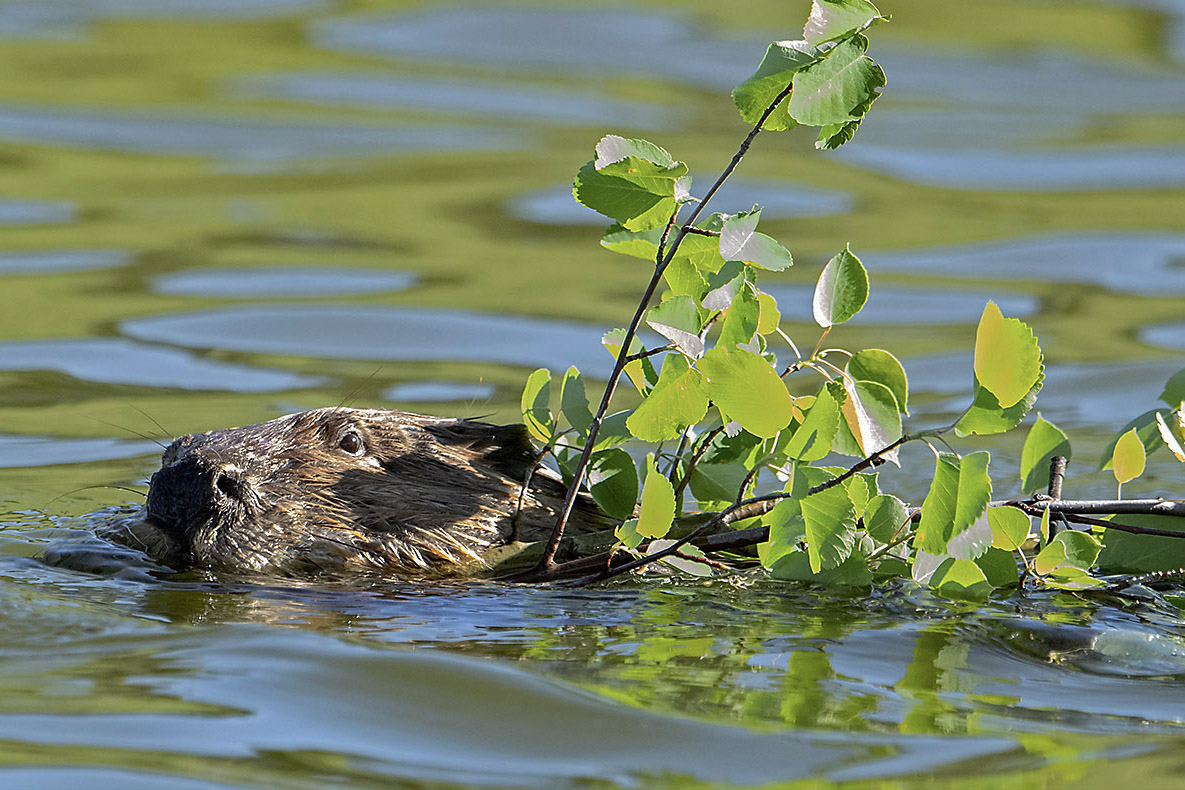
Newborn beaver kits are sequestered inside the protection of the family lodge for at least a month. Although they nurse for several months, they start to nibble on young willow and poplar twigs when they are just two weeks old. Other family members bring food into the lodge for them.
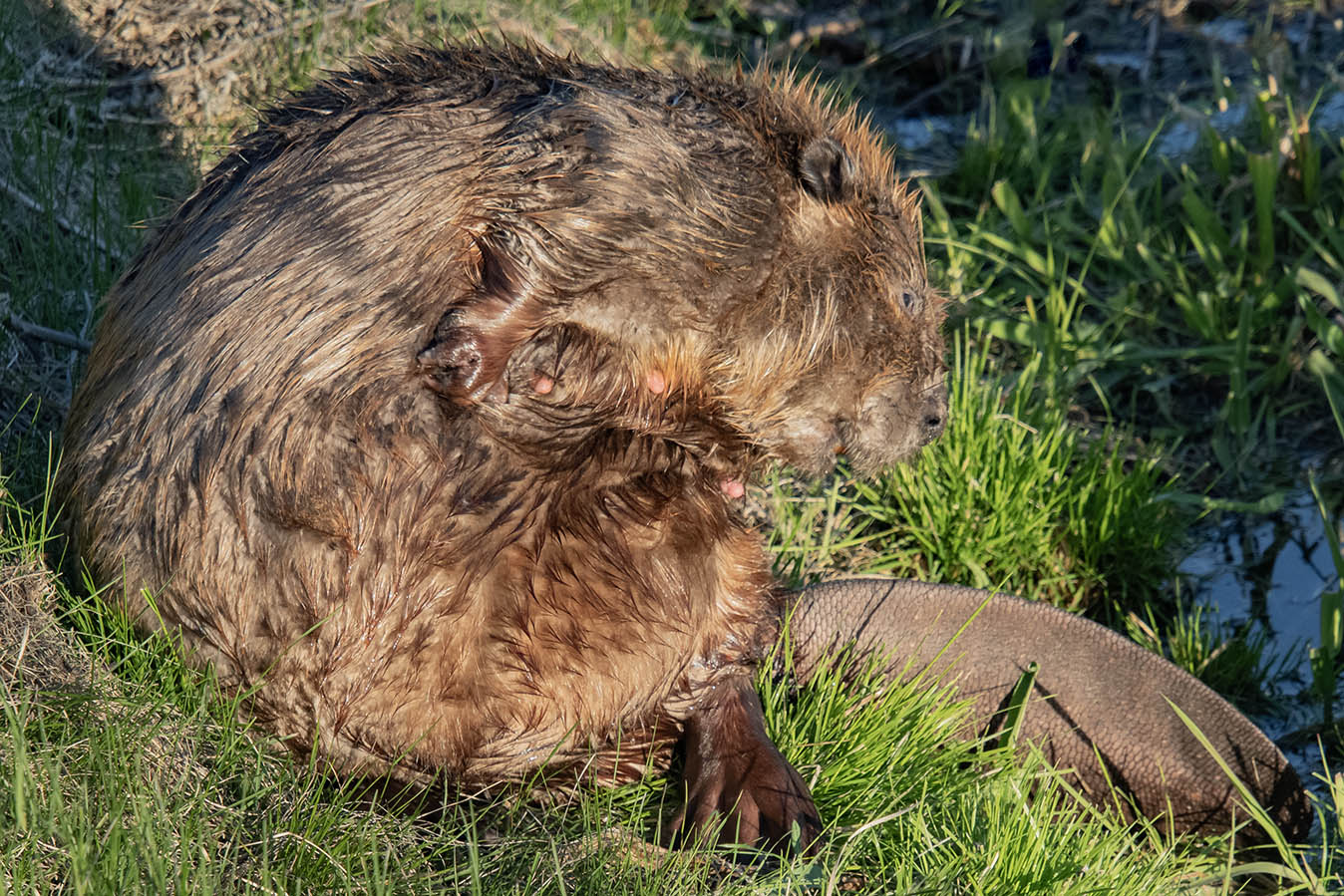
A beaver mother normally gives birth to one to four kits. She has four pink nipples on her chest, three of which are visible in this photograph, through which the growing kits can suckle her rich milk. Beaver milk contains 19 percent fat, almost five times richer than cow’s milk.
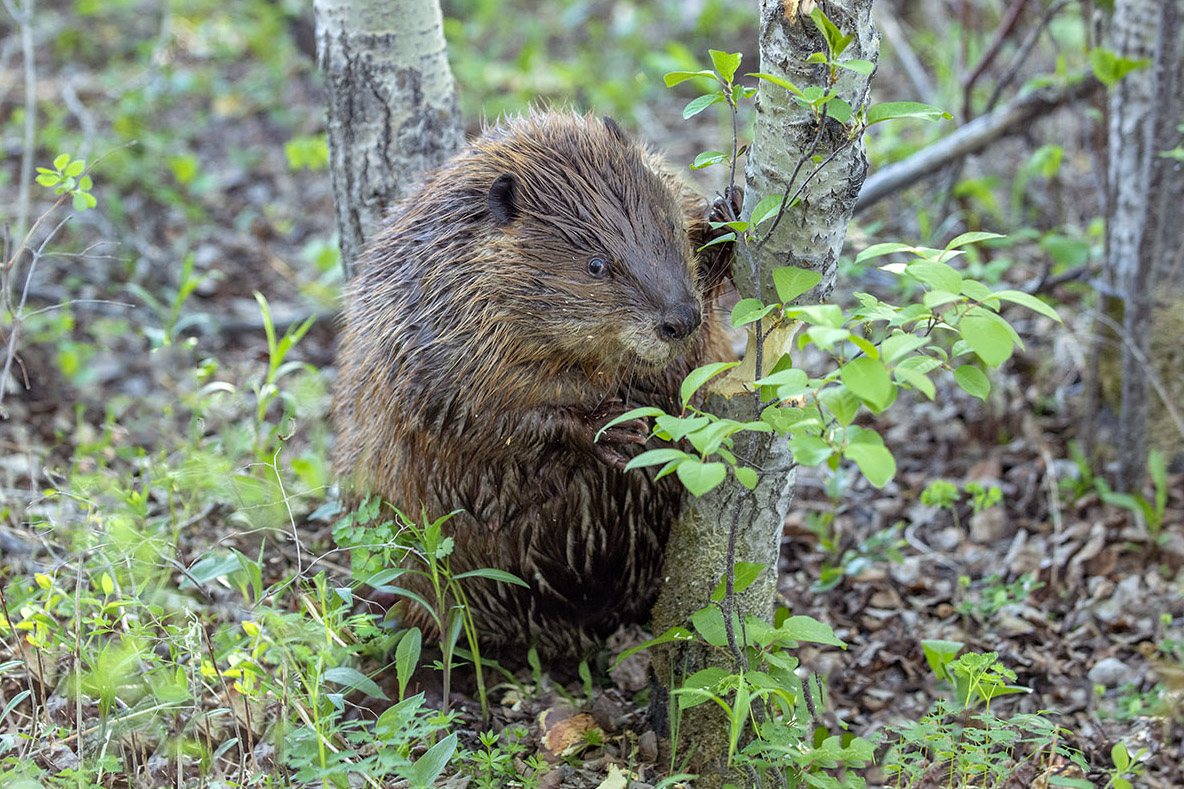
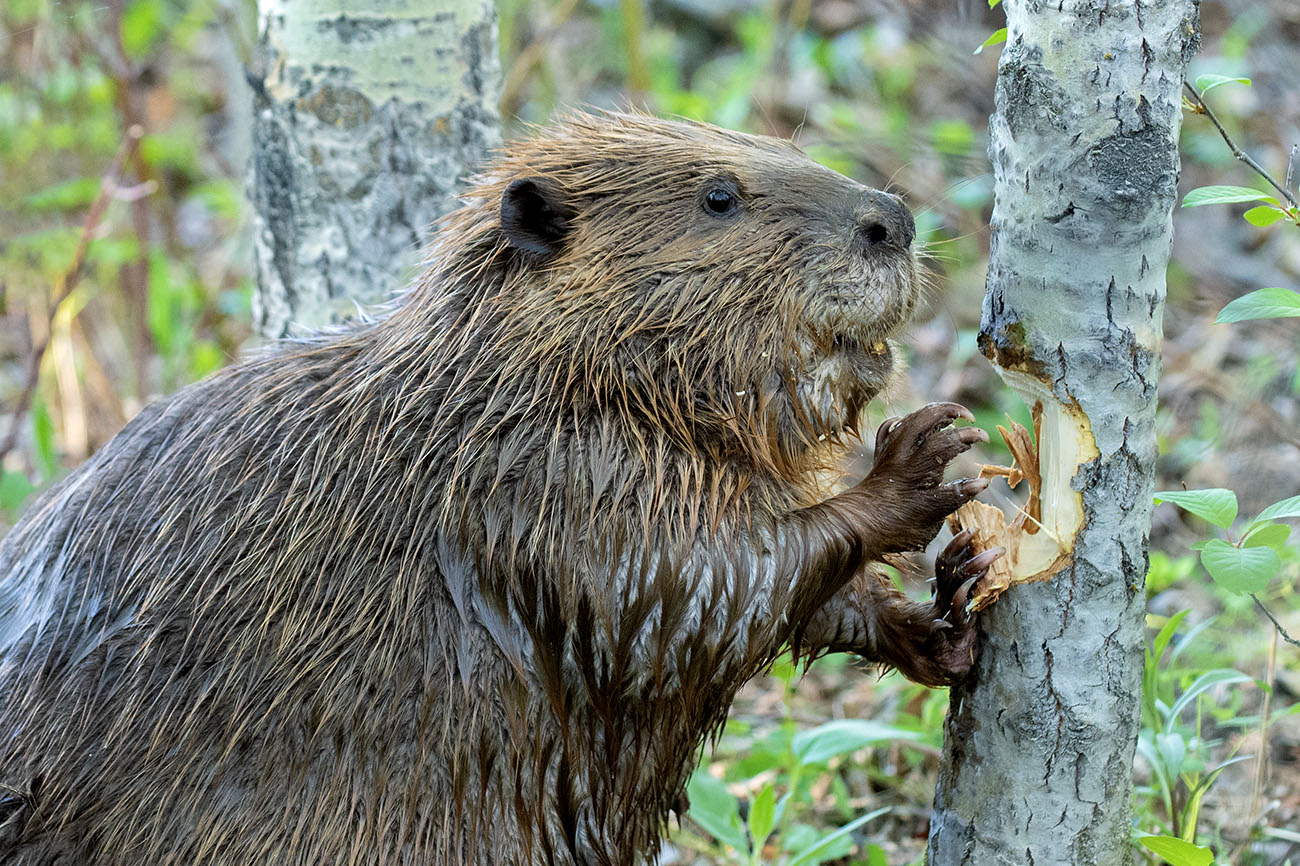
In early autumn, a beaver’s diet changes from the greenery of the summer season to a less varied one of bark and twigs. The first order of business is to cut down some trees. The beaver in this photograph cut down the 7.5-cm (3-in) diameter aspen poplar in less than 15 minutes.
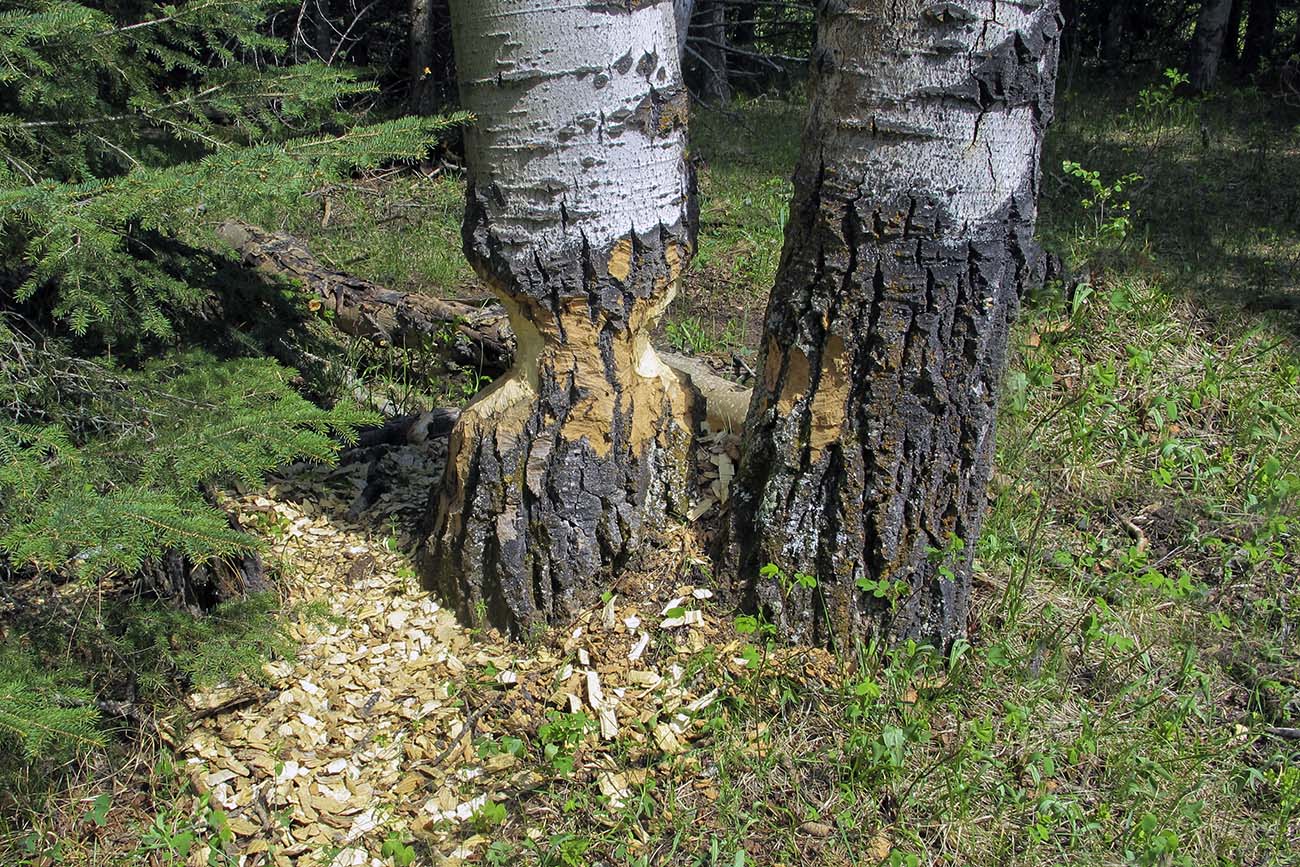
Sometimes a beaver’s eyes are bigger than its stomach. The diameter of this aspen trunk was more than 30 cm (12 in), and the beaver never finished cutting the tree down.
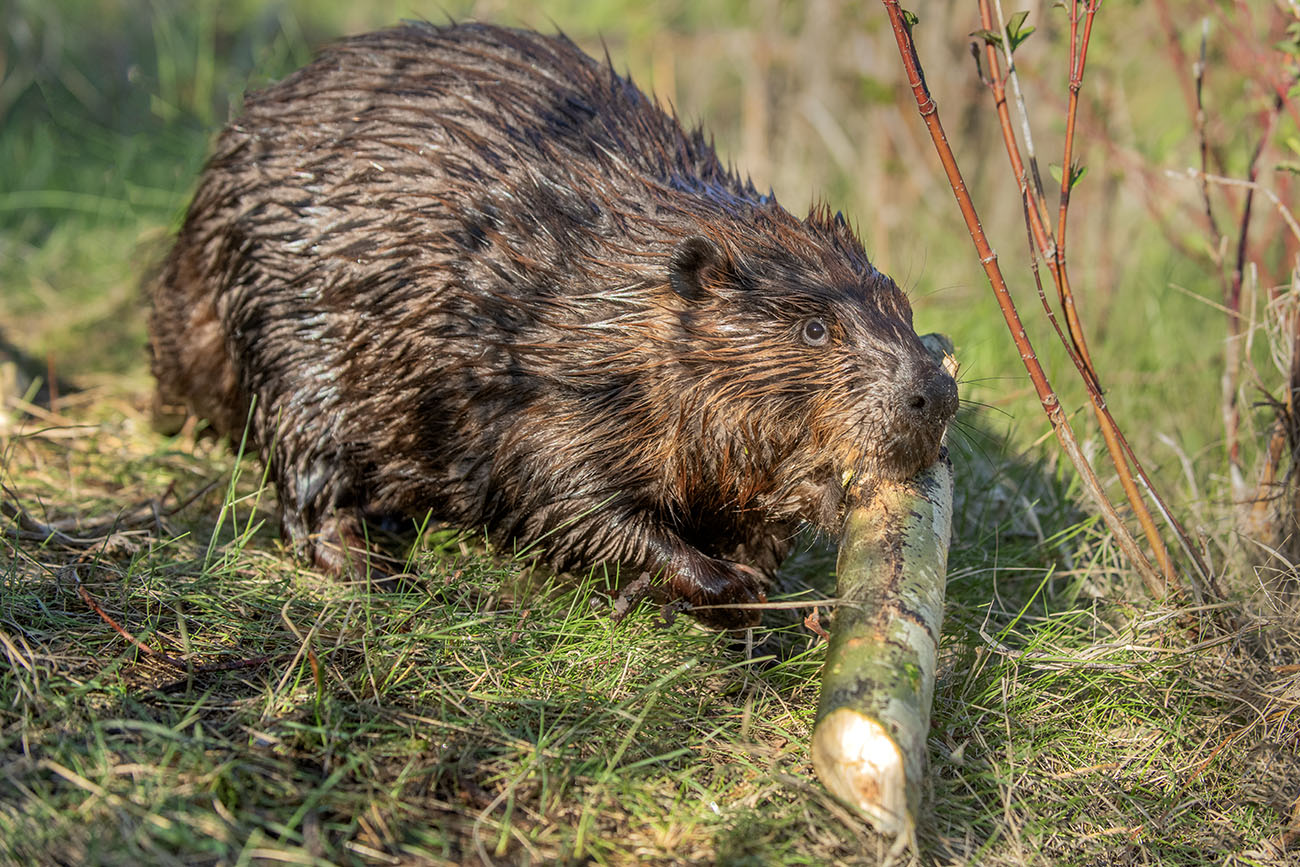
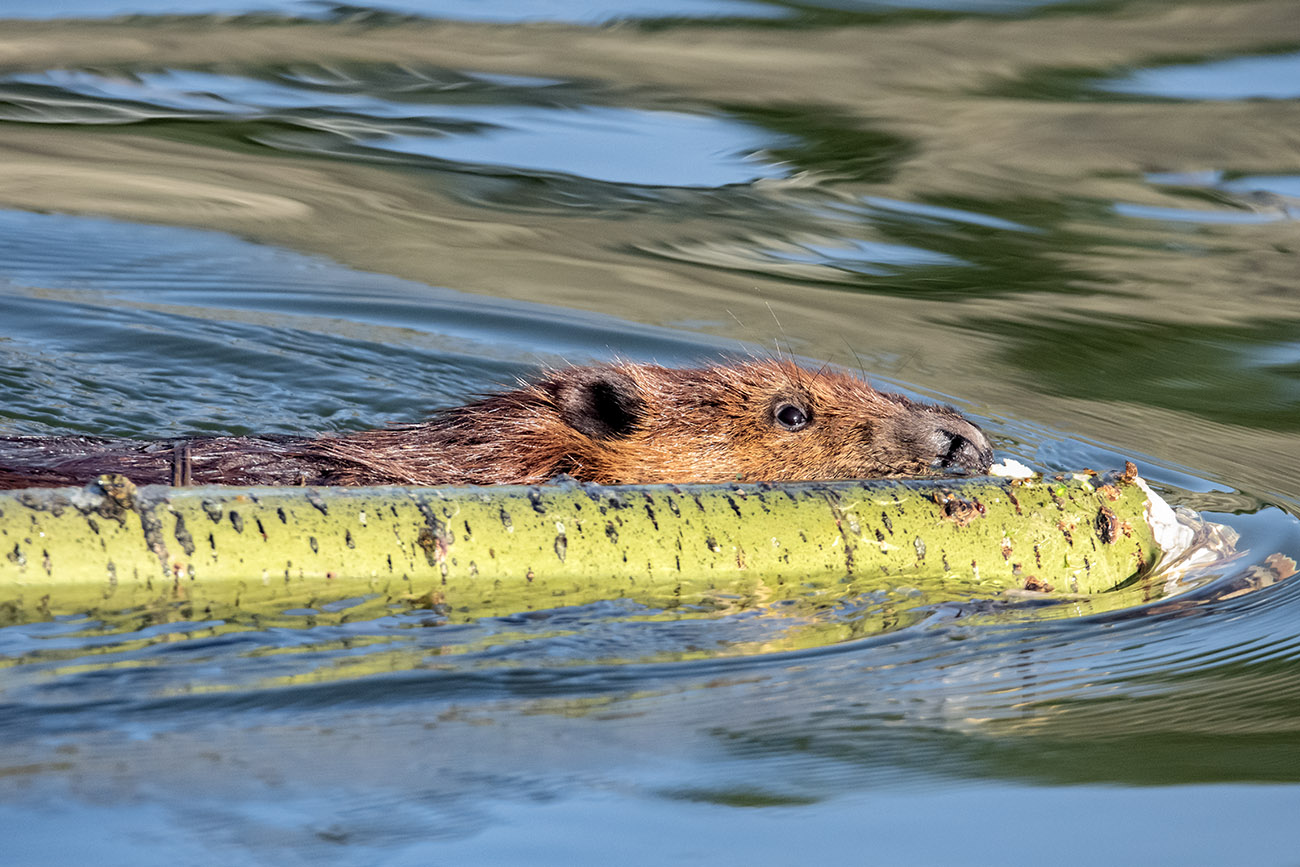
Once a tree has been felled, it is often cut into small sections that can be easily dragged to the water and stored near the lodge.
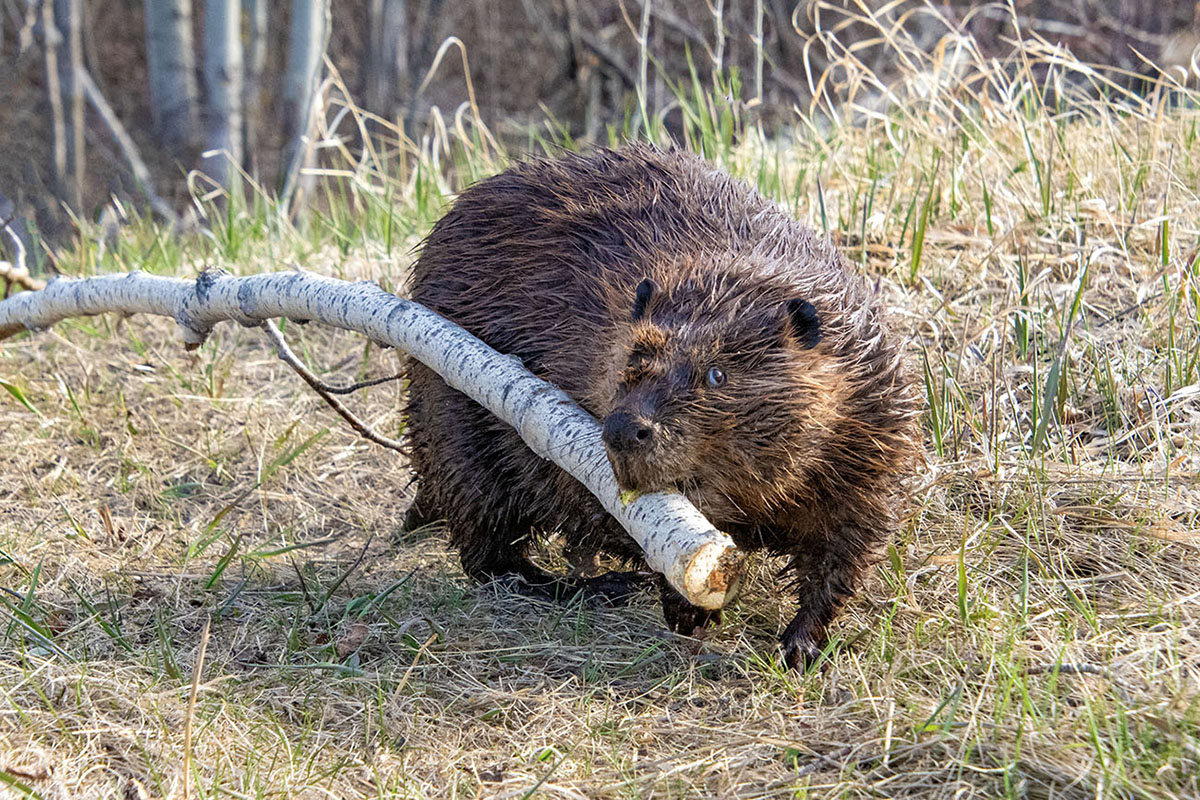
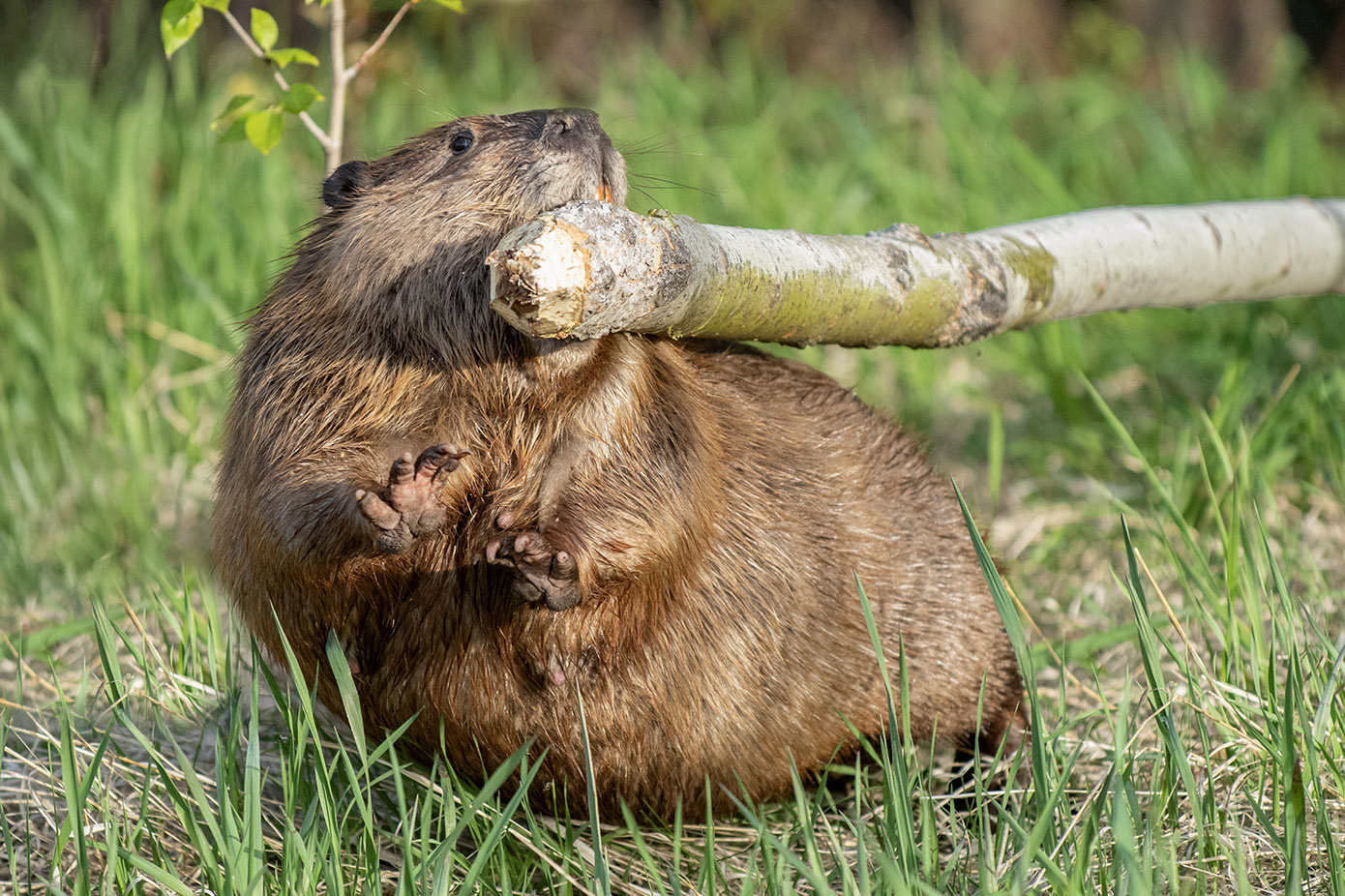
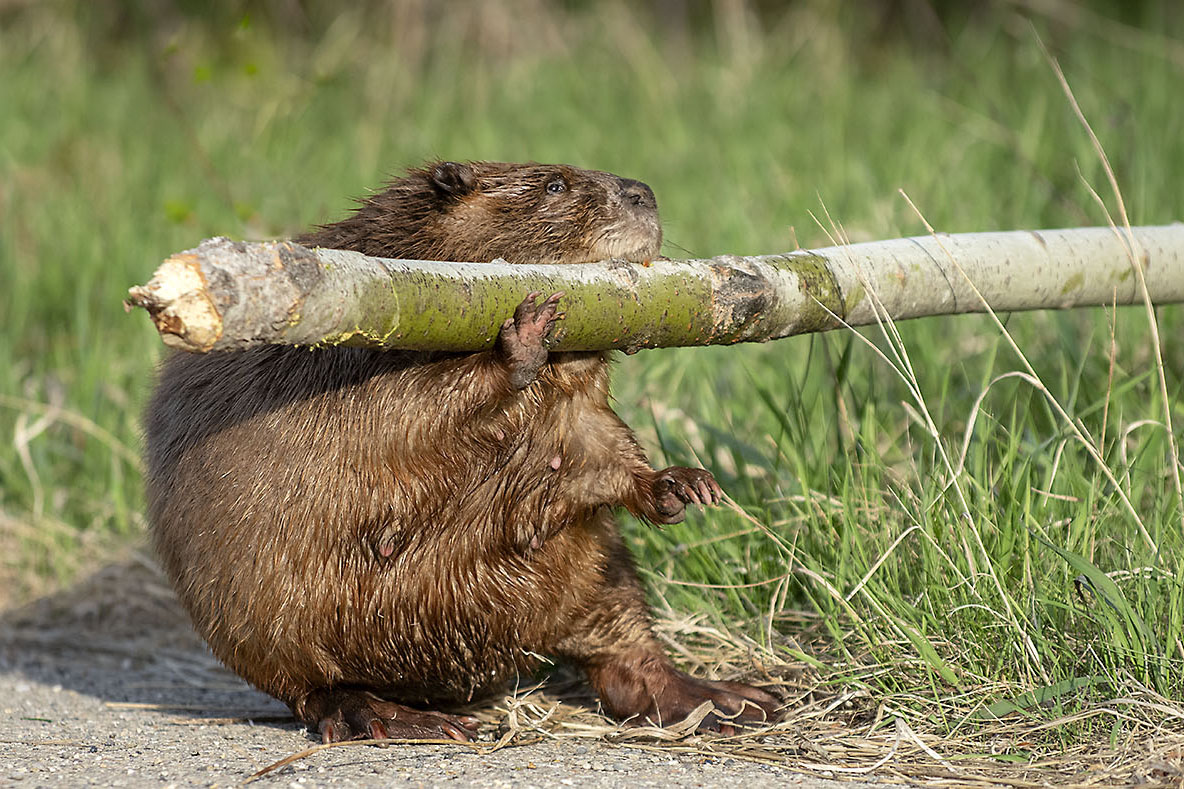
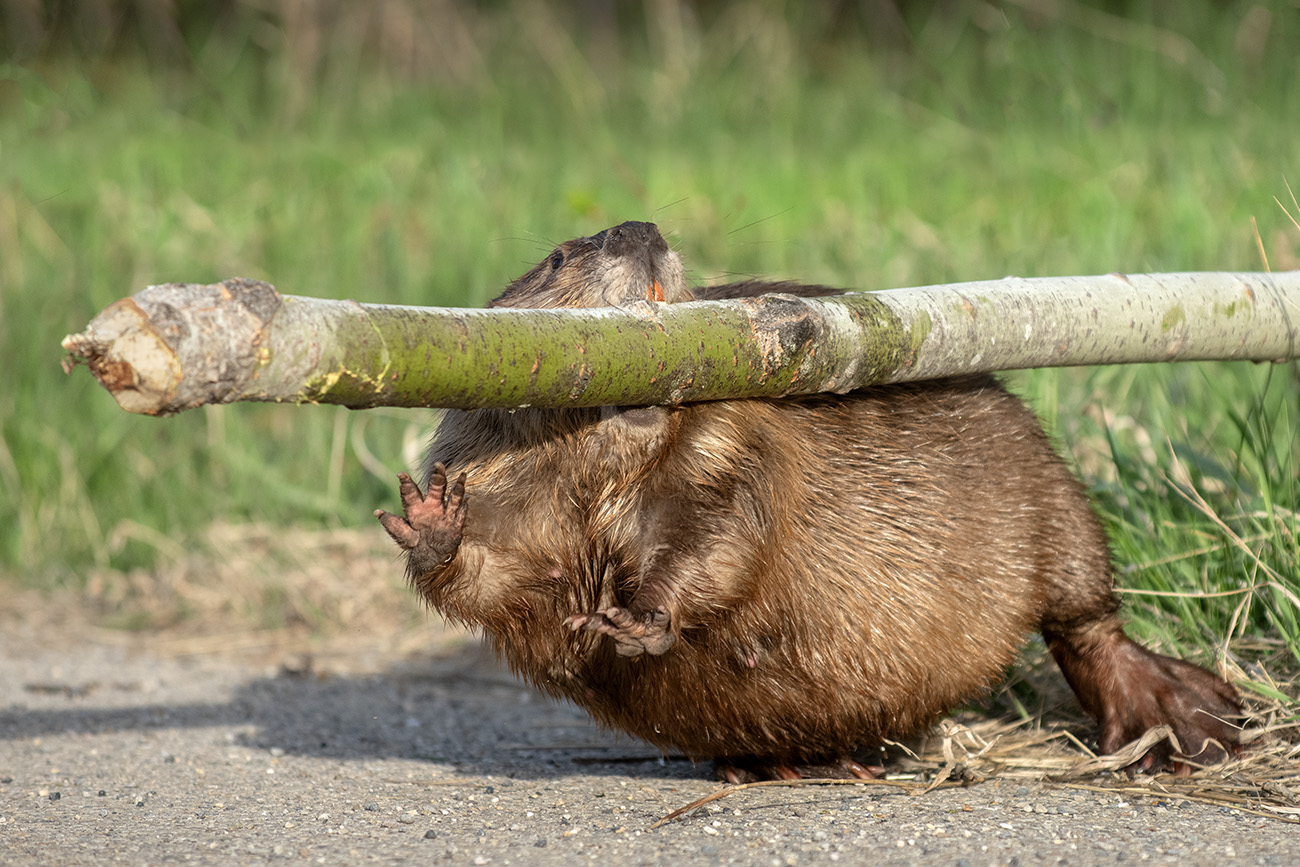
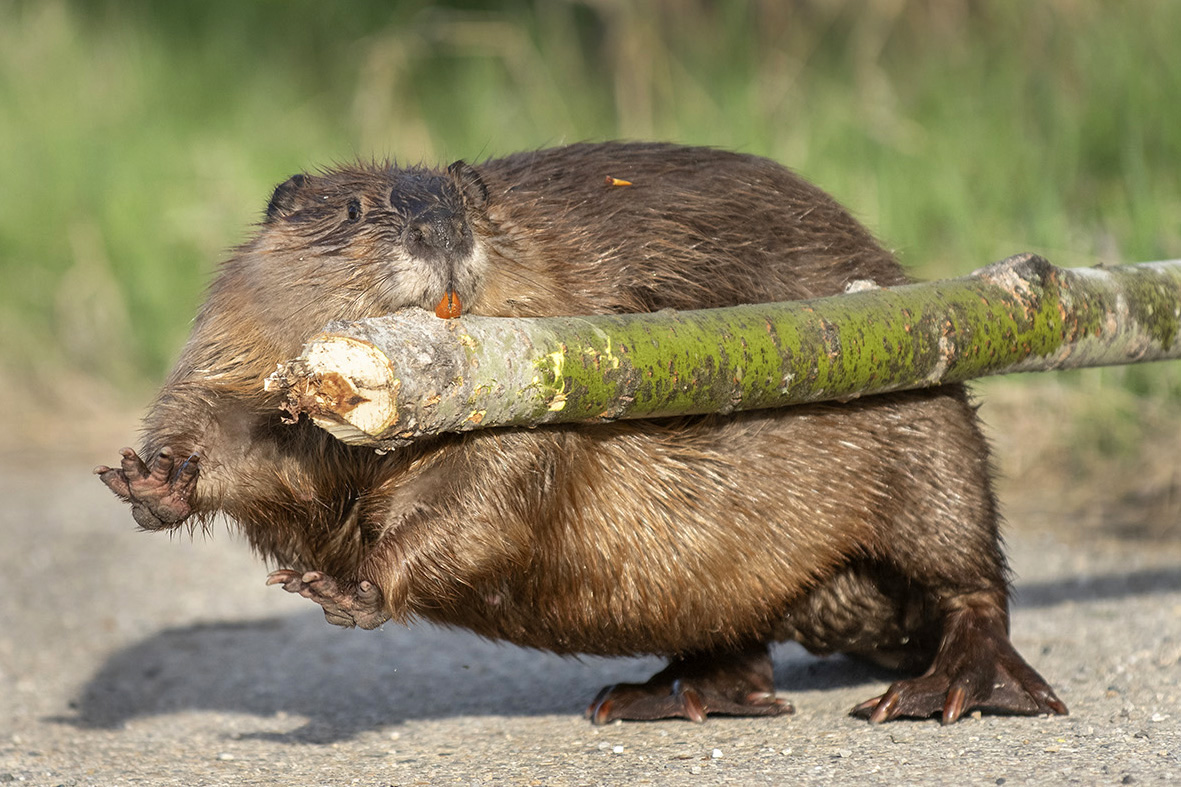
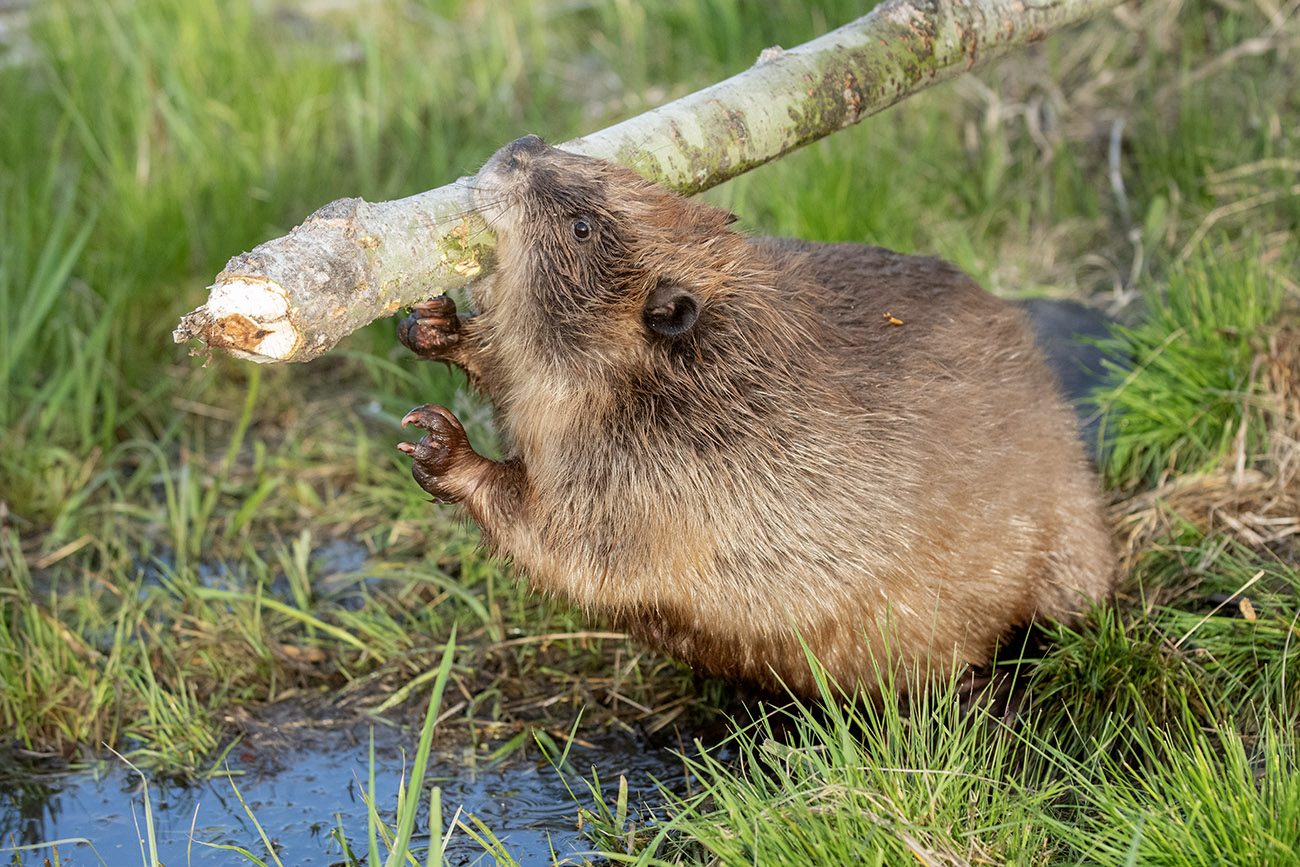
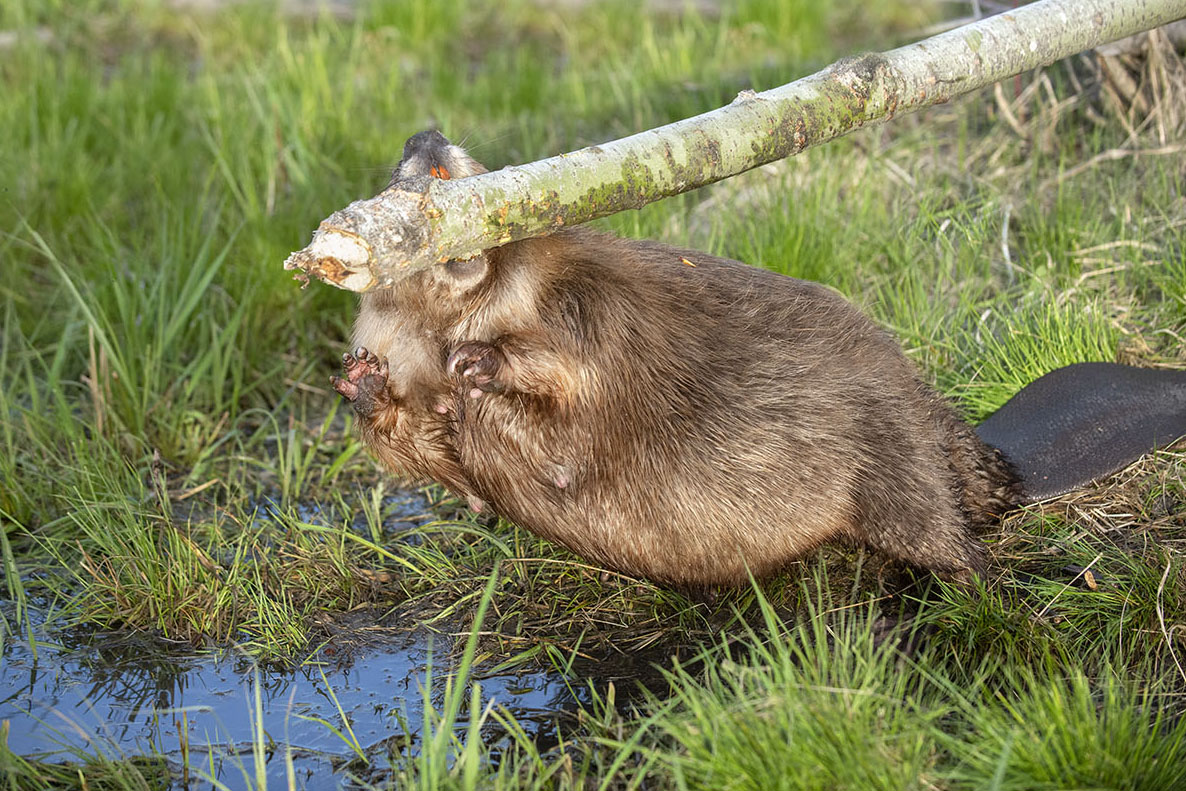
Just as often, if the tree is small, the beaver may try to drag the entire trunk to the water’s edge. With its many branches, the trunk often becomes snagged in vegetation, forcing the beaver to use all its strength to reach the water.
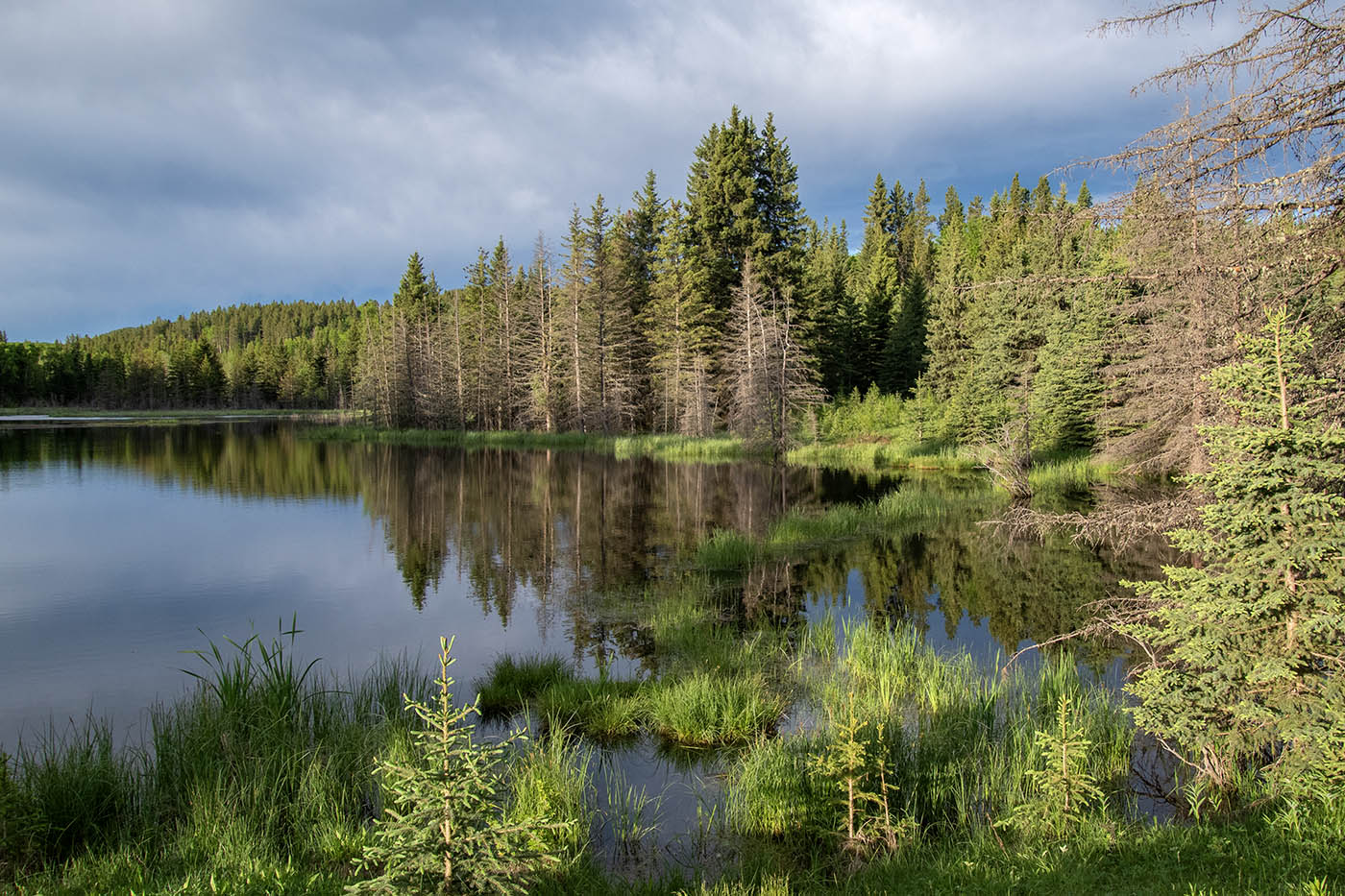
The beaver is a landscape architect, and the expanded wetlands it creates provide habitats for many different species. This particular beaver pond in the Rocky Mountain foothills benefited a range of local wildlife.
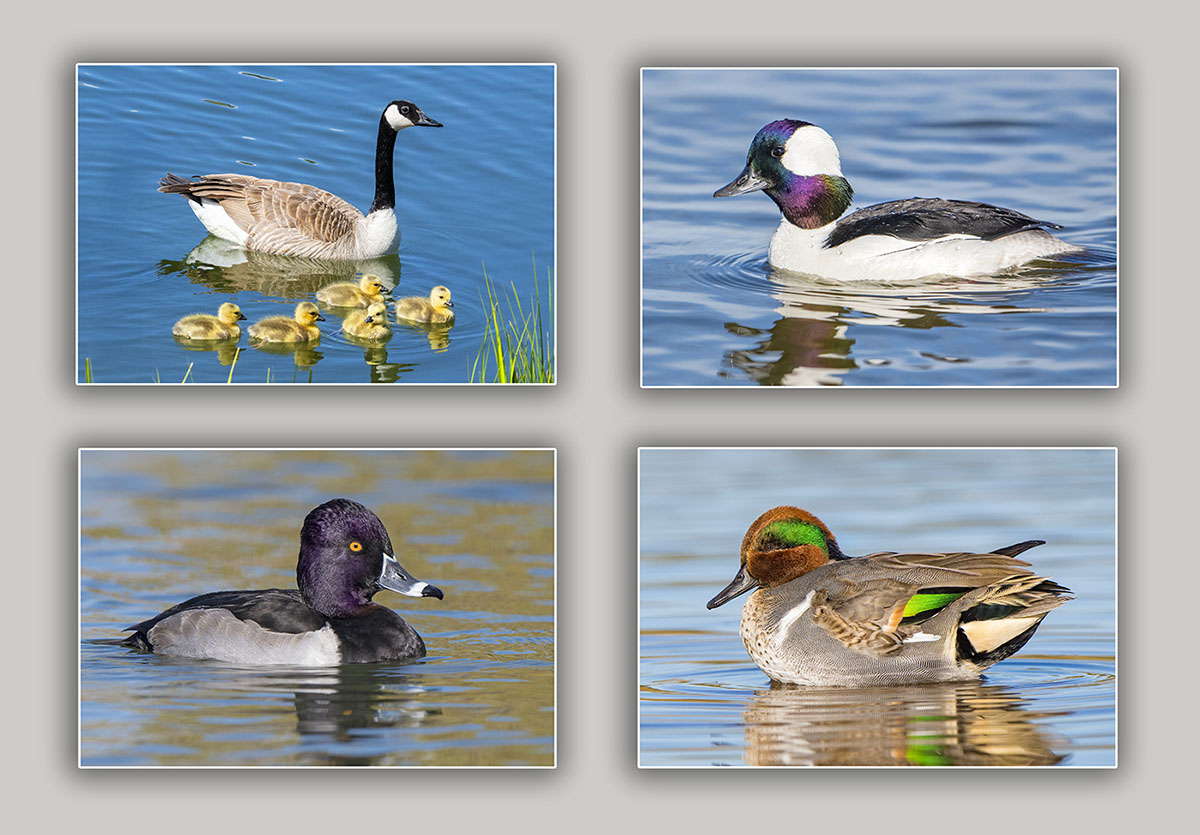
Waterfowl are often the biggest winners when a beaver dam floods an area, increasing the size of the wetland where ducks and geese can forage, nest, and raise their young. In the Rocky Mountain foothills, the winners include (clockwise from upper left) Canada geese, bufflehead, green-winged teal, and ring-necked duck.
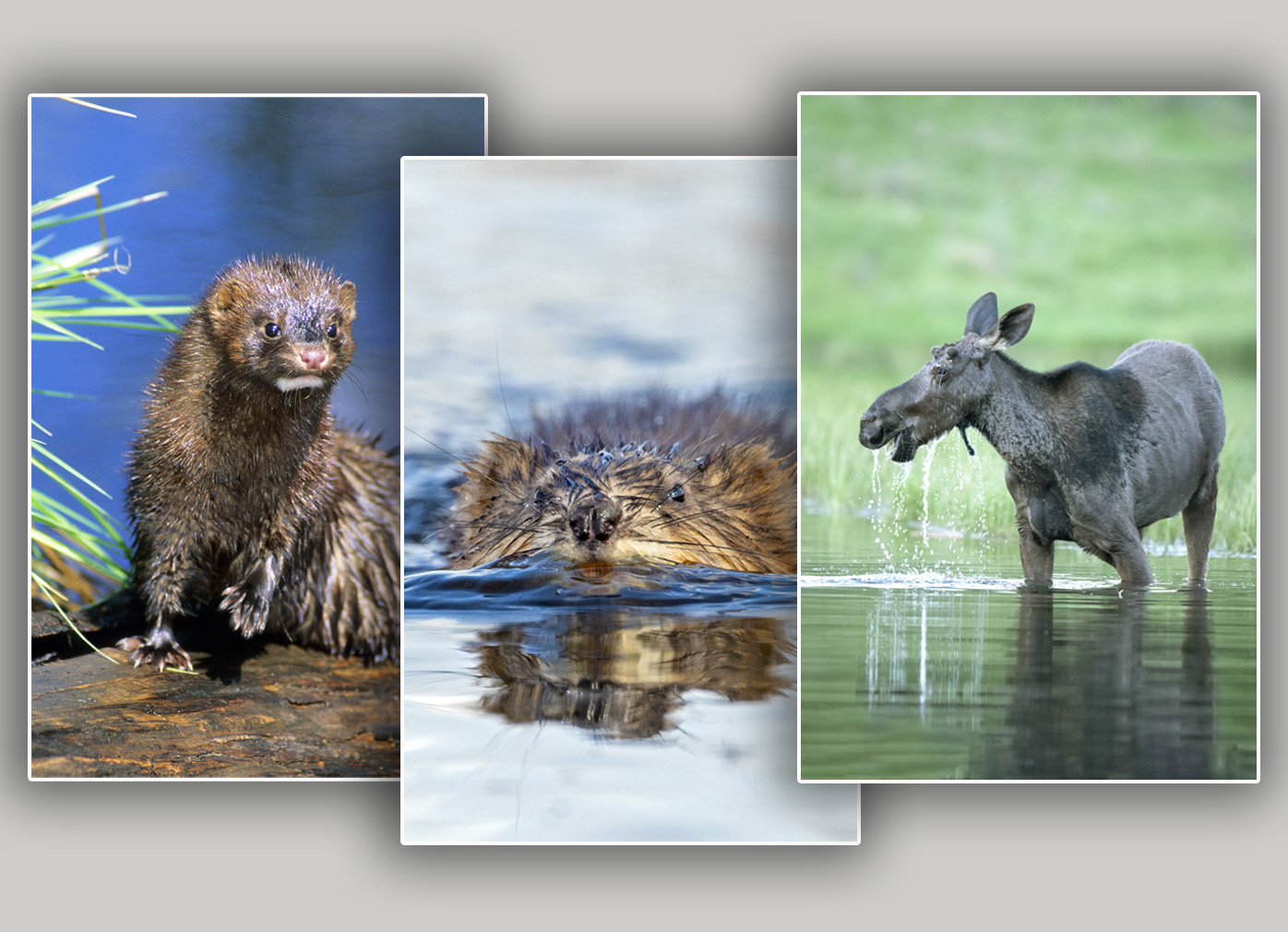
Mammals also benefit from the labour of a family of beavers. Predatory mink have a greater amount of shoreline where they can hunt for birds’ eggs, frogs, and toads; muskrats have more cattails and rushes to eat, and moose love the salt-rich water plants that grow in the calm waters.
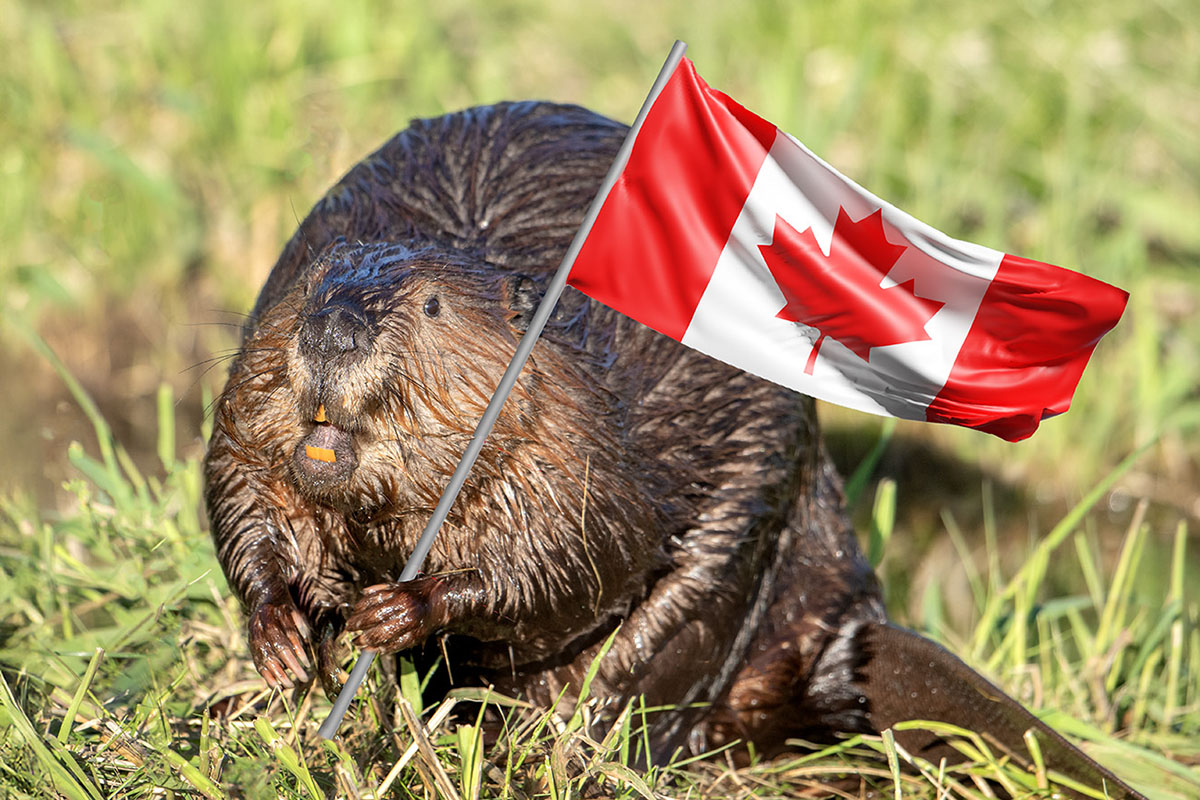
A proud Canadian (flag insert © Aerra Carnicom, Creative Commons).
About the Author – Dr. Wayne Lynch

For more than 40 years, Dr. Wayne Lynch has been writing about and photographing the wildlands of the world from the stark beauty of the Arctic and Antarctic to the lush rainforests of the tropics. Today, he is one of Canada’s best-known and most widely published nature writers and wildlife photographers. His photo credits include hundreds of magazine covers, thousands of calendar shots, and tens of thousands of images published in over 80 countries. He is also the author/photographer of more than 45 books for children as well as over 20 highly acclaimed natural history books for adults including Windswept: A Passionate View of the Prairie Grasslands; Penguins of the World; Bears: Monarchs of the Northern Wilderness; A is for Arctic: Natural Wonders of a Polar World; Wild Birds Across the Prairies; Planet Arctic: Life at the Top of the World; The Great Northern Kingdom: Life in the Boreal Forest; Owls of the United States and Canada: A Complete Guide to their Biology and Behavior; Penguins: The World’s Coolest Birds; Galapagos: A Traveler’s Introduction; A Celebration of Prairie Birds; and Bears of the North: A Year Inside Their Worlds. In 2022, he released Wildlife of the Rockies for Kids, and Loons: Treasured Symbols of the North. His books have won multiple awards and have been described as “a magical combination of words and images.”
Dr. Lynch has observed and photographed wildlife in over 70 countries and is a Fellow of the internationally recognized Explorers Club, headquartered in New York City. A Fellow is someone who has actively participated in exploration or has substantially enlarged the scope of human knowledge through scientific achievements and published reports, books, and articles. In 1997, Dr. Lynch was elected as a Fellow to the Arctic Institute of North America in recognition of his contributions to the knowledge of polar and subpolar regions. And since 1996 his biography has been included in Canada’s Who’s Who.