
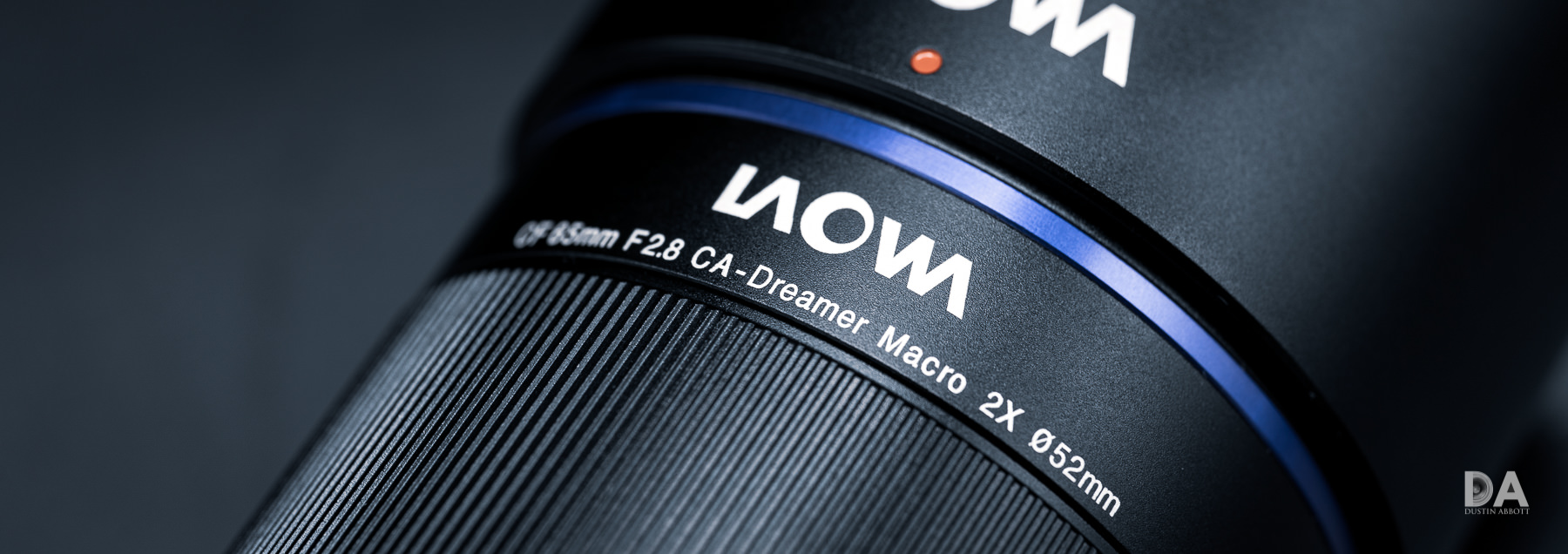
Last year I reviewed the rather superb Laowa 100mm F2.8 2x Macro lens for full frame cameras. That lens featured a rare (at that price point) APO (Apochromatic) optical design that delivered incredible sharpness and extremely low chromatic aberrations. And now I hold the much smaller “mini” version for APS-C mirrorless cameras – the Laowa 65mm F2.8 2x Macro. 65mm will give the equivalent framing of 97mm on Sony or Fuji, and 104mm on Canon, putting it right in the “sweet spot” for macro work. This small, slender lens packs an incredible optical wallop, delivers 2:1 macro, and is (in my experience) unparalleled its performance. Sony E, Fuji X, and Canon M shooters can get this sweet little lens for only CAD$599. That makes the Laowa 65M (so-called for brevity throughout this review) an easy recommendation for anyone looking for a macro lens, as many lenses that identify as macro have only a 1:2 magnification, which looks like this:

Some debate whether or not this constitutes macro, though all agree that 1:1 magnification is macro. That looks like this:

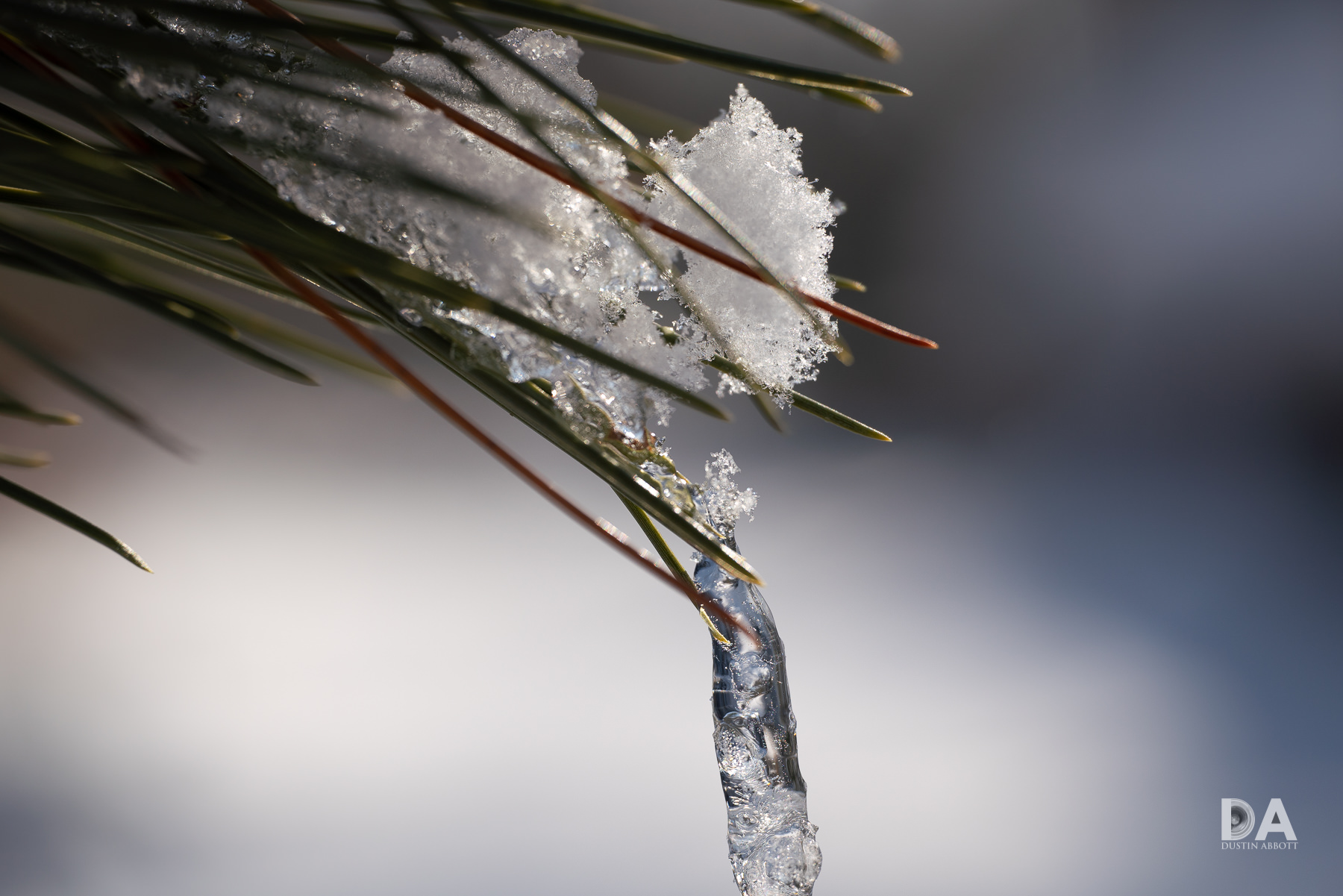
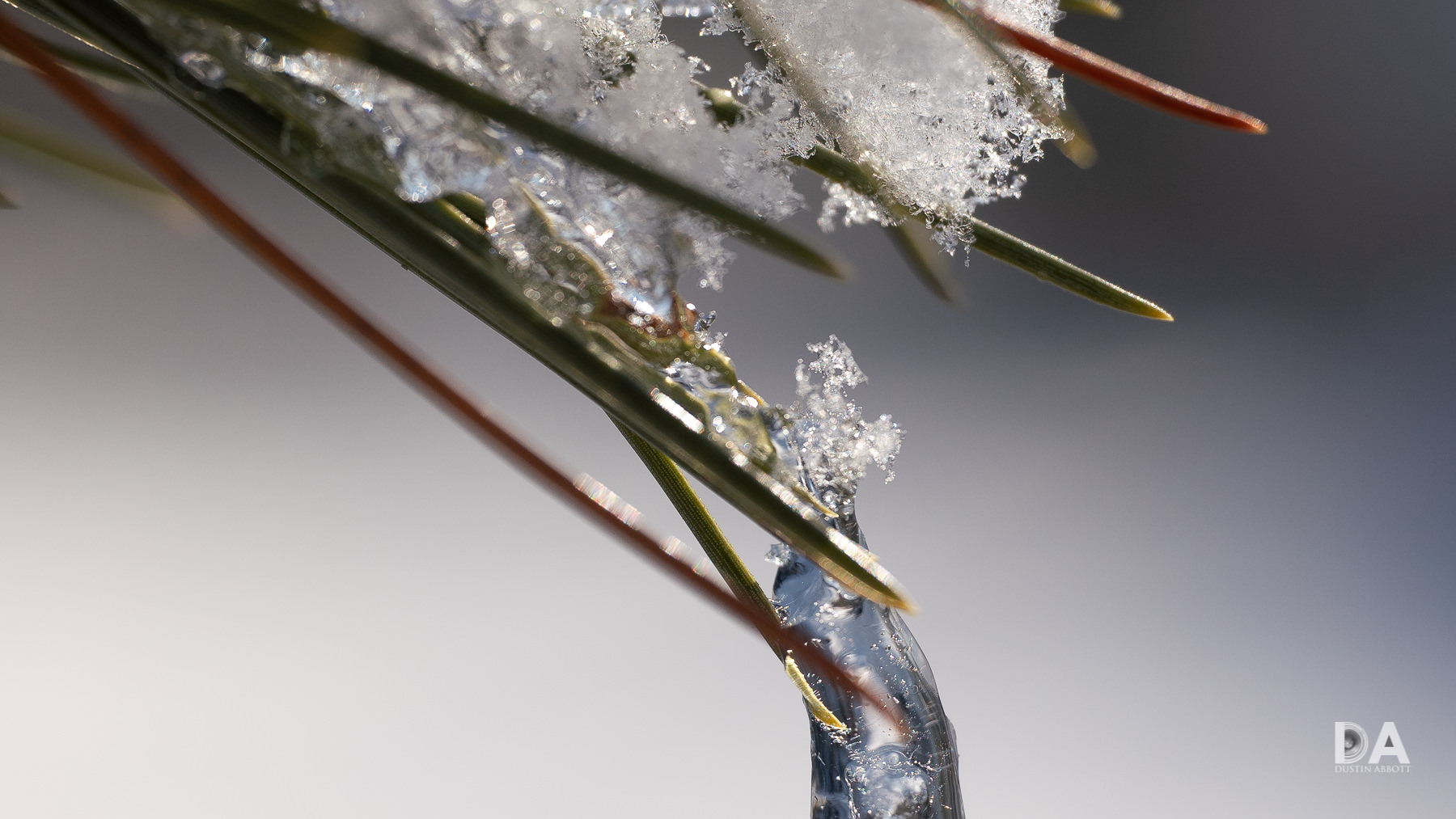
But very few lenses exceed that. The Laowa 65M does, with a 2:1 magnification that looks like this:

That’s obviously very, very useful, and the APO (Apochromatic design) assures that image quality is fantastic whether shooting macro:
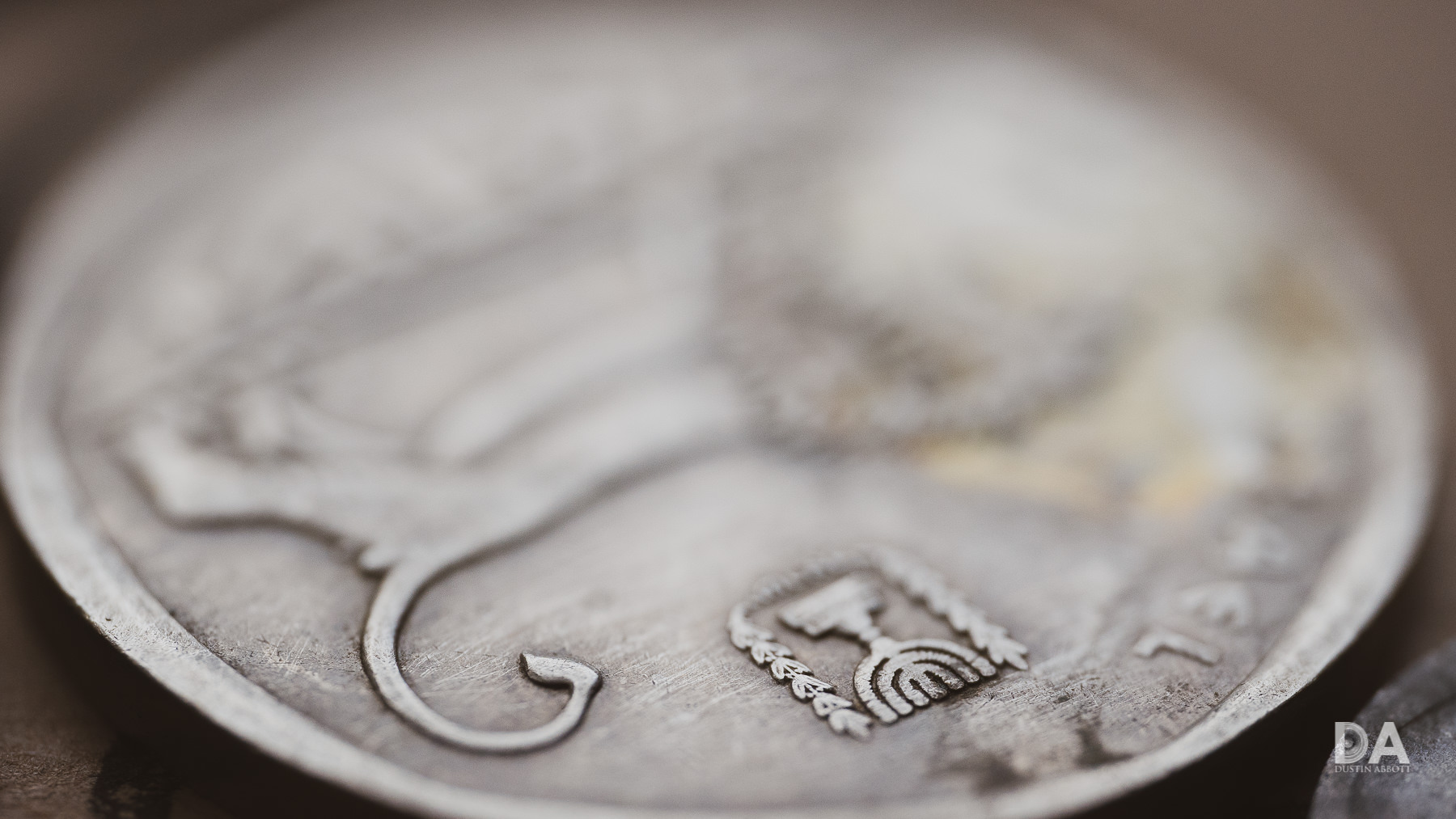
…or shooting regular stuff:

In all situations, the lens is incredibly sharp and delivers great contrast. There are a few weaknesses inherit to this design, but they are few. Let’s explore further why the Laowa 65M should vault to the top of your list if you are looking for a macro lens for your APS-C mirrorless camera. Prefer to watch your reviews? You can watch my standard review or definitive (detailed) review by clicking the thumbnails below:
I’ve done this review done on both Sony a6500 and Sony a7RIII (in APS-C mode) bodies. Thanks to Laowa for the loaner.
Follow Me @ Patreon | My Newsletter | Instagram | Facebook | Twitter | Flickr | 500px
Laowa 65M Build and Handling
Since the beginning, Laowa (Venus Optics) has consistently delivered very nice build quality in its lenses, though almost always with the limitation of being completely manual and without electronics of any kind. That remains true here, as the build quality rivals premium little lenses like the Zeiss Loxia lenses with all-metal construction, well damped and tuned rings, and a handsome anodized metal finish.
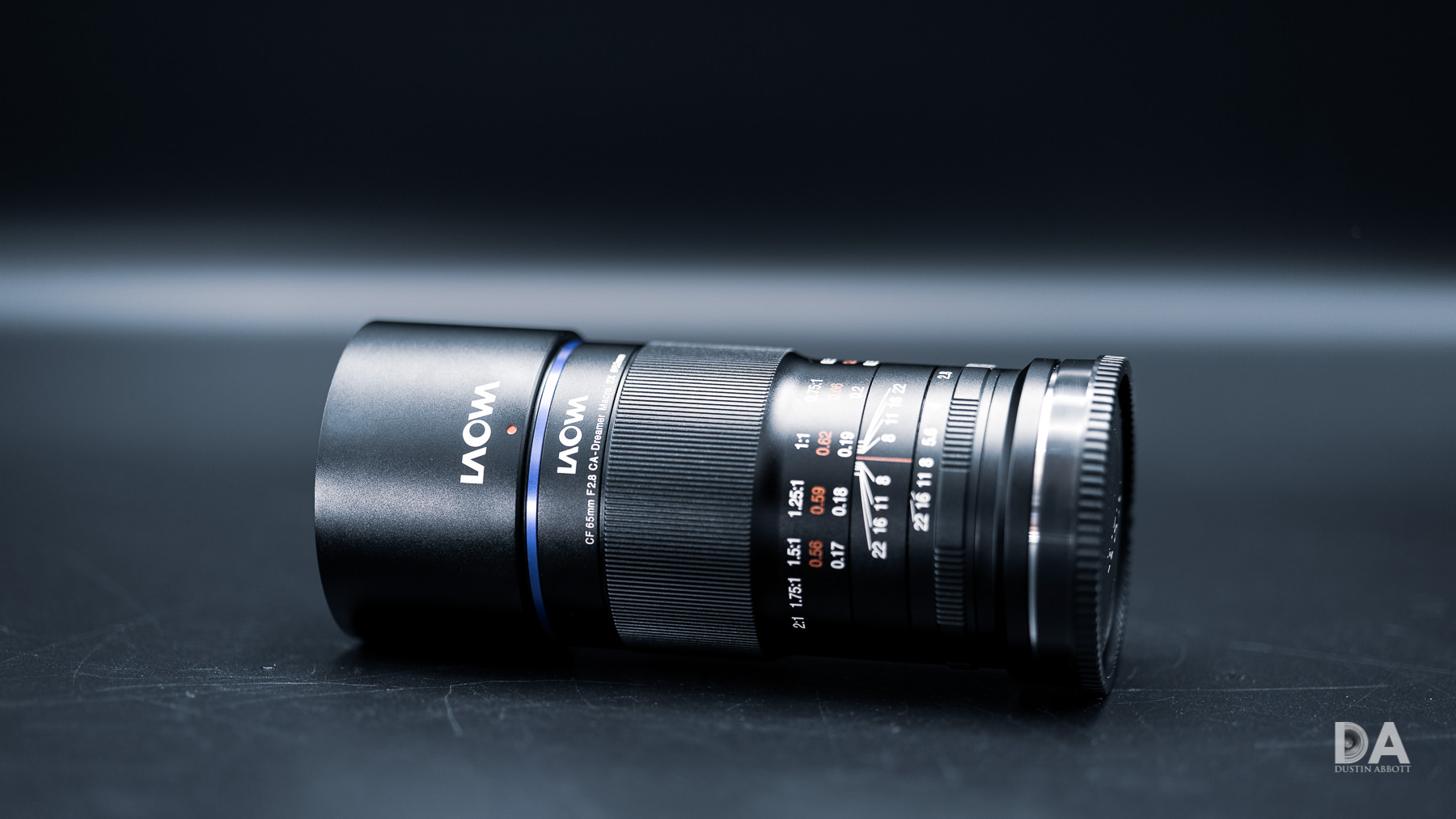
Even the included lens hood is made of metal and bayonets on with reassuring precision.
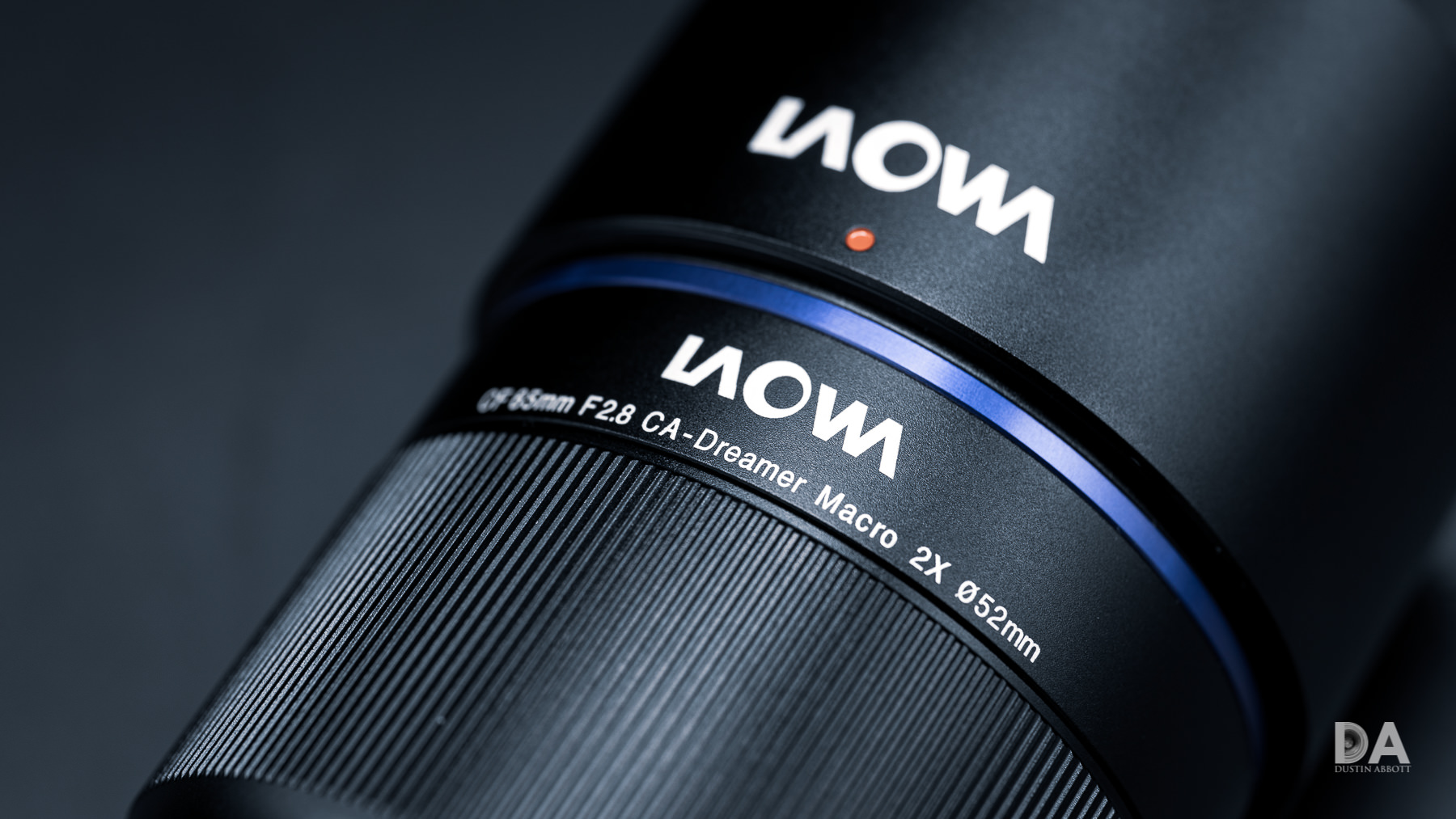
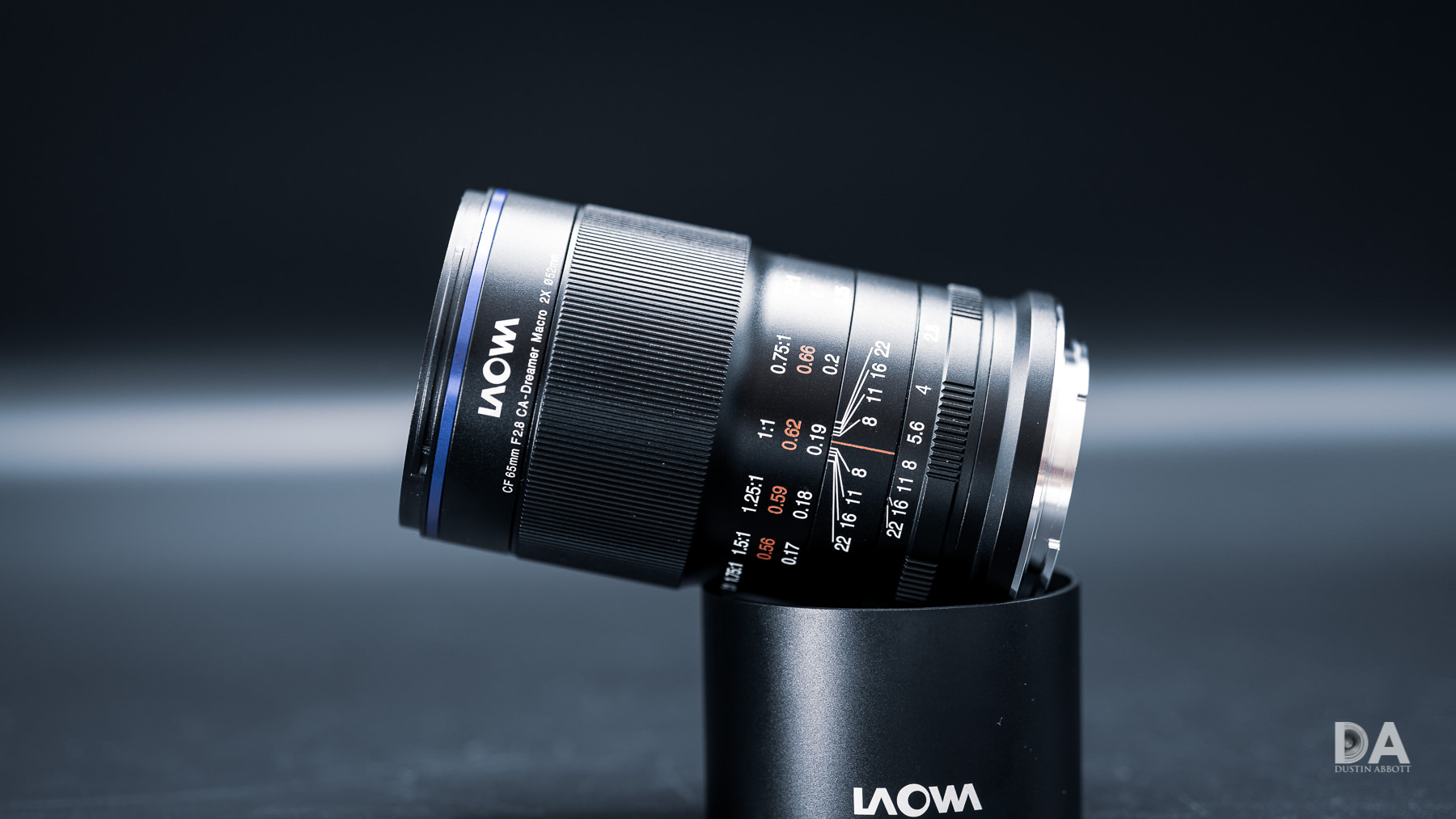
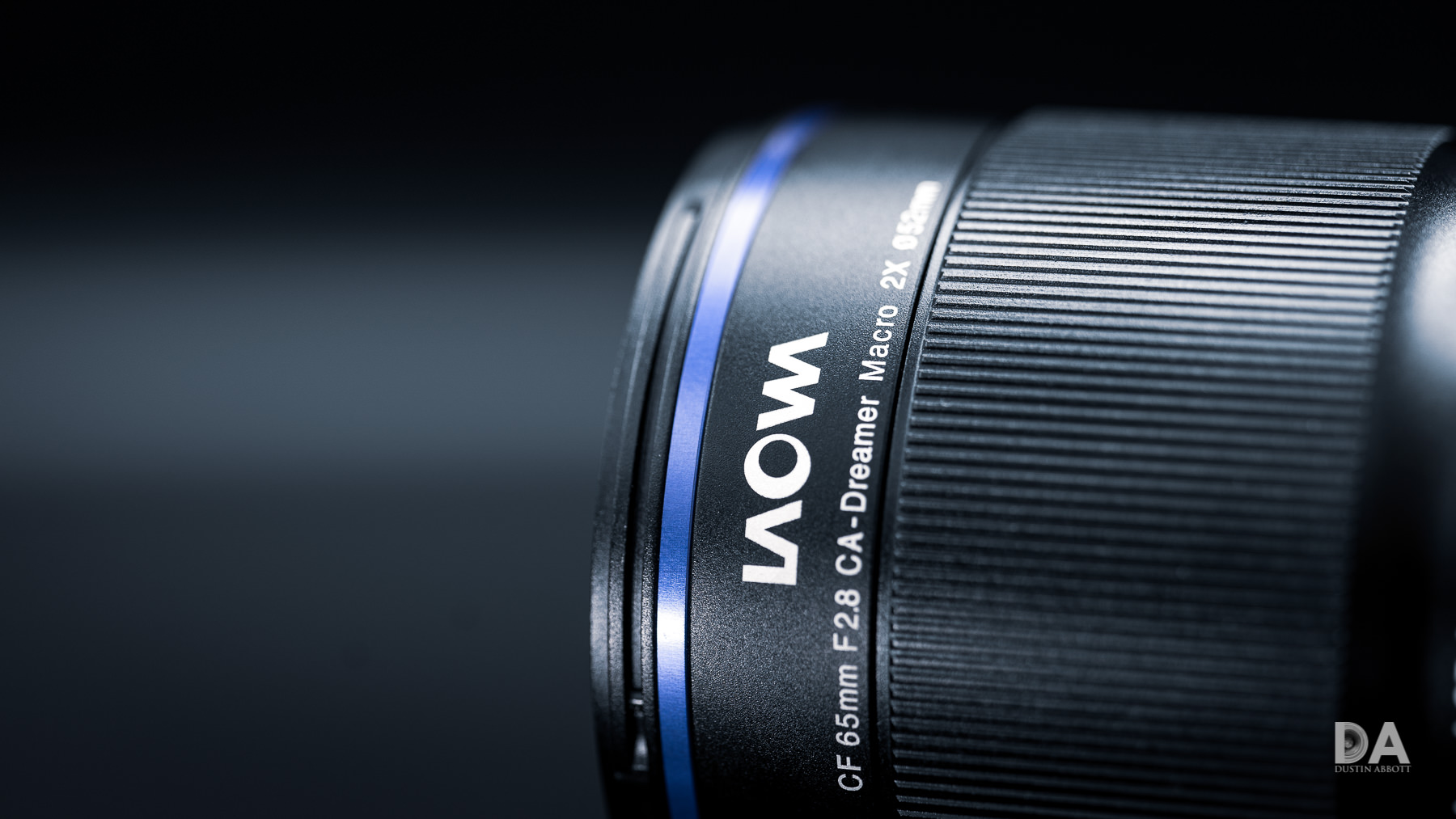
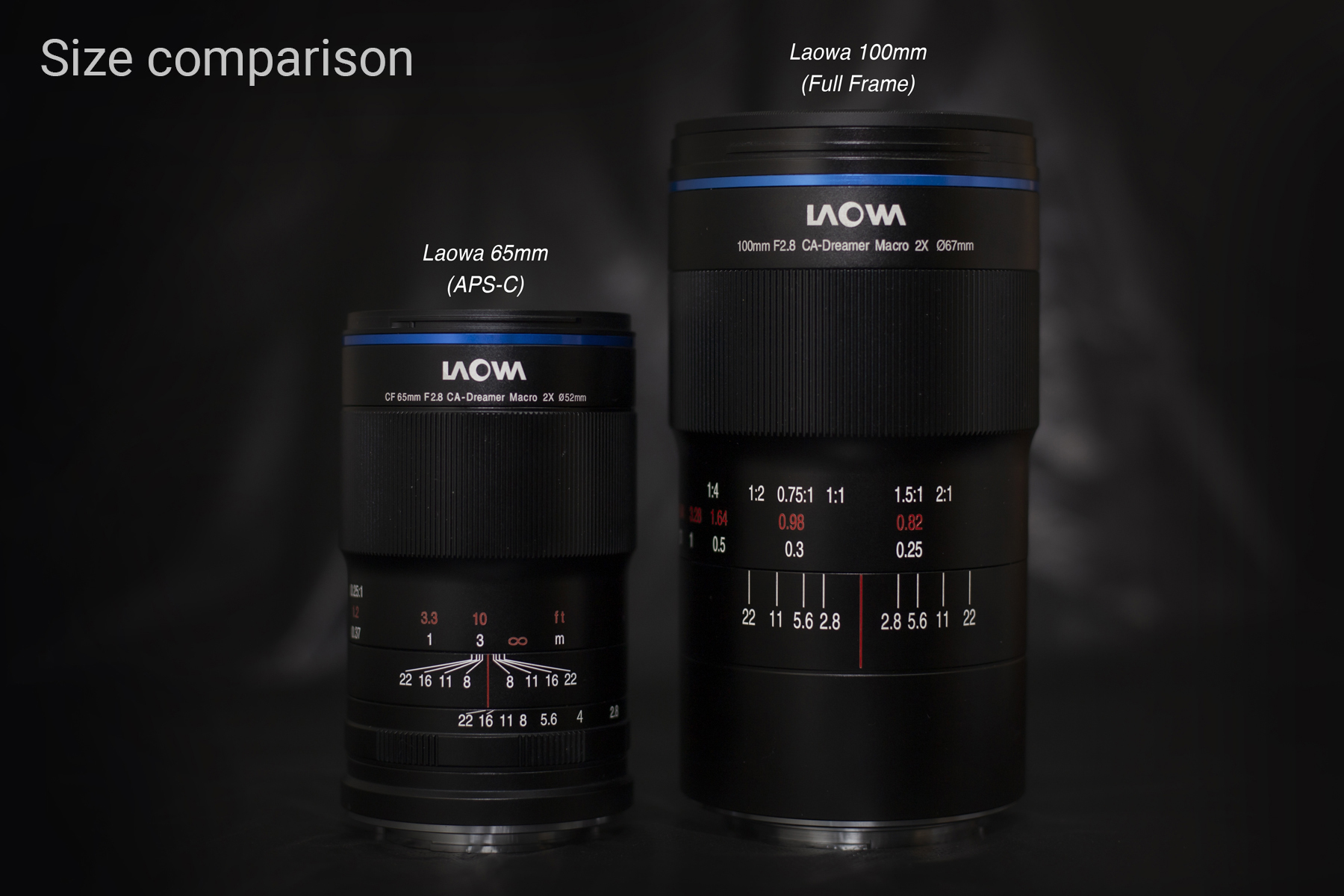
The lens has a long, slender profile highly reminiscent of the Zeiss Loxia 85mm F2.4, a lens that delivers similar levels of performance though at a price point that is $1000 more expensive! It is only 2.24″ (57mm) in diameter (with a 52mm filter thread size) but is nearly 4″ (3.94″ or 100 mm) in length. That slender footprint makes it an easy lens to bring along, however, and the weight is still on the lighter side at 11.82 oz (335 g). It basically looks like a miniaturized version of the Laowa 100mm Macro:
What the Loxia lenses have that the Laowa 65M doesn’t is electronics and weather sealing. These are both real points. The lack of electronics means that photographers don’t get any EXIF information communicated to the camera, which has multiple effects. First of all, it makes sorting photos at a later date more complicated, particularly if you have multiple such lenses (there’s no automatic way to sort between them). Secondly, it means that (unlike the Loxia lenses), there will be no automatic magnification of the image when you start to manually focus, so if you want that benefit to nailing focus, you’ll have to manually magnify the image. Not a huge deal, obviously, but it does make the whole process more “clunky”. Finally, it means that if you are using a body with in-body-image-stabilization, you’ll need to manually set the focal length in the camera so that the IBIS can compensate for camera shake. None of these things are deal-breakers, but I would certainly prefer to have them all!
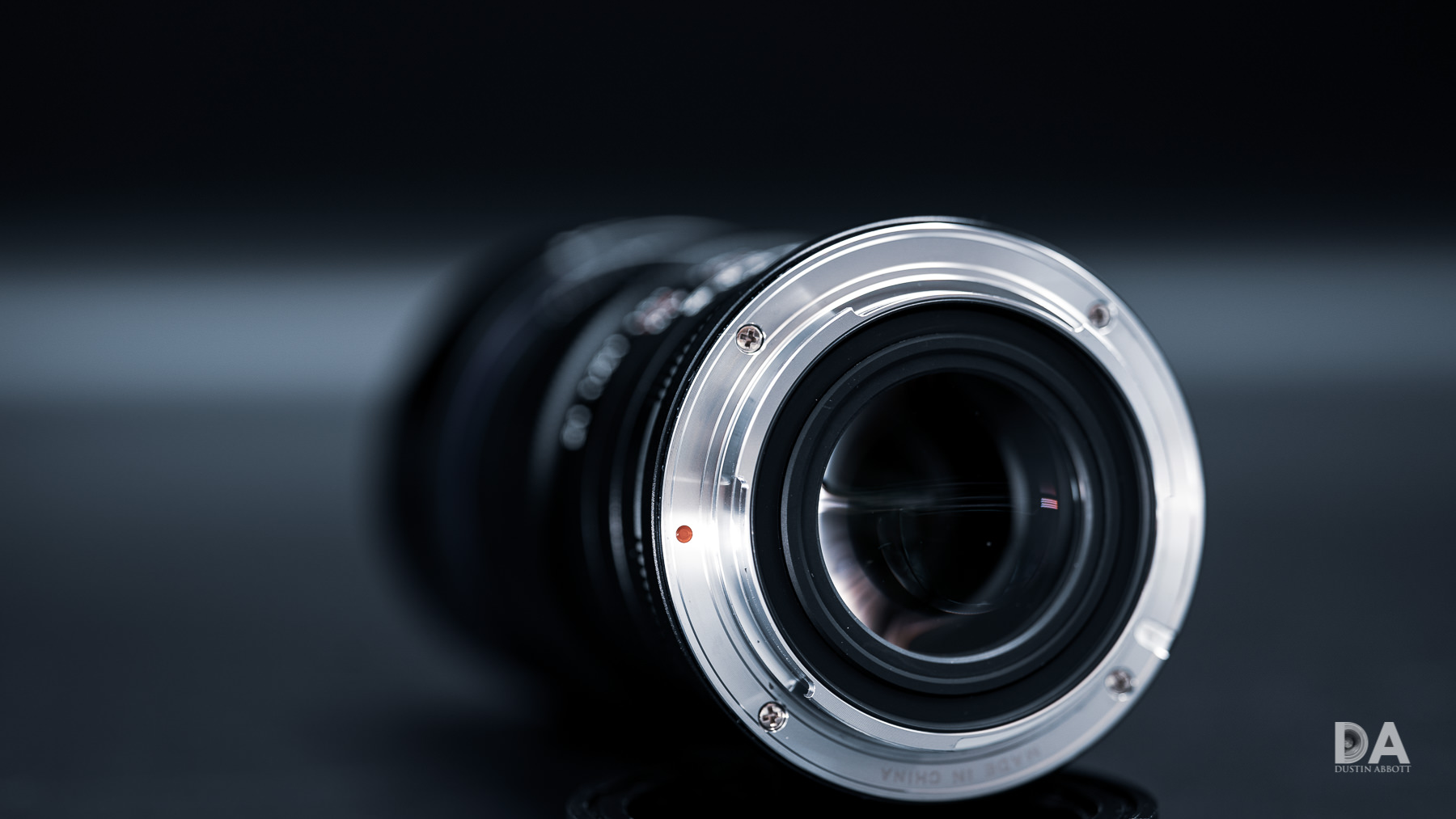
The lack of weather sealing is not surprising at this price point, though I also prefer to have it than to not have it!
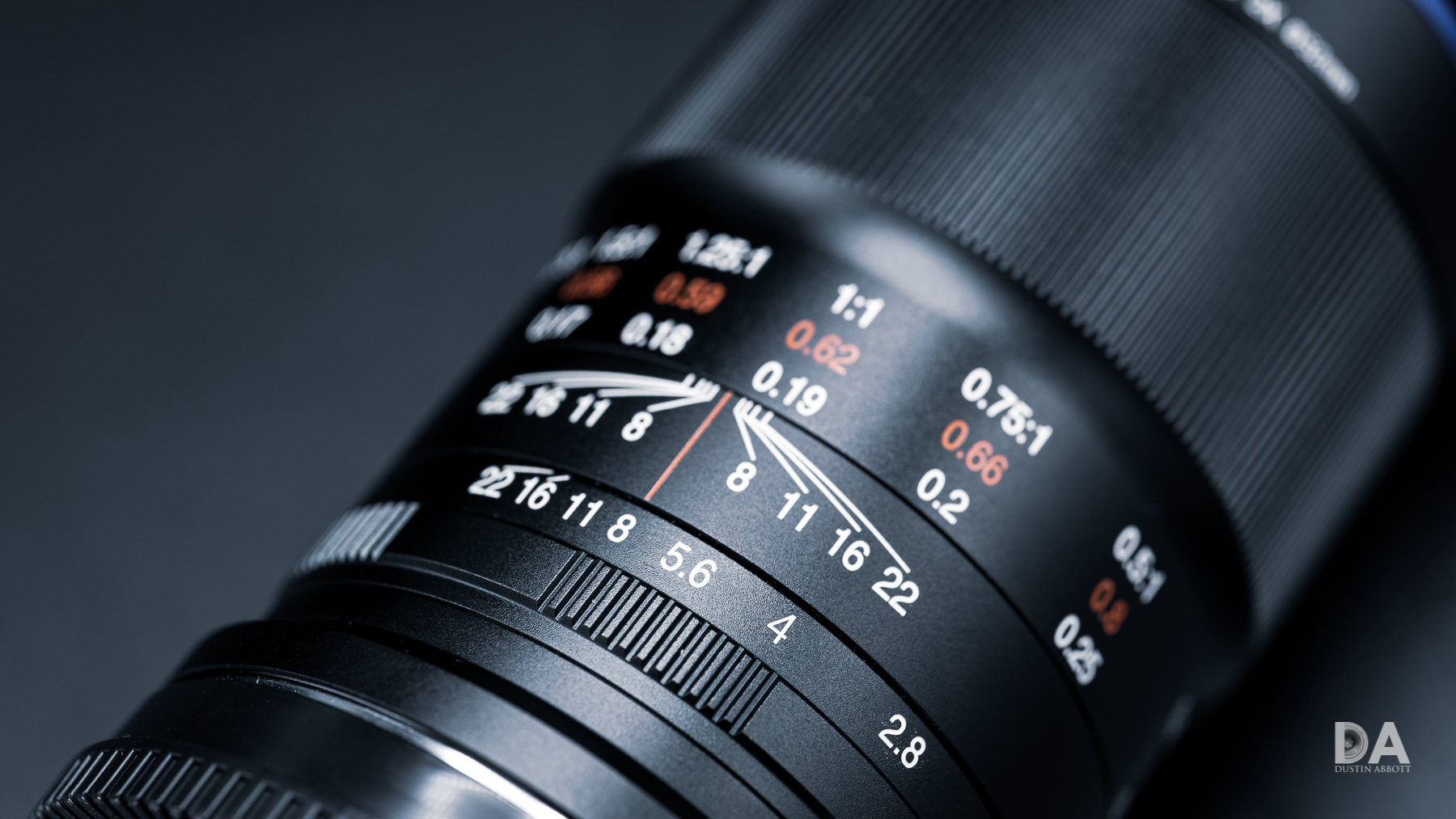
The focus ring moves beautifully with a feel and damping at a high level though not quite to the Loxia level of smoothness. It has roughly 240 degrees of focus throw with a welcome amount of focus between 0.37M and infinity, a zone that is often forgotten on macro lenses. There’s enough room there to get precise focus at a variety of focus distances.
There are clear and accurate markings on the focus ring for various distances (along with very helpful ratios showing magnification at those distances). There are also a variety of hyperfocal distance markings on there as well.
Minimum focus distance is 6.69″ (17 cm) at 2:1 macro levels, which doesn’t give you a lot of room to work with when you consider about 4 of those inches are consumed by the length of the lens. You’ll want to remove the lens hood to avoid shading your subject. 1:1 Macro gives you a couple of extra centimeters or working distance, though it is still fairly close for subjects like insects.

The aperture is controlled via a nicely damped aperture rings with detents at full stops. You could pause in between one of those, but it’s mostly designed around selecting full stop changes (i.e. F2.8, F4, F5.6, etc…)
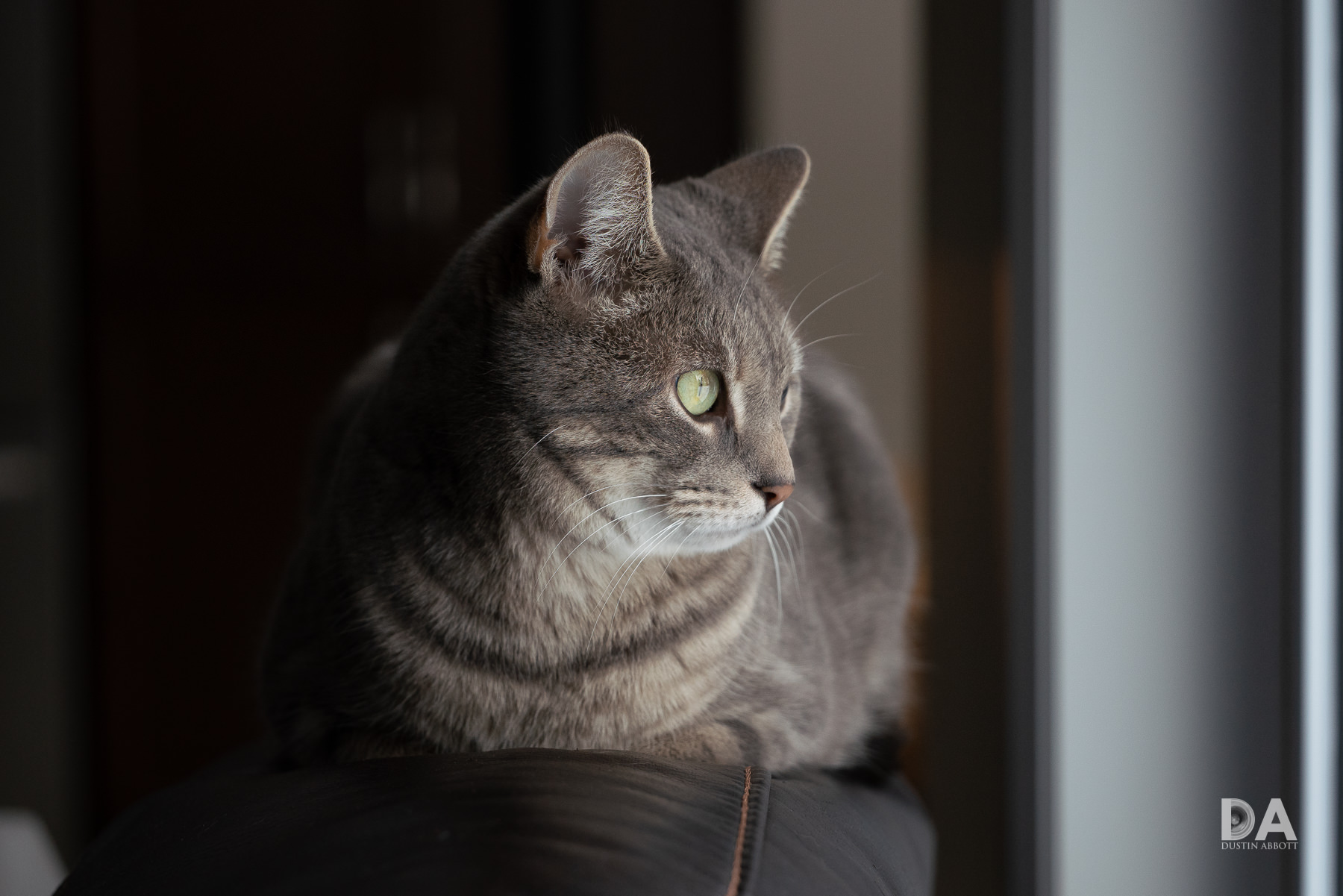
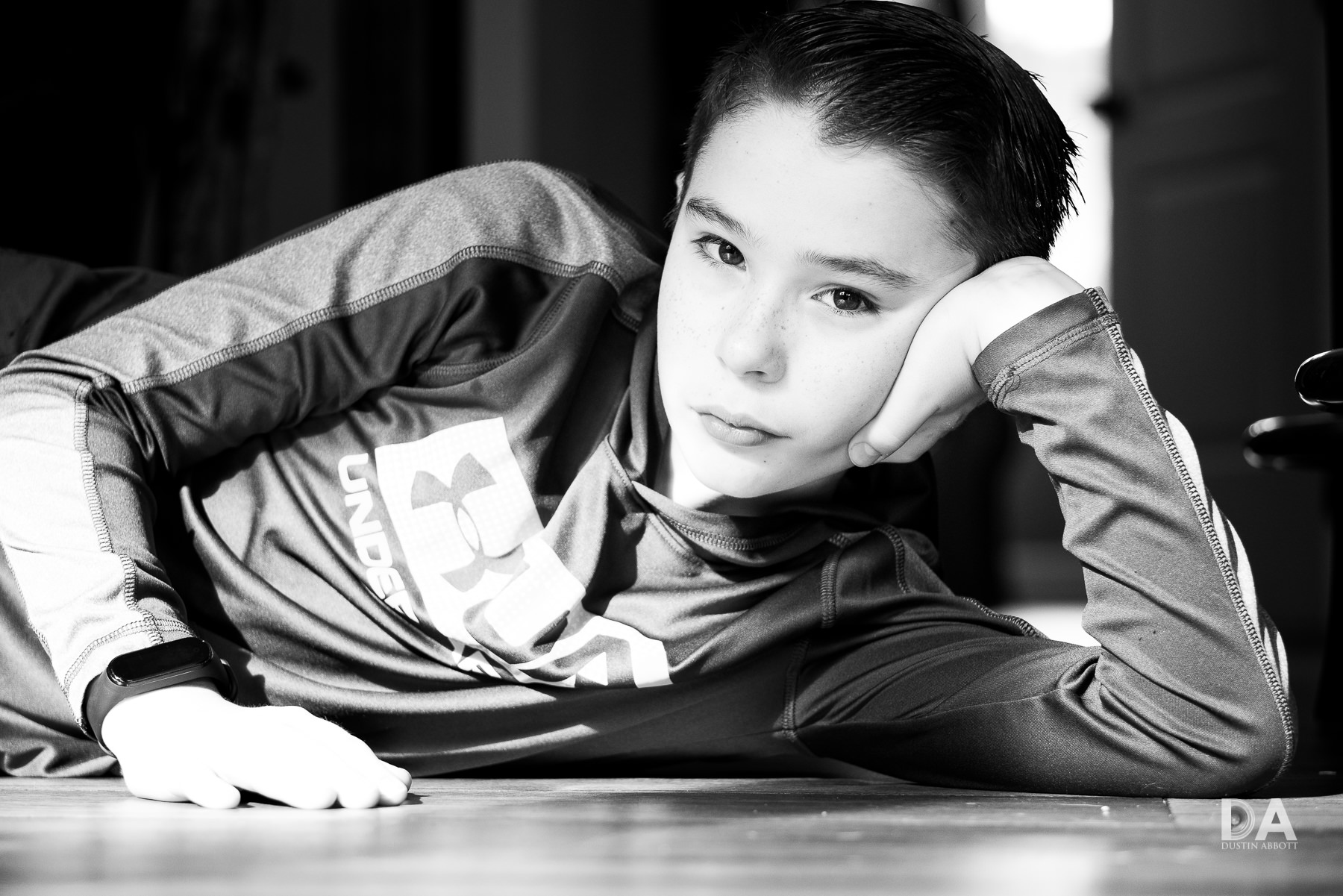
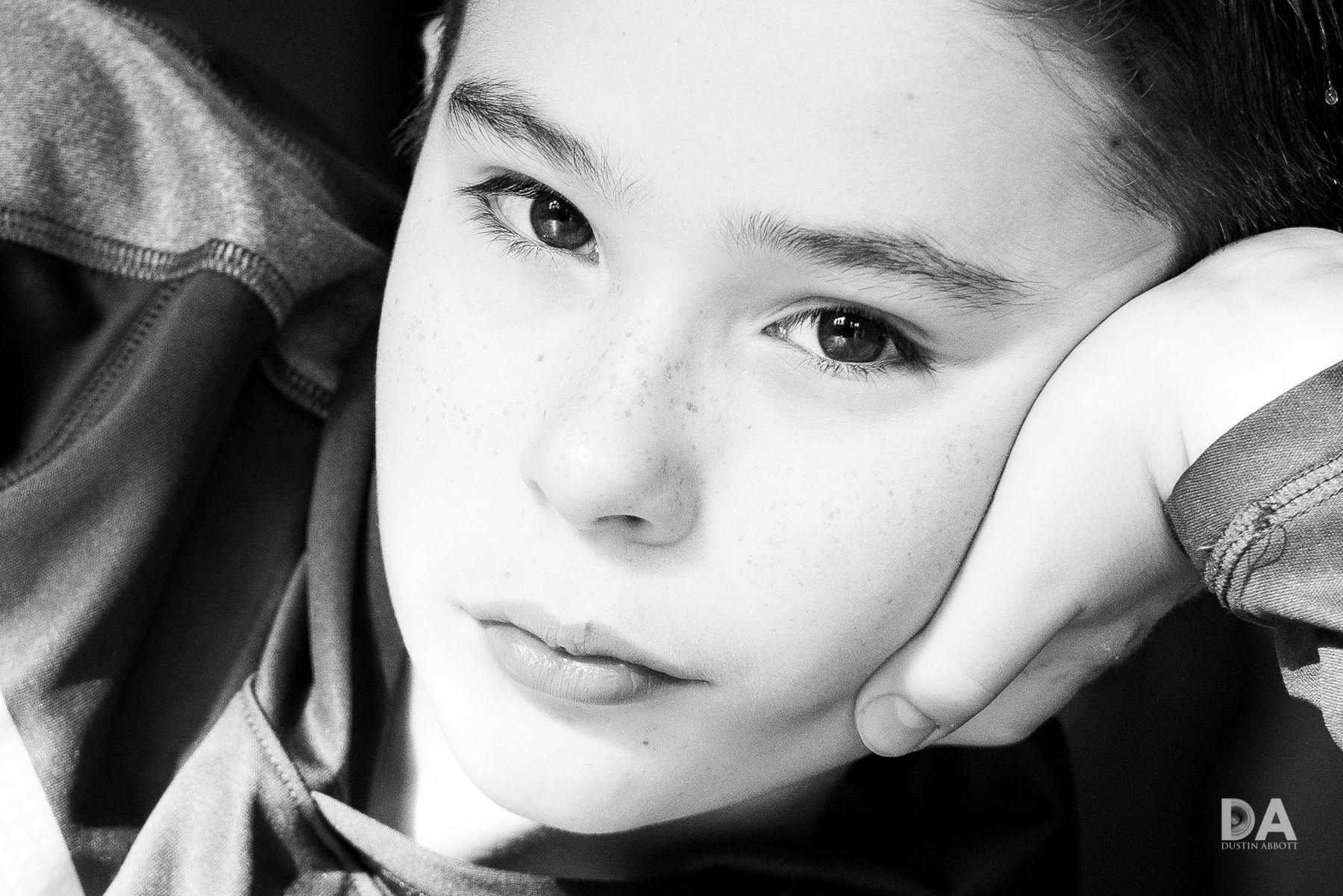
The fact that this is a manual focus only lens isn’t a big deal for most macro work. Most dedicated macro photographers prefer to use manual focus anyway as it allows one to put the razor thin plane of focus wherever they want without concern for an autofocus point. I too prefer it for macro work, though the story changes when shooting at portrait distances. Portraits really require precision to make sure the eyes are well focused, and sometimes relying on a focus overlay (peaking) doesn’t deliver perfect results:
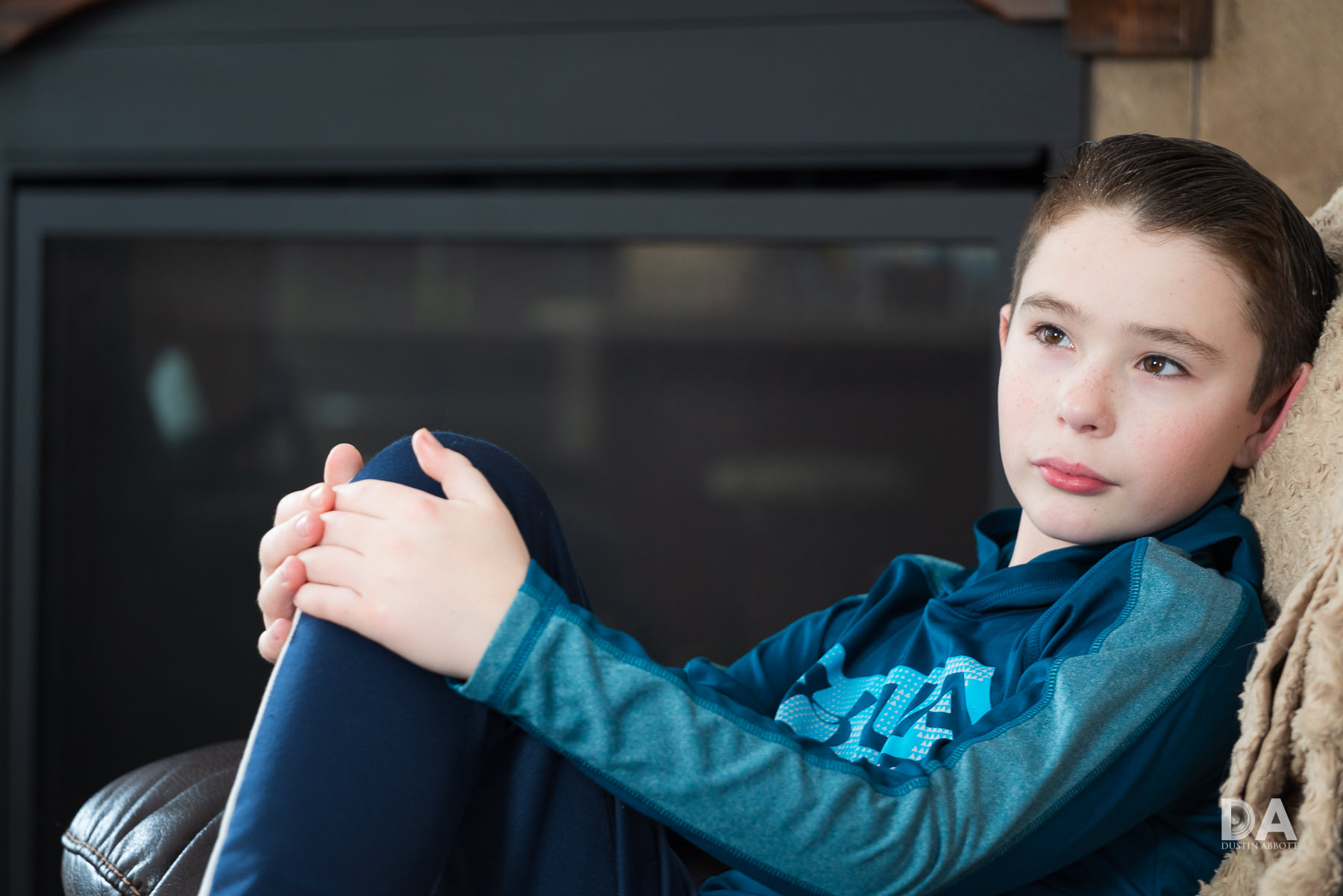

Many cameras offer Eye-AF now, which is a huge boon when using autofocus for portraits. I don’t mind MF for macro, but I strongly prefer it for portraits. Still, when you nail focus, the Laowa 65M delivers stunningly good results:
Technical Info | Sony a7RIII (APS-C Mode) + Laowa 65mm F2.8 Ultra Macro 2x |
Check me out on: My Patreon | Dustin’s Website | Instagram | YouTube Channel
The complaints here are more about what is missing, however, as what is here is well executed and nicely made. This is a gorgeous build at this price point.
Laowa 65M Image Quality
And now we get to the good stuff! The Laowa 65M inherited the Apochromatic (APO) design from the 100mm. A lens with an Apochromatic design has better correction of chromatic and spherical aberration than the much more common achromat lenses. Put simply, most lenses struggle with the fact that colours don’t always focus at the same distance, which results in green or purple (red) fringing due to the fact that those colours aren’t focusing on the same plane of focus. Whereas most lenses are corrected for two colour wavelengths (typically red and blue), an apochromatic lens is able to bring three colour wavelengths into focus on the same focus plane. They also are corrected for spherical aberrations on two wavelengths rather than one. This produces a near absence of chromatic aberrations and allows for higher contrast and a near absence of the veiling (lack of contrast) that produces “soft” images. True apochromatic lenses tend to be very sharp and very contrasty. That’s certainly the case here.
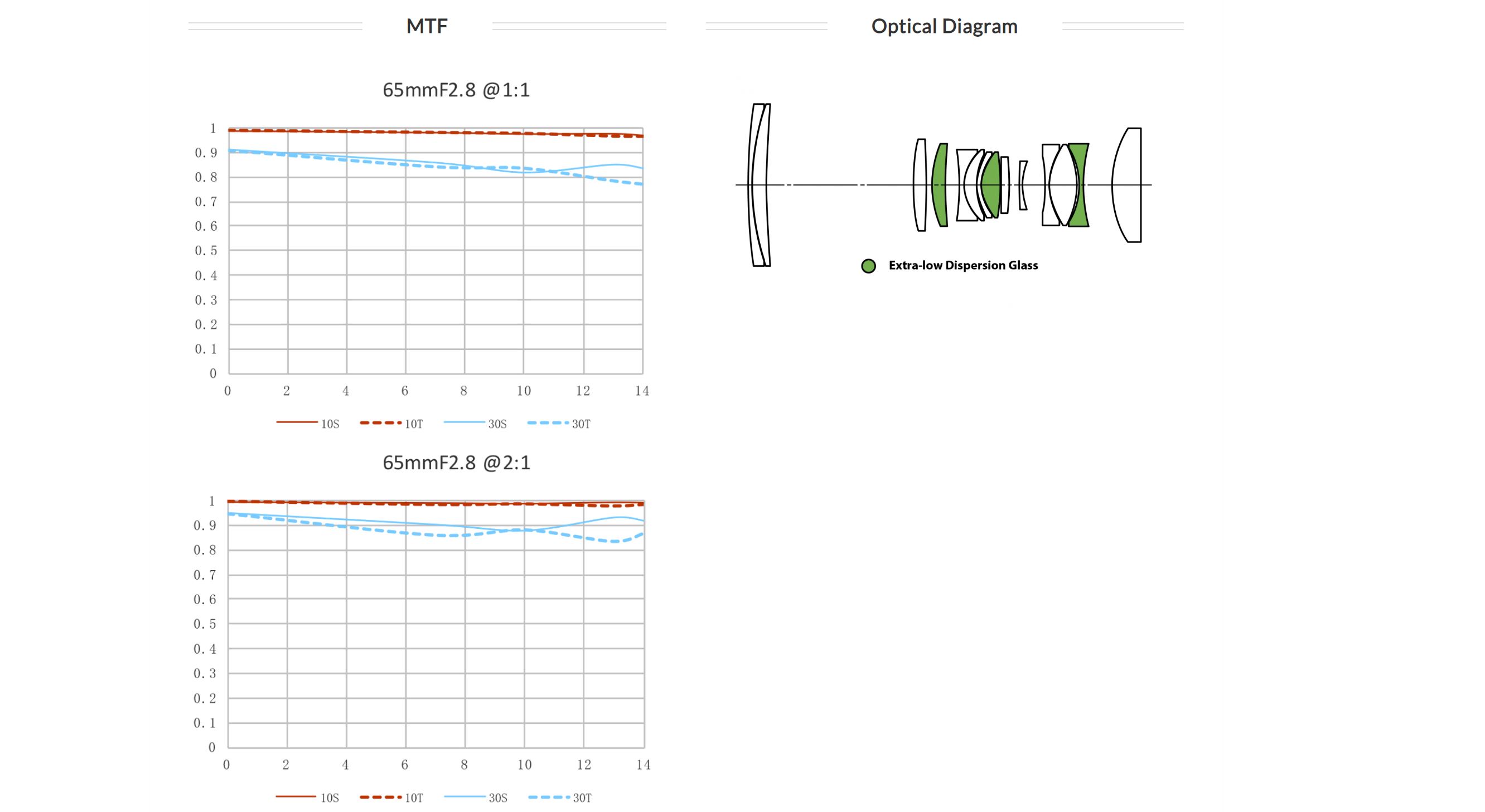
The Laowa 65M has 14 elements in 10 groups, which includes three Extra-low Dispersion (ED) elements. If you can read MTF, you will already have a good idea that this lens is very sharp from corner to corner.
A peek at my distortion chart shows very little distortion and a fairly mild amount of vignette.

There really wasn’t much to correction for in the distortion department, and I added a +33 and moved the midpoint almost all the way over to correct for the vignette. This means that I added roughly a stop of exposure into the edges (a mild amount) but the vignette penetrates most of the way into the frame, though in a linear fashion that will be useful in many situations. You probably won’t have any significant issue with either aberration, which is a good thing, as due to having no electronics there will be no automatic correction of anything.
So how about resolution? In a word: fantastic!
Here’s a look at my test chart:
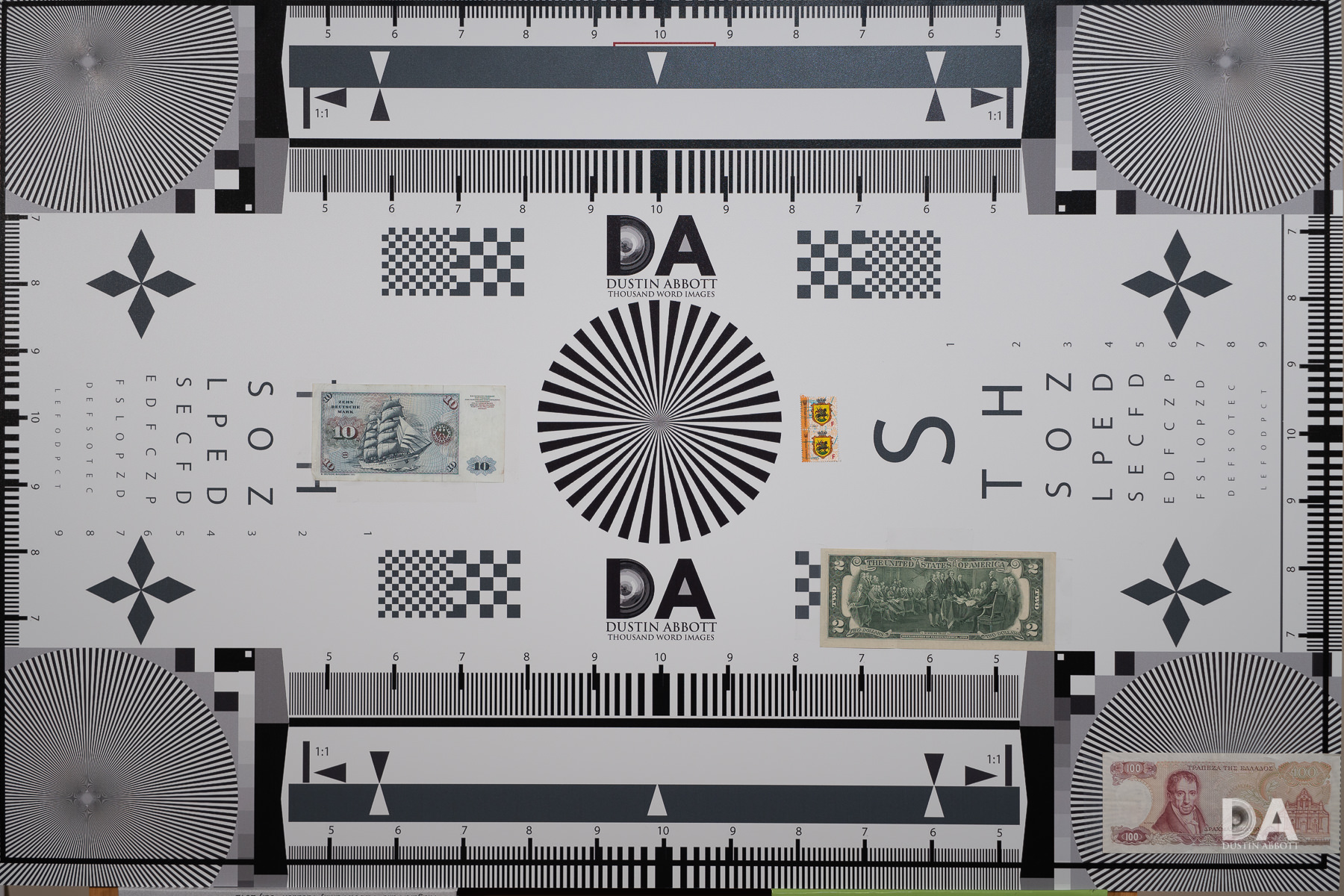
Here are near pixel level crops from the center, midframe, and corner at F2.8:
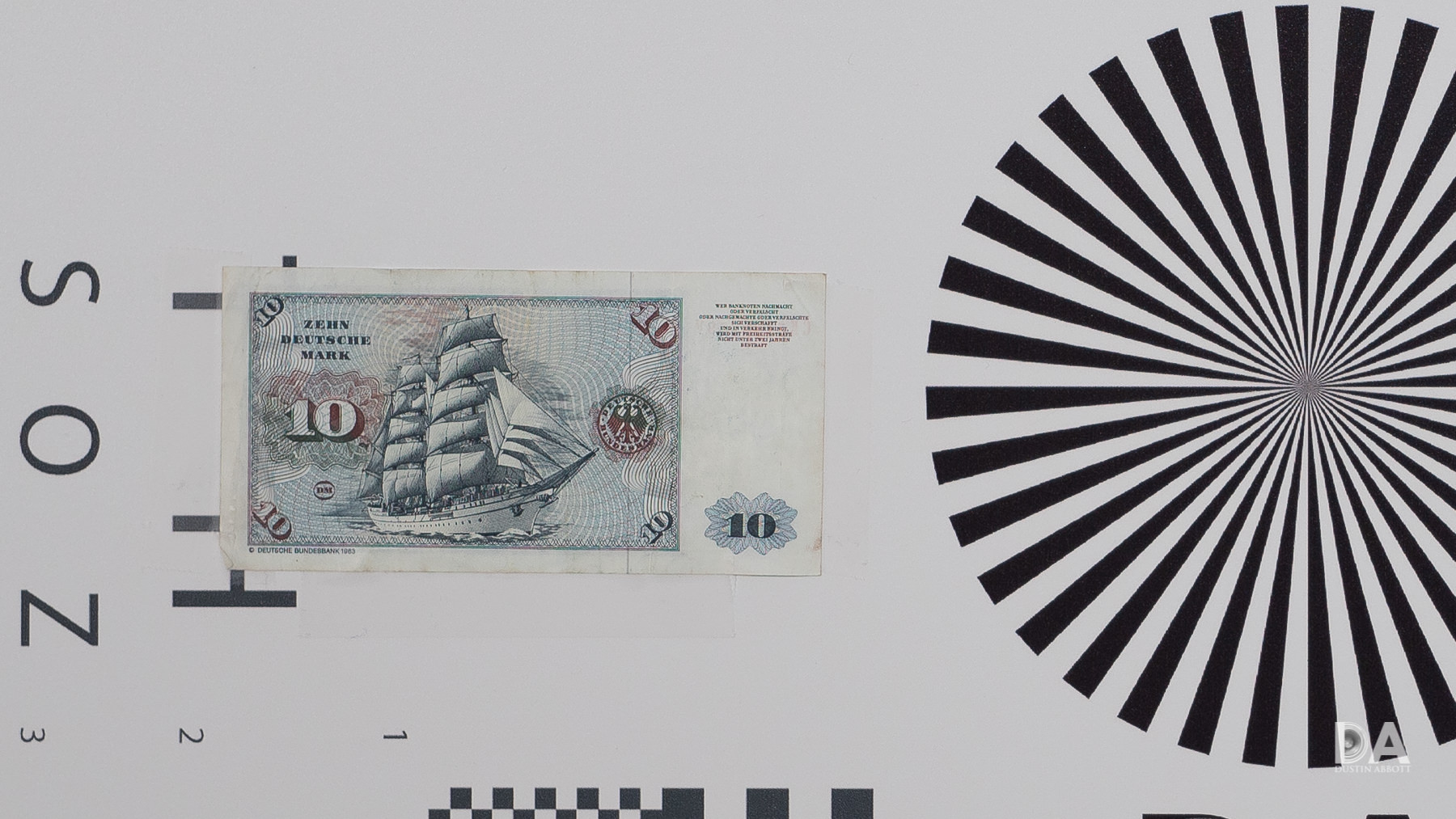
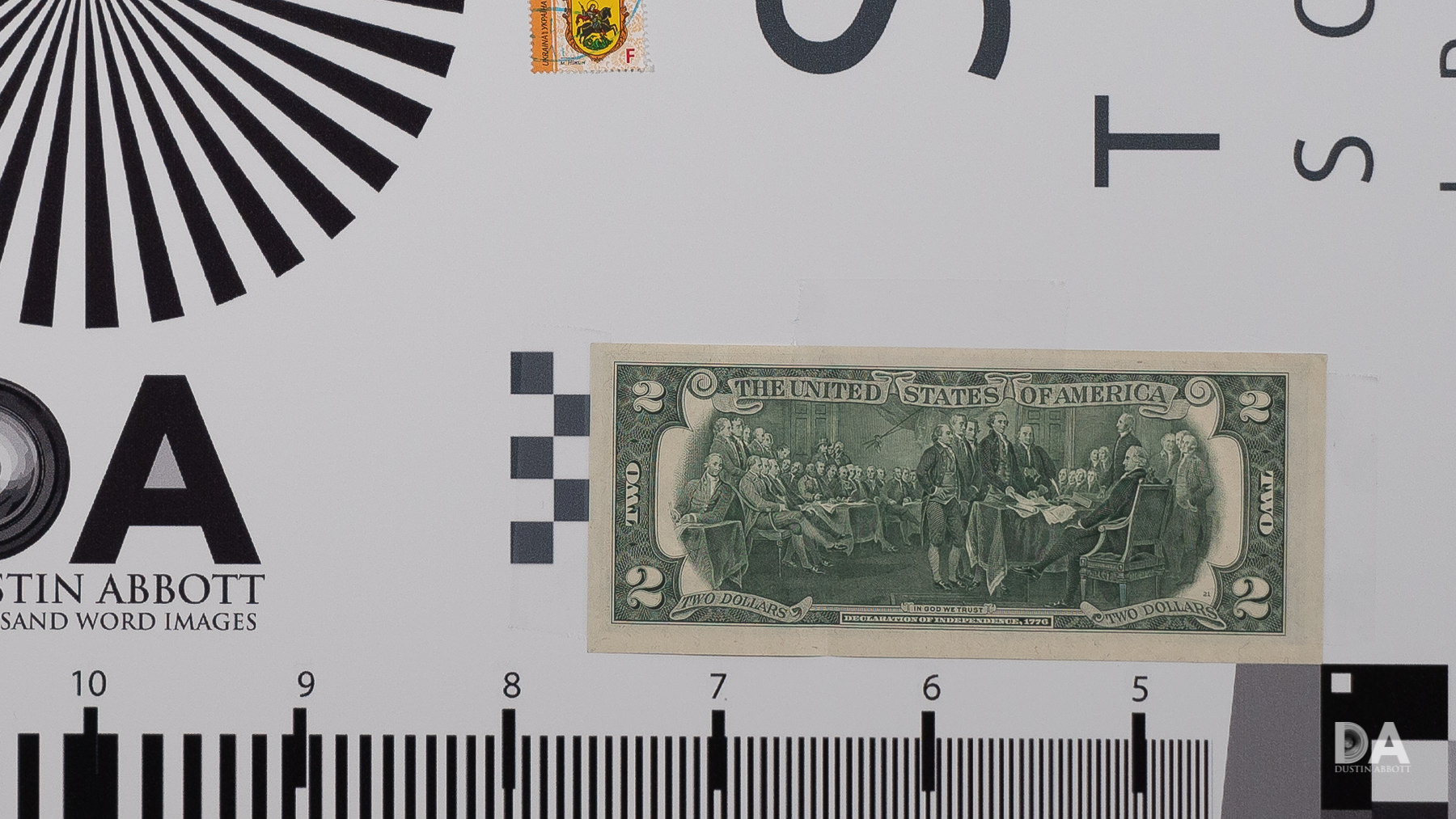
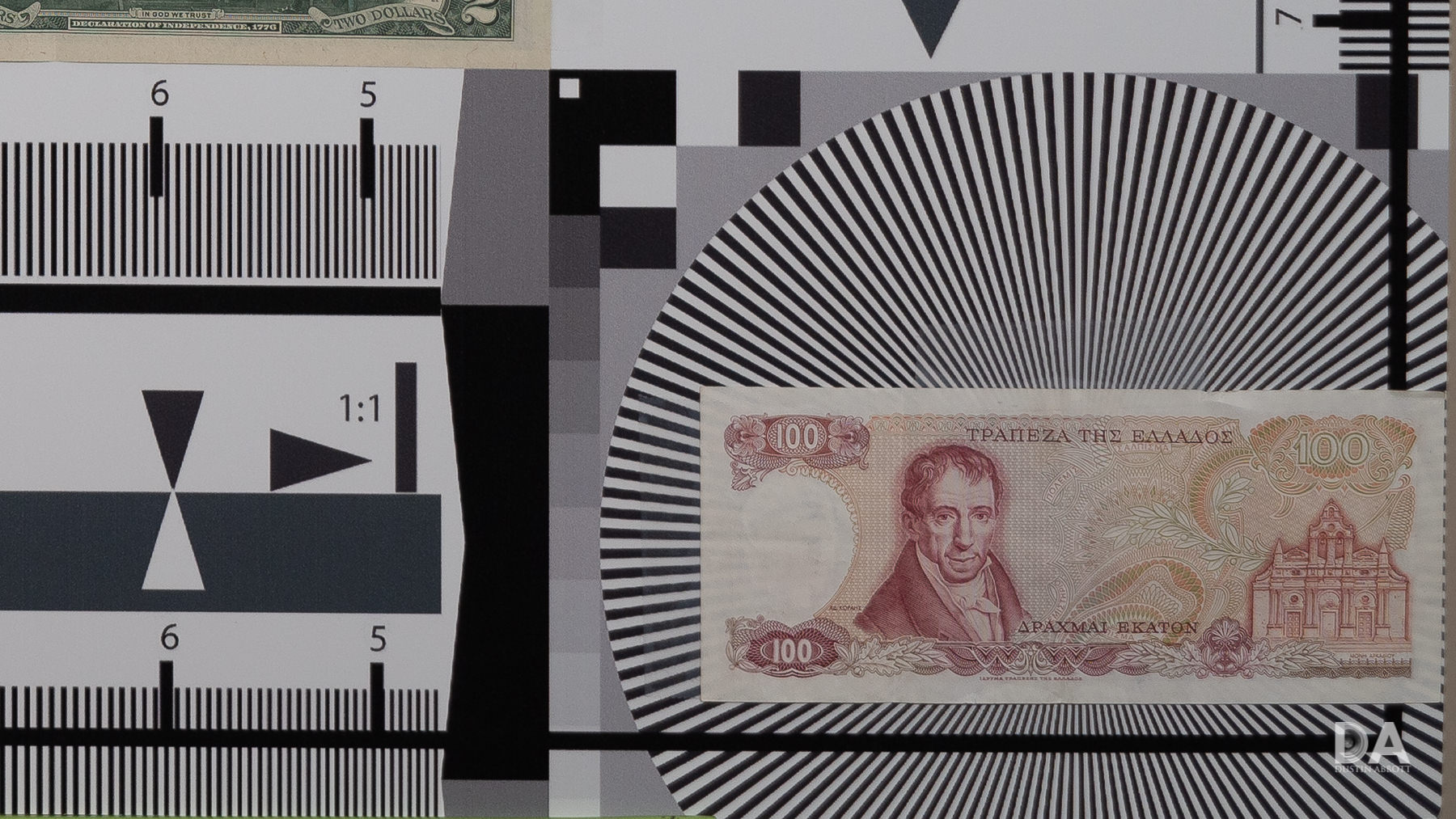
What you can see is that there is great sharpness and contrast at each point in the frame with little drop off. This bears out in the real world, where resolution looks fantastic.
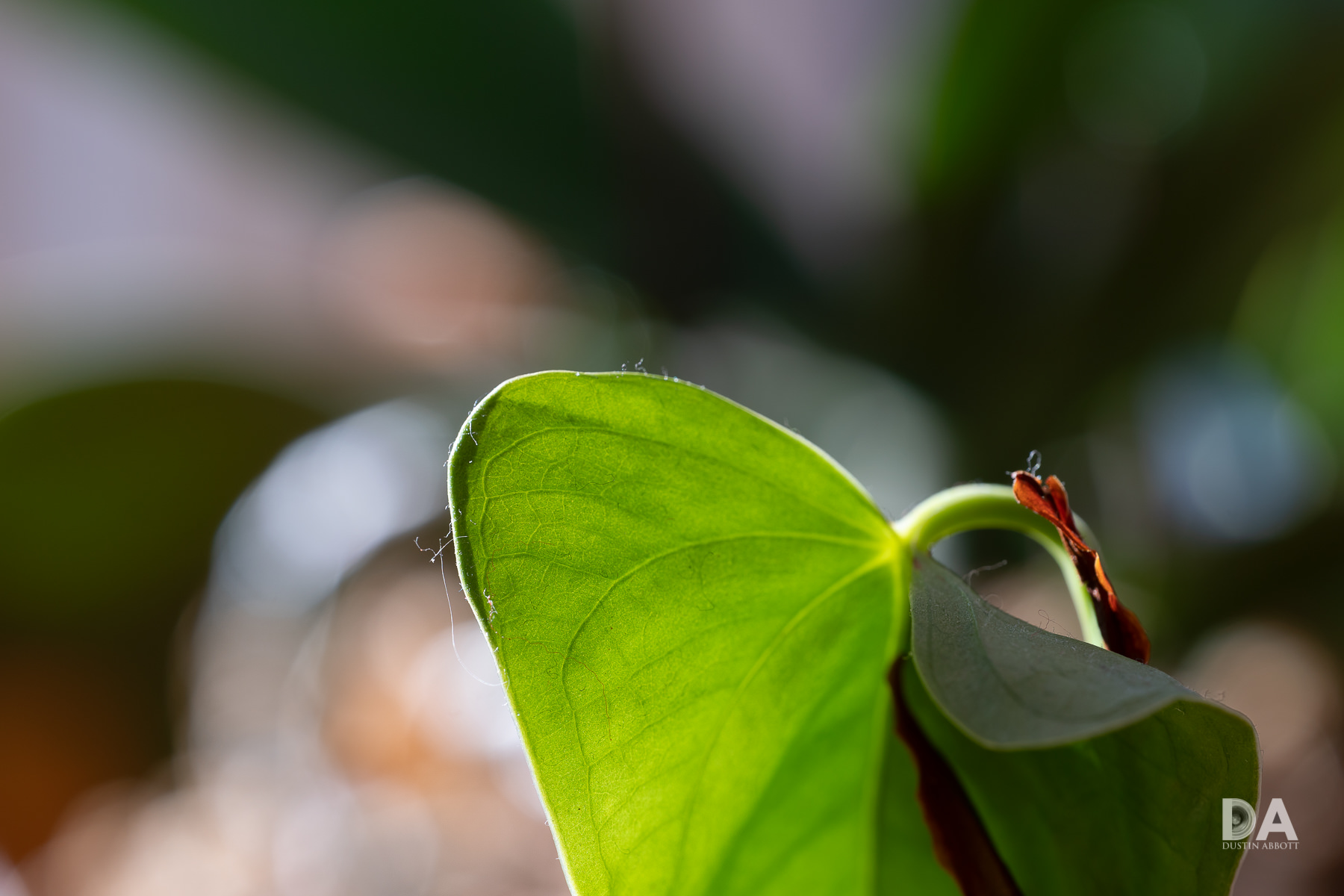
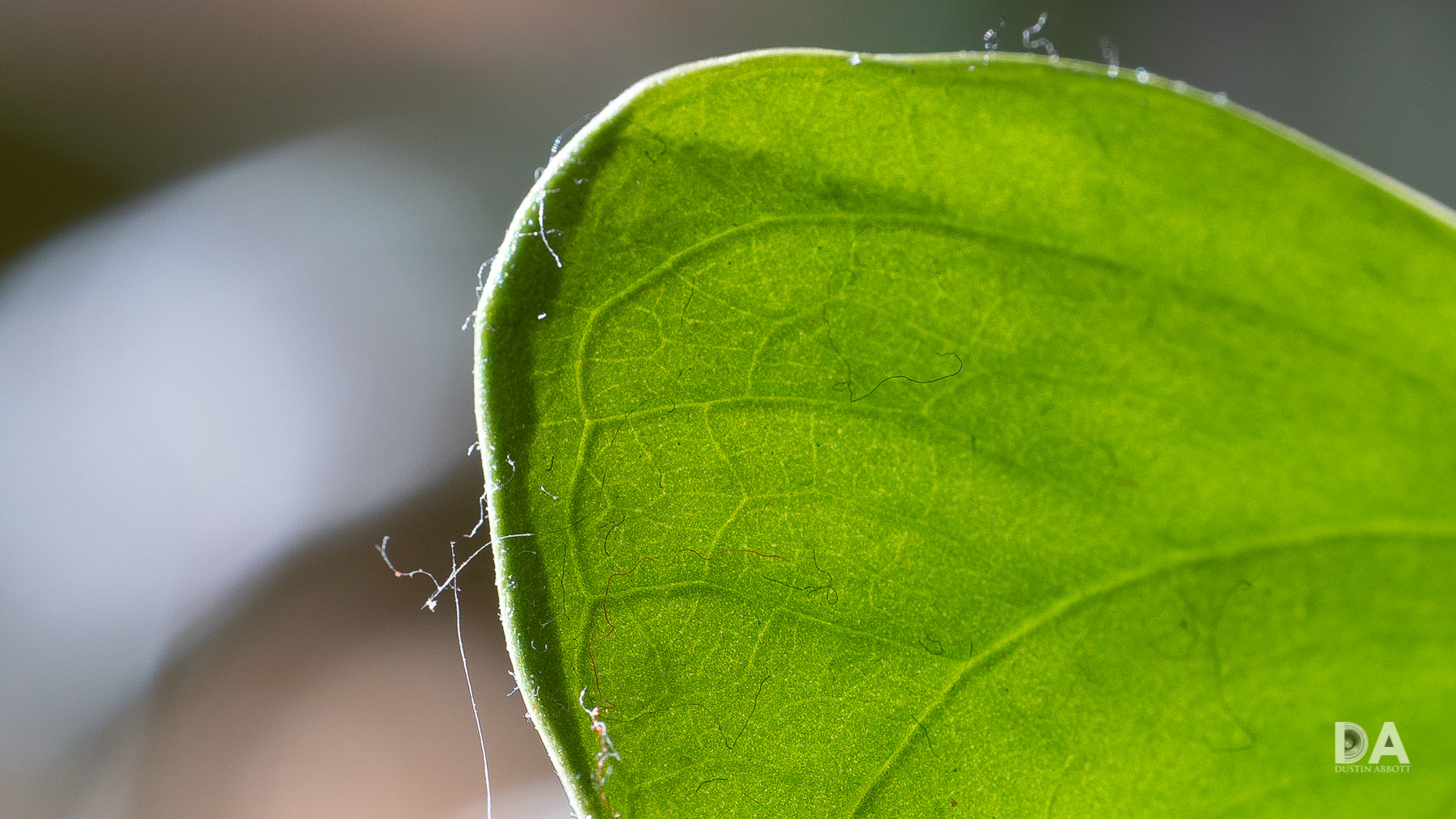
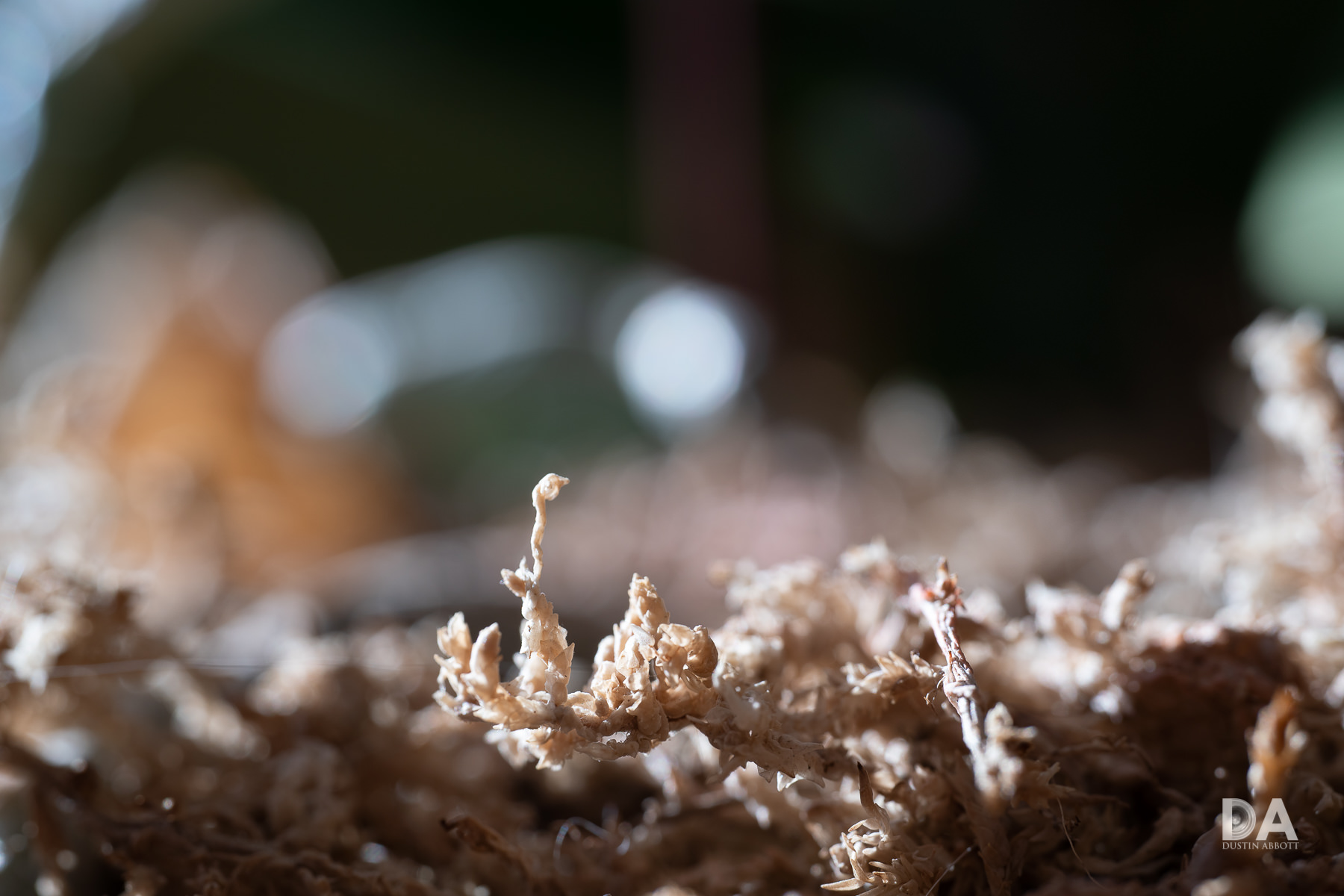
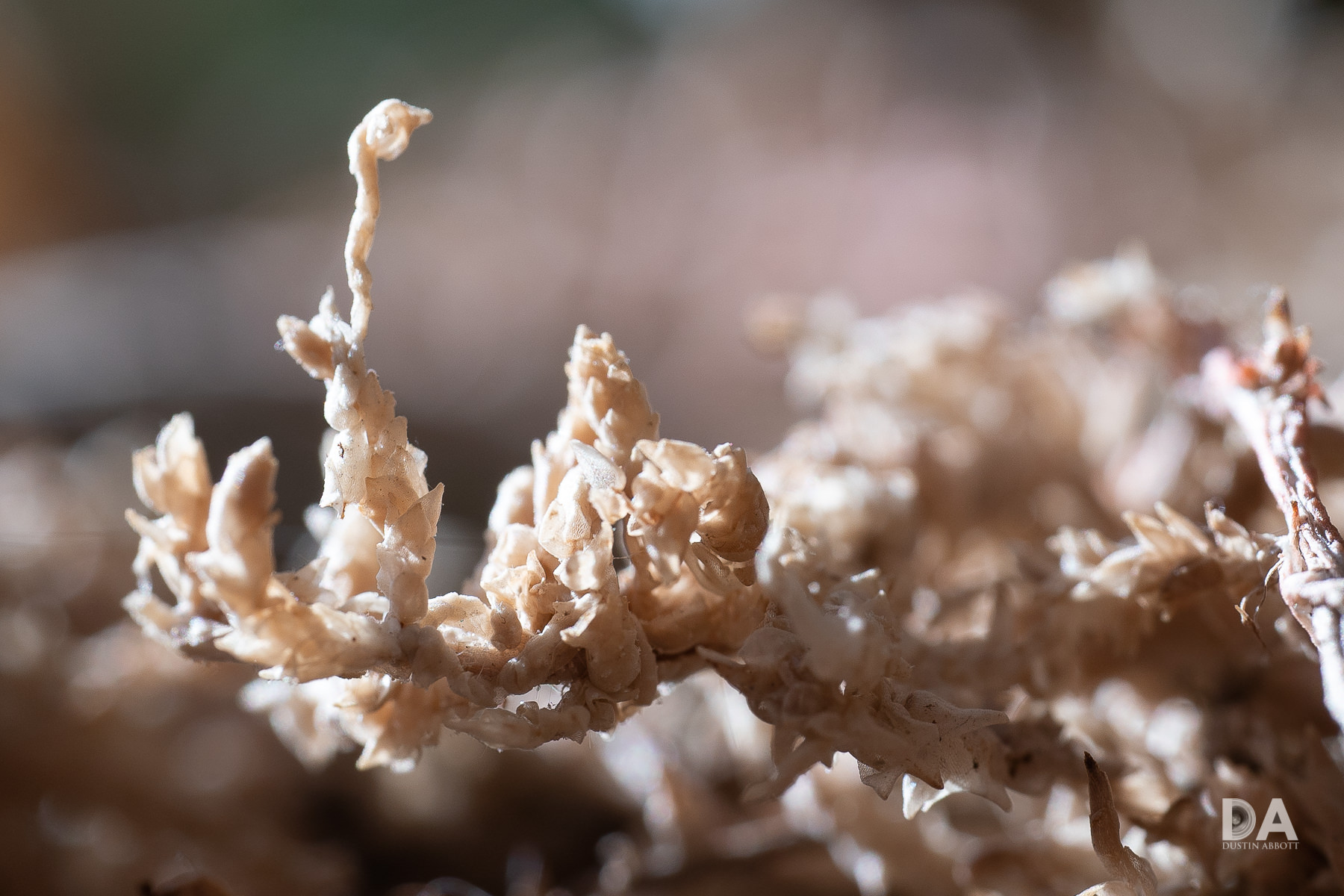
That’s true of standard distances in high contrast situations, too:
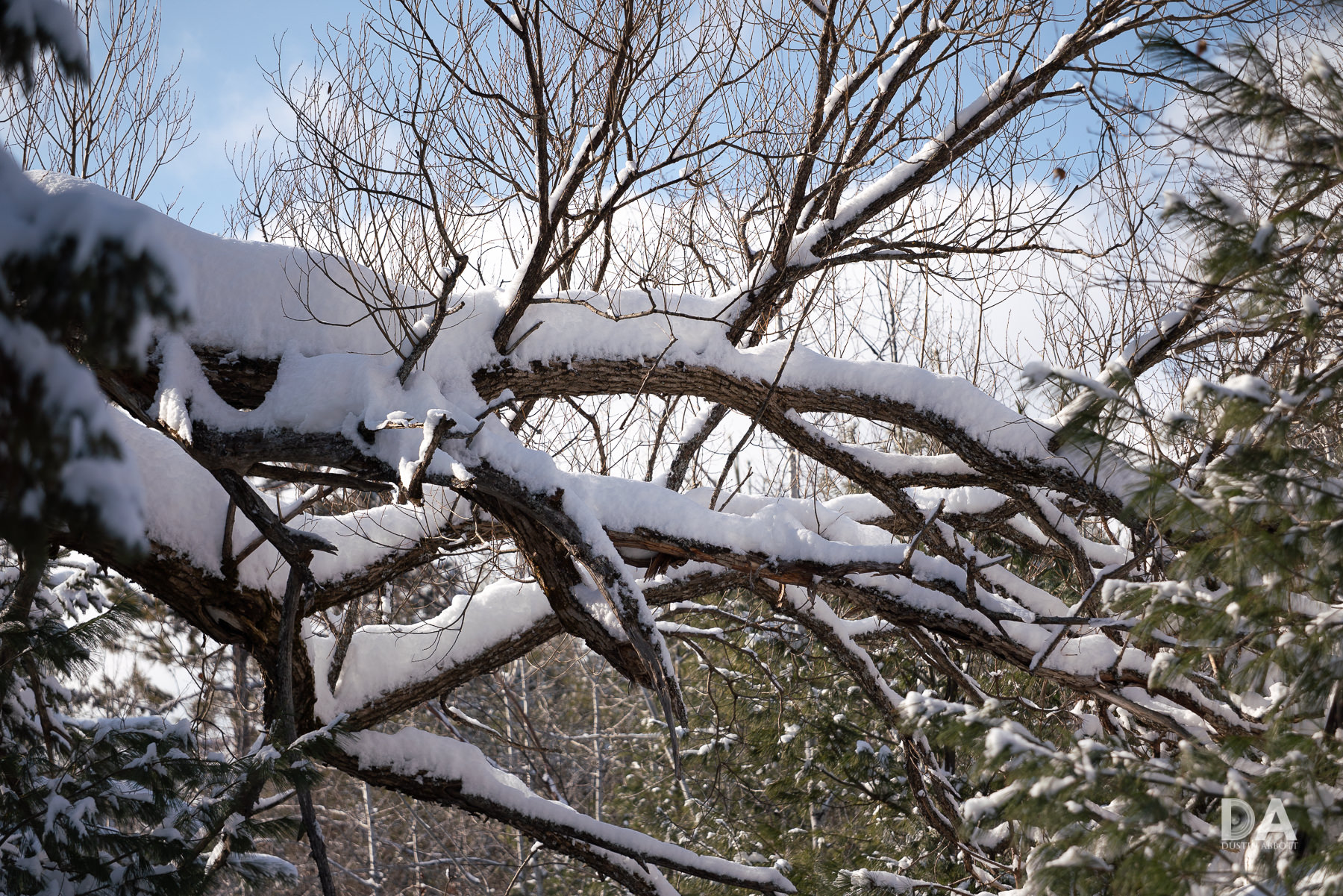
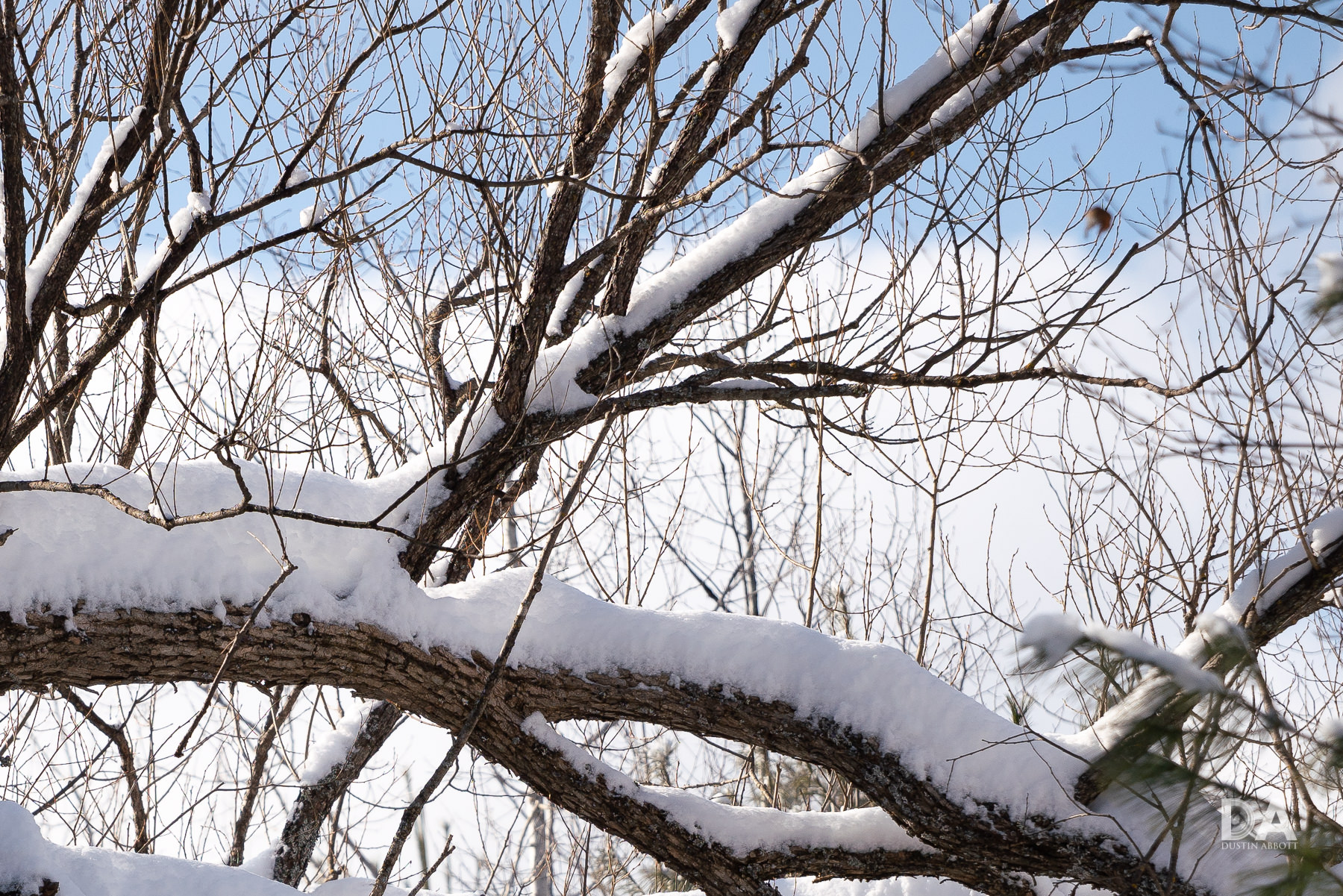
The amazing control of aberrations really makes a difference for macro work where depth of field is incredibly thin and LoCA tends to be very obvious. This also allows for great microcontrast (contrast in textures and fine details), which can really be seen in a shot like this:
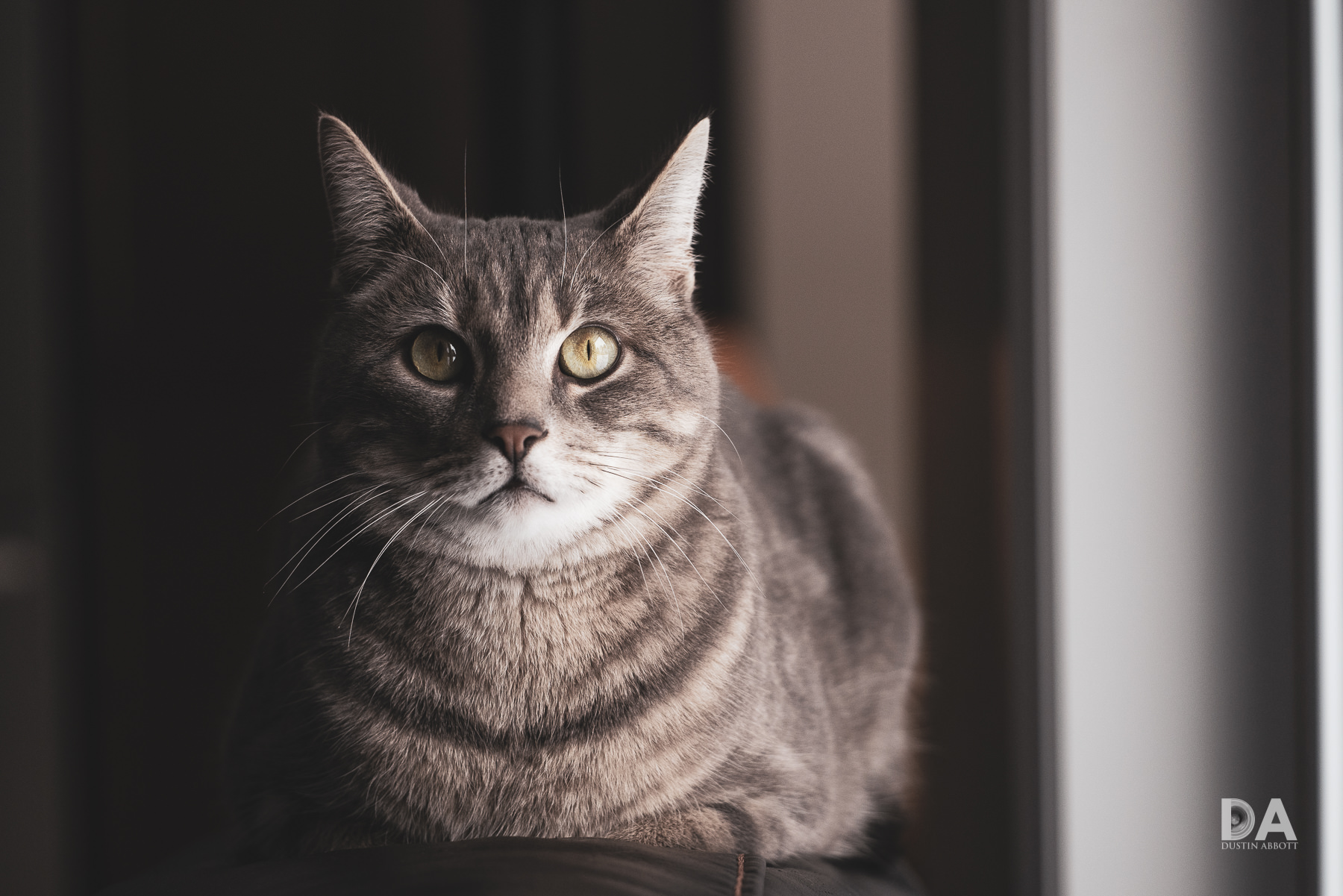
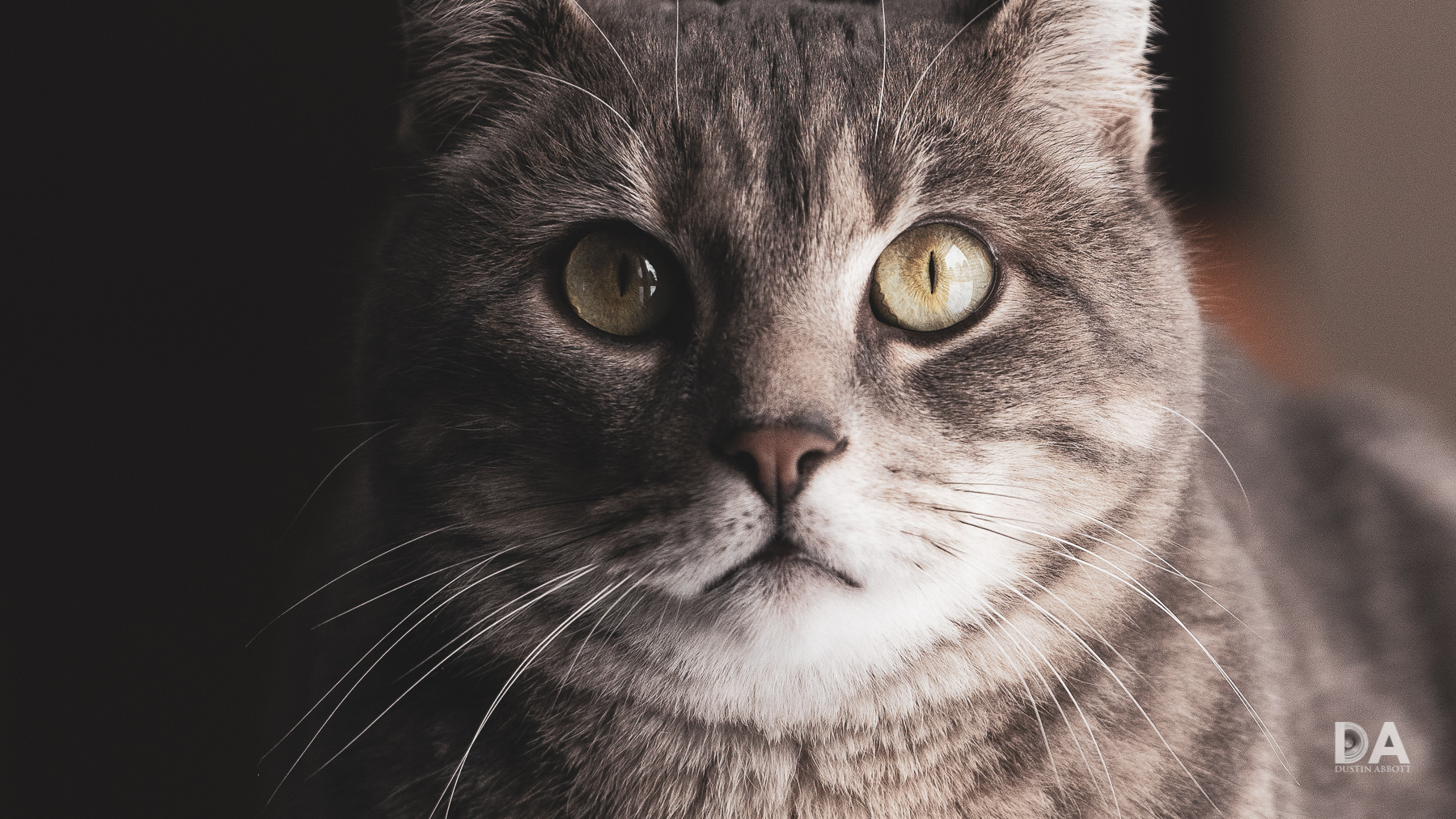
So obviously there is little need to stop the Laowa 65M down for greater sharpness, though surprisingly there is more on tap here. Stopping down to F4 shows a contrast improvement across the frame. It’s surprising how much better F4 looks than F2.8:
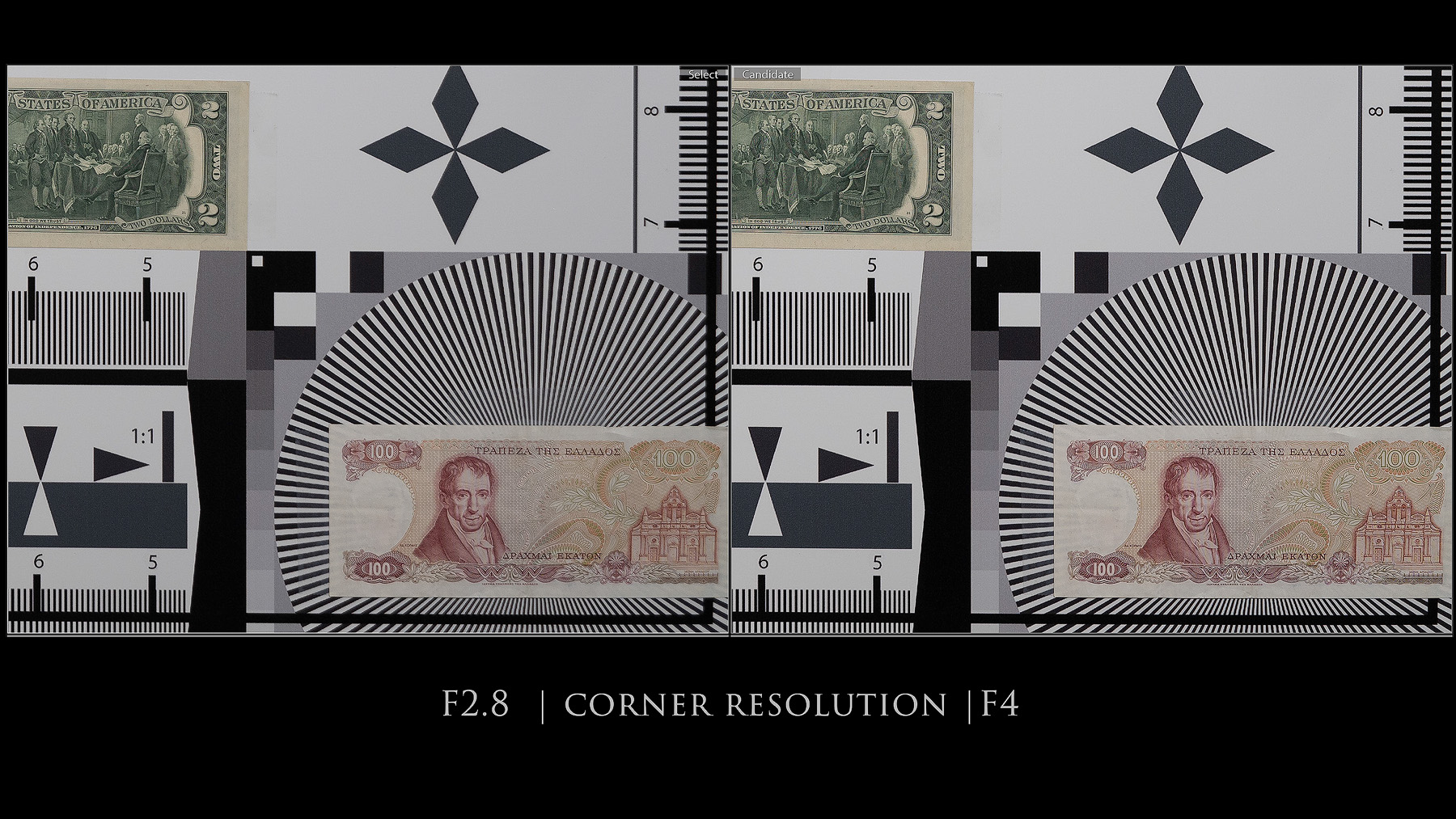
The textures are just jumping off the page. Even more surprising is that things improve a bit more at F5.6:
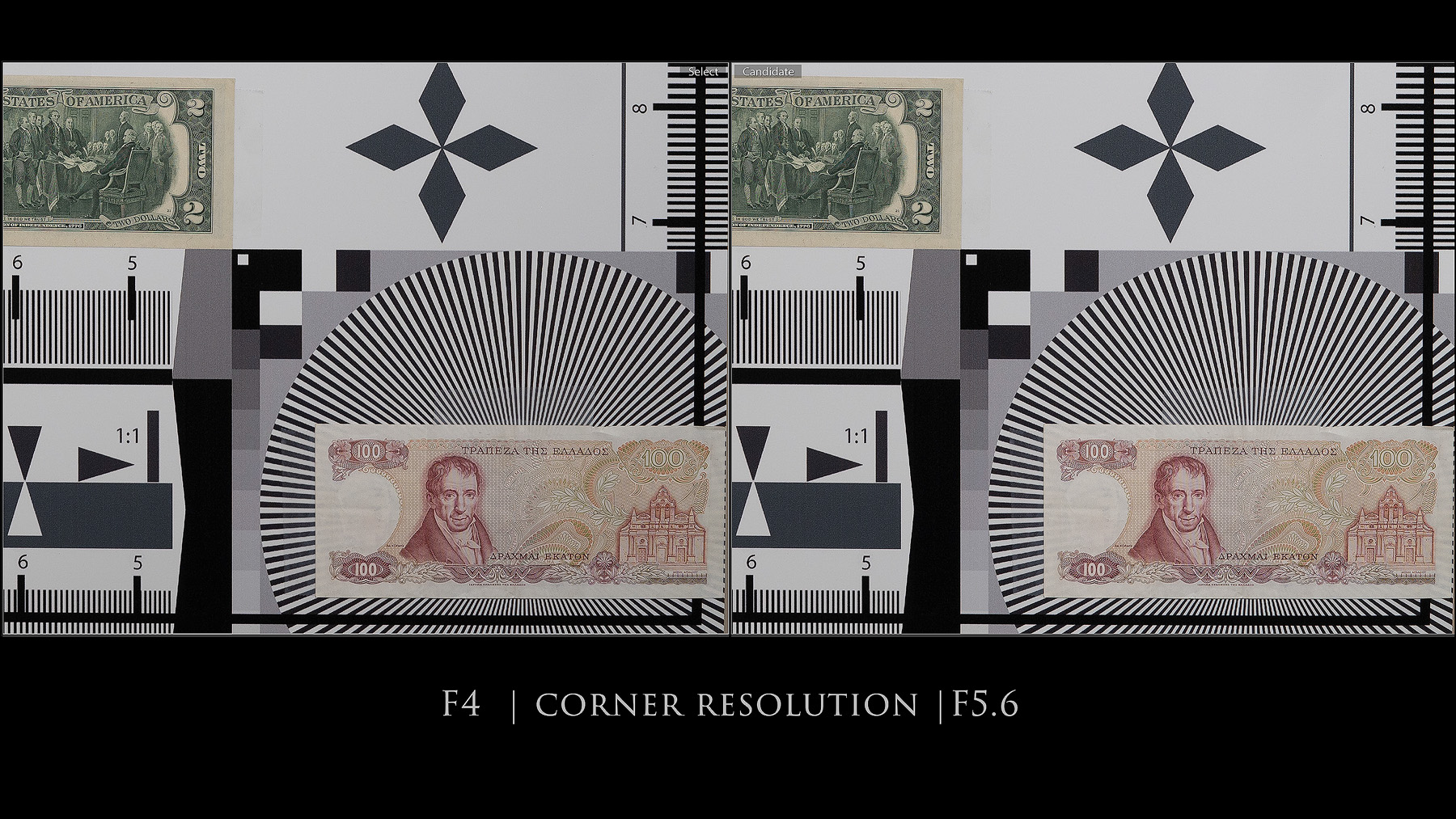
We are now at one of the best results that I’ve ever seen for an APS-C lens. This is just a brilliant amount of resolution and contrast. I’m very impressed!
Landscape results are equally lovely, with beautiful resolution of textures and nice colours.
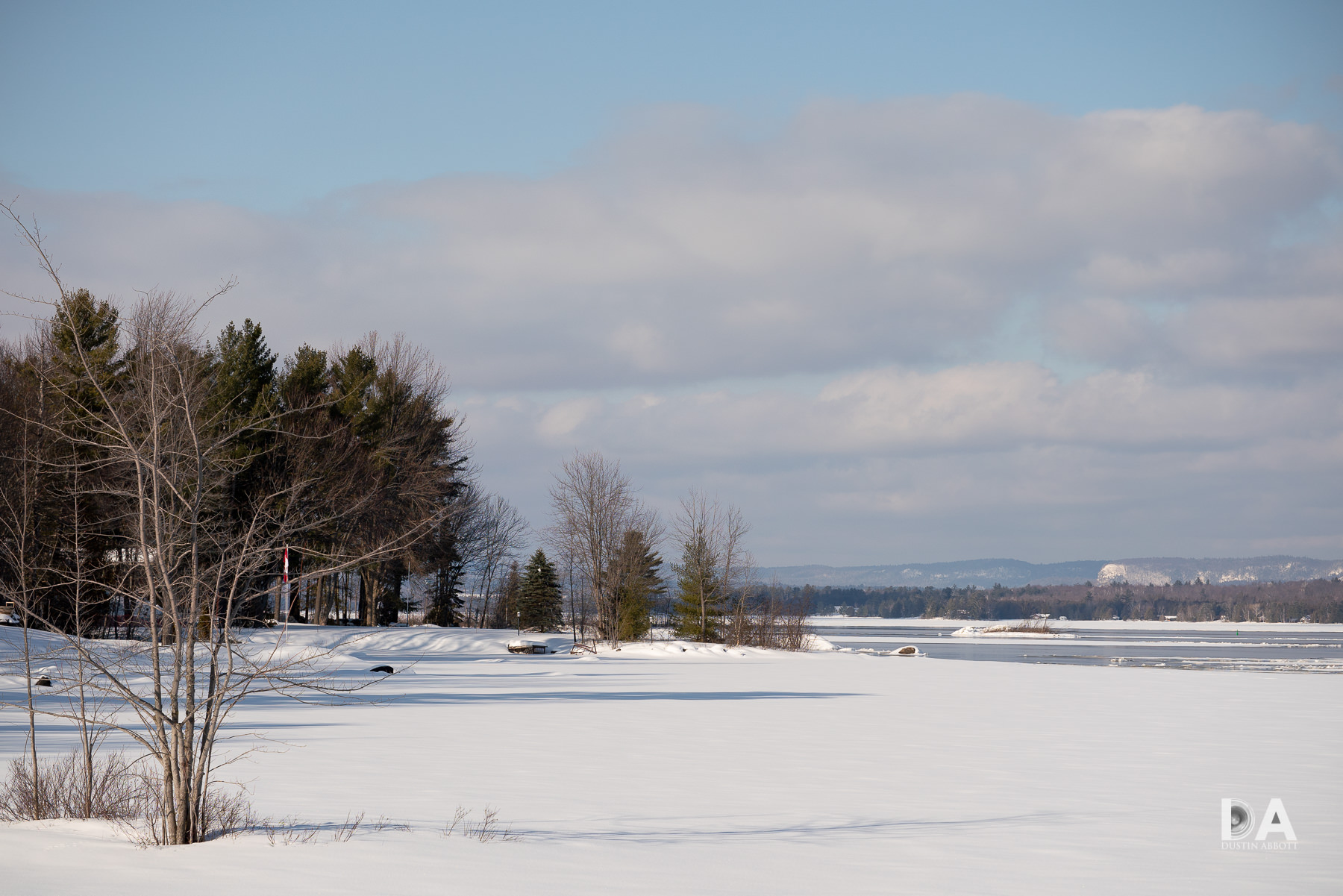
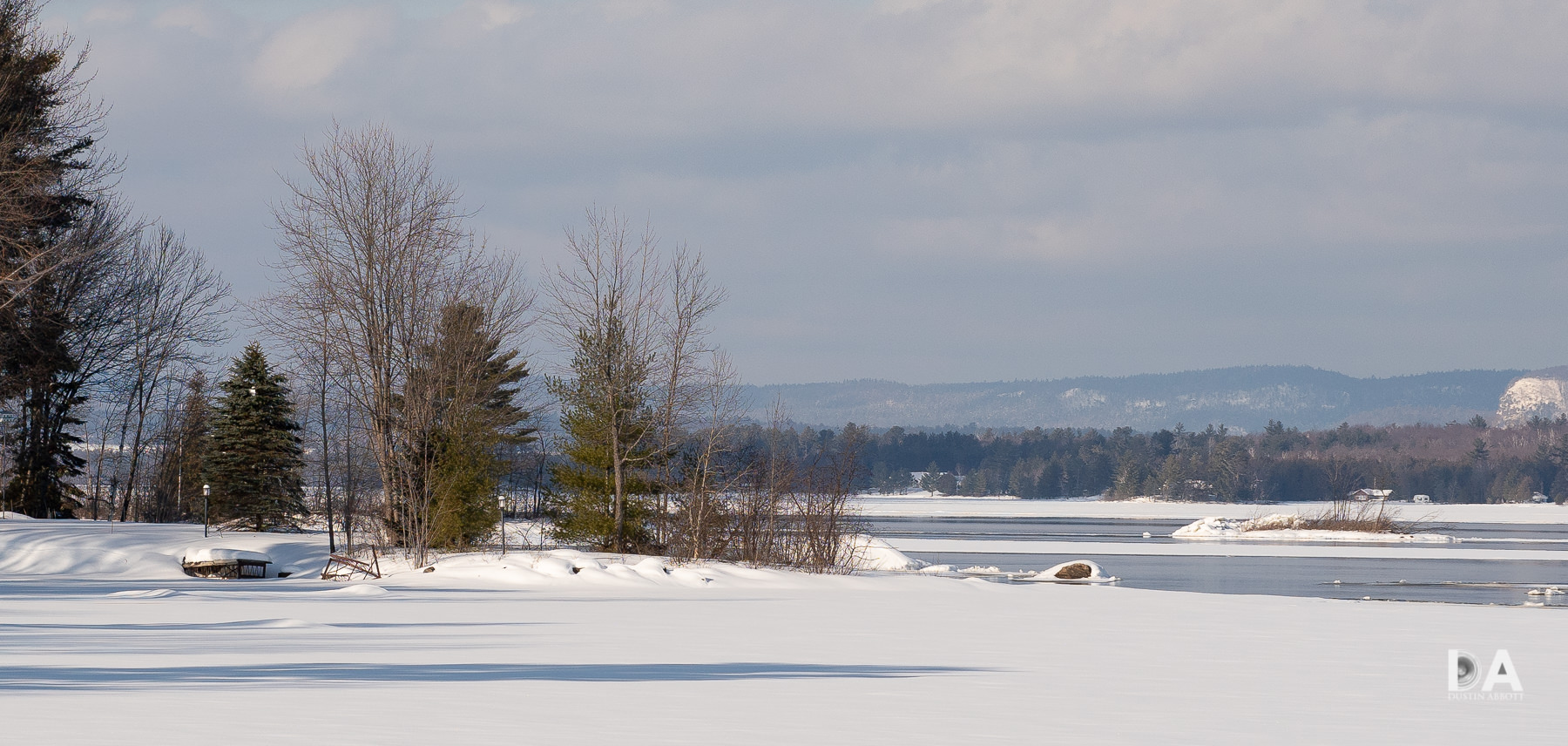
This is a very impressive lens.
Where APO lenses sometimes come up short is in the bokeh. So much contrast can result in somewhat harder edges in the defocused areas. That might be true so some mild degree here, but I actually bokeh looks quite good in most situations.
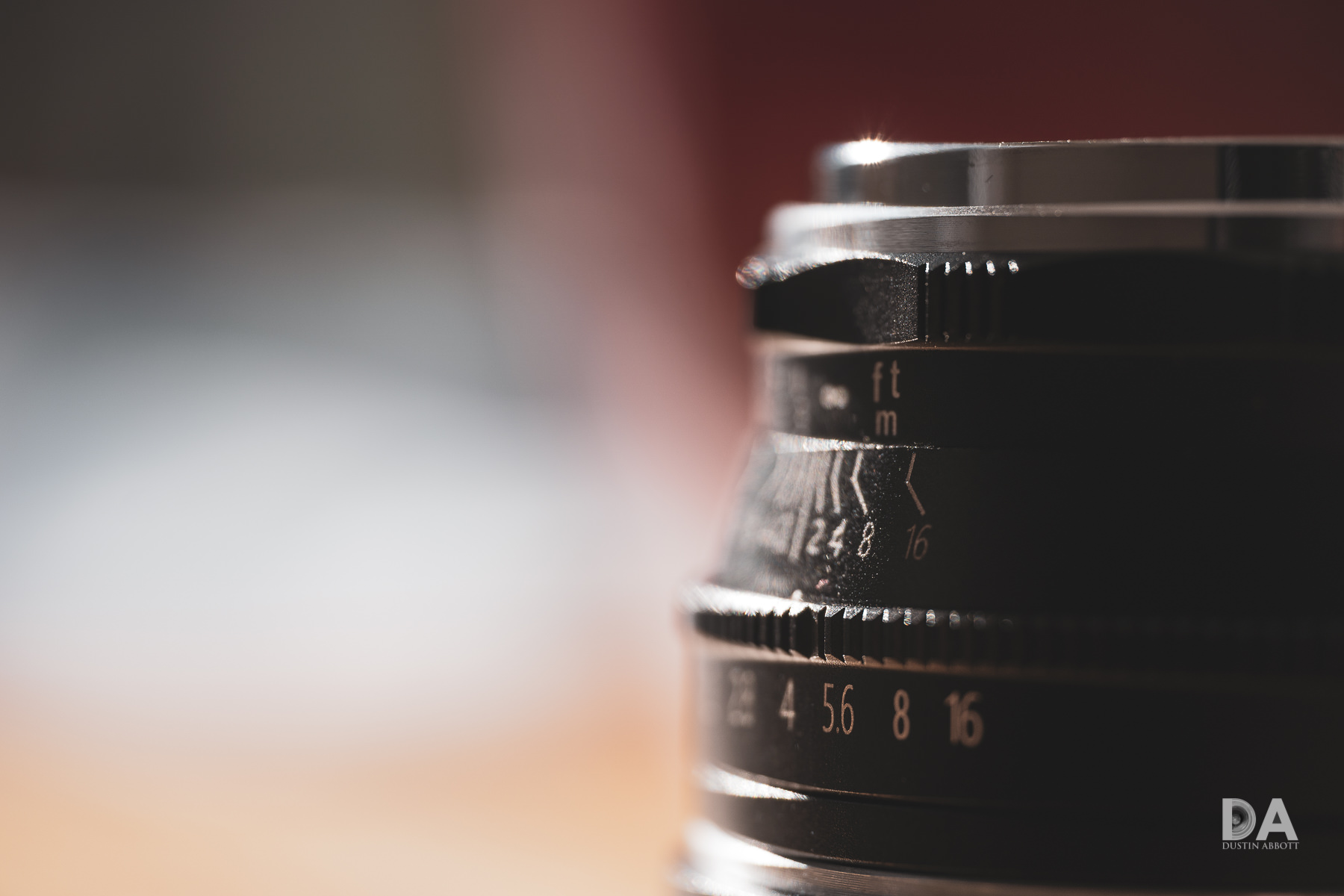
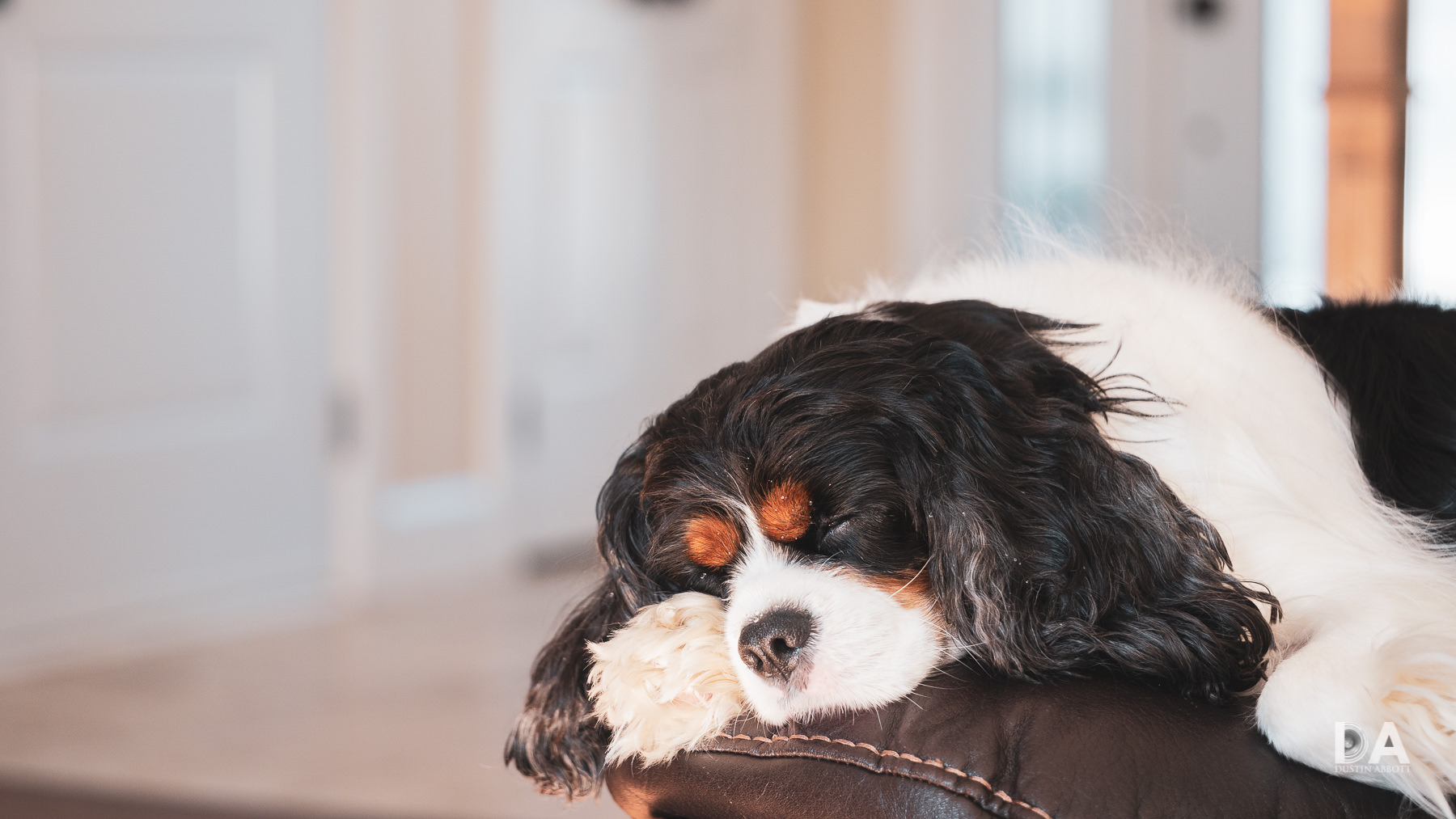
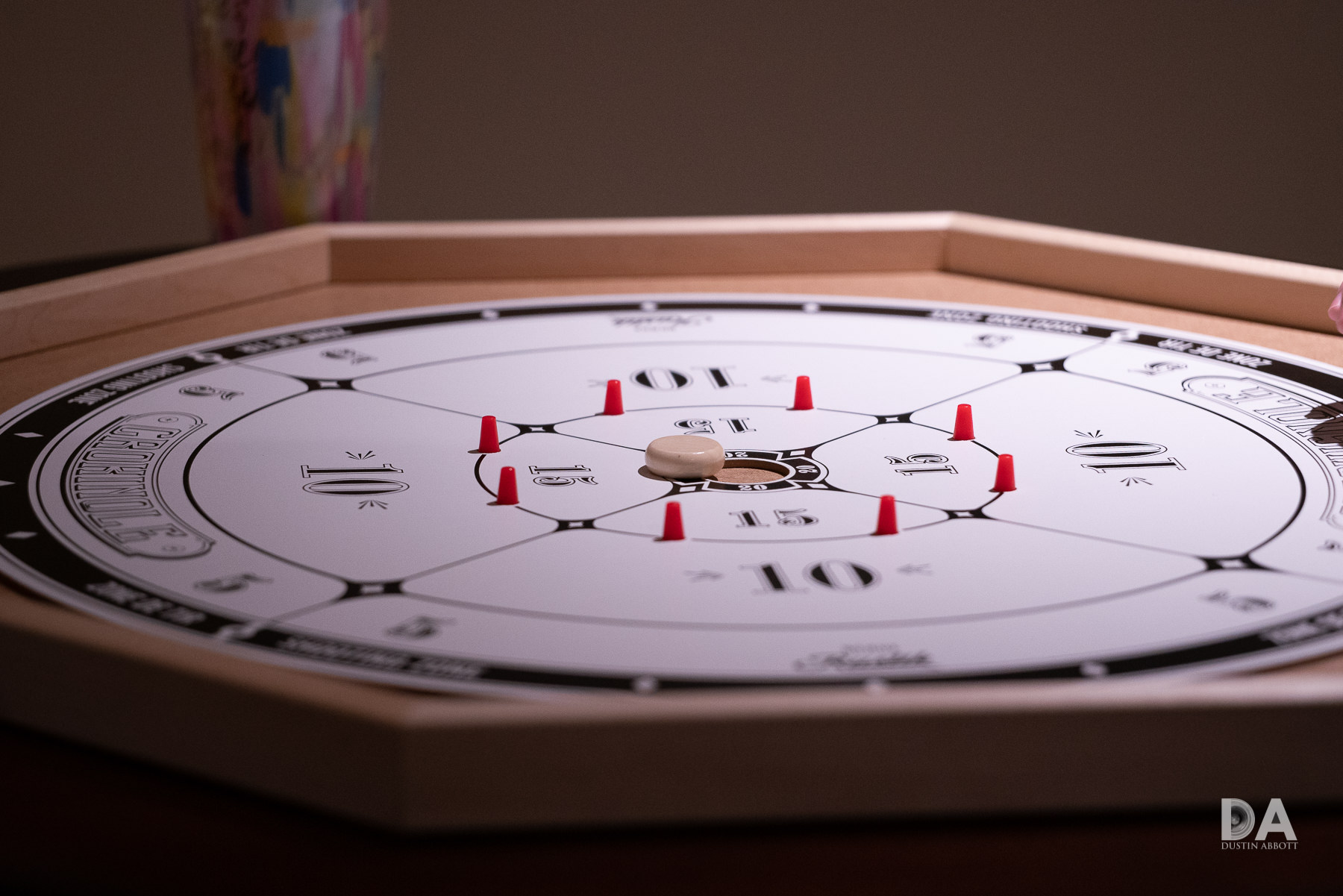

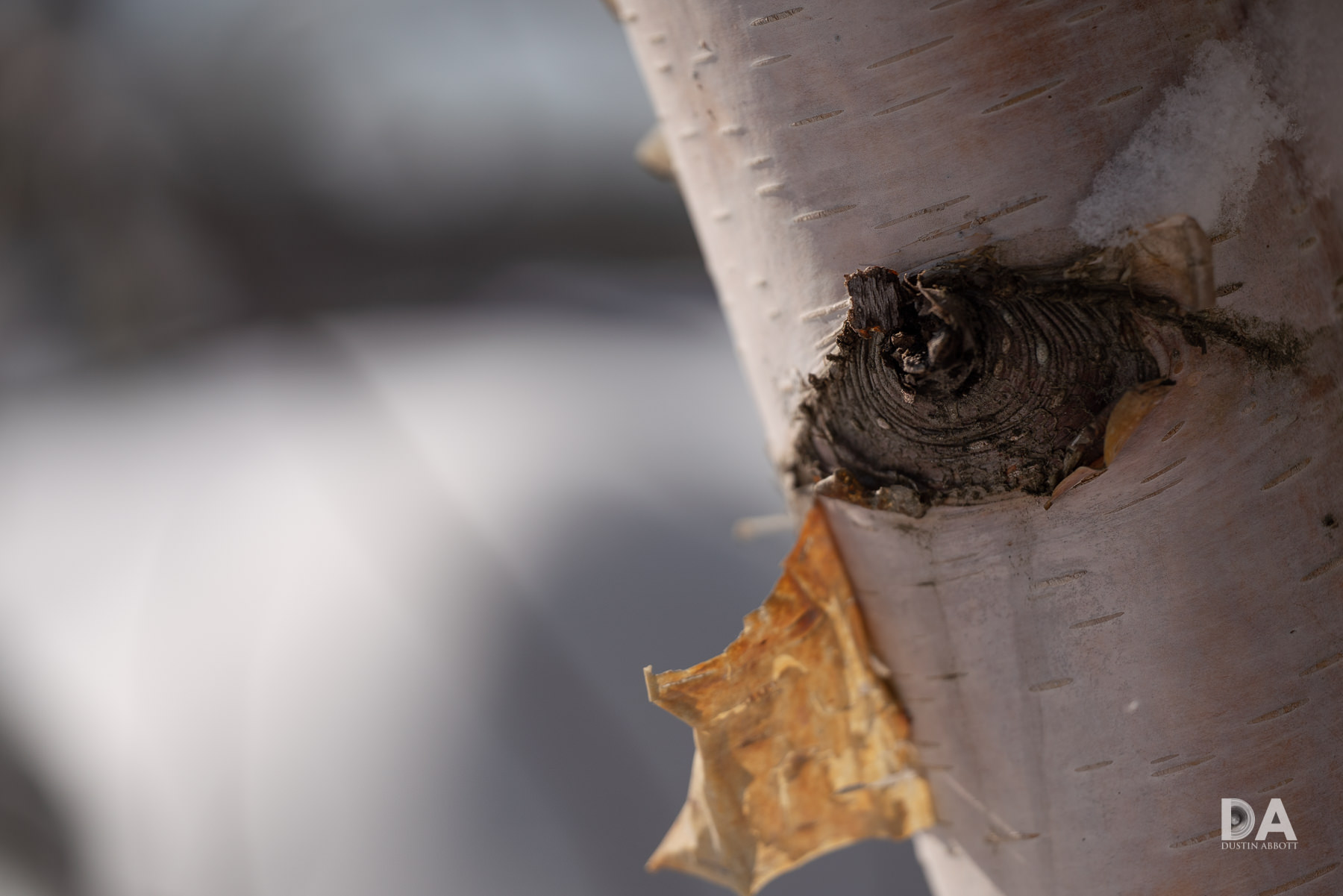
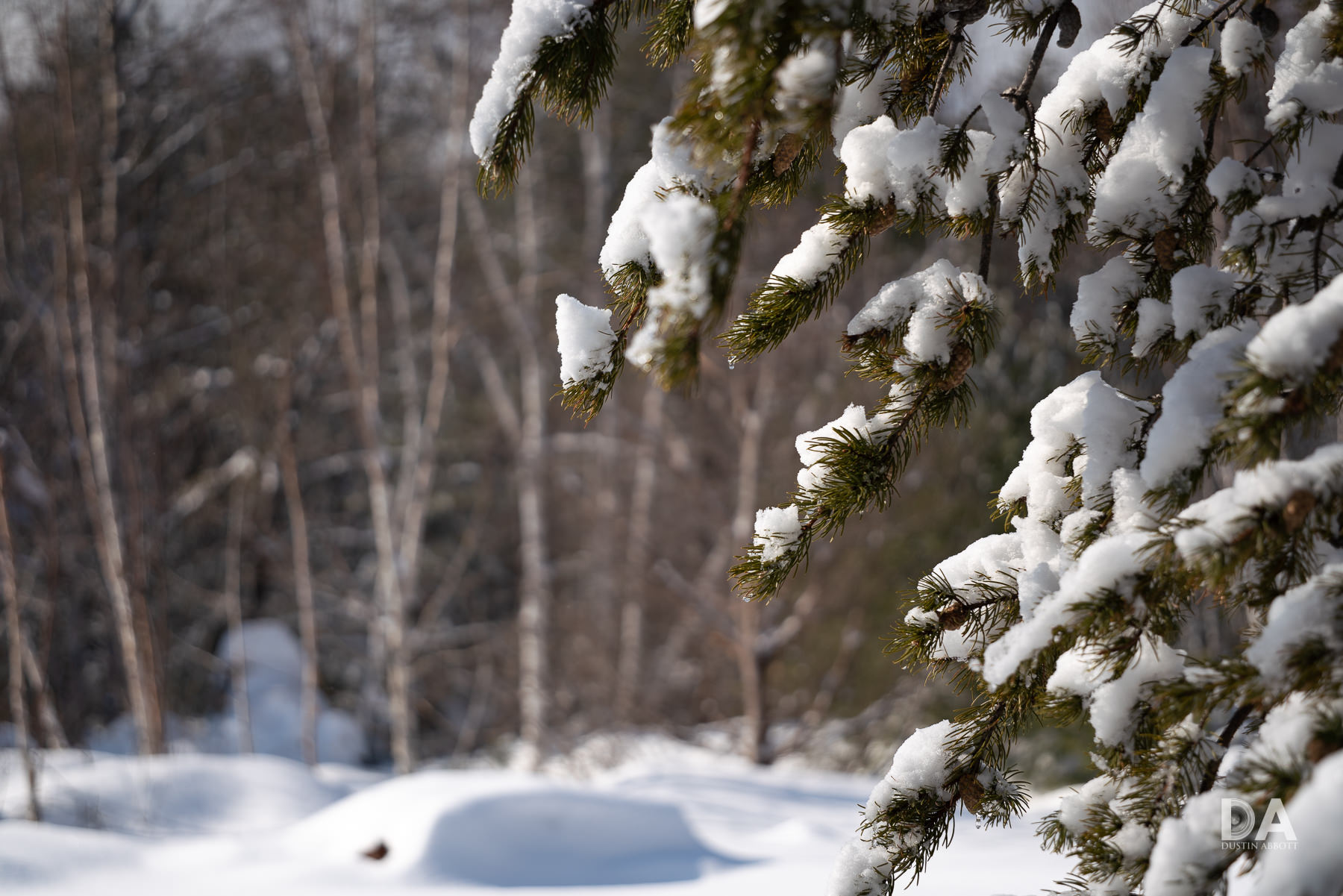
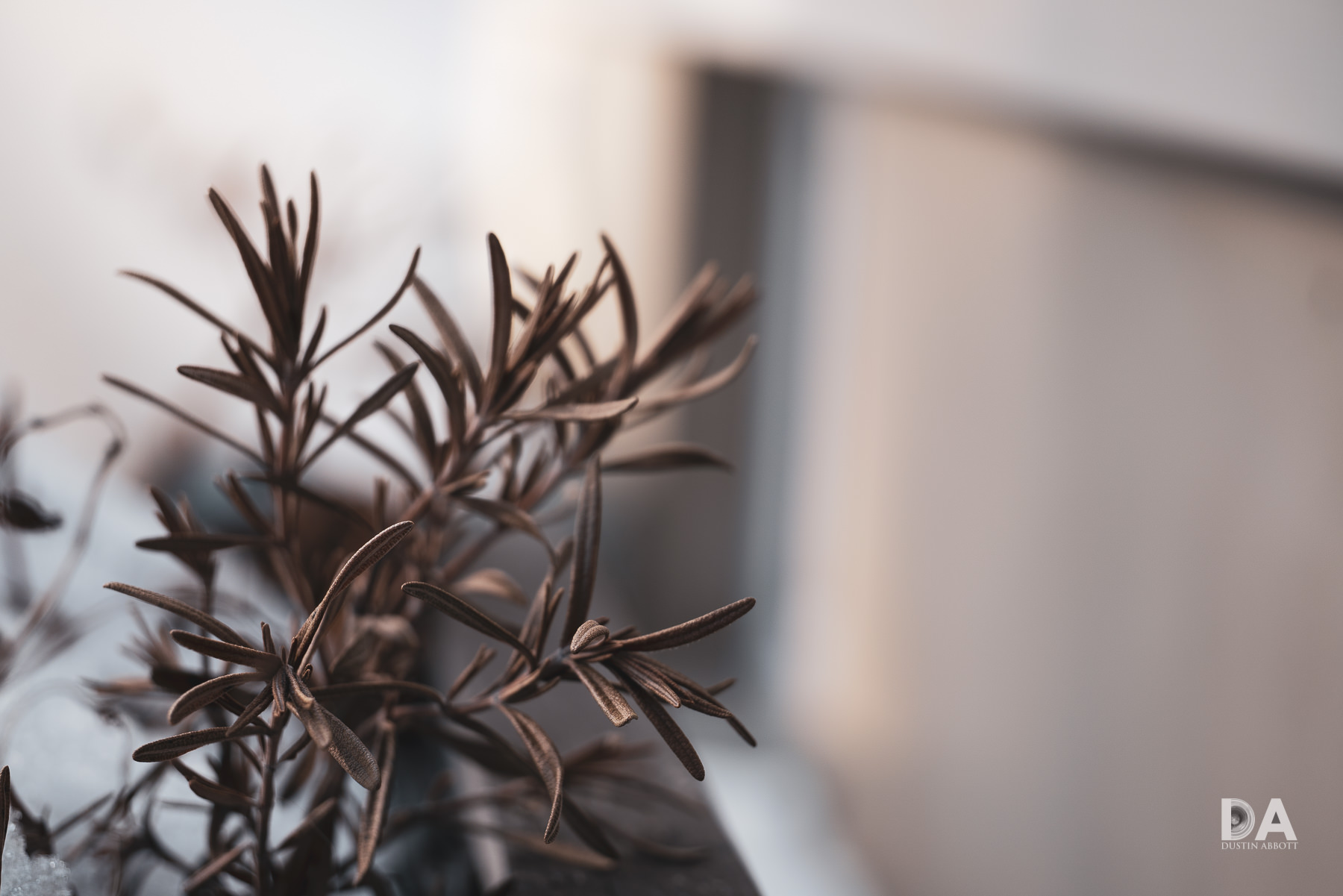
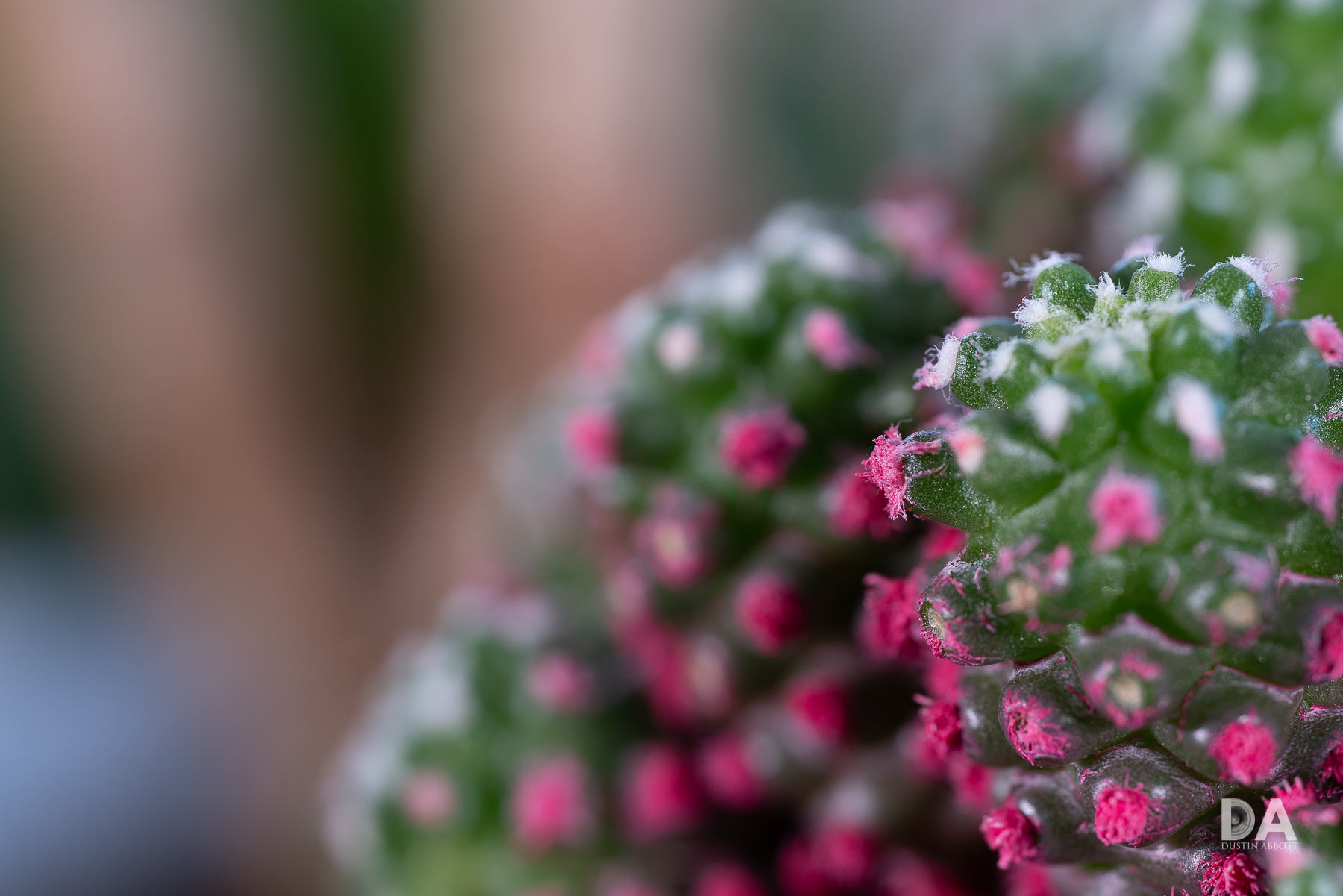
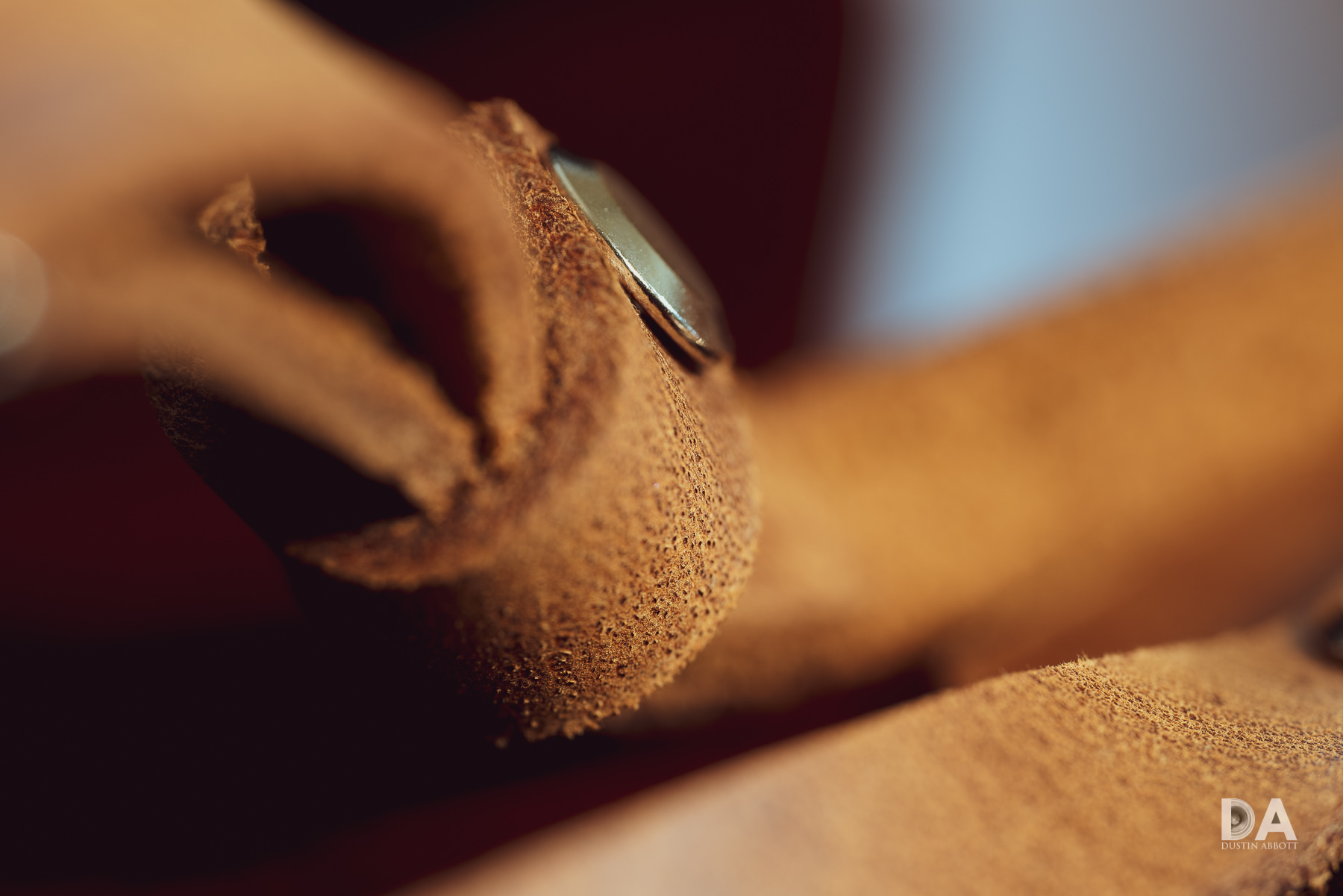
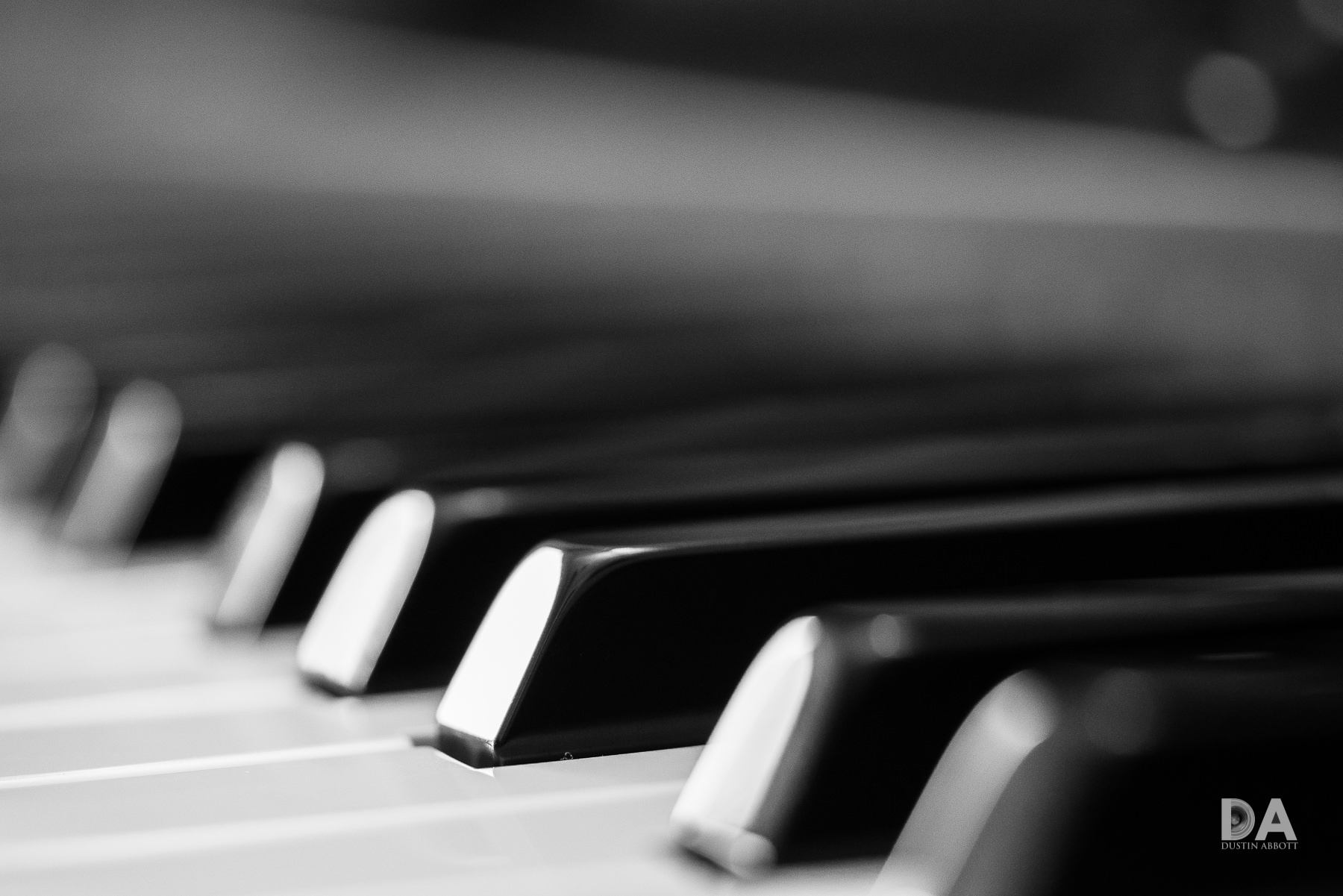
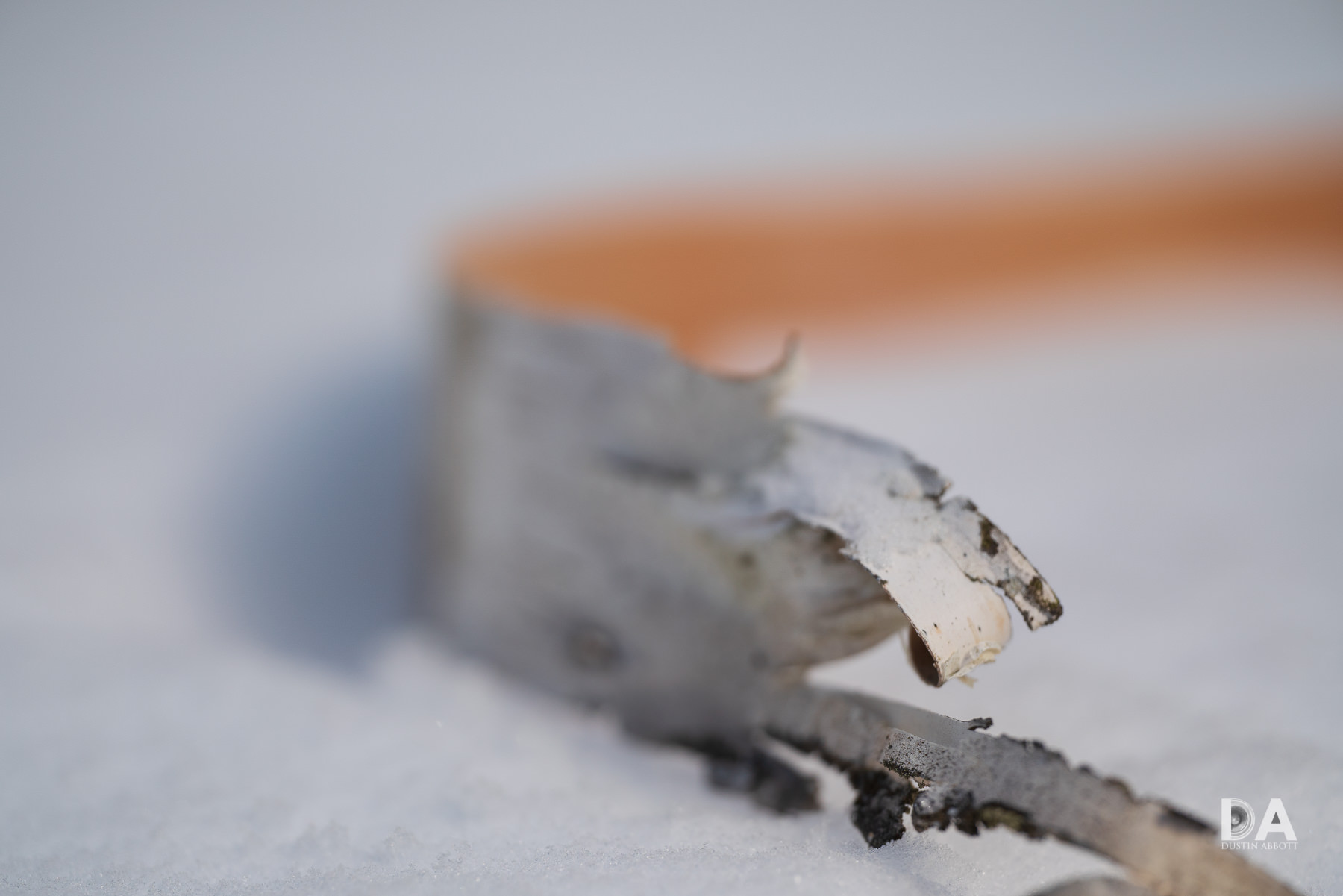

This was about as busy as I saw, and it really wasn’t bad. There’s still a lot of character to the bokeh.

If you point the lens right into the sun, you will see a bit of veiling and ghosting (most pronounced when I shot video footage back and forth across the sun). Fortunately with a longer focal length like this the opportunities to see this problem are much fewer. You may want to watch for it in backlit portrait situations, however, as you’ll see a fairly intense loss of contrast (veiling)

So there is a weakness after all! Still, the list is pretty short. This lens mostly just produces fabulous photos:
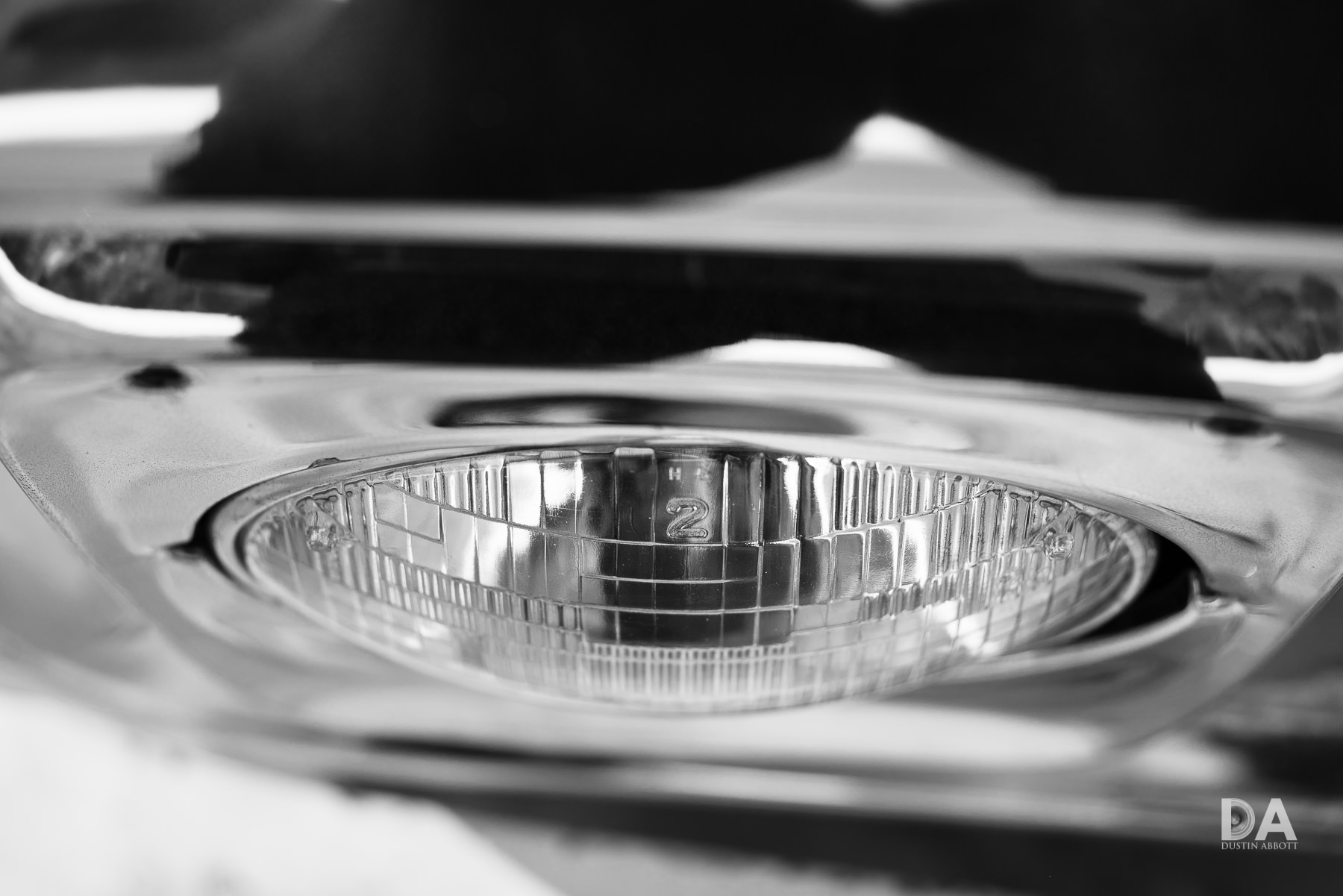
You’ll want to check out the image gallery. There are far more photos there than what I could share here.
Conclusion:
The Laowa 65mm F2.8 Ultra 2x Macro is a lot of fun. At CAD $599, it has one of the highest price-to performance ratios that I’ve seen in any lens before. It delivers stunning amounts of detail at any focus distance, and the ability to get even closer and get more magnification is pretty incredible.
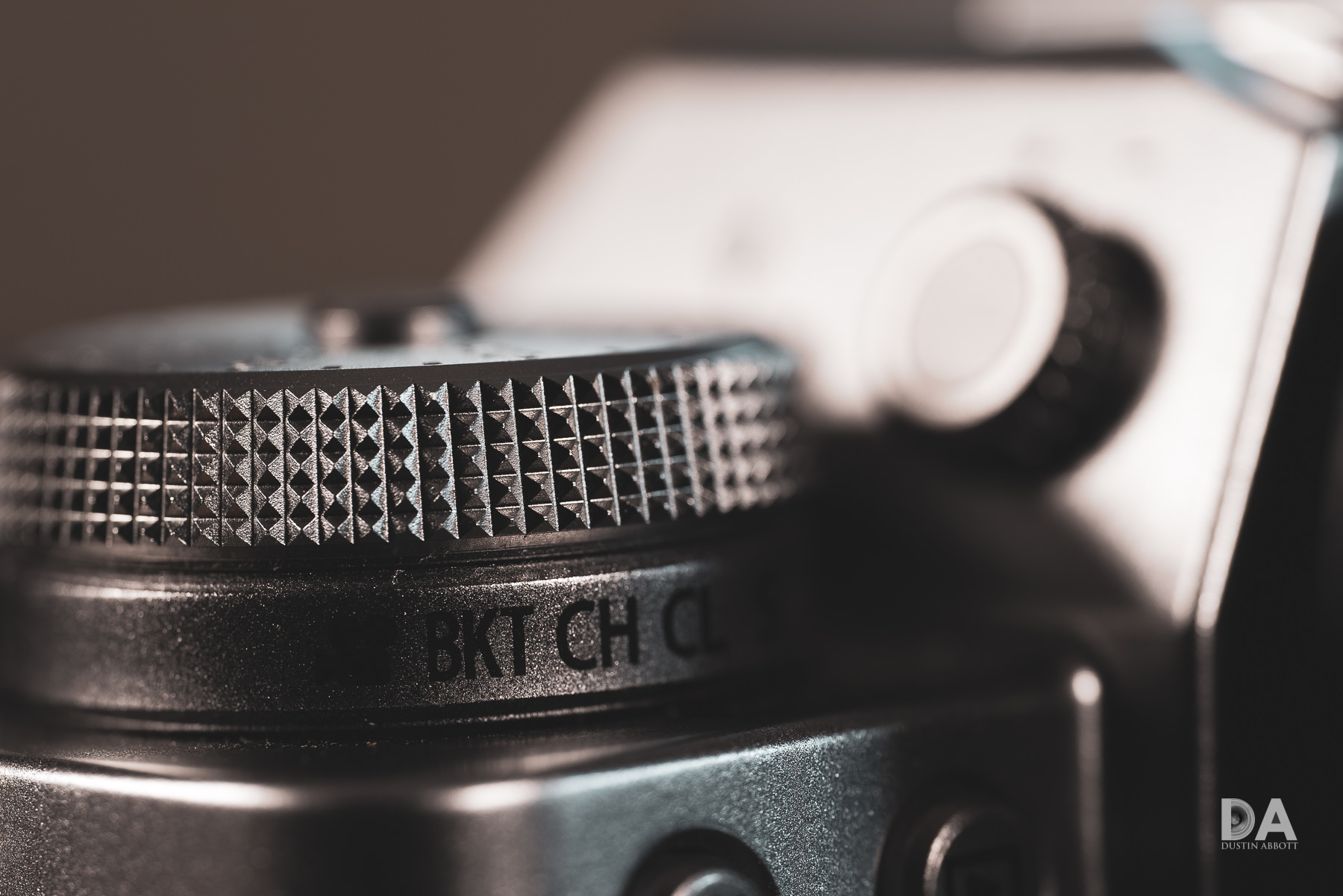
Here’s a case in point. What you see below is actually the postage stamp you saw mounted to the test chart above. This is a 2:1 macro look at it, revealing a scene of St. George and the Dragon. That’s without any additional cropping!

Or how about this image?
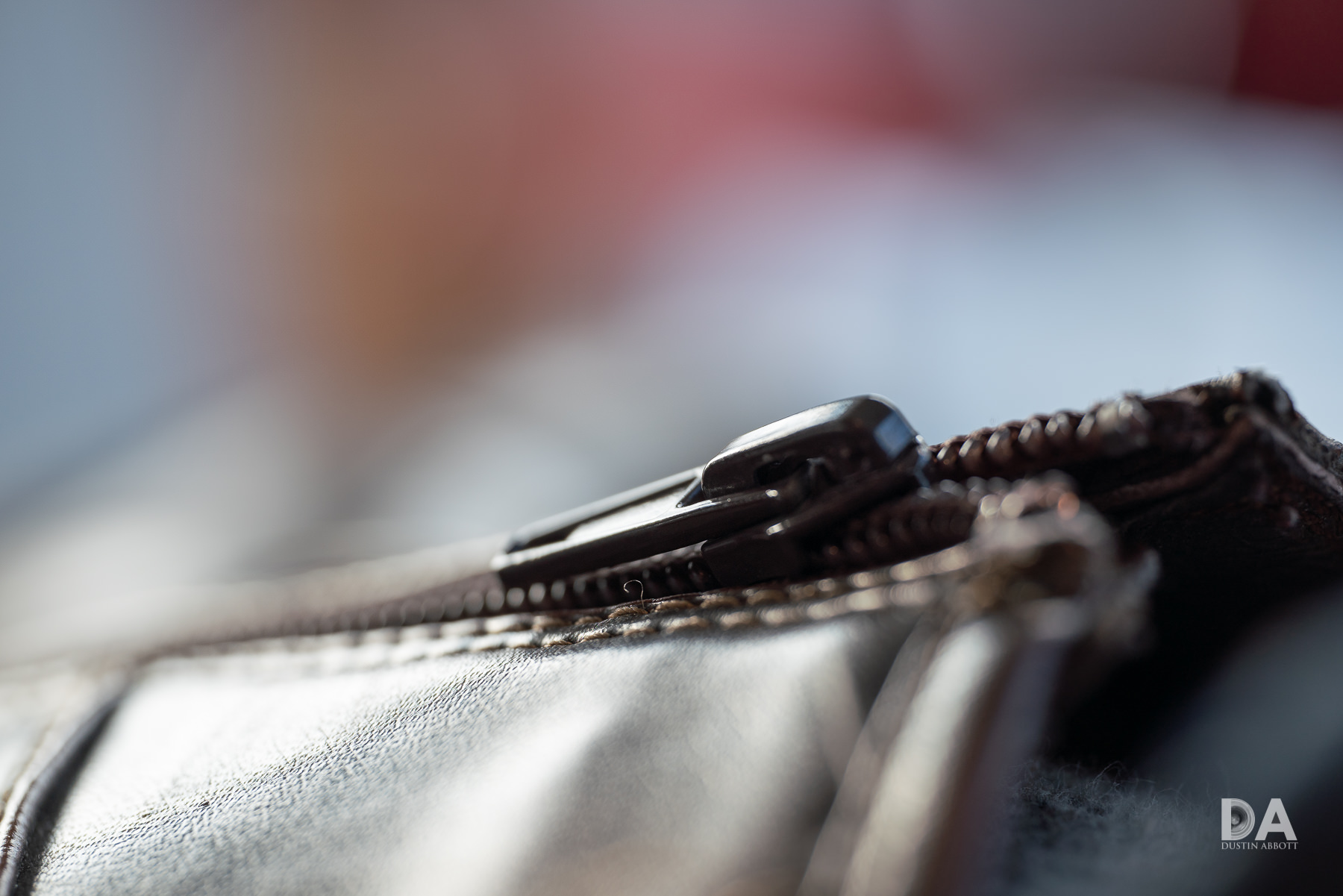
I took that while sitting and waiting for my oil to be changed. It’s my boot zipper that I noticed while my legs were crossed. The world is full of interesting things to do macro photographs of. If you’ve never owned a good macro lens and own a Sony, Fuji, or Canon APS-C mirrorless camera, then the Laowa 65M is well deserving of your attention. It may just be the best APS-C specific optical instrument that I’ve ever used.
Pros:
- APO design delivers stunningly good optical performance
- Amazing microcontrast
- Great resolution at macro, medium, and infinity alike
- Good manual focus ring with excellent focus throw
- Beautiful build that is sturdy yet compact
- Fantastic price-to-performance ratio
- No visible CA
- Low distortion and vignette
- Nice bokeh
Cons:
- No electronic contacts = no auto corrections, IBIS, or EXIF
- Somewhat flare prone
- No weather sealing
- No autofocus
Check me out on: My Patreon | Sign Up for My Newsletter | Instagram | Facebook | Twitter | Flickr | 500px | Google+ |
Original post on www.dustinabbott.net
About the Author
Dustin Abbott is a professional photographer and photography gear reviewer based in Ontario, Canada. His reviews for his website and YouTube channel are viewed around the world. www.dustinabbott.net